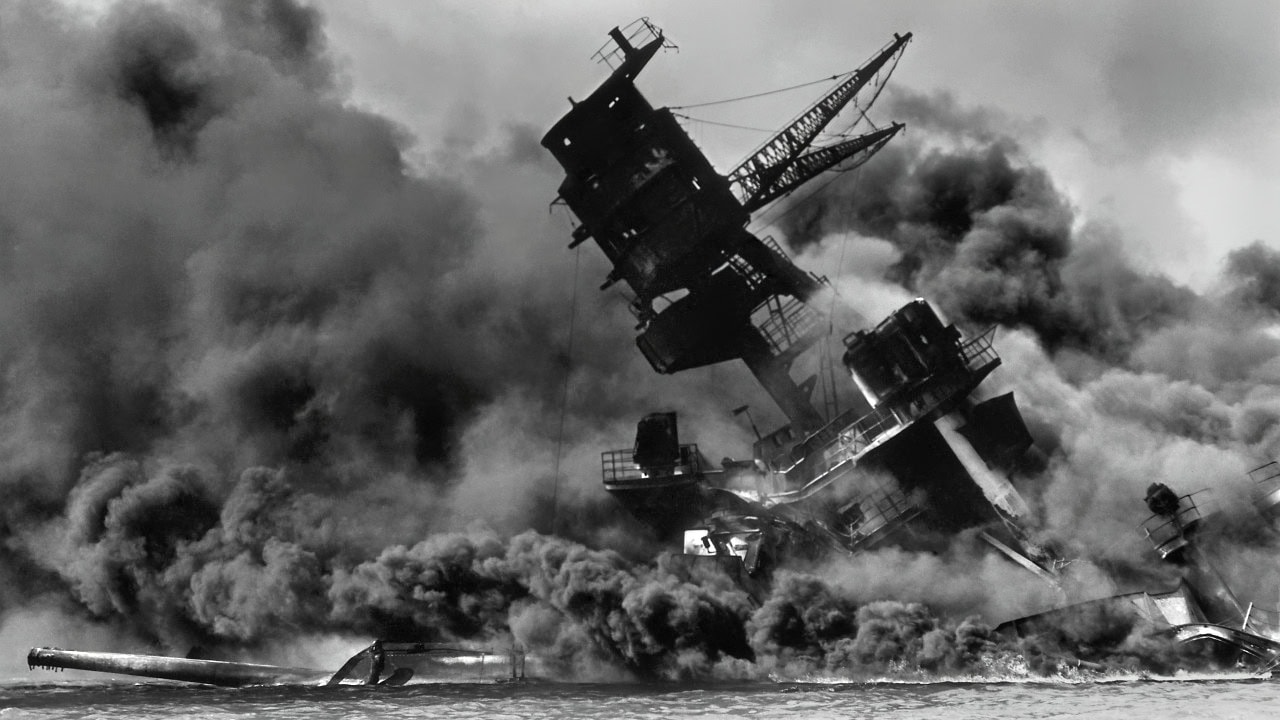
Summary and Key Points: The Pearl Harbor attack itself was a tactical triumph that sealed Japan’s fate. Six carriers north of Hawaii launched 353 aircraft in two waves, and 21 ships were sunk or damaged. But the harbor was shallow: six of eight battleships were raised or repaired and returned to the war; only Arizona and Oklahoma were lost for good; the fuel tanks, submarine base, and repair yards were untouched; and the three Pacific Fleet carriers were at sea.
Pearl Harbor Doomed Japan
Pearl Harbor is set to mark 85 years since the Japanese attack that brought the United States into World War II — and on September 15, the Pearl Harbor Aviation Museum broke ground on a major transformation of its historic Hangar 79.
It’s one of the surviving structures from the December 7, 1941 attack, and the project comes as Hawaii prepares for December’s 85th anniversary events.
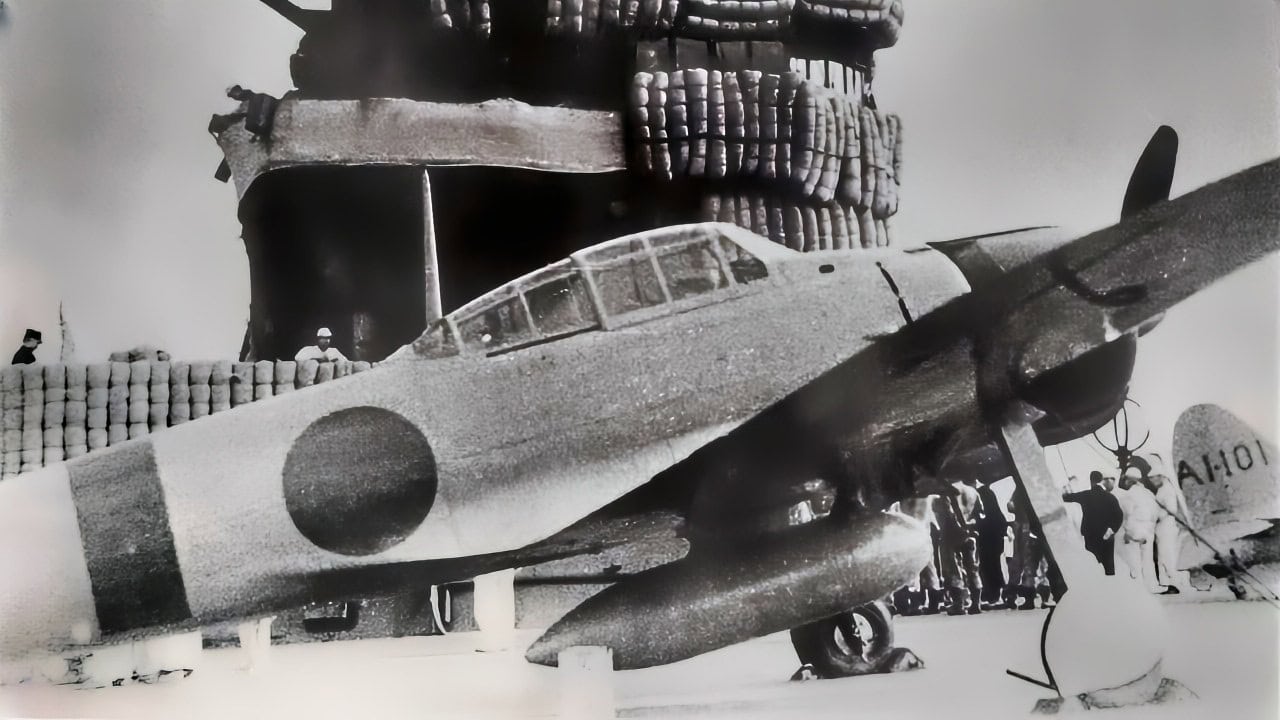
Pearl Harbor Attack 1941. Image Credit: Creative Commons.
The anniversary is another reminder of one of the most shocking attacks on American soil in history, and indeed the dynamics of the Pacific War, when Japan’s attack was an extraordinary tactical success but ultimately led to its loss.
Despite sinking American ships and destroying aircraft, Japan failed to destroy the weapons and infrastructure that would ultimately matter more in the war that followed.
In that sense, Japan may have won at Pearl Harbor, but it sealed its own fate in launching the strike.
Japan Tried to Knock America Out
Japan did not attack Pearl Harbor because its leaders believed the attack would see the United States conquered. Japanese planners knew what they wanted — a way to knock out the U.S. Pacific Fleet and the threat it posed to Japan’s plans to launch simultaneous offensives across Southeast Asia and the Pacific to capture territory and oil resources.
Admiral Isoroku Yamamoto developed a surprise attack on the United States that would temporarily hit American naval power in the Pacific and give Japan time to seize and fortify a large perimeter.
It occurred on December 7, beginning with six Japanese aircraft carriers positioned north of Hawaii.
Those carriers launched 353 aircraft across two waves, striking Pearl Harbor and surrounding American military facilities.
And it came as a total surprise.
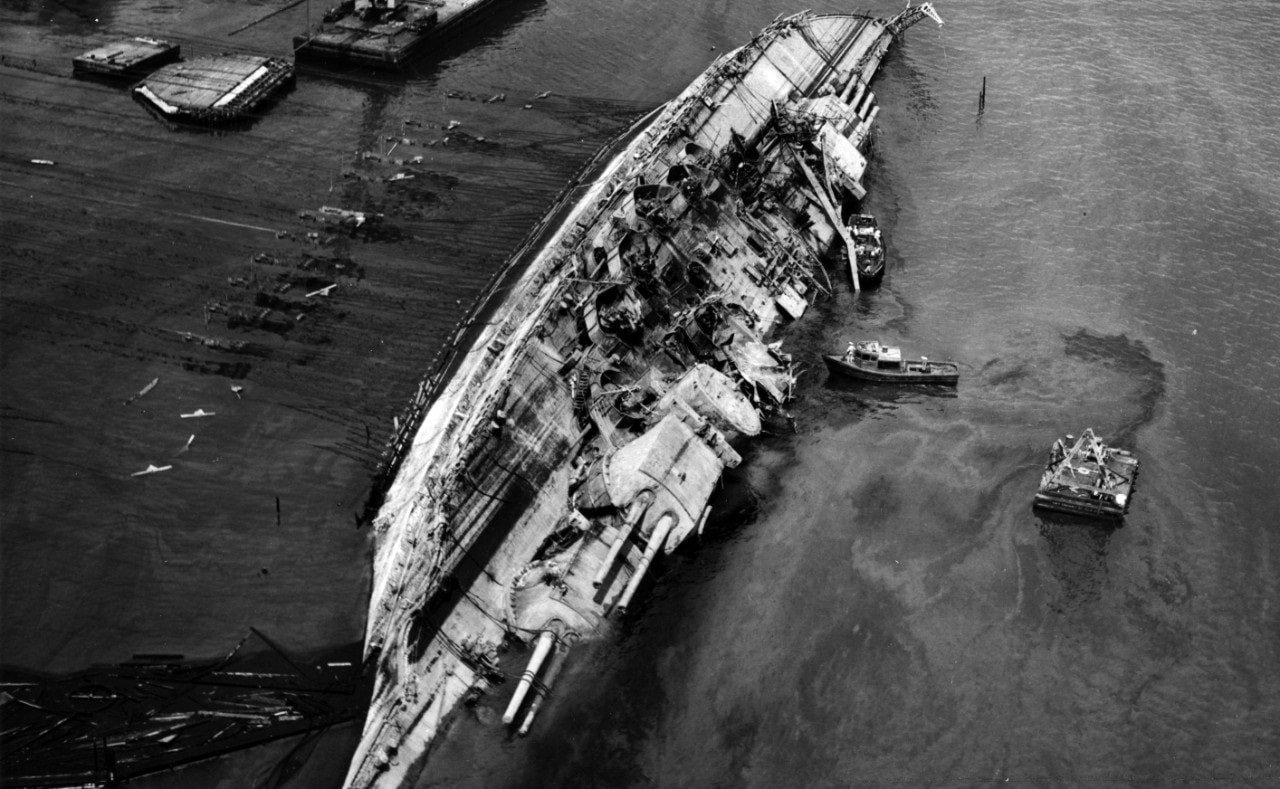
The USS Oklahoma, moored at Ford Island, Pearl Harbor, was sunk by Japanese aircraft during the attack on Pearl Harbor. A total of 429 crewmen aboard the USS Oklahoma were killed in the early morning hours of Dec. 7, 1941, after the ship quickly capsized from the numerous torpedo hits.
By the time the attack came to an end, 2,403 Americans were dead, and 21 U.S. ships had been damaged or sunk.
Japan Hit America’s Battleships
The most serious damage was witnessed along Battleship Row — the mooring area along the southeastern side of Ford Island in Pearl Harbor where major U.S. Navy warships anchored side by side.
A bomb penetrated USS Arizona and caused the ship to explode after ammunition stored onboard was detonated. USS Oklahoma then capsized after being repeatedly struck by torpedoes.
Other battleships, including USS West Virginia and USS California, sank in the harbor. It looked catastrophic, but there was one saving grace.
The harbor was shallow, and USS Nevada, California, and West Virginia were eventually raised out of the water and repaired. They then returned to service.
USS Tennessee, Maryland, and Pennsylvania also suffered less serious damage and returned to the war.
Of the eight battleships at Pearl Harbor, only Arizona and Oklahoma were left so badly damaged that they could never fight again.
The former battleship Utah, which was obsolete, was also permanently lost.
The Carriers Weren’t There
Another problem: the U.S. Pacific Fleet’s aircraft carriers weren’t there.
USS Enterprise had transported Marine fighters to Wake Island and was returning toward Hawaii.
USS Lexington was carrying aircraft toward Midway. USS Saratoga was on the U.S. West Coast.
That meant Japan’s carrier pilots could not destroy them. Within the months that followed, that problem became clear to Japan.
Naval warfare was shifting away from battleships exchanging fire within sight of each other and toward carriers using aircraft to reach targets hundreds of miles away without moving the ships.
American carriers adapted, and they fought at the Battle of the Coral Sea in May 1942.
The next month, Enterprise joined USS Hornet and Yorktown at Midway, where American naval aircraft sank four Japanese fleet carriers, Akagi, Kaga, Soryu, and Hiryu. The carriers had all participated in the attack on Pearl Harbor six months prior.
Pearl Harbor Kept Working
Japanese aircraft caused significant damage at Pearl Harbor, but it was still working after the attack, with much of its supporting infrastructure left intact.
The attack focused heavily on the ships and aircraft there, but the enormous fuel storage facilities survived, as did the submarine base and repair facilities.
Destroying them could have made American operations substantially more difficult.
Instead, the damaged ships were repaired at Pearl Harbor, and submarines could still operate from Hawaii.
The fleet retained access to huge volumes of fuel, too.
Japan Won, and Then Lost
Ultimately, Japan’s biggest problem was that the United States could replace what it lost at Pearl Harbor, with American industry building new ships and aircraft on a scale Japan couldn’t match.
The attack needed to deliver a very decisive strategic blow — but it didn’t.
The carriers survived alongside the vital infrastructure, and most of the damaged battleships returned.
Japan awakened a far more powerful enemy without destroying the forces that would eventually defeat it in WWII.
About the Author: Jack Buckby
Jack Buckby is a British researcher and analyst specializing in defense and national security, based in New York. His work focuses on military capability, procurement, and strategic competition, and he produces and edits analysis for policy and defense audiences. He brings extensive editorial experience, with a career output spanning over 1,000 articles at 19FortyFive, and has previously authored books and papers on extremism and deradicalization.