
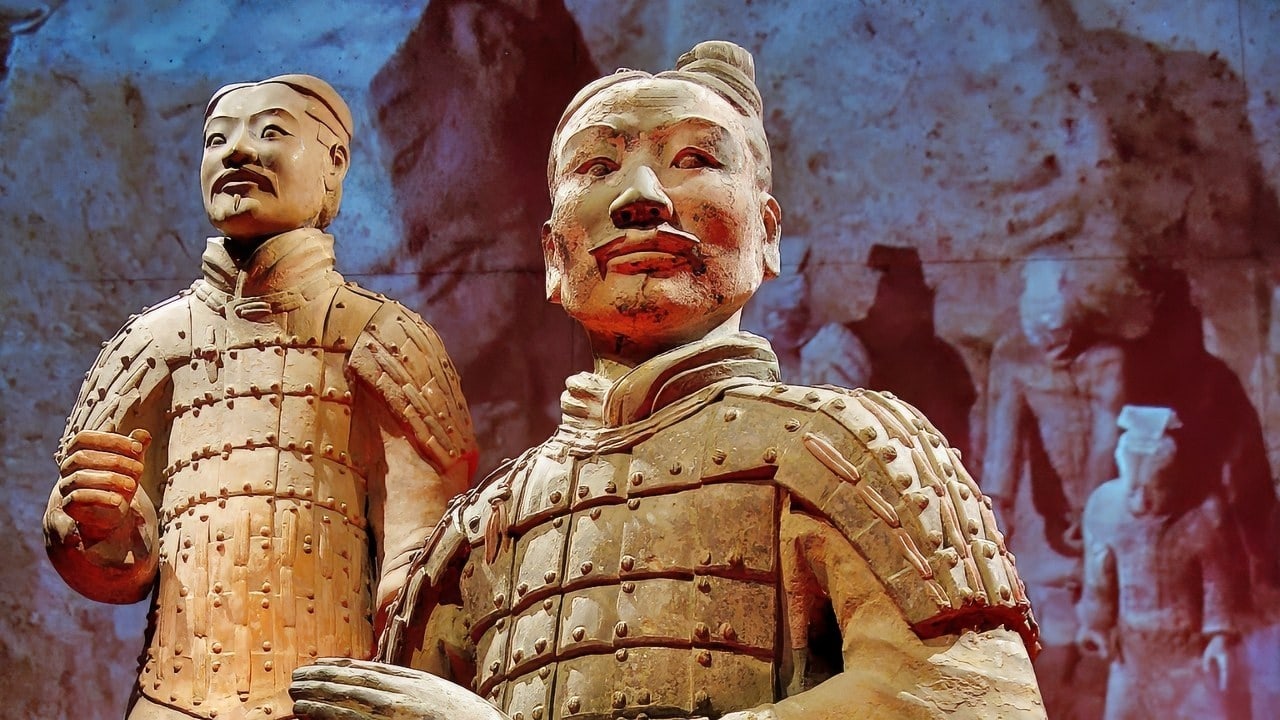
Summary and Key Points: Isaac Seitz distills Sun Tzu’s The Art of War from the line “One mark of a great soldier is that he fights on his own terms or fights not at all”: winning without fighting as the acme of skill, since sieges and long campaigns impoverish states; deception and intelligence, with spies filling the final chapter, as the engines of victory; and water-like adaptability over rigid strength, a calm commander who knows when not to fight.
All Warfare Is Deception: Sun Tzu’s Real Playbook for Control and Power Meets Military History
“One mark of a great soldier is that he fights on his own terms or fights not at all.” – Sun Tzu
Sun Tzu is widely regarded as one of history’s most influential and studied strategists.
His book, The Art of War, serves as a tactical handbook for leaders and generals.
While historians still debate the historical Sun Tzu, whoever wrote/compiled The Art of War possessed incredible insight into the nature of warfighting, a topic of study for several thousand years.
Here are some central ideas I found in Sun Tzu’s short masterpiece.
Winning Without Fighting as the Highest Form of Victory
The central concept of The Art of War is the assertion that true strategic excellence lies in achieving one’s objectives without resorting to open conflict.
When Sun Tzu famously states that “to subdue the enemy without fighting is the acme of skill,” he is not offering a poetic exaggeration but a fundamental redefinition of victory.
War, in his view, is inherently destructive; it consumes resources, destabilizes societies, exhausts armies, and risks irreversible loss.
A commander who can win only by killing large numbers of enemy soldiers and destroying cities has already failed at a deeper strategic level.
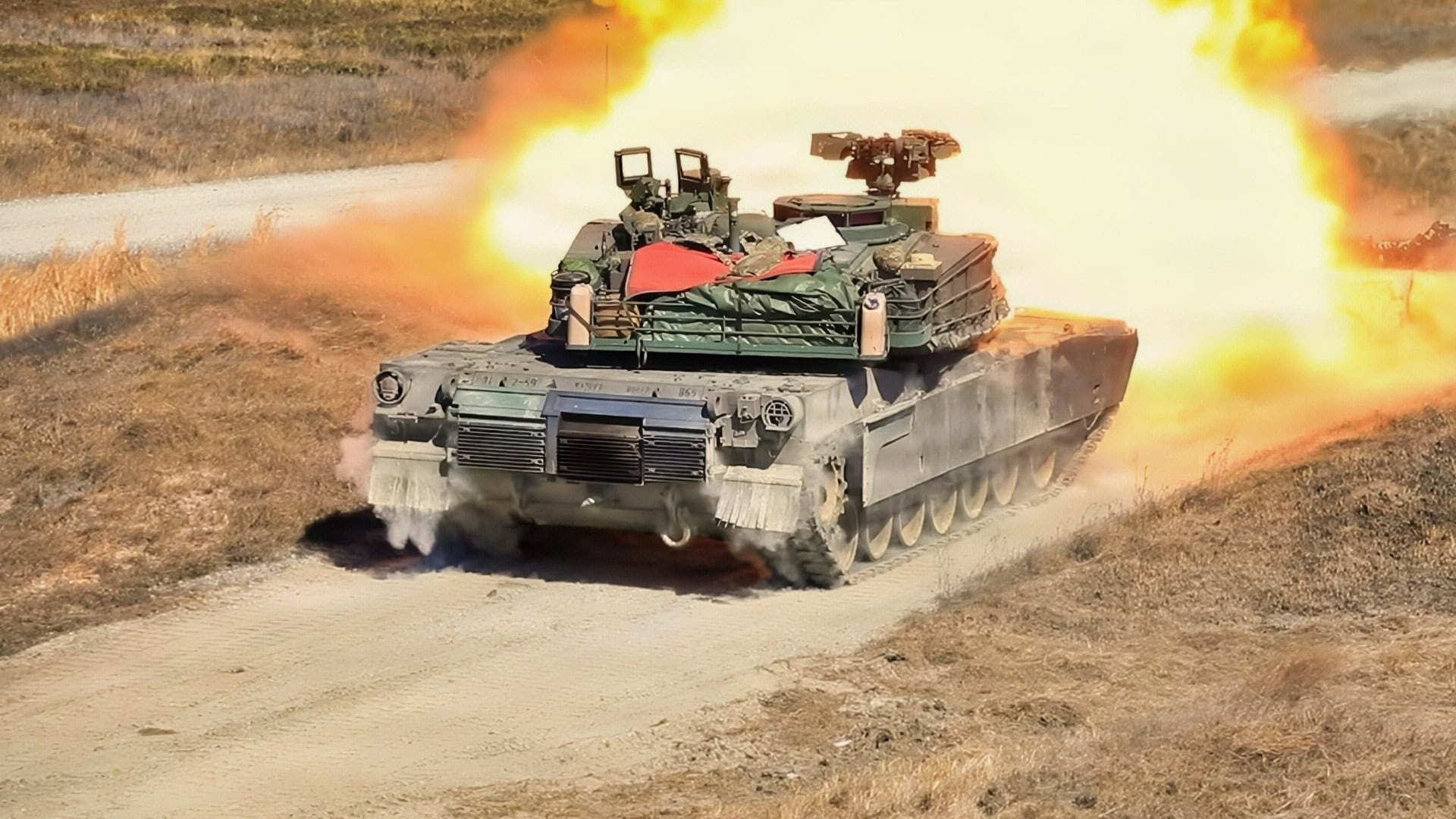
An M1 Abrams tank, operated by U.S. Soldiers assigned to the 2nd Battalion, 69th Armor Regiment, 2nd Armored Brigade Combat Team, 3rd Infantry Division, conduct a Table V live-fire exercise during Spartan Focus at Fort Stewart, Georgia, Feb. 1, 2026. The Marne Division is innovating, experimenting and investing in emerging technologies to dominate the battlefield. (U.S. Army photo by Staff Sgt. Anthony Herrera)
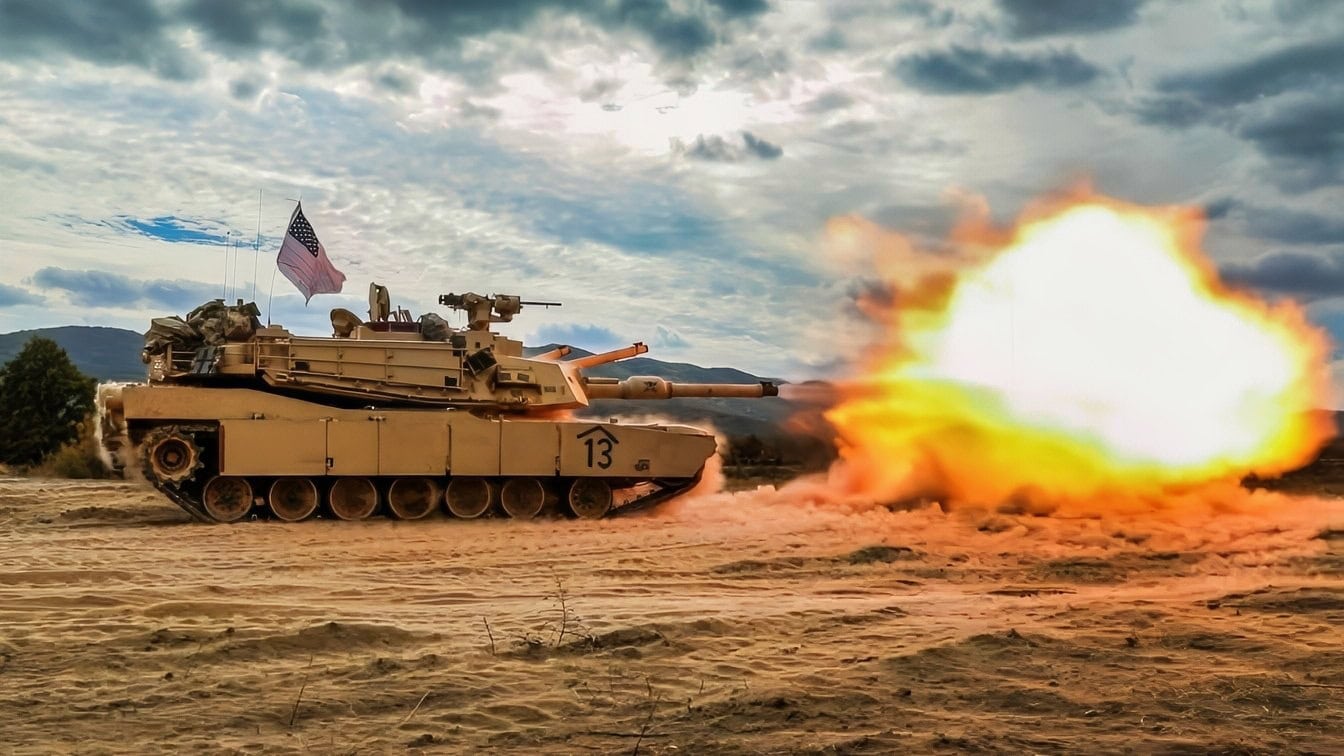
An M1A2 Abrams main battle tank with 1-16th Infantry, 1st Armored Brigade Combat Team, 1st Infantry Division, conducts a Live Fire Accuracy Screening Test Sept. 28, 2025, on Novo Selo Training Area, Bulgaria. The LFAST is used to assess and confirm the accuracy of its firing system before live fire gunnery, ensuring the tank is ready for combat and its firing control systems are functioning correctly. Abrams live fire exercises increase the lethality of crews on collective tables while generating warfighting readiness and combat credible forces along NATO’s Eastern Flank. (U.S. Army photo by Sgt. 1st Class Richard Perez)
Sun Tzu repeatedly emphasizes that violence is expensive not merely in human terms but in economic and political ones.
Prolonged campaigns impoverish states, corrode morale, and invite internal disorder. Siege warfare is depicted as the worst possible option because it destroys infrastructure and populations that would otherwise be useful once the war ends. The best general, therefore, seeks to collapse enemy resistance before battle occurs by eroding alliances, undermining leadership, and convincing the opponent that resistance is futile or irrational.
Sun Tzu viewed war less as a contest of arms than as a contest of judgment. Battles are symptoms of strategic failure rather than evidence of strategic success. The ideal outcome is one in which the enemy’s plans are foiled, their resolve to fight breaks, and they submit with minimal bloodshed.
In this sense, power is measured not by how much destruction one can unleash, but by how effectively one can shape conditions so destruction becomes unnecessary.
Knowledge, Intelligence, and Deception as the Engines of Victory
If avoiding battle is the goal, then knowledge and deception are the means to accomplish it.’
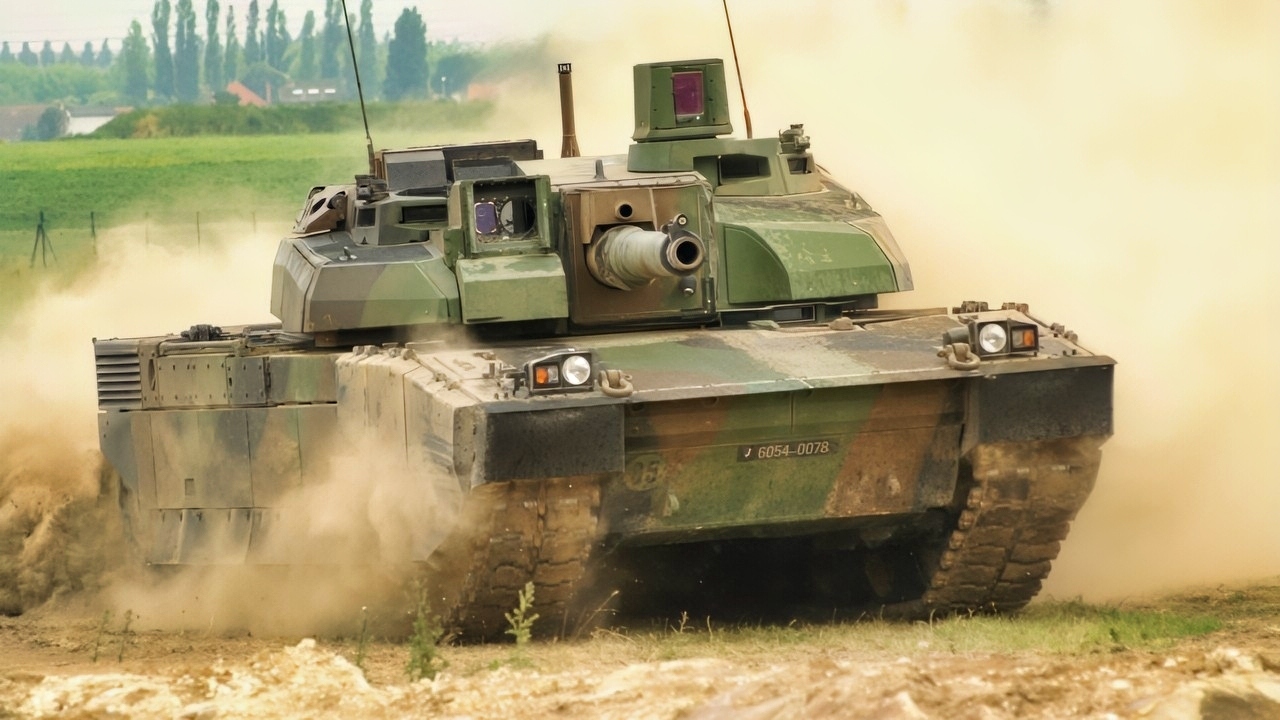
France’s Leclerc Main Battle Tank. Creative Commons Photo.
Sun Tzu declares that “all warfare is based on deception,” but this statement should not be read as an endorsement of mere trickery or dishonesty. Instead, deception in The Art of War is a comprehensive strategy for managing perception, uncertainty, and decision-making. By controlling what the enemy sees and believes, a commander shapes the battlefield before the armies ever meet.
Throughout the text, Sun Tzu insists that success depends on deep knowledge of both oneself and one’s opponent.
This includes understanding strengths and weaknesses, morale, leadership competence, logistics, terrain, and timing. Without such knowledge, numerical superiority and superior weapons do not guarantee success. The famous maxim that knowing both the enemy and oneself eliminates fear in a hundred battles suggests that ignorance, more than adversity, is the greatest enemy.
Deception magnifies the value of superior information. By appearing weak when strong, disorganized when prepared, or distant when near, a commander induces the enemy to make flawed decisions. These errors compound over time, gradually shifting the balance of advantage.
Importantly, Sun Tzu does not advocate constant action; often, the best move is to wait while the enemy exposes vulnerability through impatience or overconfidence. Deception, then, is not merely tactical misdirection but strategic patience.
In the final chapter of The Art of War, Sun Tzu focuses primarily on spies and intelligence in warfare. Intelligence is treated as an essential investment rather than a marginal activity, and human sources are prioritized above abstract calculation.
By concluding the work with this topic, Sun Tzu underscores that war is ultimately a human enterprise shaped by fear, ambition, loyalty, and misjudgment. The commander who understands people understands war.
Adaptability and Strategic Flexibility Over Rigid Strength
Running throughout The Art of War is a third, equally vital idea: no rule, plan, or advantage remains valid in all circumstances. Sun Tzu repeatedly warns against rigidity, whether in formations, tactics, or beliefs. The battlefield is dynamic, shaped by terrain, weather, morale, political context, and enemy behavior.
Victory belongs to those who adjust quickly and intelligently, not to those who cling stubbornly to preconceived plans.
Sun Tzu famously likens a successful strategy to water, which flows around obstacles and adapts its shape to the terrain it encounters. This metaphor reflects Daoist philosophy, emphasizing harmony with reality rather than domination.
An army, like water, should exploit weakness rather than attack strength and move where resistance is minimal. Apply force precisely, not indiscriminately, to achieve maximum effect with minimal expenditure.
Adaptability, according to Sun Tzu, is one of the most important aspects of leadership. The ideal commander is not a heroic figure driven by emotion or pride, but a calm and disciplined strategist capable of patience and restraint. Knowing when not to fight is as important as knowing when to attack.
Retreat, delay, or avoidance can be strengths if they preserve long-term advantage.
Emotional decision-making, by contrast, leads to predictable behavior that the enemy can exploit.
About the Author: Isaac Seitz
Isaac Seitz, a Defense Columnist, graduated from Patrick Henry College’s Strategic Intelligence and National Security program. He has also studied Russian at Middlebury Language Schools and has worked as an intelligence Analyst in the private sector.