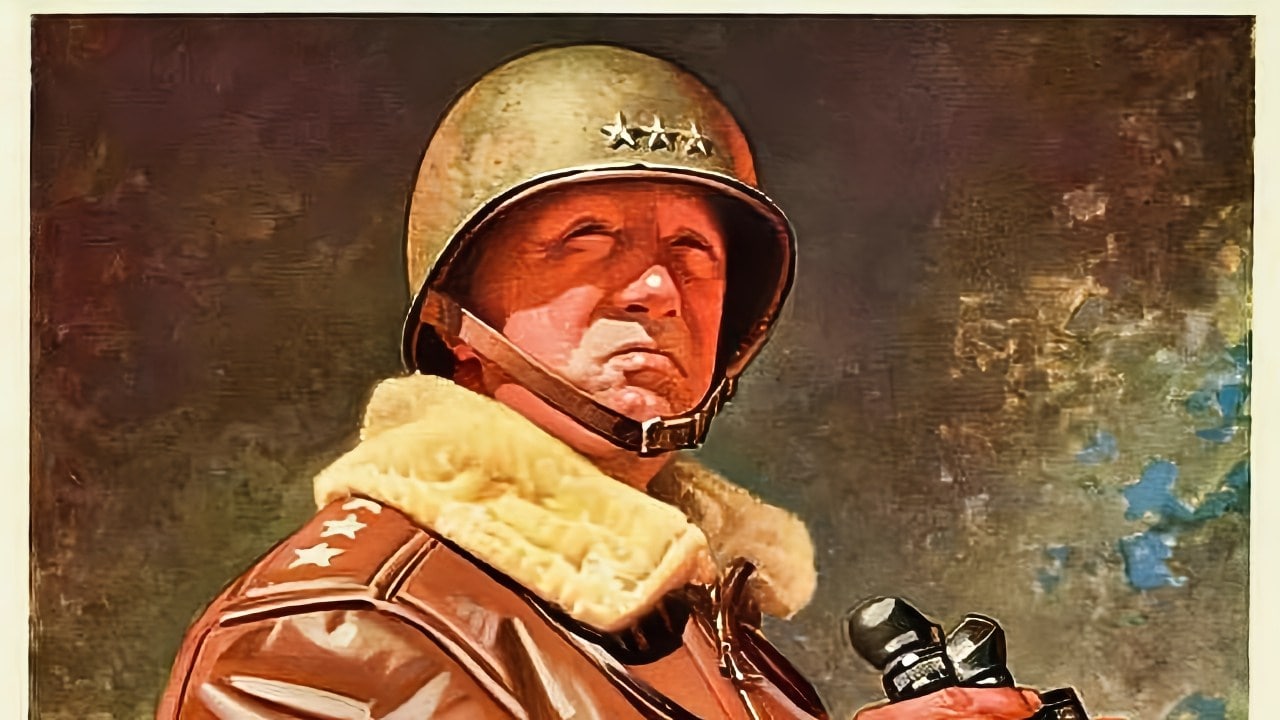
Synopsis: General George S. Patton, known for his rugged personality and strategic ingenuity, turned potential defeats into resounding successes throughout World War II.
-The article highlights his three most significant victories: the North African Campaign, where he revitalized U.S. forces to push back Rommel; the Sicilian Campaign, marked by his aggressive capture of Palermo; and his “greatest achievement,” the Battle of the Bulge.
-In the latter, Patton miraculously pivoted six divisions in just ten days to relieve the 101st Airborne at Bastogne, cementing his legacy as a brilliant, unconventional commander.
‘Tell Them What to Do’: How General Patton’s ‘Ingenuity’ Led to 3 Historic World War II Victories
“Never tell people how to do things. Tell them what to do, and they will surprise you with their ingenuity.” – U.S. Army General George S. Patton
General George S. Patton was a brilliant but unconventional figure in U.S. history. Known for his rugged yet respectable personality, Patton was not one who always stuck to conventional standards (a fact that frequently got him into trouble with senior command).
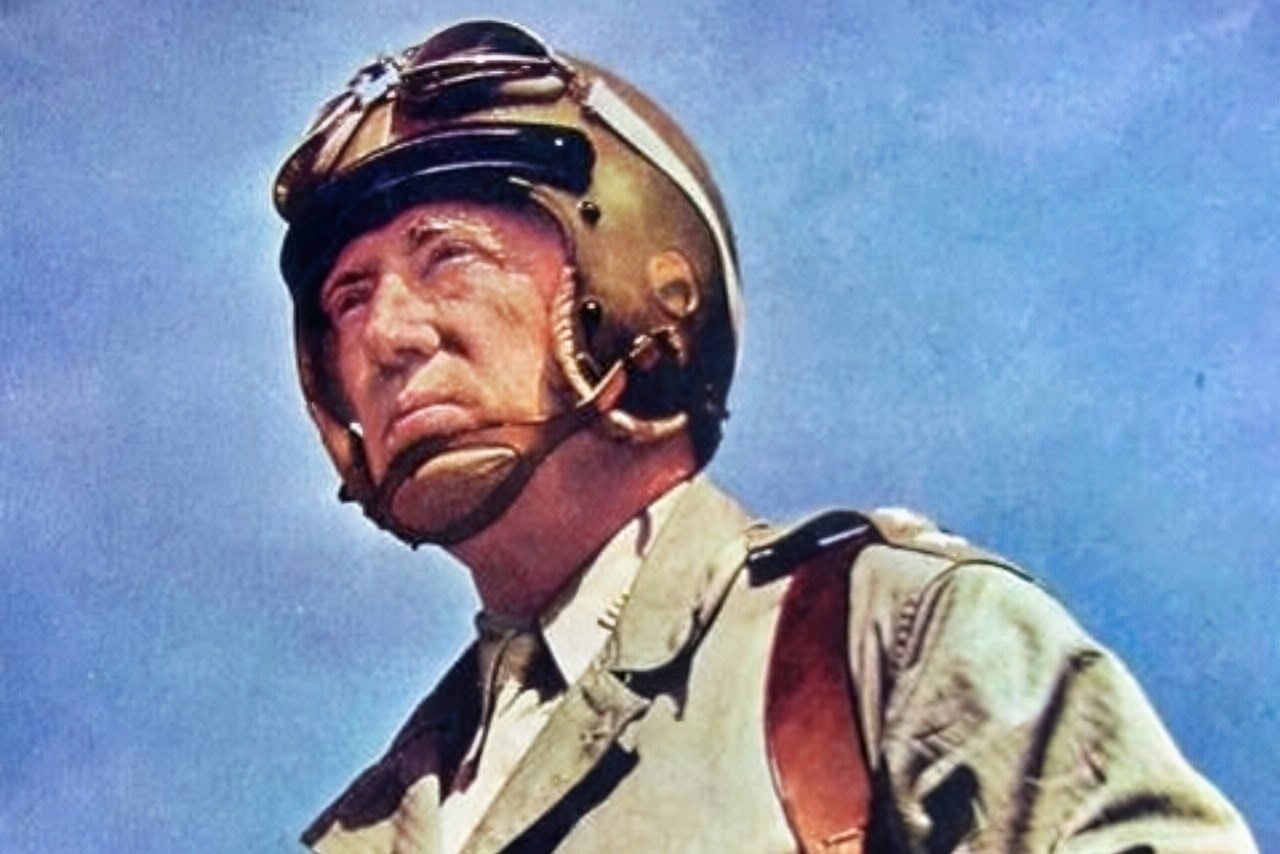
General George Patton of the U.S. Army. Image Credit: Creative Commons.
Ingenuity was one of Patton’s strengths, enabling him to turn a potential defeat into a resounding success.
Throughout WWII, Patton led several operations that usually, but not always, succeeded.
These are three of what I consider to be Patton’s most significant victories in the war.
The African Campaign
Following America’s entrance into WWII, Patton was sent to support the Allied invasion of North Africa with the goal of pushing out German and Italian forces.
Placed in command of around 33,000 men and 100 ships, Patton’s men landed in Casablanca and quickly created a beachhead. Facing fierce resistance from Vichy French forces, the Americans under Patton were able to take the city on November 11, 1942, just three days after the landings.
After the fall of the city, Patton negotiated an armistice with German-aligned French forces, completing the U.S. occupation of the area.
The real challenge of the African campaign was expelling the German Afrika Korps from the region.
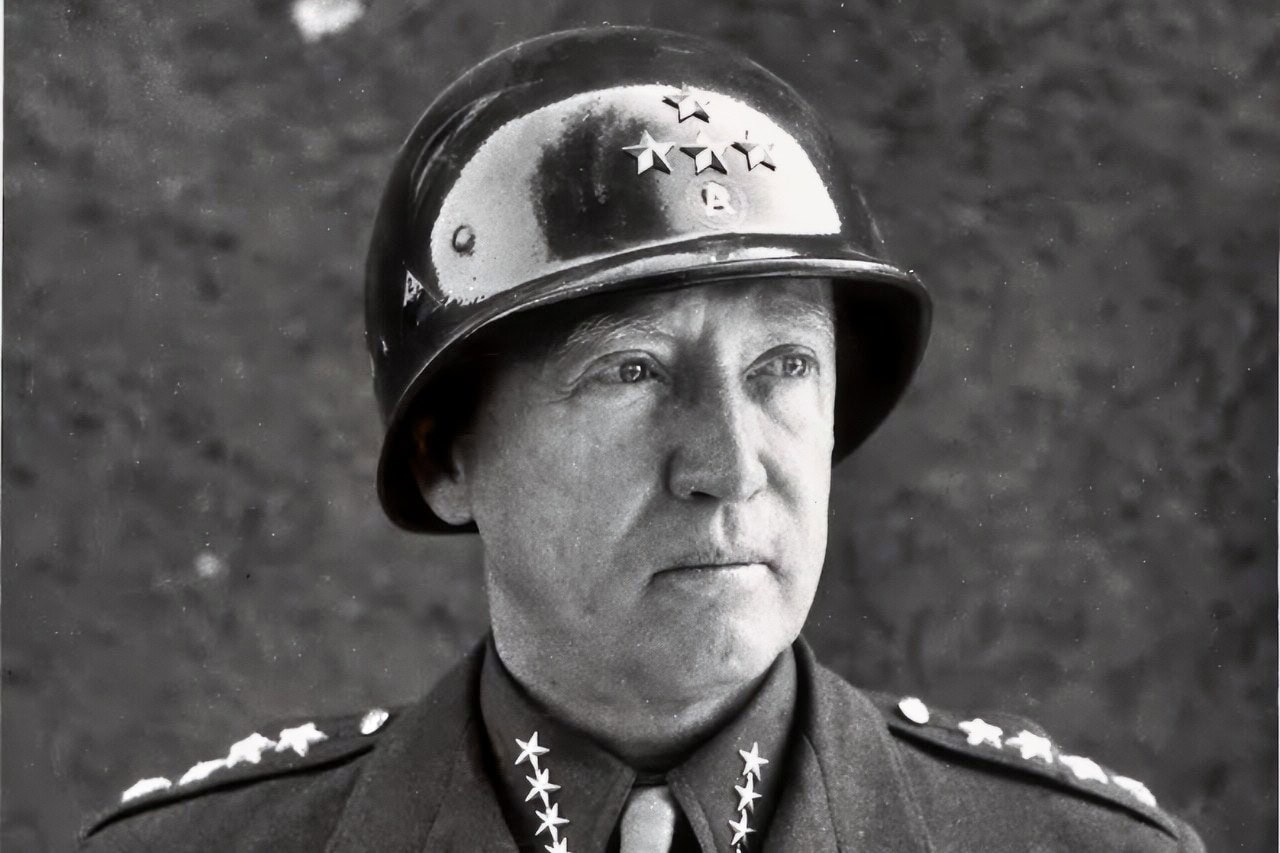
U.S. Army General George Patton
Under the command of Erwin Rommel, one of the most competent commanders in Germany, German forces had defeated the U.S. II Corps at the Battle of Kasserine Pass. Patton was put in command of this battered and demoralized unit and instructed to reorganize the unit and put it back into action.
After reinstating discipline and other sweeping changes, the unit went back into action, this time pushing back the Germans and Italians at the Battle of El Guettar, ultimately forcing the Germans to abandon the city of Gabes.
Ultimately, Patton would not see the end of the African campaign, as he would be called away to work on the next phase of the Allies’ war against Germany.
The Sicilian Campaign
Patton’s next victory came at Operation Husky, the Allied invasion of Sicily. This operation involved more than 160,000 personnel from the U.S., Britain, Canada, and Free France.
Patton was placed in command of the Seventh United States Army, which landed at Gela, Scoglitti, and Licata and was tasked with supporting Montgomery’s British Eighth Army. Despite the bad weather, American troops were able to establish a foothold at their beaches and repel counterattacks, which Patton himself would personally lead.
After the landings, Patton was tasked with protecting the British forces’ left flank, but he was granted permission to go on the offensive.

U.S. Army General George Patton. Image Credit: Creative Commons.
He besieged and took the town of Palermo, where Montgomery was currently bogged down. After the city was taken, he set his sights on the larger town of Messina.
He wanted to launch an amphibious assault on the city, but the operation was delayed due to the lack of landing craft. Finally, Patton and his men landed on August 10, 1943, by which point most German and Italian forces had already withdrawn to mainland Italy.
While the campaign in Sicily was not the decisive engagement that the Allies had hoped for, it was still an important milestone toward a larger invasion of mainland Italy.
The Battle of the Bulge
Arguably, Patton’s most significant victory came at the Battle of the Bulge.
With the Allies pressing in from the West and the Soviets barreling in from the East, German high command had to do something to reverse their worsening predicament.
Under German Field Marshal Gerd von Rundstedt, the Wehrmacht assembled 29 divisions totaling 250,000 men for the initial assault with the goal of retaking ground in Northern France, Belgium, and Luxembourg.
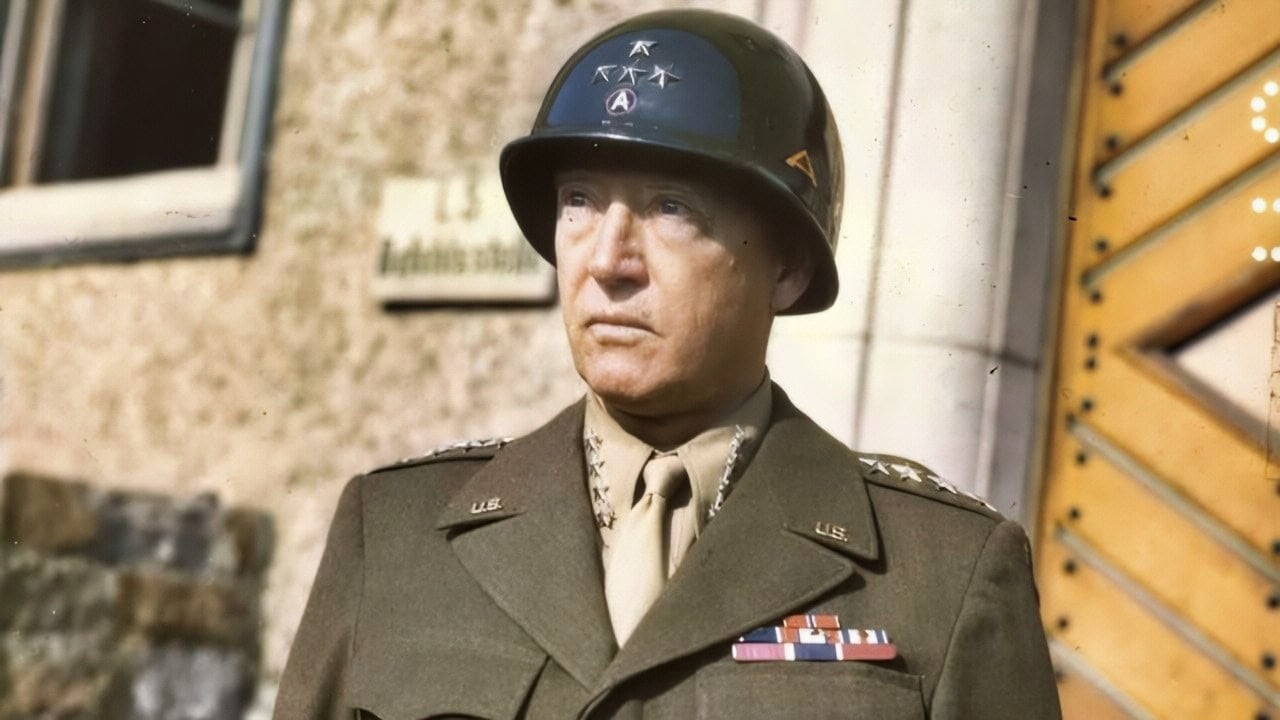
General George Patton U.S. Army Photo
On December 16, 1944, the operation began, targeting a weakening point. The operation initially made good headway, putting a severe dent in the front lines and trapping the 101st Airborne Division in the town of Bastogne (anyone who has seen the TV production of Band of Brothers is familiar with this episode).
The German offensive proved that Germany still had some fight left in it and gave a small shock to the Allies.
Patton, however, was already making contingency plans for a counterattack.
By the time Eisenhower had summoned him, he had already disengaged six divisions from his Third Army for a relief operation to Bastogne, much to Ike’s disbelief.
Immediately after gaining approval, Patton’s forces mobilized, repositioning from the Saar River to the southern edge of the bulging front line. After the weather had miraculously cleared, the first of Patton’s troops made their way through German lines and reached the besieged troops at Bastogne on December 26, 1944.
In just ten days after the initial German attack, Patton had mobilized and redirected six divisions from their initial positions for a well-planned and well-executed relief operation. Later, he reflected on the Battle of the Bulge and considered it the most outstanding achievement of his entire career.
About the Author: Isaac Seitz
Isaac Seitz, a Defense Columnist, graduated from Patrick Henry College’s Strategic Intelligence and National Security program. He has also studied Russian at Middlebury Language Schools and has worked as an intelligence Analyst in the private sector.