Summary and Key Points: On October 20, the Air Force Research Laboratory launched its Rocket Cargo experiment from Cape Canaveral on a SpaceX Falcon 9 as part of the 32-payload Bandwagon-5 rideshare. A “Starfall” reentry capsule carried cargo pods that measured temperature, shock, and vibration, along with batteries, survival gear, medical supplies, and a desalination unit. The goal is a rocket that moves a C-17’s 170,900-pound load anywhere in under an hour; cost, recovery, and explosion risk remain open questions.
The Air Force and SpaceX Join Forces
Space is increasingly becoming the new battlefield.
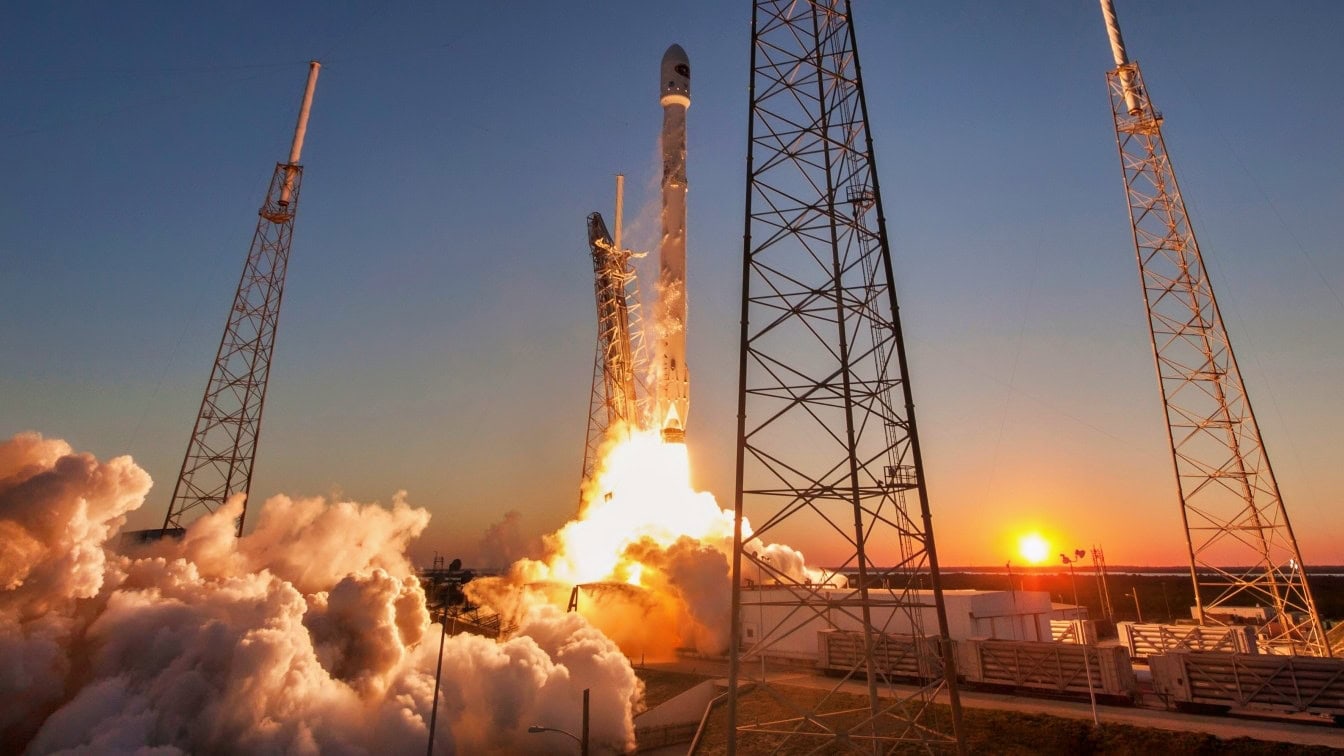
To highlight that reality, the Air Force Research Laboratory (AFRL) conducted an important experiment as part of its ongoing Rocket Cargo program on October 20.
SpaceX Rocket Takeoff. Image Credit: Creative Commons.
The experiment involved working with SpaceX to launch specialized cargo equipment aboard a Falcon 9 rocket from Cape Canaveral Space Force Station in Florida.
The Experiment
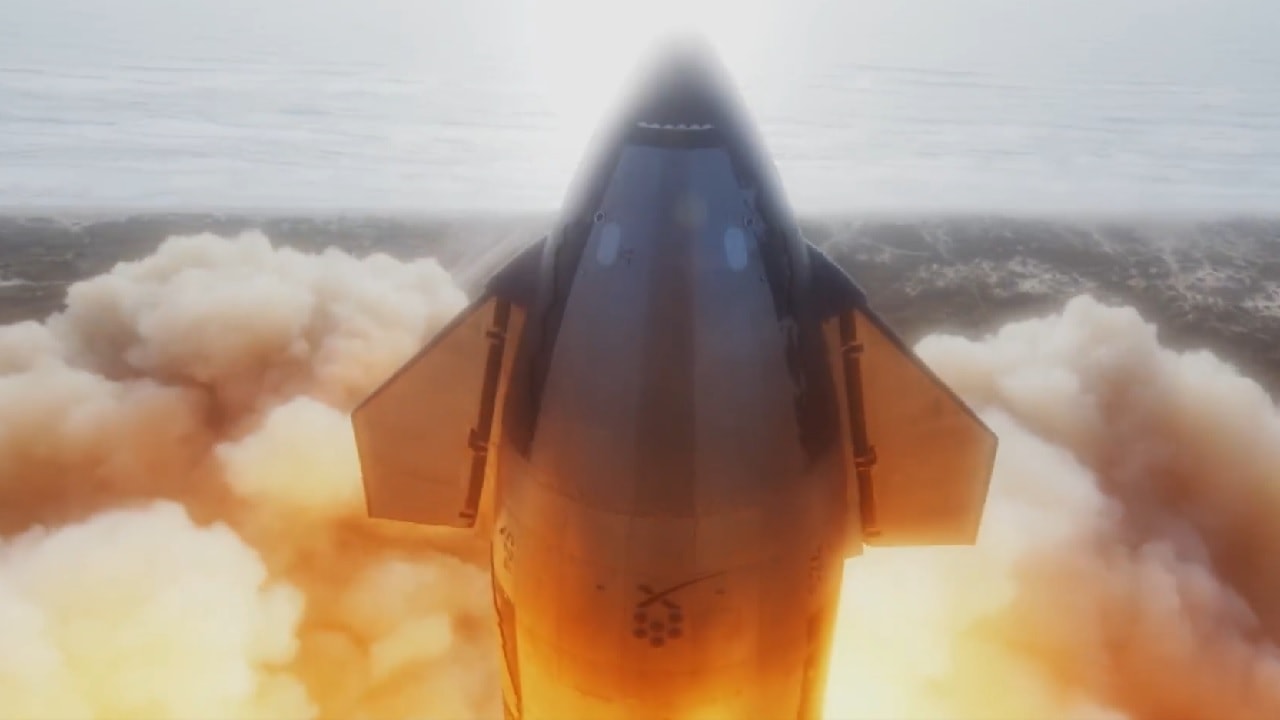
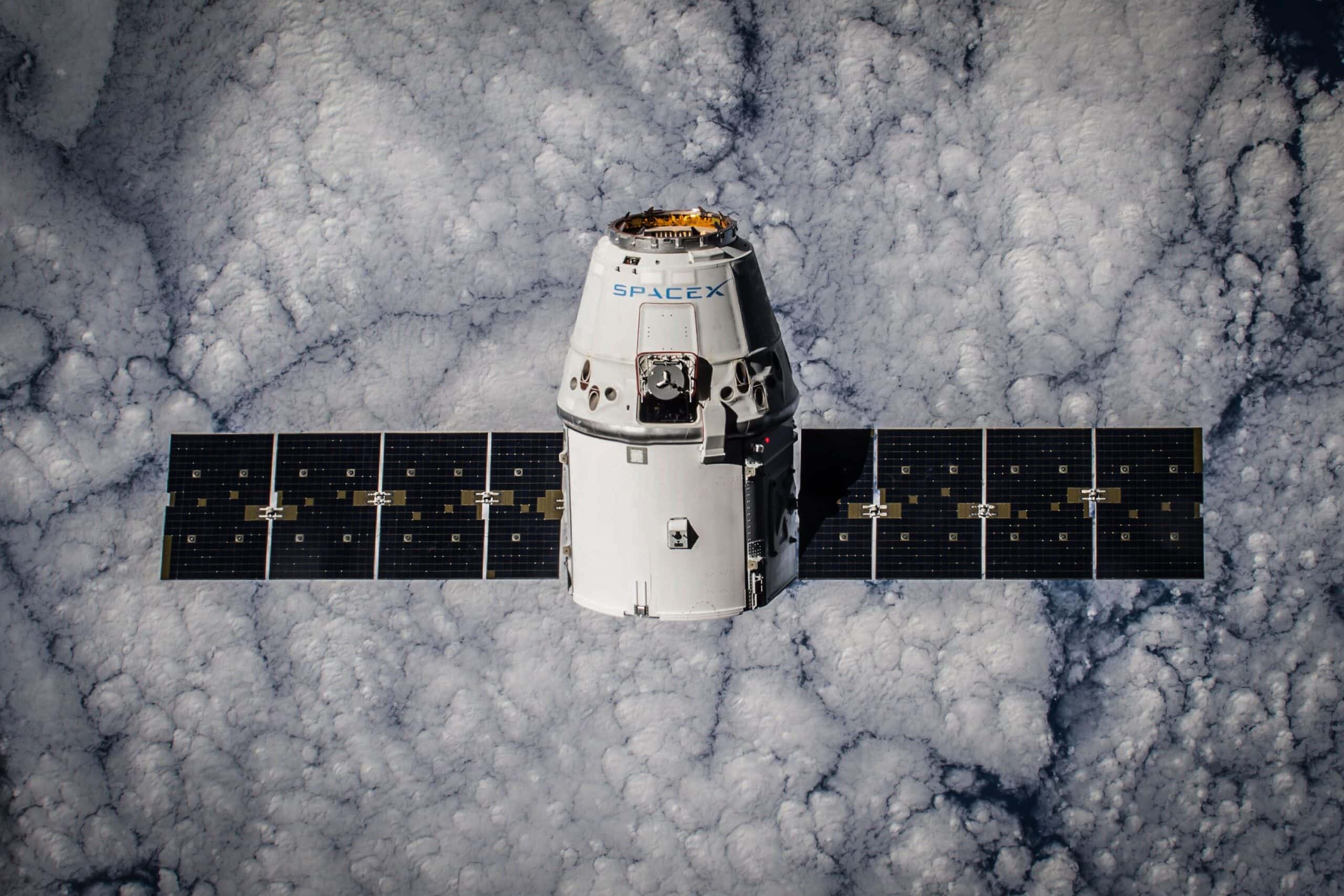
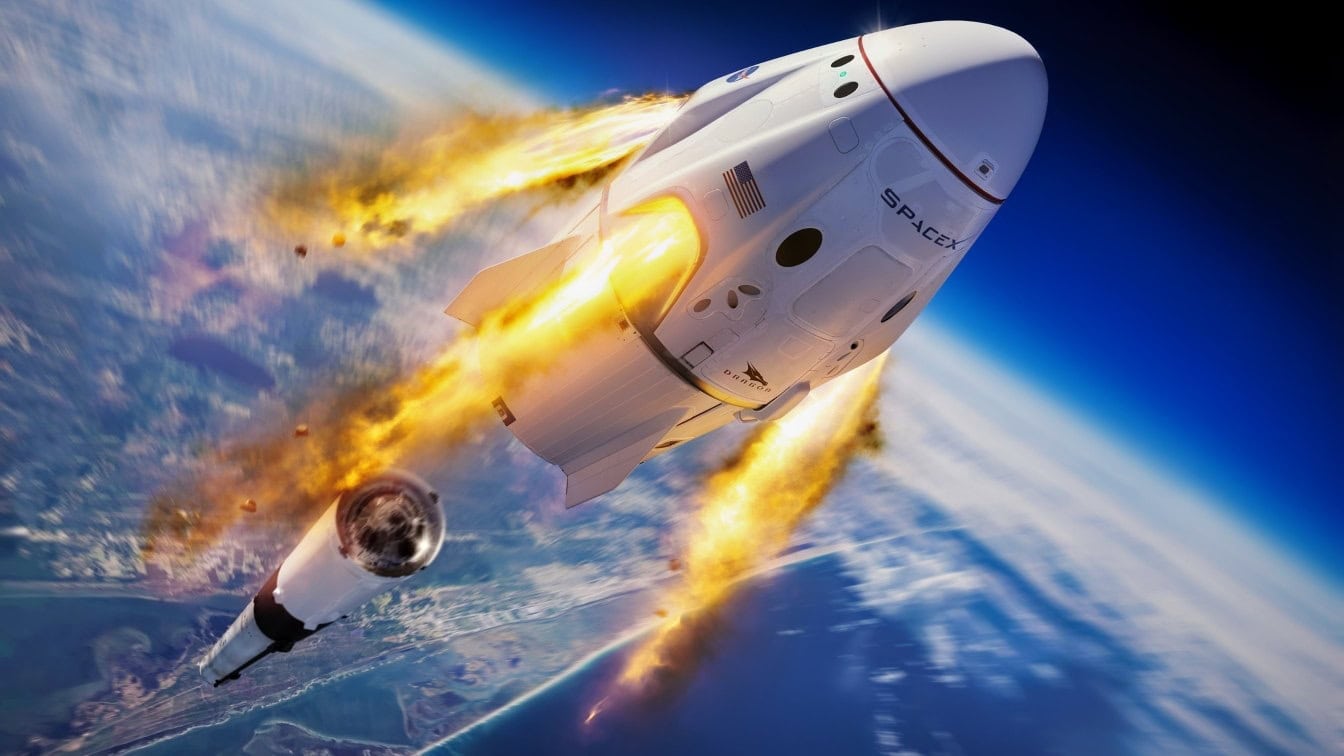
The mission used a “Starfall” reentry capsule carrying experimental cargo pods designed to protect sensitive military cargo during launch, spaceflight, and atmospheric reentry.
Both the Air Force and SpaceX ran the experiment to see whether sensitive military equipment could survive the extreme conditions of rocket-powered transportation.
But using a SpaceX reusable rocket to deliver military supplies worldwide is the next step toward the United States exploiting its strategic high ground in space.
And it comes at a time when the United States military, primarily an expeditionary fighting force, is discovering that its current and future rivals throughout Eurasia and the Middle East have created a comprehensive, increasingly sophisticated capability to deny US expeditionary forces access to their regions.
SpaceX Satellite. SpaceX Photo.
SpaceX Launch SpaceX Image Handout
One solution is to use space to break through those defenses and deliver equipment, personnel, or even weapons from orbit.
Of course, that solution will eventually be countered just as the other methods of expeditionary warfare the Americans employ have been defended against.
The October 20 experiment took place aboard SpaceX’s Bandwagon-5 rideshare mission, which carried 32 payloads into orbit.
The pods aboard the rocket measured environmental conditions during the flight to determine whether this method is feasible.
The pods measured three core parameters: temperature, shock, and vibration.
Because rocket launches expose cargo to forces far different from those encountered aboard conventional transport aircraft, the military must ensure it isn’t setting itself up for disaster.
During launch, military cargo must withstand acceleration and vibration.
During atmospheric reentry, the capsule also experiences significant heating and mechanical stress.
So, AFRL wants to ensure these conditions don’t adversely affect military supplies. AFRL also wants to determine which protective systems may be necessary to make military space transportation to Earth feasible.
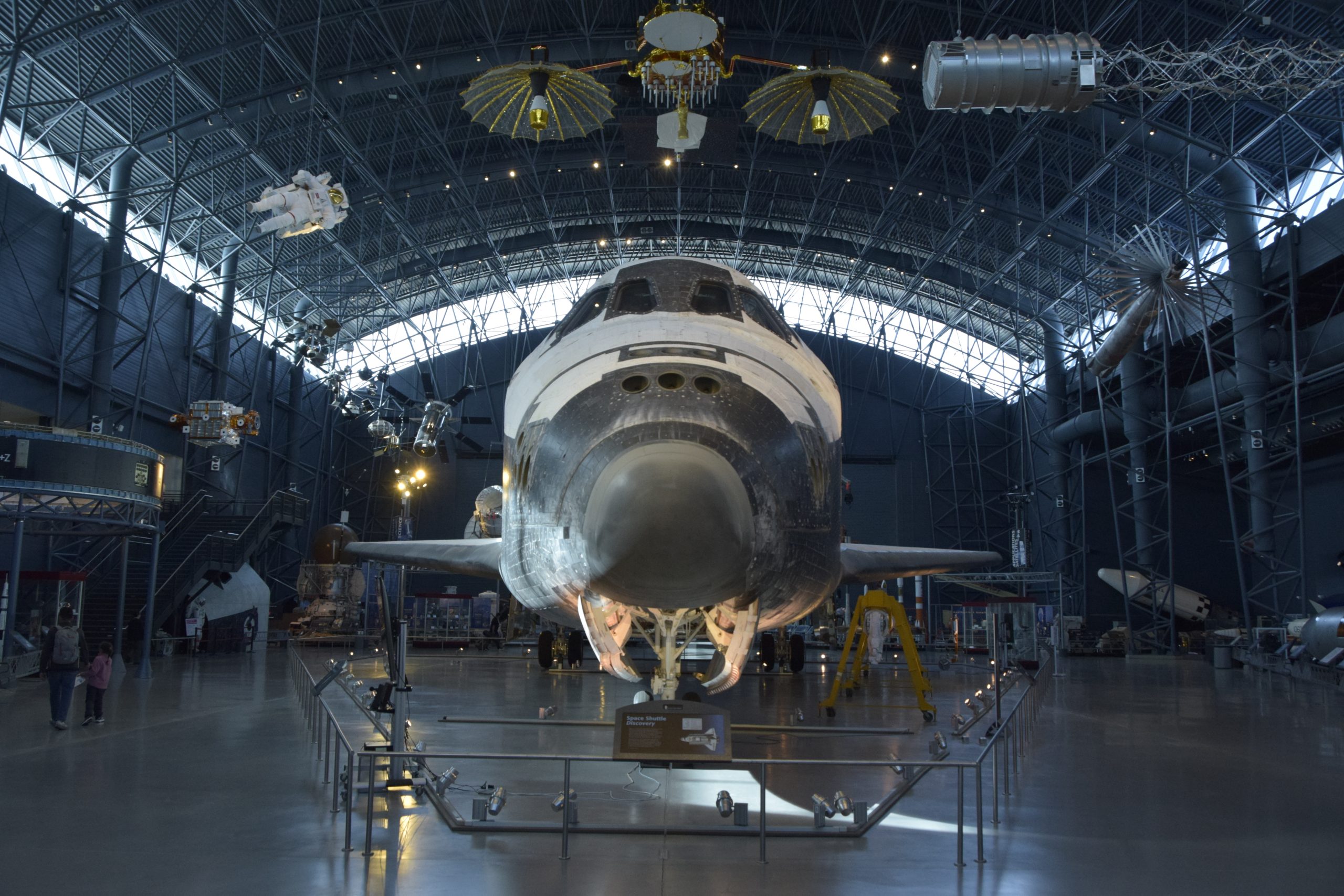
Space Shuttle at the Smithsonian Outside of Dulles. 19FortyFive.com Photo.
The experiment tested batteries, a satellite communications-enabled tracking device, a reverse-osmosis water desalination system, various types of survival gear, and emergency medical supplies.
Engineers also tested whether a UNI-PAC III inflatable life raft could fit inside the capsule for future tests.
Part of a Greater Push
In October 2020, Gen. Stephen Lyons, then head of US Transportation Command (TRANSCOM), spoke openly about his vision of reusable rockets capable of carrying the same kind of payload that your average C-17 Globemaster III transports.
The upside for the military is that, if the program succeeds, it will move that same amount of gear anywhere in the world in less than an hour.
A C-17 carries up to 170,900 pounds of cargo.
If a rocket could do that in less than an hour, that would represent a real revolution in military logistics. AFRL intends to transport tens of tons of cargo per launch.
But that is a longer-term goal.
The October experiment did not test that capacity.
Some missions for a reusable rocket resupply include getting supplies to US or allied forces operating in contested environments, where enemy air defenses threaten conventional transportation planes.
Another involves delivering equipment to isolated locations without functioning airfields, roads, or any established logistics infrastructure whatsoever.
This capability would be especially relevant to the expansive Pacific theater, where massive distances separate military installations and possible operational areas.
AFRL is also working with SpaceX.
It has also cooperated with Blue Origin, Rocket Lab, Sierra Space, Anduril, Inversion Space, and Outpost Space.
The broader effort uses commercial launch vehicles, smaller reentry capsules, and technologies to deliver payloads to specific locations.
A Hard Sell
Still, launching rockets is more expensive than conventional military transportation.
Military planners must account for launch preparation, cargo integration, landing accuracy, recovery, and even the possibility of a rocket exploding.
Accidents do happen, after all. Even if the rocket reaches its destination, it might not be recovered quickly or easily, meaning a capability designed to expedite resupply of distant forces might add to their woes.
It remains to be seen whether the military can ultimately transform its logistics chain to support and rely on reusable rockets.
Many variables remain unknown to Air Force and Space Force planners.
But the military’s serious investigation shows two things: first, the conventional way the US has waged expeditionary war is simply insufficient in the face of increased area defenses, and second, space is increasingly a critical strategic domain.
About the Author: Brandon J. Weichert
Brandon J. Weichert is the Senior National Security Editor at 19FortyFive.com. He also manages The Weichert Brief on Substack. Weichert is the co-host for The Mario Nawfal Show on Twitter/X. He is the author of four bestselling national security books, most recently A Disaster of Our Own Making: How the West Lost Ukraine (Encounter Books). His next book, Fortress Americas: A New Monroe Doctrine (Tucker Carlson Books), is due out December 8. Follow him via Twitter/X @WeTheBrandon.