
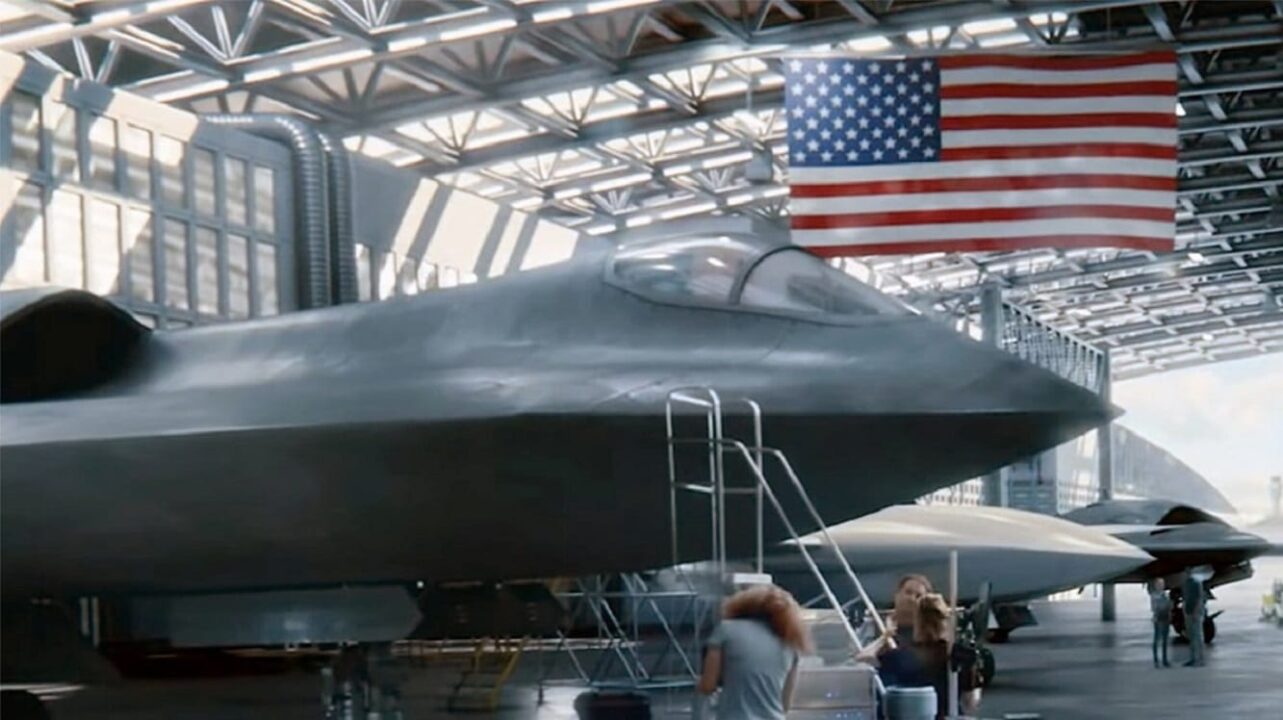
Summary and Key Points: The Air Force told Congress on October 16 that it needs at least 1,509 combat-ready fighters by 2035 to hold a “moderate risk” posture, up from 1,369 in last year’s assessment. The fleet is estimated at about 1,168, leaving roughly 350 to buy as the F-15C retires and older F-16s and F-15Es age out. Lt. Gen. David Tabor said funding is the obstacle and that the service is considering buying new F-16s.
The US Air Force Needs Many New Warplanes by 2035
Recent reports indicate the U.S. Air Force expects to need at least 1,509 combat-ready fighter jets by 2035.
Breaking Defense first shared the news, citing a report delivered to Congress on October 16.
A senior defense official said the aircraft are needed to cover a “moderate risk” operational profile.
The new figure is up from last year’s, which called for a fleet of 1,369 fighters.
According to the official, the new study draws on lessons learned from the ongoing war in Iran and the rapidly shifting geopolitical landscape.
With that in mind, the USAF is considering several options, including a new F-16 variant, to boost air readiness.
The Air Force Needs 1,369 Fighters
The report to Congress was followed by a media roundtable event with Lieutenant General David Tabor, Deputy Chief of Staff for Plans and Programs.
According to the General, the USAF needs around 1,509 fighters to achieve its goals at medium risk, the second of a four-step scale that includes high, medium, low, and negligible risk.
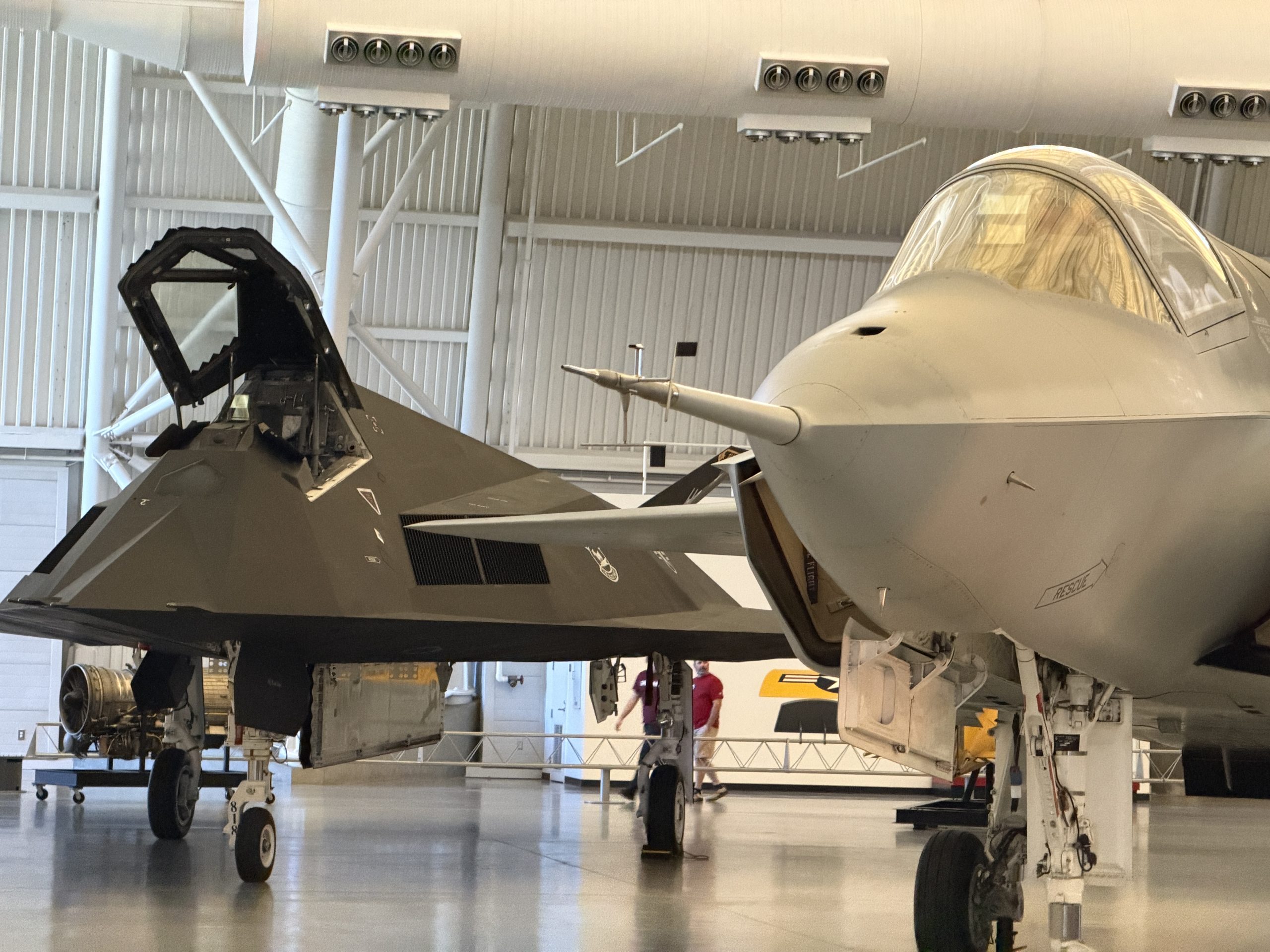
F-35 and F-117 side by side. 19FortyFive Smithsonian Visit Photos.
The report continues that the service requires 1,723 aircraft to reach its “low risk” operational profile by 2035.
However, according to Tabor, “generally don’t plan to low risk.” This means the U.S. expects moderate uncertainty and volatility over the next decade and is planning its fleet size accordingly.
The figure differs from last year’s assessment, which planned for 1,369 fighters by 2035.
The report’s figures are not concrete. According to Tabor, the exact number is somewhat debatable, since the analysis is constantly updated.
The 2025 report, for example, was reportedly based on outdated information; hence the jump in fleet requirements in this year’s figures.
The reports aim to estimate the fleet size the USAF expects to need to remain sustainable against its current enemies.
The figures also do not take any casualties or accidents suffered during the war with Iran into account.
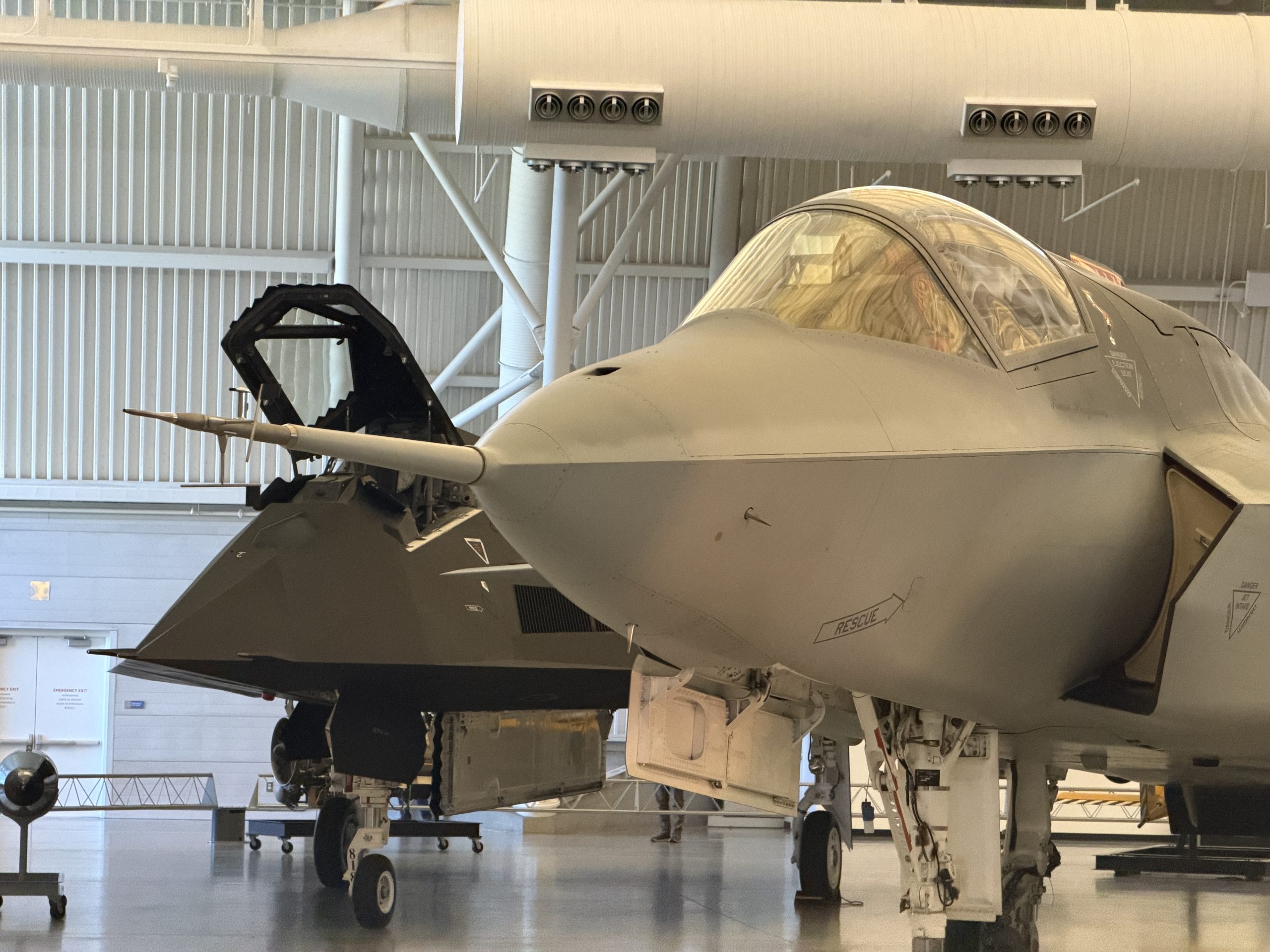
F-35 and F-117 side by side. 19FortyFive Smithsonian Visit Photos.
The USAF’s fighter fleet is currently estimated at around 1,168 combat-ready fighters.
This number is somewhat shaky, given recent deliveries of F-35 and F-15EX aircraft and the retirement of older models like the A-10 Warthog.
Retirements and Expenses: The Challenges of Procuring and Maintaining a Larger Fleet
Even if the USAF reaches its moderate risk profile, it still needs to procure and maintain 350 additional fighters over the next decade.
Setting costs aside, this is an ambitious goal, given that a sizable portion of the Air Force’s current fleet is aging out.
For example, the F-15C fleet was retired from active duty in 2025, while the older F-16s and F-15Es are nearing the end of their service lives.
Thanks to a new Congressional Act, the A-10, which the USAF has tried to retire for decades, could have its service life extended.
To replace the outgoing aircraft, the Air Force needs to produce about72 new fighters each year, which is much harder than it sounds
One of the biggest roadblocks to the USAF achieving its goals is Congressional funding, or lack thereof.
Typically, the Air Force rarely receives enough to meet its fighter procurement goals because funding must compete with other USAF priorities, like aircraft and nuclear modernization, and with other branches. “Without the TOA [total obligation authority], the money available, we’re not going to be able to do this,” Tabor bluntly told reporters.
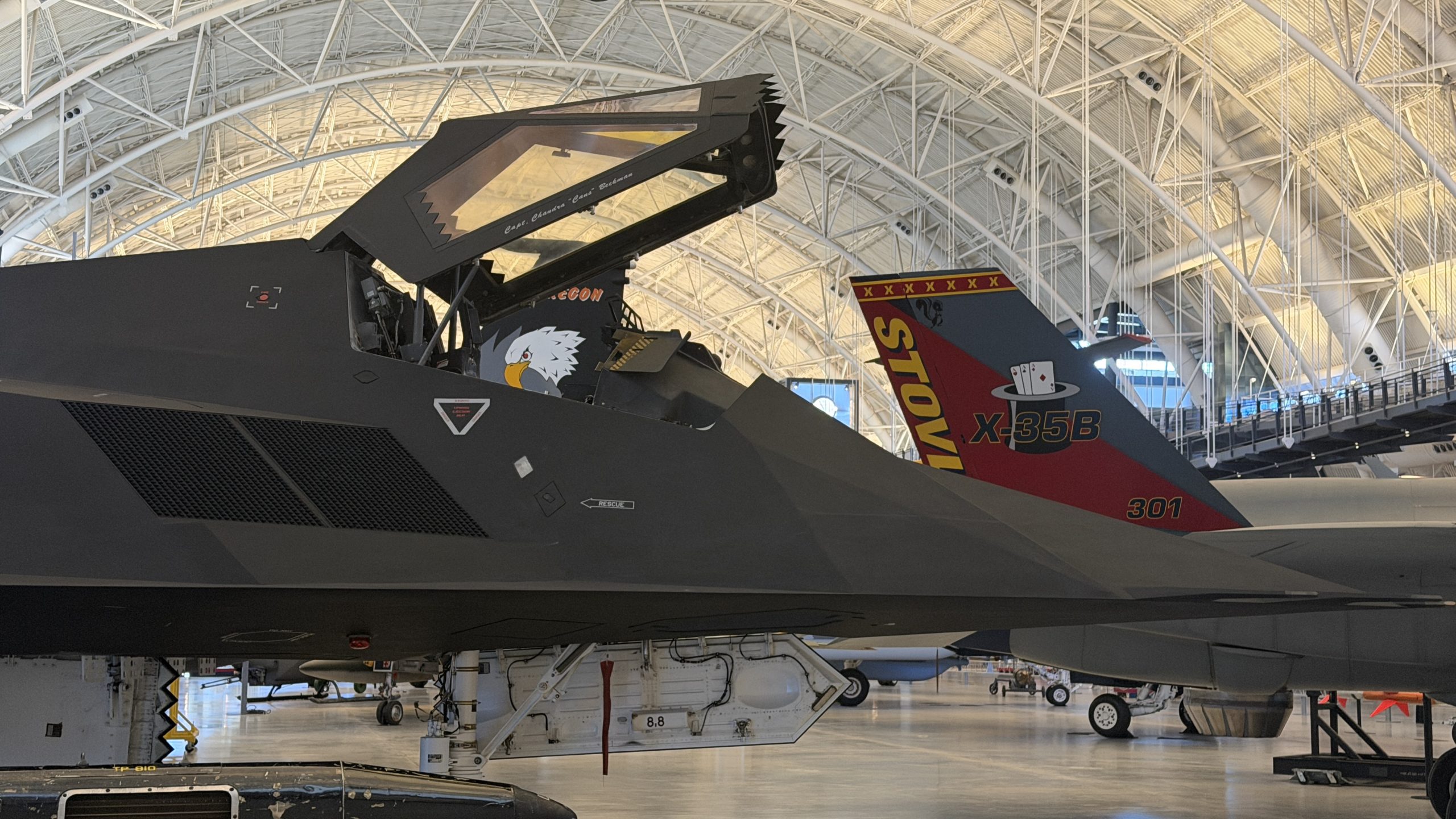
F-35 and F-117 side by side. 19FortyFive Smithsonian Visit Photos.
The service could shift money around its existing budget to meet its procurement goals. However, the General said this approach is undesirable because it could undercut other equally important projects.
Industrial Setbacks and a New F-16?
Amid calls to increase the fleet, officials worry that U.S. industry cannot meet the Air Force’s demands. The report notes that modernization challenges and industrial setbacks have delayed the F-35 and F-15EX.
For the F-35, the bottleneck stems from the Block IV modernization program, particularly with the Technology Refresh 3 (TR3) software updates.
These updates provide essential capabilities, enable radar and sensor upgrades, and improve weapon operability.
TR-3 development was completed in 2025, clearing a major hurdle in the aircraft’s Block IV modernization efforts.
According to a Lockheed Martin spokesperson, the company will deliver 156 F-35s worldwide to the U.S. and its allies.
The platforms key to the USAF’s procurement goals are the F-15EX, F-35, and the sixth-generation F-47.
To meet its moderate risk profile, the Air Force will have to increase its current orders for all three fighters.
The service is considering other options to meet these goals. According to Tabor, one option is buying new F-16s.
“It is something that we’re talking about, and so the way I describe it is that there is a spectrum of capability that we might want to replace the F-16s with,” Tabor said. “We want to be in a position that when we make this decision, that we can show our homework and be proud of it.” The general said the final decision on the new F-16 is “not urgent” and could be made in the coming years.
Procuring new F-16s is the easy option, and the Air Force needs time to evaluate alternatives before deciding.
About the Author: Isaac Seitz
Isaac Seitz, a Defense Columnist, graduated from Patrick Henry College’s Strategic Intelligence and National Security program. He has also studied Russian at Middlebury Language Schools and has worked as an intelligence Analyst in the private sector.