Summary and Key Points: Caleb Larson reports the Air Force pulled its B-1B Lancers from RAF Fairford after six men were arrested over suspicious vehicles and two were rearrested on suspicion of an Iranian-directed bombing plot the British prime minister tied to the IRGC. The 40-year-old Bone, which lingered for hours over Iraq and Afghanistan and is being tested to carry the ARRW hypersonic weapon, loses its closest launchpad against Iran; Hudson’s Timothy Walton says sustained strike capacity shrinks.
The B-1B Lancer Bomber Is Now In Its Super Era of Service for the US Air Force
The B-1B Lancer bomber is over four decades old, but thanks to its prodigious payload capacity and incremental upgrades, the Cold War-era bomber remains in service with the United States Air Force today. Originally conceived as a low-flying, high-speed bomber, the Bone, as it is nicknamed (a play on B and one), would have flown missions against the Soviet Union if that war had ever turned hot.
During America’s involvement in Iraq and Afghanistan, the B-1 bomber enjoyed a new lease on life as a quick-response platform that could sprint to locations where it was needed in support of troops on the ground.
Thanks to its enormous fuel capacity, the jet-powered bomber could linger in the air for hours and gave commanders a fast, persistent option in the sky.
Fast-forward to today, the B-1 remains combat-relevant thanks to its future integration with the new Air-Launched Rapid Response Weapon (ARRW), the first hypersonic weapon for the U.S. Air Force.
While the U.S. Air Force will likely integrate that weapon first onto the B-52 strategic long-range bomber, the B-1 has also reportedly been tested as an ARRW platform because its larger pylon can accommodate larger munitions like ARRW.
Despite several setbacks, including multiple failed test launches, the U.S. Air Force ultimately decided to purchase the weapon, which is too large to be carried by a fighter jet. Development of the ARRW hypersonic weapon began in 2018 with the X-51A Waverider program, jointly developed by the U.S. Air Force and the Defense Advanced Research Agency.
Some even call the latest version and updates for the B-1B Lancer a ‘super’ variant. That’s a one-word summation for bomber that just won’t go away.
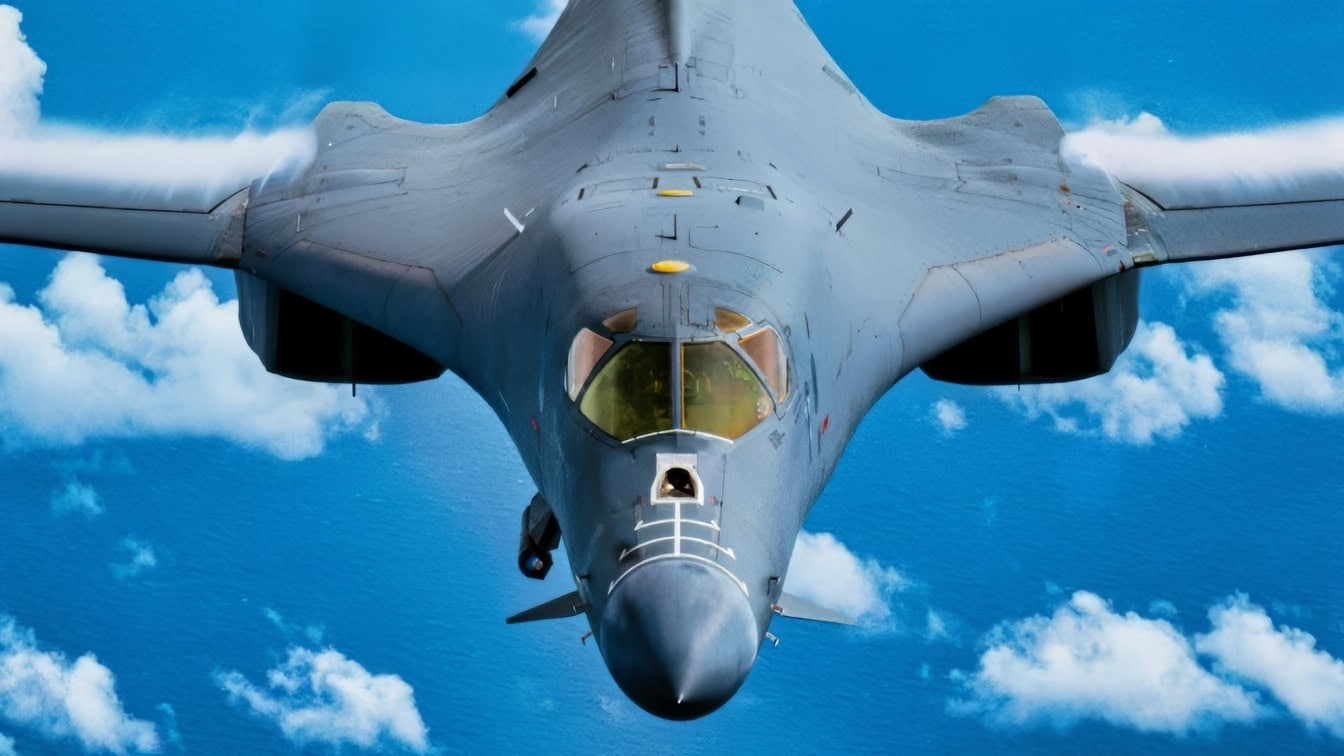
A U.S. Air Force B-1B Lancer prepares to refuel behind a KC-135 Stratotanker during a bomber air demonstration over the U.S. Southern Command area of responsibility Oct. 23, 2025.
The demonstration showcased Southern Command’s ability to quickly mobilize and enable the rapid establishment of credible, combat-ready forces with effective and overwhelming force.(U.S. Air Force photo by Airman 1st Class Daniel Harrell)
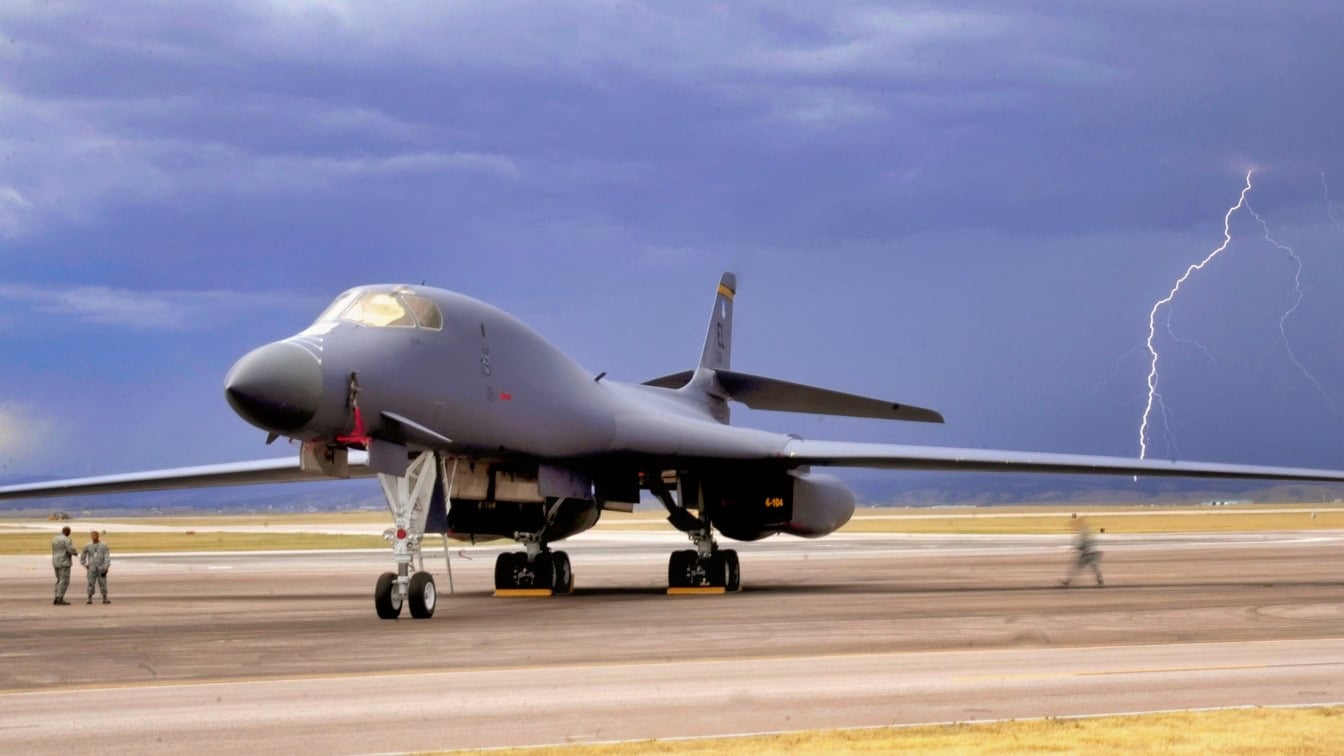
B-1B Lancer Bomber. U.S. Air Force Photo.
Saying Goodbye to the United Kingdom for B-1B Lancer
B-1s made headlines recently when the United States Air Force decided to send the B-1s stationed at RAF Fairford, a U.K. military base, back to the United States after what it deemed a credible threat to the fleet. Last month, several seemingly suspicious vehicles were reported to police, and six men, at least one of whom was a dual U.K.-Iranian national, were arrested but later released on bail.
Terrorism Charges
However, just last week, two of the men were rearrested on suspicion of working for Iran to bomb the American bombers at the base. While the plot was ultimately foiled, quantities of gasoline were found in vehicles used by the suspects, though no bombs were reportedly found.
British Prime Minister Andy Burnham said that the unsuccessful bombing attempt was very likely directed by the Islamic Revolutionary Guard Corps, or the IRGC.
Today, the British government moved to charge several men with assisting a foreign intelligence service and entering a prohibited place for a purpose prejudicial to the UK.
Location, Location, Location
Compared with the United States, the Royal Air Force base offered the Pentagon a much closer launchpad from which to direct operations against Iran.
In the immediate future, the removal of the B-1 bombers from the base is unlikely to have an outsized effect on the ongoing war against Iran as the United States is currently not launching bombers against the nominally Islamist regime there — but the decision could complicate the planning calculus after the upcoming midterm elections should large-scale operations resume.
Speaking to Breaking Defense, a website, Timothy Walton, a senior fellow at the Hudson Institute, explained the drawbacks of moving the bombers back to home ground.
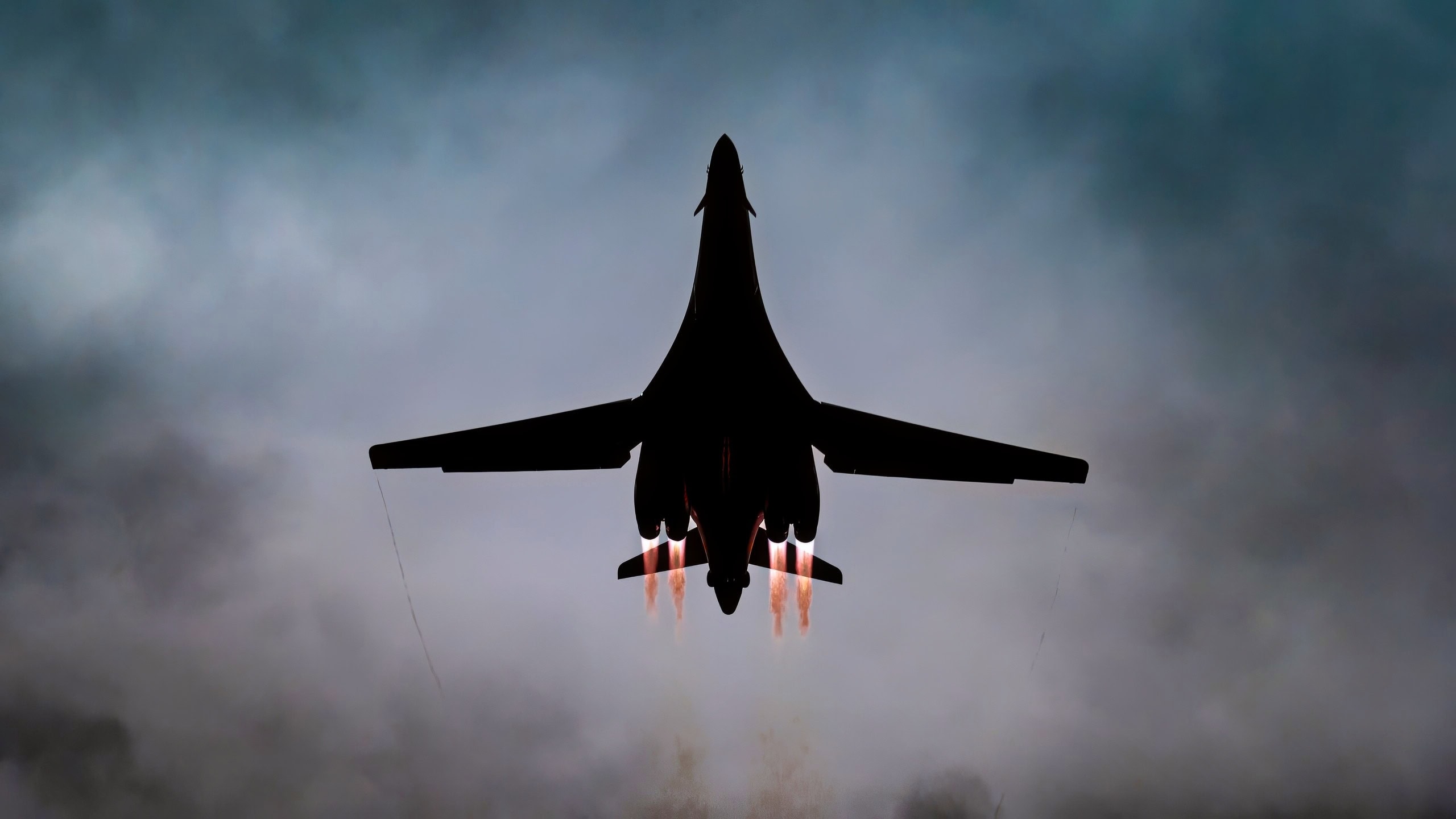
A B-1B Lancer assigned to the 9th Expeditionary Bomb Squadron takes off at RAF Fairford, United Kingdom, to participate in a Bomber Task Force Europe mission, Oct. 27, 2021. “Bombers enhance our ability to address dynamic threats and counter adversary actions in the region as an effective joint force,” said Gen. Jeff Harrigian, U.S. Air Forces in Europe – Air Forces Africa commander. Operations and engagements with NATO allies and global partners demonstrate the shared commitment to global security and stability. (U.S. Air Force photo by Senior Airman Colin Hollowell)
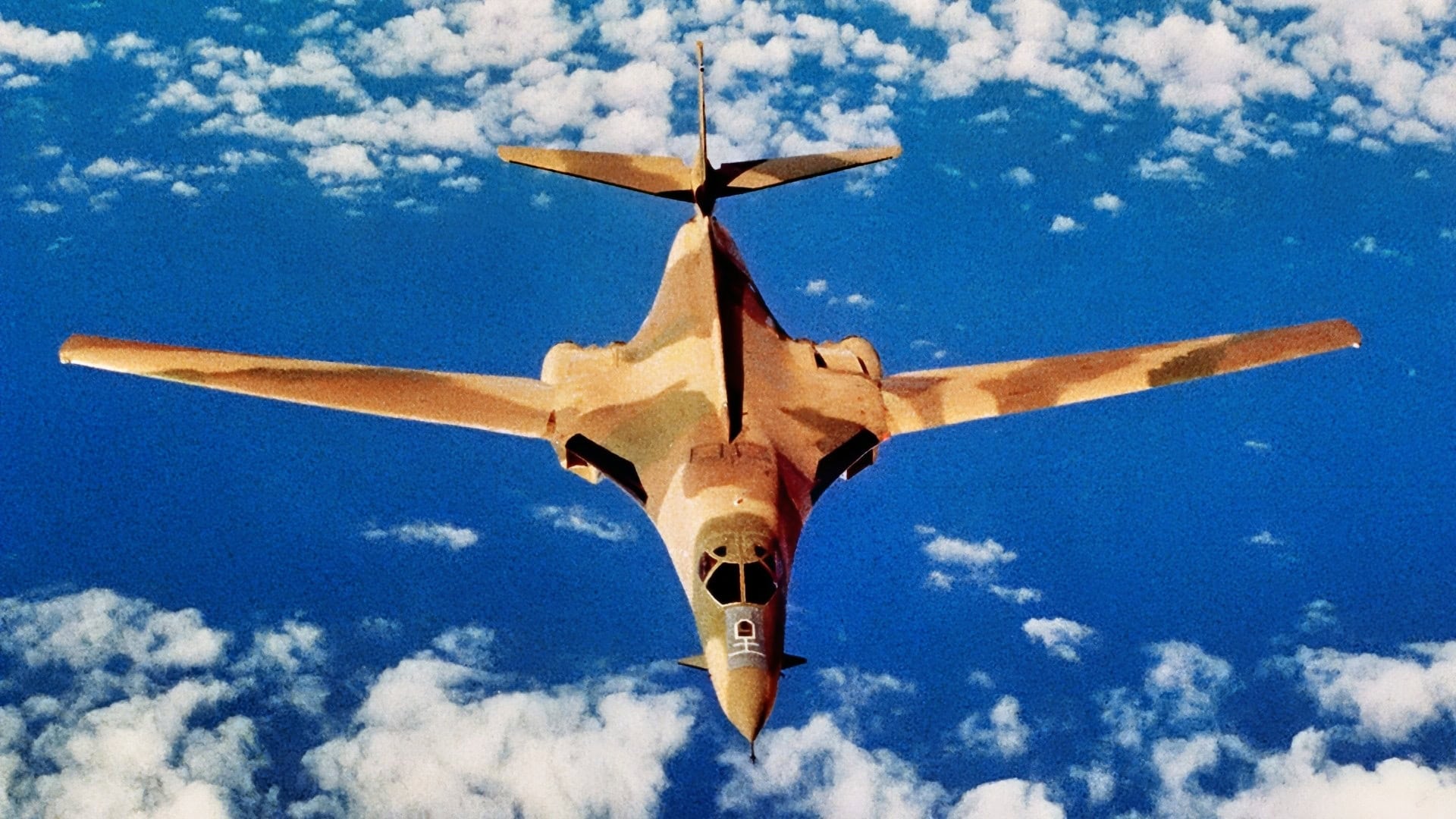
B-1B Lancer Bomber. Image Credit: Creative Commons.
“Withdrawing these bombers to home airfields in the contiguous United States will provide an opportunity for more significant maintenance on the aircraft, but it does reduce the potential sustained strike capacity US forces could bring to bear against Iran,” he explained.
While the United States has a large constellation of bases throughout Europe and the Middle East that could, in theory, accommodate B-1 bombers, not all locations host B-1 bomber support equipment.
Further complicating a rebasing strategy is the highly politicized nature of hosting the large American bombers in countries where the war is particularly unpopular, in particular in European countries.
And while some countries in the Middle East would likely be more favorable to hosting an American bomber deployment, America’s bases nearer to Iran have proven vulnerable to drone and missile attack by Tehran.
One of the more attractive overseas basing options may be Diego Garcia, a small British island territory in the Indian Ocean about 3,000 miles southeast of Iran.
About the Author: Caleb Larson
Caleb Larson is an American multiformat journalist based in Berlin, Germany. His work covers the intersection of conflict and society, focusing on American foreign policy and European security. He has reported from Germany, Russia, and the United States. Most recently, he covered the war in Ukraine, reporting extensively on the shifting battle lines in Donbas and the war’s civilian and humanitarian toll. Previously, he worked as a Defense Reporter for POLITICO Europe. You can follow his latest work on X.