Iran’s air defenses collapsed last year during the Twelve-Day War last summer.
That brief conflict saw Israel and the United States bomb a wide variety of targets throughout Iran, which responded by launching hundreds of ballistic missiles and drones in retaliation.
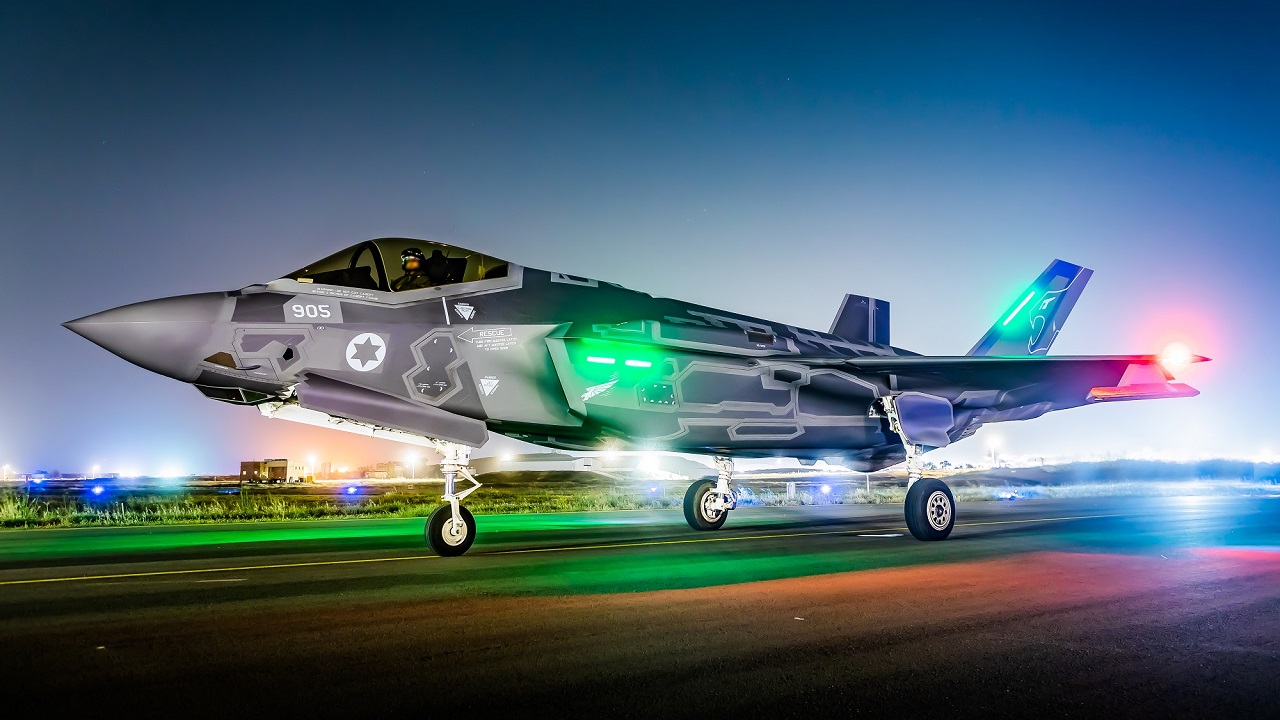
F-35I Adir serving in Israel’s Air Force. Image Credit: Creative Commons.
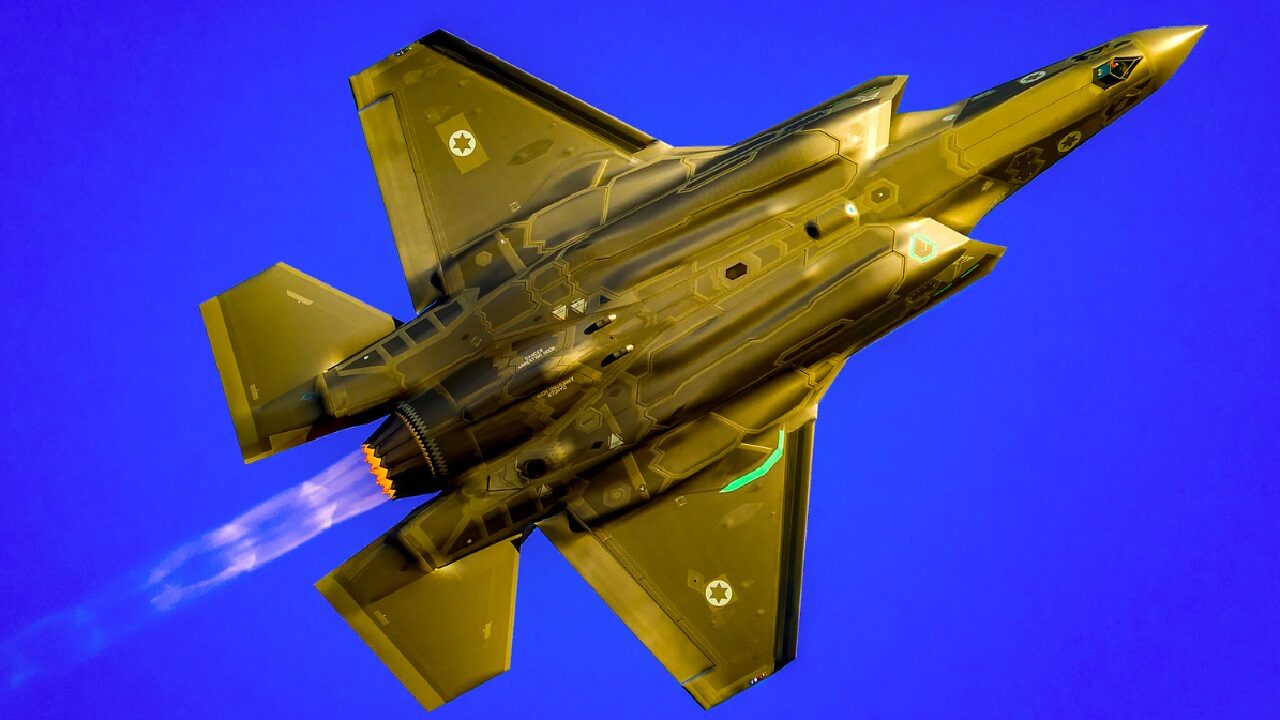
F-35I Adir. Image Credit: IDF Air Force.
One of the most remarkable aspects of that conflict was the nearly complete collapse of Iran’s air defenses.
Iran and its Air Defense Capabilities
Iran’s air defenses did have serious shortcomings, but its collapse cannot simply be chalked up to old, obsolete missiles or poorly trained air defense crews.
The larger problem was that Israel systematically dismantled the system that made those missiles effective, including their radars, communications, command-and-control, senior leadership, mobile launchers, as well as the networks that connected them.
Once that happened, Iran had individual SAM batteries rather than an effective and integrated air-defense network.
The campaign in June of 2025 by Israel is particularly revealing. Israel appears to have prepared for it for months.
According to the Center for Strategic and International Studies, a defense and security think tank, Israeli Intelligence had developed a detailed target set for Iran’s air defenses and surveillance of those targets.
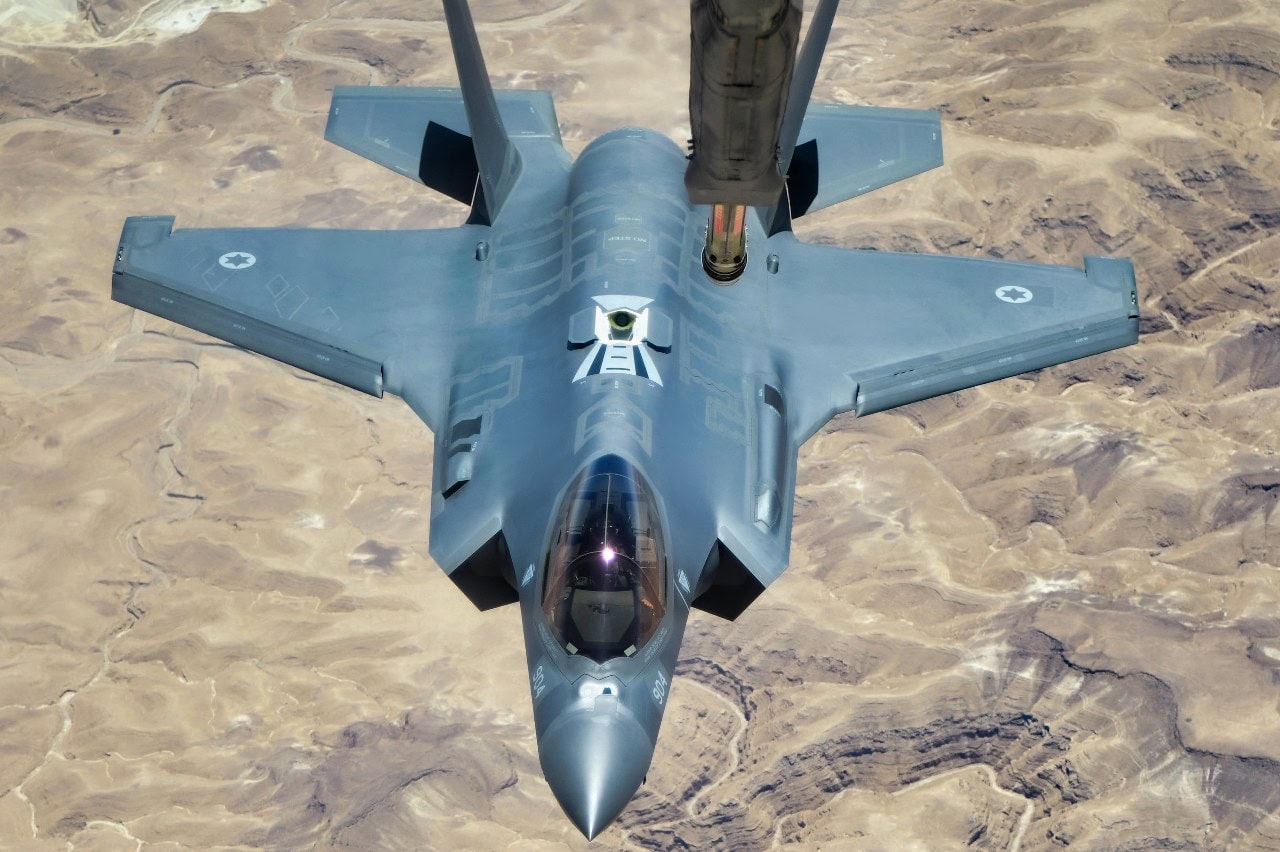
An Israeli Air Force F-35I Lightning II “Adir” approaches a U.S. Air Force 908th Expeditionary Refueling Squadron KC-10 Extender to refuel during “Enduring Lightning II” exercise over southern Israel Aug. 2, 2020. While forging a resolute partnership, the allies train to maintain a ready posture to deter against regional aggressors. (U.S. Air Force photo by Tech. Sgt. Charles Taylor)
In contrast, the Israeli Air Force had spent years training specifically for suppression of enemy air defenses, including against Iran’s Russian-supplied S-300.
Iran, in stark contrast, did what it could and fielded a mixture of Russian- and Soviet-era systems, as well as domestically modified systems, that were not particularly well integrated.
Opening Salvoes
The campaign’s opening was devastating. Israel reportedly combined covert operations inside Iran with conventional air assault.
Drones and other weapons pre-positioned inside Iran attacked radar and communications nodes, while Israeli aircraft struck air-defense sites and command facilities.
The Royal United Services Institute, a leading British security think tank, assessed in the first 72 hours that the suppression of Iranian air defenses opened up extraordinary freedom of action for Israeli aircraft and drones.
CSIS similarly argues that the Israeli operations used special operations, intelligence, electronic warfare, and precision strikes as an integrated campaign rather than treating the air defense problem as something to be solved solely by aircraft attacking SAM sites from outside.
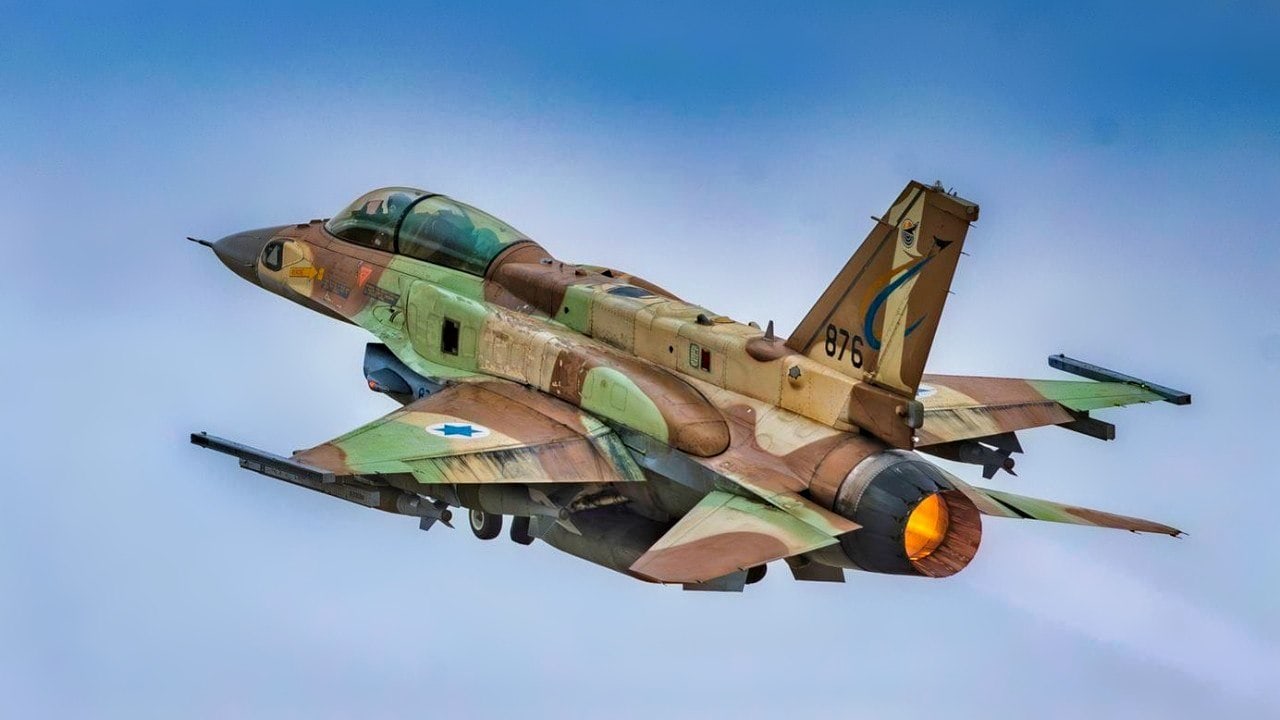
F-16I Sufa from Israel. Image Credit: Creative Commons.
Old and Outdated Equipment
Iran’s problem was also one of military kit. Its air defense inventory contained some capable systems, particularly the S-300 and newer indigenous systems, but the overall network was an ersatz patchwork.
Iran had spent years trying to compensate for its incredibly weak combat aircraft fleet with ground-based air defenses.
That made the SAM network unusually important.
There was little the Iranian fighter force could do to contest its Israeli counterpart once in Iranian airspace.
CSIS describes Iran’s combat fleet as essentially an aged collection of pre-1979 American aircraft, while its ground-based defenses combined a variety of systems of different generations and origins.
But Iran also seemed caught by surprise and off guard.
Though the country had experienced repeated Israeli attacks and should have understood the threat, the scale and sophistication of the opening operation appear to have caught it badly unprepared.
The Broader Strategic Issue
Iran had invested heavily in missiles, drones, and asymmetric capability, but its conventional air forces remained incredibly weak.
That was a logical development considering Iran’s strategic circumstances, but it left a large vulnerability.
Iran had built an air defense network intended to compensate for its weak air force, but Israel was able to neutralize that network before the air race could enter the fight.
Compare that to the case of Ukraine, which was much better at dispersing and relocating its air defenses and had a functioning air force that could contribute to the air defense battle, whereas Iran lacked both of those advantages.
By the time the United States intervened, launching Operation Midnight Hammer, Israel had already performed the heavy lifting and Iranian air defenses were severely degraded. CSIS explicitly described the Israeli campaign as having created a window in which the American strikes against Iran’s heavily fortified nuclear sites became possible.
The Lesson Learned
Iran did not suffer defeat from the air because its Russian S-300 batteries or other surface-to-air missile batteries were incapable of shooting down Israeli aircraft.
Instead, it lost because Israel attacked the supporting architecture around the missiles and did so with an unusually well-prepared combination of intelligence, covert action, electronic warfare, drones, standoff weapons, and stealth aircraft.
Once that Iranian architecture collapsed, the individual SAM systems were no longer capable of providing meaningful protection, making the rapidity of the collapse all the more remarkable.
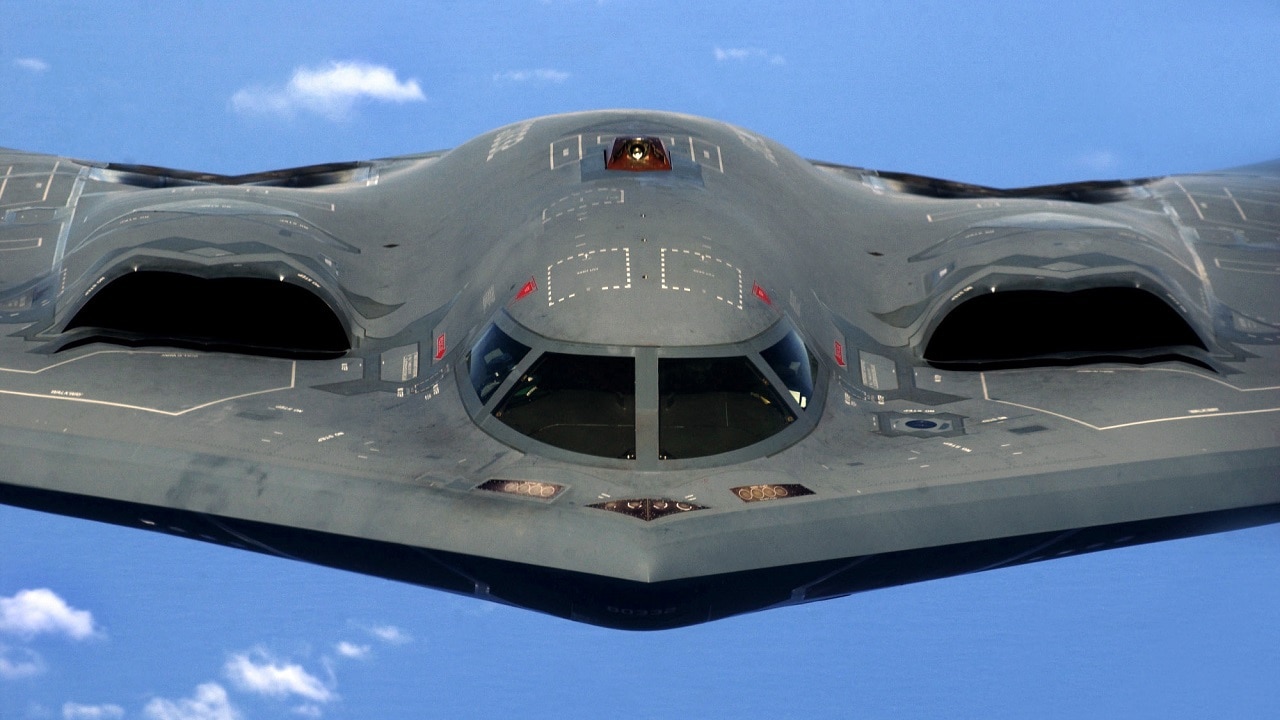
And that means the US Air Force and all of its F-22s, F-35s, B-1B Lancers, and B-2 Spirits rule the skies over Iran for the foreseeable future.
About the Author: Caleb Larson
Caleb Larson is an American multiformat journalist based in Berlin, Germany. His work covers the intersection of conflict and society, focusing on American foreign policy and European security. He has reported from Germany, Russia, and the United States. Most recently, he covered the war in Ukraine, reporting extensively on the war’s shifting battle lines in the Donbas and writing on its civilian and humanitarian toll. Previously, he worked as a Defense Reporter for POLITICO Europe. You can follow his latest work on X.