
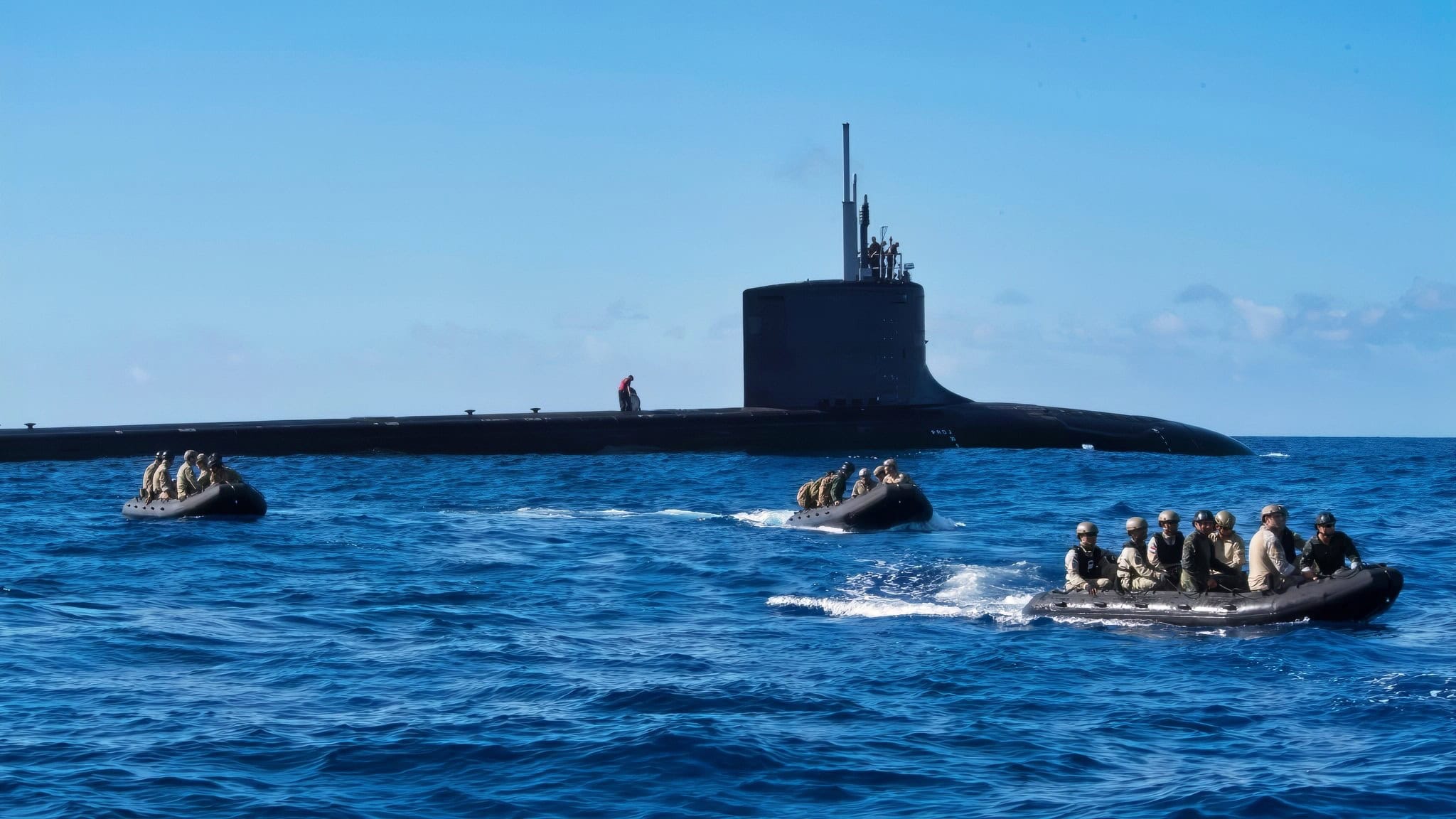
Key Points and Summary – The loss of the USS Scorpion (SSN-589) submarine remains one of the U.S. Navy’s most haunting unsolved mysteries, claiming 99 lives in May 1968.
The Incident: While returning from the Mediterranean, the nuclear submarine vanished near the Azores. Wreckage was later discovered imploded at a depth of 10,000 feet.
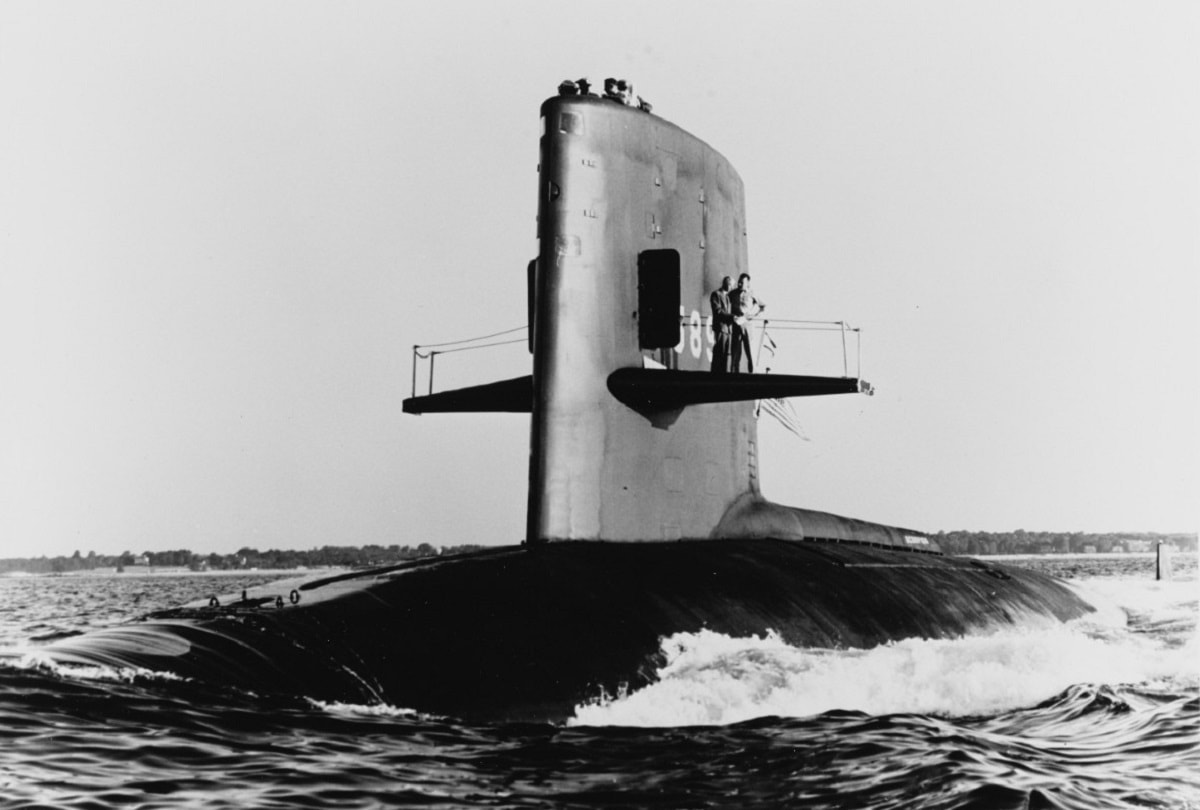
USS Scorpion. Image: Creative Commons.
The Theories: Unlike the USS Thresher, the inquiry yielded no definitive cause. Leading theories include a “hot run” torpedo detonation, a hydrogen explosion triggered by a faulty Trash Disposal Unit (TDU), or even a secret Soviet strike.
The Legacy: The tragedy highlighted that even strict safety regimes like SUBSAFE cannot prevent every accident, leaving a legacy of unanswered questions.
Of all the submarine disasters throughout history – of which there are many – the story of the USS Scorpion is particularly haunting.
Unlike Thresher, where lessons were learned and codified into new SUBSAFE reforms, Scorpion didn’t really produce lessons as much as it raised questions. In May 1968, 99 men were lost.
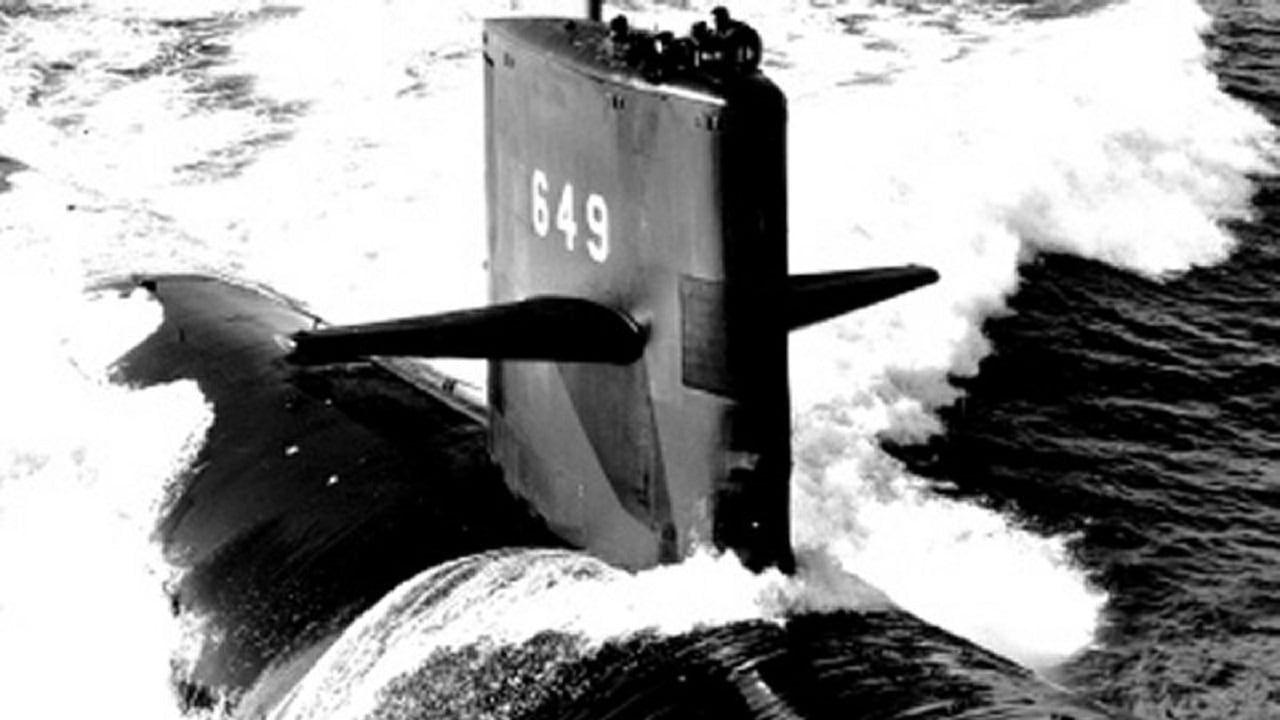
USS Sunfish SSN-649. Sturgeon-Class Submarine.
Yet, the Navy’s subsequent inquiry yielded no definitive answers or cause, and the mystery still occupies an ample space in modern submarine lore and policy debates today.
The Vanishing of the Scorpion
Scorpion was a Skipjack-class nuclear attack submarine that was commissioned in July 1960.
On May 22, 1968, as she returned from a Mediterranean deployment en route to Norfolk, Scorpion failed to arrive. Her last reported position, via radio on May 21, placed her roughly 250 miles southwest of the Azores – an autonomous region of Portugal.
Days later, when communication ceased, concern began to mount about the vessel’s whereabouts.
By June 5, the Navy declared the Scorpion and her crew “presumed lost.” Her name was then struck from the Naval Vessel Register on June 30.
Following months of searching, portions of the wreck were eventually located in October 1968 resting at depths of more than 10,000 feet roughly 400 miles to the southeast of the Azores.
In the wake of the submarine’s disappearance, a Court of Inquiry convened but was unable to reach any definitive conclusion about what may have occurred.
Photographic and acoustic data from the wreck were later reviewed by a Structural Analysis Group (SAG), which examined plausible failure modes.
However, they could not single out a most likely scenario with any degree of confidence – prompting widespread speculation and multiple theories about how and why the vessel sank.
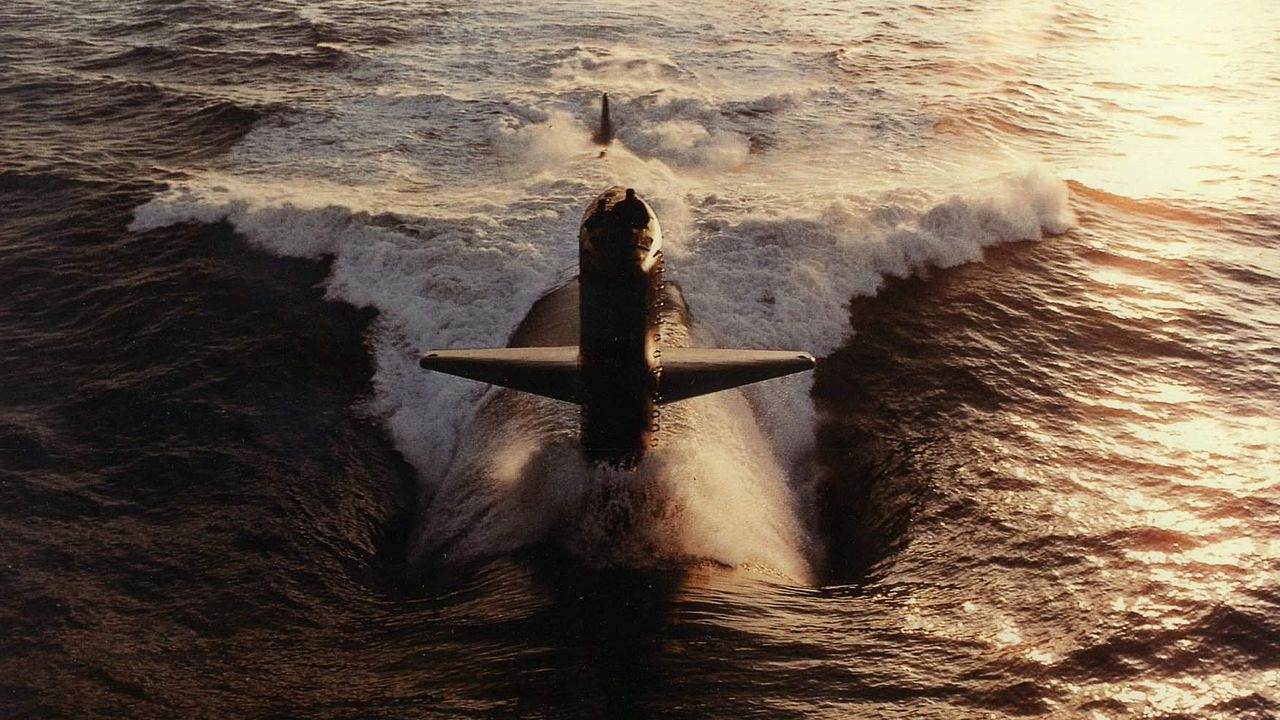
Sturgeon-Class submarine. Image Credit: Creative Commons.
A statement issued by the Navy in 1993 summarized the disappearance to the best of the investigators’ abilities, suggesting that uncontrolled flooding likely triggered a “cataclysmic event” whereby an explosion or other structural failure occurred.
However, that statement also acknowledged that the flooding’s origin could not be fully determined.
The Theories
While there is no broad consensus about what happened to the Scorpion, there are several theories – some of which are more speculative than others.
The “hot run” theory, for example, is a leading explanation that suggests a Mark 37 torpedo – or its battery – malfunctioned and failed to fire its tube.
That ignition, or malfunctioning electronics, may have triggered a blast within the submarine, causing it to sink.
Another theory suggests that a Trash Disposal Unit (TDU) was the source of the problems. Vice Admiral Arnold Schade and former crewman Dan Rogers have both suggested that a faulty waste-disposal valve allowed seawater ingress, which then contacted with the battery cells and caused a hydrogen explosion.
Some analyses also propose that the Scorpion’s main battery or electrical systems generated hydrogen gas, which then ignited and disabled systems or prompted an explosion.
Some, however, speculate that the submarine may have sunk as a result of sabotage or a Soviet strike.
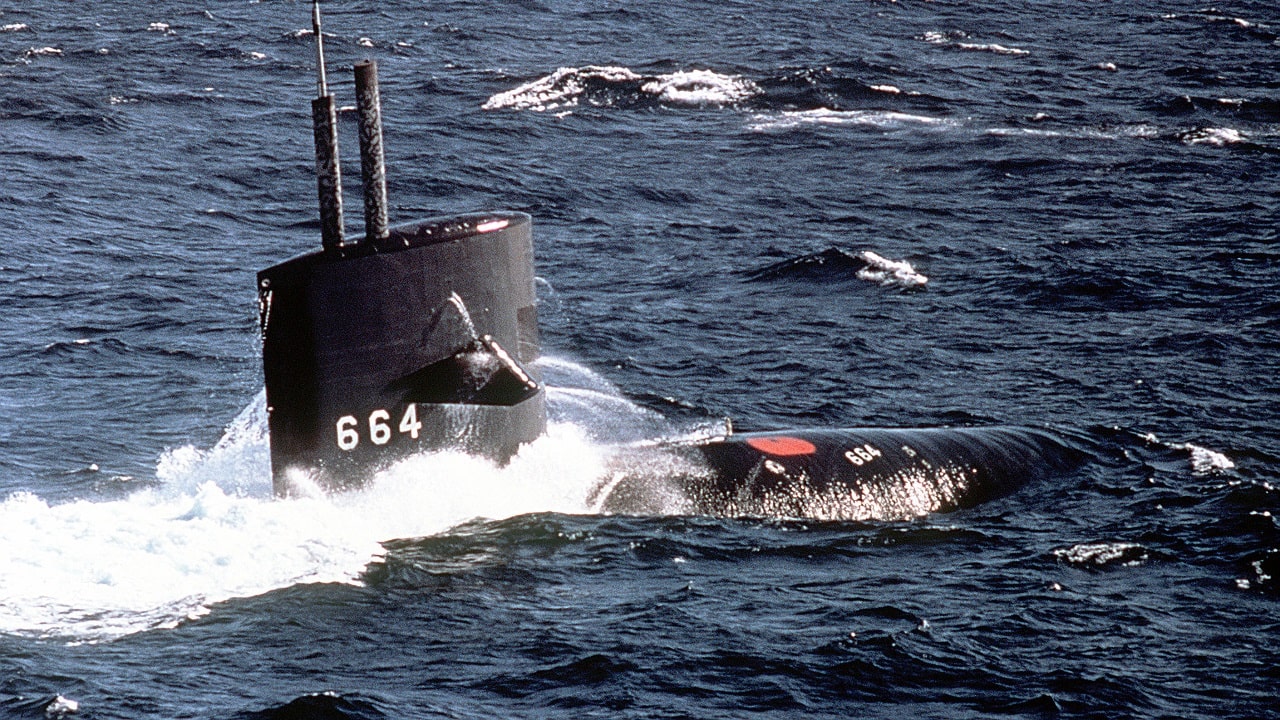
A starboard bow view of the nuclear-powered attack submarine USS SEA DEVIL (SSN-664) underway off the Virginia Capes.
Owing to Cold War tension at the time, some speculate that Soviet forces may have attacked Scorpion in retaliation for the earlier loss of K-129, a Soviet submarine.
There is, however, no solid evidence to support the theory, and the Navy did not endorse the idea.
Mechanical issues may have also been to blame.
Many alternative theories attribute the loss to internal system failures, ranging from piping ruptures and electrical shorts to structural weaknesses.
Determining what really happened to the submarine is difficult for two reasons.
First, the majority of the submarine was never found, with only portions of the vessel discovered by investigators. Among the components and segments of the ship that were discovered, the damage was so extensive that answers may never be found.
The damage caused by implosion, which occurred after Scorpion passed crush depth, was so extensive that many internal systems were completely obliterated, making forensic reconstruction extremely challenging.
Over half a century later, the disappearance of the USS Scorpion remains one of the most curious and unresolved submarine tragedies in global naval history.
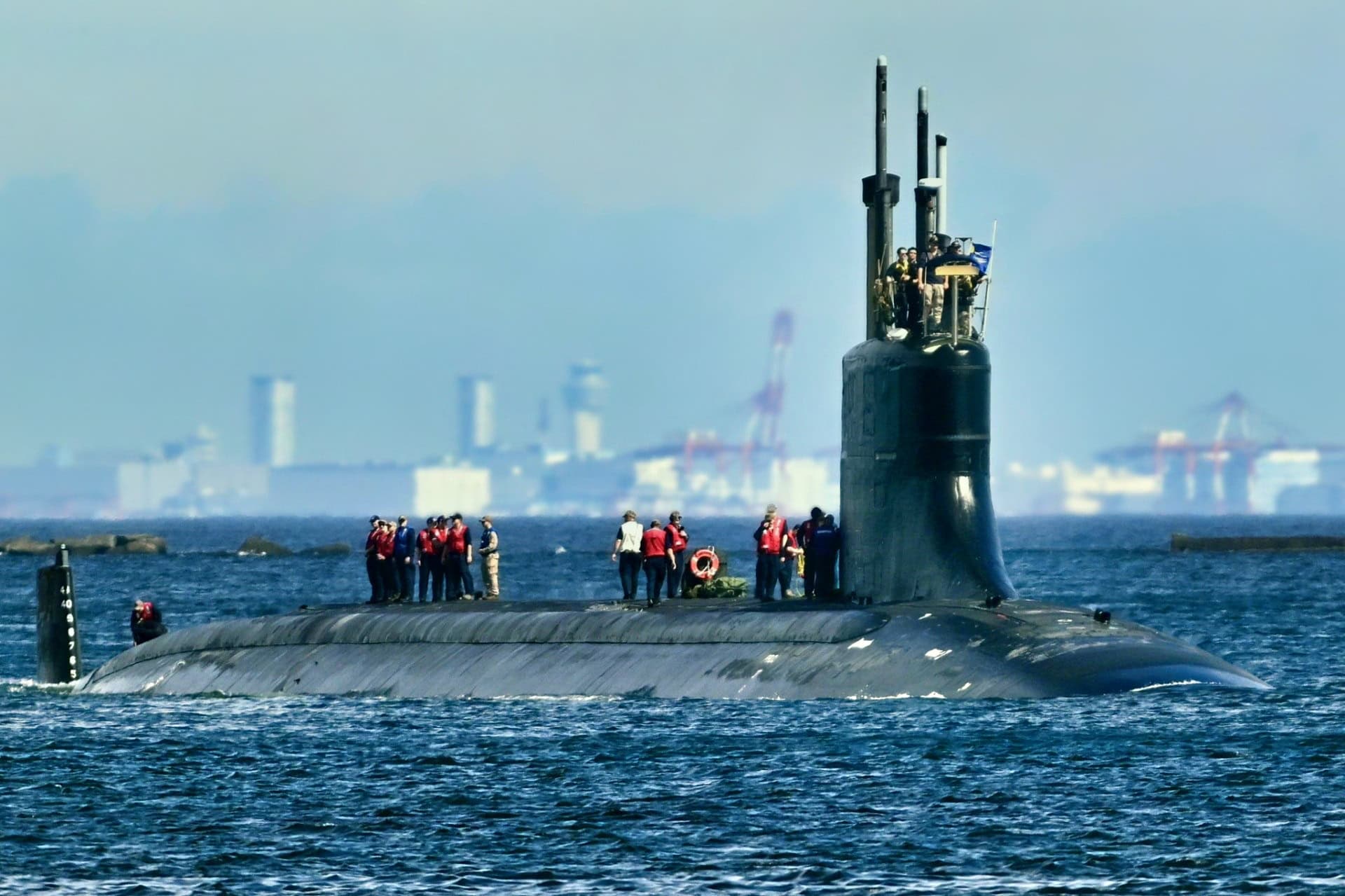
Seawolf-Class Submarine. Image Credit: Creative Commons.
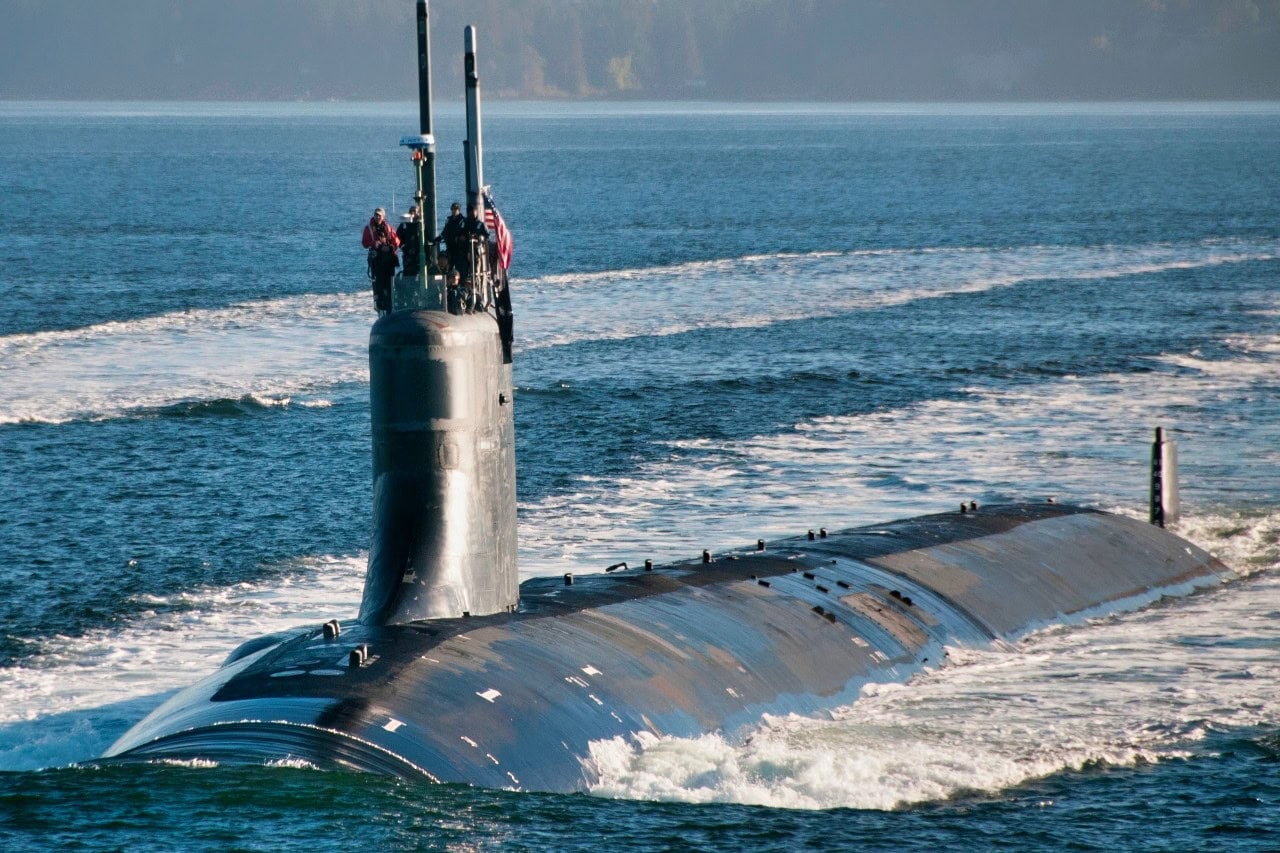
PUGET SOUND, Wash. (Sept. 11, 2017) The Seawolf-class fast-attack submarine USS Jimmy Carter (SSN 23) transits the Hood Canal as the boat returns home to Naval Base Kitsap-Bangor. Jimmy Carter is the last and most advanced of the Seawolf-class attack submarines, which are all homeported at Naval Base Kitsap. (U.S. Navy photo by Lt. Cmdr. Michael Smith/Released)
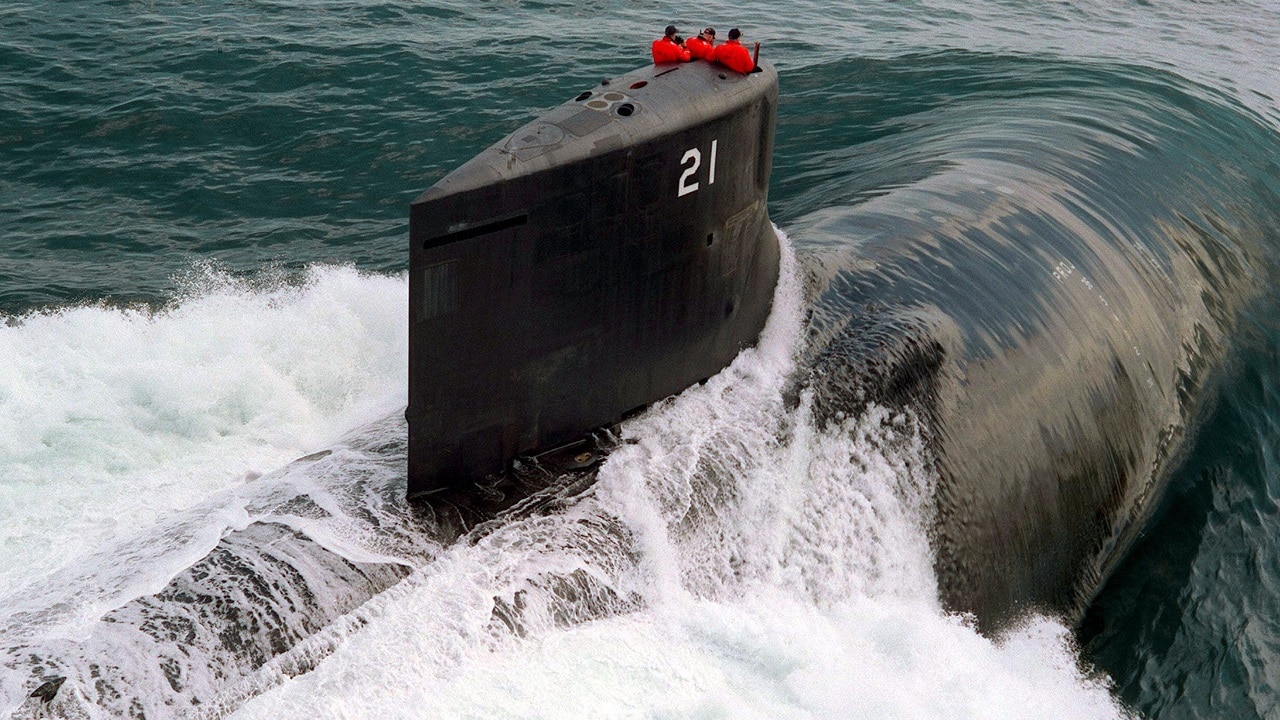
The U.S. Navy’s newest attack submarine, USS Seawolf (SSN 21), conducts Bravo sea trials off the coast of Connecticut in preparation for its scheduled commissioning in July 1997.
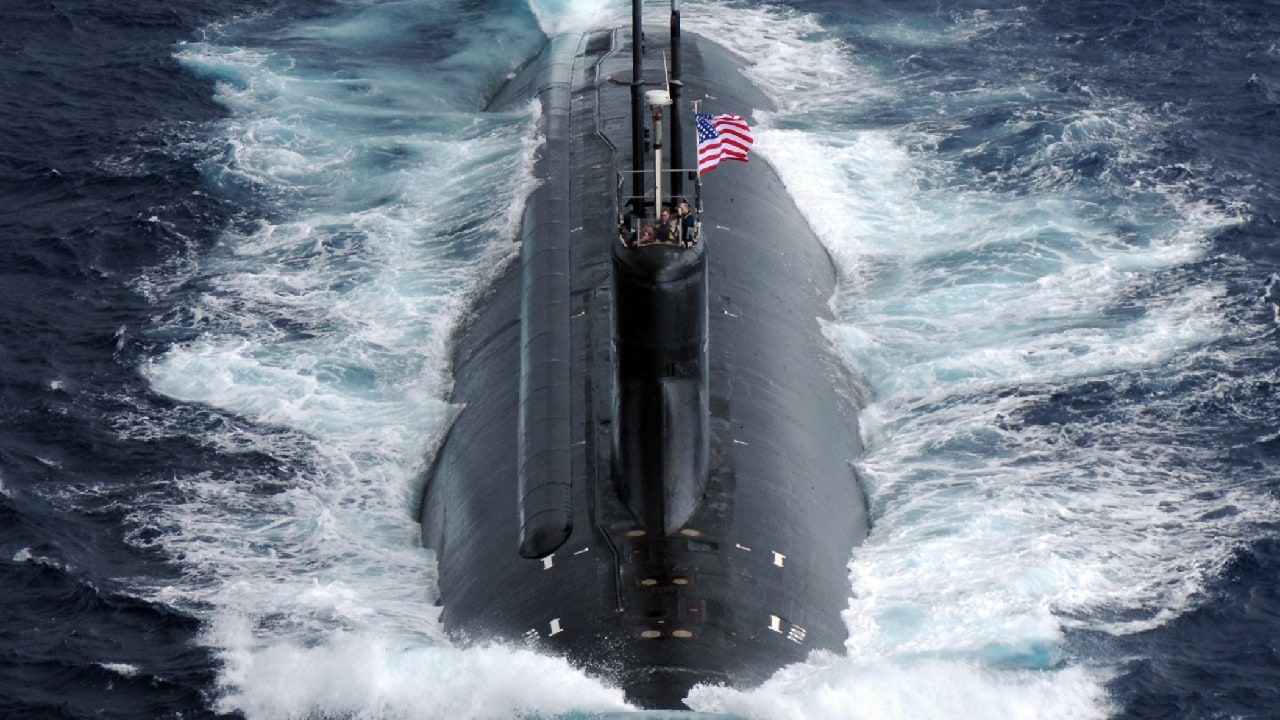
The Seawolf-class fast-attack submarine USS Connecticut transits the Pacific Ocean during Annual Exercise. ANNUALEX is a yearly bilateral exercise with the U.S. Navy and the Japan Maritime Self-Defense Force.
Because the Court of Inquiry could not definitively determine the case, the world is left only with competing theories – some of which are based purely on speculation.
The story of Scorpion does, however, offer some lessons. It proves that safety regimes are essential but that administrators of those rules are not infallible, that technical accidents can always occur and that organizational culture matters.
Decades after the loss, many key files about the Scorpion remain classified or heavily redacted, leading some to speculate that the cause may be known—but the reality is probably far less cryptic.
About the Author:
Jack Buckby is a British author, counter-extremism researcher, and journalist based in New York. Reporting on the U.K., Europe, and the U.S., he works to analyze and understand left-wing and right-wing radicalization, and reports on Western governments’ approaches to the pressing issues of today. His books and research papers explore these themes and propose pragmatic solutions to our increasingly polarized society. His latest book is The Truth Teller: RFK Jr. and the Case for a Post-Partisan Presidency.