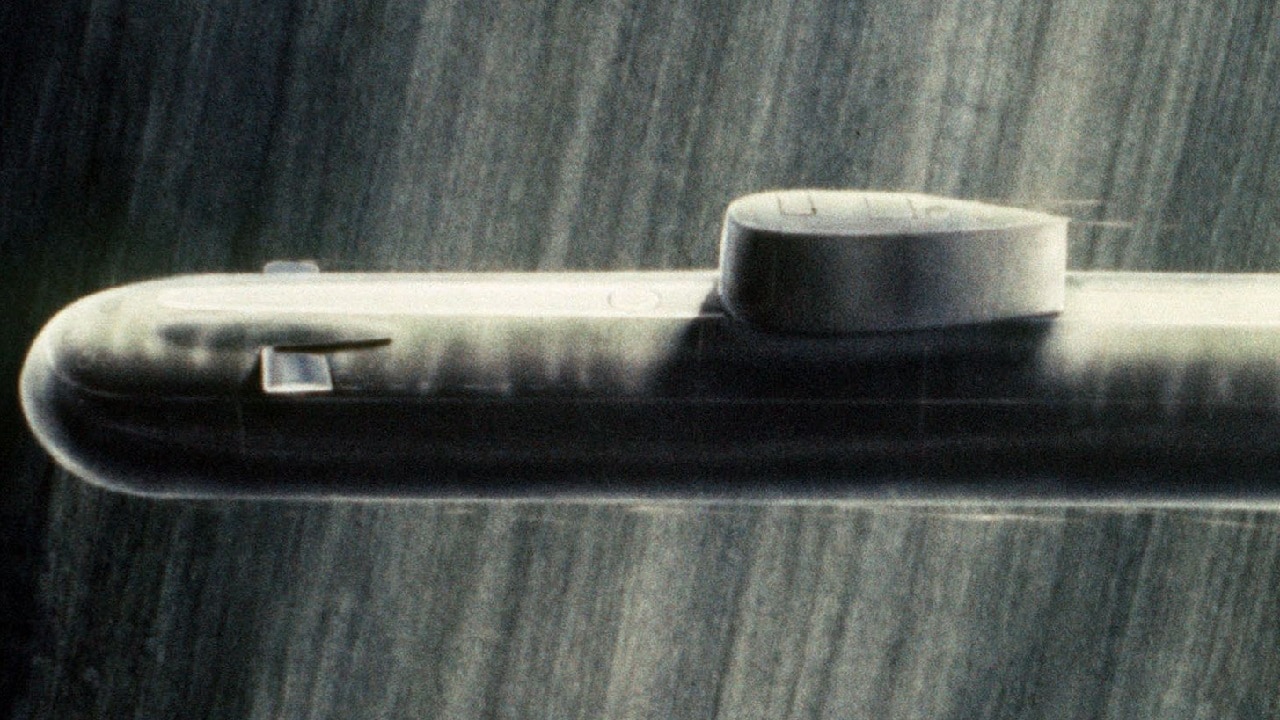
Key Points and Summary – The 1985 K-431 Russian Navy nuclear submarine accident wasn’t a battle loss but a refueling catastrophe at Chazhma Bay near Vladivostok.
-During reactor-lid handling, an over-lift triggered prompt criticality, blasting the reactor apart and scattering radioactive debris across ships, docks, and shoreline.
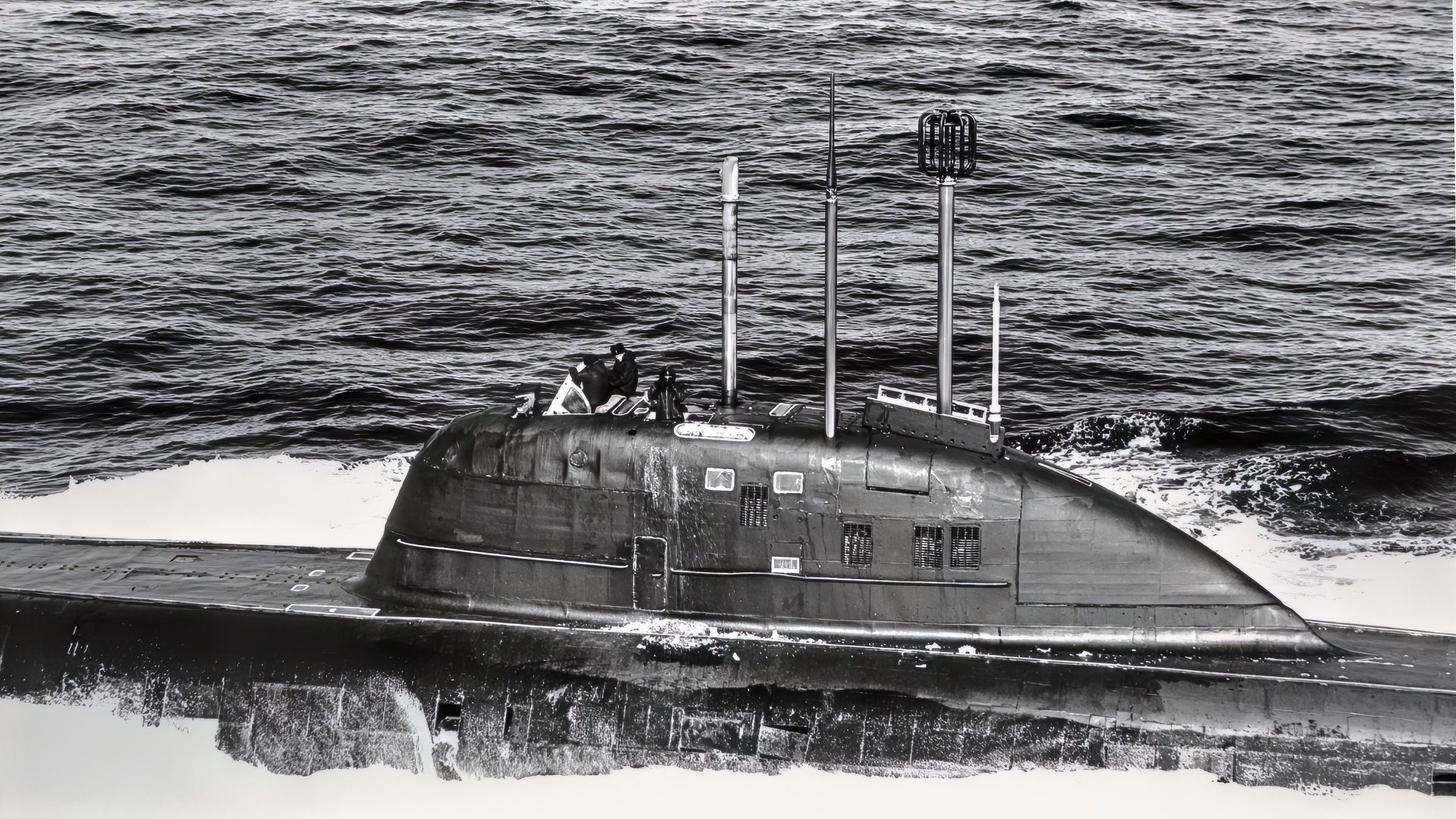
A port view of the sail of a Soviet Victor-II class nuclear-powered attack submarine underway.
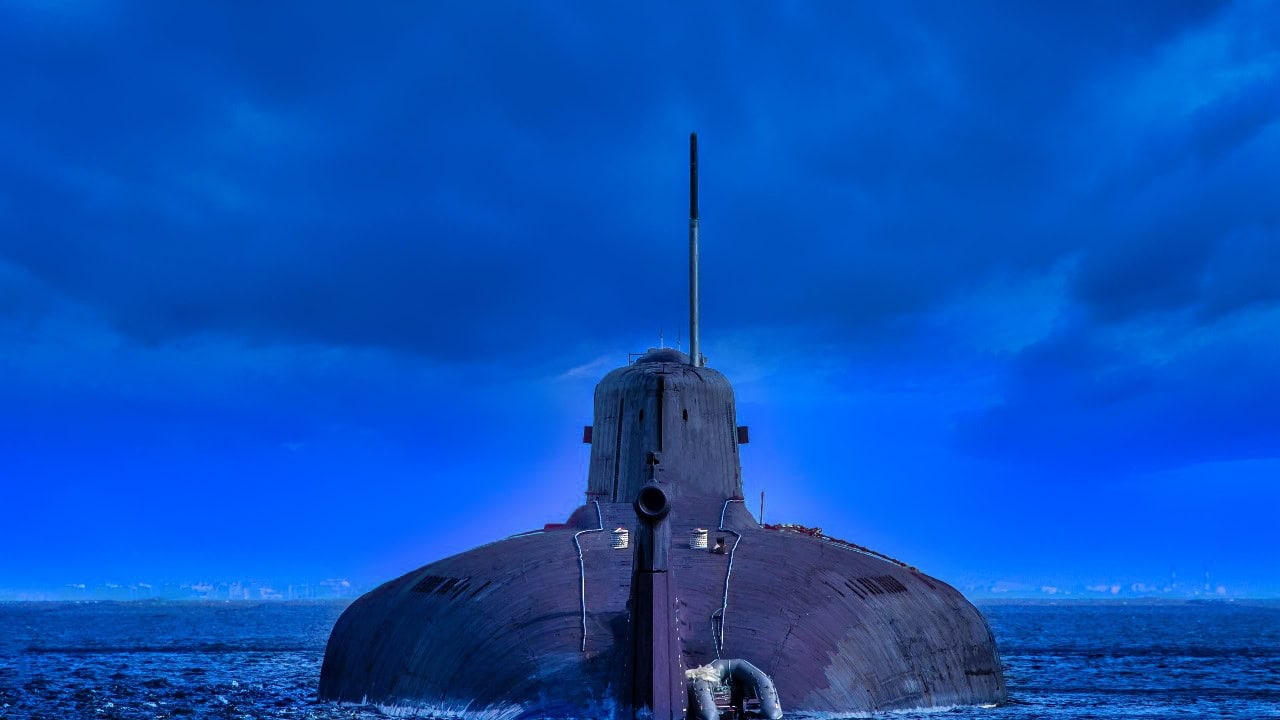
Russian Submarine. Image Credit: Creative Commons.
-Soviet secrecy left responders and nearby towns largely uninformed as decontamination dragged on.
-Dozens suffered acute exposure and thousands of cleanup workers received varying doses. While the release was smaller than Chernobyl, the site’s legacy persists amid wider regional dumping and derelict submarines.
-Residents in Putyatin, Dunai, and Fokino may still face contaminated sediment and runoff, with long-term monitoring still painfully limited.
The Soviet Nuclear Sub Disaster You’ve Never Heard Of: K-431 at Chazhma Bay
Few people were affected in the aftermath of the K-431 nuclear submarine disaster.
But decades later, hundreds, and potentially thousands, of nearby residents have suffered from radiation exposure caused by incomplete cleanup efforts.
When the words “nuclear disaster” or “nuclear catastrophe” come to mind, the 1986 Chernobyl accident probably comes to mind.
And while that accident was catastrophic, imprinted in popular culture and the imagination thanks in part to the 2019 miniseries that garnered widespread acclaim, there was another accident in the former Soviet Union, one that predates Chernobyl by nearly a year: the K-431 submarine disaster.
The Soviet Union’s K-431 submarine catastrophe was one of the more significant nuclear-submarine incidents of the 1980s. Astonishingly, the accident did not happen in combat or even while out to sea on patrol — but during routine maintenance operations.
What We Know: A Submarine Disaster Largely Forgotten
During the 1985 accident, the Echo-II-class K-431, a nuclear cruise missile submarine, was in Chazhma Bay, near Vladivostok, in Russia’s far east. At the time, K-431 was undergoing refueling of its nuclear reactor, an operation that indeed required caution but was a normal maintenance point nonetheless.
Refueling the reactor necessitated partially opening K-431’s nuclear reactor, withdrawing the submarine’s spent nuclear fuel rods, and replacing them with new nuclear fuel. Though practically routine, several external factors conspired to disastrous effect.
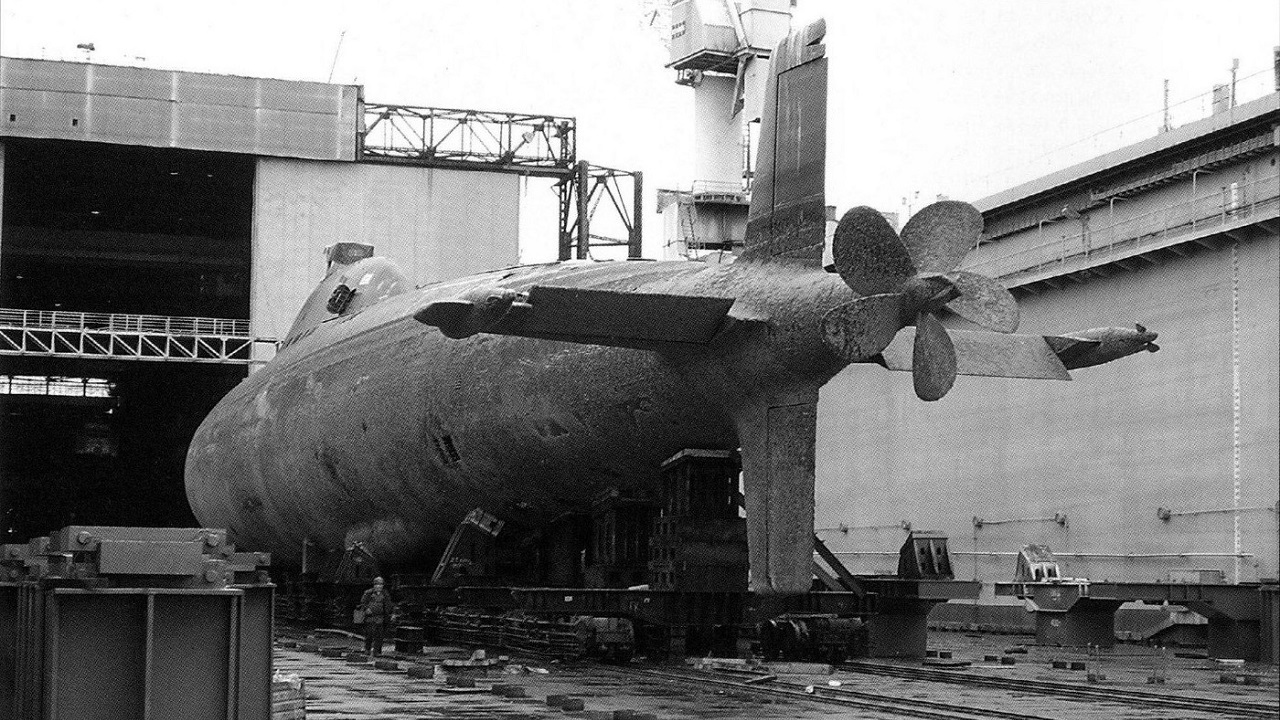
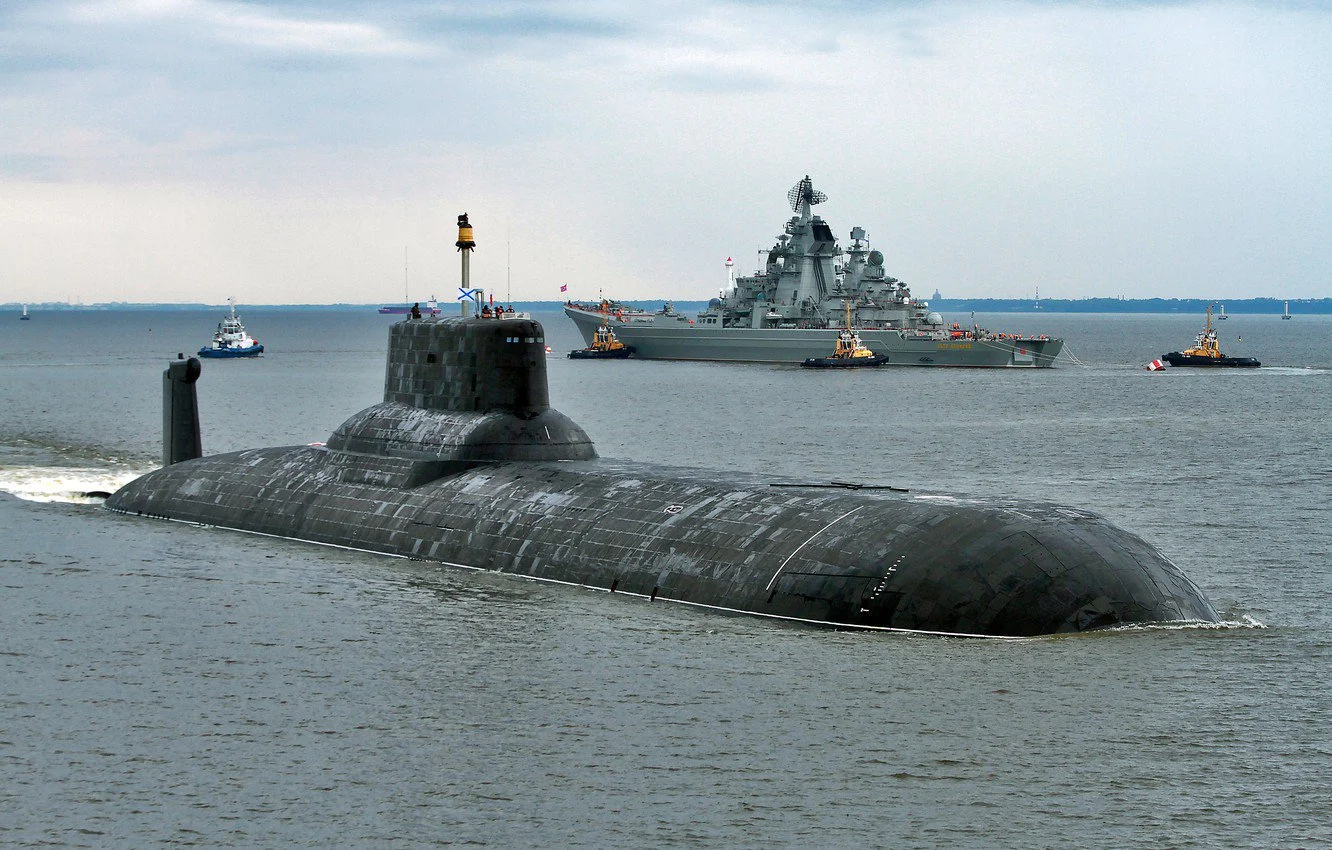
Lira-Class Submarine. Image Credit: Russian Navy.
Typhoon-Class Submarine. Image Credit: Russian State Media.
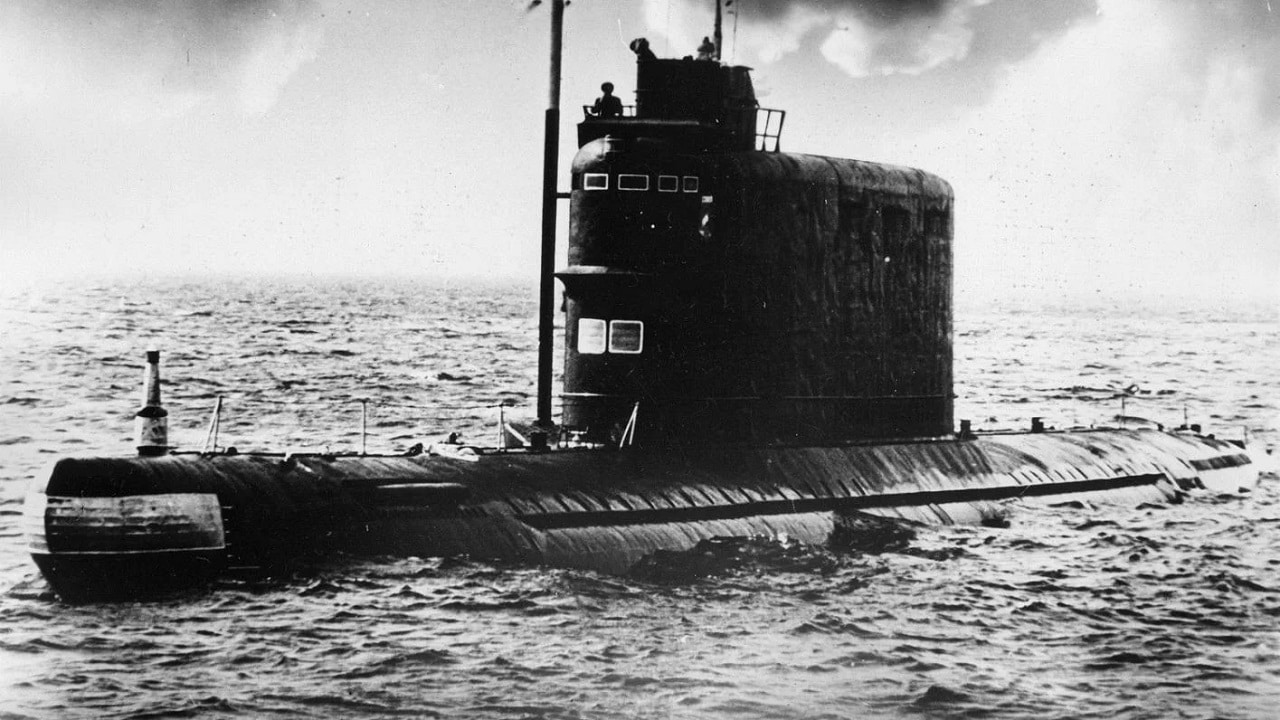
Russian Golf-II Class Submarine. Image Credit: Creative Commons.
While the reactor’s covering was being moved, it became clear that the reactor tank lid had been replaced incorrectly. Although the lid was raised—with fuel rods attached—to realign and close it, it was inadvertently opened slightly beyond its approved opening limit.
Though seemingly innocuous, the jostle was enough to suddenly and dramatically increase the submarine’s reactivity. Mere seconds after the surface ship passed, K-431’s reactor experienced a prompt criticality — essentially a rapid nuclear chain reaction — that blew apart the submarine’s nuclear reactor.
The consequences were deadly, with nearly a dozen Soviet Navy sailors and officers killed and hundreds suffering from radiation exposure.
As one archive of the disaster explains, “ten naval personnel were killed (8 officers and two enlisted men), probably by the explosion itself and not from radiation injuries.Radiation injuries were observed in 49 people, with 10 developing radiation sickness; the latter figure included mostly firefighters, some of whom sustained doses up to 220 rad external and 400 rem to the thyroid gland. Of the 2,000 involved in cleanup operations, 290 were exposed to high levels of radiation compared to normal standards.”
Such was the force of the explosion that radioactive reactor fuel and reactor components were blown across nearby vessels, the dock, and onto the nearby shoreline.
Given Chazhma Bay’s proximity to Vladivostok, the risk of radiation spreading further afield and onto a dense urban population was significant.
The Soviet authorities were, characteristically, tight-lipped and intent on keeping a tight lid on the accident, despite the fact that a cloud of radioactive particles had been blown into the air and drifted onto land.
Damage control personnel were, in some cases, not informed of the scope of the catastrophe and suffered intense radiation exposure.
Decontamination efforts and cleanup of the submarine reactor debris dragged on for months.
Nearby residents were also intentionally kept in the dark, unaware of what had transpired mere miles away from their towns and homes.
K-431 was a total loss, destroyed beyond repair.
Still, the submarine’s destruction was emblematic of structural issues in the Soviet Navy’s nuclear safety approach: nuclear refueling infrastructure was inadequate, communication about radiation hazards and nuclear safety was poor, and procedures were enforced inconsistently.
The details of K-431’s accident were kept tightly under wraps for years, and the entire picture was not known until after the Cold War ended.
Ultimately, the consequences of the explosion and dissemination of radiation into the surrounding area were significantly less than those of other nuclear incidents like the Chernobyl disaster the following year.
The K-431’s more modest radiation impact was because the submarine’s reactor did not contain any spent nuclear fuel, which had been removed as a normal part of reactor refueling.
Fast forward to today, and the sunken K-431 is still a source of radiation.
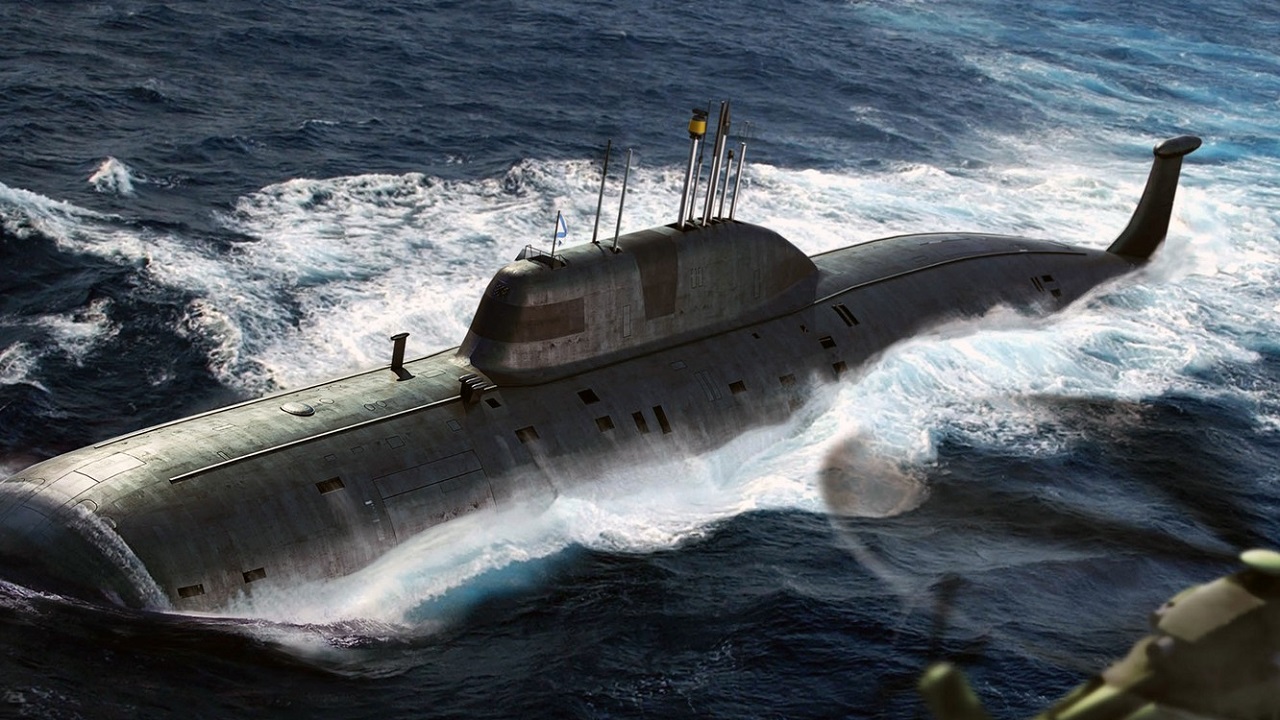
Akula-Class Submarine. Image Credit: Computer Generated Image, Screenshot.
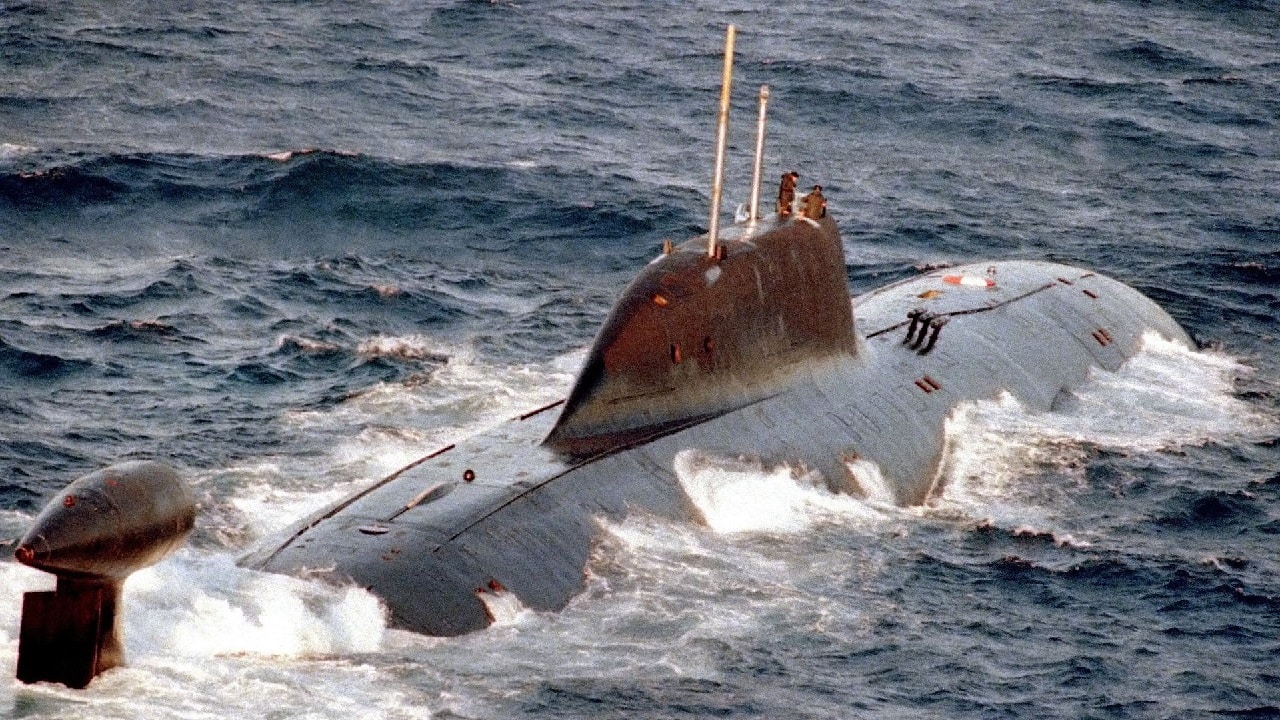
K-322 Cachalot, Akula class submarine underway. A port quarter aerial view of the Russian Northern Fleet AKULA class nuclear-powered attack submarine underway on the surface.
As one source notes, “the entire region [near K-431] is heavily polluted, as old and derelict nuclear submarines were scuttled here over a period of several decades and radioactive liquid and solid waste dumped into the sea.” Radioisotopes have been found in sediment samples at high levels, and parts of the surrounding area experience radiation levels equivalent to “about 30 to 400 chest x-rays per hour… Also, there is a continued run-off from a temporary nuclear waste disposal site into the sea east of Vladivostok.”
“Besides the workers and sailors on the naval base, about 30,000 inhabitants of the nearby towns of Putyatin, Dunai and Fokino are most acutely affected by radioactive contamination from the submarine accident and the nuclear waste catastrophe,” a source of lingering health problems.
And thus far, “studies on the long-term health effects of the exposure of this population have not been undertaken. The total number of people affected by radioactive contamination may never be known.”
About the Author: Caleb Larson
Caleb Larson is an American multiformat journalist based in Berlin, Germany. His work covers the intersection of conflict and society, focusing on American foreign policy and European security. He has reported from Germany, Russia, and the United States. Most recently, he covered the war in Ukraine, reporting extensively on the war’s shifting battle lines from Donbas and writing on the war’s civilian and humanitarian toll. Previously, he worked as a Defense Reporter for POLITICO Europe. You can follow his latest work on X.