
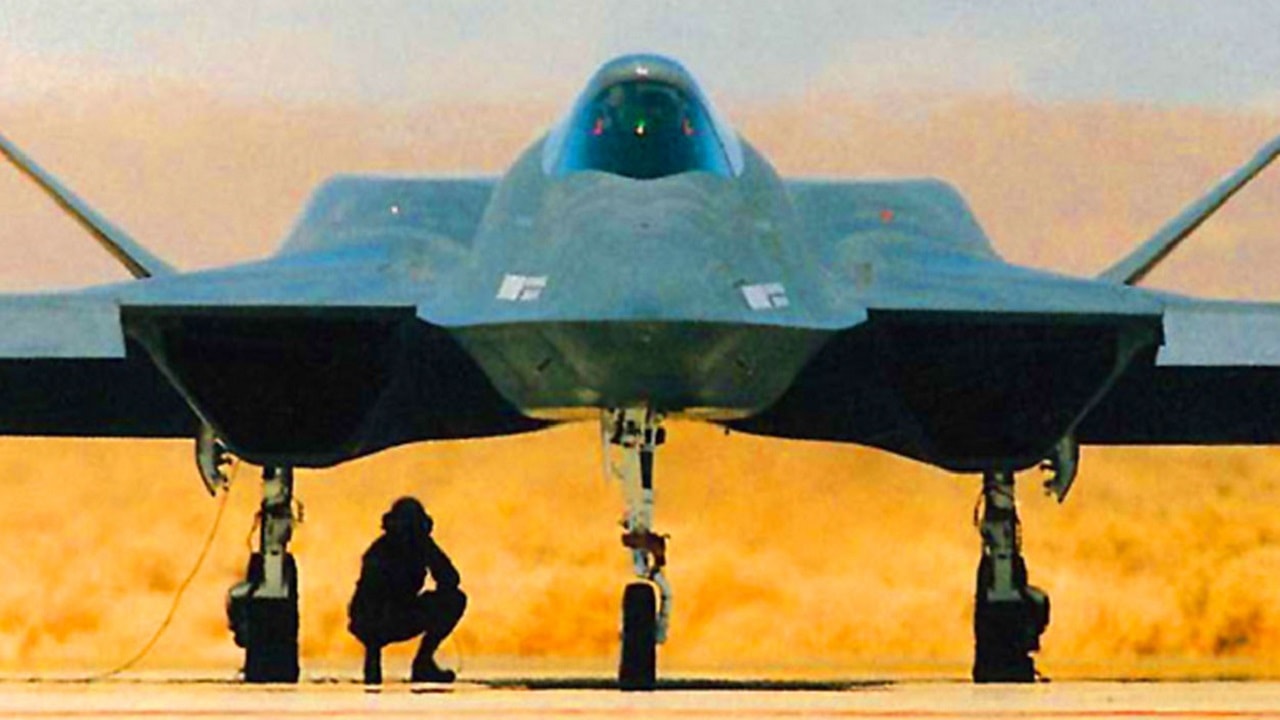
Key Points and Summary – The Northrop–McDonnell Douglas YF-23 “Black Widow II” was the stealthier, longer-legged rival to Lockheed’s YF-22 in the Advanced Tactical Fighter competition, featuring a blended wing-body, canted tails, and diamond wings that maximized range and low observability.
-On paper it outperformed the YF-22 in speed, stealth, and combat radius, but lost due to the Air Force’s preference for the YF-22’s extreme agility, thrust-vectoring dogfight performance, and Lockheed’s superior program “showmanship” and political positioning.
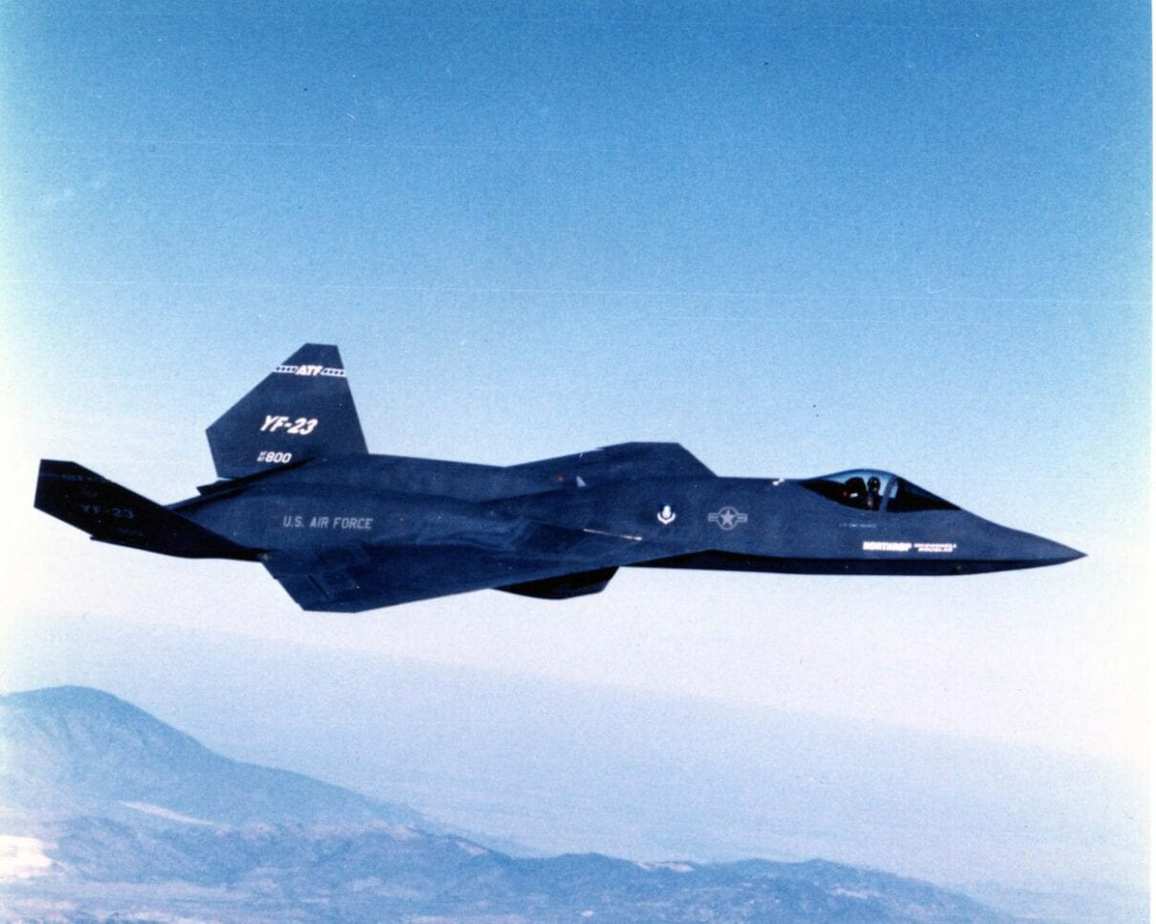
Northrop-McDonnell Douglas YF-23 front right view.
-A proposed naval NATF-23 “Sea Widow” never materialized, yet the YF-23’s lines and long-range stealth concept now echo in the Navy’s F/A-XX vision for future carrier airpower.
In One Word: Mistake?
The YF-23 Black Widow II: Better Than F-22 Raptor?
The YF-23, colloquially known as the Black Widow II, was a prototype stealth fighter developed by Northrop and McDonnell Douglas for the U.S. Air Force’s Advanced Tactical Fighter (ATF) program in the late 1980s and early 1990s.
Although it lost the ATF competition to the YF-22, which became the F-22 Raptor, the YF-23 was notable for its advanced stealth technology and its unique design featuring a blended wing-body configuration and canted vertical tails. The YF-23 was an outstanding aircraft and probably a better prototype than the YF-22. It suffered from a lack of presentation to the program’s decision-makers. Otherwise, history may have turned out quite differently, and considering how good an aircraft the Raptor is, that is saying something.
The failed prototype might be leaving something of a legacy: The Navy’s new F/A XX stealth fighter concept art was unveiled recently, and there is near-universal agreement that it closely resembles the YF-23. Alex Hollings posted side-by-side pictures of the two aircraft, and indeed they seem pretty similar.
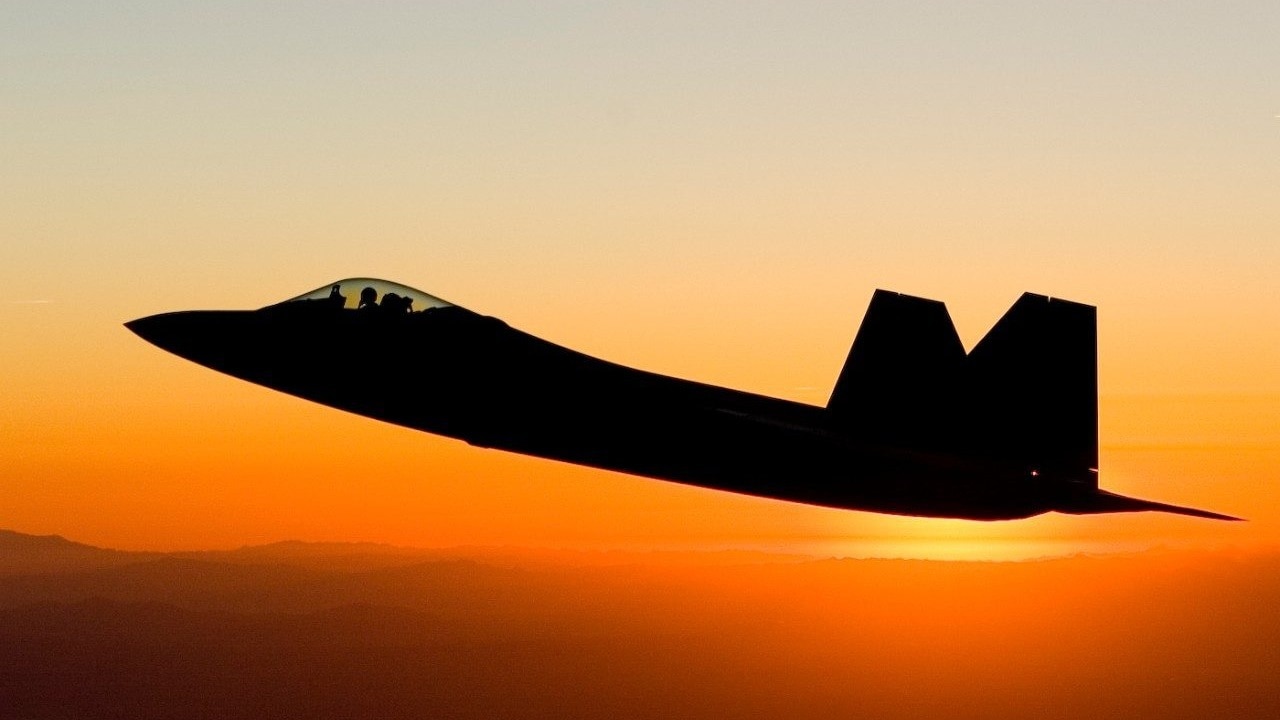
F-22 Raptor. Image Credit: Lockheed Martin.
Many in aviation circles would have loved to see a naval version of the YF-23—a “Sea Widow.” The YF-23 definitely has its share of fans—and there is a lot to like about it.
Meet The YF-23 Stealth Fighter:
The YF-23 had a sleek, stealthy design and innovative features. The Black Widow incorporated technologies such as advanced radar-absorbing materials, a revolutionary diamond-shaped wing, and an emphasis on reduced infrared signatures.
It used a blended wing-body and S-duct engine intakes to reduce its radar cross-section.
The aircraft was powered by two Pratt & Whitney YF119 or General Electric YF120 engines, enabling supercruise. This capability, which meant it could maintain supersonic speeds without using fuel-guzzling afterburners, offered advantages in range and fuel efficiency.
The YF-23 could reach speeds of up to Mach 2.2 at high altitudes, with a range of 2,424 nautical miles, according to Aerotime Hub. Its combination of speed, agility, and stealth made it a fierce competitor.
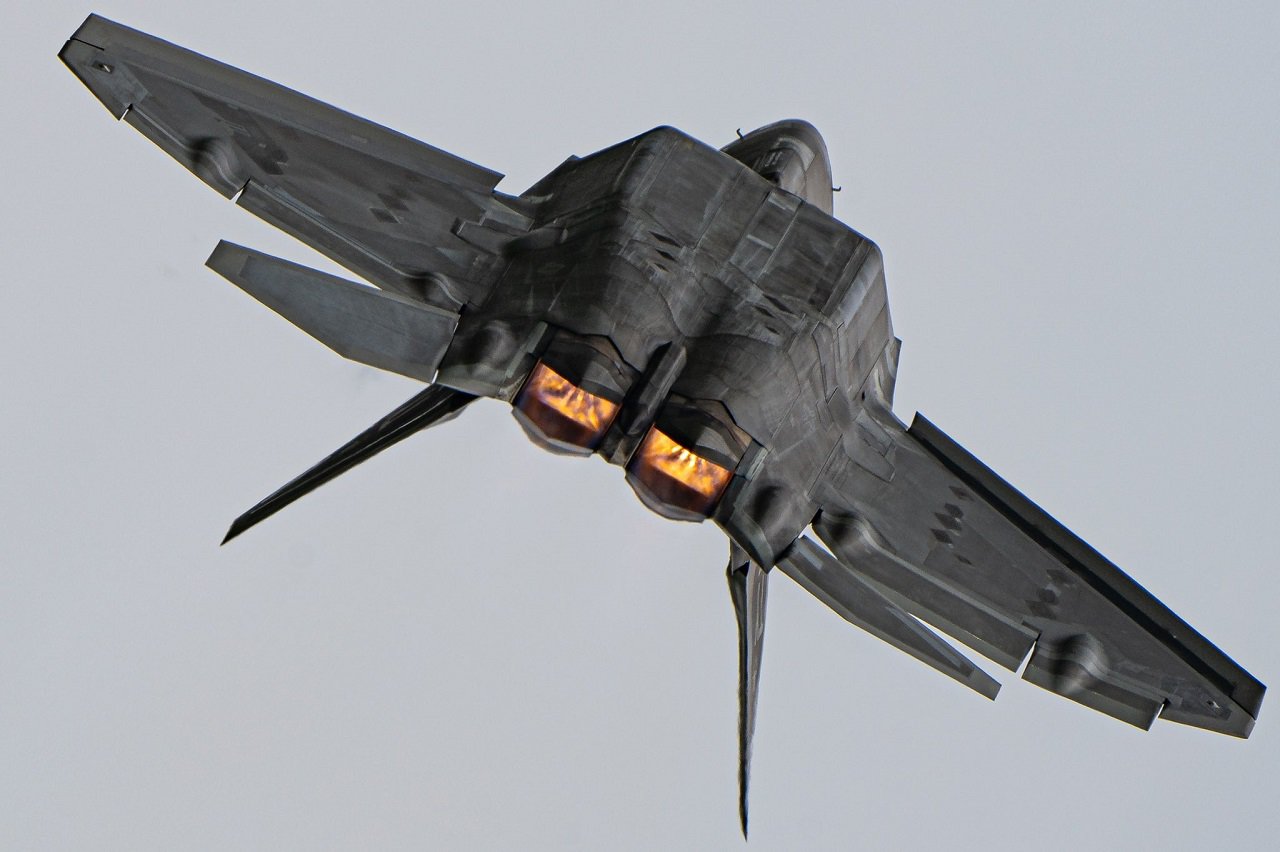
F-22 Raptor. Image Credit: Creative Commons.
While Lockheed’s YF-22 had a visually impressive design, the YF-23 truly stood out with its extraordinary appearance. It featured diamond-shaped wings that reduced radar visibility, and its slim side profile was reminiscent of the SR-71 Blackbird spy plane.
The Navy’s carrier-capable variant of the Black Widow was unofficially dubbed the NATF-23.Would the Navy Have Adopted the YF-23 “Sea Widow”?
The Navy Version Would Have Been Slightly Larger and Heavier:
An NATF-23 would have been heavier than the YF-23 to accommodate carrier landings and catapult launches, which place an incredible amount of stress on the airframe. The landing gear would have been different for the same reasons.
Then-Lockheed Vice President and ATF General Manager James “Mickey” Blackwell said, “You have to maximize the high lift of a Navy airplane to get on and off a Navy carrier.
“That will require a different wing on the airplane rather than what we have on the ATF. But when you look at the two airplanes from a distance they will be brother and sisters. Swing wings let us optimize several flight regimes.
“Rather than going out to supercruise, air-superiority missions for the F-15, it does that and does it well, but it also does the combat air patrol mission. It has longer legs and it will endure longer.”Blackwell said Lockheed approached the ATF program with eight specific goals, which included:
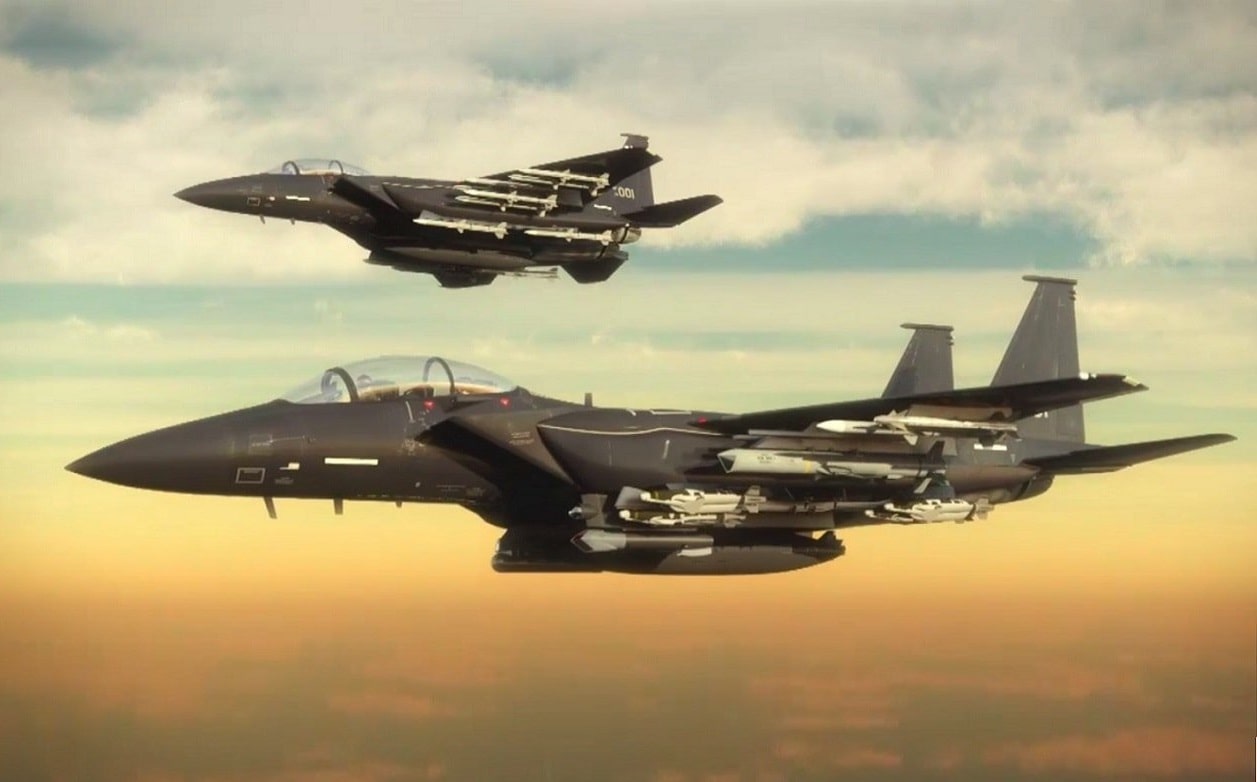
F-15EX Eagle II. Image Credit: Boeing.
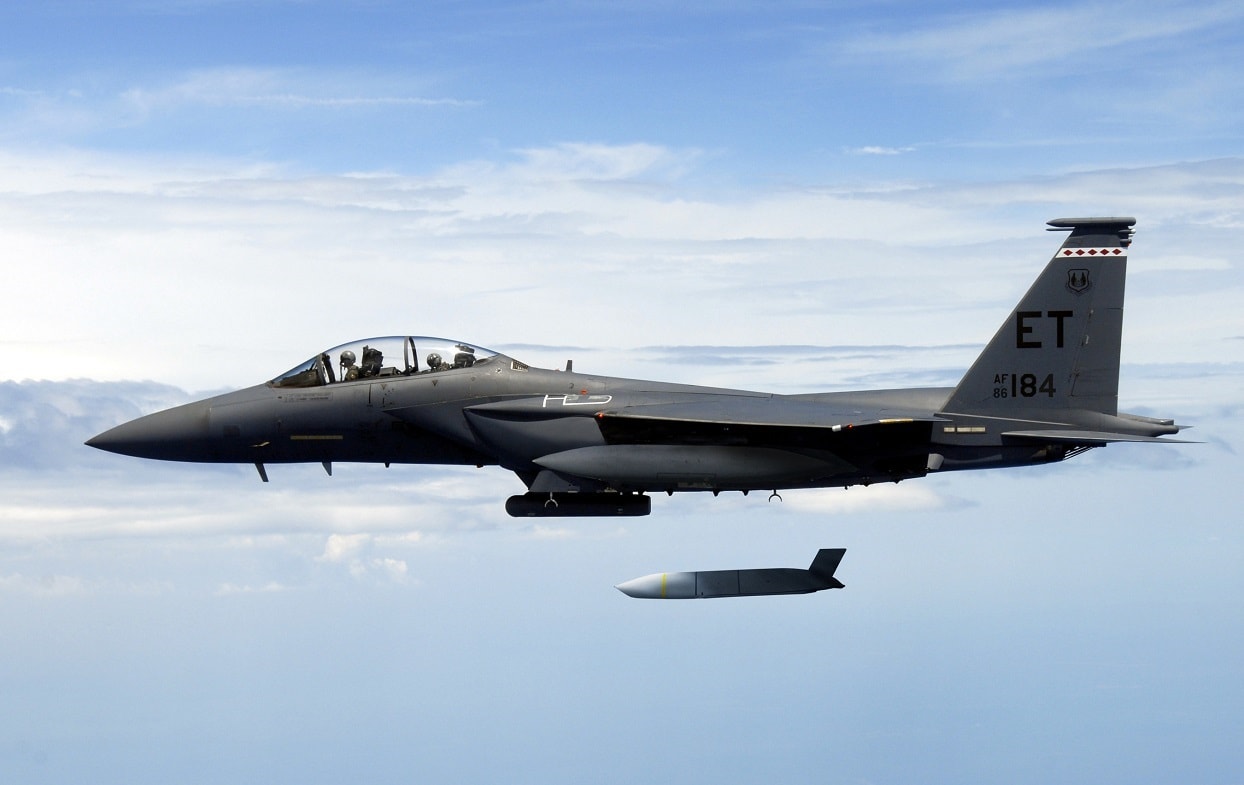
A U.S. Air Force F-15E Strike Eagle flies with a Joint Air-to-Surface Standoff Missile (JASSM). JASSM-Extended Range has more than two-and-a-half times the range of JASSM for greater standoff distance. Photo credit: U.S. Air Force. (PRNewsfoto/Lockheed Martin)
-stealth-supercruise
-extreme maneuverability
-lethality
-advanced, affordable avionics
-built-in growth for the aircraft
-a supportable aircraft
-overall affordable.
He said the Lockheed team achieved all its goals.
Why Did The YF-23 Lose to YF-22?
The YF-23 Black Widow was an aircraft ahead of its time—it was designed for incredible stealth. Its unique shape, angular surfaces, and blended edges were carefully crafted to minimize radar cross-section, ensuring reduced detectability by enemy radar systems.
The aircraft’s dark radar-absorbent material coating further enhanced its stealth capabilities, absorbing and diffusing radar waves to prevent them from being reflected back to the source.
The YF-23 had better speed and stealth characteristics. It also “showcased better range, higher ceiling,” one report stated after the competition. The aircraft lost the ATF competition primarily due to the YF-22’s superior agility and maneuverability, which were considered more desirable for air combat. The thrust vector nozzles on the YF-22 made it a much more desirable dogfighter, and that ultimately won over the Air Force.
“What no one wants to admit is the ‘white-scarf, inside the furball’ fighter mafia still reigned supreme at that time,” according to test pilot Paul Metz, one of the few ever to fly both aircraft.
“Northrop’s YF-23 team was comprised of brilliant engineers,” he said. Metz added that the engineers were beyond comparison, but he also recognized that they “thought and spoke almost exclusively in engineering terms.”
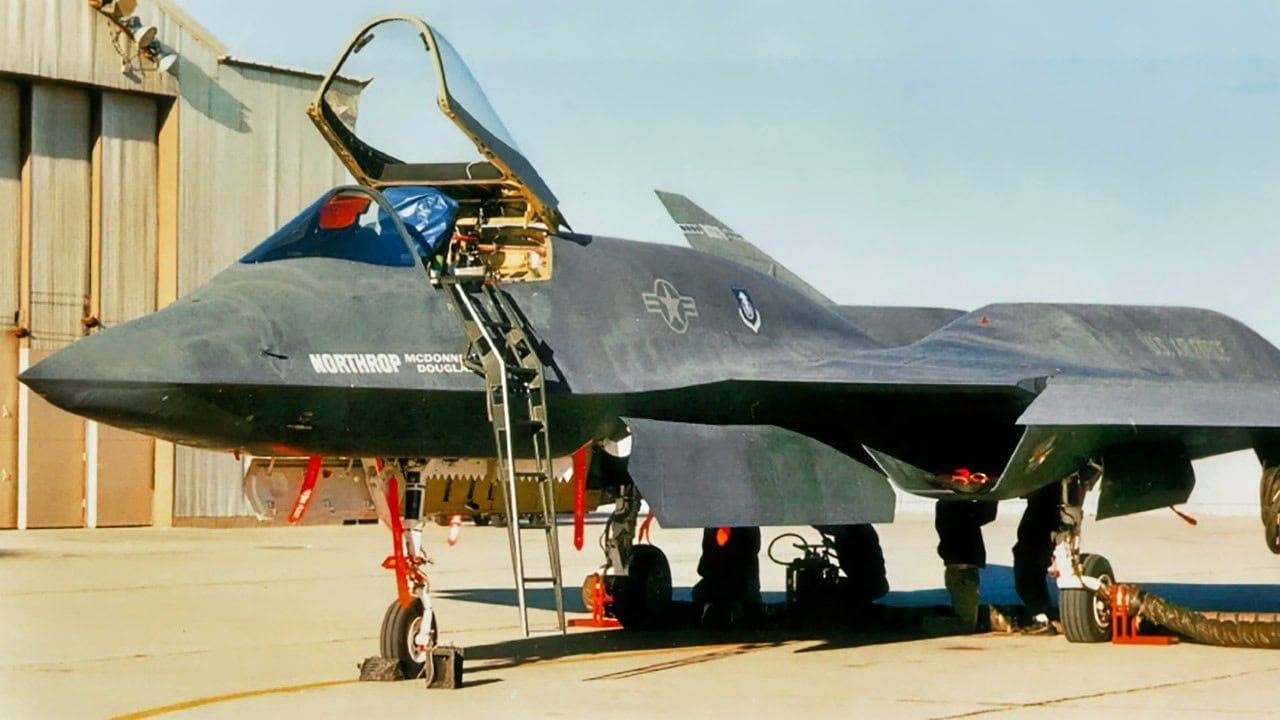
YF-23 Fighter. Image Credit: USAF.
However, “Lockheed infused far more marketing, salesmanship, and pizazz—’ lasting impressions’ as he describes”—into their YF-22 flight demonstration program.
“They fundamentally understood how to sell their aircraft and how ‘showmanship’ heavily impacts the acquisition decision-making process. Northrop didn’t, and that fact may have proven fatal for the YF-23.”
Was politics involved in the decision? Lockheed Martin’s track record with stealth aircraft, after developing the F-117 Nighthawk, was obviously an advantage. Its industrial team was larger and more experienced, and the company had strong relationships with key decision-makers in the Department of Defense.
At the time, Lockheed Martin lacked new fighter programs. The F-22 was a decision to keep them in the fighter business. Northrop had the B-2 project. The Air Force decided that it was essential to the country’s national security to keep Lockheed as an aircraft manufacturer and sided with the YF-22.
After the competition was completed, one of the two YF-23 prototypes was donated and is on display at the National Museum of the U.S. Air Force in Dayton, Ohio.
The “What If” Game Includes The Navy
If the Air Force had selected the YF-23, it would have led to a different but potentially similar outcome to the F-22 program, which was characterized by a fleet of advanced, expensive stealth fighters.
It would have given the Air Force a formidable, long-range stealth asset, but the program would slikely have faced cost and operational challenges similar to those of the F-22, according to many aviation analysts.
One area that was overlooked at the time, however, was that the YF-23/NATF-23 had significantly greater range than the F-22. This, when coupled with its better stealth profile, meant the YF-23 could fly further into contested airspace (where refueling isn’t an option) than its Lockheed competitor.
Today, that capability would be coveted among Navy officials as the branch continues to seek ways to extend the combat radius of carrier-borne fighters—especially in the Indo-Pacific, where Chinese anti-acess/area denial defenses pose challenges for Navy aircraft in a potential future war. The NATF-23 would have greatly increased the range of Navy fighters.
Considering the F-22’s status as a fighter widely regarded as the most dominant air-superiority platform ever, and the continual upgrades it has received throughout its service life, it is fair to wonder how successful the NATF-23 would have been, given its superior range and speed.
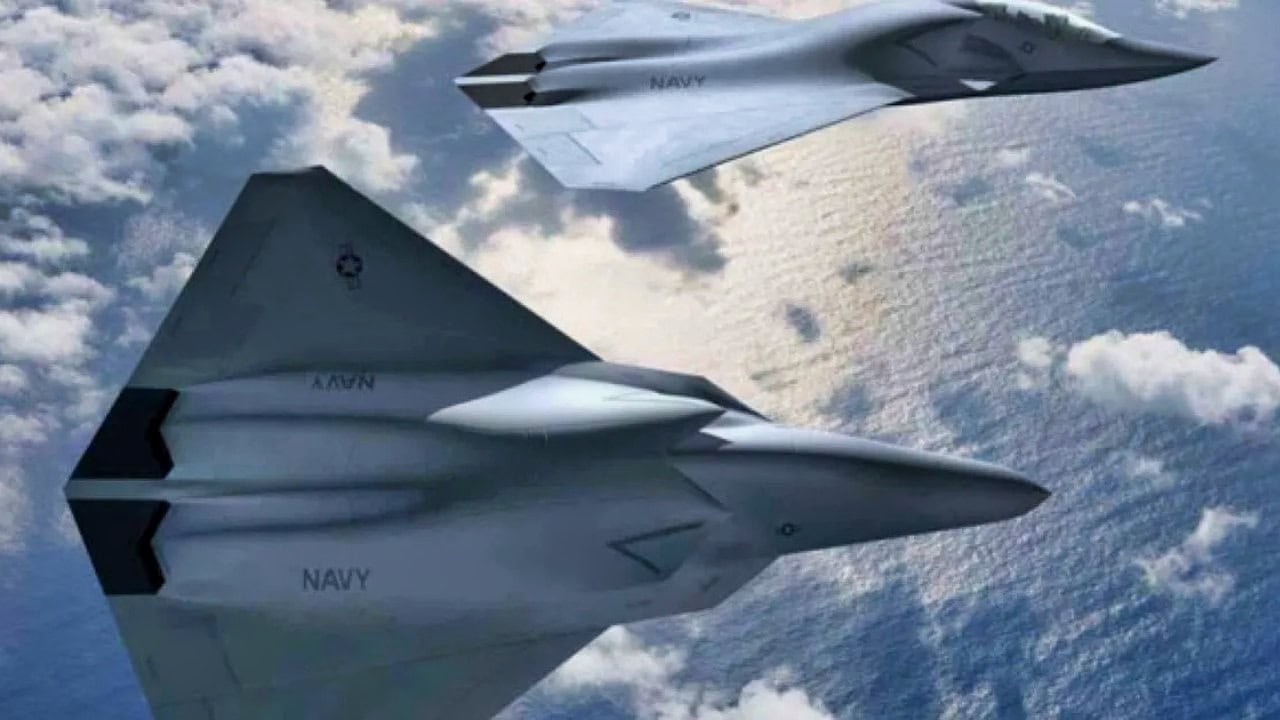
F/A-XX Fighter. Image Credit: Boeing.
It may have been even more dominant, given how aircraft have evolved in modern air warfare. Many in today’s combat aviation (China included) believe that air combat increasingly emphasizes stealth and beyond-visual-range engagements over traditional dogfighting.
It is impossible to tell whether the problems that cropped up with the F-22 Raptor, resulting in billions of dollars in cost overruns, would have been less with the YF-23 or the NATF-23. But having a stealthier aircraft with a longer combat radius is exactly what the Navy is looking for today.
We may see the NATF-23 take shape after all through the Navy’s F/A XX program. That would provide a fitting end for an aircraft that was every bit the equal of the one that defeated it in the competition so long ago.
About the Author: Steve Balestrieri
Steve Balestrieri is a National Security Columnist. He served as a US Army Special Forces NCO and Warrant Officer. In addition to writing on defense, he covers the NFL for PatsFans.com and is a member of the Pro Football Writers of America (PFWA). His work was regularly featured in many military publications.