
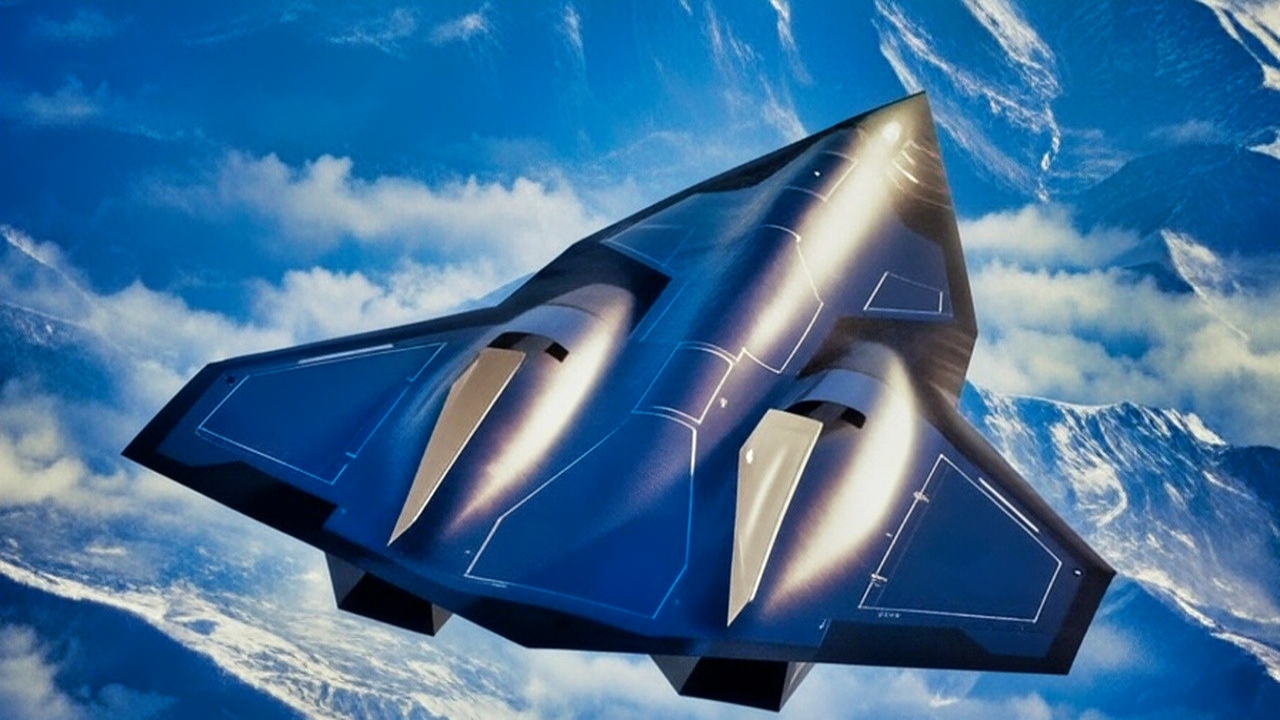
Key Points and Summary – The SR-72 “Son of Blackbird” is rumored to be America’s first hypersonic aircraft. This Mach 6 platform could reach any hotspot in minutes and blow past modern air defenses.
-Built around a turbine-based combined cycle engine, it would use a jet for takeoff and a scramjet for hypersonic cruise, operating from conventional runways.
-Unlike the SR-71, the SR-72 is expected to merge reconnaissance and precision strike in a single platform, leveraging advanced materials, thermal management, stealth shaping, and AI-assisted avionics.
-If real, it would compress decision timelines and fundamentally reshape global airpower and deterrence.
Mach 6 and Armed: Why the SR-72 Could Redefine Strike and Surveillance
The SR-72 is one of the most anticipated and speculation-inspiring aircraft possibly in development for the United States.
The rumored Skunk Works project is pitched as a spiritual successor to the SR-71 Blackbird, which captured the hearts and minds of so many during the Cold War.
Most of the details behind the project are highly classified, and its current development status is unknown, but a few details about the project have been shared to the public, giving analysts an idea of what to expect. If the details are true, the SR-72 promises a revolution in speed, stealth, and avionics.
Hypersonic Speeds
One of the most widely discussed aspects of the SR-72 is its record-setting speeds. With a top speed of around Mach 6, the SR-72 is expected to be one of the first operational hypersonic aircraft. At these speeds, the aircraft could cross the continental United States in less than 30 minutes and reach any global hotspot.
At such high speeds, the SR-72 would fundamentally alter the dynamics of air defense. Modern radar and missile systems rely on tracking and engagement windows that assume targets remain within their coverage for several minutes.
At Mach 6, the SR-72 would pass through these zones in seconds, making continuous tracking nearly impossible. Even advanced interceptors could not match this velocity, meaning the SR-72 could penetrate heavily defended airspace without relying solely on stealth.
Strategically, this speed enables near-instant intelligence-gathering and strike capabilities, compressing decision cycles and giving commanders a decisive advantage.
What It Might Look Like: Mock-Up Photo Collection of SR-72
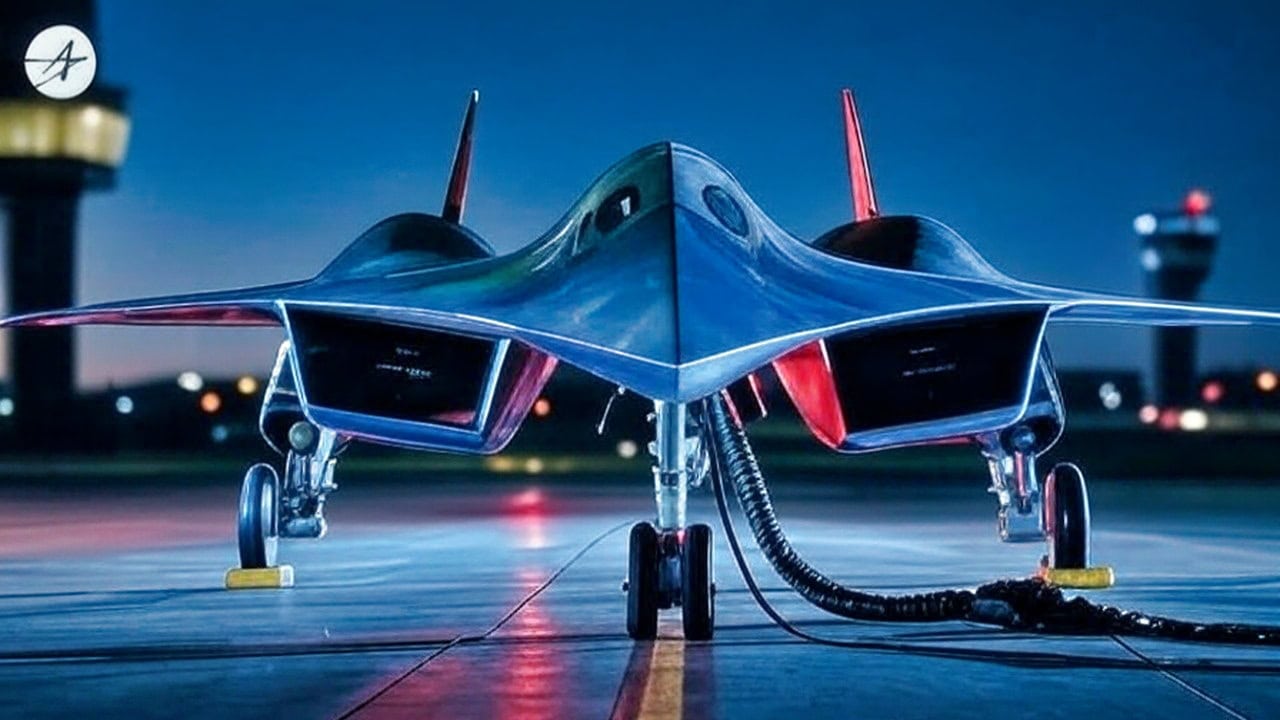
SR-72 Darkstar. Image Credit: Lockheed Matin with AI enhancement.
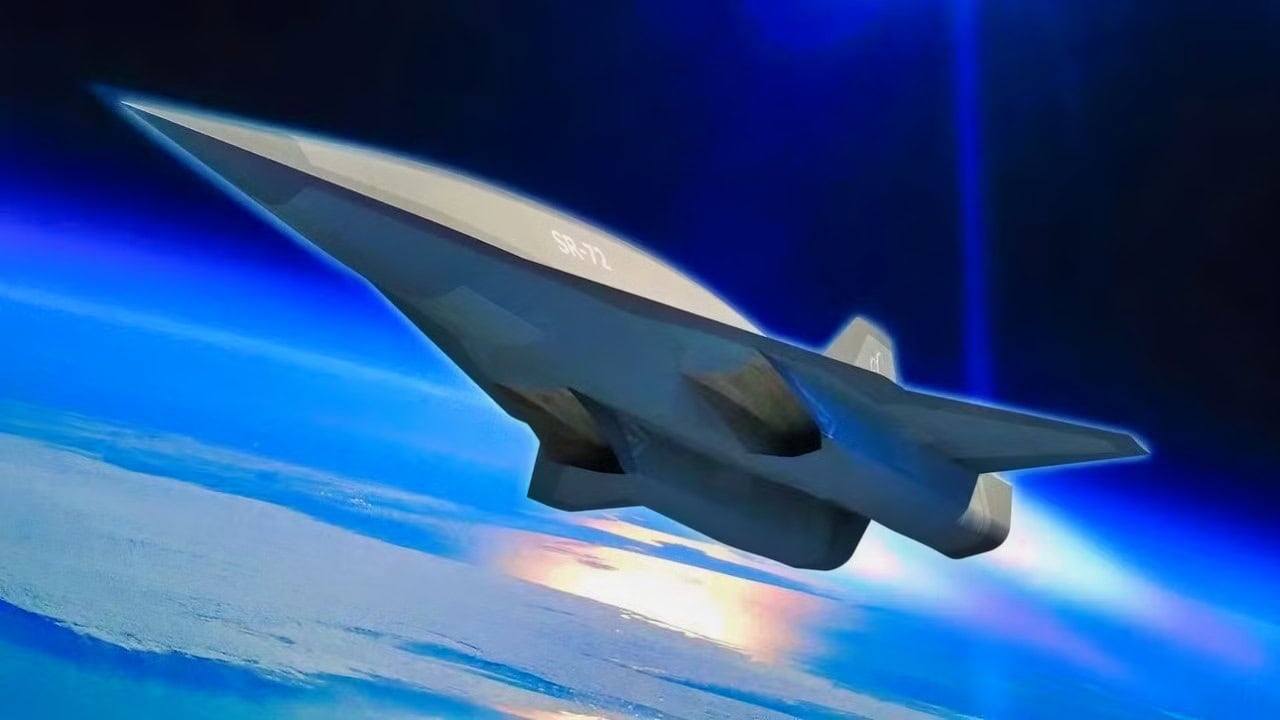
SR-72 Darkstar. Image Credit: Lockheed Martin.
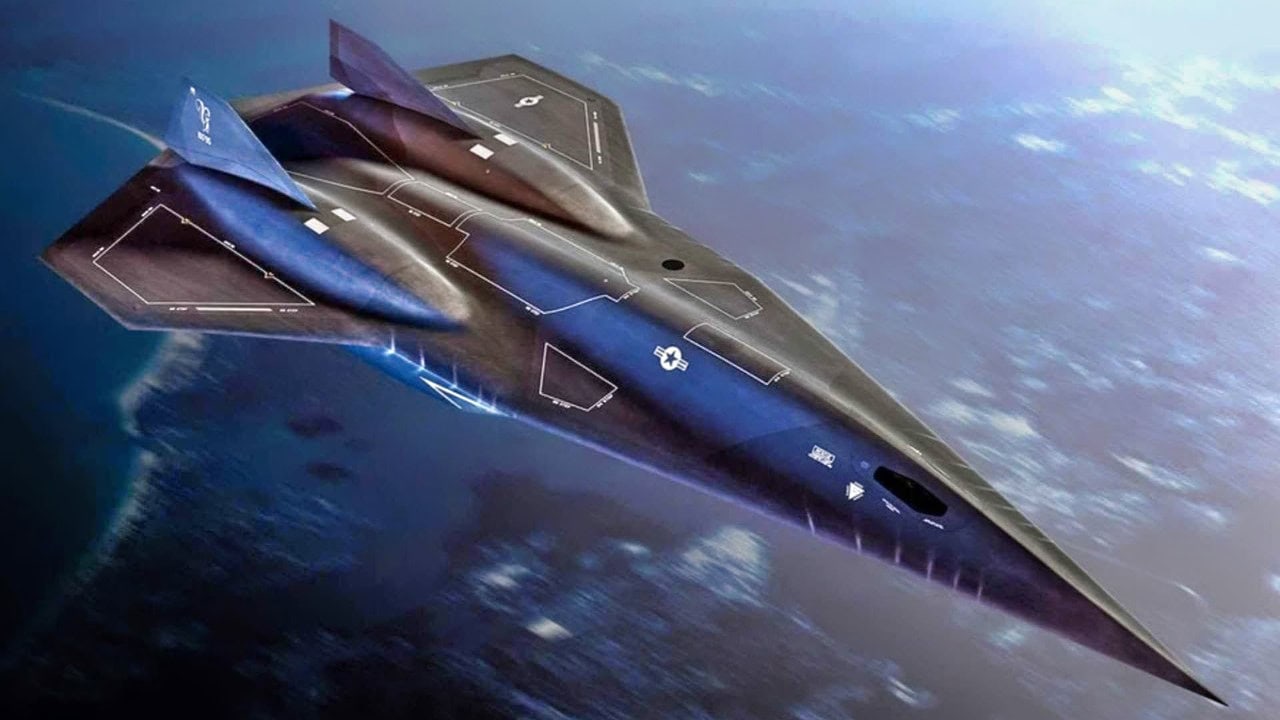
SR-72. Image Credit: Creative Commons.
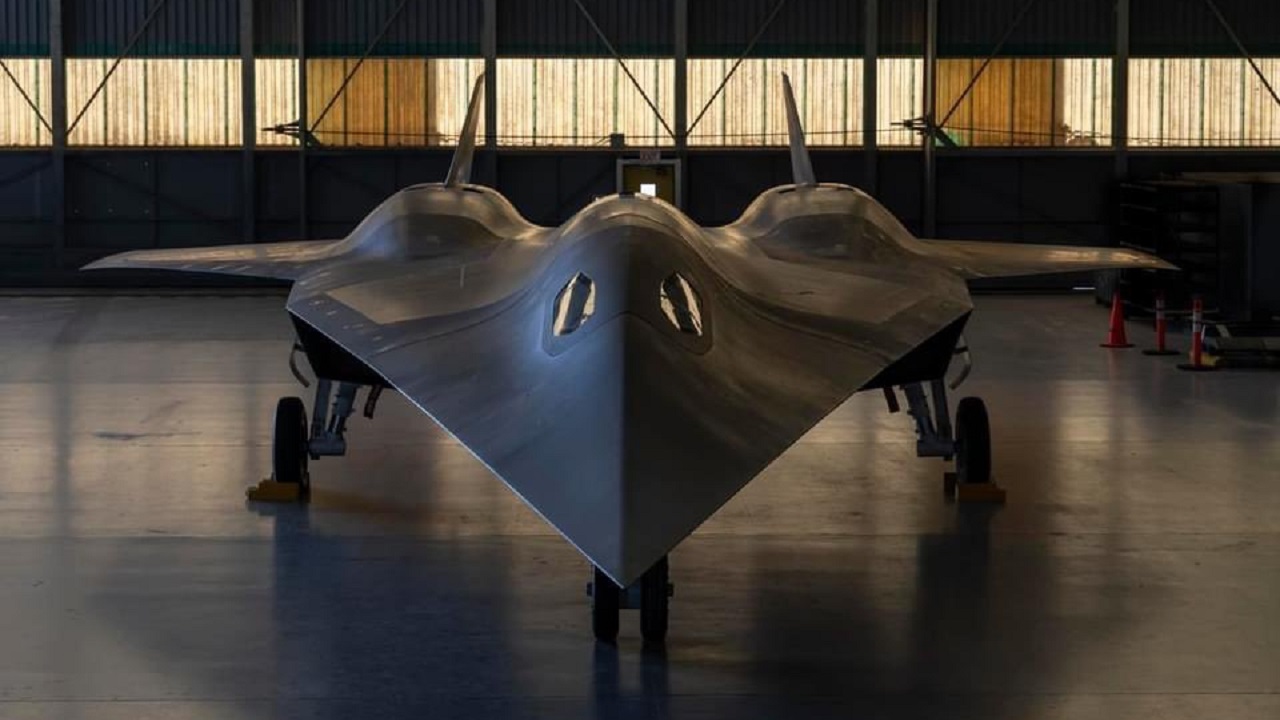
SR-72. Image Credit: Lockheed Martin.
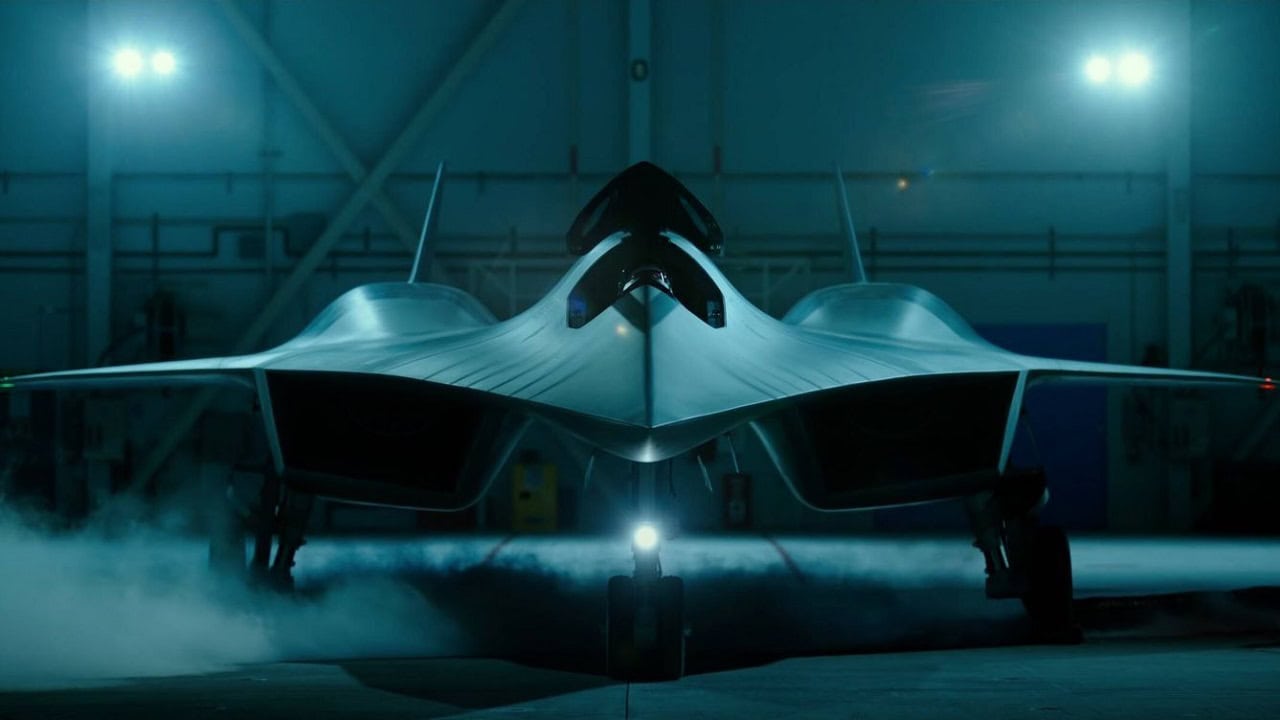
SR-72 Darkstar. Image Credit: Computer Generated Image.
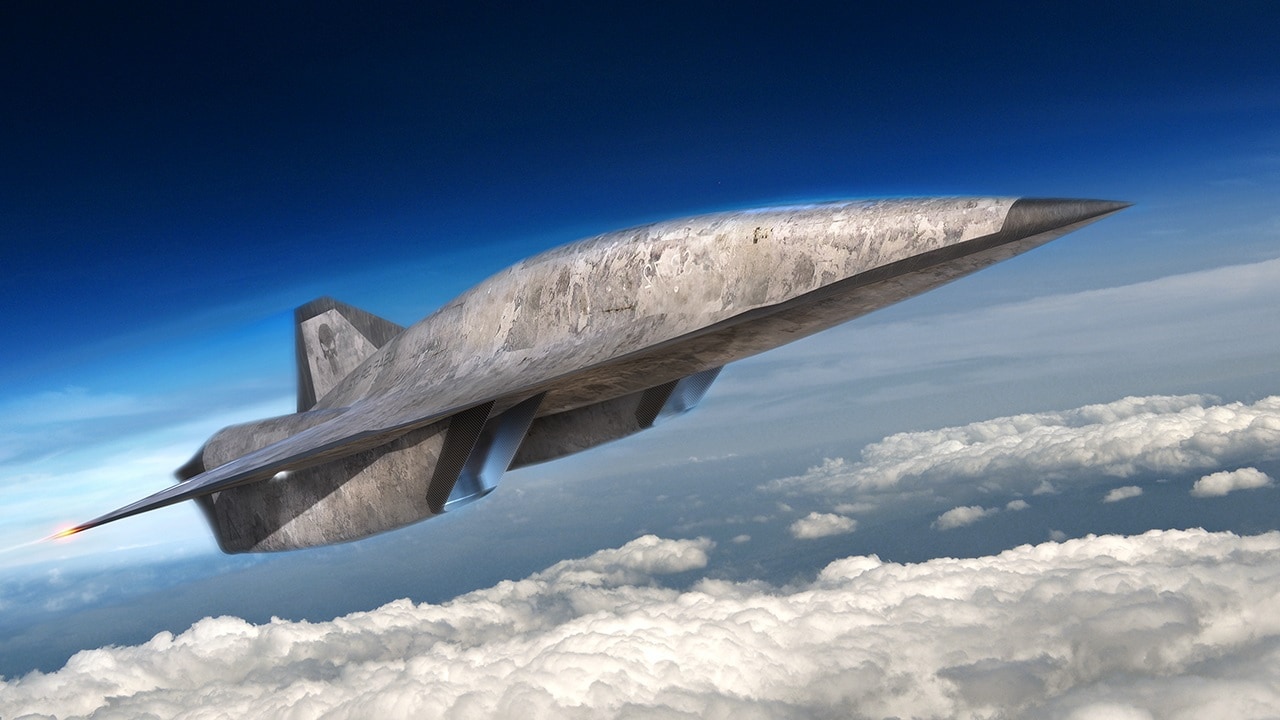
SR-72 artist rendering. Image Credit: Creative Commons.
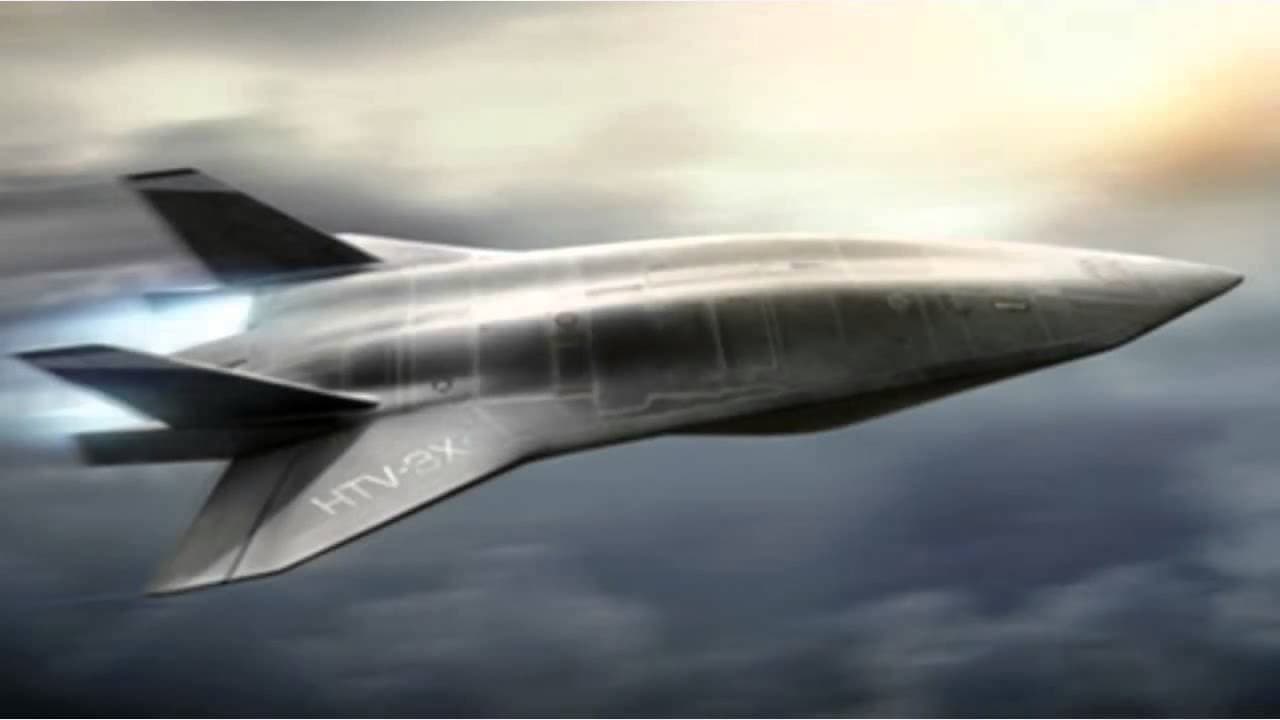
SR-72 artist image: Image Credit: Creative Commons.
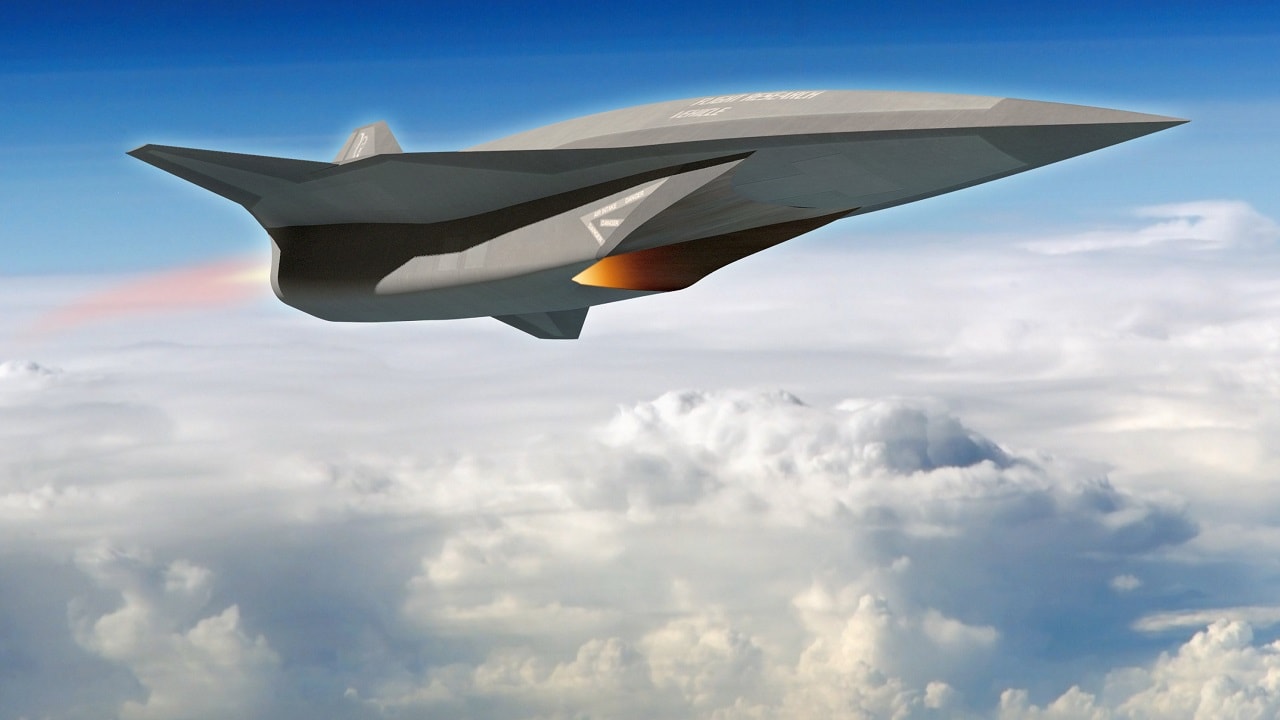
SR-72. Image Credit: Lockheed Martin.
Revolutionary Propulsion
The propulsion system would be arguably the most revolutionary aspect of the SR-72. Traditional jet engines cannot operate efficiently beyond Mach 3, while scramjets require extremely high speeds to function.
The turbine-based combined cycle (TBCC) system would solve this by integrating a turbine engine for low-speed operations and a scramjet for hypersonic cruise. During takeoff and acceleration, the turbine provides thrust up to around Mach 3. At that point, airflow is redirected to the scramjet, which ignites and sustains speeds beyond Mach 5.
This seamless transition would eliminate the need for rocket boosters or exotic launch methods, allowing the SR-72 to operate from conventional runways. The engineering challenge lies in managing airflow and thermal loads during mode switching, which Lockheed Martin and Aerojet Rocketdyne have reportedly successfully achieved through demonstrator tests.
Dual-Mission Design
Unlike the SR-71, which was purely a reconnaissance platform, the SR-72 might be a dual-role aircraft capable of both intelligence gathering and precision strike. This versatility means the SR-72 could locate, identify, and neutralize high-value targets in a single mission.
Its speed would allow it to enter contested airspace, collect real-time data, and deliver weapons before adversaries can react. Such a capability is particularly critical in scenarios involving mobile missile launchers or time-sensitive targets.
By combining intelligence, surveillance, and reconnaissance with strike roles, the SR-72 could reduce reliance on slower, vulnerable support assets and shorten the kill chain dramatically. In strategic terms, it would offer a level of flexibility and responsiveness that could redefine airpower doctrine, enabling rapid global reach and deterrence against peer adversaries.
Advanced Thermal Management Systems
Flying at Mach 6 generates extreme aerodynamic heating, with skin temperatures exceeding 1,500 degrees Celsius. Conventional aluminum airframes would melt under these conditions, so the SR-72 reportedly would rely on advanced materials such as titanium alloys, ceramic composites, and carbon-carbon structures.
These materials could provide the necessary strength and heat resistance while minimizing weight.
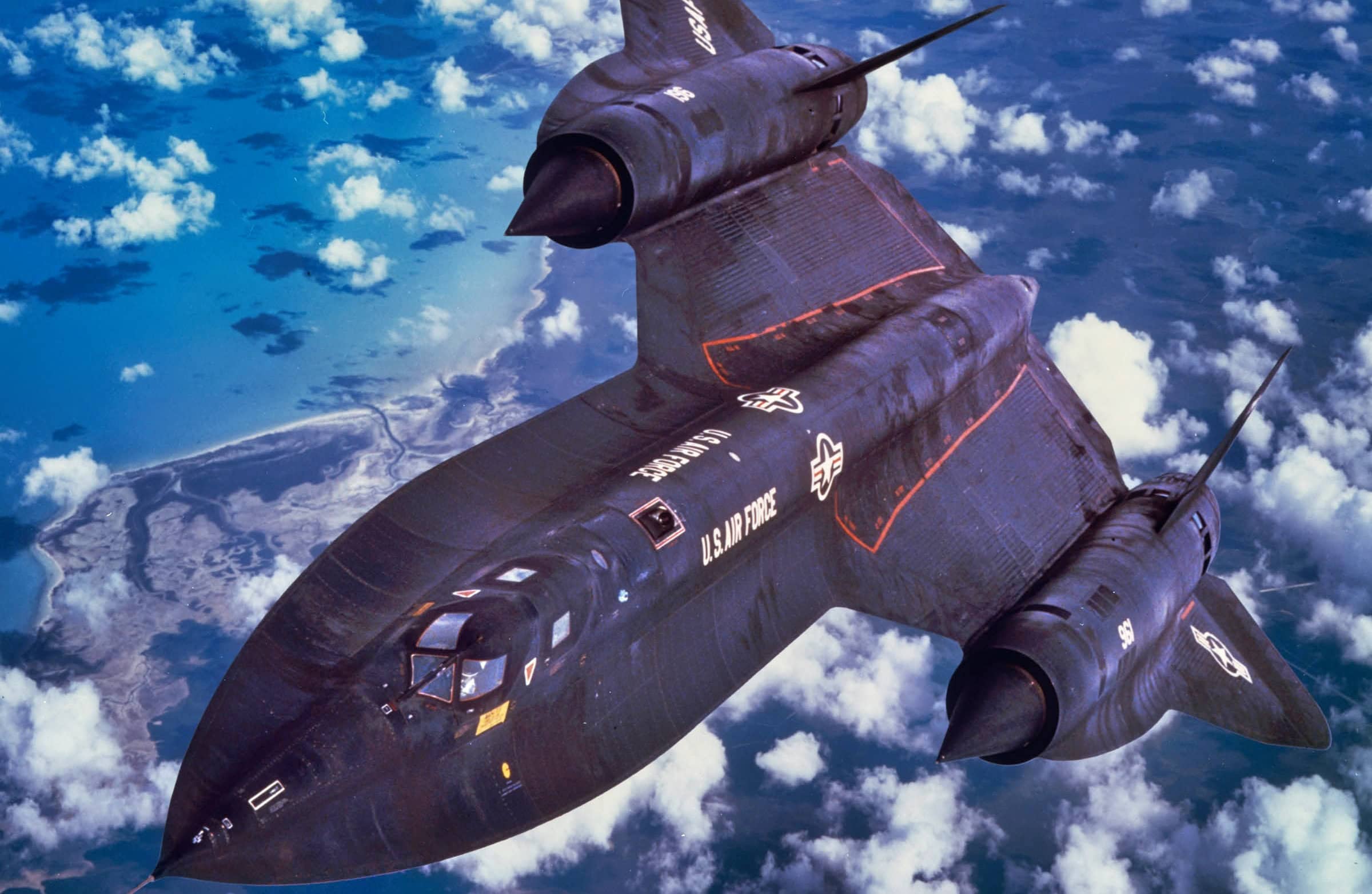
SR-71 Blackbird. Image Credit: Creative Commons.
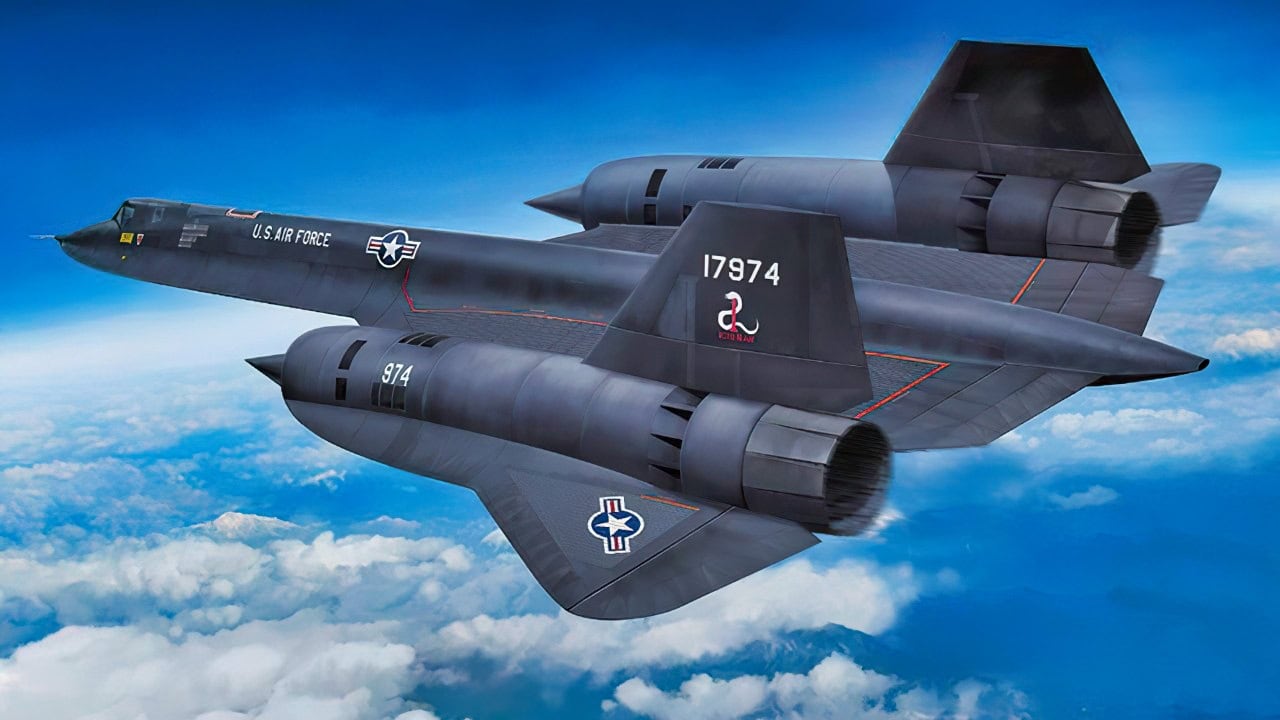
SR-71 Blackbird. Image Credit: Creative Commons.
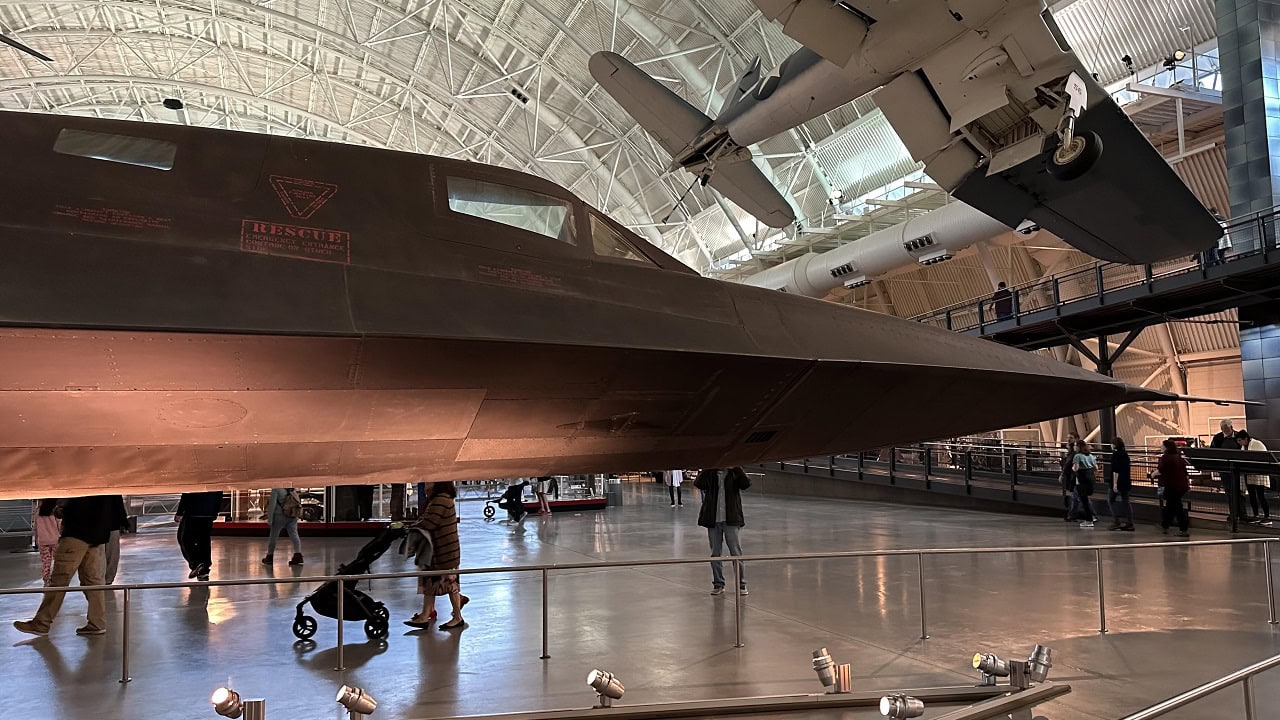
SR-71. SR-71 photo taken at the National Air and Space Museum. Taken by 19FortyFive on 10/1/2022.
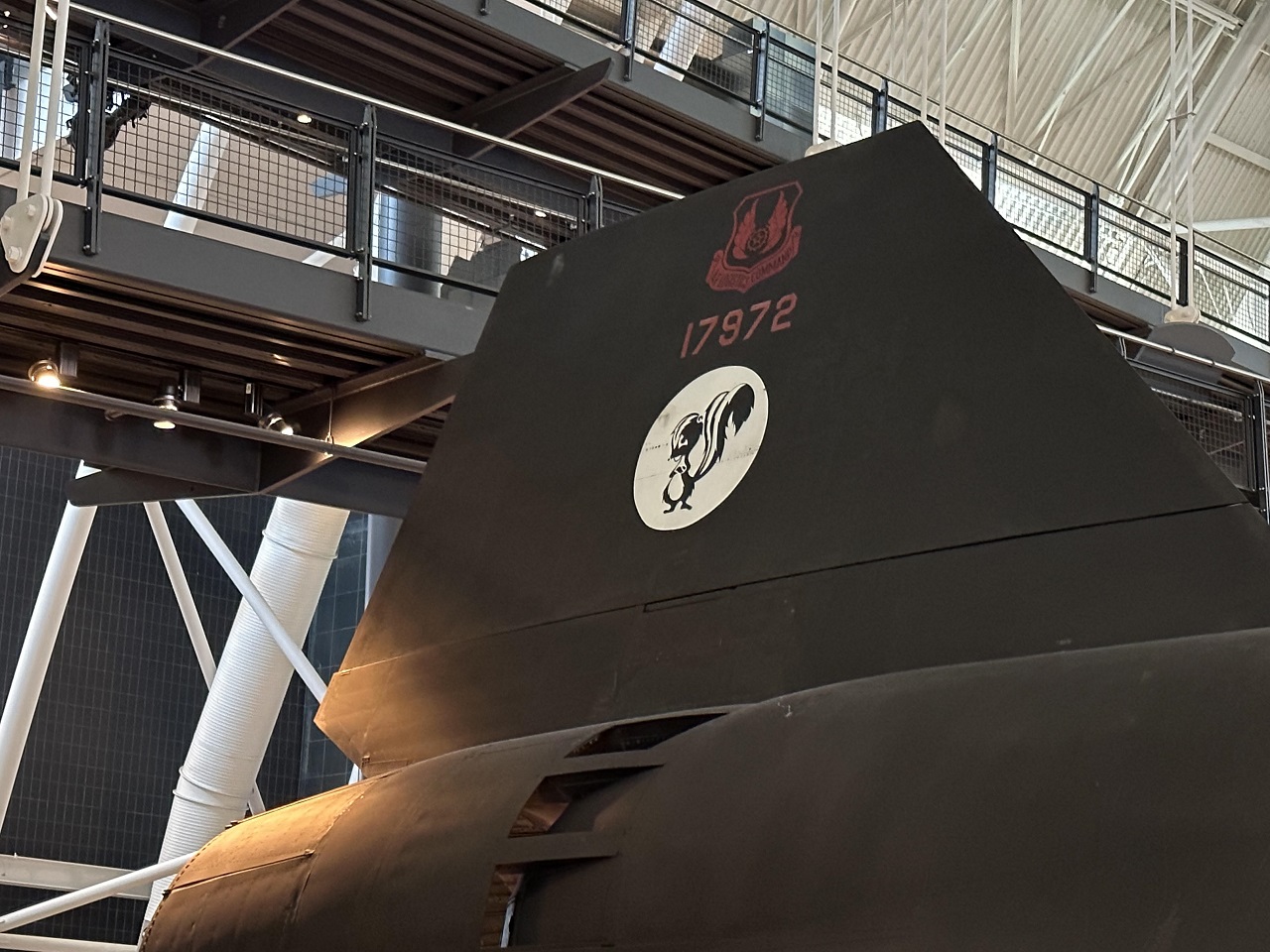
SR-71. SR-71 photo taken at the National Air and Space Museum. Taken by 19FortyFive on 10/1/2022.
Thermal management is equally critical; engineers use integrated cooling channels and heat exchangers to protect sensitive components like avionics and fuel systems. Additive manufacturing plays a key role in producing complex cooling networks and lightweight structural parts that traditional machining cannot achieve.
This approach not only improves performance but also reduces production costs and lead times. Without these innovations, sustained hypersonic flight is impossible.
Stealth and Avionics
While speed would be the SR-72’s primary defense, stealth remains an important secondary feature. The aircraft reportedly incorporates radar-absorbing materials and low-observable shaping to reduce its radar cross-section, making detection even harder. However, its real survivability comes from velocity.
By the time an enemy radar detects it, the SR-72 is already gone. The aircraft also can reportedly operate with a pilot for missions requiring human judgment, or fly autonomously for high-risk operations.
Advanced AI systems would assist with navigation, threat detection, and decision-making in environments in which reaction times are compressed to seconds. This autonomy not only enhances mission flexibility but also reduces risk to human life, allowing the SR-72 to perform tasks that would be too dangerous for manned aircraft.
Together, these attributes position the SR-72 as a strategic force multiplier. It would not be merely an evolution of the SR-71 but a complete redefinition of what high-speed aircraft can achieve.
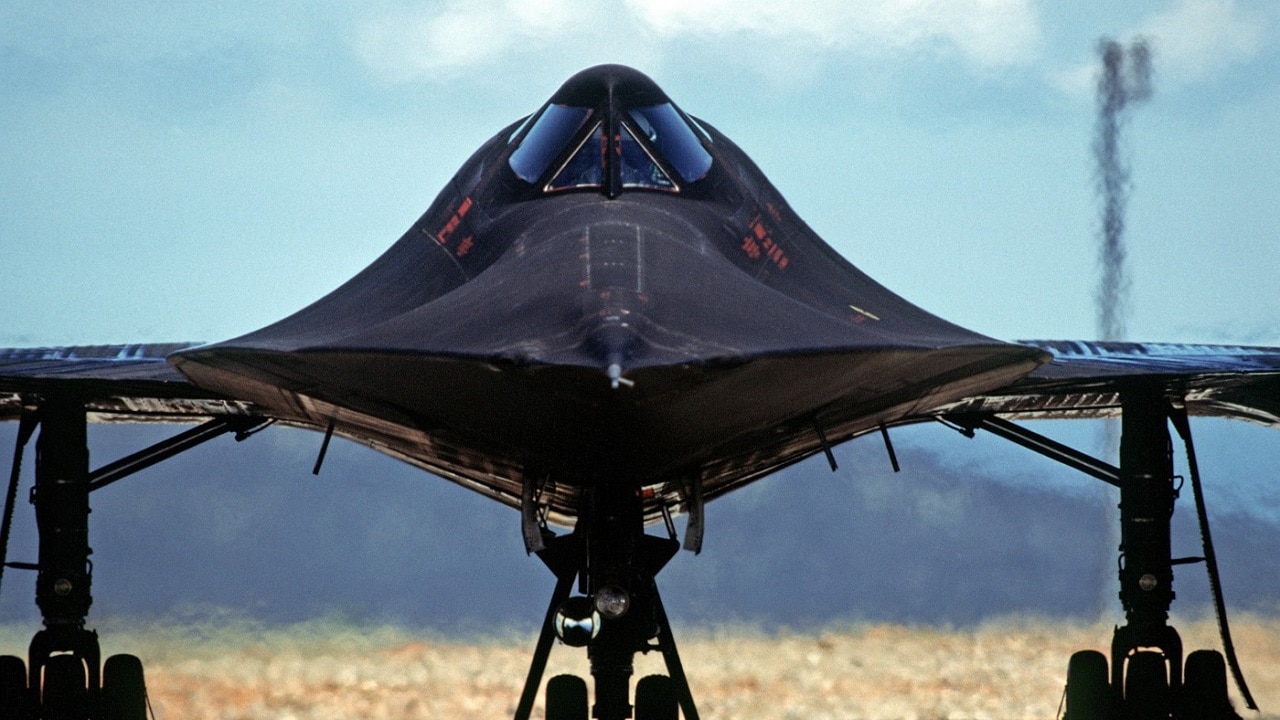
SR-71 Spy Plane. Image Credit: Creative Commons.
By combining velocity, intelligence, and precision strike capability, the SR-72 promises to dominate contested airspace and deliver global reach in minutes rather than hours.
About the Author: Isaac Seitz
Isaac Seitz, a Defense Columnist, graduated from Patrick Henry College’s Strategic Intelligence and National Security program. He has also studied Russian at Middlebury Language Schools and has worked as an intelligence Analyst in the private sector.