
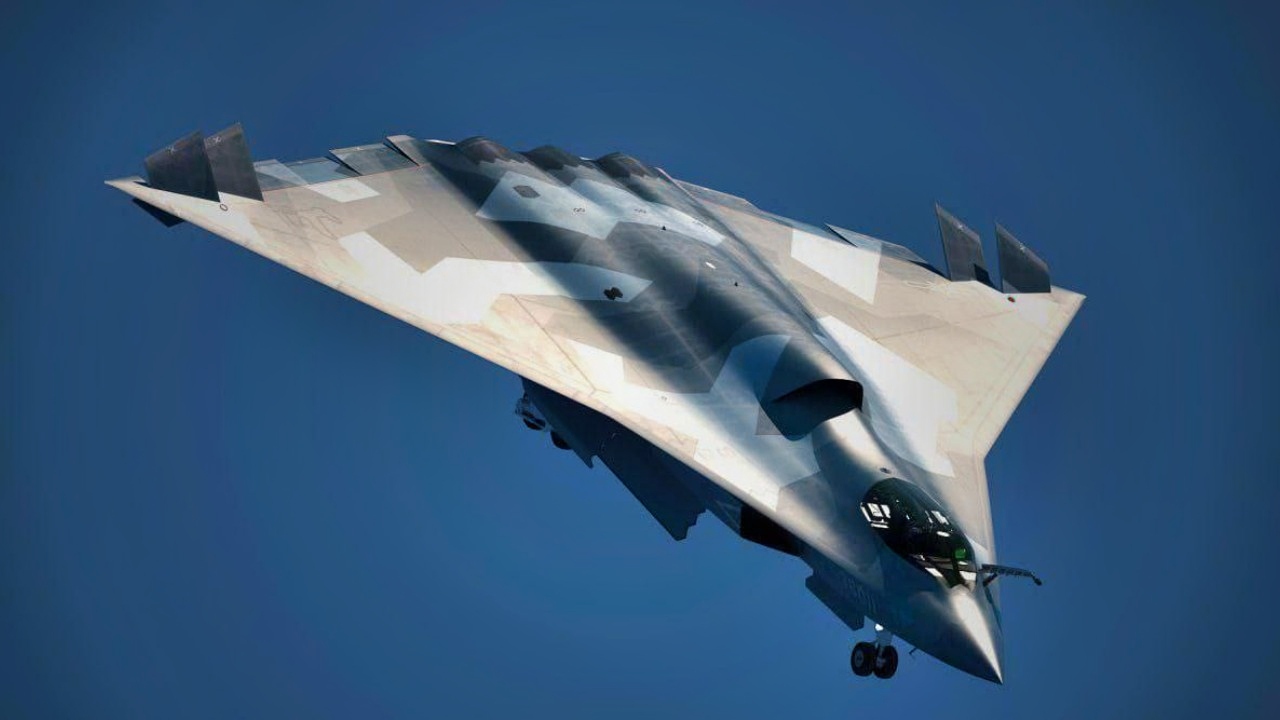
Synopsis: China’s sixth-generation fighter effort is no longer theoretical. The piece argues that U.S. defense assessments now confirm at least two Chinese prototypes—often labeled the J-36 and J-50—are already in flight testing, with initial testing assessed as beginning as early as December 2024.
-Rather than a single design, Beijing appears to be running two parallel tracks: a larger, land-based platform optimized for range, stealth, and deep operations, and a more compact naval-leaning design shaped by carrier requirements.
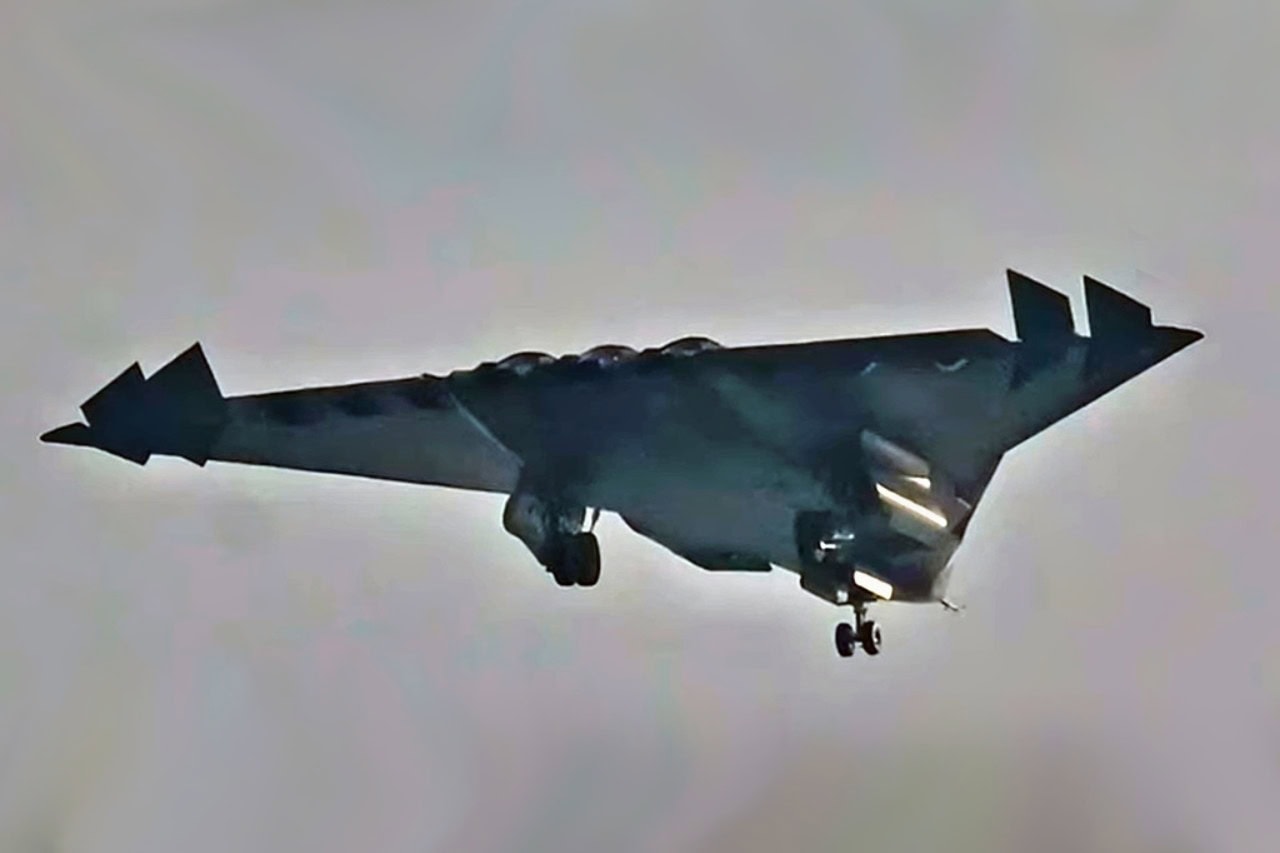
J-36 Fighter from China. Image Credit: Creative Commons.
J-36 Fighter from X/Screenshot.
J-36 Fighter from China. Image Credit: X Screenshot.
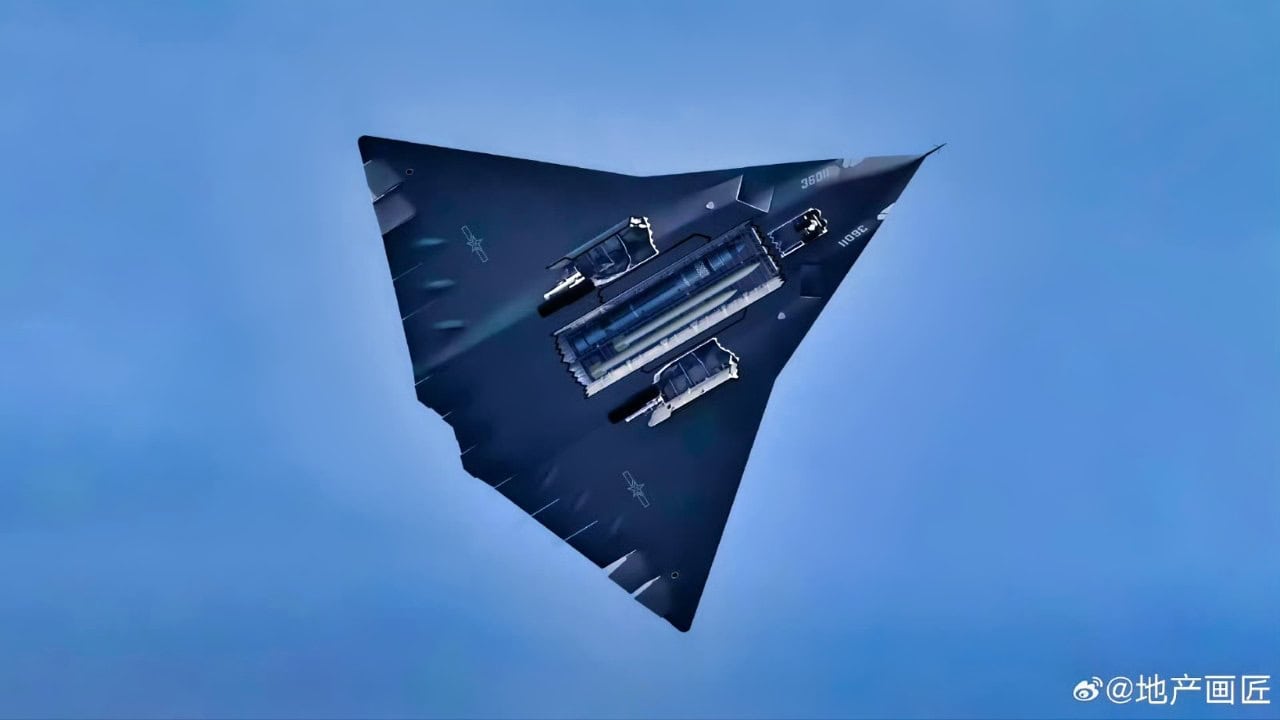
J-36 or JH-XX from China. Screenshot for Chinese Social Media.
-Both are framed as “family-of-systems” nodes built for sensor fusion, AI-enabled decision support, and manned-unmanned teaming.
Meet China’s J-36 and J-50: The 6th-Gen Fighters Now in Flight Tests
Beijing is rapidly advancing its sixth-generation fighter programs, with U.S. defense officials now confirming that at least two of China’s advanced fighter prototypes are already airborne.
According to the U.S. Department of Defense’s annual China Military Power Report (CMPR), released in December 2025, Beijing conducted initial flight testing of two distinct sixth-generation fighter designs as early as December 2024, marking a significant acceleration in its next-generation air combat ambitions.
The aircraft, commonly known as the J-36 and J-50, represent two distinct, parallel platform paths rather than a single unified program.
U.S. officials have assessed that both platforms are now in the active flight test stage, supported by China’s leading aerospace manufacturers.
Operational capability for both aircraft is now also on the cards for the mid-2030s, placing them broadly on par with U.S. timelines for the U.S. Air Force’s next Generation Air Dominance (NGAD) program and the Navy’s perpetually-struggling F/A-XX initiative.
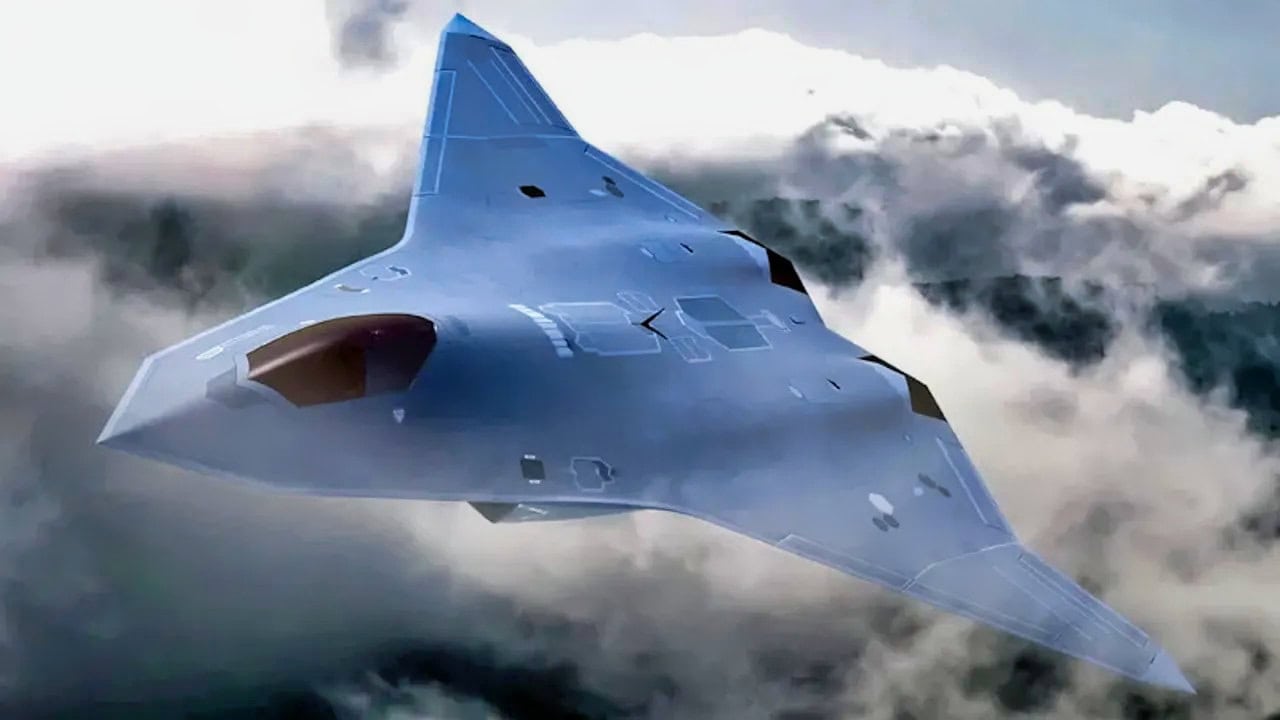
F/A-XX. Image Credit: Creative Commons.
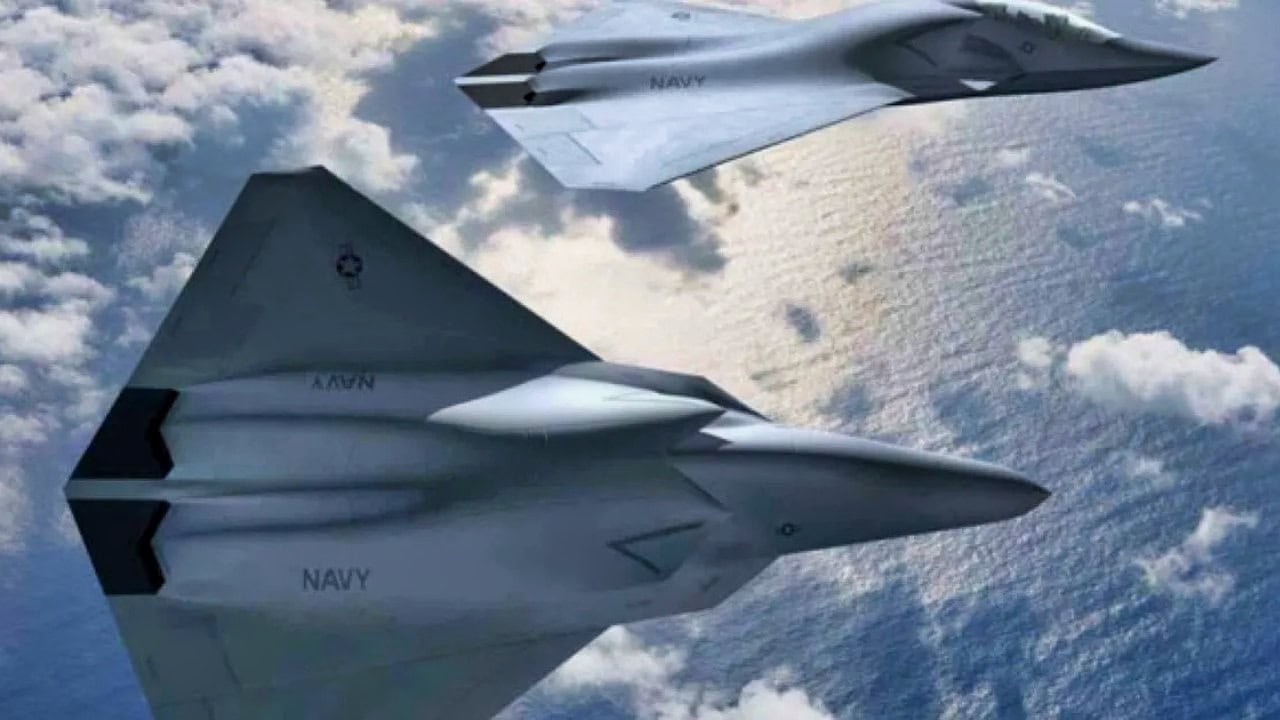
F/A-XX Fighter. Image Credit: Boeing.
The Pentagon’s latest assessment of China’s development efforts is the first formal acknowledgement that China’s sixth-generation fighters are no longer aspirational projects but technological leaps that could seriously close the technological gap with U.S. aviation technology.
China is now advancing through early flight testing at a pace that could soon put China fully on par with the United States in many aspects except one: combat experience.
Why Two Fighters?
While building two platforms in parallel gives Beijing more room for error, there’s another logic underpinning the decision to develop two: just as NGAD and F/A-XX serve distinct operational roles, both aircraft serve distinct operational roles.
Open-source intelligence reviewed by Western analysts, including flight footage, satellite imagery, and industrial activity, has so far linked the J-36 to the Chengdu Aircraft Corporation and the J-50 to the Shenyang Aircraft Corporation.
The J-36 is understood to be China’s primary land-based sixth-generation fighter, optimized for long-range air superiority and deep-strike operations.
Analysts have consistently described the aircraft as featuring a tailless, blended flying-wing configuration, with a broad, diamond-shaped planform and fully internalized weapons bays. The absence of vertical stabilizers also seems to suggest that there will be a heavy reliance on advanced flight-control software to keep the aircraft stable during flight and potentially even thrust-vectoring systems to maintain maneuverability.
The configuration offers several advantages that analysts have repeatedly noted: reduced radar visibility, improved aerodynamic efficiency, and increased internal fuel capacity. Taken together, those characteristics suggest that the J-36 is being designed for ultra-long-range operations across expansive theaters such as the Pacific, where endurance and survivability are critical.
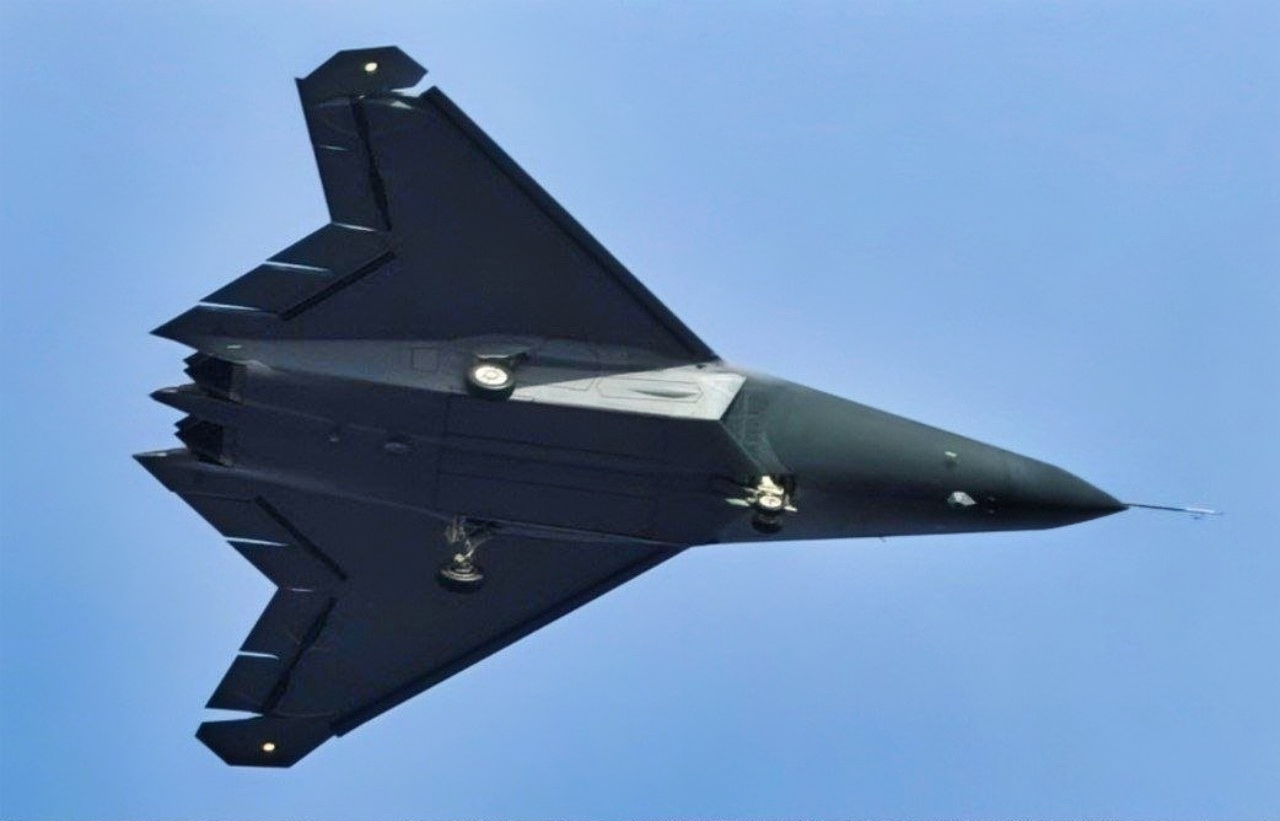
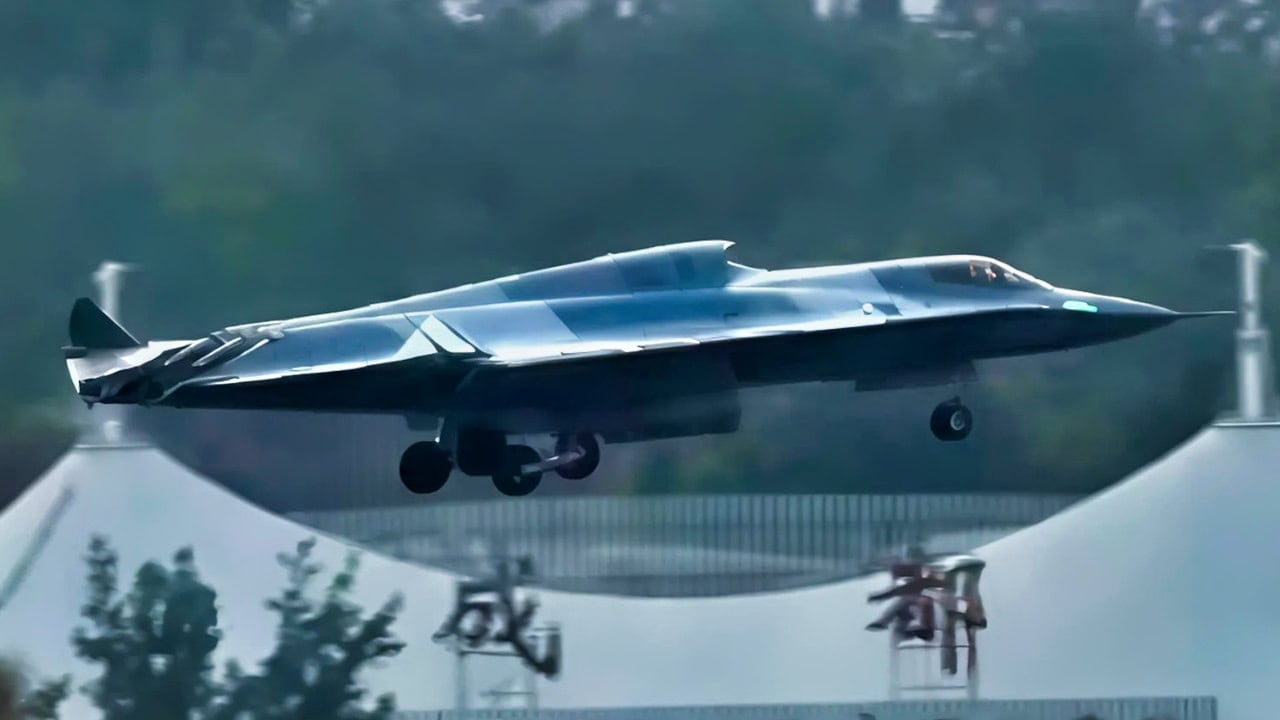
J-50 Fighter. Image Credit: Creative Commons.
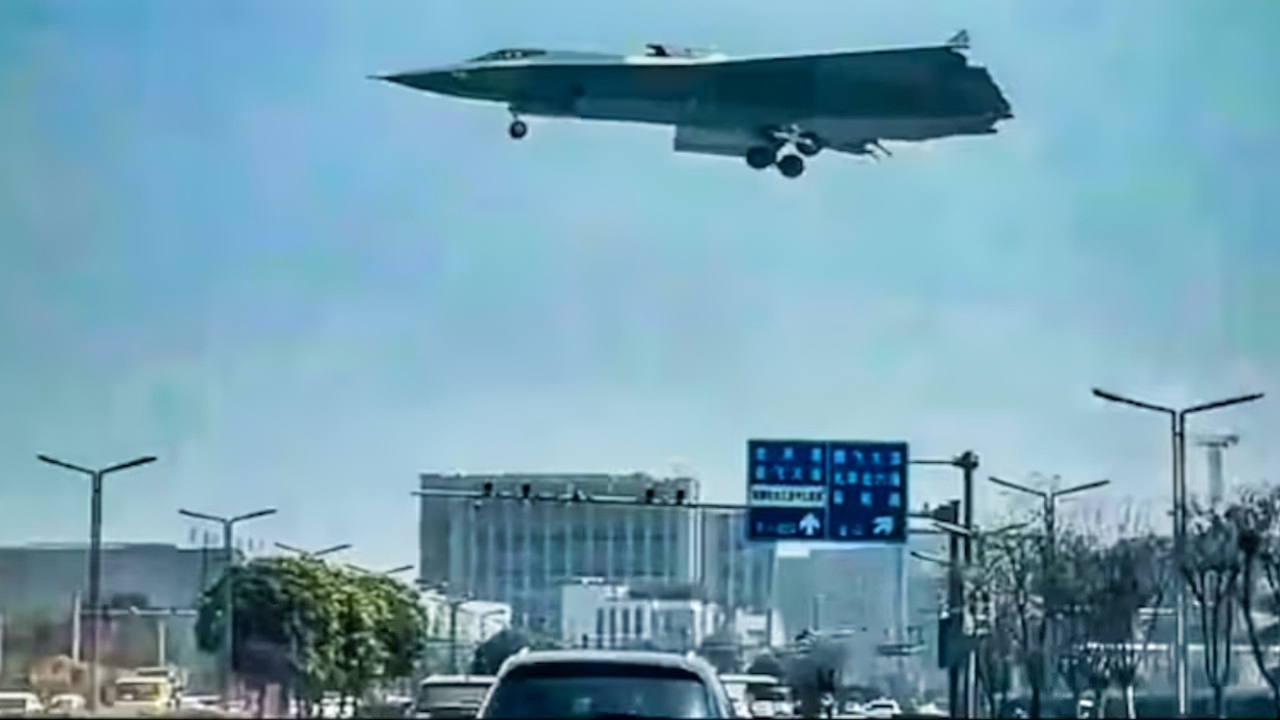
J-50 Fighter from the Road. Image Credit: Creative Commons/Screenshot.
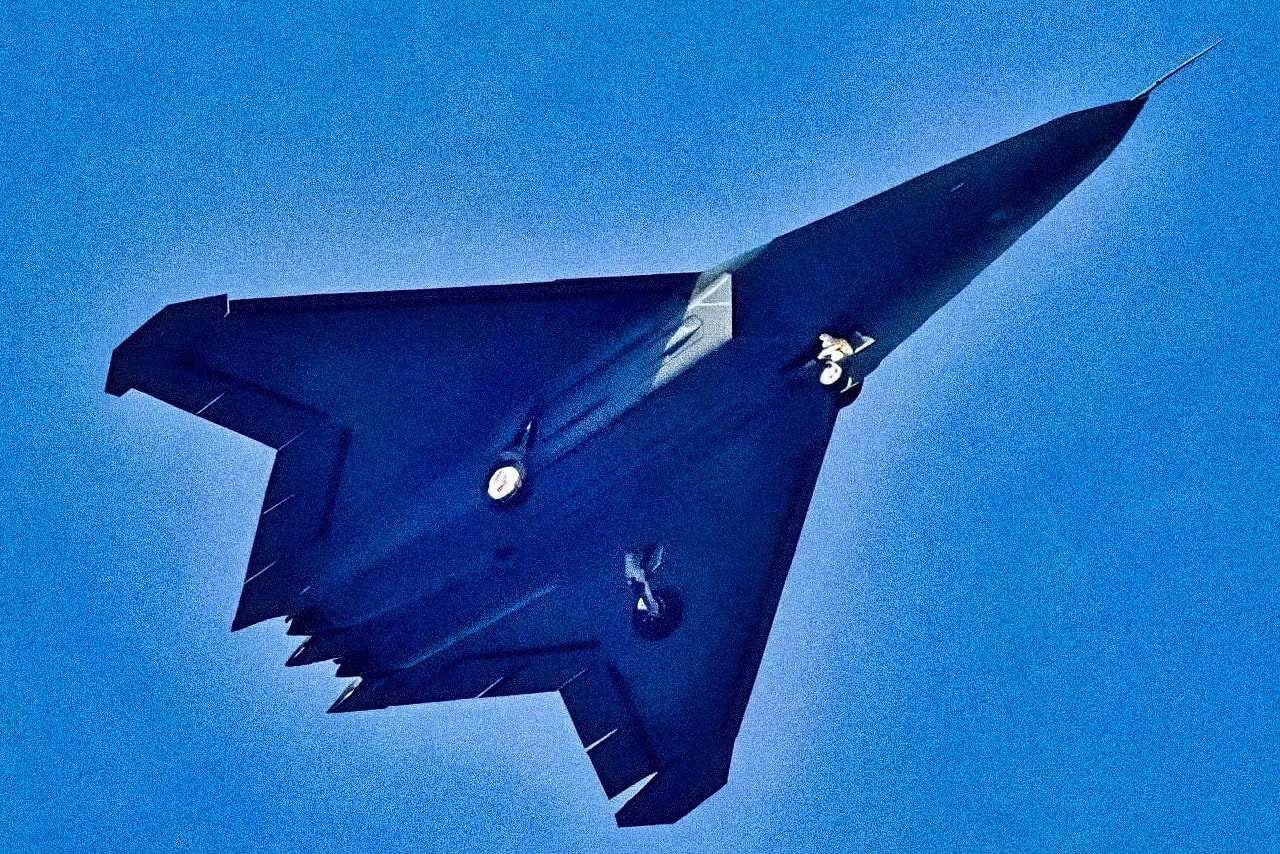
J-50 Fighter. Image Credit: Creative Commons/Screenshot.
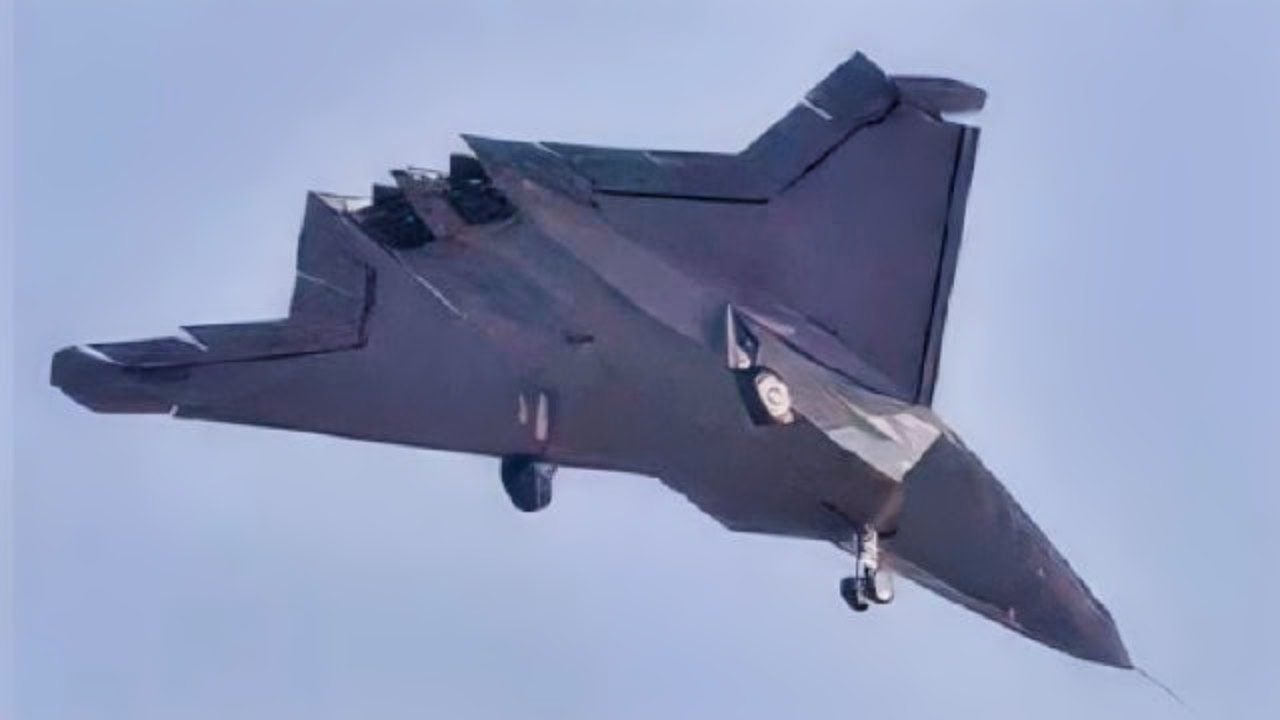
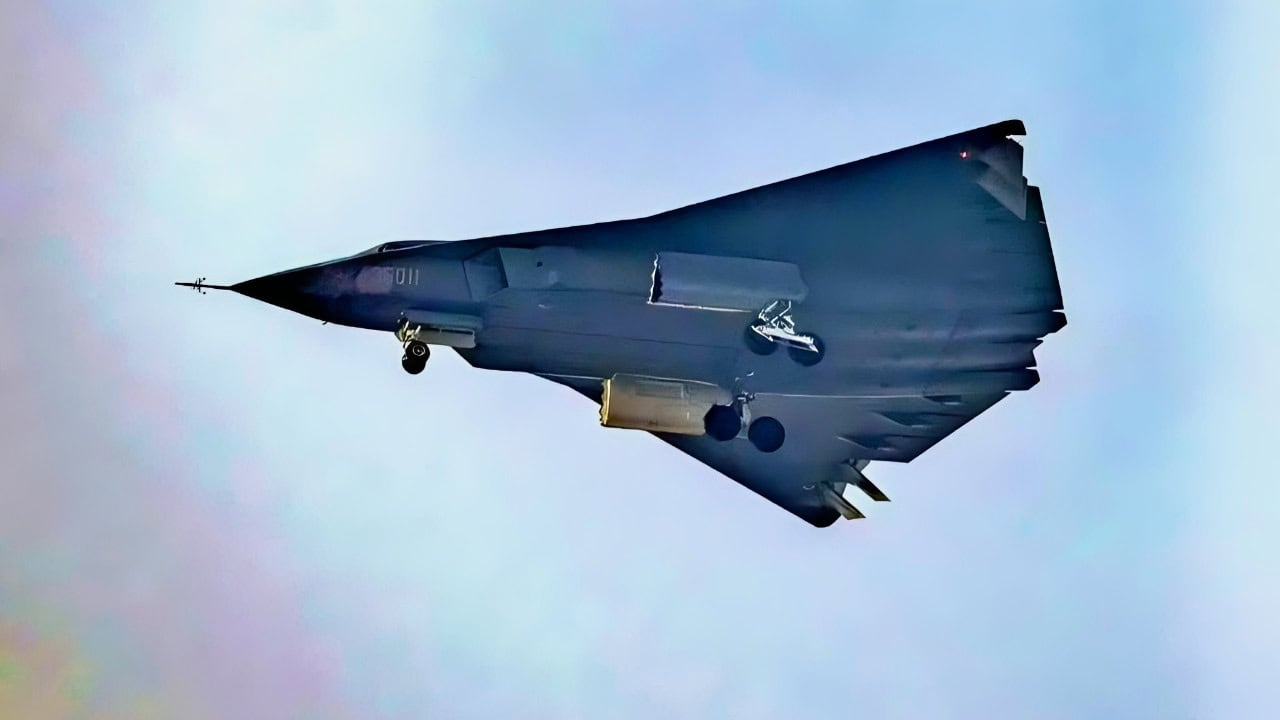
China’s J-50 Fighter. Image Credit: Screenshot from X.
Flight footage from throughout 2025 has also shown the J-36 conducting stable, high-speed passes and wide-radius turns that are consistent with early envelope-expansion testing (the initial phase of flight testing where engineers push an aircraft or system to determine its safe performance limits) rather than simple technology demonstration flights.
The J-50, by contrast, appears to be tailored for naval aviation. Video evidence and satellite imagery have placed the aircraft at coastal test facilities associated with Shenyang, with design features indicating that it will operate on China’s new supercarriers.
The aircraft has a more compact airframe, a twin-engine layout, reinforced landing gear (required for short landing), and indications of wing-folding mechanisms – all of which are consistent with the demands of carrier operations.
China’s Family Of Stealth Fighter Systems Is Moving Quickly
Much in the same way the NGAD program is designed as a family of systems that work alongside a crewed fighter, China’s sixth-generation ambitions revolve around a crewed jet that works as a command node within a broader combat network.
China’s next-generation aircraft are expected to incorporate artificial intelligence, advanced sensor fusion, and manned-unmanned teaming in almost precisely the same way as efforts by the U.S. Air Force and Navy.
Both the J-36 and J-50 are expected to be capable of directing unmanned aerial vehicles, managing electronic warfare tasks, and coordinating long-range strikes across multiple domains.
And not only is China developing a similar family of systems to the United States, but something exciting is happening, too: the use of digital engineering and rapid prototyping/iterating means the program is moving more rapidly than many expected.
By moving quickly from computer-aided design to flight-ready prototypes, Beijing is bypassing many of the traditional bottlenecks that have slowed Western programs.
As both sides now race toward operational deployment in the 2030s, the gap is no longer only a technological one.
China is flying, iterating, and learning as the development continues – but the only question is whether speed can compensate for a lack of experience.
About the Author:
Jack Buckby is a British author, counter-extremism researcher, and journalist based in New York who writes frequently for National Security Journal. Reporting on the U.K., Europe, and the U.S., he works to analyze and understand left-wing and right-wing radicalization, and reports on Western governments’ approaches to the pressing issues of today. His books and research papers explore these themes and propose pragmatic solutions to our increasingly polarized society. His latest book is The Truth Teller: RFK Jr. and the Case for a Post-Partisan Presidency.