
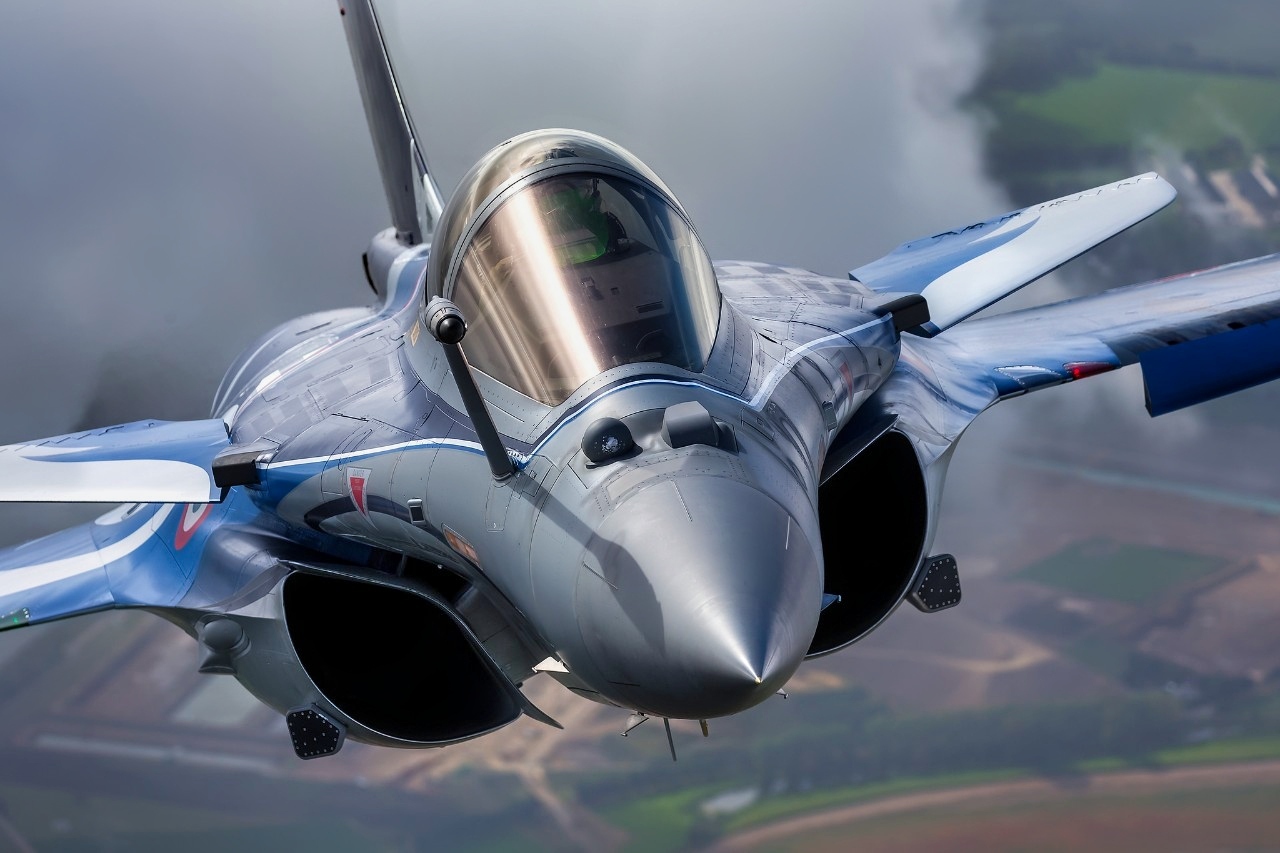
Synopsis: China aired rare footage of a PLAAF war-gaming exercise simulating air combat between eight J-16 fighters and six Dassault Rafales in a tabletop-style scenario in Henan province.
-Beijing did not release results, but the unusually public disclosure signals growing confidence in Chinese training, modeling, and doctrine development.
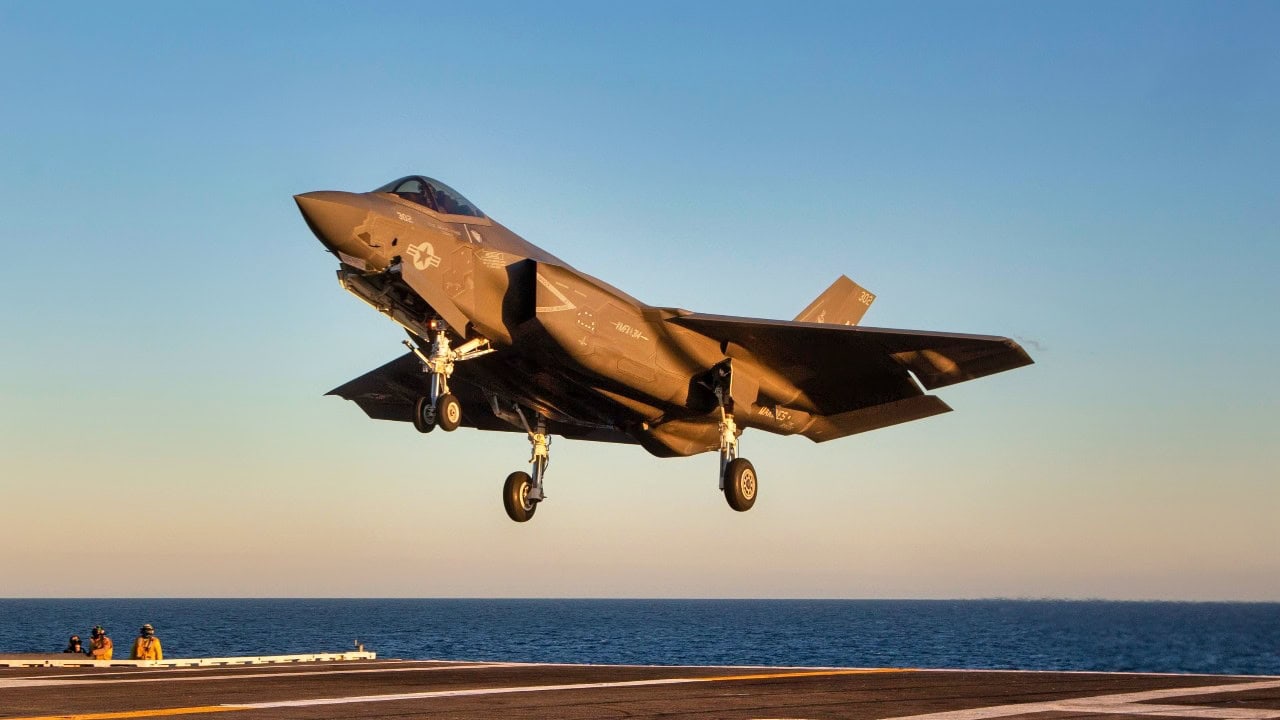
F-35 Fighter.
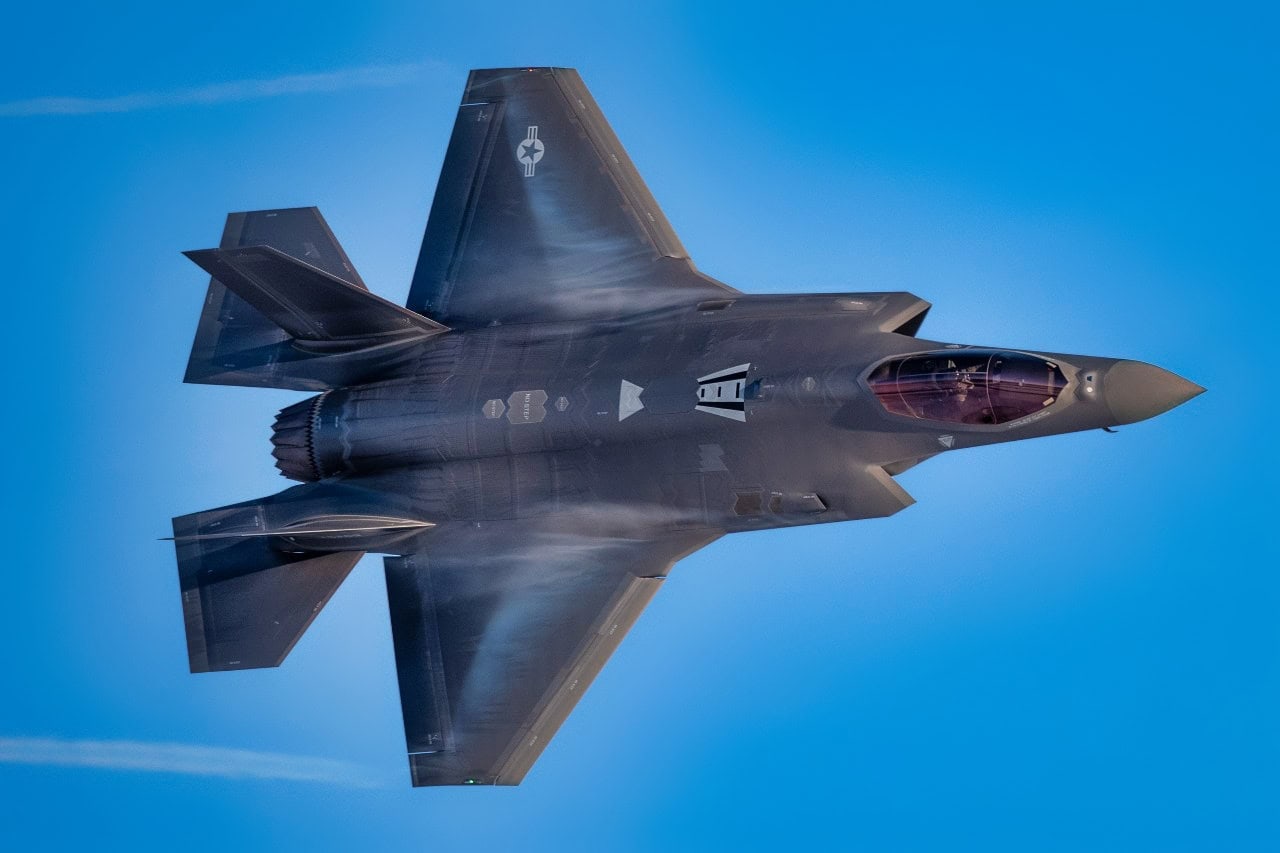
An F-35A Lightning II soars over Hill Air Force Base during a demonstration practice Jan. 10, 2020, at Hill AFB, Utah. The F-35 Demo Team is scheduled to perform at 22 airshows during the 2020 season. (U.S. Air Force photo by Senior Airman Alexander Cook)
-The Rafale’s appearance as the “threat” aircraft carries symbolic weight given its reputation as a top-tier non-stealth Western fighter and its role in India’s frontline squadrons.
-The segment also underscores China’s focus on networked operations, electronic warfare, and joint-domain integration.
China Simulated J-16 vs. Rafale Air Combat—and Made It Public
China’s military has offered an unusually public glimpse into how it is preparing for high-end air combat, revealing footage of a People’s Liberation Army Air Force (PLAAF) war-gaming exercise that simulated combat between Chinese J-16 fighters and French-made Dassault Rafales.
State television outlet CCTV broadcast the disclosure in mid-December.
The footage, which multiple regional outlets also covered, showed a tabletop-style simulation conducted in Xuchang, Henan province. In the scenario, eight J-16 multirole fighters were positioned against an opposing force of six Rafales.
While no results or performance outcomes were released, the public nature of the exercise itself is notable and marks a departure from Beijing’s usual practice of keeping simulations classified.
According to Chinese state media, the event was part of a broader push throughout 2025 to promote war-gaming across the PLA and the People’s Armed Police Force, with participation from around 20 units drawn from operational commands and military academies. Other simulations that were conducted in parallel reportedly included ground and naval forces as well.
In the broadcast footage, two PLAAF officers were shown standing before a board depicting the simulated engagement.
On one side, the “task” force was labeled as eight J-16 aircraft. Opposing them, under the “threat” heading, were six Rafales – Western-built multirole fighters currently operated by countries including France, India, Egypt, and Qatar. An officer also referenced additional threats, suggesting that the scenario extended beyond a simple one-on-one comparison.
While Chinese authorities have not explained why the Rafale was chosen as the opposing aircraft, it’s worth noting that the decision carries some symbolic weight.
The Rafale, after all, is widely regarded as one of the most advanced non-stealth fighters currently in Western service.
It also forms the backbone of India’s elite combat aviation units. India currently operates 36 Rafales and has additional naval variants on order, with longer-term procurement plans still under discussion.
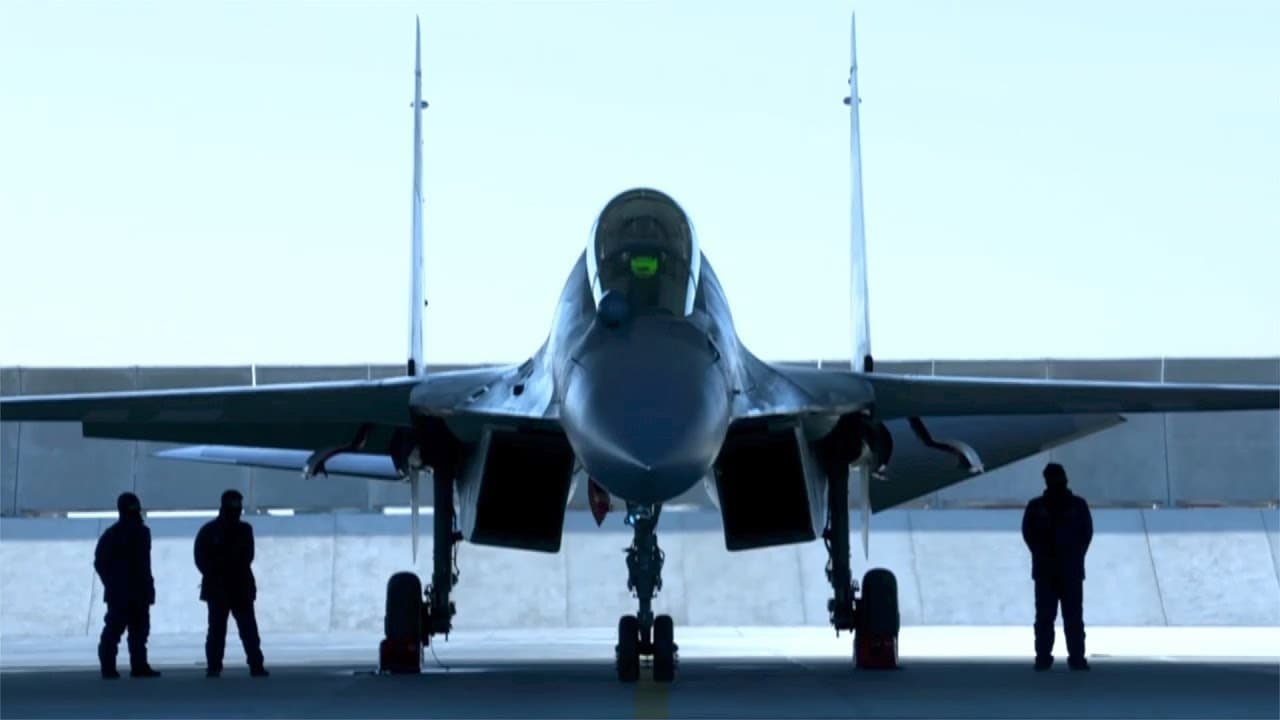
J-16D. Image Credit: Chinese Military.
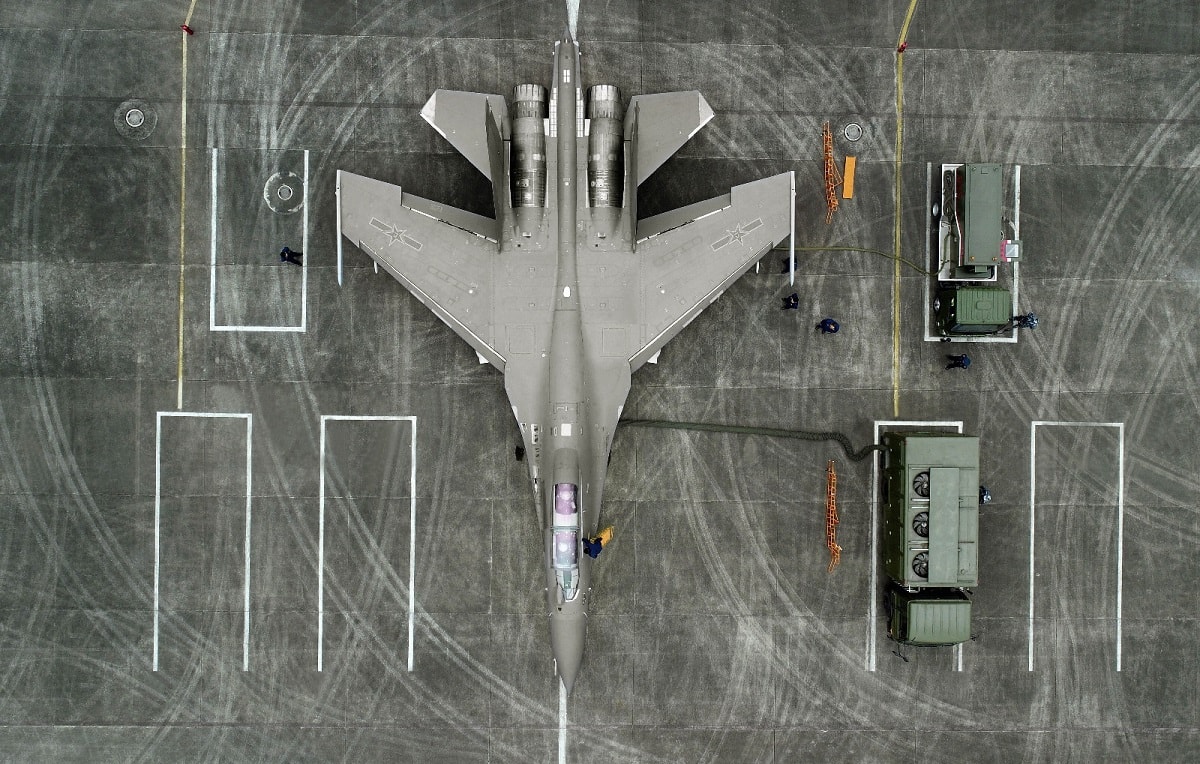
J-16 fighter. Image: Creative Commons.
The timing of the simulation is curious, too. In May, Pakistan claimed that its Chinese-supplied J-10C fighters shot down multiple Indian aircraft, including at least one Rafale, during a brief but intense exchange following cross-border strikes.
Islamabad described the encounter as proof of the effectiveness of Chinese combat aircraft and long-range air-to-air missiles. India has not publicly confirmed the claims; however, French officials acknowledged the loss of a Rafale but attributed it to a technical failure rather than to enemy action.
It’s against this backdrop that Beijing chose to highlight the Rafale and the effectiveness of its J-10 against the platform – or, at least, confidence in going head-to-head with the West’s most advanced non-stealth fighter.
The news could also reflect PLA interest in preparing for contingencies involving regional air forces equipped with advanced Western platforms.
The J-16 plays a central role in that planning. Derived from the Russian Su-27 lineage, the twin-engine aircraft is designed for long-range missions, heavy payloads, and close integration with supporting assets like airborne early warning aircraft, ground-based sensors, and electronic warfare systems.
Chinese military commentators often describe it as a counterpart to aircraft like the Su-30 or the American F-15E, optimized for operating as part of a networked force rather than a dogfighter that works largely alone. A dedicated electronic warfare variant, the J-16D, also existed – proving its intended role in suppressing enemy air defenses.
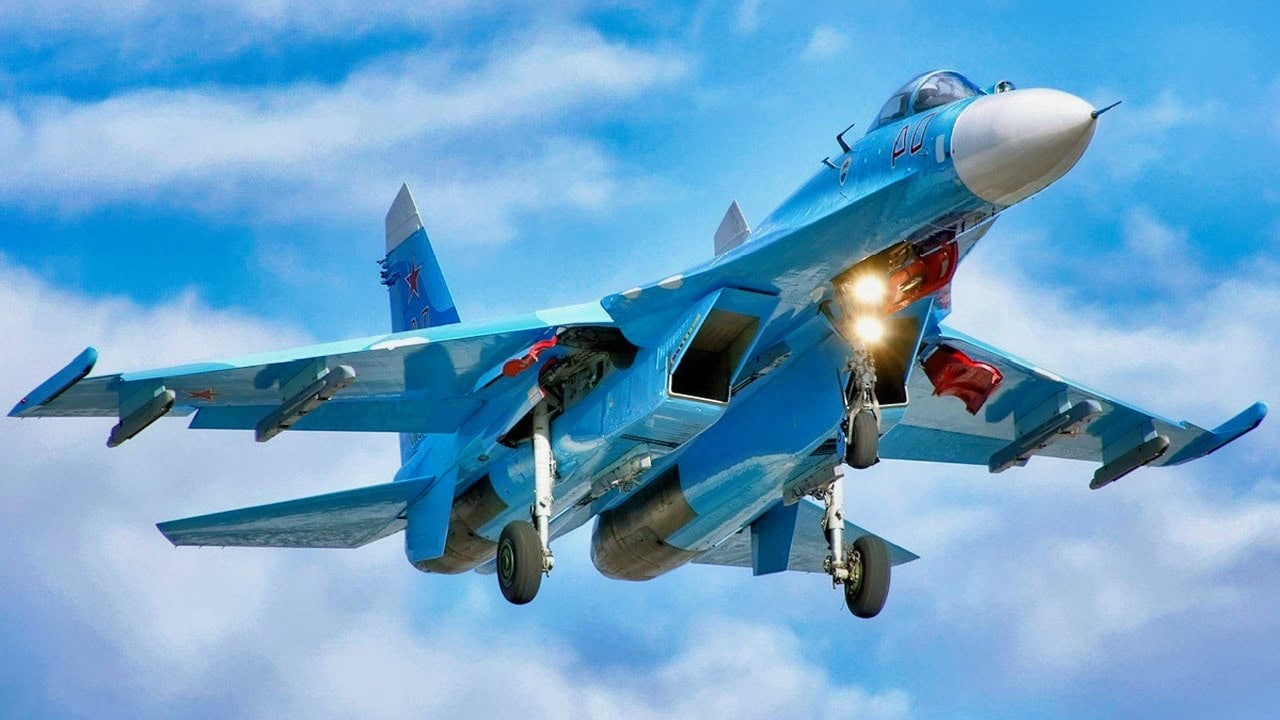
Su-27 Flanker. Image Credit: Creative Commons.
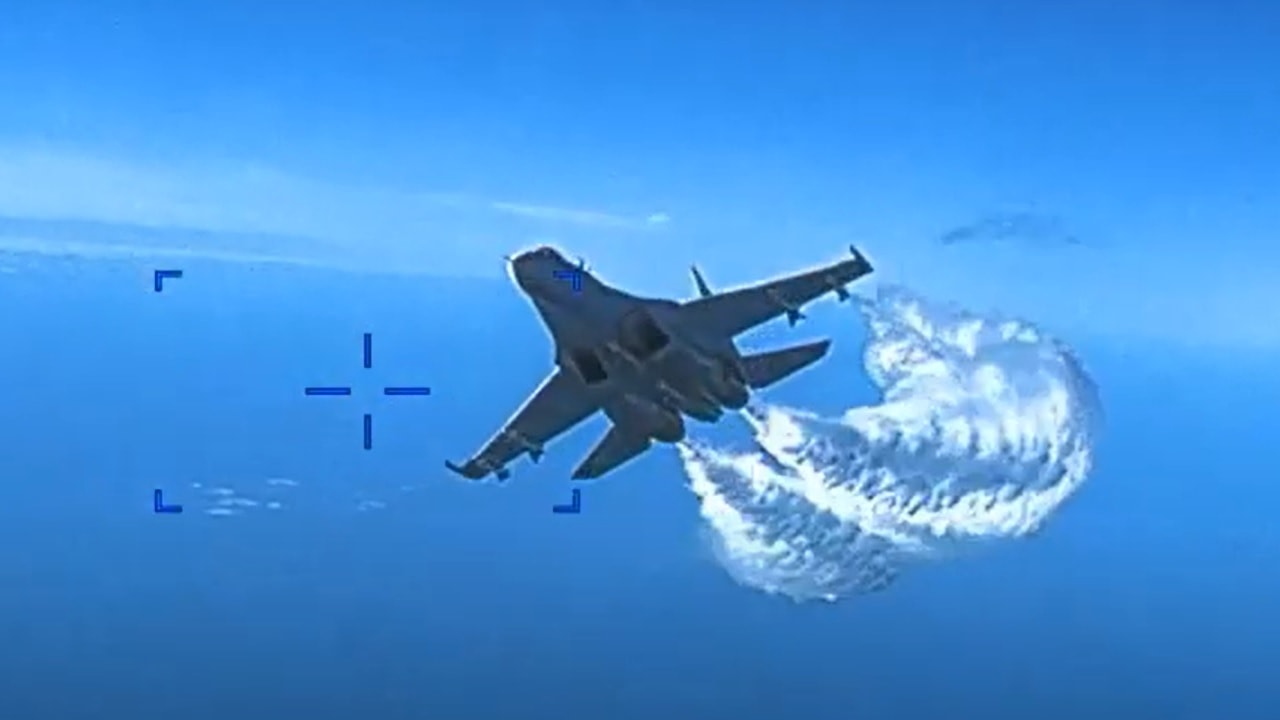
Su-27 Russia Drone Attack Screenshot
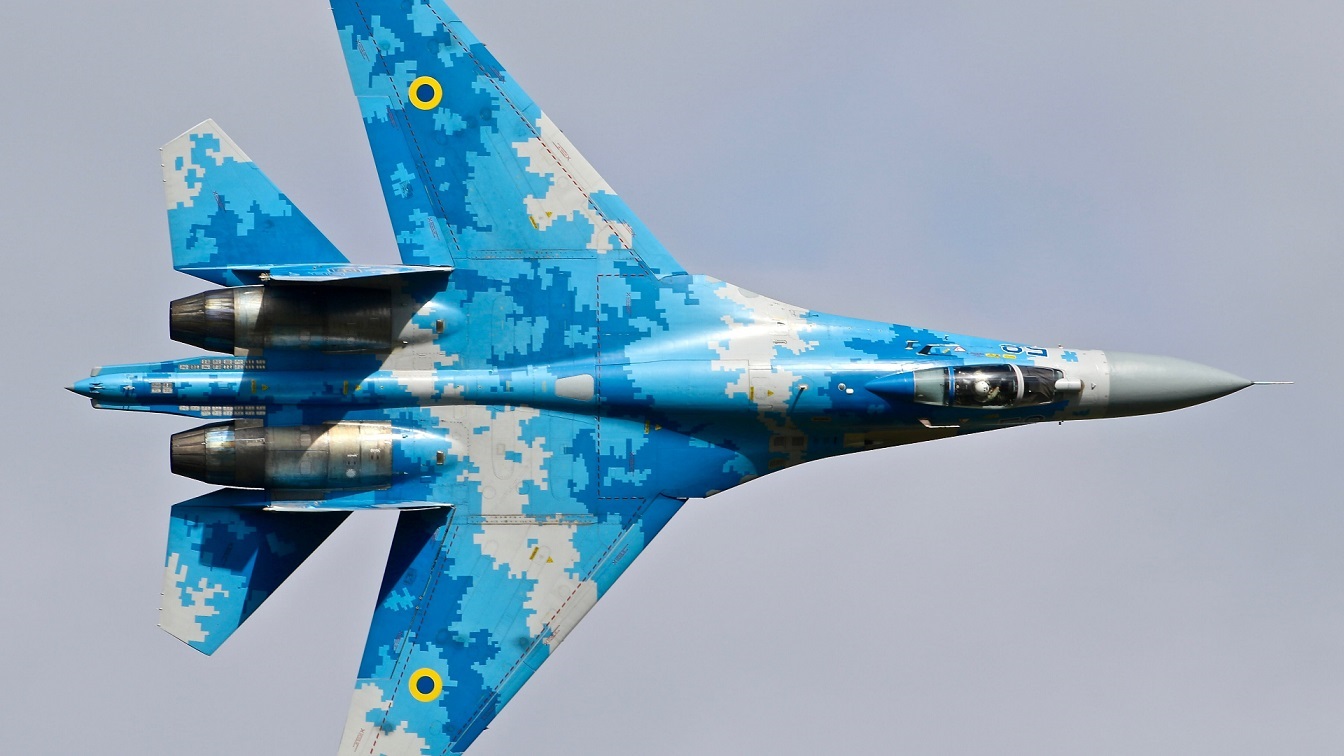
Su-27. Image Credit: Creative Commons.
By contrast, the Rafale was developed around an entirely different operational philosophy. Undersigned to perform air superiority, strike, reconnaissance, and maritime missions with minimal external support, the Rafale excels with its sensor fusion, agility, and survivability. Its integrated electronic warfare suite is also widely regarded as one of its strongest features, contributing to its extensive combat use in Afghanistan, Libya, Mali, Iraq, and Syria over the past decade.
Chinese state media covering the war game did not declare a winner, and that decision appears to be deliberate. War games are typically used to test doctrine, decision-making, and general command processes rather than to generate headline-grabbing kills – and Beijing has long been careful not to reveal information that could expose vulnerabilities.
Instead, the recent broadcast emphasized the process itself and clearly demonstrated Beijing’s growing confidence in its platforms. PLA officers and academics who featured in the report commented on the growing role of advanced modeling, artificial intelligence, and data analytics in Chinese war-gaming.
One senior officer also described the need to develop systems with specifically Chinese characteristics capable of supporting joint operations across air, land, sea, missile, space, and electromagnetic domains.
Dassault Rafale vs. China’s J-16: No Winner?
Even without the results, it’s clear what Beijing is doing: signaling how seriously it views future peer air combat, growing confidence in its expanding fleet, and its intention to field modern and indigenous fighters capable of going head-to-head with the West’s most advanced platforms.
About the Author:
Jack Buckby is a British author, counter-extremism researcher, and journalist based in New York who writes frequently for National Security Journal and 19FortyFive. Reporting on the U.K., Europe, and the U.S., he works to analyze and understand left-wing and right-wing radicalization, and reports on Western governments’ approaches to the pressing issues of today. His books and research papers explore these themes and propose pragmatic solutions to our increasingly polarized society. His latest book is The Truth Teller: RFK Jr. and the Case for a Post-Partisan Presidency.

