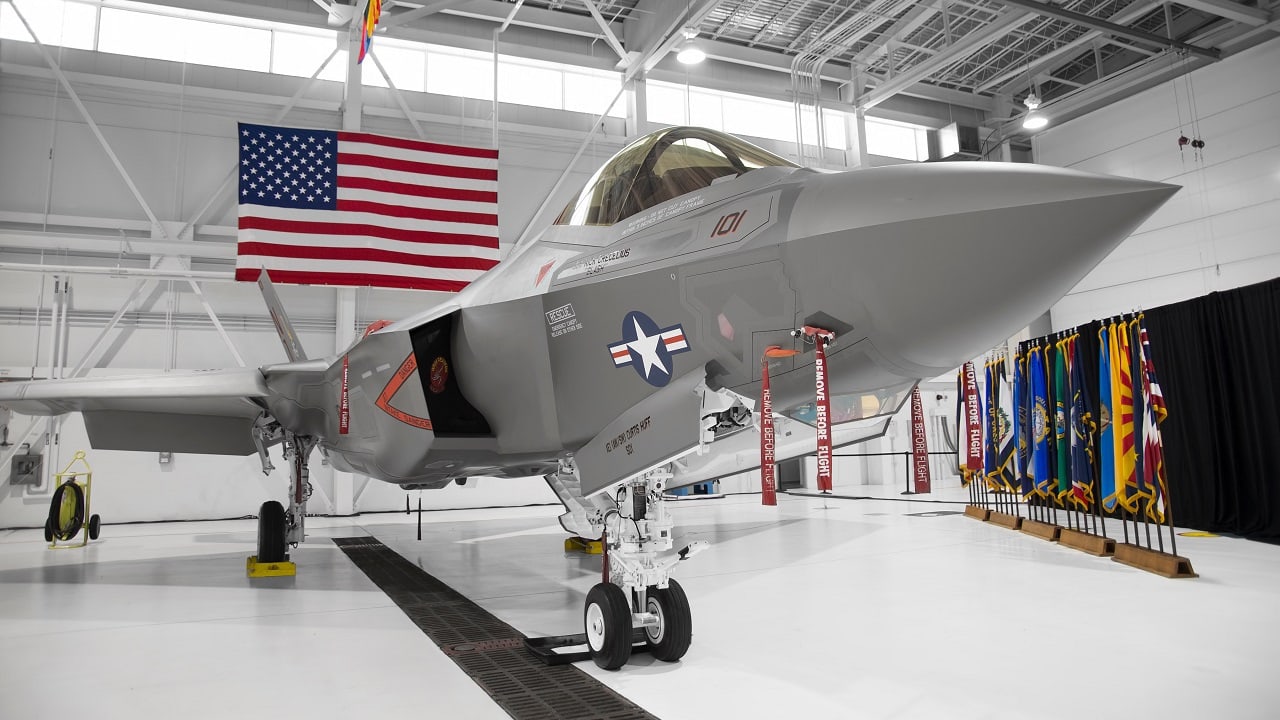
Key Points and Summary – Europe’s homegrown 4.5-generation fighters—Gripen, Eurofighter Typhoon, and Rafale—are capable, upgradeable jets, but they cannot match a continent-wide network of F-35s.
-Operated by more than a dozen European nations, the F-35 brings mass, common sensors, and secure MADL data links that let NATO jets fight as one system.
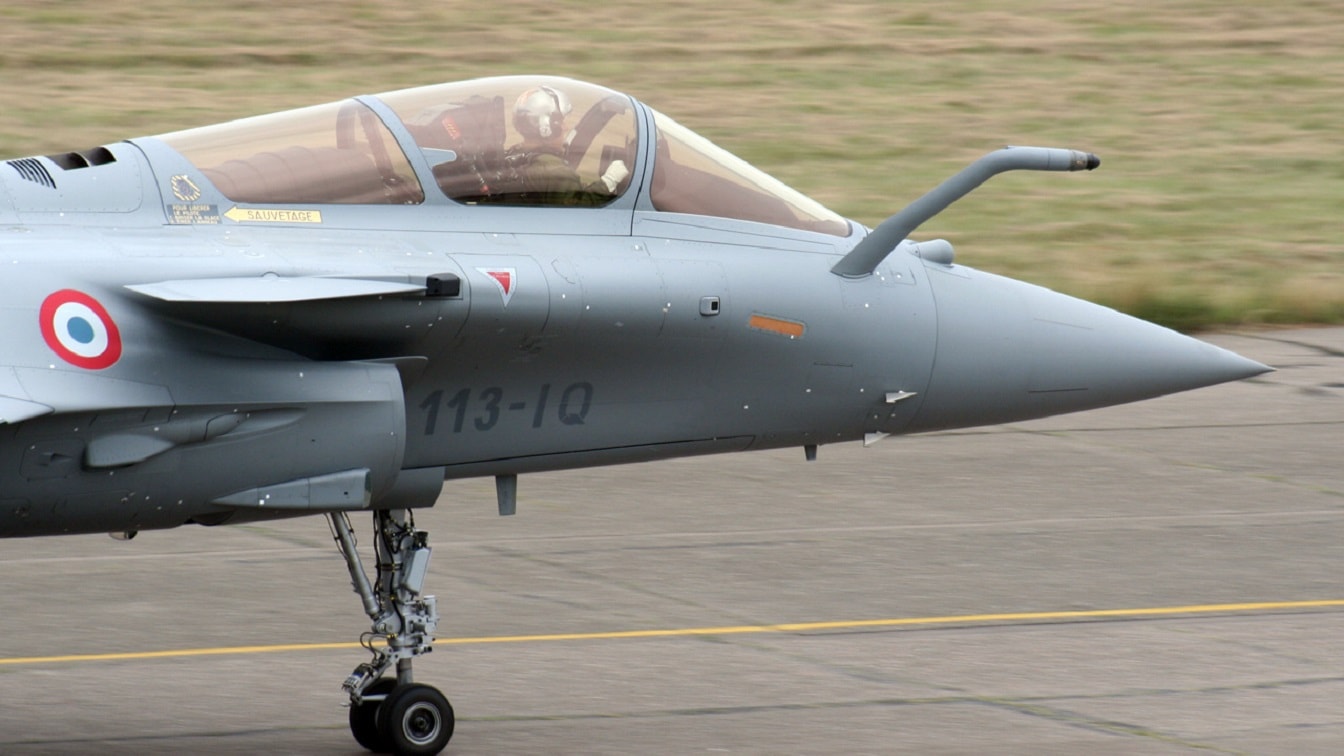
Dassault Rafale. Image Credit: Creative Commons.
Its Block 4 software upgrades add next-generation weapons like the tri-mode Stormbreaker, AIM-260, and AGM-88G AARGM-ER, expanding range and lethality without major hardware changes.
-Combined with true low-observable design and a software-driven roadmap, the F-35 offers Europe a long-term edge no 4.5-generation platform can realistically match.
F-35 vs Gripen, Typhoon, Rafale: Why Europe’s Choice Is Already Made
The Swedish JAS 39 Gripen, Eurofighter Typhoon, and French Dassault Rafale are all promising, upgradeable 4.5-gen fighters that can perform well and defend Europe in the coming decades; however, they collectively fall well short of the Europe-wide F-35 fleet.
One significant reason for an F-35 defensive perimeter in Europe is the question of mass, given that the F-35 is now operated by at least 13 countries across the European continent.
Not only does that enable a fleet of F-35s to “out mass” or overwhelm a much smaller number of Russian Su-57s, but all F-35s from every country can securely, quickly, and successfully share data using the common Multifunction Advanced Datalink (MADL).
What this means is that, even if the Su-57 could rival the F-35 to any degree, and that is certainly not a fact, Russia will suffer a significant number and networking deficit.
These are a few reasons the F-35 is a much better choice for European deterrence than any 4.5-generation European fighter.
The F-35 is not only stealthier and 5th-gen but also able to continuously upgrade in an unparalleled fashion. Each new software drop enables a new sphere of weapons integration, so the F-35 will perpetually expand its lethality.
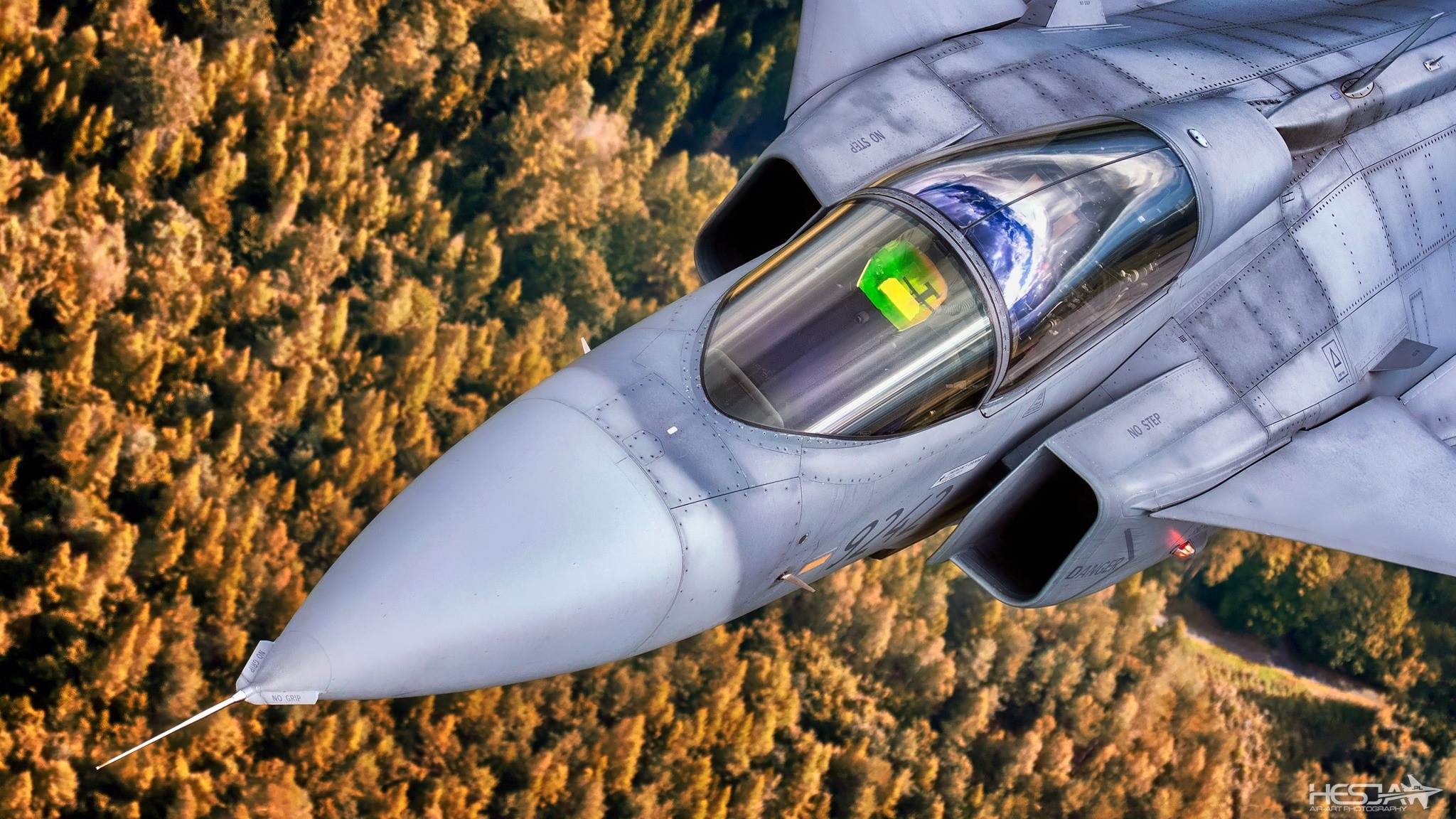
JAS 39 Gripen. Image Credit: Creative Commons.
Software drop Block IV, for example, enables the F-35 to drop the Stormbreaker weapon, a next-generation air-dropped munition capable of tracking and destroying targets in all weather at distances up to 40km.
In development for many years by Raytheon, the Stormbreaker incorporates a now-famous “tri-mode seeker,” meaning it can leverage RF, laser, or all-weather millimeter-wave guidance and targeting technology.
The weapon is also engineered with a two-way data link enabling retargeting and in-flight adjustments.
Tactically speaking, the GBU-53/B Stormbreaker can track a moving target through fog or weather obscurants from great distances and adjust course as needed.
This much-anticipated weapon will greatly expand the F-35’s attack capabilities in dynamic, modern threat environments.
F-35 Block IV Weapons
The success and implementation of Block 4 hinge on the continued production of a technological upgrade to the F-35, referred to as Tech-Refresh 3, which introduces new generations of computer processing power into the jet.
Block 4 will also enable the stealth fighter to fire weapons such as the new ultra-high-tech, long-range AIM-260 Joint Advanced Tactical Missile.
This air-to-air and air-to-ground attack weapon is more precise, less detectable, and more lethal, with a longer range than the existing AIM-120 AMRAAM, as it was engineered specifically to address the changing threat equation.
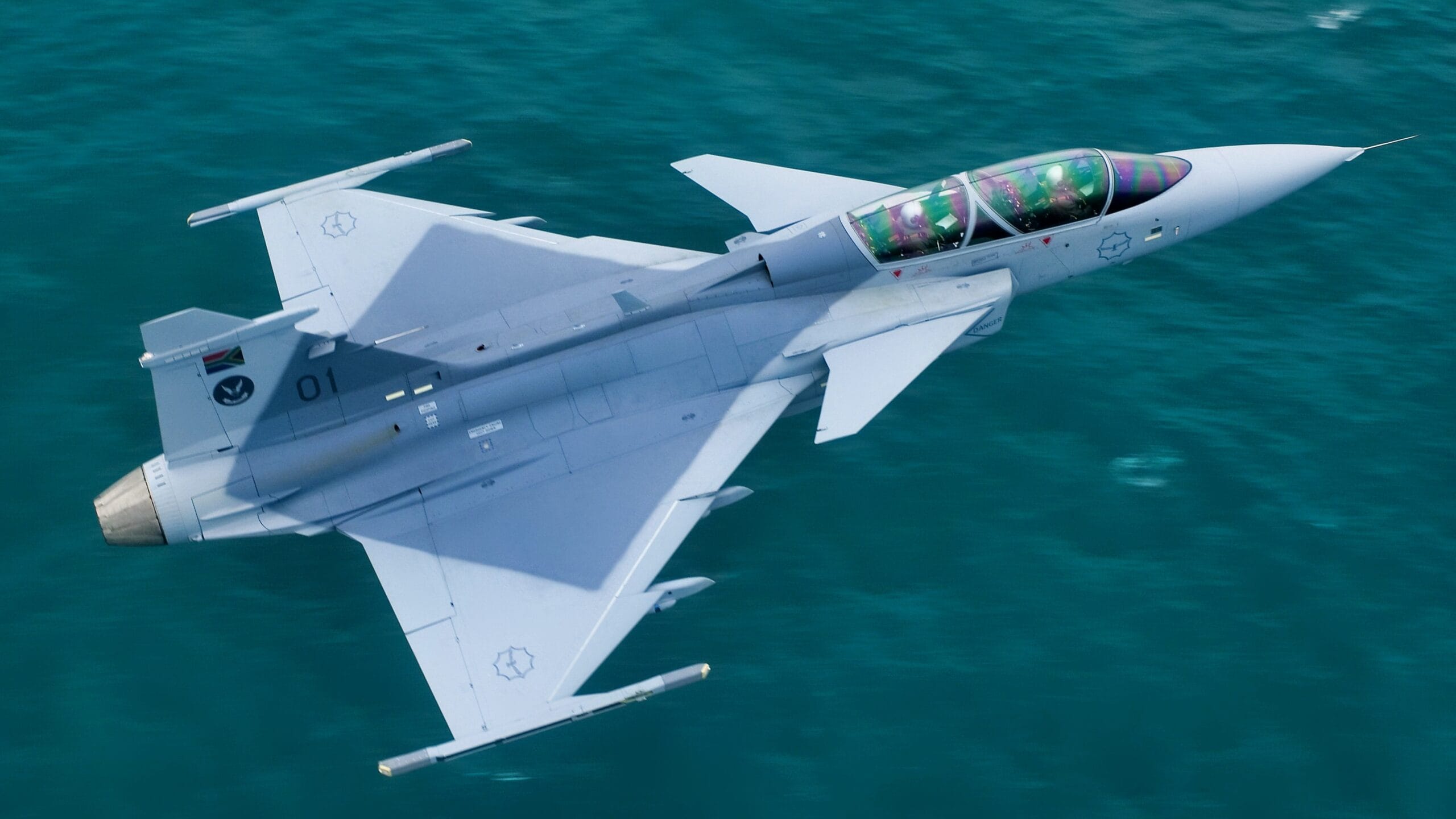
JAS 39 Gripen Fighter. Image Credit: Creative Commons.
Many details of the AIM-260 are not publicly available for security reasons, yet its arrival could prove critical to the continued relevance of the F-35.
As has been the case throughout the multi-year trajectory of the stealth fighter, software “drops,” “adaptations,” “interfaces,” and fire control specs are needed to accommodate new generations of weapons as they appear.
With Block IV, the F-35 will also fire the AGM-88G Advanced Anti-Radiation Guided Missile – ER, a significant air-attack weapon engineered to identify and “destroy” ground-based enemy air defenses emitting an electronic signature. The ER, or “extended range,” component of this is highly significant, as it enables a manned fighter jet to target and attack air defenses from safer “stand-off” ranges.
This ability to upgrade and surge into the future with new weapons capability potentially sets the F-35 apart from its 4.5-Gen rivals.
The upgradeability is enabled by a technical infrastructure based on common standards and IP protocols, designed to ensure interoperability, so that new weapons can integrate into the computer system and fire control without replacing hardware.
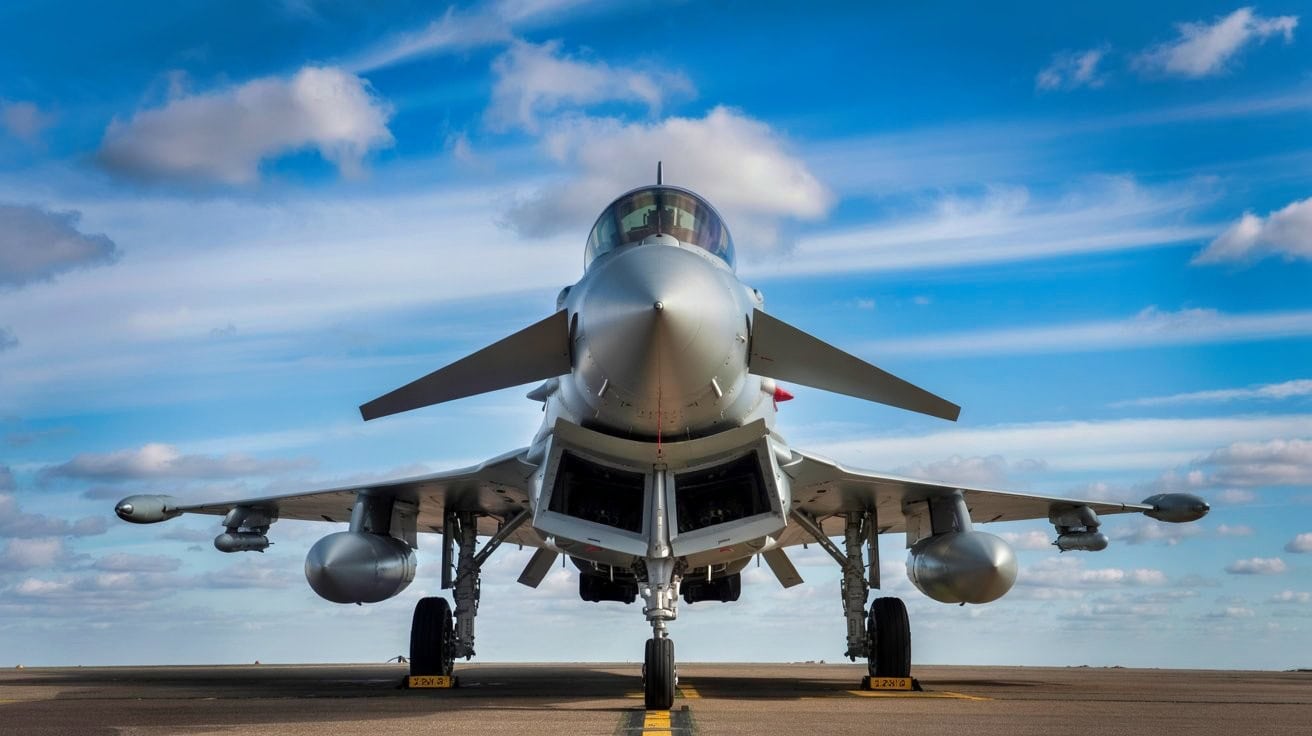
Eurofighter Typhoon. Image Created by Ideogram.
F-35 Stealth
The most significant difference between the F-35 and European rival fighter jets lies in stealth. The F-35 is built with coating materials, radar-absorbing composites, bolts, seams, and welding specifically designed to lower its radar cross-section.
European 4.5-gen fighters such as the Typhoon, Gripen, and Dassault have protruding structures and a less rounded fuselage, making them much more likely to generate a return signal or return rendering on enemy radar.
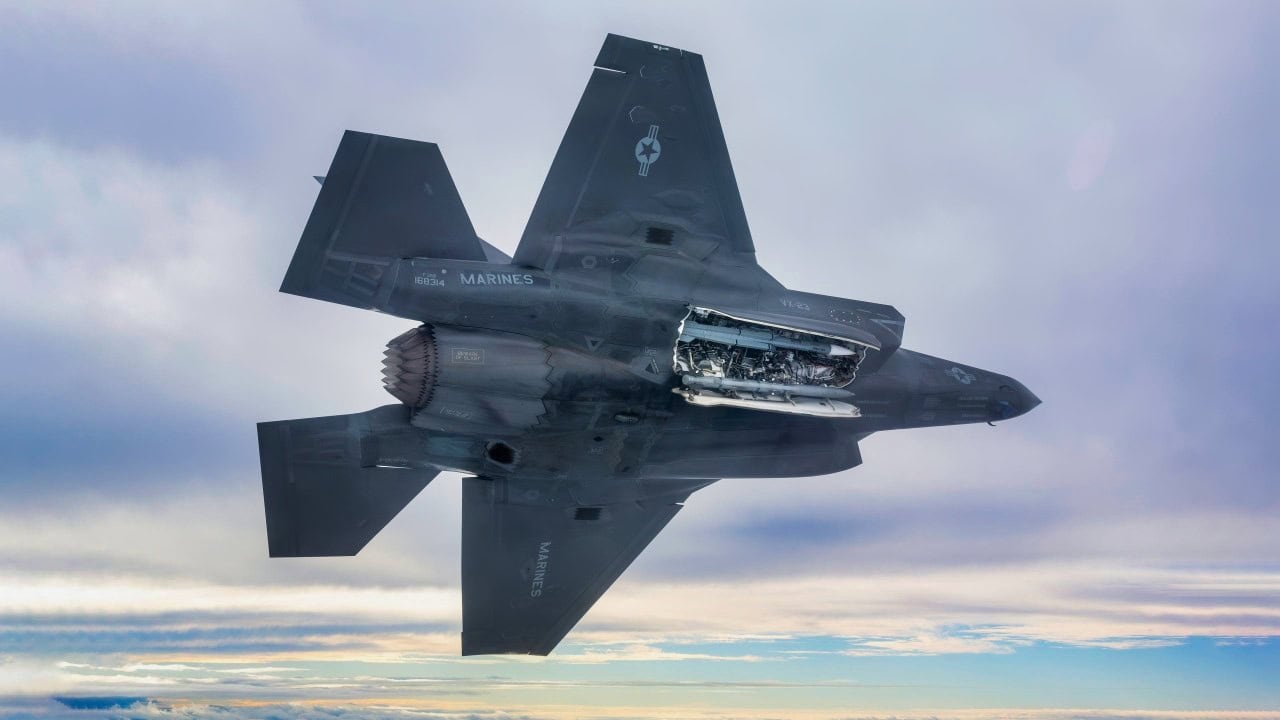
F-35B Armed with Meteor Missile. Image Credit: UK Government.
About the Author: Kris Osborn
Kris Osborn is the President of Warrior Maven – Center for Military Modernization. Osborn previously served at the Pentagon as a highly qualified expert in the Office of the Assistant Secretary of the Army—Acquisition, Logistics & Technology. Osborn has also worked as an anchor and on-air military specialist at national TV networks. He has appeared as a guest military expert on Fox News, MSNBC, The Military Channel, and The History Channel. He also has a Masters Degree in Comparative Literature from Columbia University.