
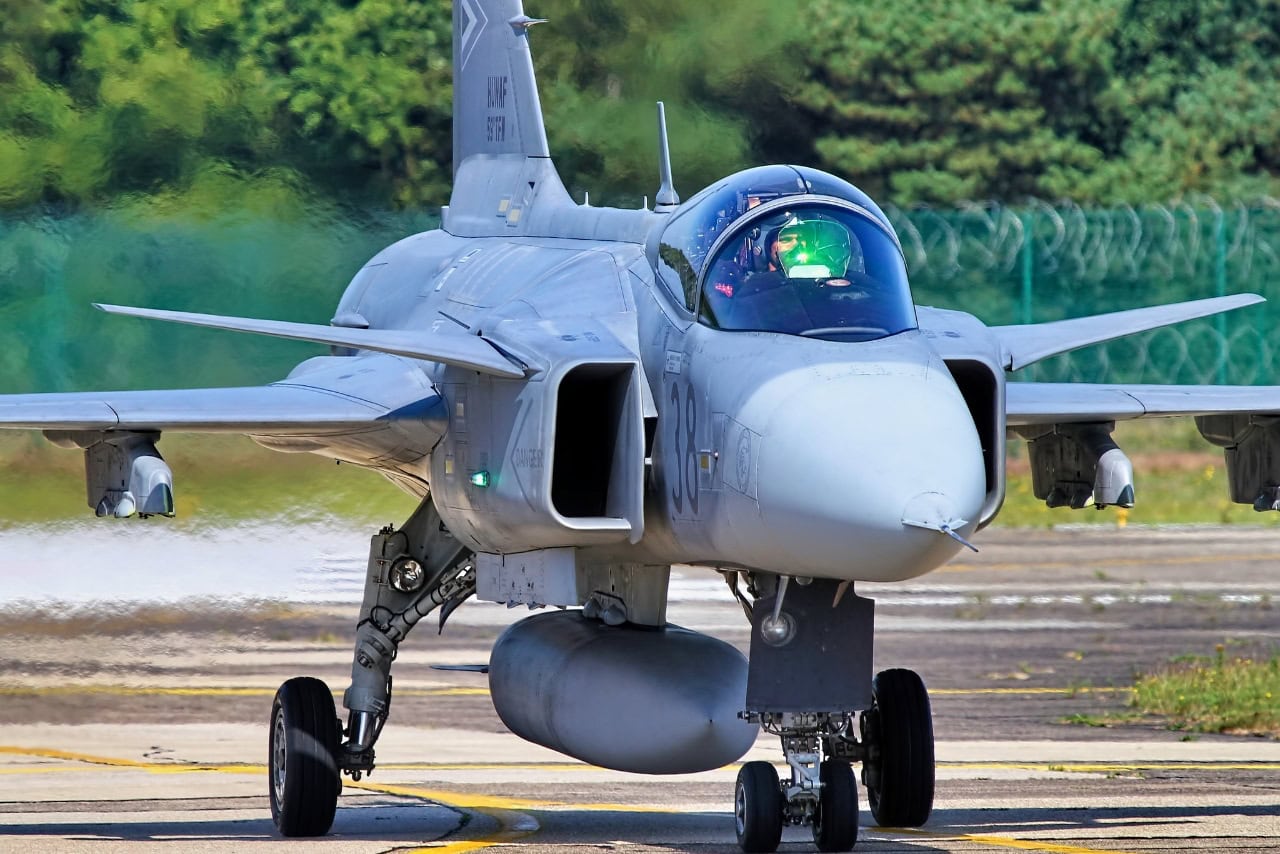
Key Points and Summary – Sweden’s JAS 39 Gripen was built for dispersed, affordable air defense—and it has become a favorite export for nations that can’t buy, or don’t want, the F-35.
-China’s J-20 Mighty Dragon is a very different machine: a heavy, stealthy, long-range interceptor built to launch PL-15 and PL-21 missiles from well beyond visual range.

Image is of Saab Gripen fighter. Image Credit: Creative Commons.
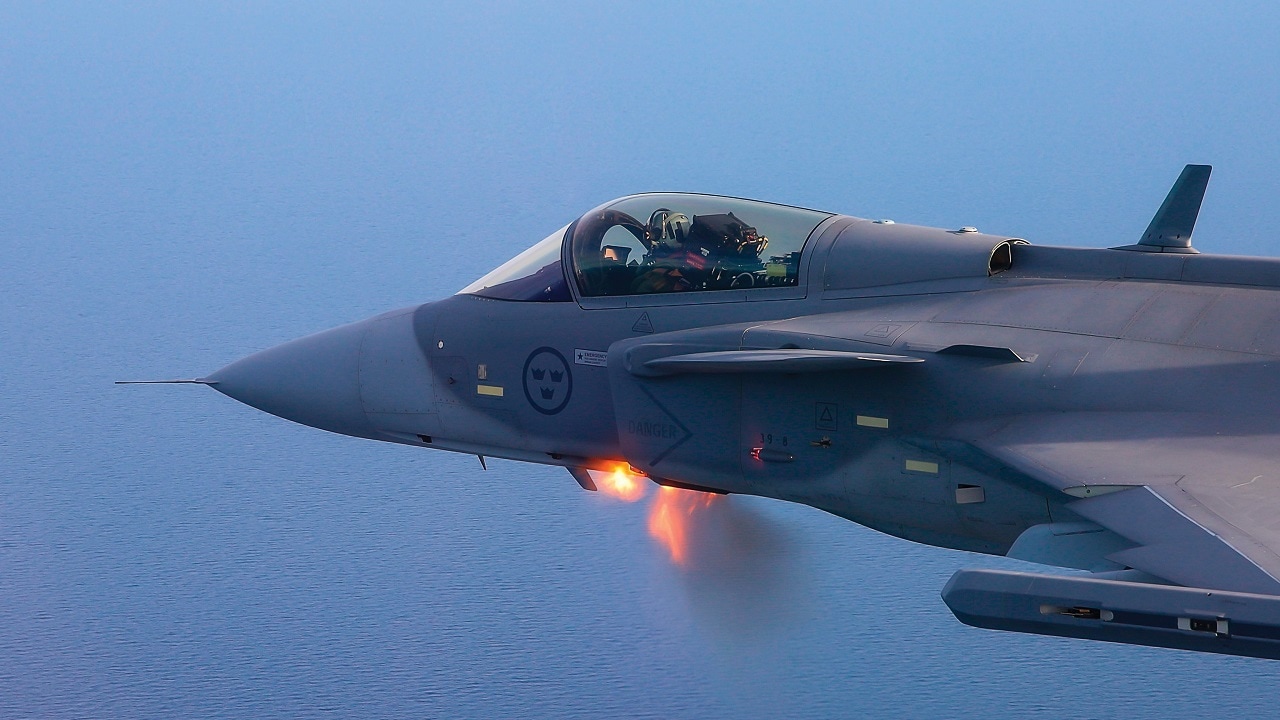
Image of Gripen E fighter from SAAB. Image Credit: SAAB.
-In a head-to-head fight, the J-20’s stealth, sensors, and missile reach would likely let it fire first and kill first.
-The Gripen’s agility, electronic warfare suite, and cannon make it dangerous in a close-in dogfight, but in most real-world scenarios, the J-20 probably prevails.
How Would The JAS-39 Gripen Fare Against China’s J-20
While many US allies are procuring the F-35 stealth fighter, many can’t afford it, and others don’t want to rely on the US for weapons due to long manufacturing delays.
For those who opt out of the F-35 or other programs, the JAS-39 Gripen has been the aircraft of choice. It is more affordable, highly maneuverable, and fast.
However, if it is chosen to represent the allied countries in a possible war with China, it would be required to face off against the Chinese J-20 stealth fighter. How would the Gripen fare against the J-20 in aerial combat?
Meet The Saab JAS-39 Gripen Fighter
The JAS-39 Gripen earned its baptism of fire after nearly 30 years of active service with Thailand, during border skirmishes with Cambodia.
The Gripen is a fast, highly maneuverable, multi-role fighter aircraft developed by Sweden. It’s known for its cost-efficient operation, advanced avionics, and agility. The Gripen has a top speed of about 1,500 mph or Mach 2.
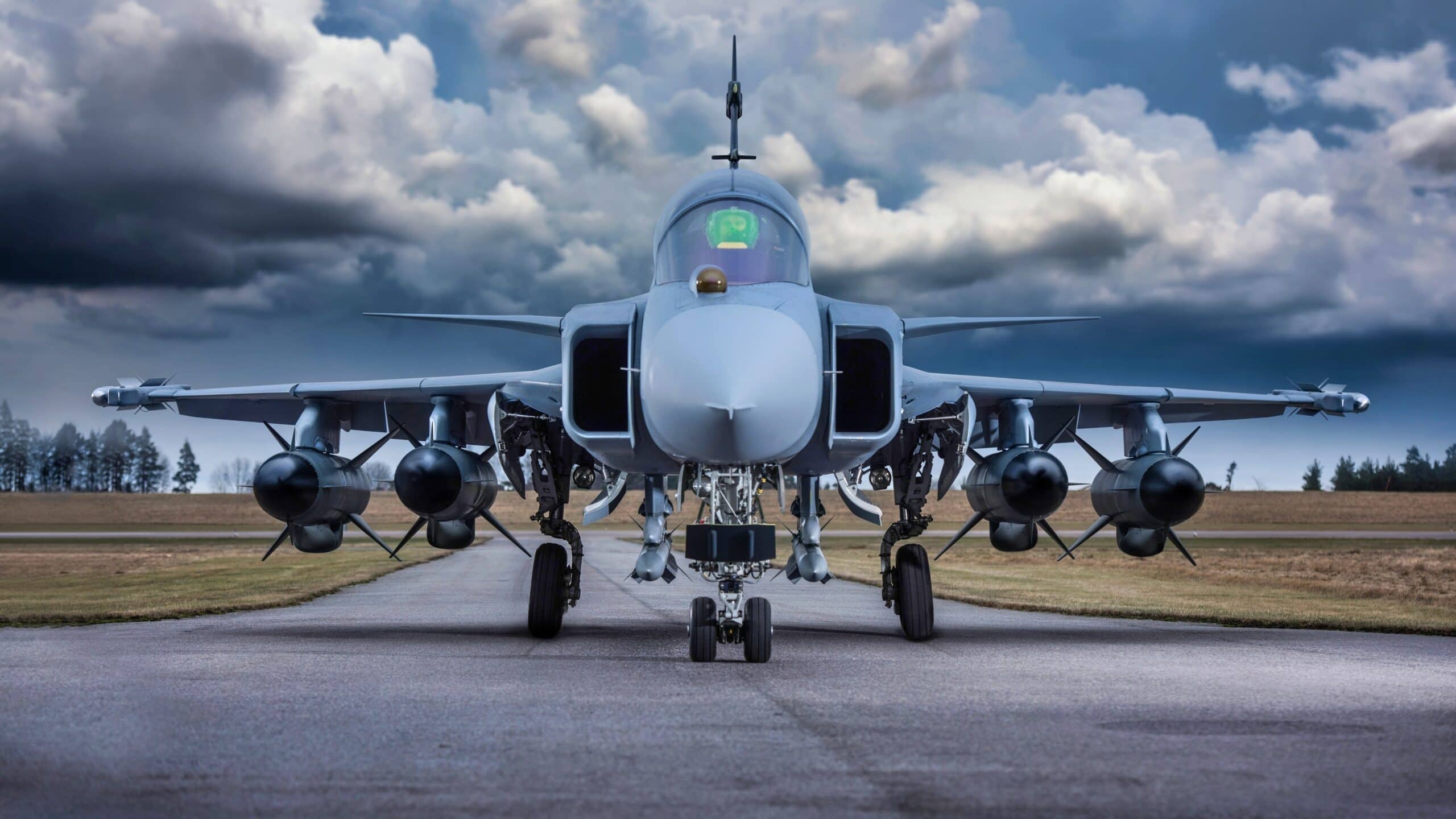
JAS 39 Gripen. Image Credit: Creative Commons.
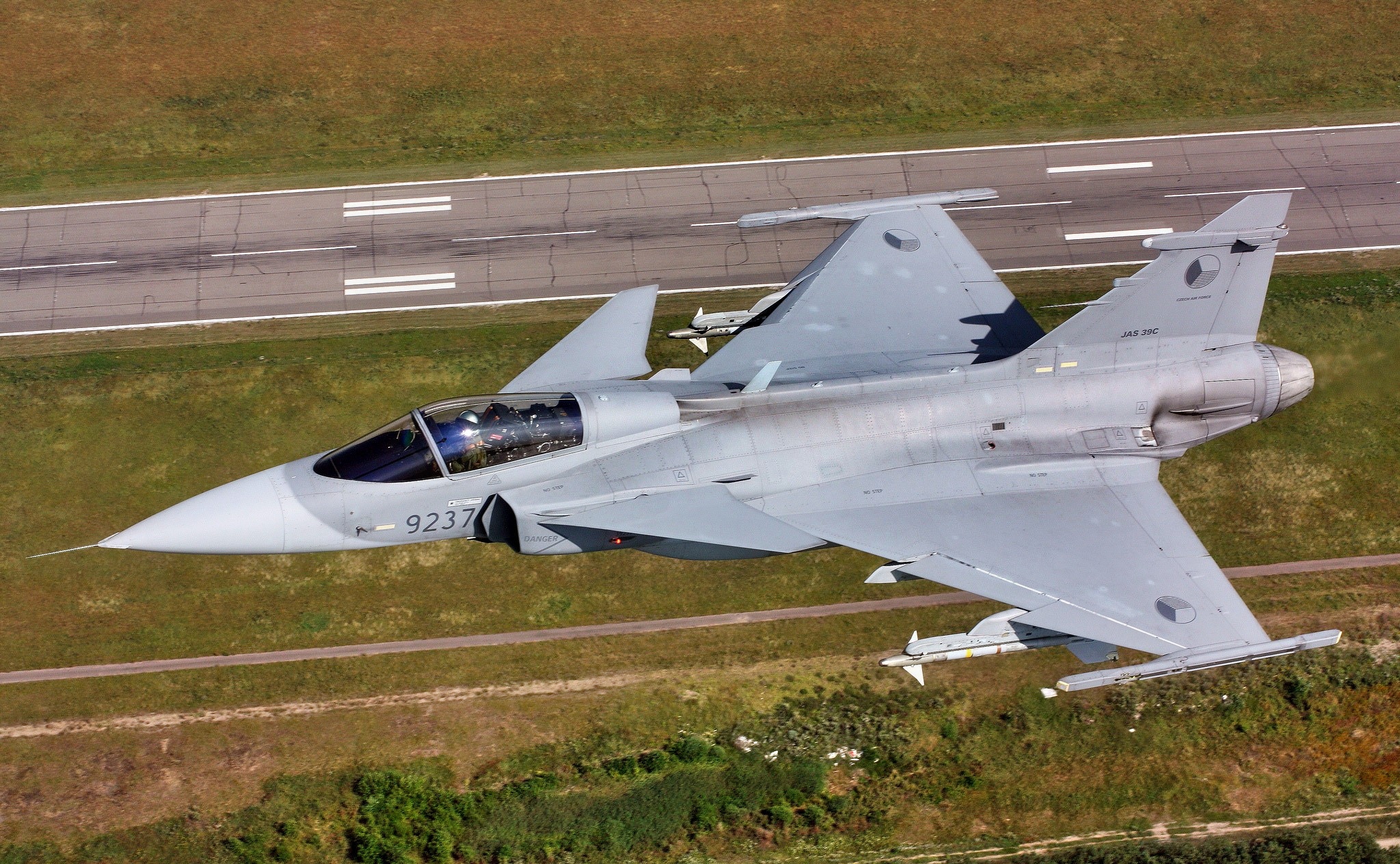
JAS 39 Gripen over a Road. Image Credit: Creative Commons.
Saab has done a great job marketing the aircraft, and the Gripen has become a significant export success. The Gripen E fighter jet has completed a series of test flights piloted by artificial intelligence, marking an important milestone in aerial combat technology.
It perfectly represents the Swedish defensive philosophy, emphasizing dispersed air operations and rapid maintenance. It was built for a possible war with Russia, but proved its worth half a world away in Thailand.
Meet The Chinese J-20 Stealth Fighter
The Chinese J-20 fighter was designed and built by the Chengdu Aircraft Industry Group. The J-20 “Mighty Dragon” is a fifth-generation fighter with the NATO designation FAGIN.
The J-20 is a large aircraft with a wingspan of 44 feet, a length of 67 feet, and a maximum take-off weight (MTOW) of 81,660 pounds.
While early models of the J-20 used twin Russian AL-31FM2 engines, based on those that powered the Russian Sukhoi Su-27, later models switched to Chinese WS-10B powerplants as part of a broader transition of China’s fighter fleet to domestically produced engines.
The J-20 has also been seen testing a new and more powerful WS-15 engine. With WS-10 engines, the J-20 has a maximum speed of Mach 2.
The jet is capable of carrying various weapons systems, including the very long-range PL-15 missile, PL-21 long-range missile, and the LS-6 precision-guided bomb.
First seen in November 2024, the J-20S is a two-seat variant under development. It is a long-range, multi-role, stealthy fighter jet that can also team up with unmanned drones (“loyal wingman” and aircraft). Currently, China has between 270 and 300 J-20 aircraft.
Air Combat Between The JAS-39 and the J-20
The JAS-39 Gripen and J-20 are different aircraft with distinct strengths and weaknesses. The Gripen is a highly agile, cost-effective fighter known for its operational flexibility.
This Saab fighter is known for its maneuverability, ability to operate from short or improvised runways, and lower operational costs compared to many other modern fighters.
It also has a robust electronic warfare suite and can launch a variety of weapons. While not a stealth fighter, it uses jamming and countermeasures to protect itself, whereas the stealth of other fighters, such as the J-20, is invisible to radar.
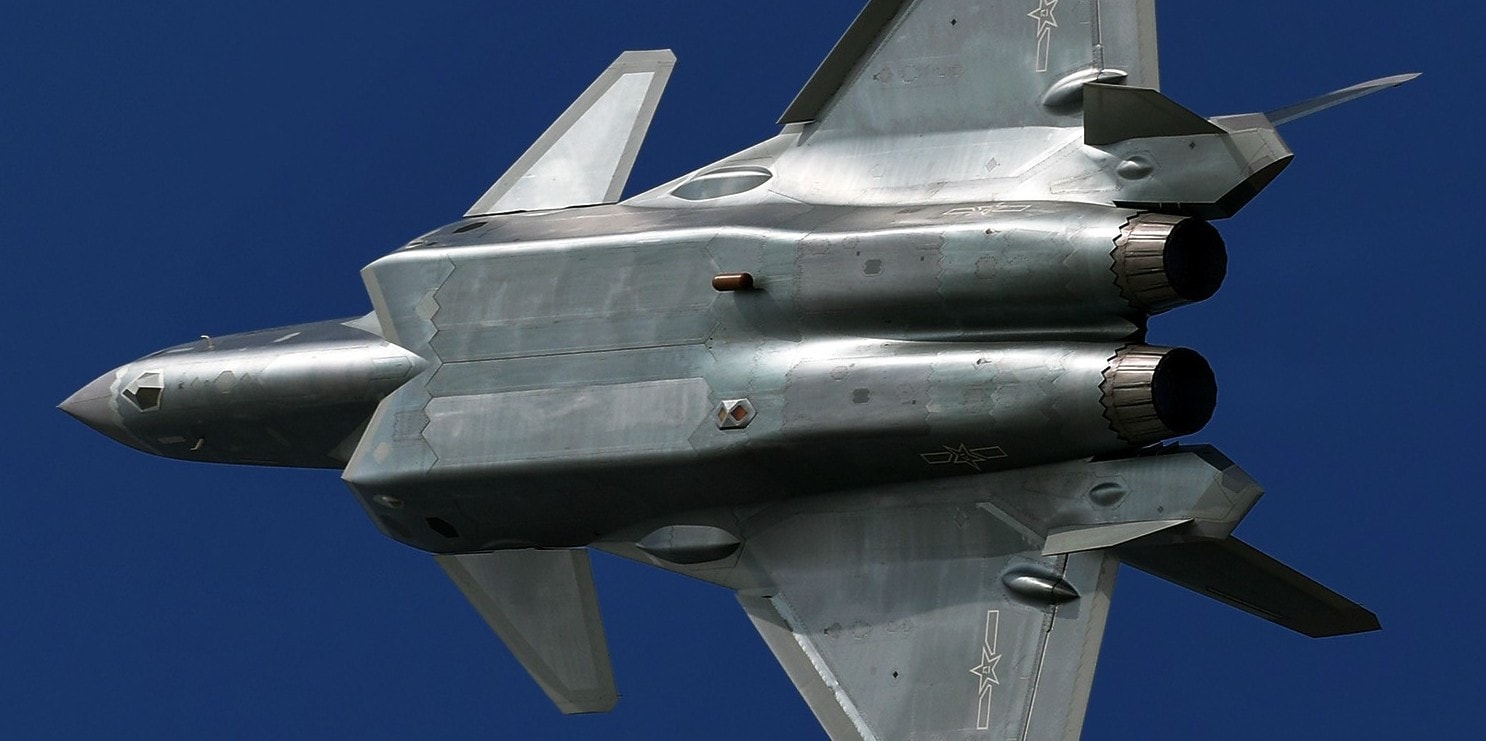
J-20 Stealth Fighter. Image: Chinese Internet.
The J-20’s stealth and sensor capabilities would be a significant advantage in beyond-visual-range (BVR) engagements. It could detect and target the Gripen before the Gripen is even aware of its presence.
The J-20 is designed primarily for air superiority and long-range interception missions, with a strong emphasis on stealth, sensor fusion, and advanced avionics.
The J-20 lacks a cannon, which could mean the designers didn’t intend it as a dogfighter. The Chinese may view the J-20 in a more interceptor-like role, utilizing its long-range missiles to penetrate opposing air defenses by engaging and destroying enemy fighter patrols, early warning aircraft, and refueling tankers.
Saab, however, sees no long-term value in building for short-term stealth. They believe that stealth will be outmoded in 10 years due to advances in radar capabilities.
“If you build an airframe with a stealthy design, there are other things you can’t do with that aircraft,” said Jerker Ahlqvist, deputy head of Business Area Aeronautics.
“We have created another way by, for instance, putting in a very capable electronic warfare system that can make the aircraft invisible,” he added.
However, in a close-range dogfight, the Gripen’s agility and maneuverability could give it an edge. Its lower operational costs also allow it to engage in more sorties or remain in the air longer.
Which Aircraft Would Survive?
The Gripen is a capable and versatile fighter; It has superior dogfighting skills and outstanding speed. The J-20’s stealth makes it a more formidable opponent in a modern air combat scenario, allowing it to detect and engage a Gripen from beyond visual range.
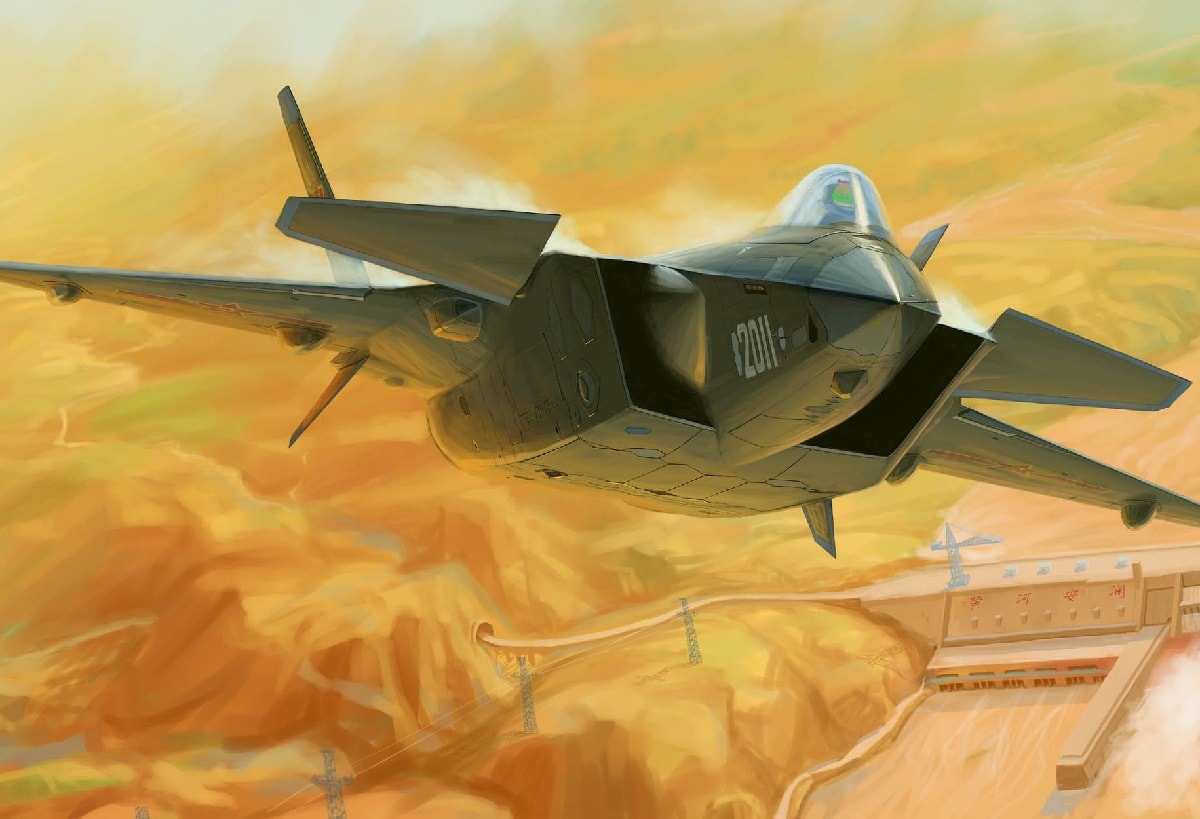
J-20 Fighter Image: Chinese Internet.
It is intended to challenge U.S. and allied air dominance in the Indo-Pacific region and plays a key role in China’s anti-access/area denial (A2/AD) strategy. Its long-range missiles, such as the PL-15, are designed for beyond-visual-range (BVR) combat, potentially outranging Western counterparts.
In 4 Words: No Easy Dog Fight
The J-20’s advanced sensors and data fusion capabilities give it an advantage over the Gripen.
However, in a close dogfight, the Gripen’s outstanding agility makes it a formidable opponent.
While the fight could come down to the pilots’ training and skill, the J-20 would prevail.
About the Author: Steve Balestrieri
Steve Balestrieri is a National Security Columnist. He served as a US Army Special Forces NCO and Warrant Officer. In addition to writing on defense, he covers the NFL for PatsFans.com and is a member of the Pro Football Writers of America (PFWA). His work was regularly featured in many military publications.