
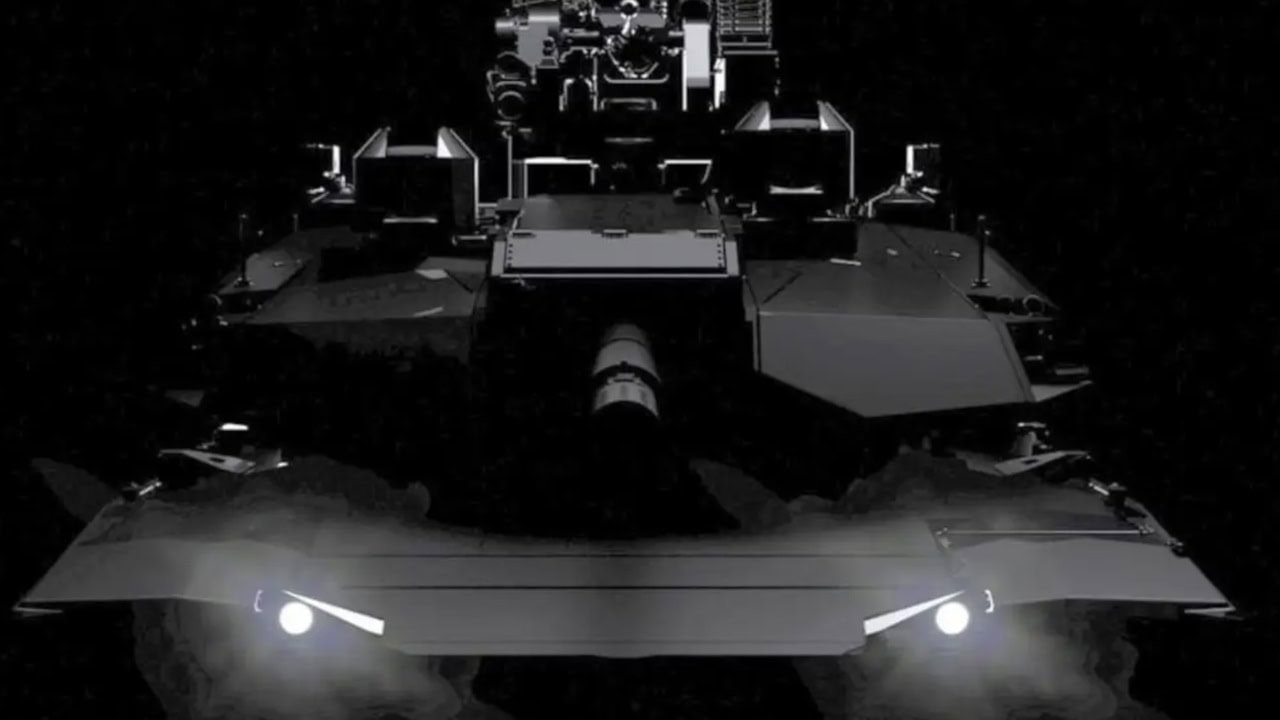
Synopsis: For years, analysts predicted that drones and precision strikes would make tanks obsolete. Ukraine’s war has complicated that narrative: tanks remain heavily used, but survivability now depends on tactics, protection, and integration with drones, EW, and artillery rather than brute armor alone. This ranking looks beyond raw tank counts to focus on the full “tank ecosystem”—industrial capacity to build and refurbish vehicles, technological sophistication (especially protection and digital integration), and real-world operational learning.
-Germany makes the list for Leopard 2 quality and industrial restart, while Poland surges through Abrams and K2 acquisitions.
-Russia’s experience and replacement capacity keep it relevant, China’s scale and modernization loom large, and the United States remains the benchmark thanks to doctrine, training, and sustainment depth.
The Tank Isn’t Dead: The 5 Biggest Armored Powerhouses Heading Into 2026
The role of tanks in modern warfare has been a topic of contentious debate among scholars since the end of the Cold War. With the onset of the Ukraine war, the tank had finally been outpaced by modern advancements and was rendered obsolete. However, after almost four years of fighting, both sides still use tanks excessively, though the advent of drones has forced both sides to change tactics regarding the use of armored forces.
Like it or not, the tank will always play a role in large-scale conventional warfare.
With geopolitical tensions heating up around the world, here is a look at the top five strongest tank powerhouses.
This is not so much a look at pure quantity (though that is also important) as at industrial capabilities, technological sophistication, and combat experience.
5: Germany
At number five, we have Germany. While Germany’s tank fleet is small compared to the other entries on this list, it deserves special attention for the quality of its tanks. Its fleet comprises Leopard 2s of various models, with the new Leopard 2A8 set to enter service around 2027.
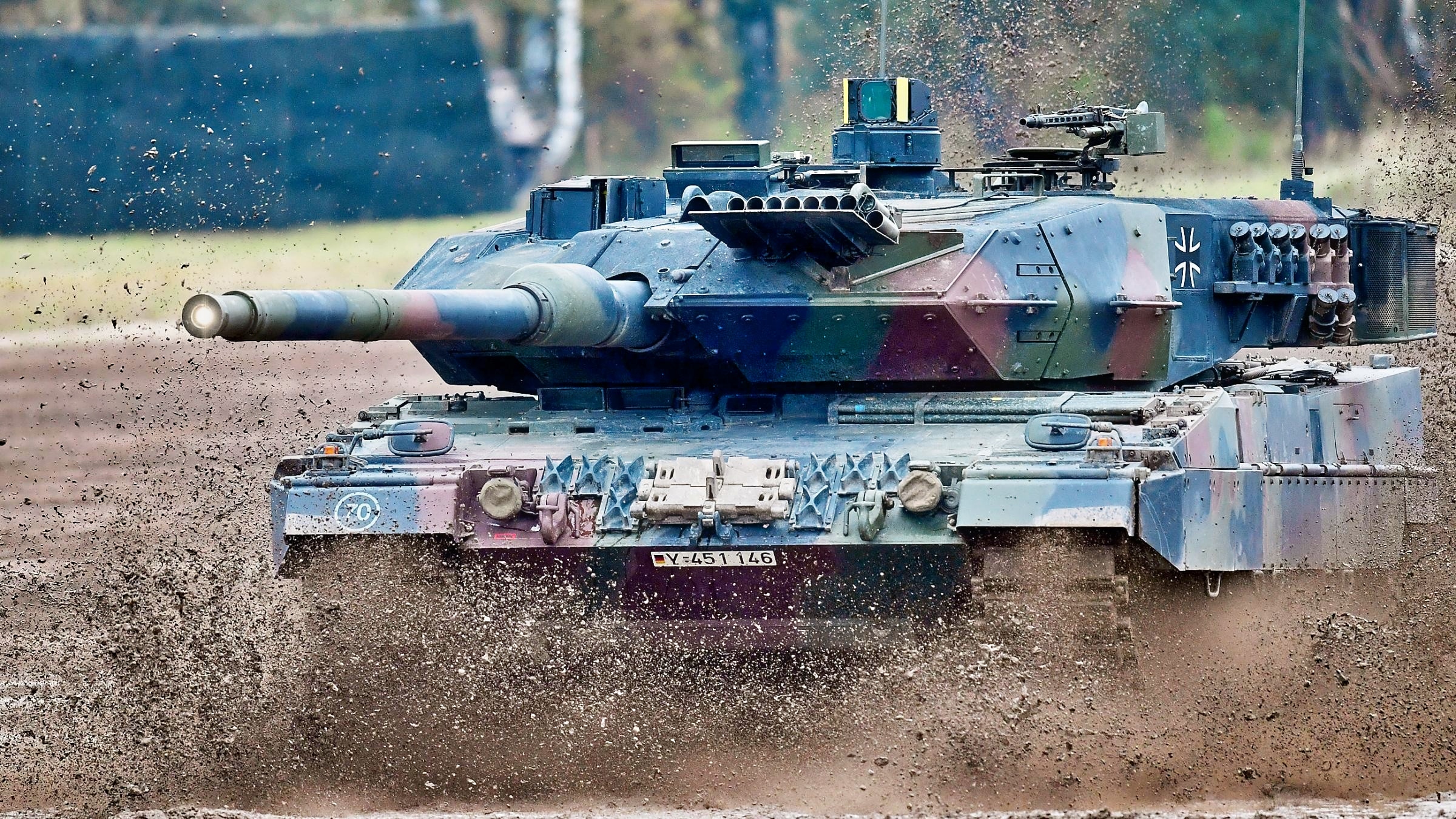
Leopard 2 Tank. Leopard 2 Tank. Image Credit: Creative Commons.
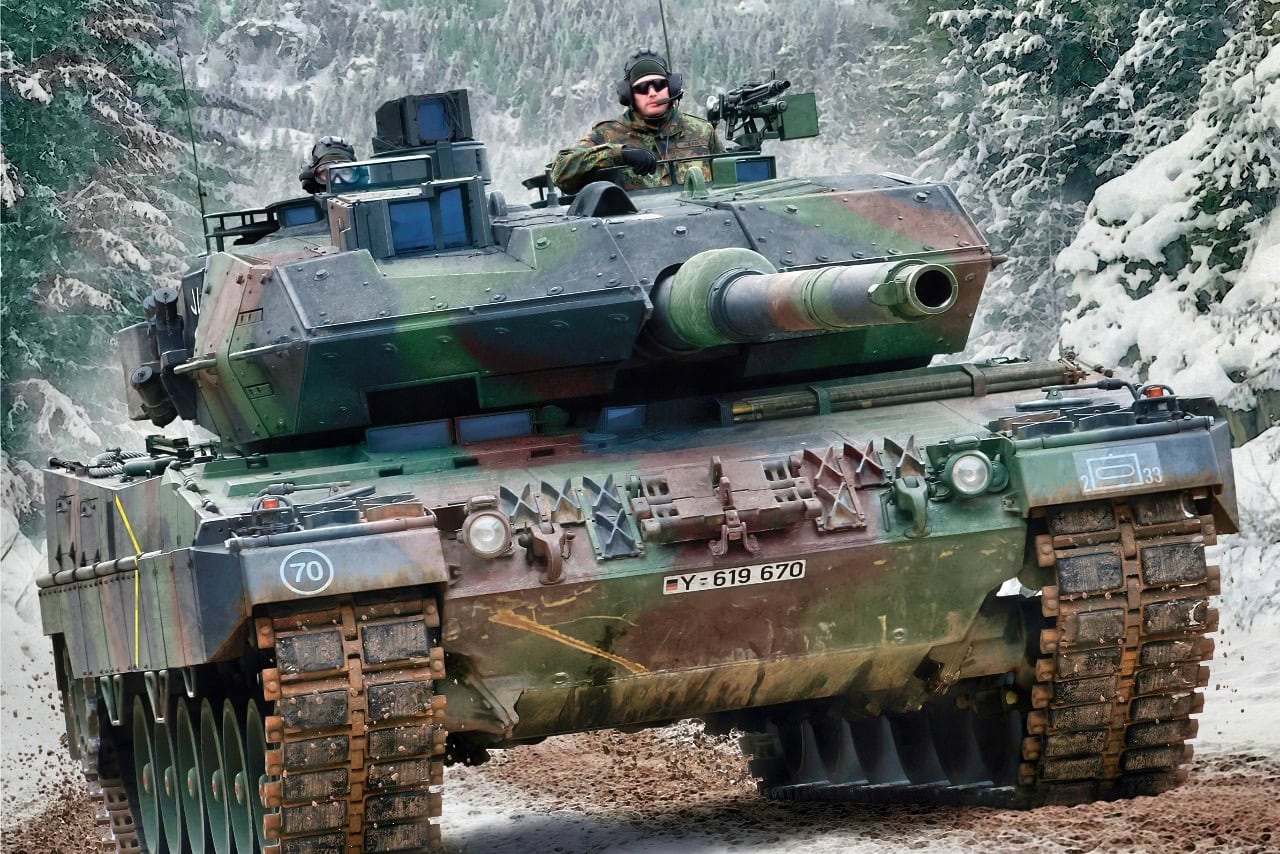
Leopard 2 Tank. Image Credit: Creative Commons.
This new variant introduces advanced protection systems, digital architecture, and improved firepower, marking the first new-build Leopard for German forces in decades.
While most deliveries will occur after 2026, the program signals a decisive shift in posture, reinforced by plans to forward-deploy heavy brigades in Eastern Europe.
Germany’s approach emphasizes quality and integration within NATO frameworks, and its industrial restart ensures that future expansion will be sustainable. Although current numbers remain modest compared to Poland’s surge, Germany’s trajectory and commitment to modernization justify its inclusion in the top tier.
4: Poland
Poland is number four on the list.
Being one of the few European nations to take its self-defense seriously, Poland has the largest tank fleet in Europe behind Ukraine and Russia.
By 2026, it will field one of the continent’s largest and most modern tank forces, built around two advanced families: the American M1A2 SEP v3 Abrams and the South Korean K2 Black Panther.
Deliveries of Abrams tanks began in early 2025 and will continue through 2026, while Poland has also secured large orders for K2 tanks with technology transfer and local assembly. This dual-track approach gives Poland a unique advantage: a diversified fleet supported by robust sustainment infrastructure and deep integration with NATO standards.
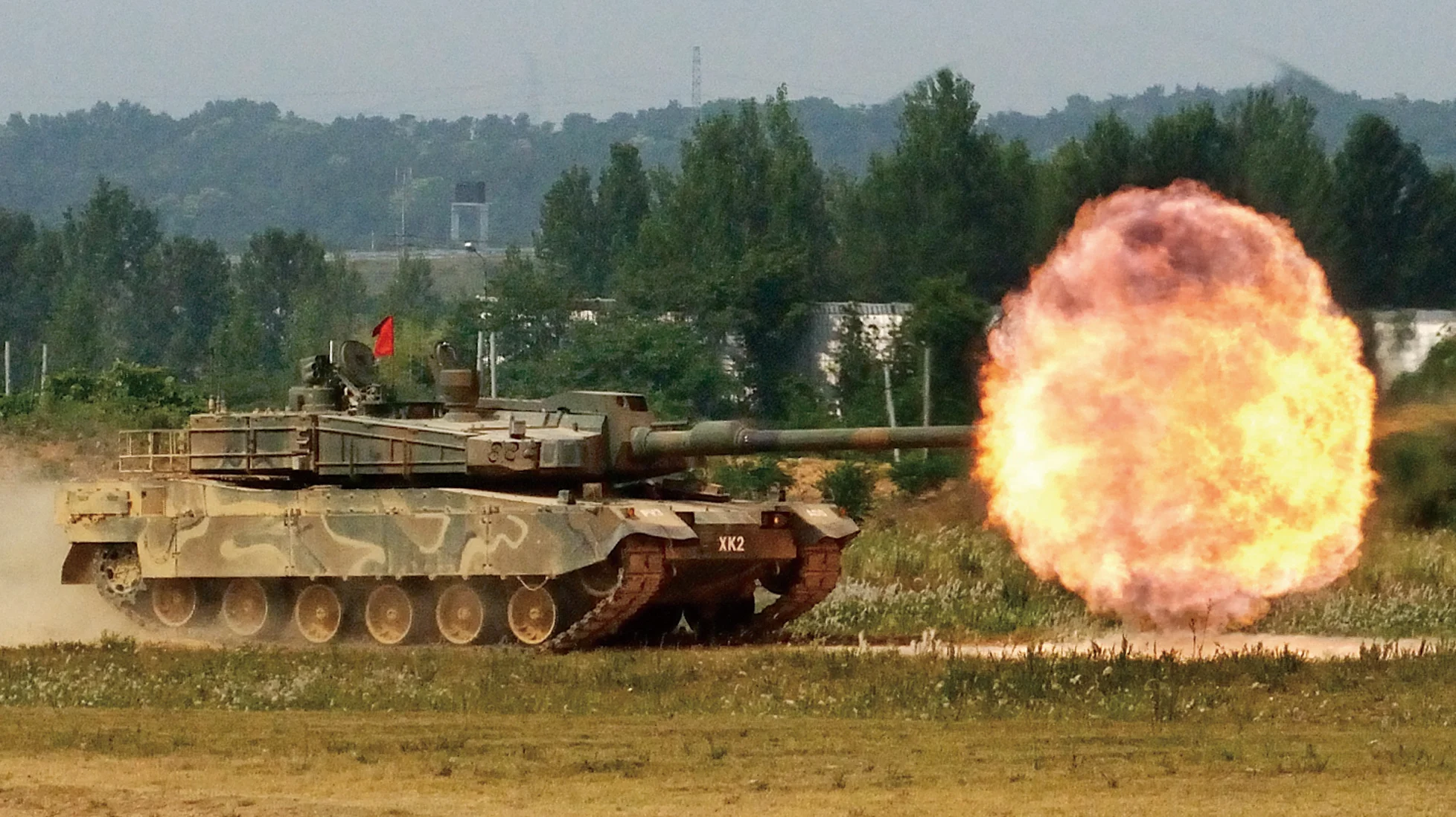
K2 Black Panther, the most expensive tank on Earth.
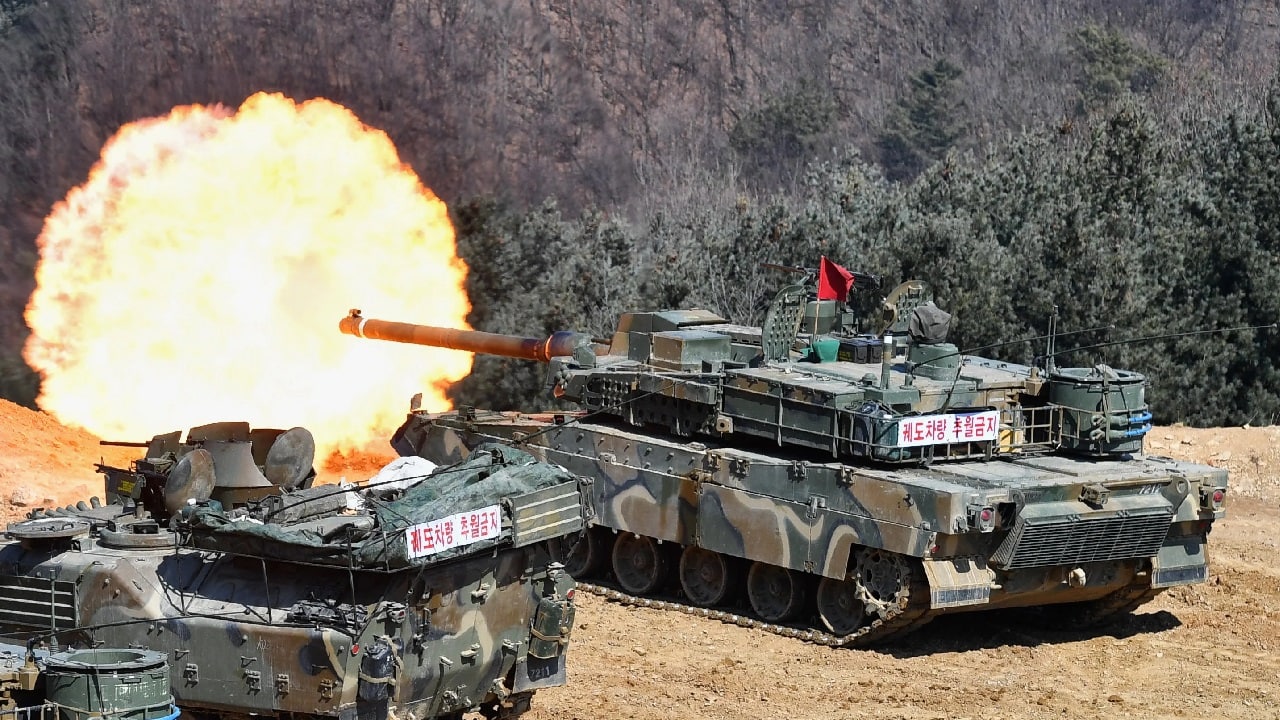
K2 Black Panther. Image Credit: Creative Commons.
Coupled with defense spending exceeding four percent of GDP and a strong training pipeline, Poland is transforming into Europe’s premier heavy armor power.
Its modernization program is not just about acquiring tanks; it is about building a comprehensive ecosystem of logistics, maintenance, and operational readiness.
3: Russia
It may be somewhat surprising to see Russia on this list, given its performance in Ukraine, but I would argue that the experience gained there actually solidifies Russia’s position. Despite naïve reports of Russia running out of tanks and armored vehicles, the Russian Federation still retains the second-highest tank fleet in the world.
What separates the Russian Army from the others is its ability to replace its losses quickly. The T-90M has become the centerpiece of this effort, with production surging under wartime conditions. Russian industry has shifted to a 24/7 tempo, refurbishing older hulls and producing new tanks to replace battlefield attrition.
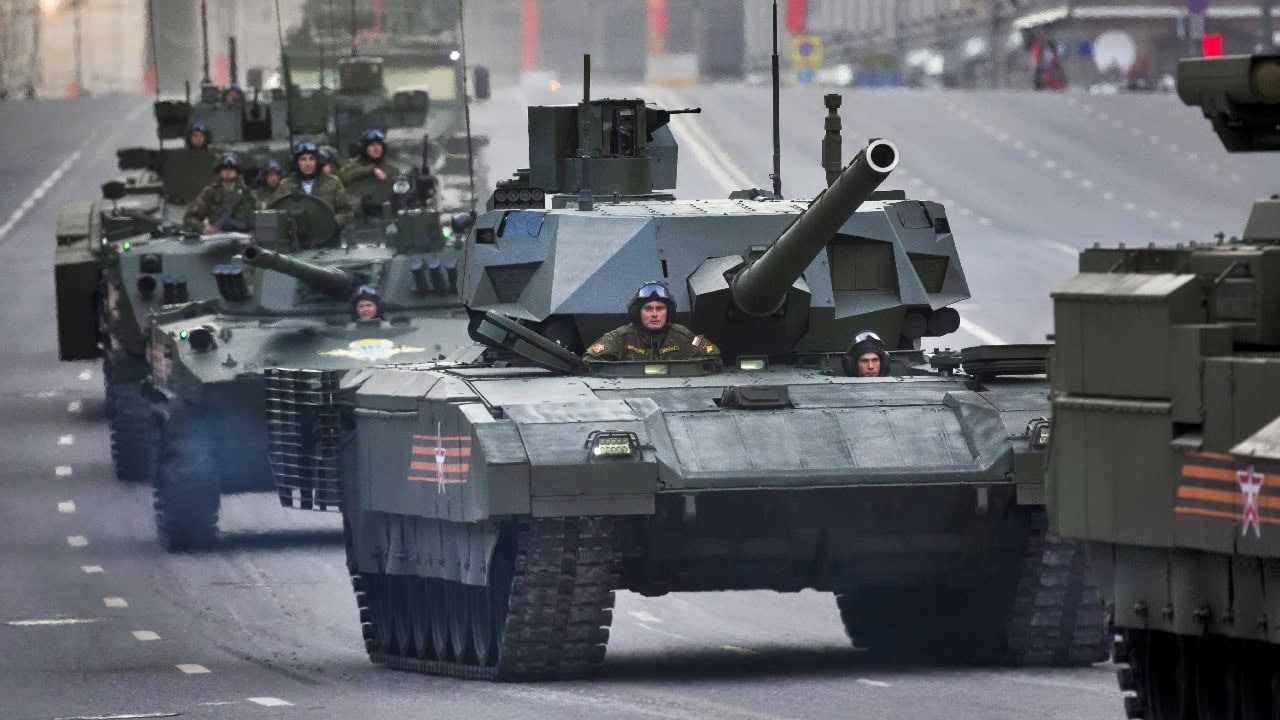
T-14 Armata Tank from Russia. Image Credit: Creative Commons.
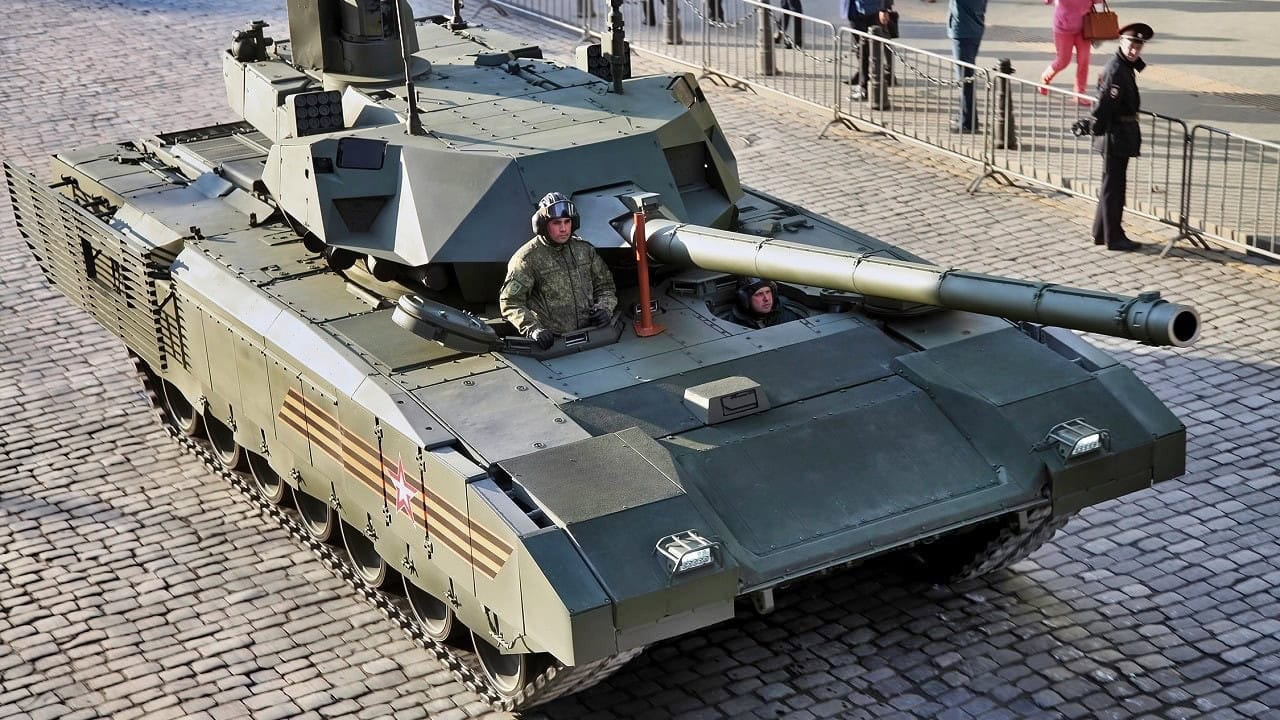
T-14 Armata Tank.
While sanctions and resource constraints limit access to advanced electronics, Russia compensates through sheer volume and incremental improvements.
Its doctrine emphasizes mass and attrition, and its forces have gained extensive combat experience under the harsh conditions of Ukraine, where tanks have faced drone swarms, precision artillery, and advanced anti-tank weapons. These lessons have driven adaptations in tactics and survivability measures.
In 2026, Russia’s tank force remains significant, not because of cutting-edge technology, but because of industrial resilience and operational experience.
2: China
China enters 2026 with the largest tank fleet by far, estimated at 6,800 operational tanks.
The People’s Liberation Army fields heavy brigades built around the Type 99A and Type 96B tanks, supported by lighter platforms like the Type 15 for high-altitude operations.
A growing emphasis on digitization and networked warfare complements these fleets.
What sets China apart is its industrial capacity and willingness to experiment with new technologies. Recent developments include hybrid-powered tank prototypes aimed at improving mobility, reducing acoustic signatures, and providing additional electrical power for advanced systems such as active protection and electronic warfare suites.
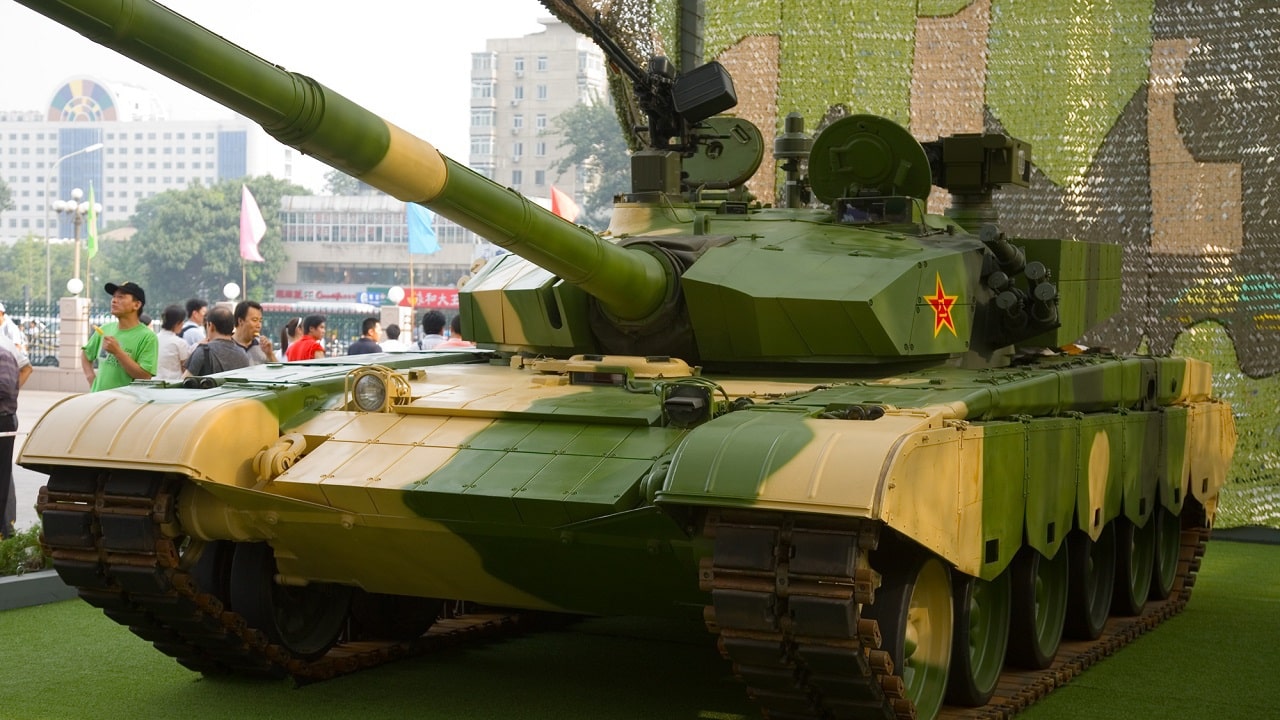
Type 99. Image Credit: Creative Commons.
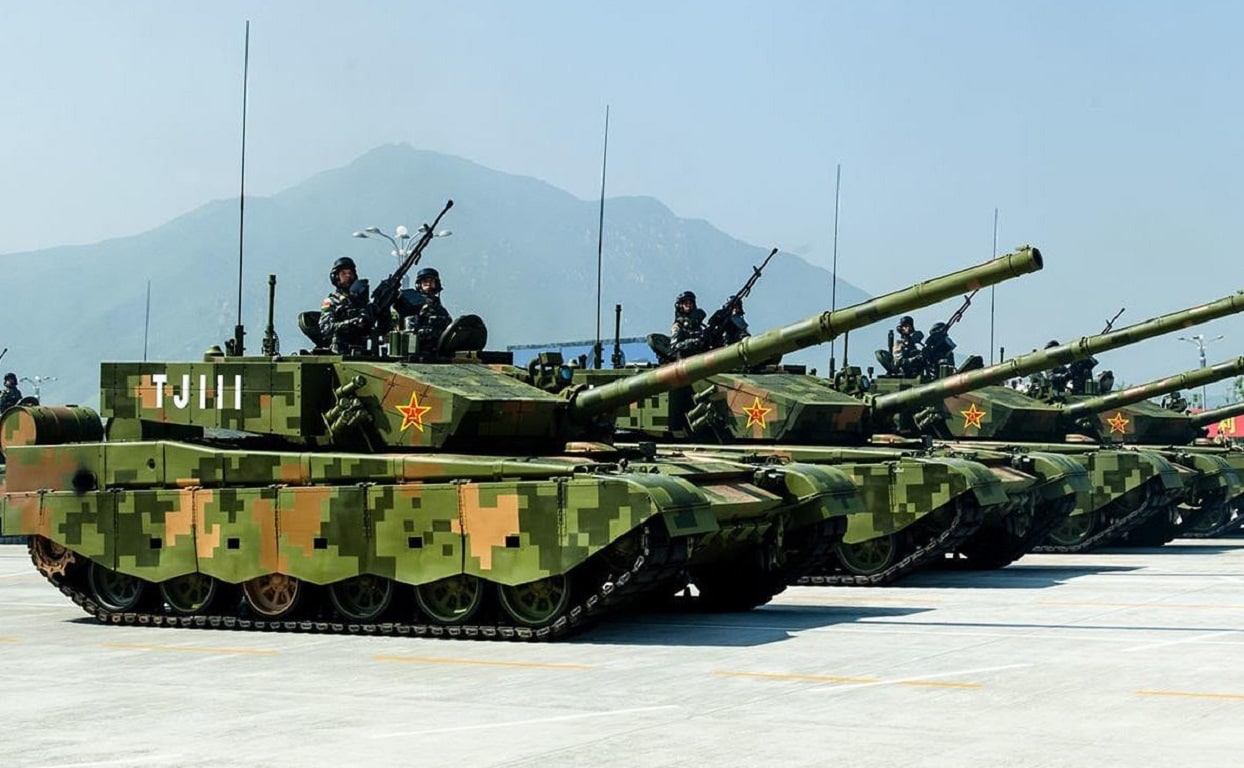
Type 99 Tank from China. Image: Creative Commons.
The one thing holding China back is its lack of experience in full-scale armored warfare, thus leaving the PLA as an untested fighting force. However, its combination of scale, modernization, and industrial autonomy positions it as a formidable armored force capable of rapid adaptation.
1: The United States
As 2026 approaches, the United States remains the global benchmark for heavy armored forces.
This is not simply because the M1 Abrams is a good tank, but rather because the U.S.’s combination of advanced training ecosystems, integrated command-and-control, and a sustainment base ensures endurance.
The latest Abrams standard, the M1A2 SEP v3, introduces improved power management, digital architecture, and compatibility with active protection systems like Trophy, which significantly enhances survivability against modern threats such as drones and advanced anti-tank missiles. These upgrades, combined with the Army’s emphasis on network-centric warfare and combined-arms integration, keep American heavy formations at the forefront.
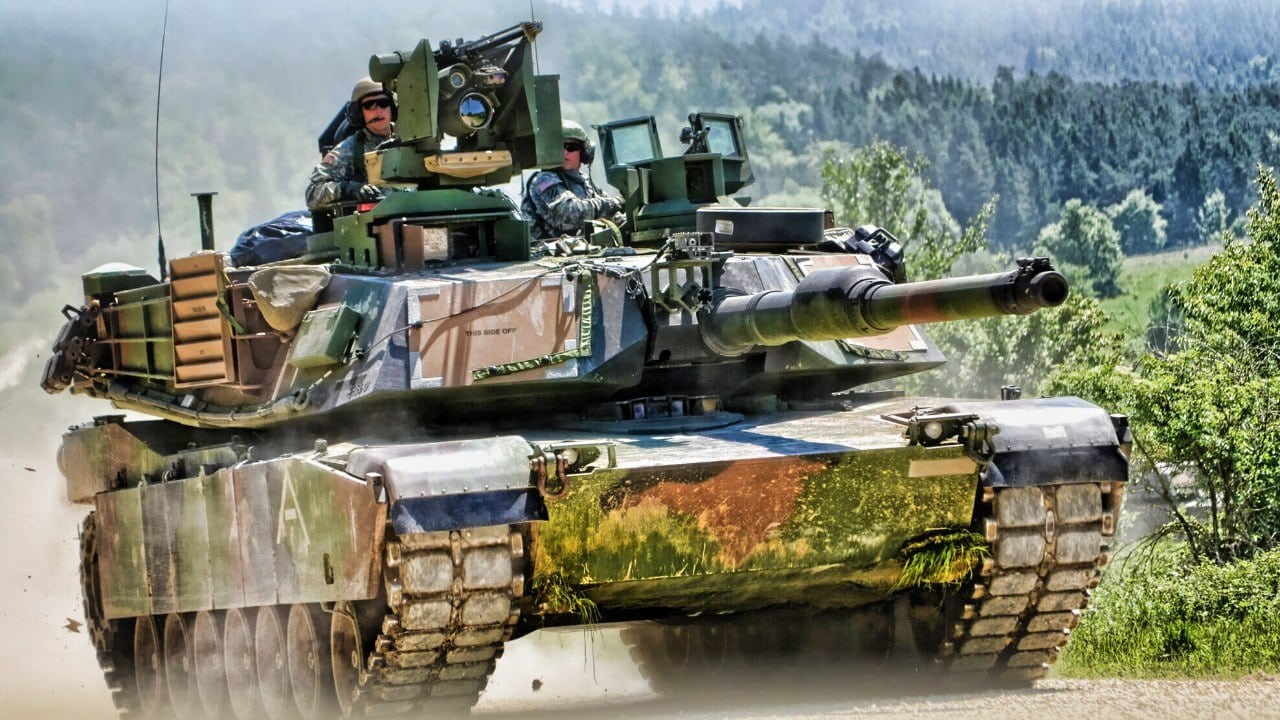
Poland M1 Abrams Tank. Image Credit: General Dynamics.
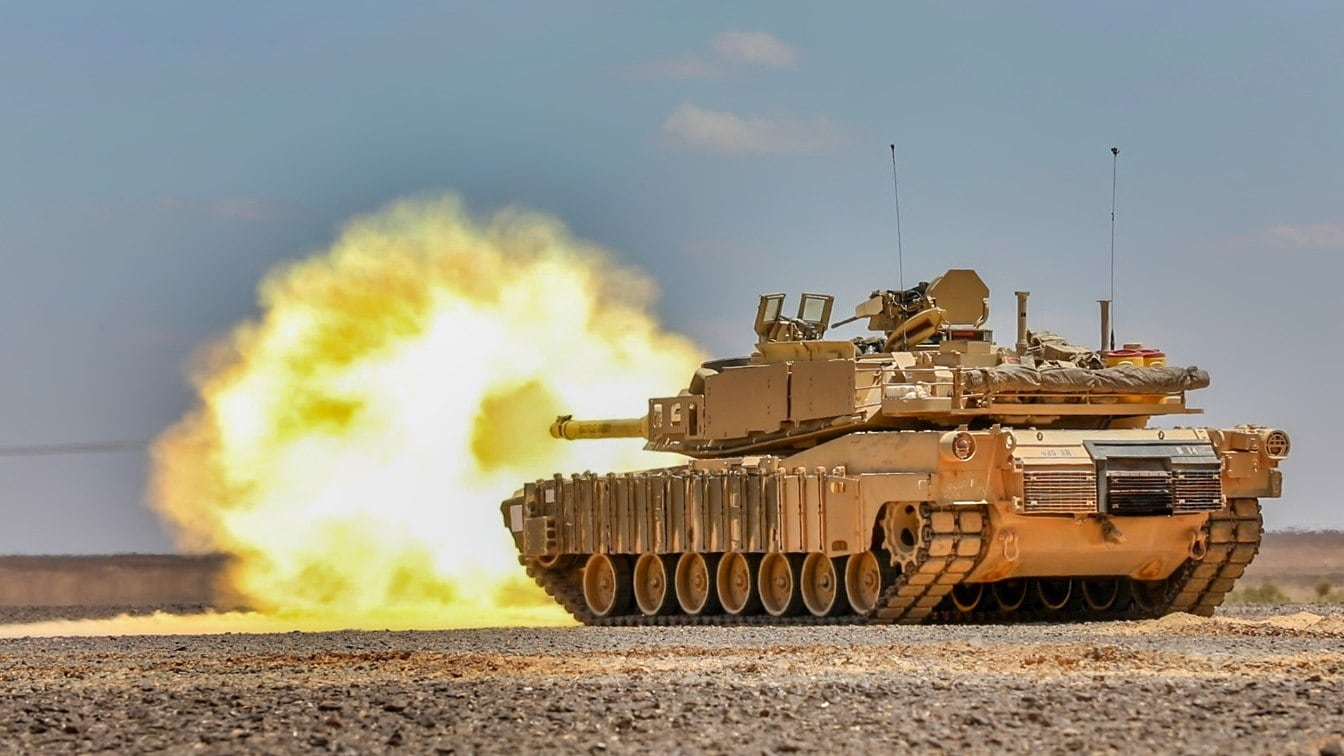
A U.S. Army M1A1 Abrams tank fires as part of Eager Lion 2024 at Training Area 5, Jordan, May 13, 2024. Eager Lion 24 is a multilateral exercise, with 33 participating nations, hosted by the Hashemite Kingdom of Jordan, designed to exchange military expertise, and improve interoperability among partner nations, and considered the capstone of a broader U.S. military relationship with the Jordanian Armed Forces. Jordan is one of U.S. Central Command’s strongest and most reliable partners in the Levant sub-region. (U.S. Army photo by Spc. Nataja Ford)
Not only does the U.S. have many good tanks, but it also has a highly sophisticated battle doctrine to ensure the best use of armored formations. While America’s industry has been lacking in recent decades, the U.S. Army still has extensive expertise and experience in tank production and doctrine.
This combination of technology, doctrine, and logistics ensures that the United States retains the world’s most capable and resilient tank force.
About the Author: Isaac Seitz
Isaac Seitz, a Defense Columnist, graduated from Patrick Henry College’s Strategic Intelligence and National Security program. He has also studied Russian at Middlebury Language Schools and has worked as an intelligence Analyst in the private sector.