
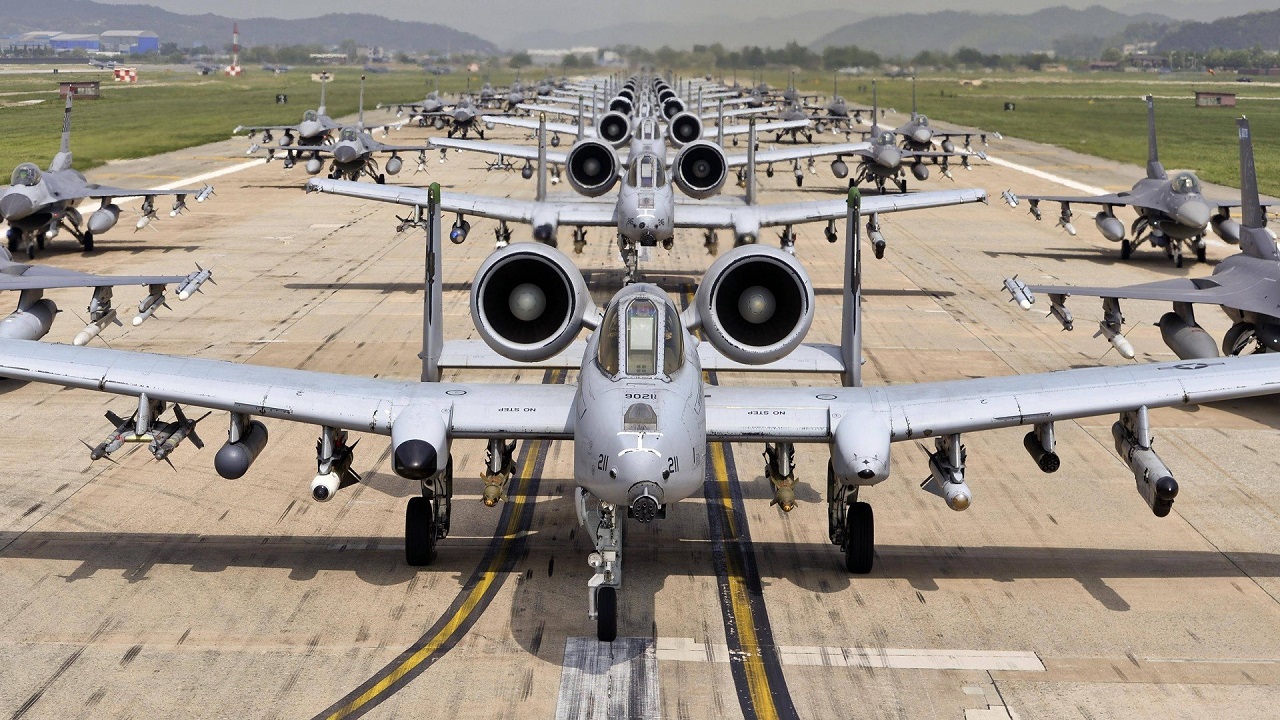
Key Points and Summary – The case to retire the A-10 Warthog centers on survivability and relevance: it’s slow, non-stealthy, and built for low-altitude attacks that are dangerous against modern air defenses and MANPADS.
-The Air Force also argues multirole jets and drones can cover CAS while funding shifts to higher-end priorities.
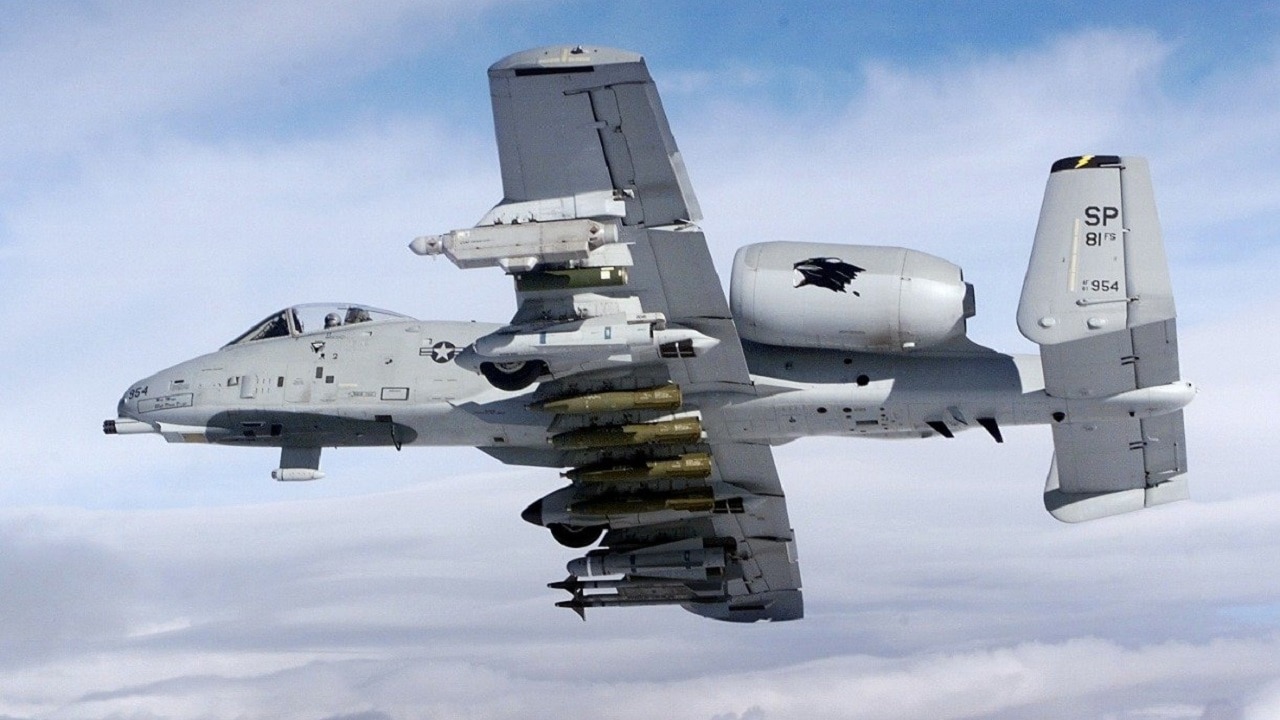
A-10 Warthog. Image Credit: Creative Commons.
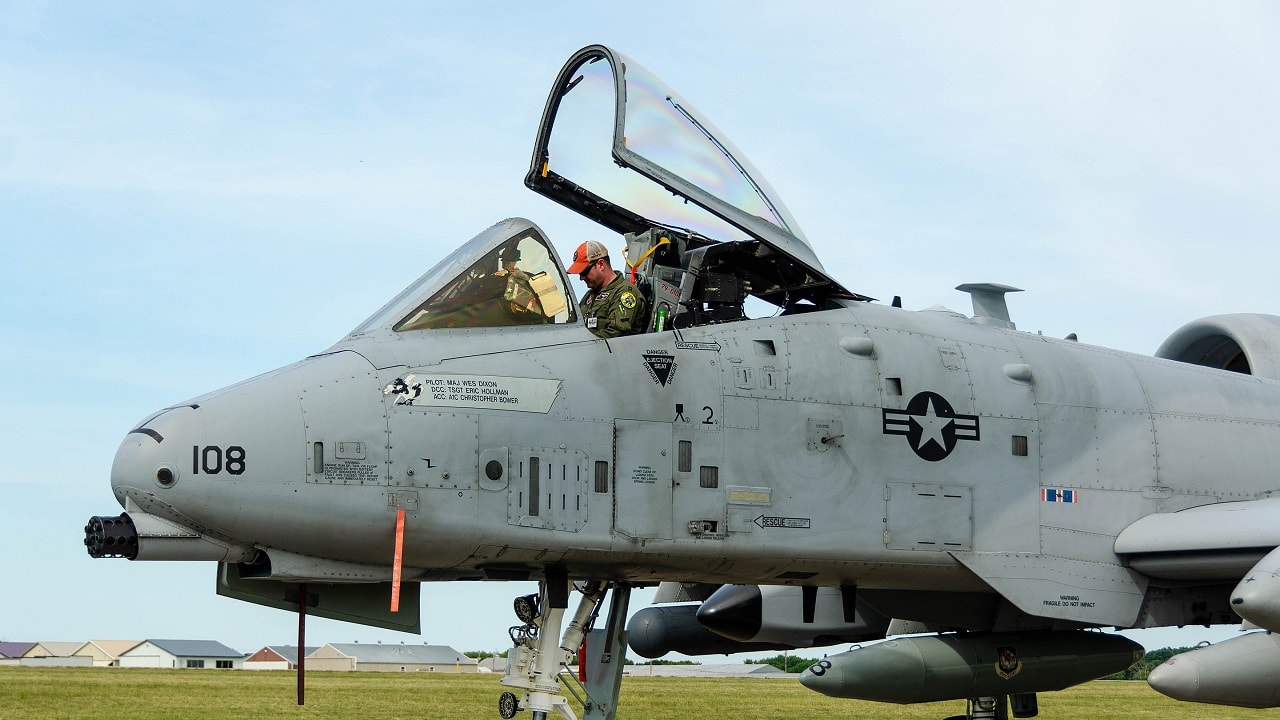
A-10 Warthog. Image Credit: Creative Commons.
-The counterargument is simple: no platform matches the A-10’s low-and-slow responsiveness, GAU-8 cannon, and proven ability to protect troops in contact at relatively low operating cost.
-Upgrades have kept it viable, and removing it risks losing specialized CAS expertise before a true replacement arrives.
Keep Or Retire The A-10? The Hard Truth About What Replaces The Warthog
With the A-10 Warthog now being set to retire, the question is whether retirement is the right choice or whether the aircraft still has a place on the modern battlefield.
Is the A-10 Outdated?
The case for retiring the A-10 begins with its vulnerability in modern air defense environments. The A-10 fared well during the Global War on Terror when Al-Qaeda and IS had little to no air defenses.
Its slow speed, lack of stealth, and low-altitude operating profile make it highly vulnerable to modern integrated air defense systems or contested areas saturated by MANPADS. In a high-end fight against near-peer adversaries, the A-10 would likely be a liability rather than an asset.
Today’s contested skies favor stealth and long-range precision strikes over low-and-slow gun runs. Furthermore, the Air Force argues that multirole platforms like the F-35 and F-15EX can perform CAS missions while also excelling in air superiority and strike roles.
While these jets lack the A-10’s massive cannon, they compensate with advanced sensors, precision-guided munitions, and the ability to operate from standoff ranges. In an era of shrinking budgets, maintaining a single-purpose aircraft is increasingly seen as inefficient.
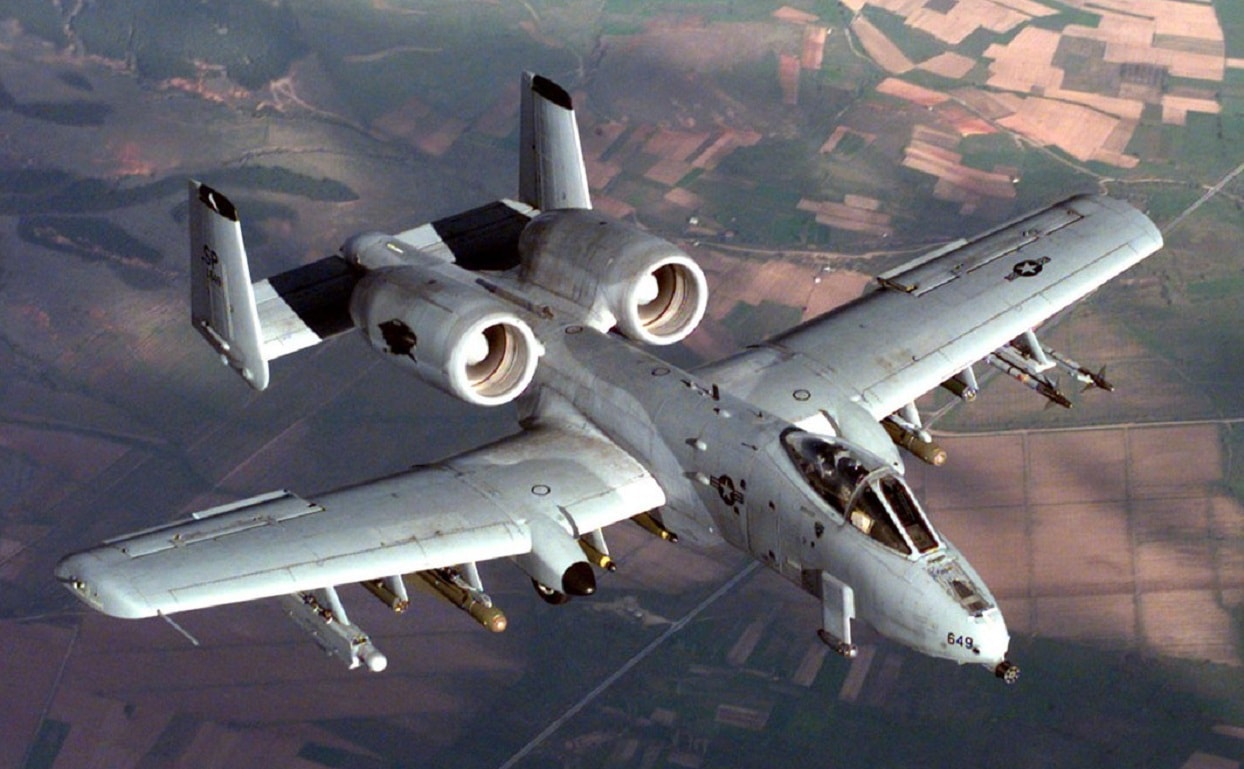
A-10 Warthog Image: Creative Commons.
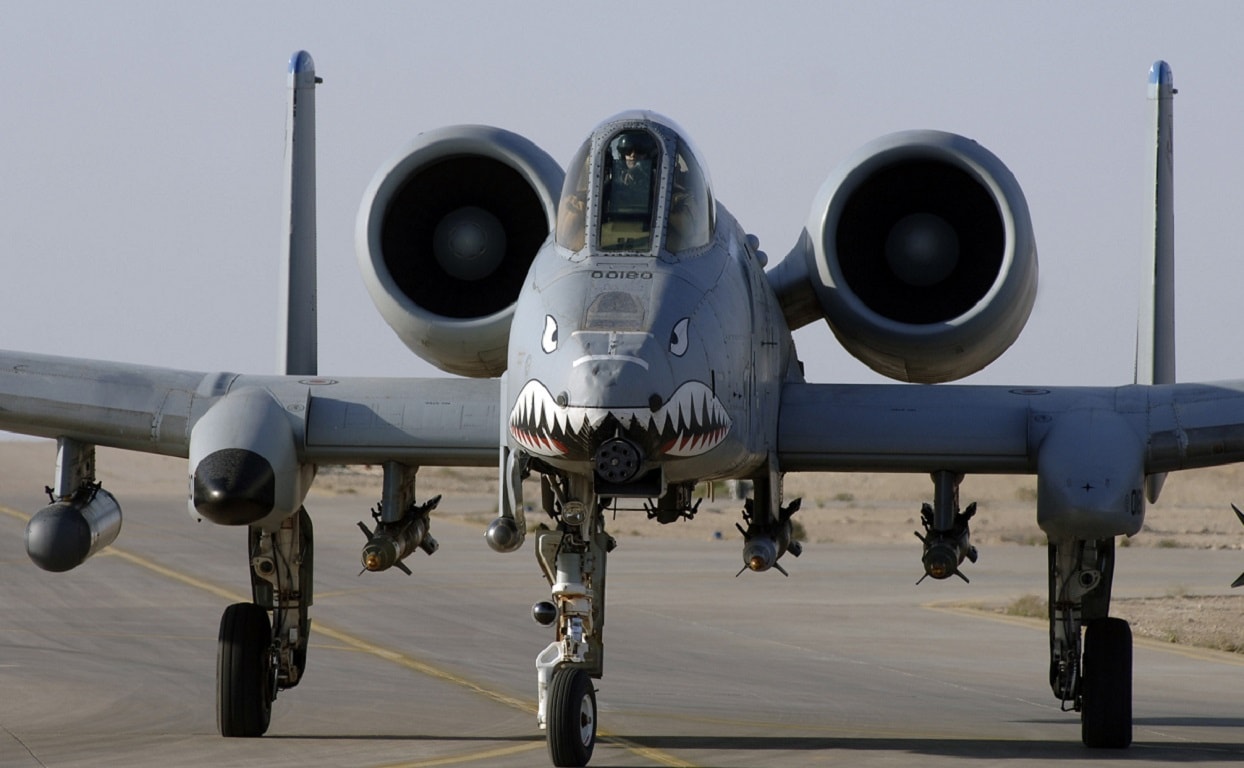
An A-10 Thunderbolt II prepares to take off from Al Asad Air Base, Iraq to provide close air support to ground troops in Iraq. The 438th Air Expeditionary Group A-10 jets perform 10 sorties daily–900 in this last four months. (U.S. Air Force photo/Tech. Sgt. Cecilio M. Ricardo Jr.)
Another argument for retirement is rising sustainability costs.
Although it is cheaper to operate than stealth fighters, the A-10 fleet is aging. Most airframes are over 40 years old, requiring expensive structural overhauls and wing replacements to remain airworthy.
The Air Force estimates that retiring the A-10 could save hundreds of millions annually in operations and maintenance, freeing funds for next-generation programs like the B-21 Raider bomber and F-47.
The geopolitical landscape has also changed in the last several decades. U.S. defense priorities have shifted from counterinsurgency campaigns to preparing for high-end conflicts in the Indo-Pacific.
These scenarios demand stealth, speed, and survivability, all of which the A-10 lacks. Continuing to invest in a platform optimized for low-intensity warfare risks misaligning resources with future threats.
Finally, advances in drone technology further erode the A-10’s niche. Armed UAVs like the MQ-9 Reaper and future autonomous systems can loiter for extended periods, deliver precision strikes, and operate without risking pilots’ lives. While drones cannot yet fully replicate the A-10’s psychological impact or heavy gunfire, they represent a growing share of CAS capability.
Arguments in Favor of the A-10
On the other hand, there are also some equally compelling arguments in favor of keeping the Warthog. The A-10 offers unmatched close air support capabilities. It was designed around the GAU-8/A Avenger Gatling gun.
This weapon, combined with the aircraft’s ability to fly low and slow, makes the Warthog uniquely effective at destroying tanks, armored vehicles, and fortified positions.
This also includes the 11 hard points that aircraft have that can carry rocket pods, missiles, and guided bombs.
No other aircraft offers this level of direct firepower for troops in contact.
Its proven combat record reinforces this point. From Desert Storm to Afghanistan and Iraq, the A-10 has repeatedly demonstrated its value.
During Desert Storm alone, A-10s destroyed over 900 Iraqi tanks and thousands of vehicles and artillery pieces. Its ability to absorb damage and return home, sometimes with one engine, one tail, or significant wing loss, has saved countless lives.
Contrary to some claims, the A-10 remains one of the most cost-effective aircraft in the Air Force inventory. Its operating cost per flight hour is significantly lower than that of the F-35. In an era of constrained budgets, retaining the A-10 provides a financially viable way to maintain CAS capability without relying solely on expensive stealth platforms.
Moreover, the A-10 is not frozen in the 1970s. Upgrades such as precision engagement kits, advanced targeting pods, GPS-guided munitions, and digital avionics have kept the Warthog relevant.
The “A-10 Common Fleet Initiative” even replaced wings and improved cockpit systems, extending its service life into the 2030s if desired.
A-10 pilots undergo rigorous CAS training, often far exceeding that of multirole fighter pilots. This specialized skill set ensures ground troops receive precise, responsive support. Eliminating the A-10 risks eroding this culture and expertise, which cannot be easily replicated by pilots flying F-35s or drones.
Every attempt to retire the A-10 has met fierce resistance from Congress and the military community. Lawmakers claim that its role is irreplaceable, while troops often describe the Warthog as a lifesaver in dire situations.
What to Do With the Warthog?
The Warthog still has a place in modern warfare, despite its lack of stealth and fairly limited avionics.
In Ukraine, for example, both sides have been heavily reliant on the Su-25 Frogfoot, an aircraft that is similar in role to the A-10.
The Su-25 is frequently used to deliver CAS and indirect fire support for both sides, despite MANPADS and long-range air defenses on both sides. This indicates the enduring relevance of study and robust dedicated CAS aircraft even in the face of integrated air defenses.
The Air Force has no direct replacement for the A-10.
While the F-35 can perform CAS from standoff ranges, it lacks the Warthog’s loiter time and heavy gun. Rotary-wing assets and drones can supplement CAS, but none can fully replicate the A-10’s pure firepower.
Future concepts such as autonomous wingmen and sixth-generation fighters may eventually fill the gap, but these projects are still years away from achieving full operational status.
About the Author: Isaac Seitz
Isaac Seitz, a Defense Columnist, graduated from Patrick Henry College’s Strategic Intelligence and National Security program. He has also studied Russian at Middlebury Language Schools and has worked as an intelligence Analyst in the private sector.