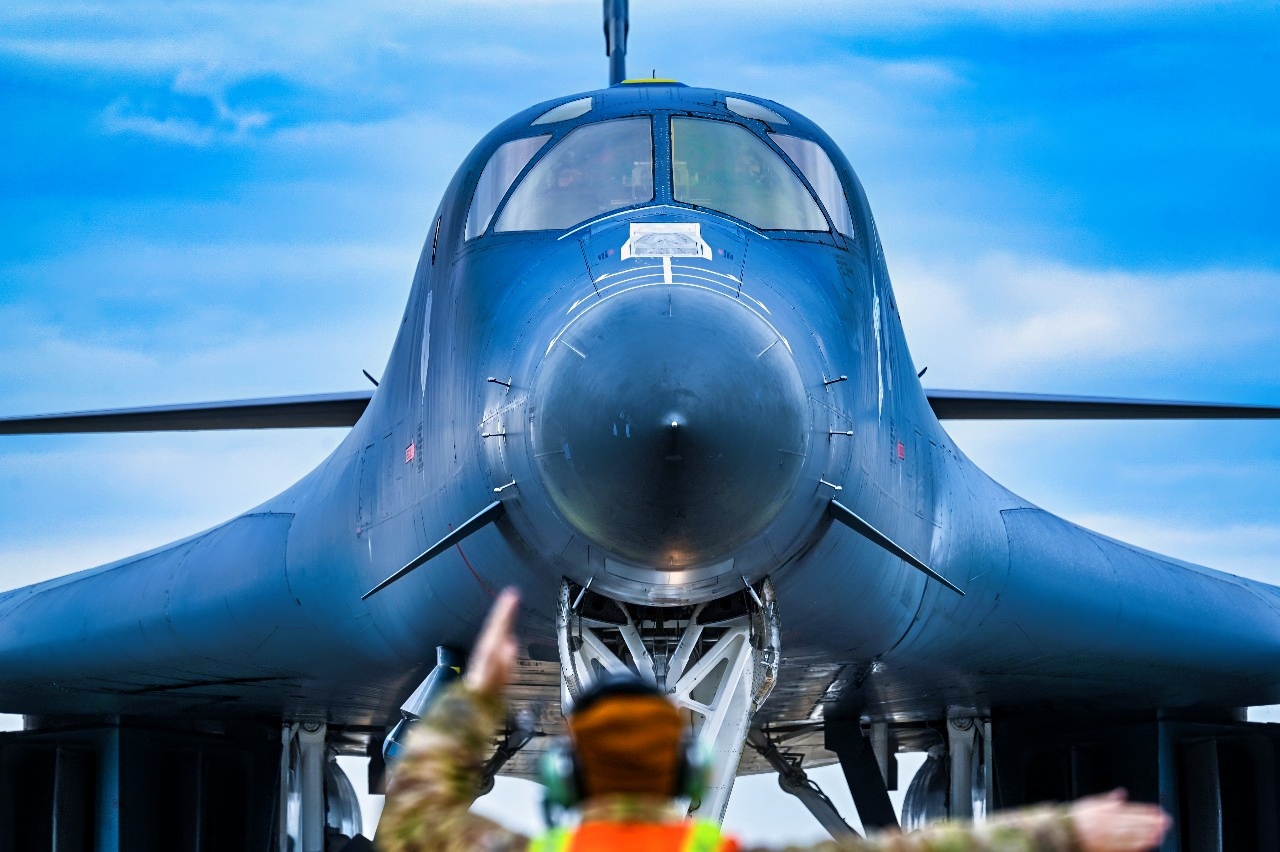
Synopsis: The Air Force’s long-running “bomber deficit” is resurfacing as global tasking grows faster than available, ready aircraft.
-The central risk is timing: legacy bombers like the B-1B, B-52, and B-2 are aging, while the B-21’s production ramp remains uncertain.
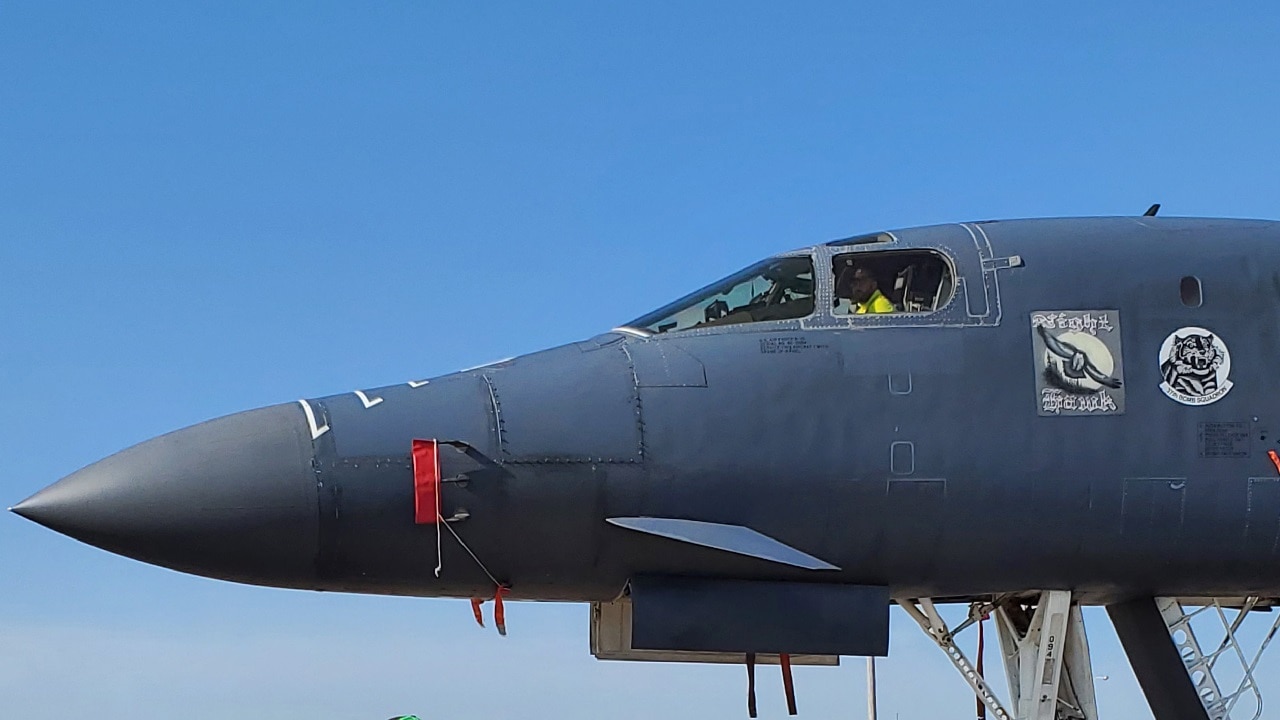
A B-1B Lancer, tail number 86-0094, is moved across Douglas Blvd. to the Maintenance Repair and Overhaul Technology Center (MROTC) to receive an initial portion of Gate 1 of programmed depot maintenance April 21. 567th AMXS personnel will perform three days of maintenance which include single system checks on 40 individual actuators validating voltage outputs as
well as interrogating each actuator for hydraulic leaks. After single systems are completed, the horizontal stabilizers will be removed from the aircraft. This is the first time that horizontal stabilizers have ever been removed at the MROTC. Once complete, the aircraft and horizontal stabilizers will be brought back across Douglas to the 569th AMXS strip facility for plastic media blasting. Once stripped, the horizontal stabilizers will be routed to the 76th Commodities Maintenance Group for overhaul and repairs. (U.S. Air Force photo/Kelly White)
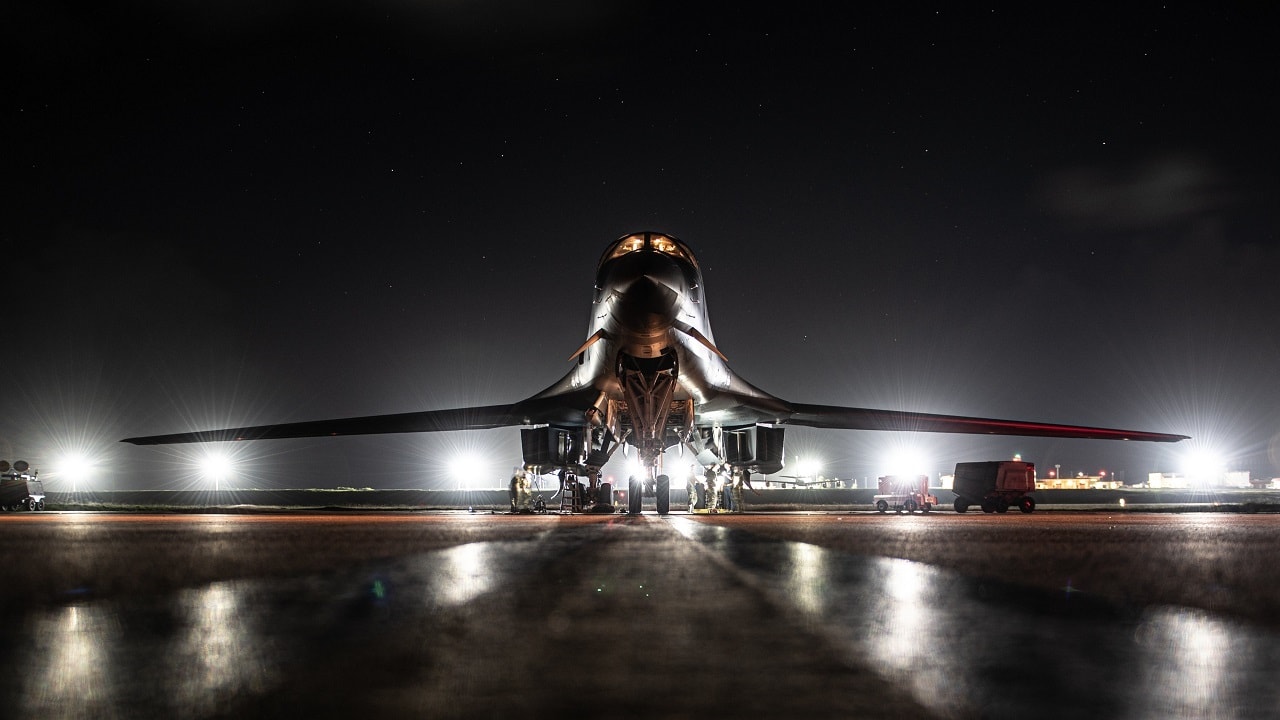
B-1B Lancer Bomber. Image Credit: U.S. Air Force.
-If retirements outpace deliveries, the service could face a serious readiness gap.
-The counterargument is that modernization can buy time—upgraded B-2s, expanded B-1B weapons capacity, hypersonic integration, and major B-52 upgrades including new engines and connectivity.
-The key variable is whether B-21 output can surge beyond baseline rates.
America Doesn’t Have Enough Bombers: Can the Air Force’s B-21 and B-52J Close the Gap?
Years ago, the US Air Force wrote what it termed a “bomber vector,” a strategic document that identified the services’ bomber deficit and suggested a potential remedy.
The core issue was a growing discrepancy between the needs and requests of combatant commanders and available, ready bomber platforms.
This problem has existed for many years and has only grown more pressing as requirements for bomber task force deployments worldwide, including in the Pacific, continue to increase.
Bomber Challenges
The challenge has been to find the necessary balance between introducing new platforms and upgrading legacy platforms, with a specific focus on current force readiness and the “pace” of the production and delivery of new platforms. The service’s primary concern has been, quite simply, that there are not enough available bombers to support the Air Force’s global national security mission.
This predicament is very much on the Air Force’s radar now, as the service seeks to establish a solid, workable balance between the retirement of aging legacy platforms such as the B-1B, B-52, and B-2, and the arrival of the much anticipated B-21.
While several B-21s are currently “airborne,” it is not clear how long it will take for the bombers to join the fleet in large numbers, as it pertains to an Air Force-Northrop collaborative ability to surge production.
Will aging current platforms be retired before sufficient numbers of B-21s are available? Could this create a distinct and concerning national security liability or gap in air combat readiness?
The answer to this question hangs precariously on the thin branches of yet-to-be-determined contingencies and on the continued success of modernizing existing platforms.
These contingencies are quite clear and specific; will the B-21 be sufficiently accelerated with a surge in production?
Can massively upgraded legacy platforms remain viable, credible, relevant, and superior for years beyond their anticipated service life?
Enough B-21s?
The answer to both of these questions seems to be a possible “yes,” to flash a glowing, optimistic light upon the service’s perennial bomber deficit problem.
Here are the reasons: Northrop and the Air Force will likely explore ways to accelerate B-21 production and delivery, even if it means opening another production facility.
The notional goal is to deliver at least two B-21s per year, yet even if achievable, this may not be fast enough.
The service seeks at least 100 B-21s, and worsening threat conditions mean delivering 20 over the next 10 years seems insufficient.
Is there a way to flex to three or four B-21 deliveries? This seems like an important question to answer, particularly given the limited number of B-2s, potential delays with the B-52J, and a rapidly aging fleet of B-1Bs.
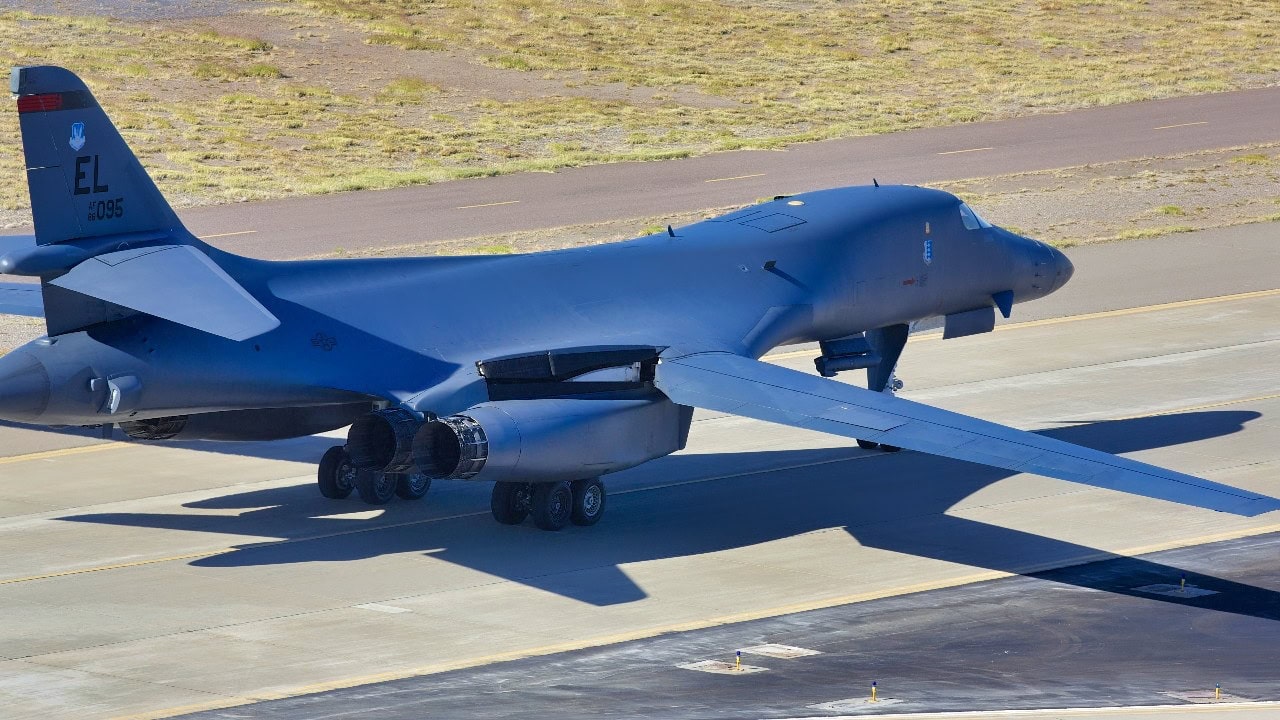
B-1B Lancer Bomber. Image Credit: Creative Commons.
However, all hope is by no means lost, given the overwhelming evidence that legacy platforms can be sustained, modernized, and upgraded to a massively successful extent.
With some structural maintenance and reinforcement, airframes for combat platforms such as the B-52 or B-1B can remain viable for decades beyond their expected service life.
Not only that, but bombers like the B-2 have become almost entirely different aircraft through massive, wide-ranging upgrades.
In recent years, the Air Force has also reconfigured the B-1B’s weapons bay to carry more weapons, increasing its magazine capacity from 24 to 40.
The adjustments to the bomb bay will also enable the B-1B to carry hypersonic weapons, significantly increasing the aircraft’s lethality.
The bomb bay itself has been massively reconfigured in anticipation of weapons that do not yet exist.
Accommodating hypersonic weapons in a B-1B bomb bay has several strategic implications: not only does it massively increase the target envelope and range, but it also allows for longer mission “dwell” time over targets to sustain attacks.
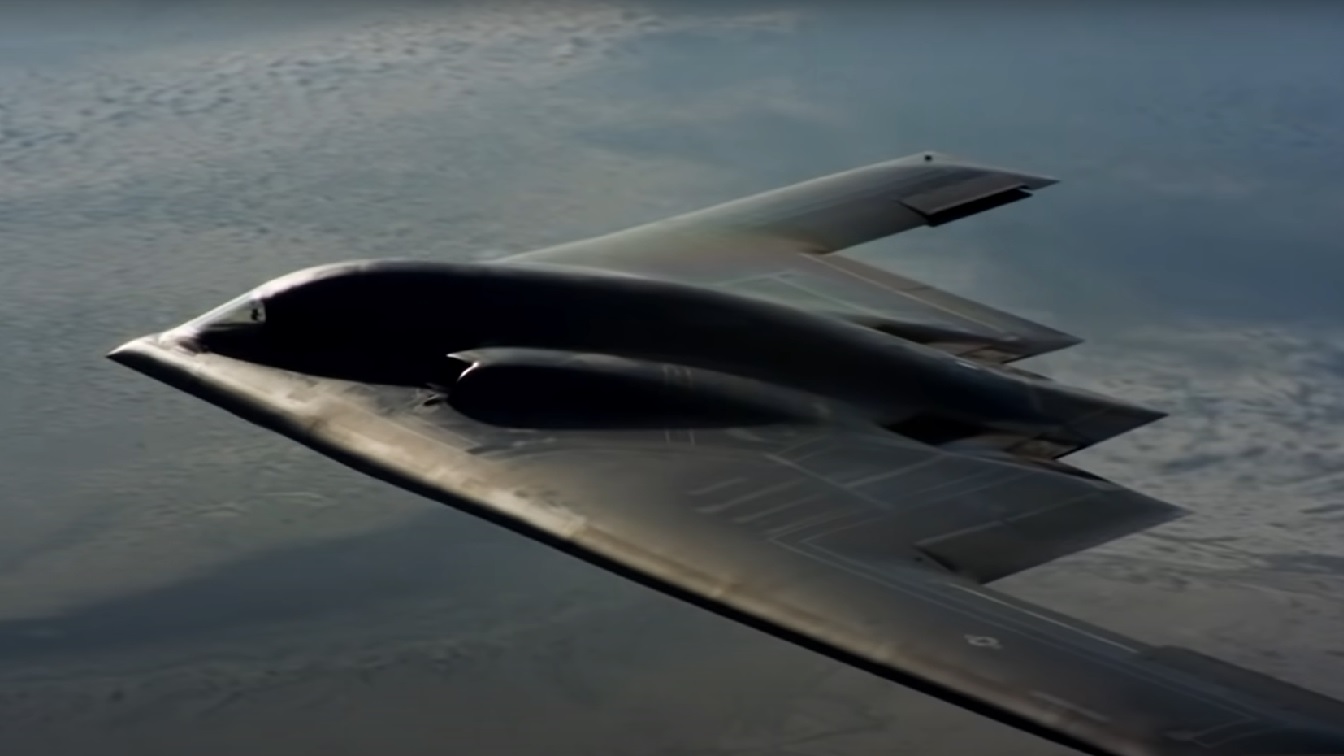
B-2 Spirit. Image Credit: Northrop Grumman.
Integrating hypersonic weapons serves two key Air Force aims: accelerate their deployment to war and sustain and upgrade the B-1 to the fullest extent.
Integrating large hypersonics also aligns with the Air Force’s broader intent to rapidly integrate innovations from the science and technology realm into operational use.
Air Force B-52 Bomber and Beyond
This appears to be the case with the B-52 because, although the aircraft is a Vietnam-era plane with a classic history, today’s B-52 is almost an entirely different aircraft due to the nature and extent of the upgrades.
Within the last decade, the B-52 has undergone a communications technology overhaul, an internal weapons bay reconfiguration, new weapons interfaces, and the development of the ability to launch drones. Perhaps of greatest significance, the B-52 is receiving a new F-130 engine.
A B-52 could also be easily configured to launch drone swarms from the air to achieve tactical surprise by blanketing an area with ISR, testing enemy air defenses, or even attacking as mini-explosives.
About the Author: Expert Kris Osborn from Warrior Maven
Kris Osborn is the President of Warrior Maven – Center for Military Modernization. Osborn previously served at the Pentagon as a highly qualified expert in the Office of the Assistant Secretary of the Army—Acquisition, Logistics & Technology.