
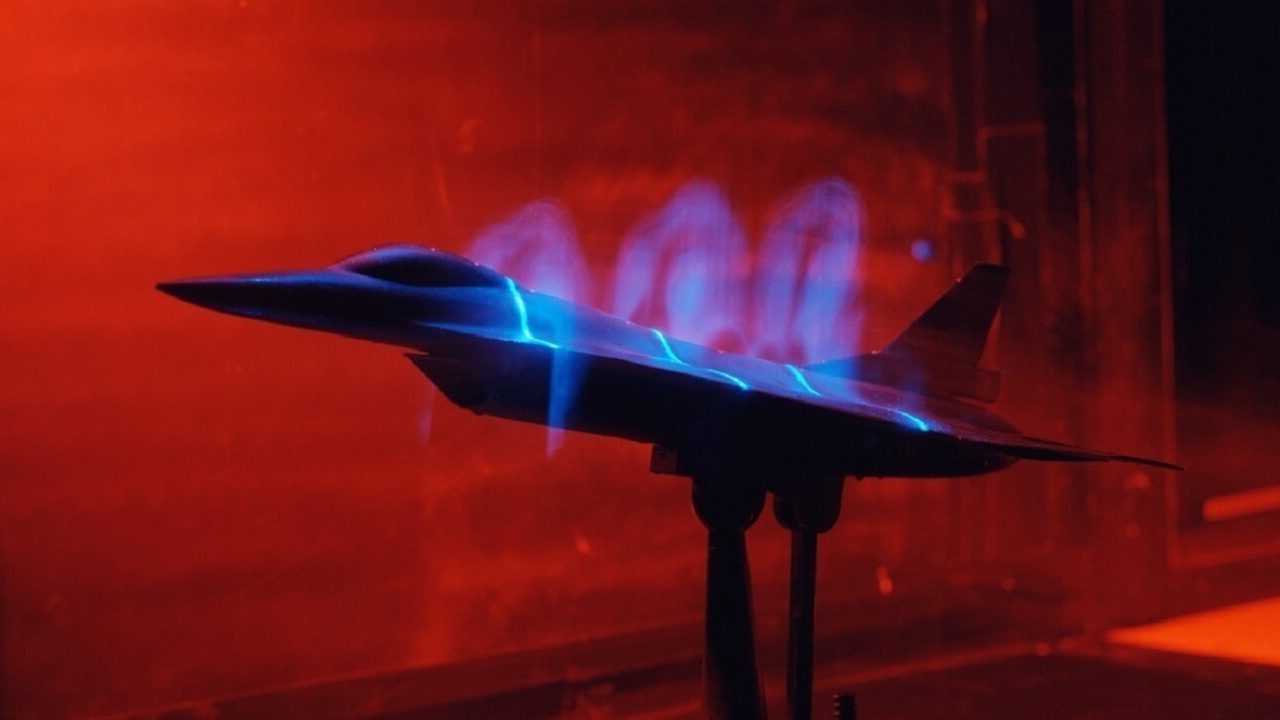
Key Points and Summary – The F-16XL was General Dynamics’ bold attempt to turn the lightweight F-16 into a long-range strike fighter.
-Built around a radically enlarged cranked-arrow delta wing, the XL carried roughly triple the hardpoints, far more fuel, and delivered better lift-to-drag at both subsonic and supersonic speeds.
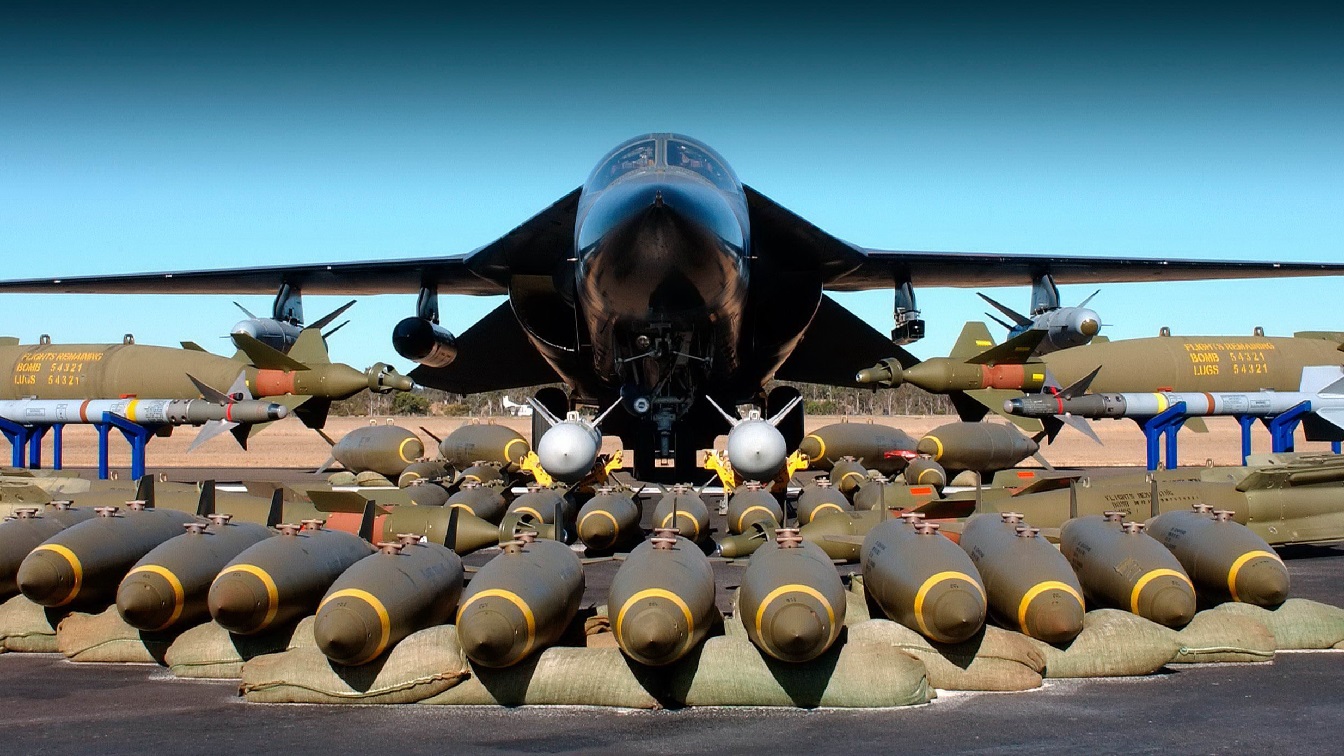
F-111. Image Credit: Creative Commons.
-Entered in the U.S. Air Force’s Enhanced Tactical Fighter competition to replace the F-111, it impressed test crews. Still, it ultimately lost to the simpler, twin-engine F-15E Strike Eagle, which was cheaper to field and easier to support.
-Passed to NASA, the two XL prototypes became valuable flying labs that helped shape later supersonic and supercruise research.
This Wild F-16XL Flying Wing Could Have Changed Air Power
The F-16XL was an experimental derivative of the General Dynamics F-16 Fighting Falcon.
This unusual variant had its wing layout and parts of its fuselage redesigned to improve supersonic performance and increase the fighter’s payload capacity.
The aircraft was entered into the Enhanced Tactical Fighter (ETF) competition to replace the F-111 Aardvark. It ultimately lost to the F-15E Strike Eagle.
After the competition ended, both F-16XL prototypes were turned over to NASA, which used the aircraft as testbeds for potential supersonic civilian aircraft.
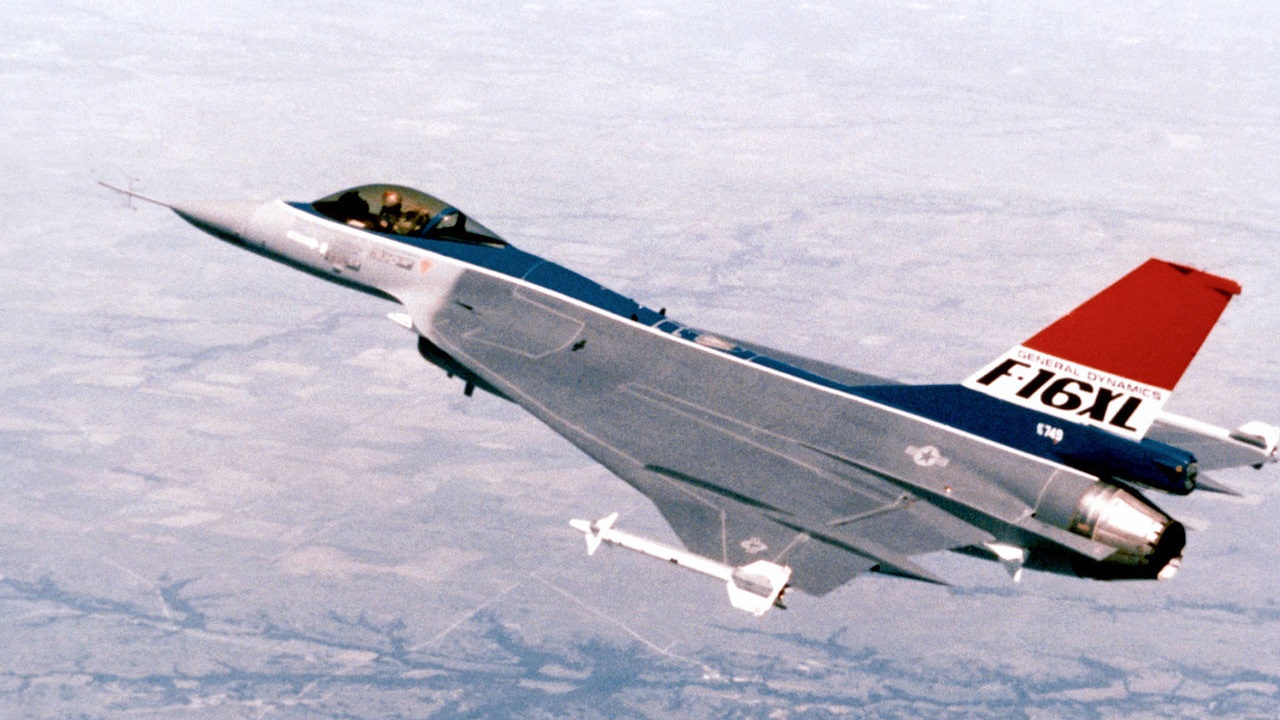
F-16XL. Image Credit: Creative Commons.
Development of the F-16XL
Development of the F-16XL began shortly after the base F-16 won the lightweight fighter competition.
While General Dynamics had secured its victory in this competition, the company sought to guarantee future success and thus launched projects for several variants of the F-16. The goal of these variants was to improve the aircraft’s performance in both air-to-air and air-to-ground missions and, most importantly, improve its performance in supersonic flight. These efforts led to the Supersonic Cruise and Maneuver Project (SCAMP).
A primary motivation behind this particular project was to test the ability to sustain supersonic flight without using afterburners, or supercruise, as it is called today. The idea was to increase speed while significantly improving fuel efficiency.
Several designs were drawn up with different wing layouts, including one with a forward-swept wing configuration.
However, one design featuring a cranked-arrow wing was selected. This design was inspired by the Swedish Saab 35 Draken.
This layout offered the benefits of a better climb rate, supersonic speed, and excellent maneuverability.
Impressed by the Draken’s design, the engineers at General Dynamics studied it and sought to incorporate it into the F-16 platform.
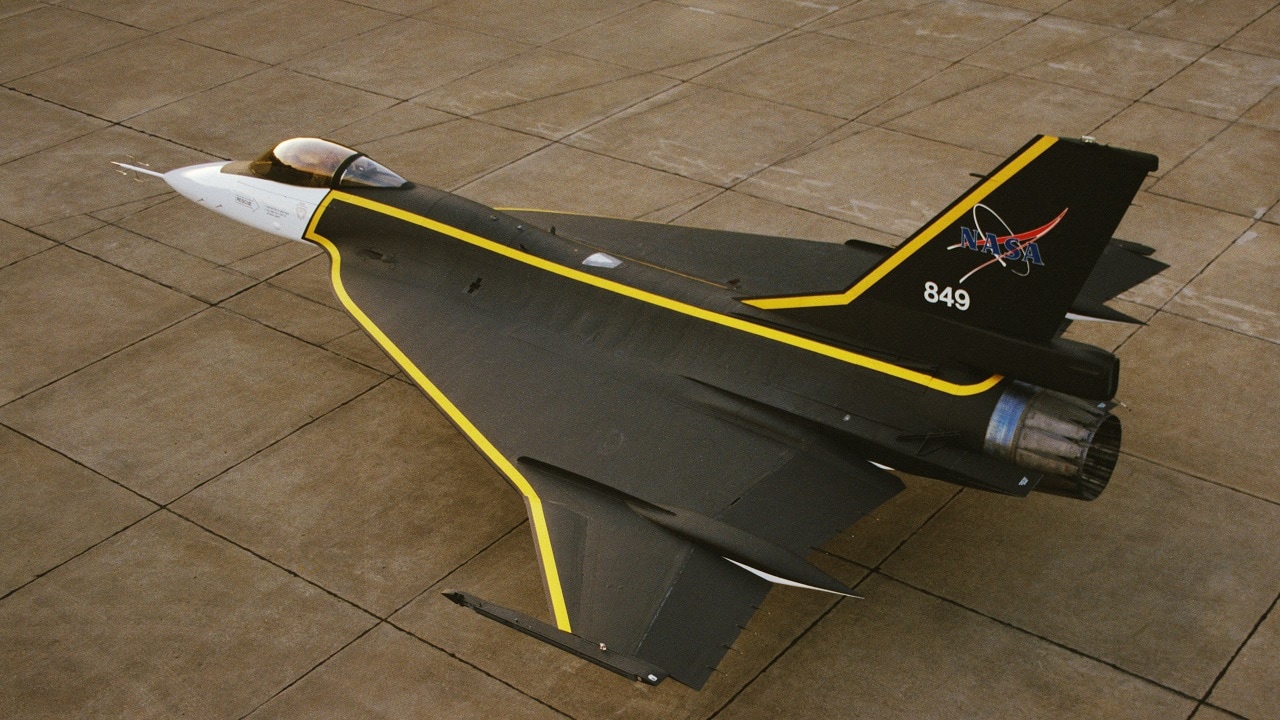
On October 5, 1993, Langley’s F-16XL High Lift jet was rolled out with a dynamic yellow and black paint job for Aero-Dynamic Flow Studies in High Speed Research.
The company managed to build two prototypes, which were dubbed F-16XL. General Dynamics worked closely with NASA, which invested funds and provided facilities for wind tunnel testing.
The F-16 Redesigned
The F-16XL was radically different from the standard F-16. Its most distinctive feature was the cranked-arrow delta wing, which increased wing area by 120 percent compared to the original F-16. This allowed the XL to carry twice the ordnance payload (up to twenty-seven hardpoints versus the F-16’s nine) and significantly improved low-speed handling and high-speed stability. The fuselage was lengthened by fifty-six inches to accommodate additional internal fuel, giving the aircraft a much greater range.
The ventral fins and horizontal tail surfaces were removed, creating a tailless configuration, and the landing gear and engine intake were modified to handle the increased weight and aerodynamic changes.
Composite materials were used for skin panels to reduce weight and improve performance. These modifications resulted in a 25 percent improvement in supersonic lift-to-drag ratio and an 11 percent improvement at subsonic speeds, making the F-16XL one of the most aerodynamically efficient fighters of its era.
Performance-wise, the F-16XL was powered by either a Pratt & Whitney F100-PW-200 or a General Electric F110-GE-129 turbofan, producing up to 29,000 pounds of thrust with afterburner.
This gave the aircraft a top speed of Mach 2.0, approximately 1,400 miles per hour, and a service ceiling of 50,000 feet. Its range was roughly 2,850 miles, nearly double that of a standard F-16, thanks to increased internal fuel capacity and aerodynamic efficiency. Despite its larger size, the XL retained impressive agility.
It could perform a five-G turn in just 0.8 seconds, half the time of an F-16A, and sustain nine-G maneuvers effectively. In short, the F-16XL combined fighter-like agility with bomber-level payload and range, a rare achievement in aircraft design.
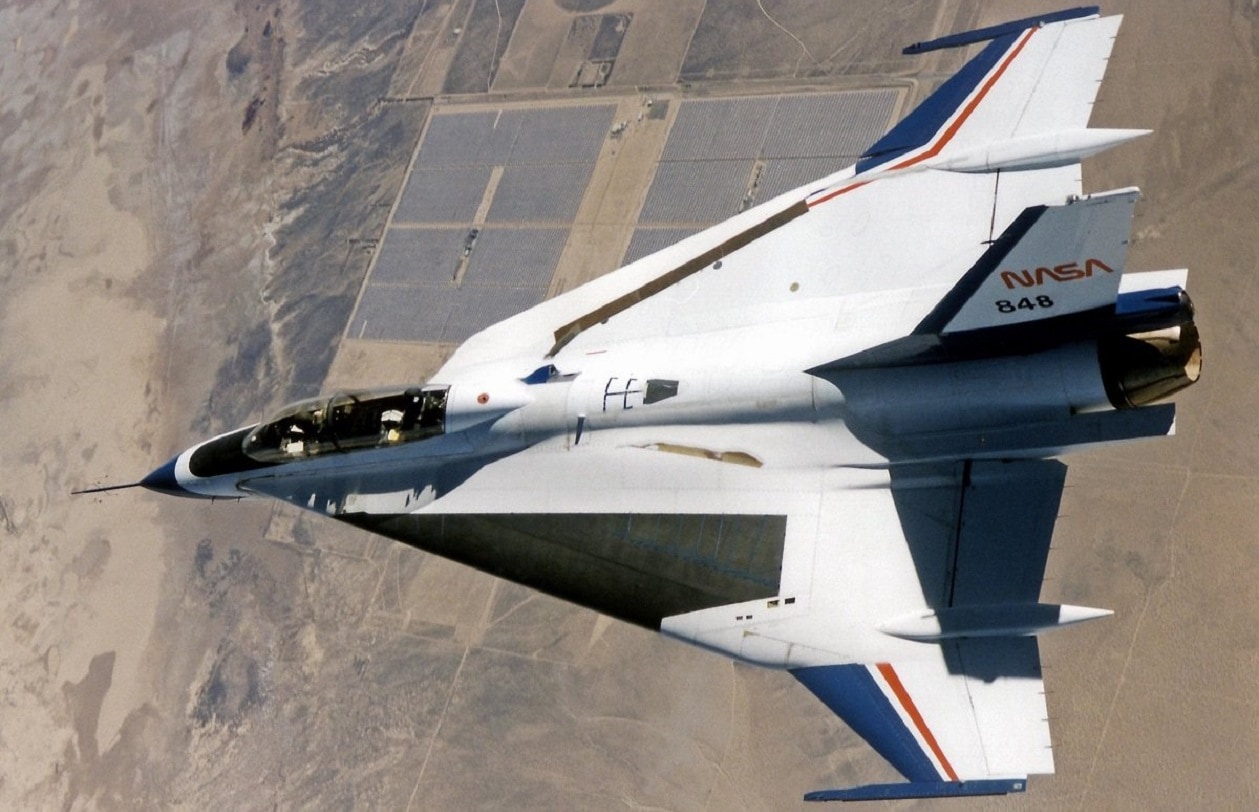
F-16XL. Image Credit: NASA.
The ETF Competition
In 1981, the time came for the F-16XL to prove itself. The USAF announced the ETF competition to replace its aging F-111 Aardvark fleet.
The project required a fighter capable of launching deep air interdiction missions without support from aircraft escorts or jamming.
General Dynamics entered the F-16XL into the competition while McDonnell Douglas entered its own F-15E Strike Eagle.
The two aircraft represented two significantly different approaches. The F-15E was a lightly modified version of the base F-15 and therefore required few changes in production and maintenance.
The F-16XL, meanwhile, was a major departure from the original aircraft in both structure and aerodynamics. This fact ultimately proved to be a deciding factor in the competition.
Ultimately, the F-16XL did not win the ETF competition, with the F-15E selected instead.
However, the Air Force noted that the XL was a significant improvement over the baseline F-16 in air-to-air and air-to-ground performance. Some of the advantages, according to the USAF, included greater payload capacity, improved supersonic performance, improved maneuverability, and much better air-to-ground performance. According to Air Force reports on the project, the F-16XL would remain a potential option for future F-16 development.
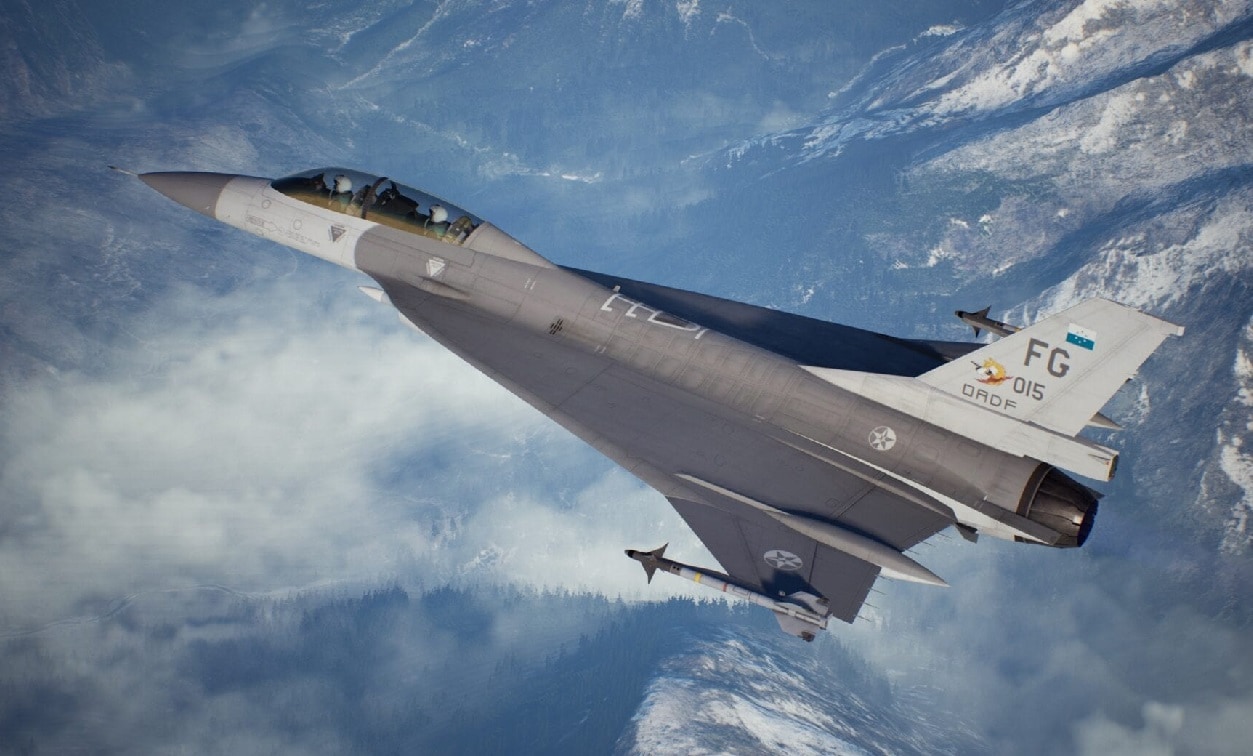
Image of what would have been the F-16XL, an artist rendering. Image Credit: Creative Commons.
Why the F-16 Lost the Competition
Overall, the Air Force was impressed by the F-16XL. Why then did they reject it? According to the USAF, the significant structural changes required more resources to produce than the F-15E, which required few changes in production.
The Air Force treated the F-15 as a light modernization, while it viewed the F-16XL as an entirely new fighter.
The new airframes were more costly to produce and required more resources to manufacture than their competitors.
Additionally, the F-16XL’s single-engine layout hindered its performance and delivered less thrust-to-weight than its dual-engine competitor. The increased thrust, the USAF noted, negated any advantage provided by the aircraft’s superior maneuverability.
After losing the ETF bid, the two F-16XL prototypes were transferred to NASA, where they served as flying laboratories for research into supersonic laminar flow control, sonic boom studies, and advanced aerodynamics.
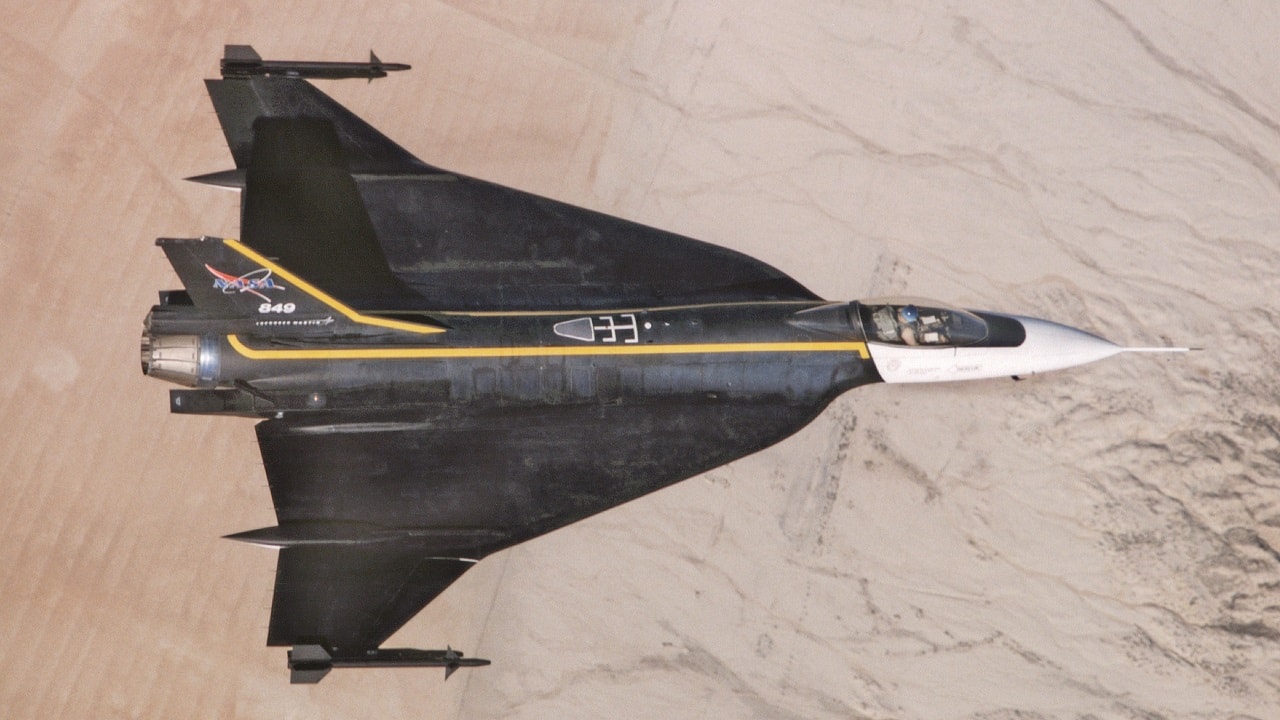
F-16XL. Image Credit: Creative Commons.
These tests continued until the late 1990s, and the aircraft were finally retired in 2009. Although the F-16XL never entered production, its influence on aviation was profound. The program demonstrated the feasibility of supercruise concepts and efficient supersonic flight.
About the Author: Isaac Seitz
Isaac Seitz, a Defense Columnist, graduated from Patrick Henry College’s Strategic Intelligence and National Security program. He has also studied Russian at Middlebury Language Schools and has worked as an intelligence Analyst in the private sector.