
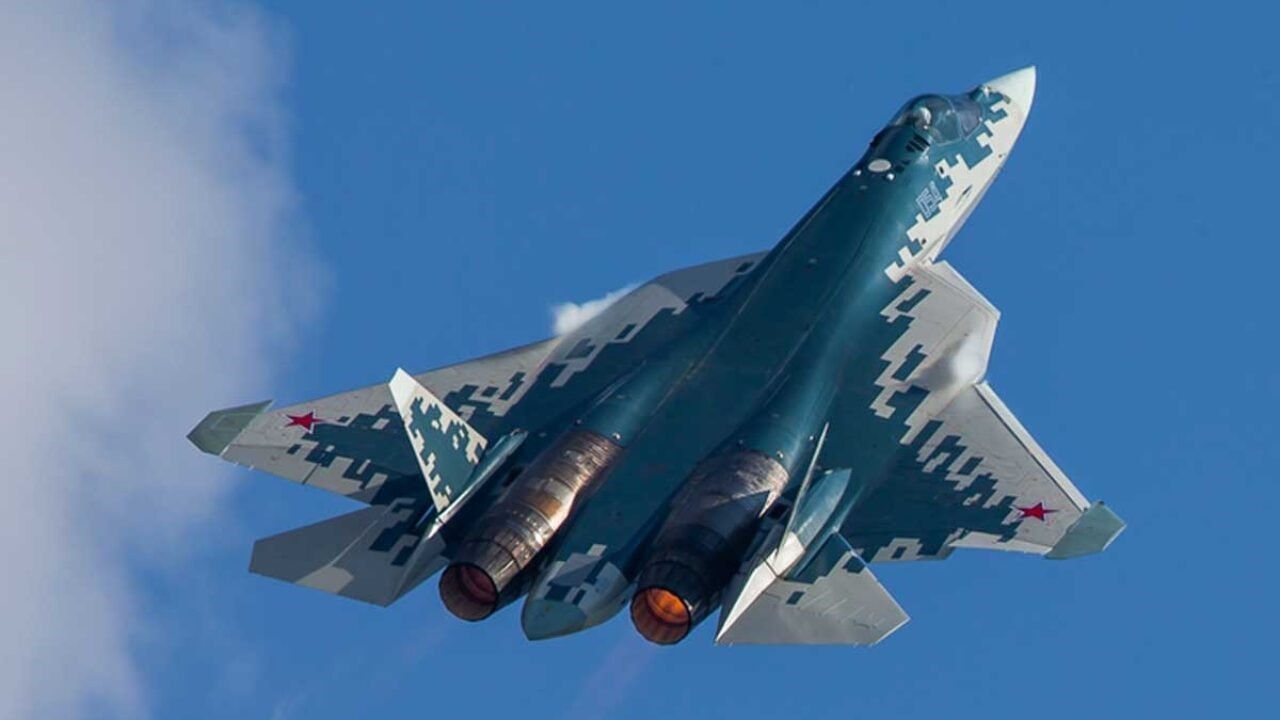
Key Points and Summary – Russia loves to showcase “next-generation” systems like the Su-57 stealth fighter, T-14 Armata tank, MiG-35, and PAK DA bomber.
-But behind the glossy airshow videos, production is sputtering. Only a small handful of Su-57s are in service, the PAK DA is reportedly cannibalizing parts from other programs, and most new “deliveries” to the front are refurbished Soviet-era hardware.
-Western sanctions, lost access to high-end components, and wartime industrial strain are all biting hard.
-As the Ukraine conflict chews through aging tanks and aircraft, Moscow’s inability to mass-produce truly modern systems could leave its forces stuck in the past for years.
Russia’s ‘Wonder Weapons’ Have a Brutal Problem: They’re Stuck on Paper
Russia has big ambitions, but its future weapons programs are struggling to keep up.
From the T-14 Armata tank to the Sukhoi Su-57 stealth jet, these next-generation weapons are designed to expand the country’s military might – but today, many of its most impressive designs remain low-volume prototypes or early-production units, and some seem like they’re so far off they may never actually arrive.
Meanwhile, Russia’s war in Ukraine continues to grind through older equipment faster than new hardware can enter the field.
The gap between what Moscow advertises (or needs) and what it can actually deploy is widening, raising serious doubts about the country’s ability to modernize its forces in wartime.
Russia’s Faltering Weapons Programs
It’s worth pointing out at this stage that Russia’s future weapons programs were bound to face uncertainty the moment Western sanctions took effect, forcing Russia to establish domestic manufacturing operations for crucial components or to look to partners in China and elsewhere for support.
Progress is being made to evade those sanctions or find solutions domestically, but the damage may already be done.
With that being said, among the most severely affected programs is the Su-57 – Russia’s first stealth, fifth-generation fighter.
The aircraft is already in active service, boasting stealth, advanced avionics, and multirole capability.
But while the Russian defense ministry signed a contract to build 76 by 2027, production has lagged badly.
As of early 2025, estimates suggest fewer than two dozen operational Su-57s are in service, even as Russia presented the aircraft at the 2025 Dubai Airshow, claiming strong international interest and demand for the platform.
But in 2024 alone, some sources claim that only six were delivered – a disappointingly low number for a platform that was touted as the future of Russian air power.
Not only that, but Ukrainian forces claim to have damaged or destroyed at least one Su-57 on the ground during a strike on a Russian air base. The strike has prompted Russia to attempt to limit the Su-57’s exposure, forcing it to fly from more secure airspace or use it in roles less likely to result in loss.
Then there’s the PAK DA – a program that is even more severely affected. This is the long-awaited stealth strategic bomber that is designed to replace aging Soviet-era heavy bombers.
Despite earliest plans for prototypes for 2023 and serial production in 2027, the project is still delayed and hindered by sanctions, shortages of components, and limited precision-manufacturing capacity. Leaked reports suggest that the program has even been set back as it seeks to cannibalize parts from the Su-57 program. As strategic bomber losses mount, this lag becomes increasingly risky for Russia.
And we mustn’t forget the MIG-35 – hyped as a lower-cost, more practical alternative to the Su-57, which has only been produced and deployed in small numbers.
According to the most recent open-source reporting, only a handful of the aircraft are now in service, with Russia’s efforts being squarely focused on the Su-57’s development, the Su-35, and legacy models. Russia is basically keeping an aging fleet alive rather than innovating and modernizing to its full potential because of conditions caused by the war, and the MiG-35 is reflective of this.
Russia has the designs, the prototypes, and the ambition – but for as long as the war rages in Ukraine, Moscow will need to continue reshaping its national manufacturing base and economy to realize its potential. Mass-producing and fielding these modern systems is years away – at least.
Russian Military Photo Essay
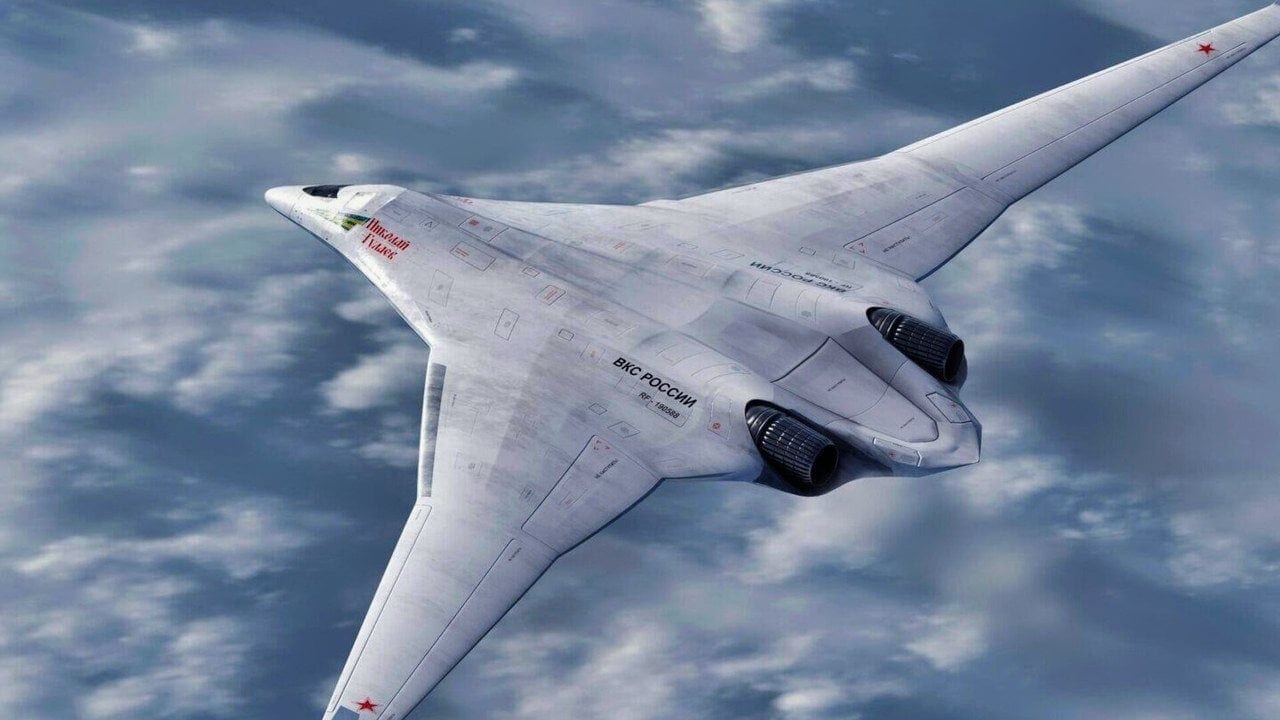
PAK DA Russian Stealth Bomber. Russian State Media.
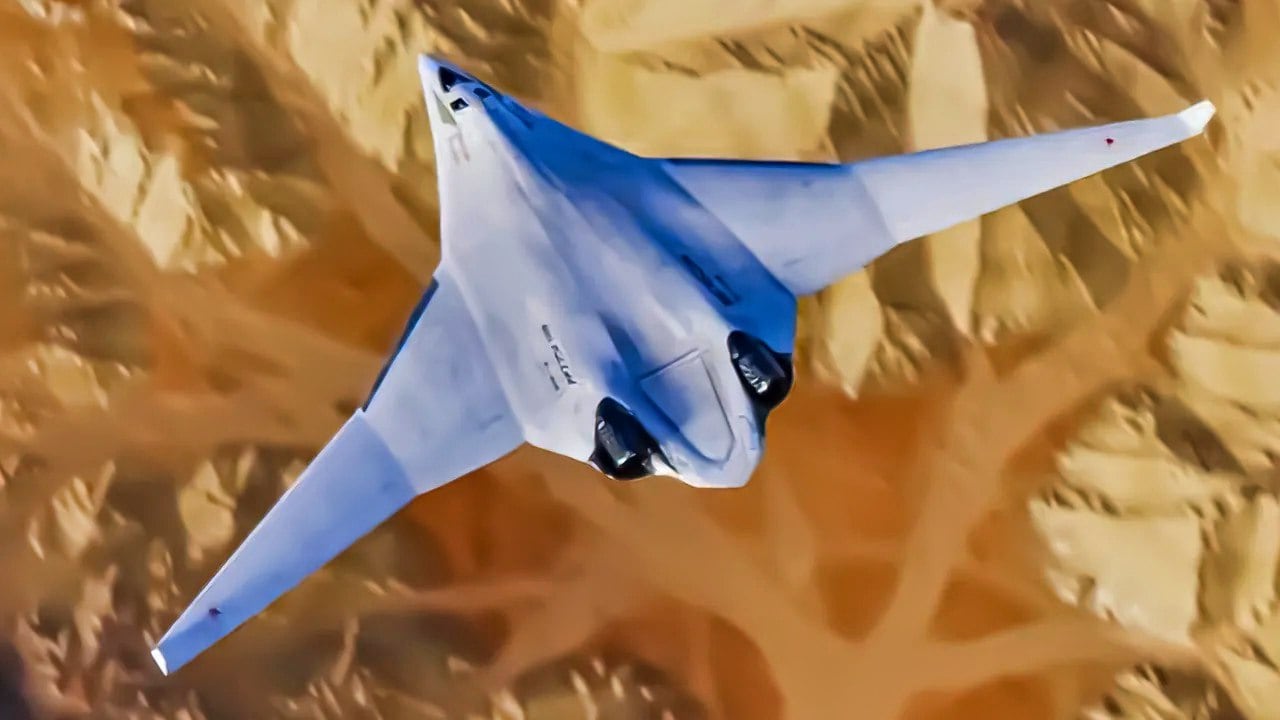
PAK DA Russian Bomber. Image Credit: Creative Commons.
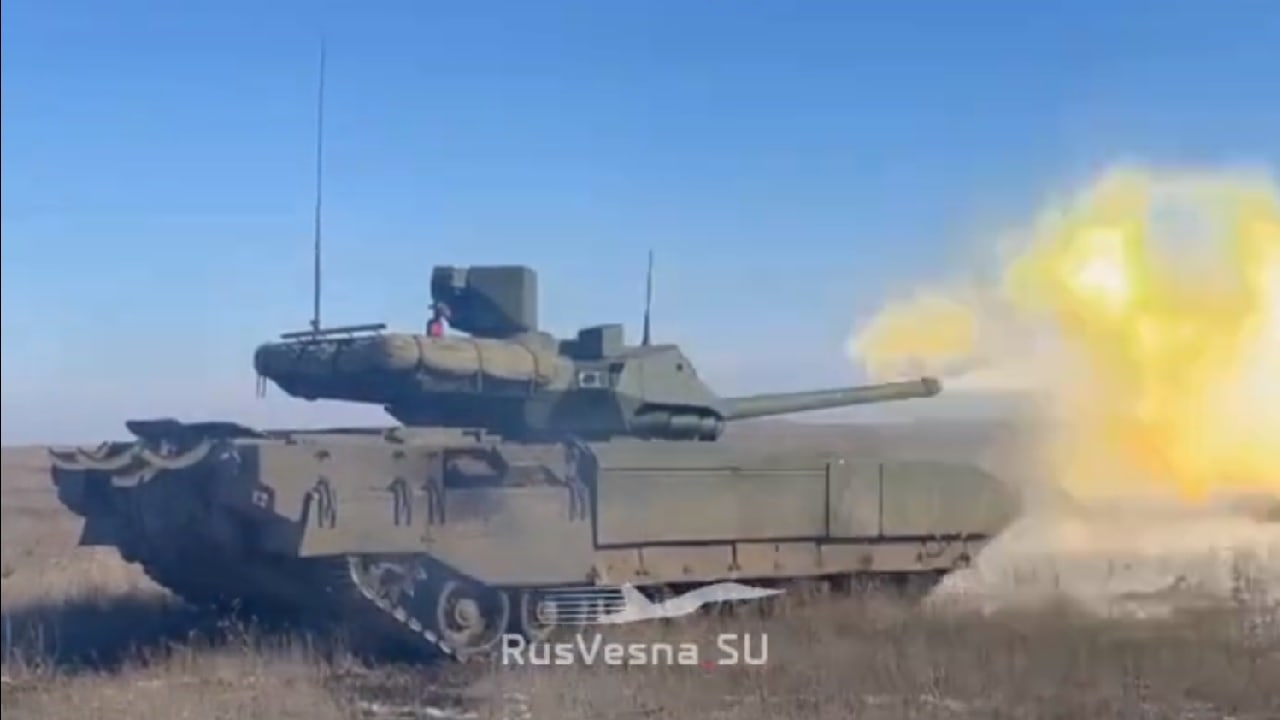
T-14 Armata Screenshot
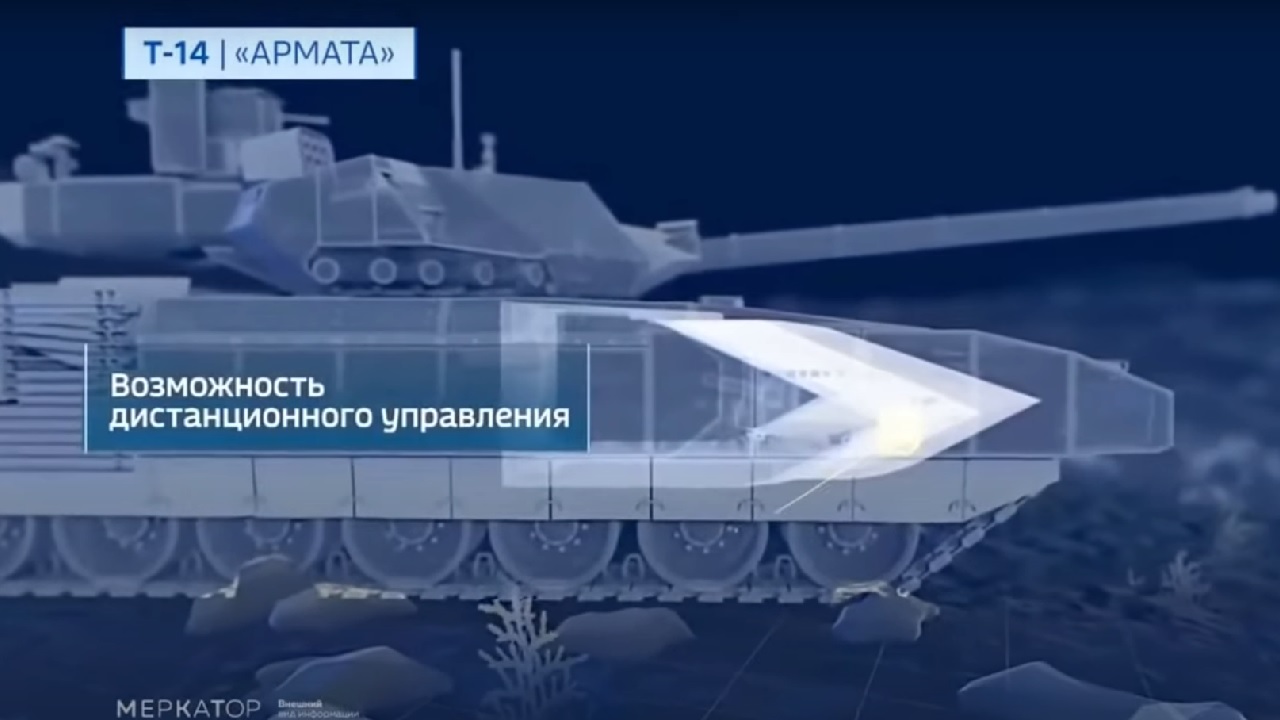
Russia T-14 Armata Tank. Image Credit: YouTube Screenshot.
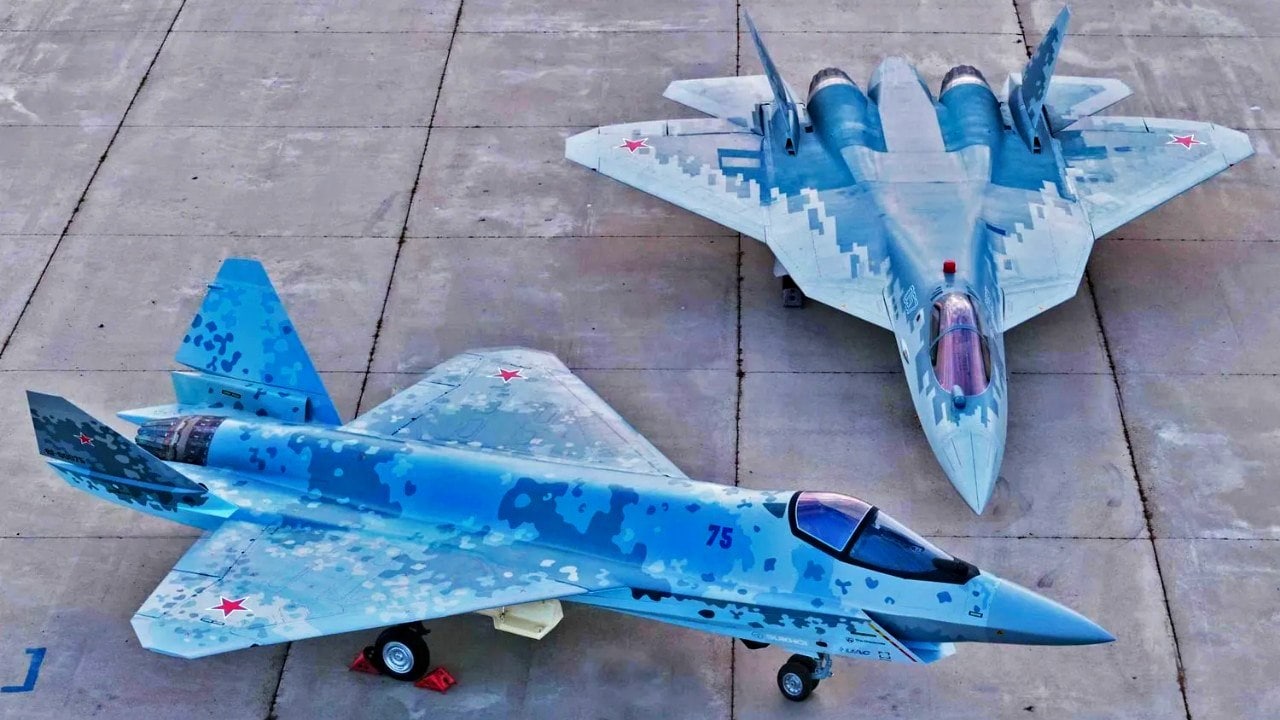
Su-57 and Su-75 Checkmate Russian Air Force.
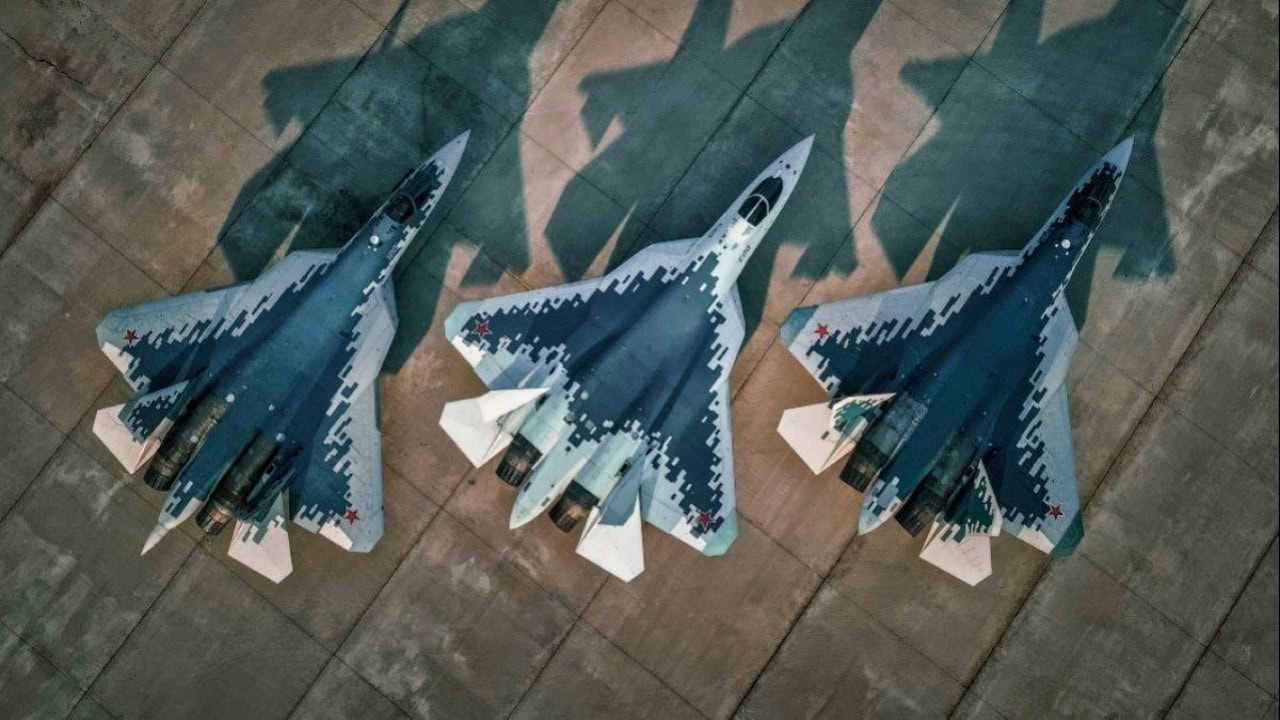
Su-57 Felon. Image Credit: Russian Government.
Why Russia Can’t Industrialize Modernization
The ongoing war in Ukraine is the most significant factor at play here.
Ukrainian intelligence estimates for 2025, for example, show Russian plans to build 57 new aircraft, around 250 new tanks, and more than one thousand armored personnel carriers – but the intel suggests that the bulk of those new assets will be upgraded or refurbished older platforms, not next-gen systems.
Industrial bottlenecks are a big problem caused by the war.
For example, even as Russia aims to churn out modern T-90M tanks – and is doing so at present – production has still been hindered by shortages of critical components like optical gun sights.
That means many of the tanks being made are incomplete, meaning they are missing key features. Russia, therefore, has the capacity to design but doesn’t have the tools or components to make those designs a reality.
Sanctions, export restrictions on components, and supply-chain disruptions have also hit advanced systems particularly hard. The fact that PAK DA – a strategic bomber – is cannibalizing parts from the Su-57 fighter jet program should prove just how bad the situation is.
So, what does it mean for Russia?
Well, as older systems wear out and attrition mounts, the absence of a large number of truly modern replacements could leave Russian forces increasingly dependent on outdated hardware.
And the stark reality is that, even if the war ended tomorrow, rebuilding a thoroughly modern force may take years, if not a decade or more.
About the Author:
Jack Buckby is a British author, counter-extremism researcher, and journalist based in New York who writes frequently for National Security Journal. Reporting on the U.K., Europe, and the U.S., he analyzes and understands left-wing and right-wing radicalization and reports on Western governments’ approaches to the pressing issues of today. His books and research papers explore these themes and propose pragmatic solutions to our increasingly polarized society. His latest book is The Truth Teller: RFK Jr. and the Case for a Post-Partisan Presidency.