
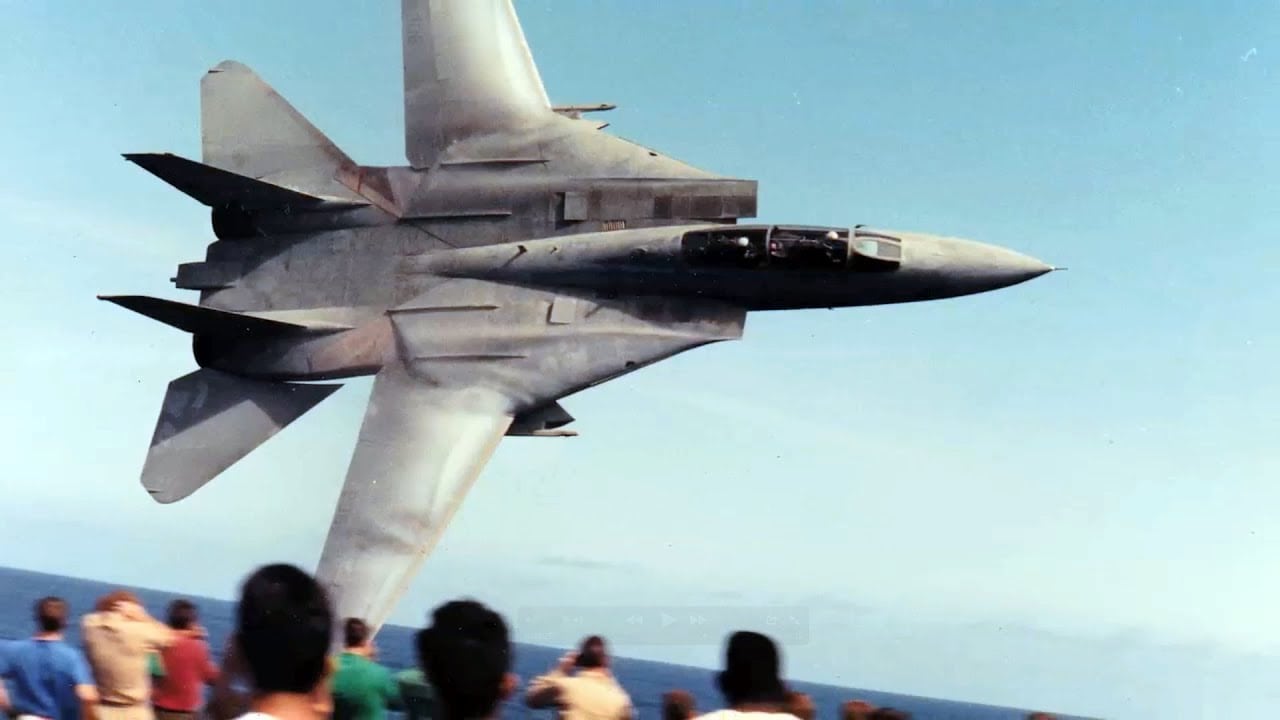
Key Points and Summary – The F-14 Tomcat became an American icon, but its early years were shadowed by a serious propulsion flaw: the Pratt & Whitney TF30.
-Designed for a different aircraft, the TF30 struggled in the Tomcat’s high-angle-of-attack, high-yaw regime, where compressor stalls could trigger abrupt power loss and dangerous control issues.
-The mismatch contributed to accidents and undercut a fighter otherwise prized for speed, reach, and fleet defense.
-Navy leaders openly criticized the pairing. Only after the General Electric F110 arrived did the Tomcat gain the thrust and reliability it deserved.
Why Early F-14 Tomcats Suffered Compressor Stalls in Combat Maneuvers
The F-14 Tomcat is a celebrated multirole fighter, which served as the hallmark jet of the US Navy through the tail end of the Cold War and into the early 2000s.
The distinctive swept-wing F-14 is best remembered perhaps for starring in the original Top Gun, the highest-grossing film of 1986.
But what didn’t make it into Top Gun, and what isn’t often discussed today, is that the F-14 had glaring engine problems with the originally-installed Pratt & Whitney TF30.
An Engine Mismatch for the F-14 Tomcat Fighter
The TF30 is a military low-bypass turbofan engine that was originally designed for the subsonic F-6D Missileer.
If you’ve never heard of the F-6 that’s because the jet was never built, only proposed, for a late 50’s Navy contract.
The TF30 was then modified to include an afterburner, which allowed for supersonic flight, and became the world’s first afterburning turbofan engine.
The first aircraft to feature the TF30 was the F-111 Aardvark, a medium-range multirole fighter that served with the Air Force (and was proposed for the Navy but never fielded).
The F-111 had problems with inlet compatibility, but that may have been more about the positioning of the engine intakes behind the wing, where the airflow was turbulent, rather than with a design flaw in the engine itself.
The TF30 was also used, albeit in a non-afterburning configuration, with the A-7. And that worked well enough. But the real problems started when the TF30 was installed, as a bridge-gap measure, in the new F-14 Tomcat.
The F-14 was supposed to feature the Pratt & Whitney F401 engine. But when the F401 suffered from repeated reliability issues, the first batch of F-14s was built around the TF30 instead.
The pairing was a mistake. Flying in air-to-air combat situations for the first time, the TF30 was revealed to suffer from compressor stalls at high angles of attack or at excessive yaw angles. A compressor stall, which can result in a complete loss of power and could cause the aircraft to lose control, is a disruption of the airflow in the compressor of a gas turbine.
One notable instance of compressor stalling in an F-14 resulted in the death of Lt. Kara Hultgreen.
During a final approach, Hultgreen attempted to correct her position with a sideslip, a maneuver that features heavy rudder input and excessive yaw angles. The maneuver caused a compressor stall, which resulted in engine failure.
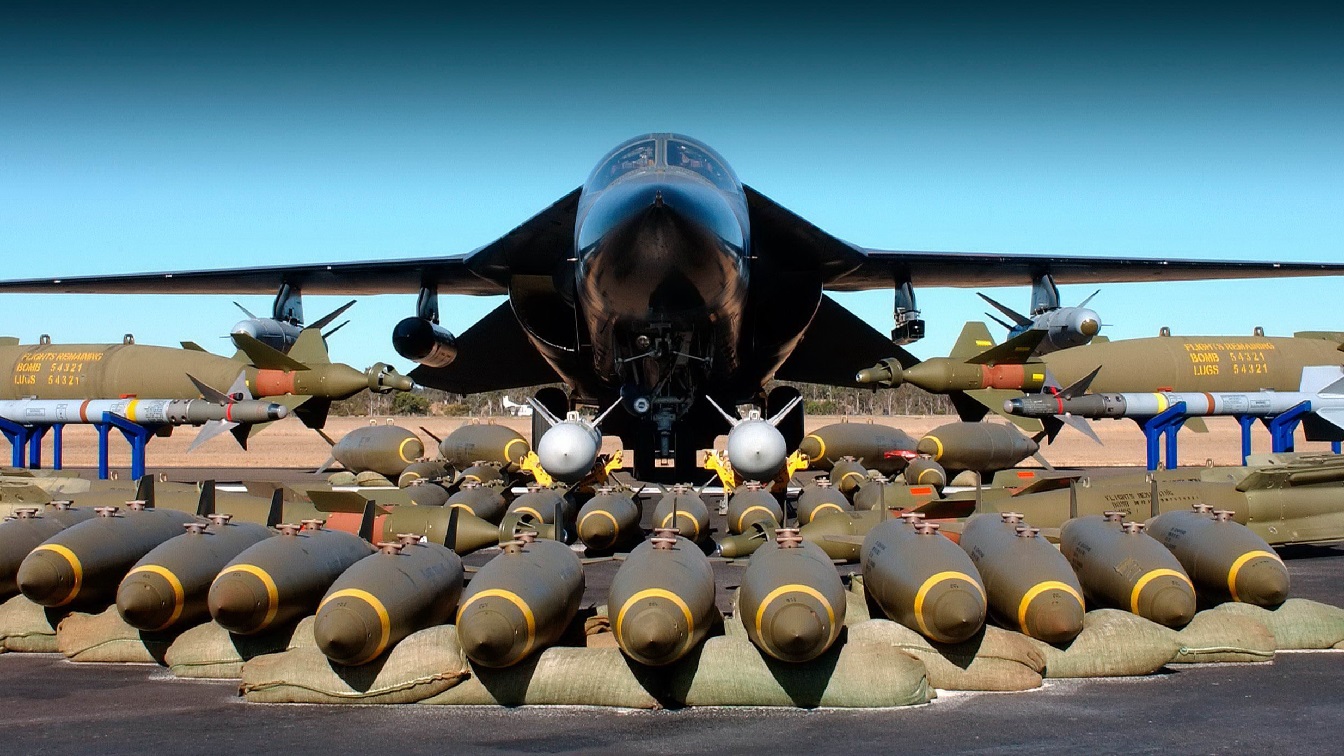
F-111. Image Credit: Creative Commons.
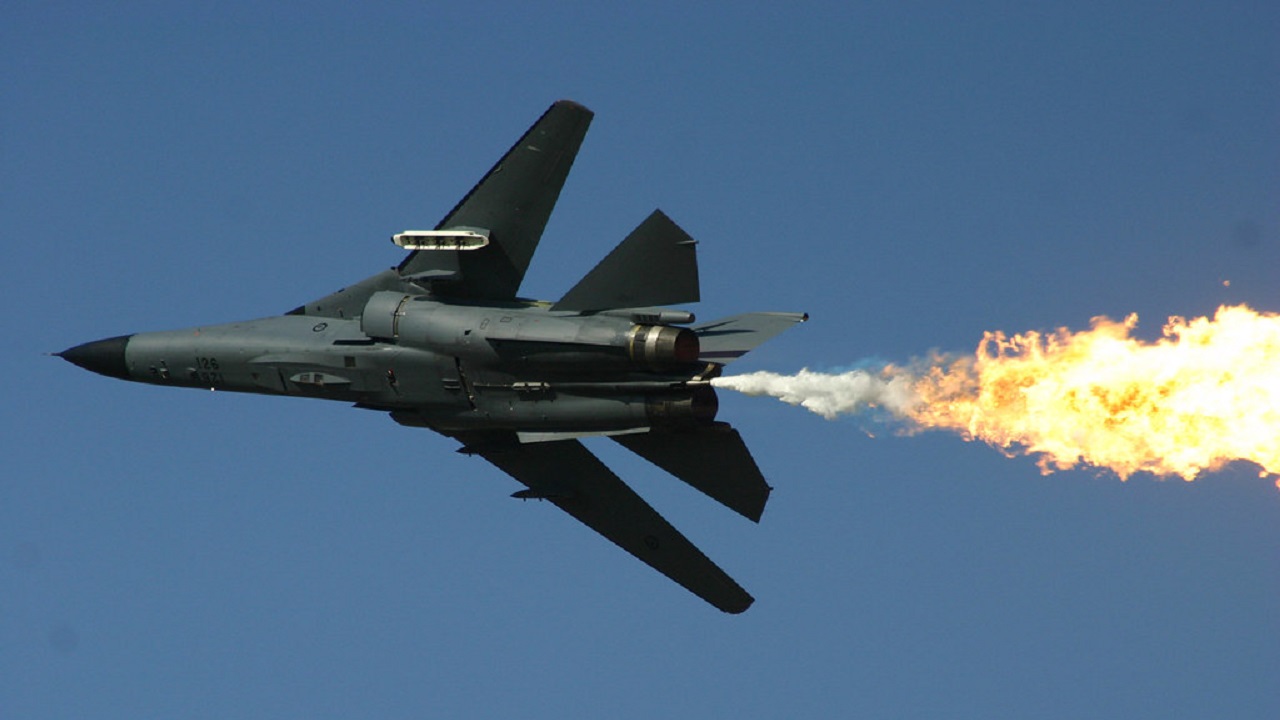
F-111. Image Credit: Creative Commons.
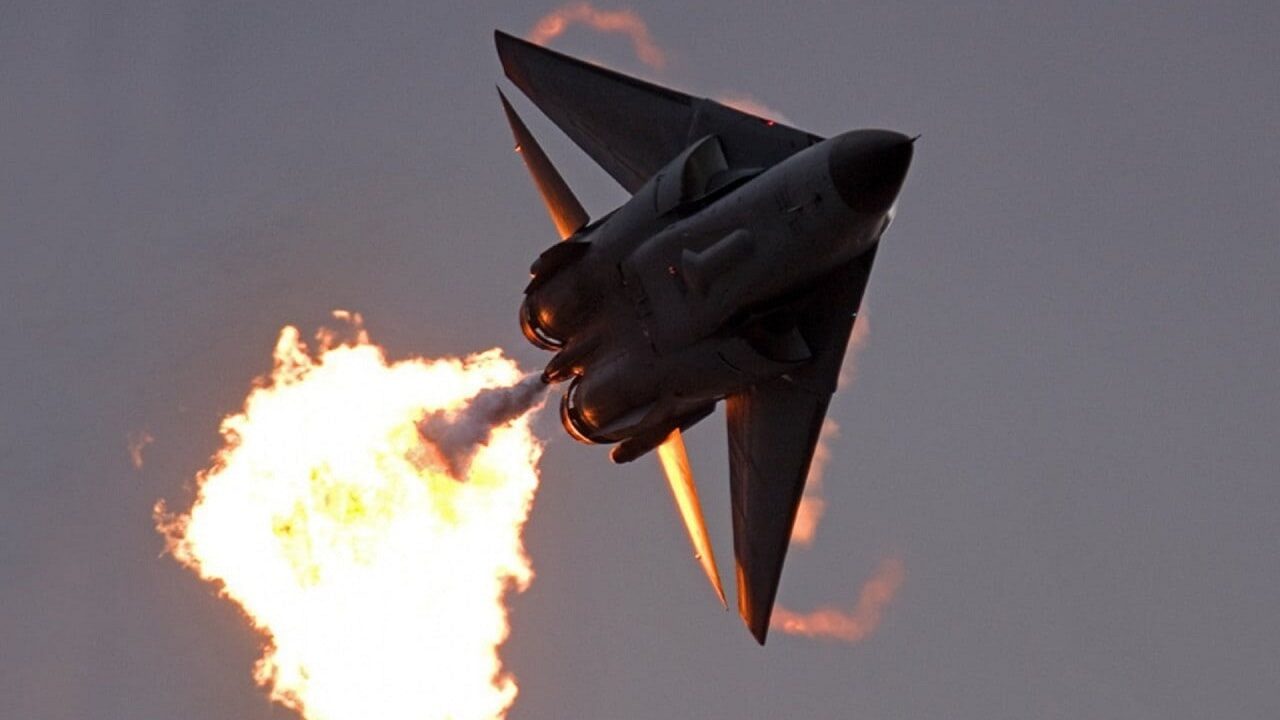
F-111. Image Credit: Creative Commons.
In 1995, another high-profile incident was caught on film, which you can see: here. As the video demonstrates, an F-14 performing a high-speed flyby of the USS John Paul Jones simply explodes.
The pilot and RIO ejected, fortunate to have survived with only minor injuries. The explosion as later attributed to compression failure in the TF30.
According to Secretary of the Navy John F. Lehman Jr., the TF30 “in the F-14 is probably the worst engine-airplane mismatch we have had in many years. The TF30 engine is just a terrible engine and has accounted for 28.2 percent of all F-14 crashes.”
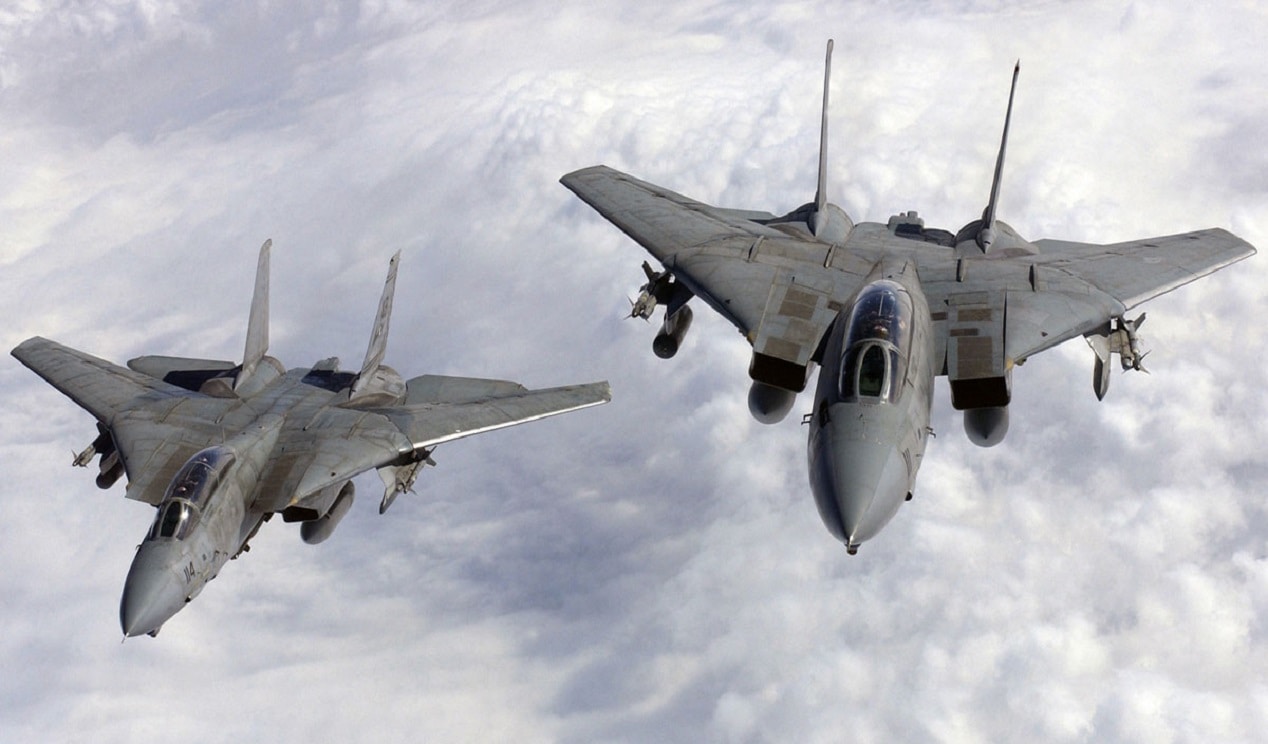
Images of two F-14 Tomcats. Image Credit: US Navy.
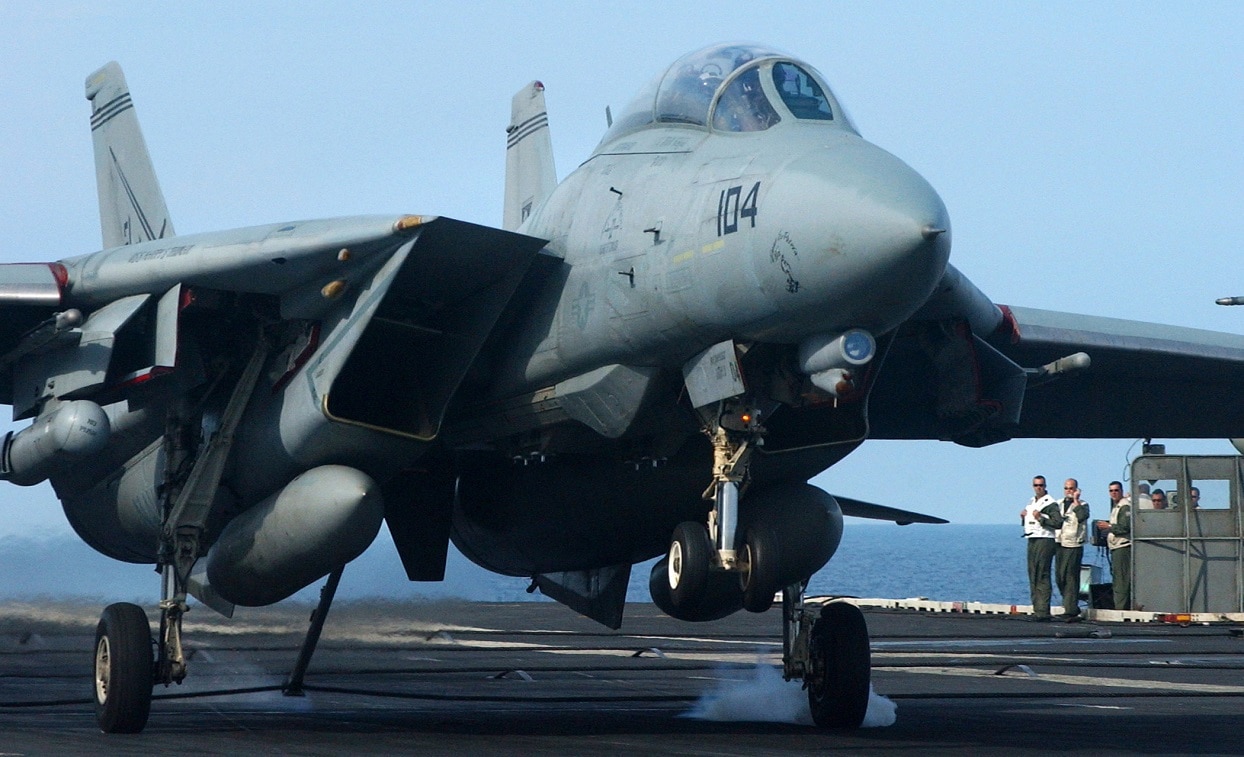
F-14 Tomcat landing. Image Credit: US Navy.
By 1996, the Navy had begun replacing the F-14’s TF30s with the General Electric F110.
About the Author: Harrison Kass
Harrison Kass is a defense and national security writer with over 1,000 total pieces on issues involving global affairs. An attorney, pilot, guitarist, and minor pro hockey player, Harrison joined the US Air Force as a Pilot Trainee but was medically discharged. Harrison holds a BA from Lake Forest College, a JD from the University of Oregon, and an MA from New York University. Harrison listens to Dokken.