
Key Points and Summary – A new Pentagon inspector general report reveals that the Army and Navy boosted their 2025 recruiting numbers by counting test scores after remedial prep courses, masking how many enlistees initially failed to meet academic standards.
-Had scores been tallied before prep, more than 11 percent of new troops would have been classified as low-aptitude Category IV recruits, nearly triple the legal cap without congressional approval.
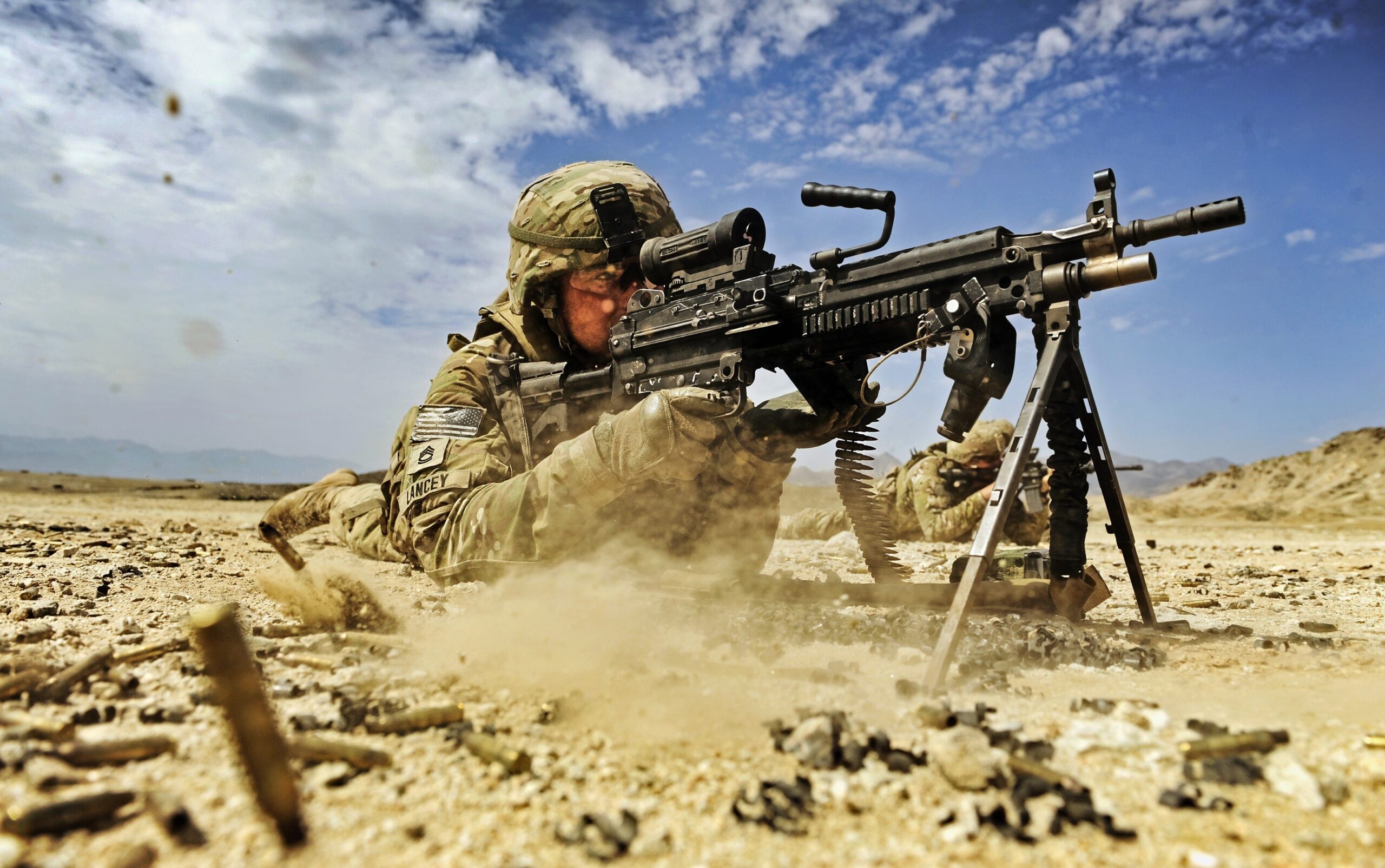
US Army. Image Credit: Creative Commons.
-Pentagon leaders argue their approach makes sense and expands opportunities, but critics warn it risks weakening readiness just as great-power competition intensifies.
-Even amid a welcome recruiting rebound, the real question is whether the force is getting stronger—or simply larger.
The U.S. Army and U.S. Navy Fudged Their Recruiting Math. What Happens Next?
Earlier this month, it was reported that both the U.S. Army and Navy miscalculated the number of unqualified recruits they accepted. This number exceeded the allowed limit of recruits who do not meet either physical or academic standards.
Whether through a simple miscalculation or deliberate fudging of numbers, a higher number of unqualified recruits were accepted into the Army and Navy than legally permitted. This occurred during a nationwide recruitment shortage affecting all branches of the U.S. Armed Forces, which threatens to degrade the U.S. military’s readiness.
The Army/Navy Miscounts Their Numbers
According to a report from the Pentagon Inspector General, the Army and Navy misrepresented the academic qualifications of some of their recruits to meet or exceed recruitment quotas.
The study examined the number of candidates enrolled in Future Soldier and Future Sailor preparatory courses, which were created as “pre-boot camp” programs designed to help recruits who did not meet Army or Navy standards.
The report found that the Army and Navy misconstrued these numbers by counting the test scores of recruits after they had completed preparatory courses rather than beforehand, as they are supposed to do. This allowed both services to exceed the federal limits on low-scoring applicants, thereby boosting overall recruitment numbers.
The Pentagon disputed the report’s findings, saying that it made more sense to count scores after preparatory courses rather than beforehand. “Improving a recruit’s academic skills is a primary reason for creating the [Future Soldier and Future Sailor Preparatory Courses],” William Fitzhugh, the acting assistant secretary of defense for manpower and reserve affairs, wrote in a memo to the inspector general. “Improved academic skills, and the resulting AFQT scores, enable such recruits to pursue a broader range of occupations, which benefits them and the Military Services.” This approach does make some sense, as preparatory courses exist to bring recruits up to military standards.

Sgt. Jonathan Shue, noncommissioned officer-in-charge, machine shop, Marine Aviation Logistics Squadron 36, Marine Aircraft Group 36, 1st Marine Aircraft Wing, III Marine Expeditionary Force, fires on a secondary target after bayoneting the first here May 15 during the 2011 Australian Army Skill at Arms Meeting. The week-long meeting pit military representatives from partner nations in competition in a series of grueling combat marksmanship events. Represented nations include Canada, France (French Forces New Caledonia), Indonesia, Timor Leste, Brunei, Netherlands, U.S., Papua New Guinea, New Zealand, Singapore, Malaysia, Thailand as well as a contingent of Japanese observers. (U.S. Marine Corps Photo by Lance Cpl. Mark W. Stroud/Released)
Rules on Category IV Applicants
Currently, the federal government has laws in place that limit the number of underqualified recruits allowed to be shipped off to boot camp, listed as Category IV applicants.
These applicants often score within the 10th to 30th percentile on exams assessing reading comprehension, math, mechanics, and other subjects.
Federal law caps the total number of Category IV applicants at 4% of all recruits who go to boot camp.
The military can exceed the 4% cap only with Congressional approval. The Future Soldier and Future Sailor preparatory courses were created to align Category IV applicants more closely with the Armed Forces’ acceptable fitness and academic standards.
According to the report, had the Army and Navy listed test scores before preparatory courses, more than 11% of total recruits in 2025 would have been classified as Category IV.
The Inspector General noted that Category IV applicants often perform worse than their peers and pose a significant risk if they manage to pass boot camp.
These recruits “tend to exhibit below-average trainability and on-the-job performance,” the report said. Subpar candidates often result in subpar readiness standards across the military, which is just as much a threat to national security as Russia and China.
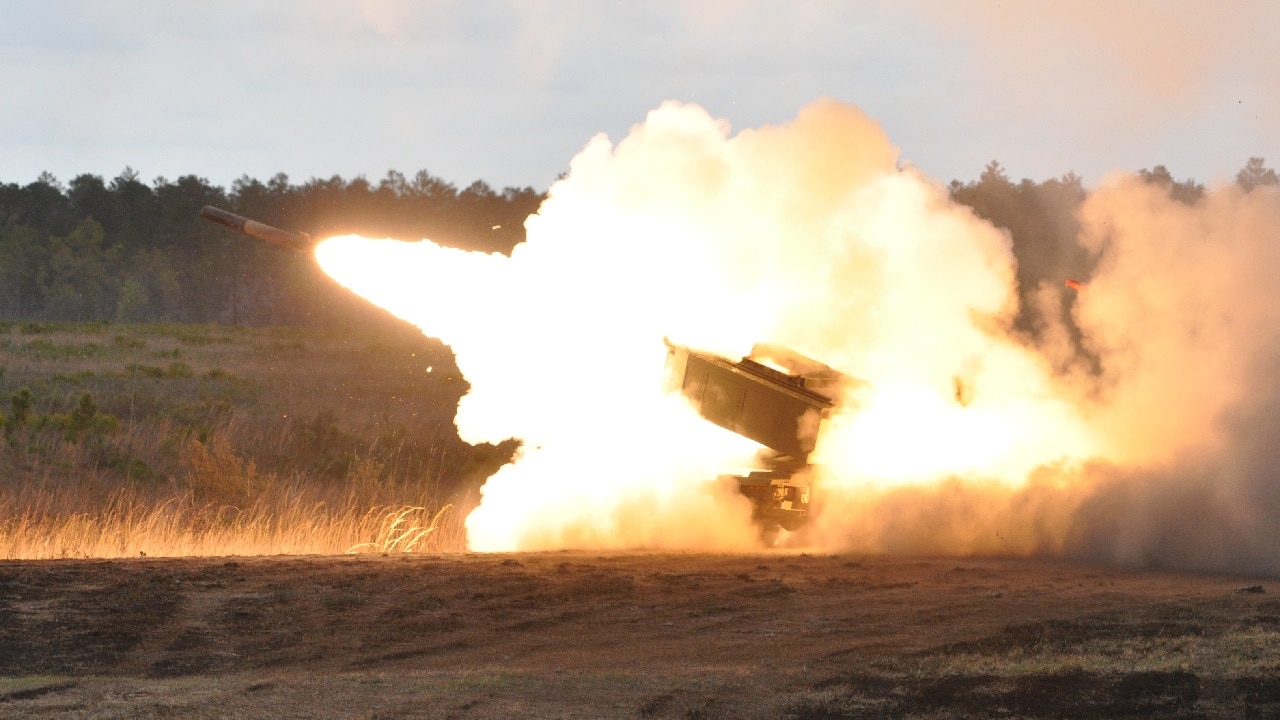
A HIMARS Multiple Launch Rocket System fires during a training session at Camp Blanding Joint Training Center, Fla., March 9, 2012. HIMARS (High Mobility Artillery Rocket System) is the newest asset of the Florida Army National Guard’s 3rd Battalion, 116th Field Artillery Regiment.
Is the Recruitment Crisis Finally Ending?
The report came out as the Army and Navy were finally recovering from a multi-year recruitment crisis that left all branches short of several thousand recruits. The trend began to reverse in 2024 as the Army and Navy were at least able to meet their recruitment goals. In 2025, however, not only did the Army meet its recruitment goals, but it actively exceeded them. The Navy also reported that it has seen the largest group of new recruits to the service in “nearly a quarter century.” Likewise, the Air Force, the Marines, and even the Space Force noted a rise in recruits in 2025.
Even if a large number of recruits were unqualified, there has definitely been a shift toward military service that is incentivizing enlistment.
Some attribute this shift to Secretary of War Pete Hegseth and the return of the “Warrior Ethos”; others attribute it to the removal of “wokeness” from the Armed Forces.
Others point to the economic incentives of military service, such as paid health care and paid barracks housing. Whatever the case, the U.S. Military has been investing heavily in advertising and recruitment efforts. The exact cause of the increase in recruitment is unknown. Under President Joe Biden, the military briefly considered allowing illegal immigrants to join the U.S. Military in exchange for citizenship. These measures were ultimately never implemented.
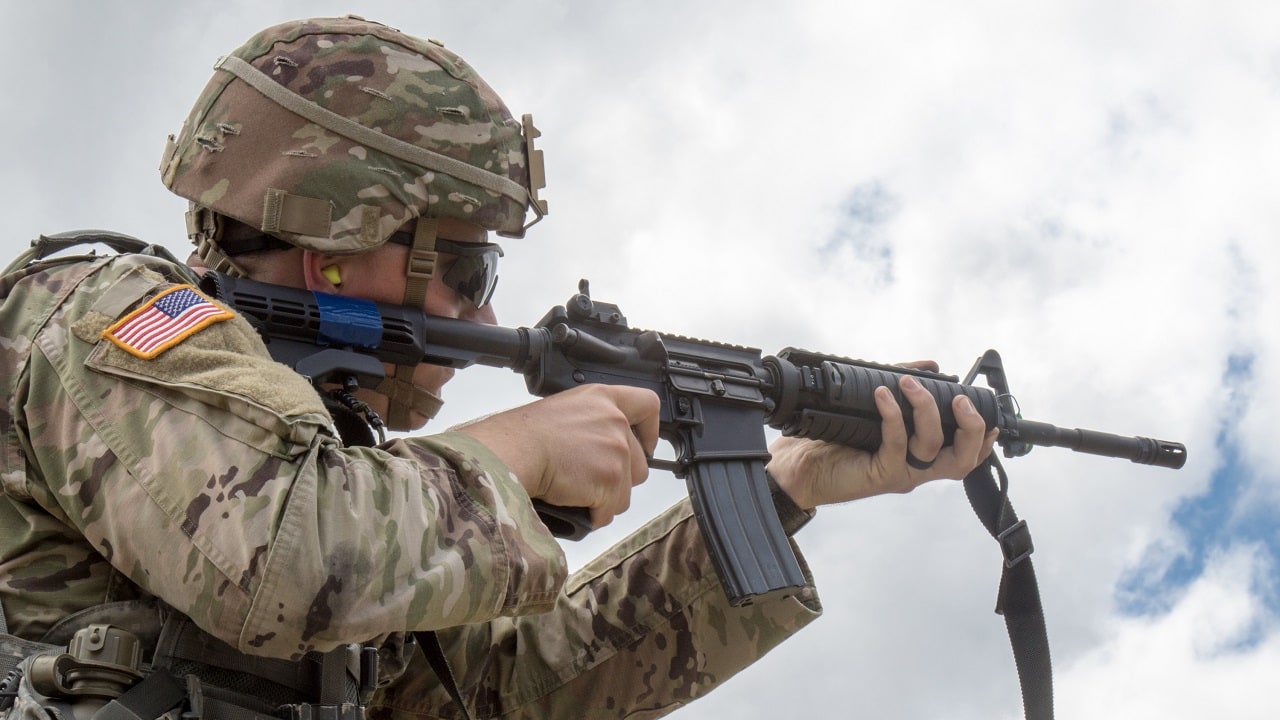
Sgt. Jacob Harrison, a U.S. Army Reserve Soldier from the 377th Theater Sustainment Command, takes aim with his M4A1 carbine at the M4 Reflexive Fire event during the 2021 U.S. Army Reserve Best Warrior/Best Squad Competition at Fort McCoy, Wis., May 22. Approximately 80 Soldiers from across the nation travelled to Fort McCoy to compete in the annually-recurring event running May 19-28. It brings in the best Soldiers and squads from across the U.S. Army Reserve to earn the title of “Best Warrior” and “Best Squad” among their peers. Competitors are evaluated on their individual and teamwork abilities to adapt and overcome challenging scenarios and battle-focused events, which test their technical and tactical abilities under stress and extreme fatigue. (U.S. Army Reserve photo by Staff Sgt. Christopher Hernandez/Released)
While 2025 has been a good year for military recruitment, it is still too early to say whether the recruitment crisis is truly over or merely a temporary change.
With 2026 around the corner as of this writing, the following year will likely indicate what recruitment will look like. With the Russo-Ukrainian war entering its fourth continuous year and China increasing its own military strength, military recruitment is a matter of national security.
At the same time, it is in the U.S.’s interest to ensure that its candidates are as capable and prepared for duty as possible.
About the Author: Isaac Seitz
Isaac Seitz, a Defense Columnist, graduated from Patrick Henry College’s Strategic Intelligence and National Security program. He has also studied Russian at Middlebury Language Schools and has worked as an intelligence Analyst in the private sector.