
Key Points and Summary – Hitler’s Ardennes offensive in December 1944 stunned Allied commanders, encircling Bastogne and the 101st Airborne amid freezing weather and dwindling supplies. Patton, however, had quietly anticipated a crisis and ordered contingency planning in advance.
-At Eisenhower’s emergency meeting on December 19, he shocked the room by promising a counterattack within 48 hours.
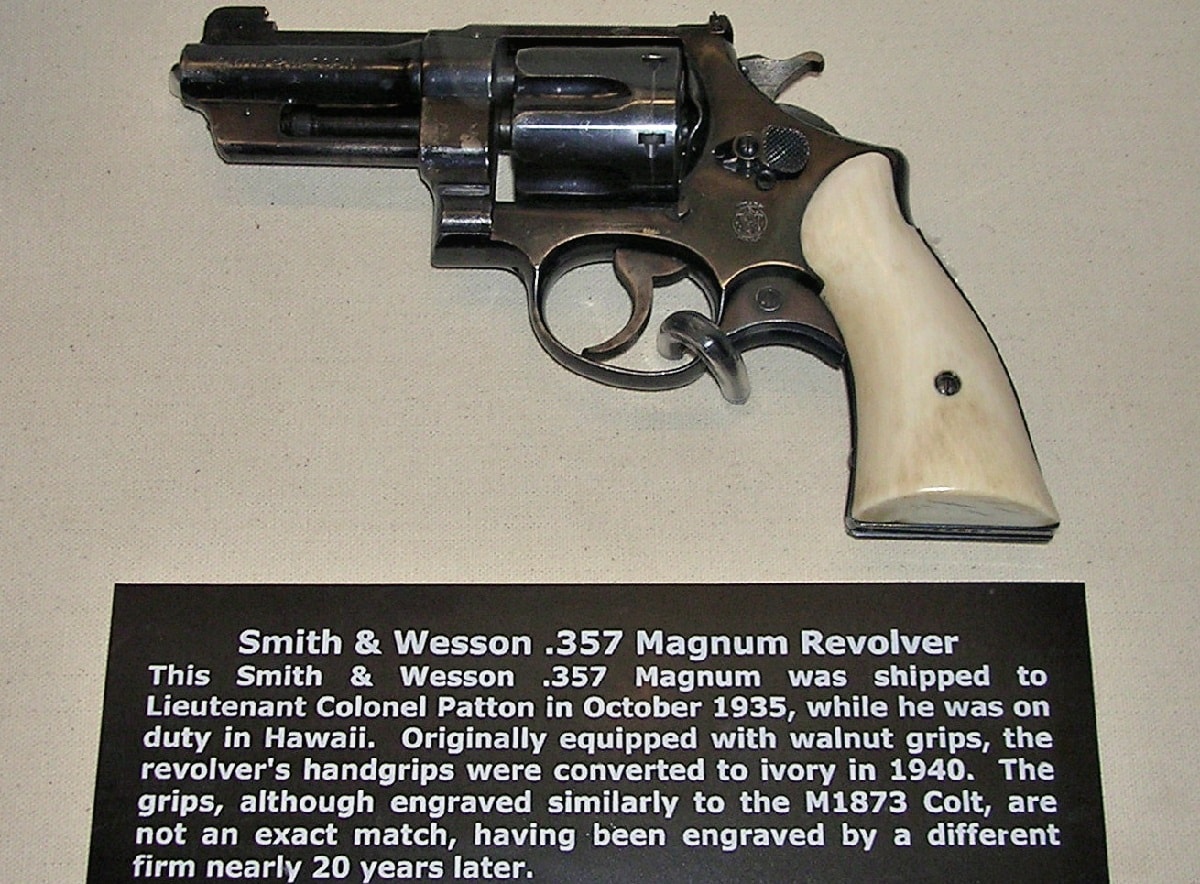
Patton’s well-known custom ivory-handled revolver.
-With “play ball,” Patton executed a massive ninety-degree pivot of Third Army, driving north through ice, destroyed bridges, and fierce resistance.
Battle of the Bulge: How Patton Pulled Off the War’s Most Audacious Pivot
On December 26, the 4th Armored Division broke through near Assenois, opening a corridor to Bastogne and blunting Germany’s last major offensive.
“I am a soldier, I fight where I am told, and I win where I fight.” – U.S. Army General George S. Patton.
George S. Patton was one of the most accomplished and iconic generals of the Second World War.
As the quote above says, Patton fought wherever he was ordered and ultimately won his battles, even if there was hardship along the way.
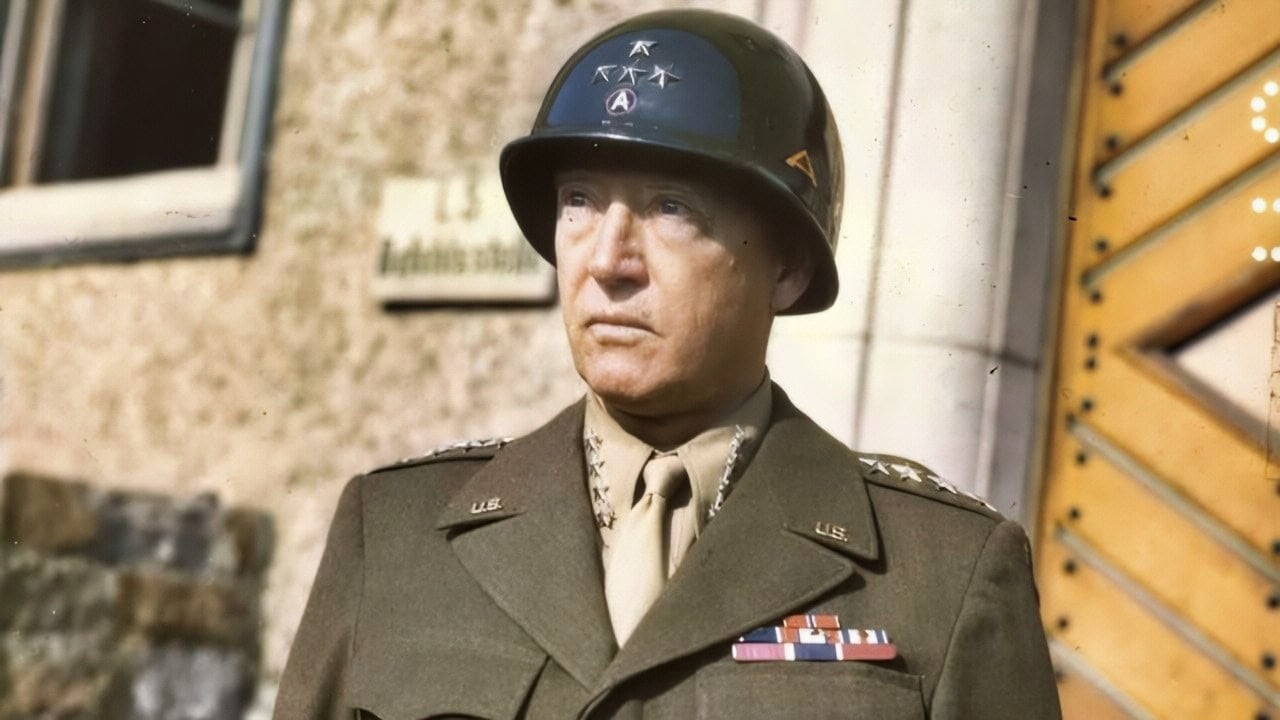
General George Patton U.S. Army Photo
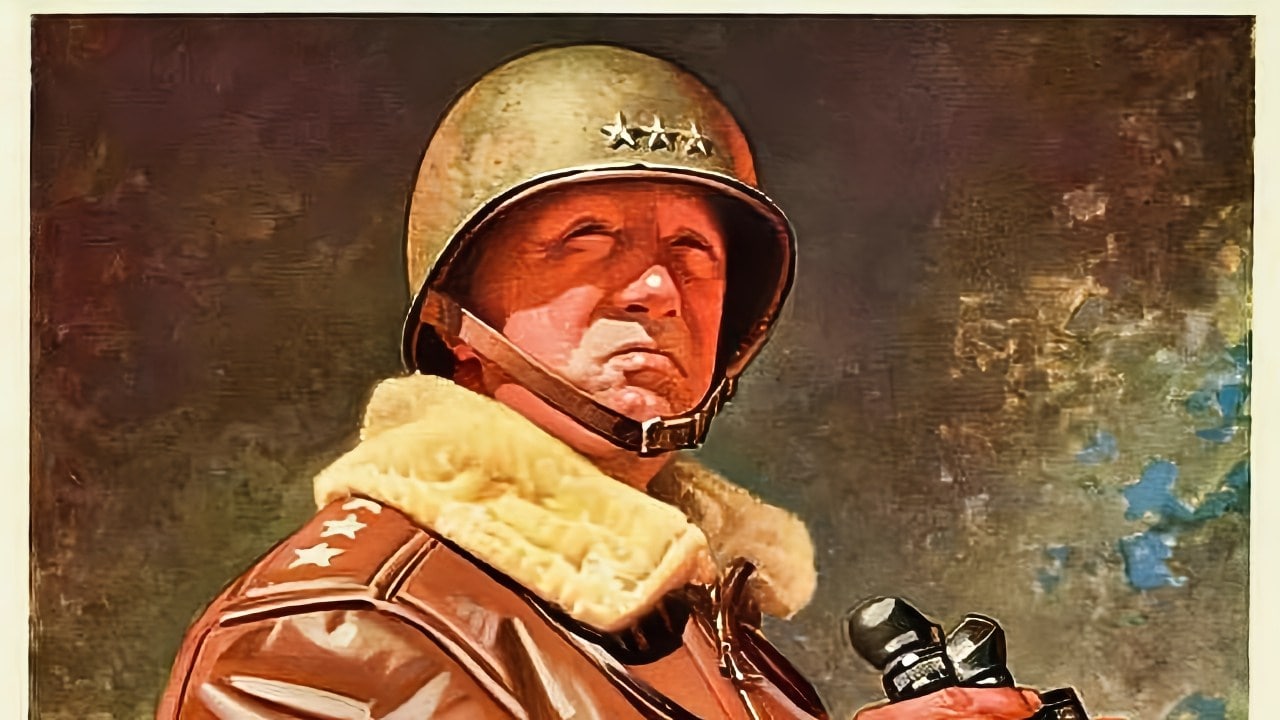
General George Patton. Image Credit: Creative Commons.
From Africa to the heartland of Germany, Patton commanded several legendary operations that were immensely successful.
Arguably, the most outstanding achievement of his career was his operation during the Battle of the Bulge to rescue the 101st Airborne Division.
Hitler’s Last Grand Offensive
In late 1944, the strategic situation in Western Europe appeared favorable to the Allies. Paris had been liberated, Allied armies had pushed to Germany’s western border, and German forces were retreating on all fronts.
The Ardennes sector, a rugged, forested region with limited roads, was considered unsuitable for large-scale offensive operations, especially in winter.
As a result, American commanders placed relatively inexperienced and recovering divisions there, assuming the area posed little risk.
Hitler exploited this assumption. On December 16, 1944, under the cover of fog and snow that grounded Allied aircraft, three German armies began a massive, coordinated assault through the Ardennes.
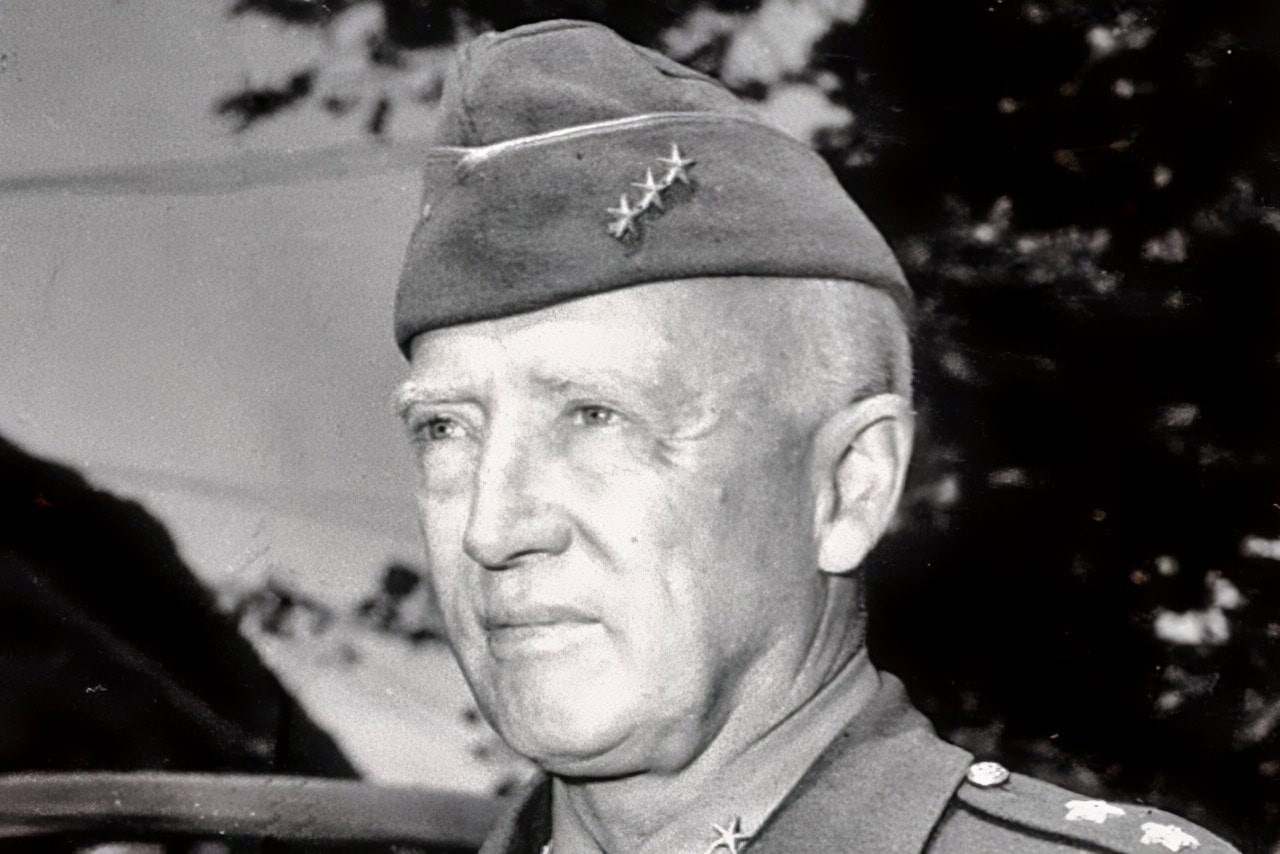
George S. Patton Quote of the Day. Creative Commons Image.
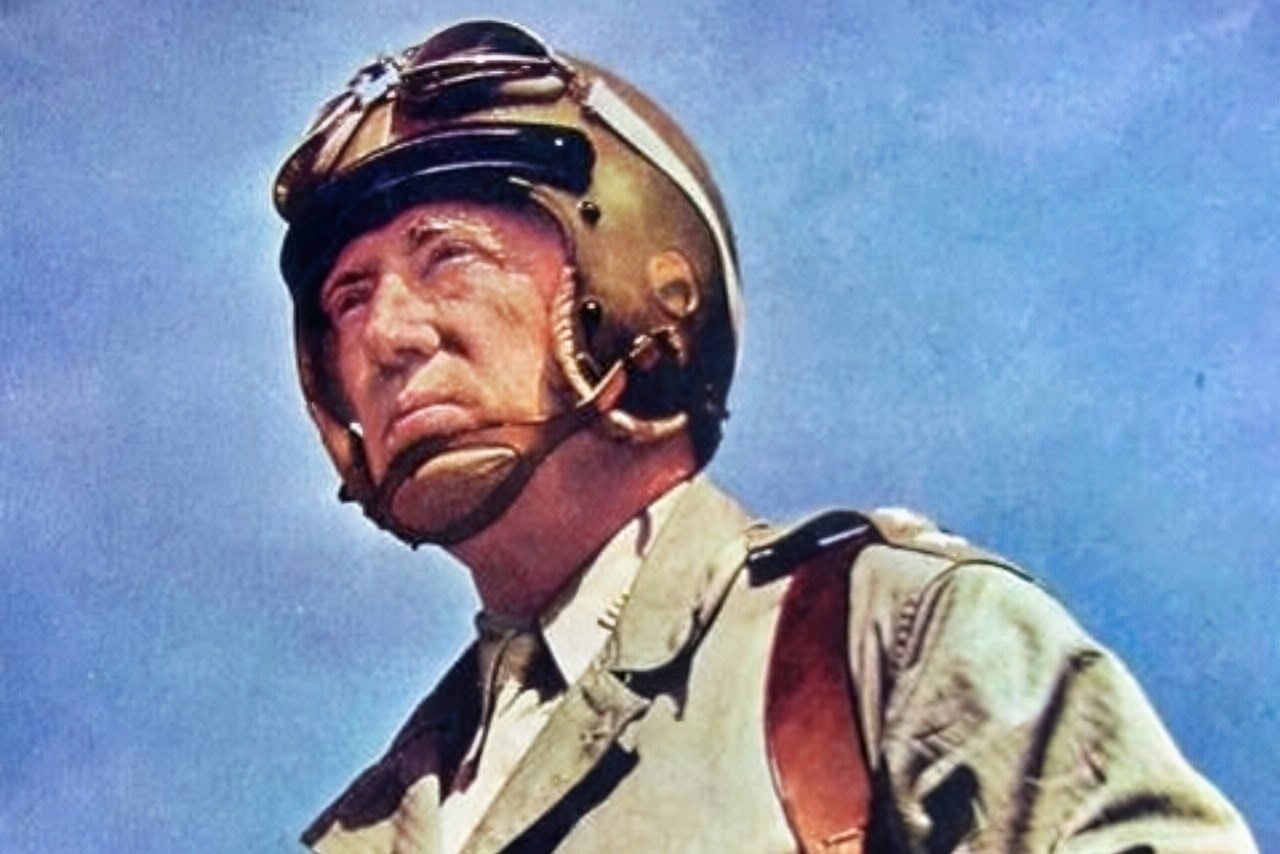
General George Patton of the U.S. Army. Image Credit: Creative Commons.
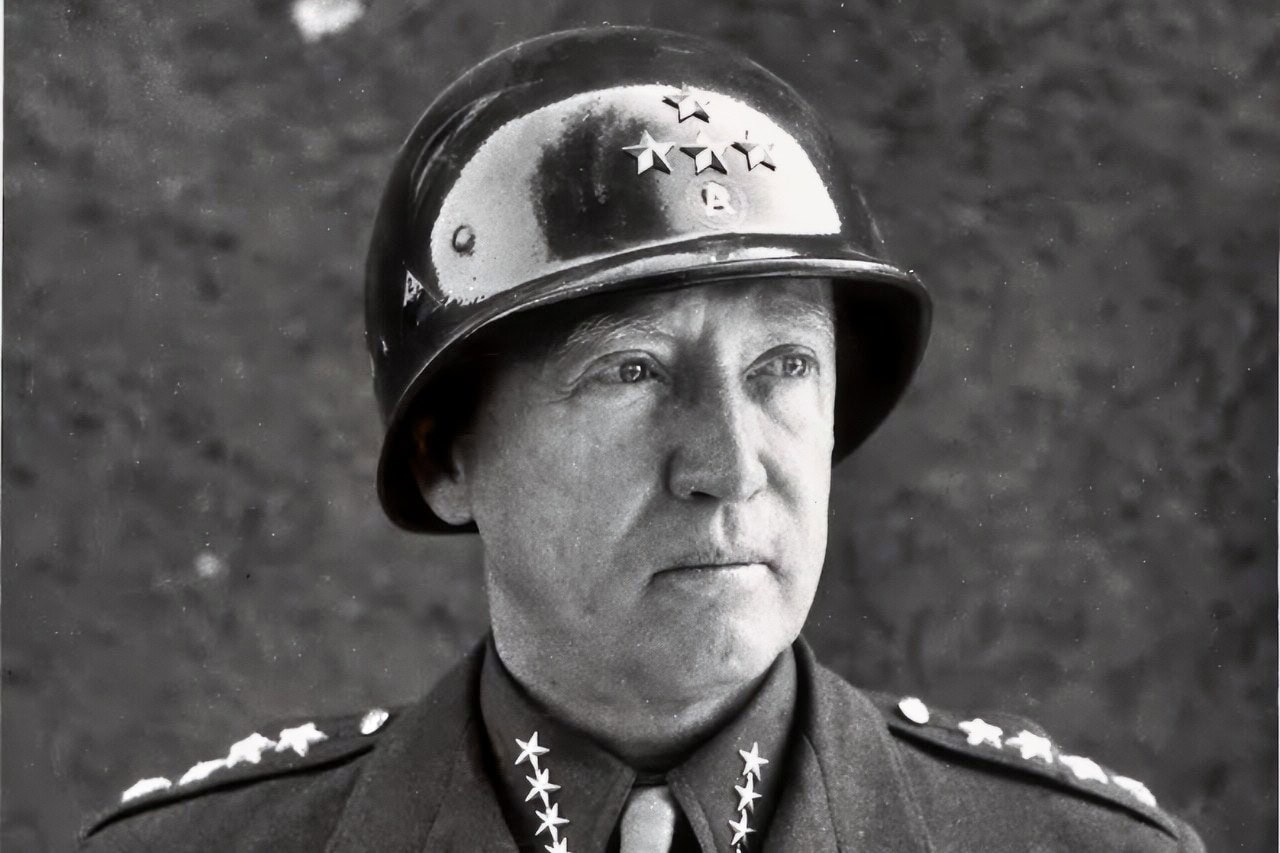
U.S. Army General George Patton
German forces achieved total surprise, punched through American lines, surrounded entire units, and advanced rapidly toward critical road junctions.
Bastogne, a small Belgian town whose roads controlled much of the region, became a central objective. By December 20, the city was surrounded, and the 101st Airborne Division was cut off from supplies in freezing weather.
Catching the Allies by Surprise
While many Allied commanders were shocked by the scale and location of the German offensive, Patton was not entirely caught off guard.
In the weeks leading up to the attack, Patton’s intelligence chief, Colonel Oscar Koch, had noticed the disappearance of German armored divisions opposite Third Army and detected unusual logistical preparations.
Patton warned his superiors that a major German offensive was likely in the Ardennes, but these warnings conflicted with prevailing Allied assumptions and were largely dismissed.
Despite the skepticism of higher headquarters, Patton quietly prepared. He directed his staff to draft contingency plans for rapidly turning the Third Army northward in the event of a German breakthrough.
Fuel routes were identified, movement schedules prepared, and attack options refined before the first German artillery barrage fell. This quiet preparation would soon make Patton the only Allied commander capable of responding to the crisis with immediate, decisive action.
Play Ball
As German advances deepened and Bastogne became encircled, Supreme Allied Commander Dwight D. Eisenhower convened an emergency conference at Verdun on December 19, 1944.
Eisenhower asked which commander could counterattack quickly enough to relieve the surrounded forces.
While others spoke in terms of days or weeks, Patton stunned the room by stating that the Third Army could attack within forty-eight hours, even though his forces were oriented eastward against Germany rather than north toward Belgium. After Eisenhower reluctantly approved of his proposal, he readied his command and uttered the words “play ball,” signaling the start of the operation.
Patton’s confidence was not bravado. The movement had already been planned. Upon receiving approval, Patton ordered one of the boldest maneuvers of the war: the ninety-degree turn of the Third Army.
In the depths of winter, with icy roads, fuel shortages, and German resistance intensifying, Patton redirected more than 100,000 soldiers, hundreds of tanks, artillery units, and massive supply columns northward toward Bastogne.
The speed and coordination of this maneuver were unprecedented at such a scale and under such conditions.
The Rush to Bastogne
With incredible precision and coordination, Patton’s forces made their way towards the encircled town of Bastogne.
Inside the town, American defenders endured constant shelling, snow, subzero temperatures, and dwindling supplies.
When German commanders demanded surrender on December 22, Brigadier General Anthony McAuliffe famously replied, “Nuts.” Yet, bravery alone could not save Bastogne; relief had to arrive quickly.
Patton placed responsibility for the relief in the hands of Major General Hugh Gaffey’s 4th Armored Division. Progress was slow and costly.
German forces fought stubbornly, bridges were destroyed, and roads became choked with snow and ice.
Patton exerted relentless pressure, repeatedly urging his commanders to maintain momentum regardless of conditions. He understood that speed was essential not only to saving Bastogne but to disrupting the entire German offensive.
Operational Success
On December 26, 1944, tanks from the 4th Armored Division broke through German lines near the village of Assenois and opened a corridor into Bastogne.
The siege was lifted, supplies began to flow, and the symbolic heart of the German offensive was broken.
The relief of Bastogne marked a significant turning point in the Battle of the Bulge and dealt a severe blow to German morale and operational momentum.
The 101st Airborne Division stubbornly insisted after the fact that they did not need relief, stating that they had things under control (they did not).
Patton’s contribution did not end there. For weeks afterward, Third Army remained locked in bitter combat across Luxembourg and southern Belgium. Patton launched additional attacks toward Echternach and other key positions, steadily eroding the south flank of the German bulge while British and American forces attacked from the north.
These sustained operations helped collapse the German salient and prevented the enemy from regrouping or retreating in an orderly fashion.
About the Author: Isaac Seitz
Isaac Seitz, a Defense Columnist, graduated from Patrick Henry College’s Strategic Intelligence and National Security program. He has also studied Russian at Middlebury Language Schools and has worked as an intelligence Analyst in the private sector.