
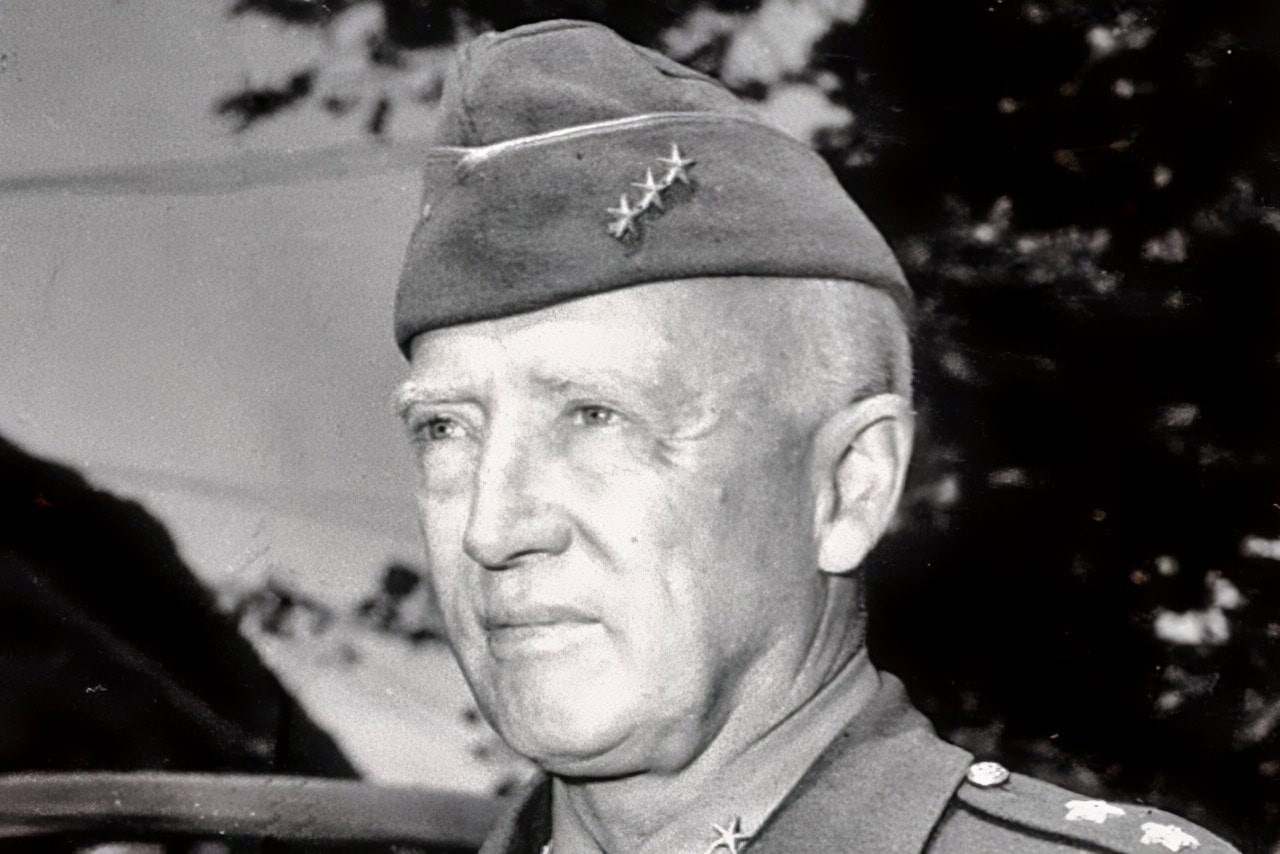
Synopsis: George S. Patton’s quote—“a pint of sweat will save a gallon of blood”—wasn’t motivational fluff. It was an operating concept that shaped how he trained and fought, especially as he prepared the Third U.S. Army for combat in Europe in 1944.
-The piece argues that Patton’s insistence on hard, realistic training built competence, cohesion, and tempo—advantages that showed up after the Normandy breakout, when Third Army maneuvered with speed and coordination across France.
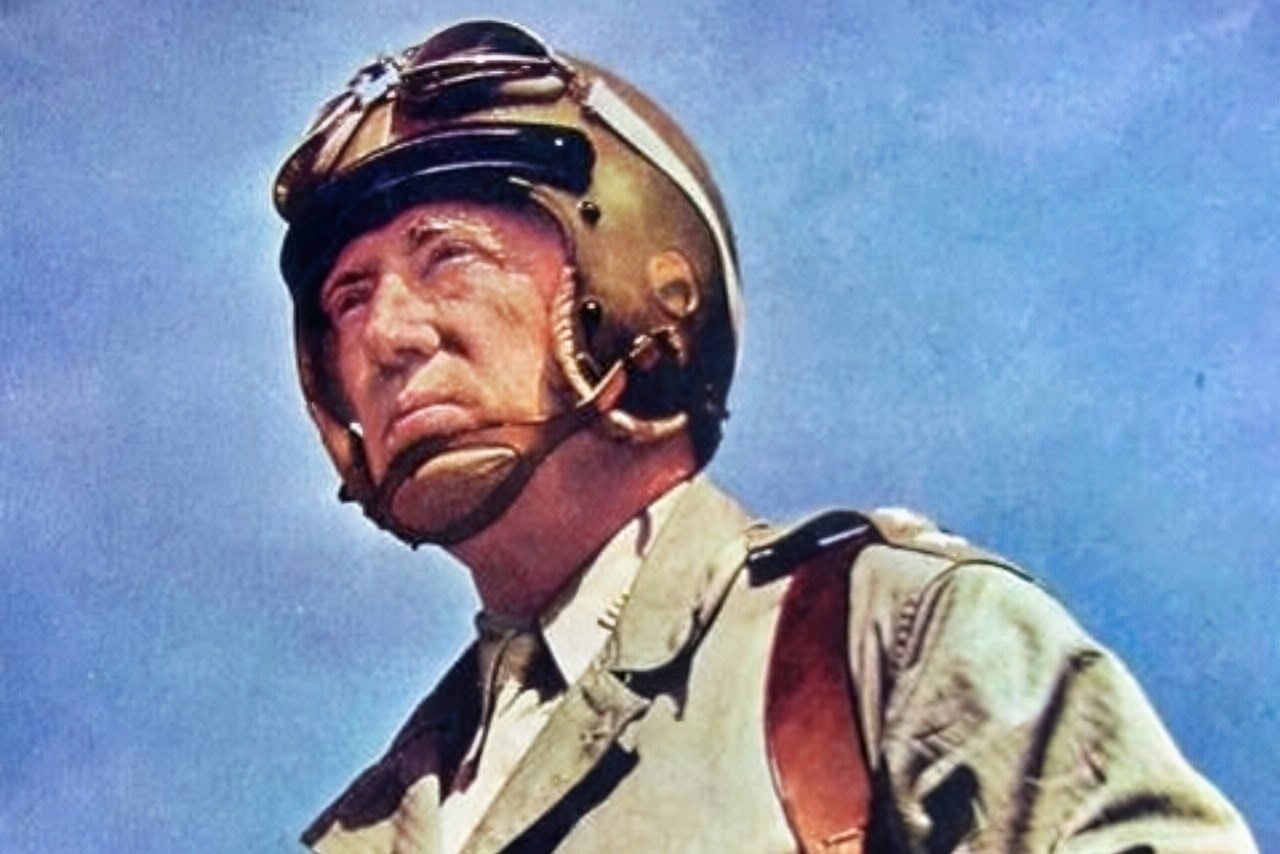
General George Patton of the U.S. Army. Image Credit: Creative Commons.
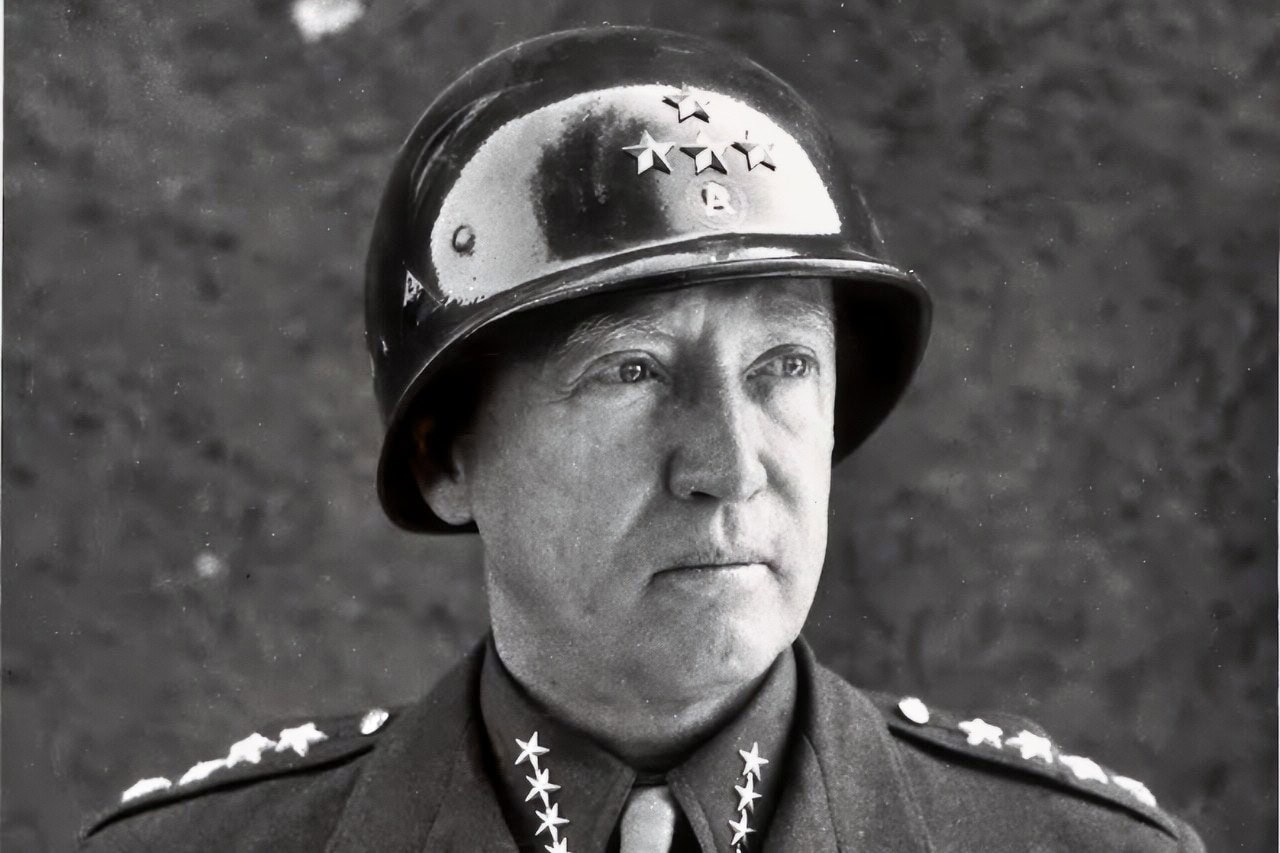
U.S. Army General George Patton
-It also notes the limits of Patton’s philosophy and the controversies that shadowed his record, including the Sicily hospital incidents.
Patton’s Most Useful Lesson Wasn’t Speed. It Was Discipline.
“A pint of sweat will save a gallon of blood.” – General George S. Patton
On its face, General George S. Patton Jr.’s famous observation reads as a motivational quote. In practice, though, it encapsulates the operational philosophy that underpinned one of World War II’s most effective American field armies: the Third U.S. Army. The phrase conveys a simple yet effective proposition for military professionals and planners: that rigorous preparation and intensive training can reduce casualties in combat by establishing competence, cohesion, and pace.
Widely repeated in military lore, the phrase represents consistent behavior throughout Patton’s career as a trainer and a commander through 1945.
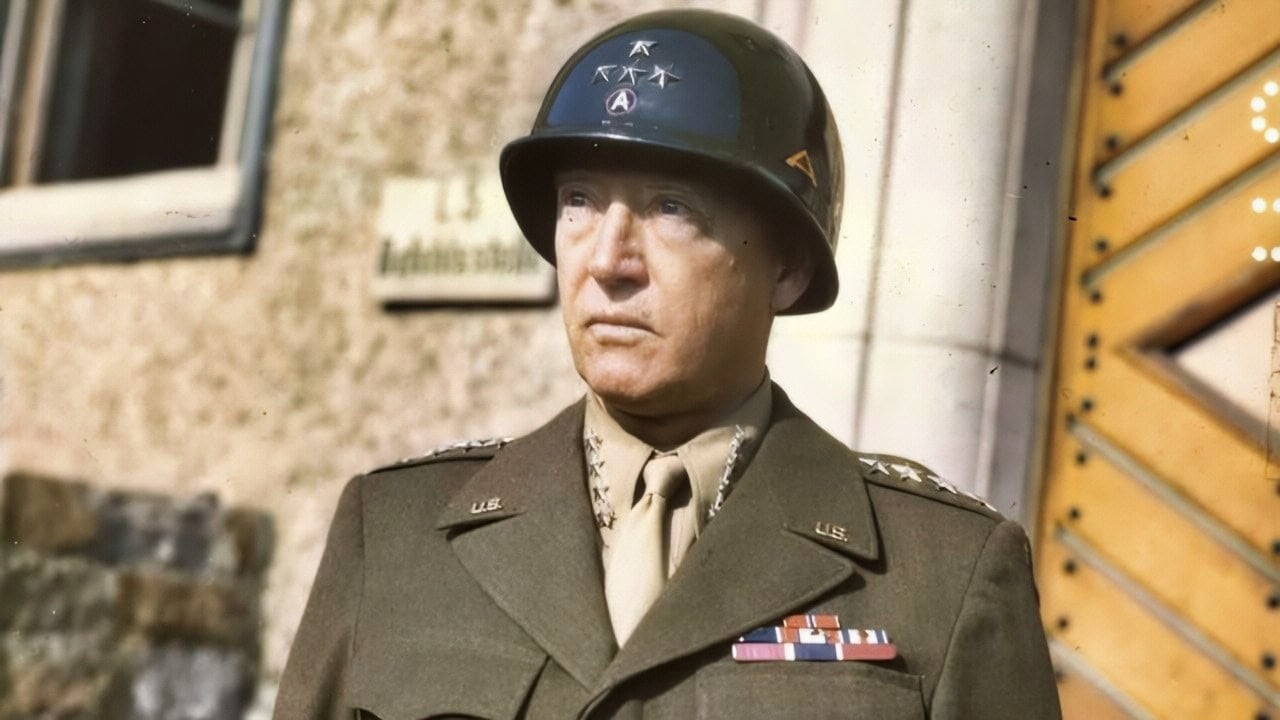
General George Patton U.S. Army Photo
Patton’s Career and Philosophy
George Smith Patton Jr. was born in 1885 in California and graduated from West Point in 1909. Over the next three decades, he built a reputation as a tank warfare innovator and an authoritarian leader well before the outbreak of World War II.
He served with distinction in World War I with the U.S. Tank Corps, and in the years between World War I and World War II he became a leading advocate of armored warfare doctrine.
By the time the U.S. entered World War II, Patton was already a prominent proponent of preparing for war through realistic training. His leadership in creating the Desert Training Center – a vast region between Arizona and California – was designed to make units train hard so they could fight more easily. And although Desert Training Center units did not eventually deploy en masse to the North African desert, that ethos of intense and rigorous preparation became embedded in many American Army units.
When Patton’s units first saw combat in the Mediterranean, where they landed at Casablace during Operation Torch in 1942 and later commanded the Seventh Army in Sicily, his focus on preparation saw success and generated some controversy. During the Sicily campaign in 1943, for example, Patton’s push toward Messina reflected his now-expected aggressive operational style.
He pressured German and Italian forces to withdraw to the island’s northeast coast and helped secure the objective ahead of other Allied formations.
But at the same time, Patton’s conduct away from the battlefield drew controversy: on August 3 and again on August 10, he struck two U.S. soldiers in evacuation hospitals after dismissing their combat stress as cowardice. Those incidents resulted in a formal reprimand from his superior, General Dwight D. Eisenhower, who ordered Patton to apologize to the soldiers and medical personnel who witnessed them.
Operationalizing “Sweat” In World War II
Patton’s famous quote is most closely associated with the speeches he delivered to the Third U.S. Army in the spring of 1944 as he prepared the formation for combat in Europe. At the time, the Third Army was new and composed mainly of inexperienced units.
Patton knew this and responded accordingly: he focused on intensive training, strict discipline, and an aggressive offensive mindset, arguing that soldiers who mastered their tasks under demanding conditions were capable of doing so on the battlefield and less likely to incur casualties.
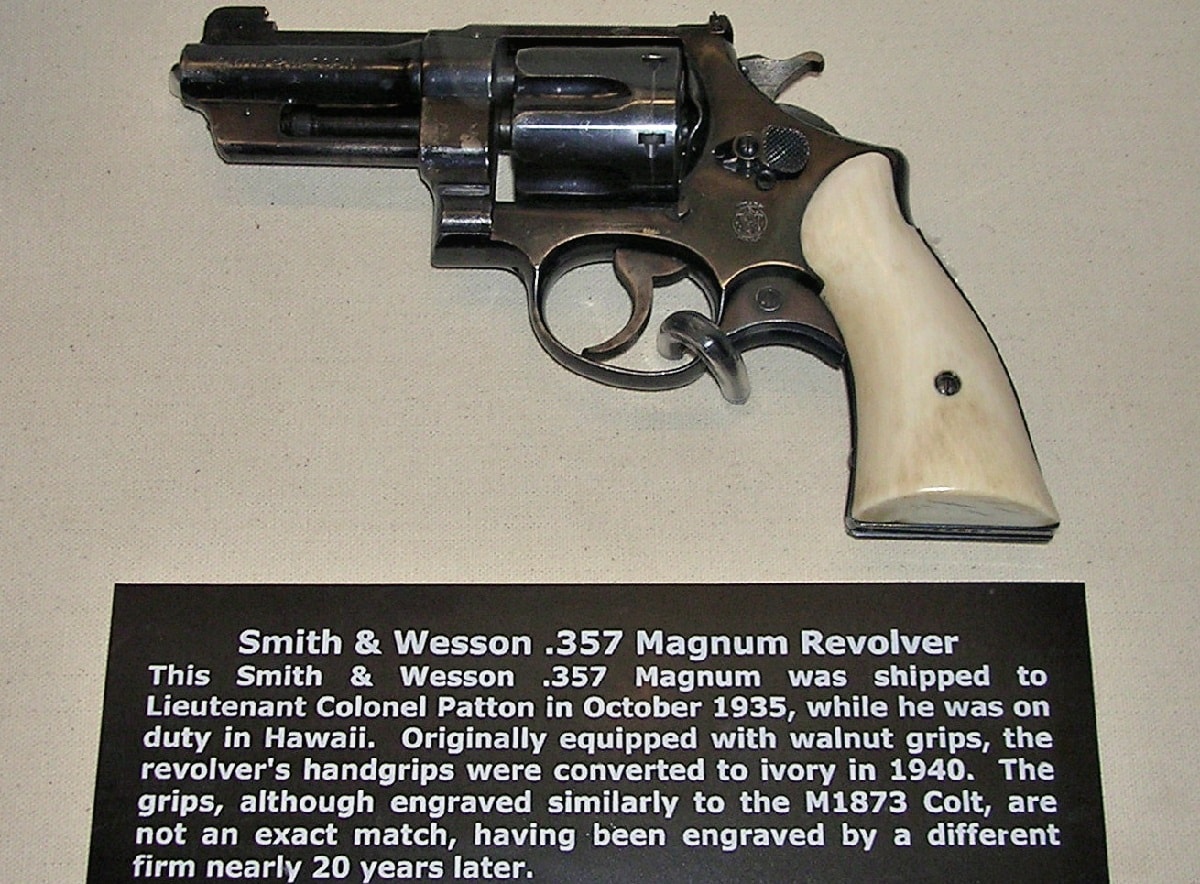
Patton’s well-known custom ivory-handled revolver.
The most widely circulated version of Patton’s address, delivered on June 5, 1944 – the day before the Normandy landings – includes the line “I believe in the old and sound rule that an ounce of sweat will save a gallon of blood.”
Put into context, the remark simply means that preparation means fewer people will die, less confusion, and fewer preventable losses.
Subsequent operations proved his approach could work. After the Normandy breakout, the Third Army executed rapid advances across France, exploiting gaps in German defenses with great speed and excellent coordination.
The army’s ability to move quickly and maintain momentum, while also reorienting under pressure, reflected his training philosophy.
Limits and Enduring Relevance
Patton’s philosophy was sound, but it did have precise limits. During the Sicily campaign in 1943, his aggressive drive toward Medine helped pressure Axis forces into withdrawal.
Still, his leadership was overshadowed by controversy when he struck two soldiers suffering from combat fatigue in field hospitals – the previously-mentioned incident that resulted in a reprimand from Eisenhower.
But more broadly, preparation alone cannot substitute for intelligence, logistics, and coordination across a coalition.
Patton himself understood this reality, however, and the Third Army’s operational tempo depended heavily on its ability to carry fuel and supply/maintain its forces.
Patton’s phrase is relevant today and will be for as long as humans are involved in combat. Preparation does not eliminate risk, but it can mitigate loss, avoid chaos, and help forces maintain control even under challenging circumstances.
About the Author:
Jack Buckby is a British researcher and analyst specialising in defence and national security, based in New York. His work focuses on military capability, procurement, and strategic competition, producing and editing analysis for policy and defence audiences. He brings extensive editorial experience, with a career output spanning over 1,000 articles at 19FortyFive and National Security Journal, and has previously authored books and papers on extremism and deradicalisation.