
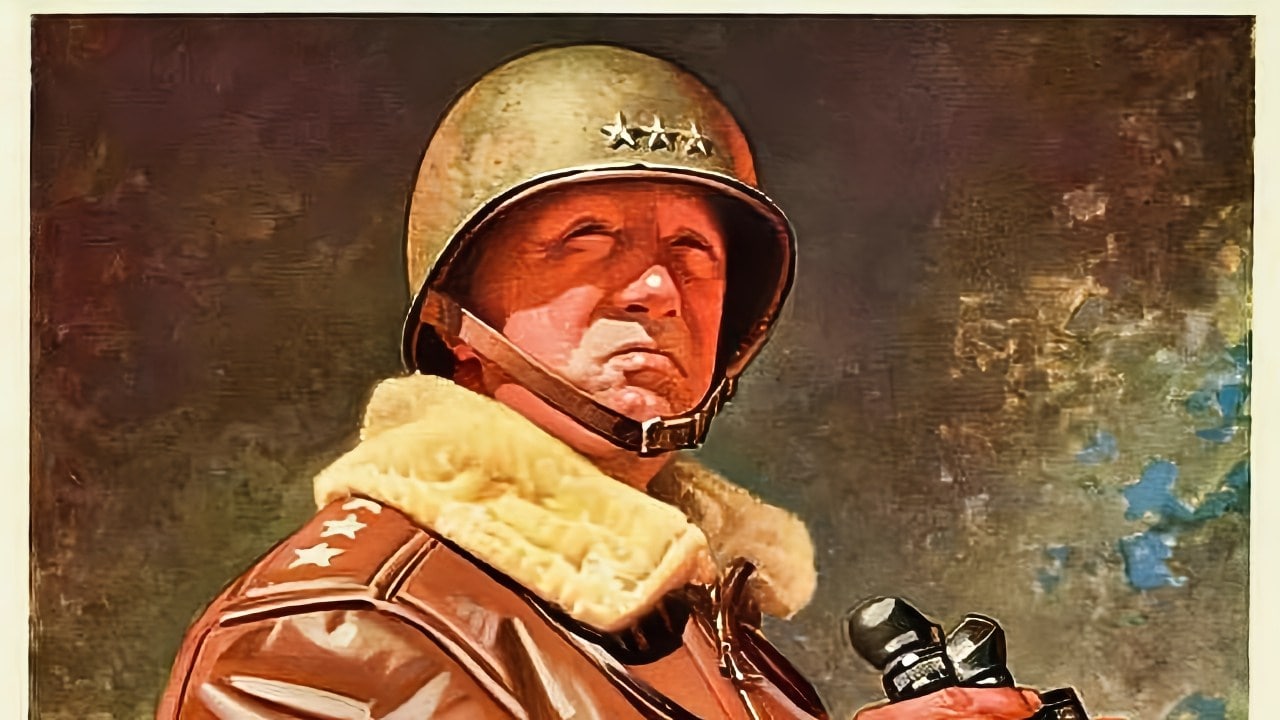
Why General Patton Was Banned from Leading the D-Day Invasion
“The test of success is not what you do when you are on top. Success is how high you bounce when you hit the bottom.” – George Patton
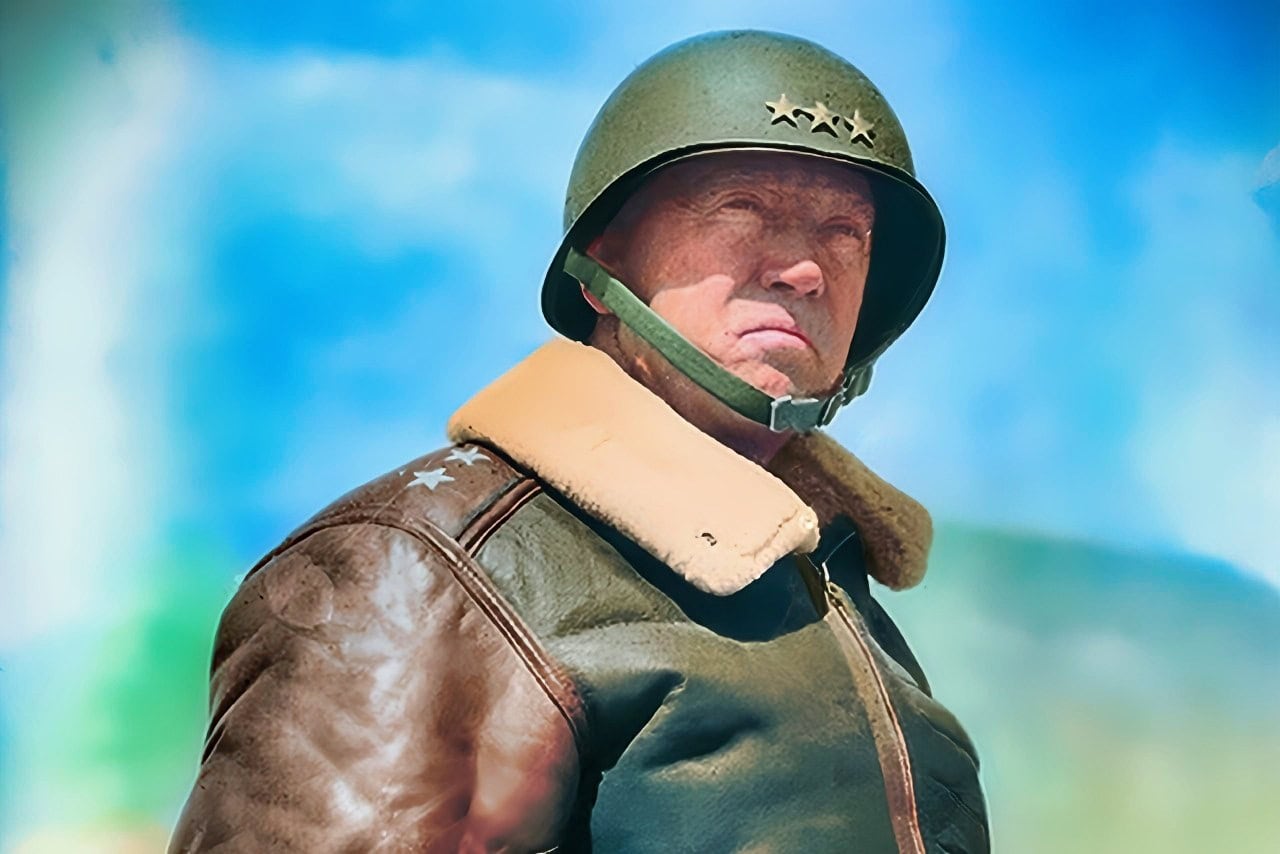
George Patton U.S. Army Photo
Out of the many quotes belonging to U.S. Army General George Smith Patton Jr., this is the one I can relate to best—it was pretty much the same thing that my college buddy said to me over beers in the summer of 1997 after my unsuccessful first attempt at applying to U.S. Air Force Officer Training School. I finally did earn my commission on September 27, 2001, as a member of the first post-9/11 OTS graduating class.
General Patton was well qualified to make the statement. Though he won many battlefield victories, he also had his fair share of setbacks. Arguably the rockiest point of his generalship came when he was sidelined for the single most important day of the Allied war effort in the Western European Theater of Operations: June 6, 1944, i.e., D-Day.
So, Why Was Patton Sidelined?
Andrew Carroll sums up the setback in a May 22, 2009 article for HistoryNet:
“After slapping a hospitalized American soldier in Sicily in August 1943 and then making controversial remarks at the opening of a serviceman’s club in Knutsford, England, in April 1944, Lt. Gen. George S. Patton Jr. came within inches of being relieved of his command. Instead, Gen. Dwight D. Eisenhower imposed a punishment almost as devastating: Patton would be relegated to an essentially minor role during the historic Normandy landings. ‘It is Hell to be on the side lines and see all the glory eluding me,’ Patton wrote to his wife Beatrice on D-Day.”
That “essentially minor role” was still essential, even if it didn’t answer the hard-charging Patton’s need for frontline glory: it was a grand deception campaign involving the command of an enormous faux “army” mobilizing near Dover, England. There were fake airfields, oil-storage depots, troop cantonments, ammunition dumps, boats, and vehicles, including full-size, inflatable rubber tanks. German reconnaissance picked up this fake army and took the bait. By the time the truth was revealed, it was too late, as the Allies had landed on the French beachheads.
Fans of spy thriller fiction may recall the bestselling novel Eye of the Needle by Ken Follett, or its 1981 filmic adaptation starring the late Donald Sutherland as the titular “Needle”—the codename of German spy Henry Faber, who discovers the shocking truth about Patton’s fake army. If Faber succeeds in his mission, the cover story will be blown. Spoiler alert: Fortunately, the Needle fails, and Patton’s fake army achieves its intended purpose.
Dramatized in Pop Culture
Arguably, the best cinematic depiction of Ike’s sidelining of Patton is the 2004 made-for-television movie Ike: Countdown to D-Day. The titular character is played by Tom Selleck, while Patton is portrayed by Gerald McRaney.
-Patton: “The straight skinny. When this is over, it will be us and the Brits having to put the damn world back together.”
–Eisenhower: “That’s going to come as a hell of a surprise to Joe Stalin, who’s losing millions on the Eastern Front.”
-Patton: “Ahem, Communism’s for the next war.”
-Eisenhower: “G*ddammit, George, shut up!”
-Eisenhower: “I’m not sending a bunch of fresh young kids to die for a people they know nothing about, I’m asking them to die for freedom and they’re ready to do it and that’s why they’re heroes. And why slapping a shell-shocked soldier is NEVER, never permissible! Do you understand me, sir?”
-Patton: “Just please…don’t send me home…please, Ike.”
Eisenhower ended up winning this verbal tizzy. But as we know with hindsight, Patton was proven prescient about Communism.
How Did Patton Bounce Back?
Patton bounced back with gusto and aplomb, as one might expect. A month after the invasion, Patton finally landed at Omaha Beach, where he was greeted by his men with a rousing cheer. He learned soon thereafter that he was to lead the Third Army, and his first responsibility was to clear the Brest peninsula of Germans.
Though probably unbeknownst to Patton, Eisenhower made a partially vindicating statement roughly three months after the D-Day landings. As described by renowned war correspondent Max Hastings in his 1985 book Victory in Europe: D-Day to VE Day In Full Color:
“The drive for Cherbourg had thus failed to achieve its principal strategic purpose, and when the Americans renewed their attack southwards, they made slow progress through the bocage. ‘Sometimes I wish I had George Patton over there,’ Eisenhower reflected moodily as he heard reports of the US First Army’s difficulties.”
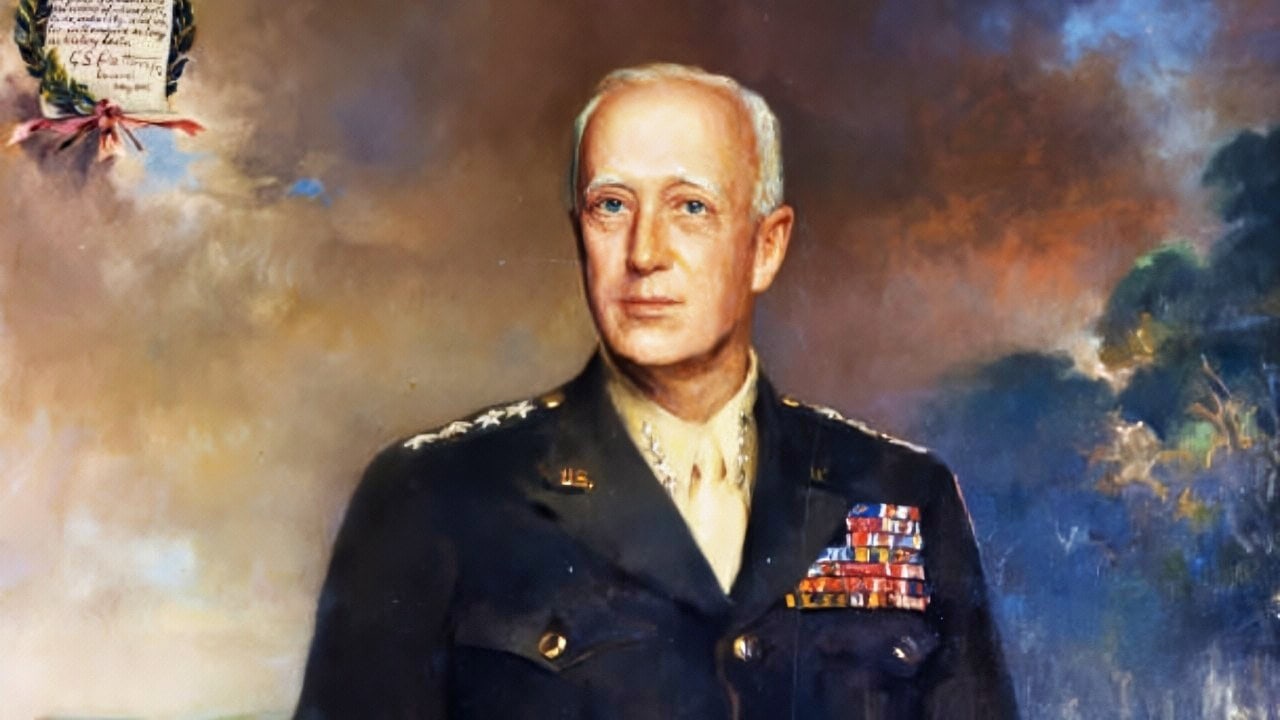
Portrait of Army General Patton. Image Credit: Creative Commons.
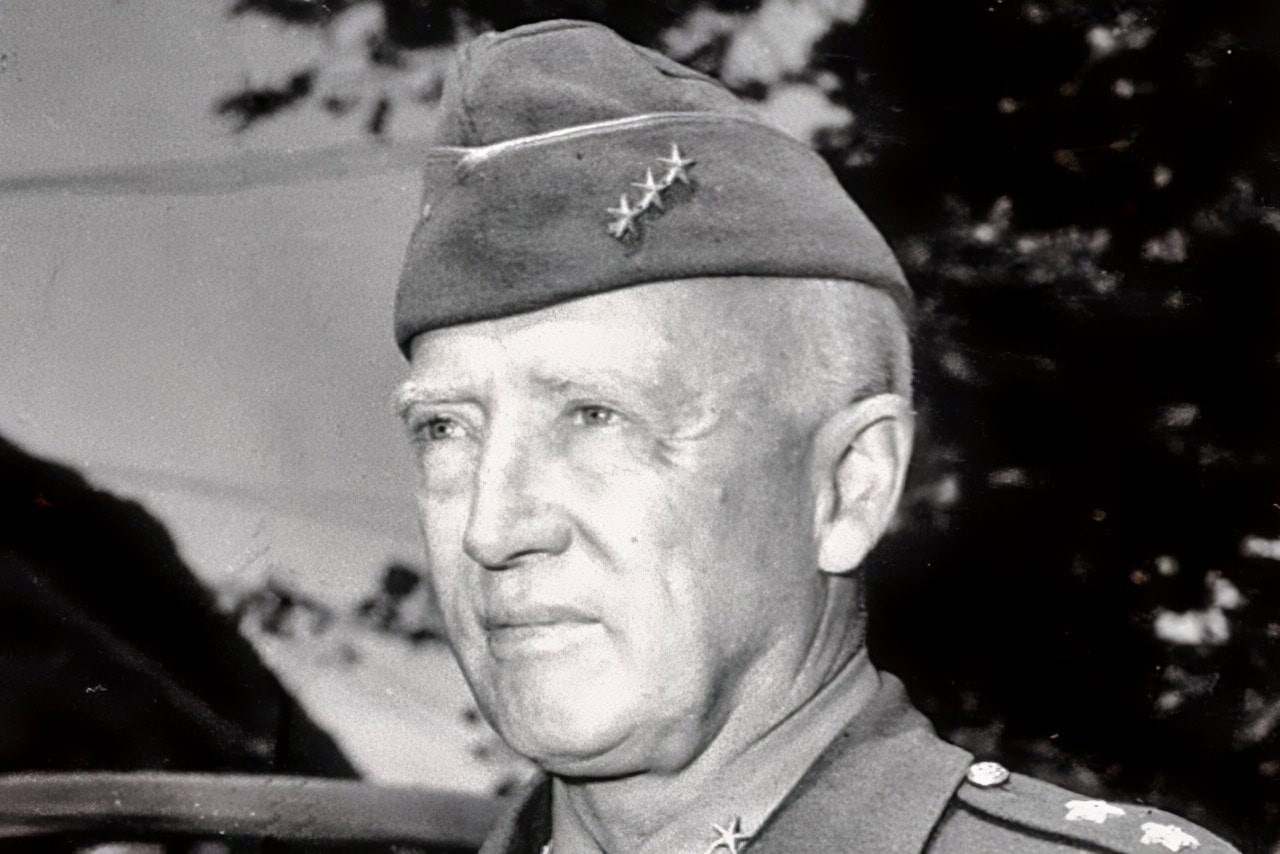
George S. Patton Quote of the Day. Creative Commons Image.
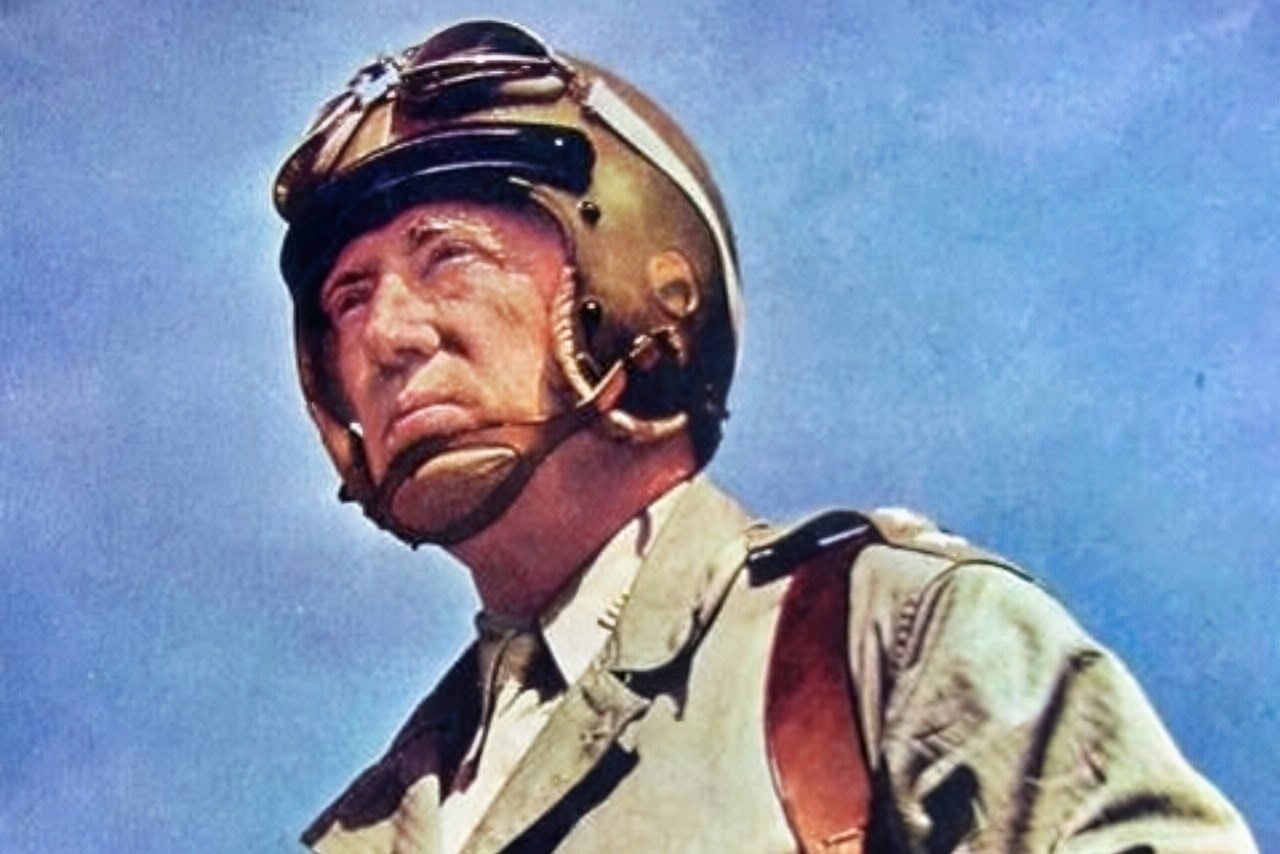
General George Patton of the U.S. Army. Image Credit: Creative Commons.
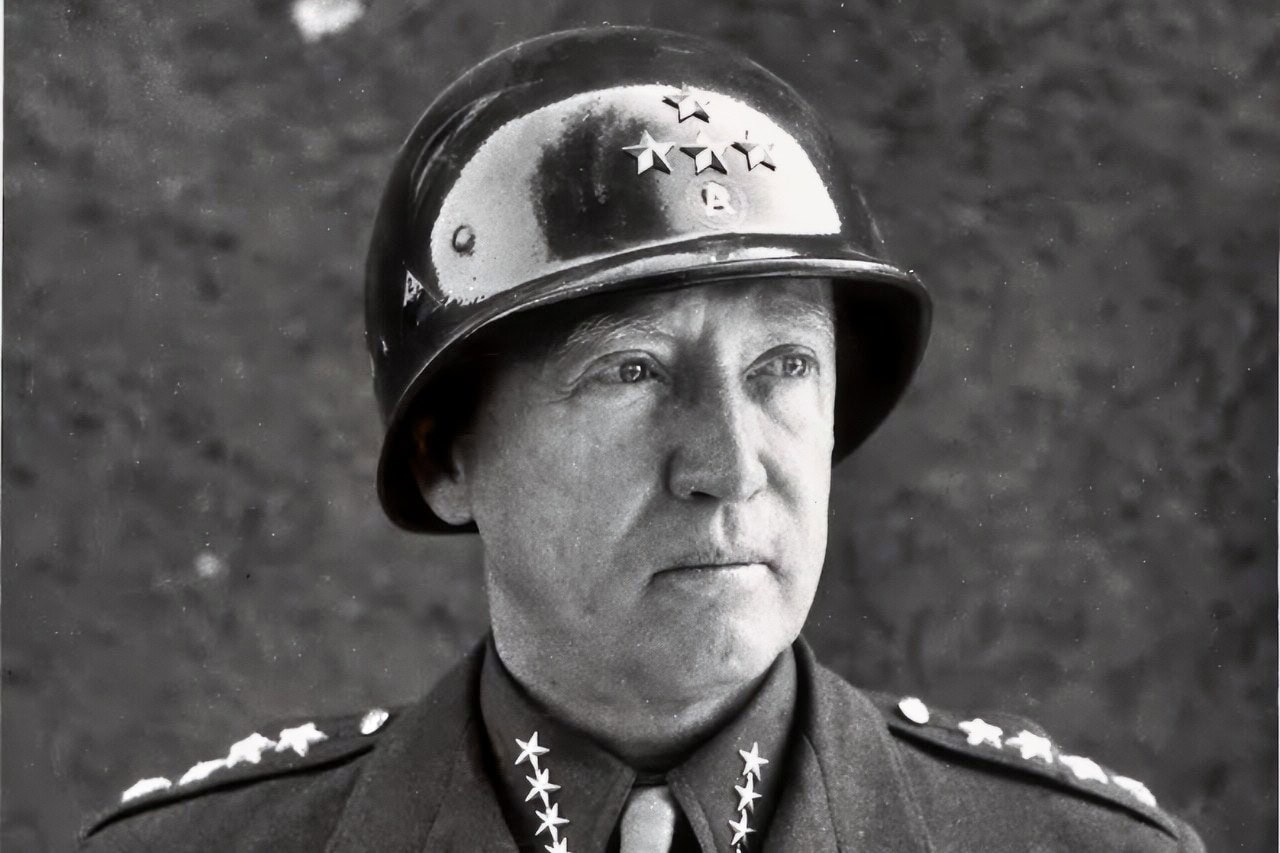
U.S. Army General George Patton
Luckily, just more than six months after D-Day, Ike did have Patton “over there,” in the Ardennes, during the Battle of the Bulge, providing the leadership drive that turned a stunning initial success for the Germans into a smashing Allied victory.
The Battle of the Bulge was the culmination of Patton’s beautiful bounce-back from the D-Day doldrums.
About the Author: Christian D. Orr, Defense Expert
Christian D. Orr is a Senior Defense Editor. He is a former Air Force Security Forces officer, Federal law enforcement officer, and private military contractor (with assignments worked in Iraq, the United Arab Emirates, Kosovo, Japan, Germany, and the Pentagon). Chris holds a B.A. in International Relations from the University of Southern California (USC) and an M.A. in Intelligence Studies (concentration in Terrorism Studies) from American Military University (AMU). He is also the author of the newly published book “Five Decades of a Fabulous Firearm: Celebrating the 50th Anniversary of the Beretta 92 Pistol Series.”