
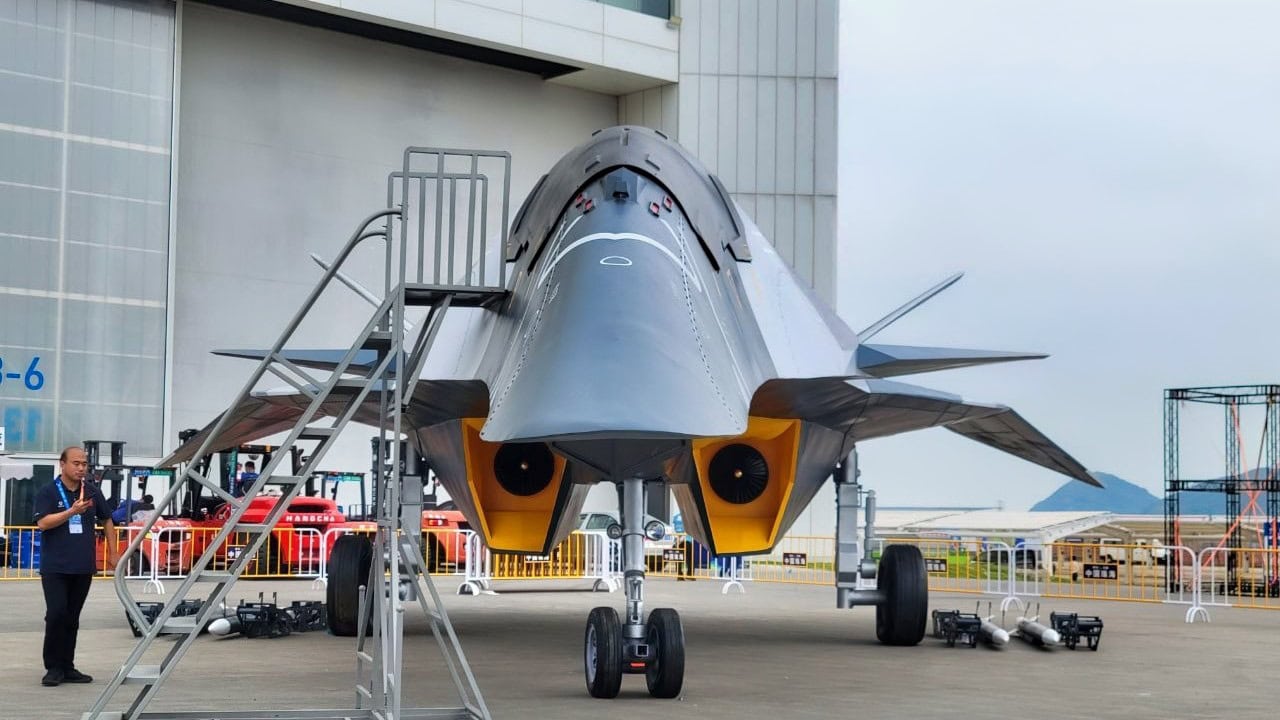
Synopsis: Russia’s post-Soviet arms exports to China were a pragmatic bargain: Moscow needed hard currency and industrial survival, while Beijing needed a rapid modernization shortcut.
-Key sales included Flanker-family fighters that informed the J-11 line, multirole experience via Su-30 variants, and later the more symbolic Su-35 deal.
-The most consequential leverage point was propulsion—especially the AL-31 engine—plus air-defense sales such as the S-300 and later S-400.
-Naval transfers like Kilo-class submarine exports and Sovremenny destroyers accelerated Chinese doctrine and capability.
-Over time, copying and reverse-engineering reduced China’s dependence, leaving the relationship strategically awkward—but not irrational in its original context.
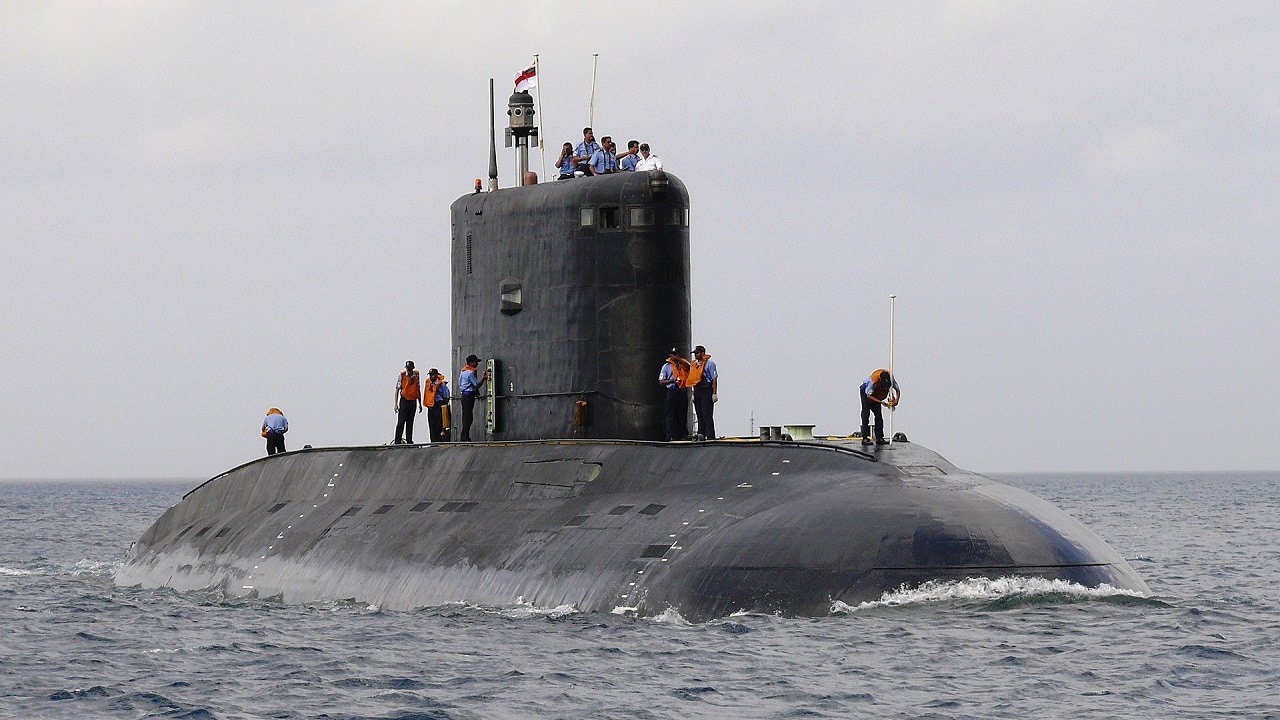
Kilo-Class Submarine.
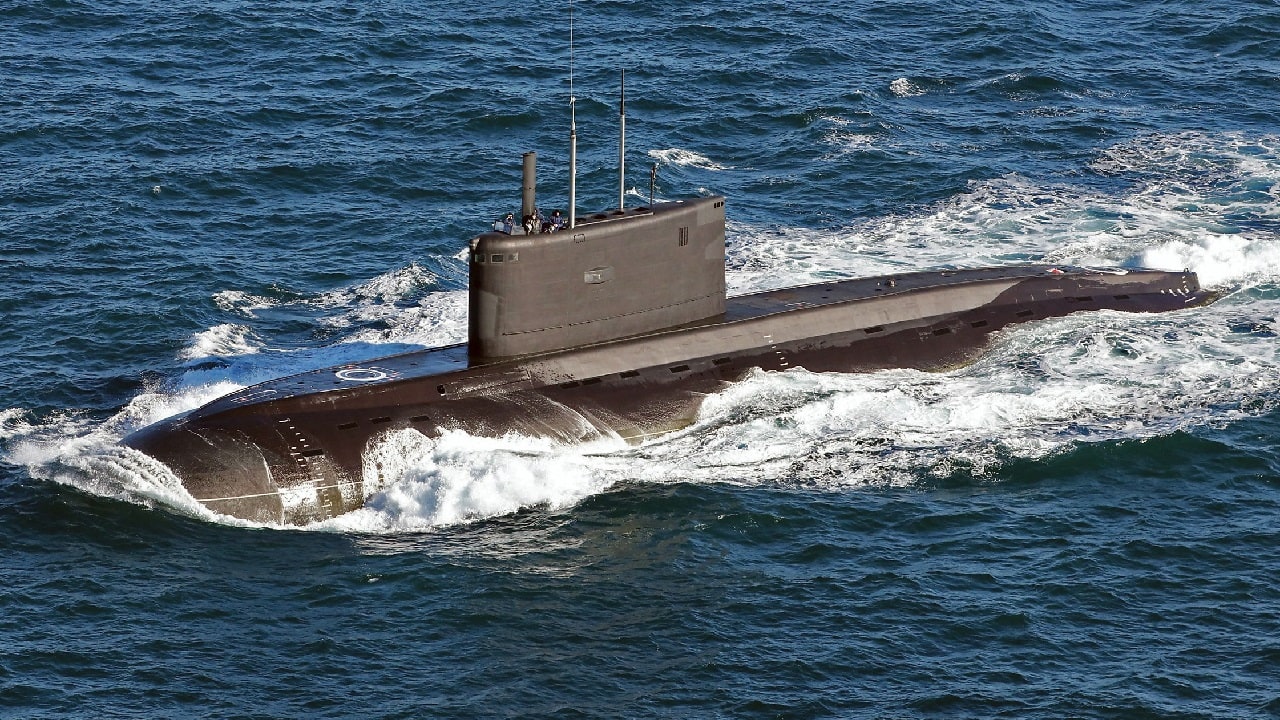
Pictured is a Kilo-Class Russian Submarine in the English Channel. The image was taken from Royal Navy Wildcat HMA2 Helicopter of 815 Naval Air Squadron. Kilo class is the NATO reporting name for the diesel-electric attack submarine.
China Copied Russia’s Best Military Gear: Why Moscow Sold It Anyway
Russia helped arm China’s military forces for decades. Even today, many Chinese designs show their Russian lineage.
Now, as China’s power rises, Russia’s recedes, and great power competition renews, Moscow is revisiting the wisdom of arming China. Did Russia help create a future peer competitor?
Probably not—the transaction made sense in a constrained market, even if it has become strategically awkward since.
History of the Deal
In the 1990s and early 2000s, Russia needed hard currency and stable buyers. Moscow needed to ensure its post-Soviet defense industry survived.
China, meanwhile, needed rapid modernization to close capability gaps with the United States, Japan, and Taiwan. Russia and China shared a mutual interest in counterbalancing against the United States.
Cooperation made sense at the time.
What Was Sold
Russia sold China a variety of fighter aircraft. The baseline Su-27 was sold to China with licensure and assembly rights. This led to China’s indigenous derivative, the J-11 family. Russia also sold Su-30 variants, thus helping introduce the Chinese aerospace industry to the multirole concept, avionics integration, and weapons employment.
Later came the Su-35. That sale was smaller and more symbolic—regardless, by that point, China already had advanced domestic projects in place.
Arguably the most important technology transfer was Russian turbofan/turboshaft engines; China had struggled to produce a passable turbofan engine. The AL-31 engine included with the Flanker line was Russia’s primary source of leverage over China for years.
The development of China’s early air-defense systems depended on Russia; sales of the S-300 surface-to-air missile system were crucial
. Later sales of the S-400 were politically significant and tactically meaningful, even if they were not a great step forward in Chinese capabilities.
But the transfer did allow China to improve their area-denial confidence and doctrine.
On the naval side, Russia sold Kilo-class submarines and Sovremenny-class destroyers. The subs were quiet, and the destroyers offered ready-made surface-strike capability. These purchases allowed China to jump-start aspects of its naval doctrine.
Was It a Mistake?
Beijing learned fast, copied, and reverse-engineered many Russian technologies—leading to reduced dependence.
Russia arguably helped accelerate a future competitor that now challenges Russia in third-party export markets. Arms sales improved China’s ability to contest regional dominance—so Russia indirectly strengthened a major revisionist power. Over time, the relationship became asymmetric, in that China gained tech while Russia gained cash but lost bargaining power.
Rational Argument
Russia’s alternatives were limited in the 1990s, and the defense industry needed foreign orders to survive.
Russia did not have the luxury of being picky, and China was a large, reliable customer. Arms trades bought Russia political influence and strategic alignment, at least initially, with a rising global power.
But the extent to which Russia facilitated China’s maturation is likely overstated. Beijing would have modernized regardless, even without Russia, sourcing tech, talent, and designs from somewhere else along the way.
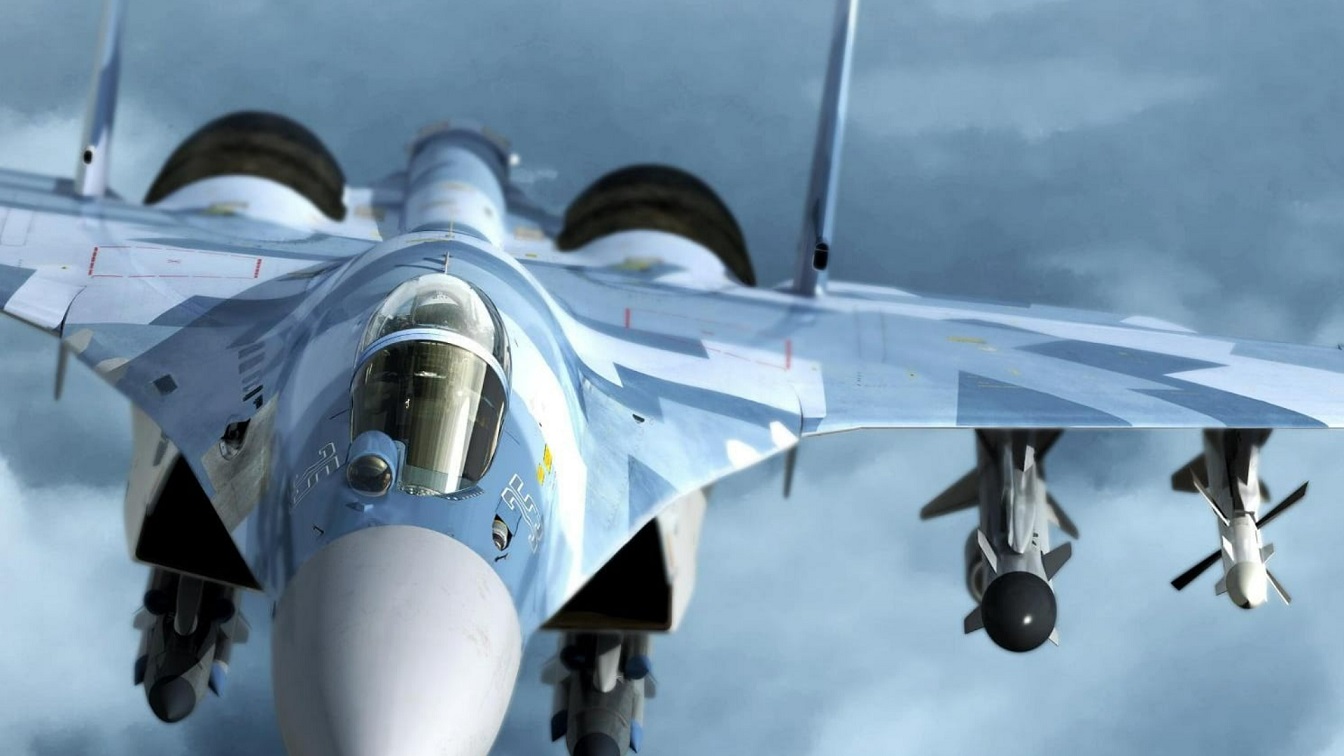
Su-35. Image Credit: Creative Commons.
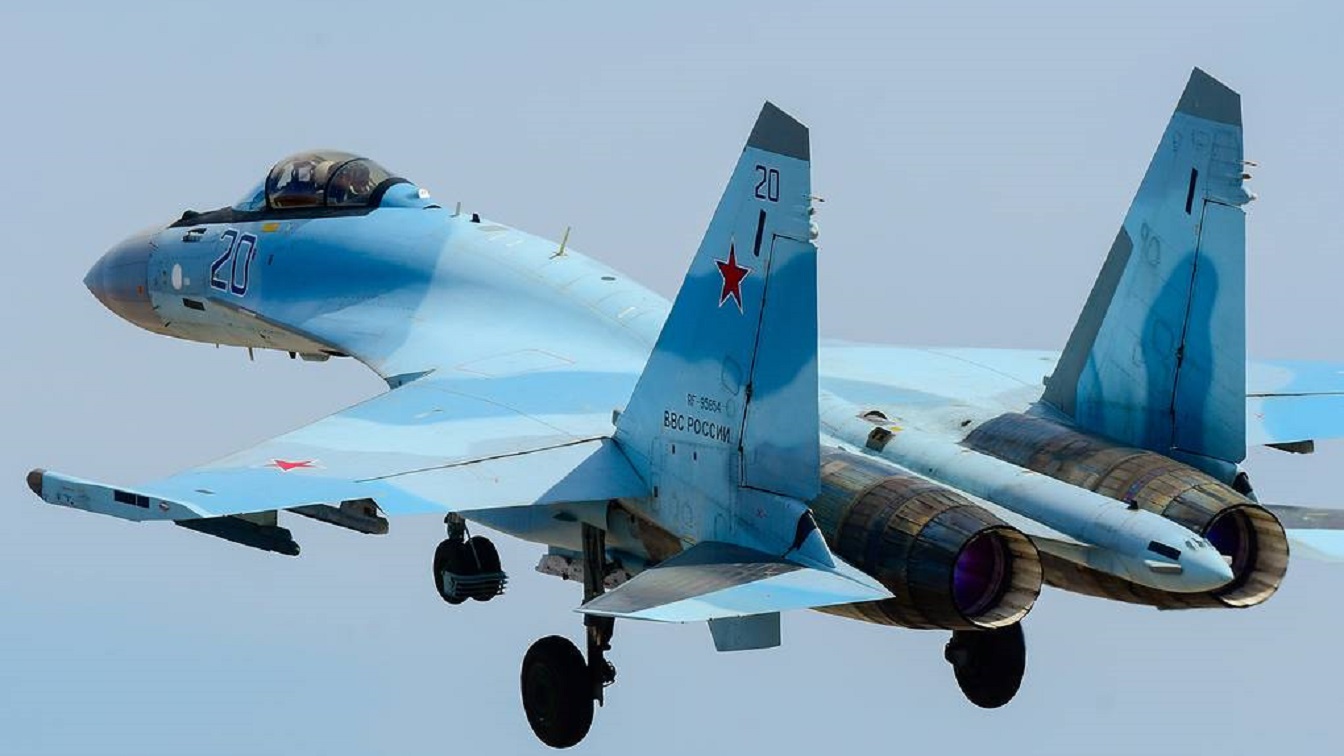
Su-35S fighter. Image Credit: Russian State Media.
And fortunately for Russia, the country still retains decisive deterrence mechanisms—nuclear weapons and strong homeland defense systems—so arms sales did not compromise their domestic security.
Good Deal at the Time
In the future, Russia will likely be more cautious about selling cutting-edge tech to China. Meanwhile, China will focus on developing indigenous systems, buying selectively only where they see a gap. The long-run relationship will probably feature Russia as a selective resource supplier, while China takes on a prominent manufacturing stance.
So, the sales were not a categorical mistake. They were a pragmatic exchange. Russia got revenue and alignment. China got a modernization shortcut. In hindsight, the exchange may feel strategically awkward, but it was never irrational.
About the Author: Harrison Kass
Harrison Kass is an attorney and journalist covering national security, technology, and politics. Previously, he was a political staffer and candidate, and a US Air Force pilot selectee. He holds a JD from the University of Oregon and a master’s in global journalism and international relations from NYU.