
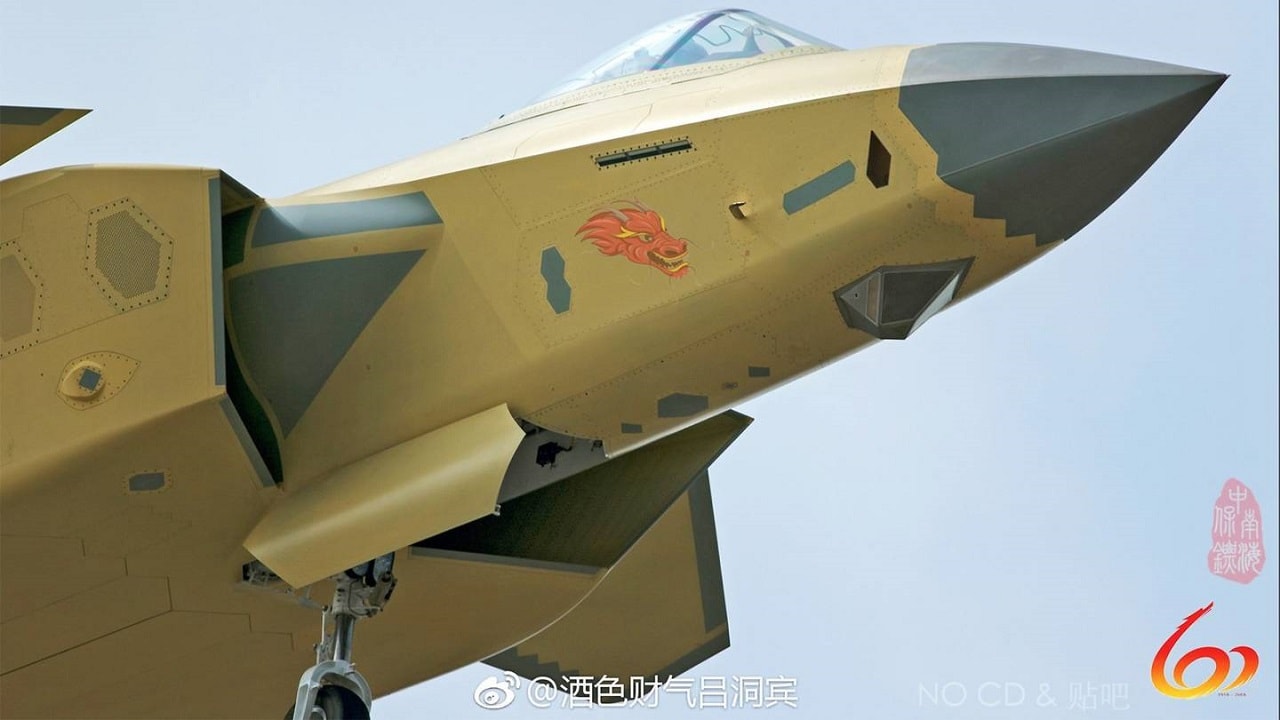
Synopsis: During the “Justice Mission 2025” exercises on December 29, a Chinese J-20 “Mighty Dragon” stealth fighter reportedly flew undetected within visual range of Taiwan’s southern coastline, raising alarms about the island’s defense capabilities.
-While this incident underscores Beijing’s growing air power, analysts note the J-20 still trails U.S. fifth-generation fighters like the F-35 in critical areas, particularly engine technology and STOVL capabilities.
-Despite recent upgrades to the domestic WS-10 engine, China’s stealth fleet remains a “tough competitor” but faces ongoing quality and performance hurdles compared to its American counterparts.
China’s J-20 vs. US F-35: The Engine Flaw That Still Holds Back Beijing’s Stealth Fleet
While the American-made F-22 Raptor and F-35 Lightning II fighter platforms may represent the most recognizable fifth-generation aircraft of their kind to fly the skies, China’s domestic counterpart is not necessarily second-rate.
In fact, the Chengdu J-20 “Mighty Dragon” hosts many of the same cutting-edge capabilities as its Lockheed Martin-designed Western equivalents.
As tensions continue to escalate in the Pacific, the potential for a future duel between America’s and China’s top fighter jets may be unavoidable.
Earlier this year, new footage of a Chinese J-20 jet flying near a Taiwanese airbase was widely circulated. Indicating Beijing’s ongoing ambitions to take Taipei, the hostile flight, which reportedly was taken during China’s “Justice Mission 2025,” is concerning.
According to an Interesting Engineering report, a defense analyst on X detailed the flight, noting that “China’s J-20 stealth fighter flew within visual range of Taiwan’s coastline.
The Taiwanese failed to detect the J-20. It would’ve been a propaganda coup if Taiwan got a photo of the J-20 with their F-16 sniper targeting pod. This happened around Checheng township in Pingtung, at the very southern tip of Taiwan.”
In recent years, the People’s Liberation Army Air Force (PLAAF) has ramped up what has been described as aggressive training flights in international airspace over the Pacific.
This most recent hostile incident allegedly occurred on December 29.
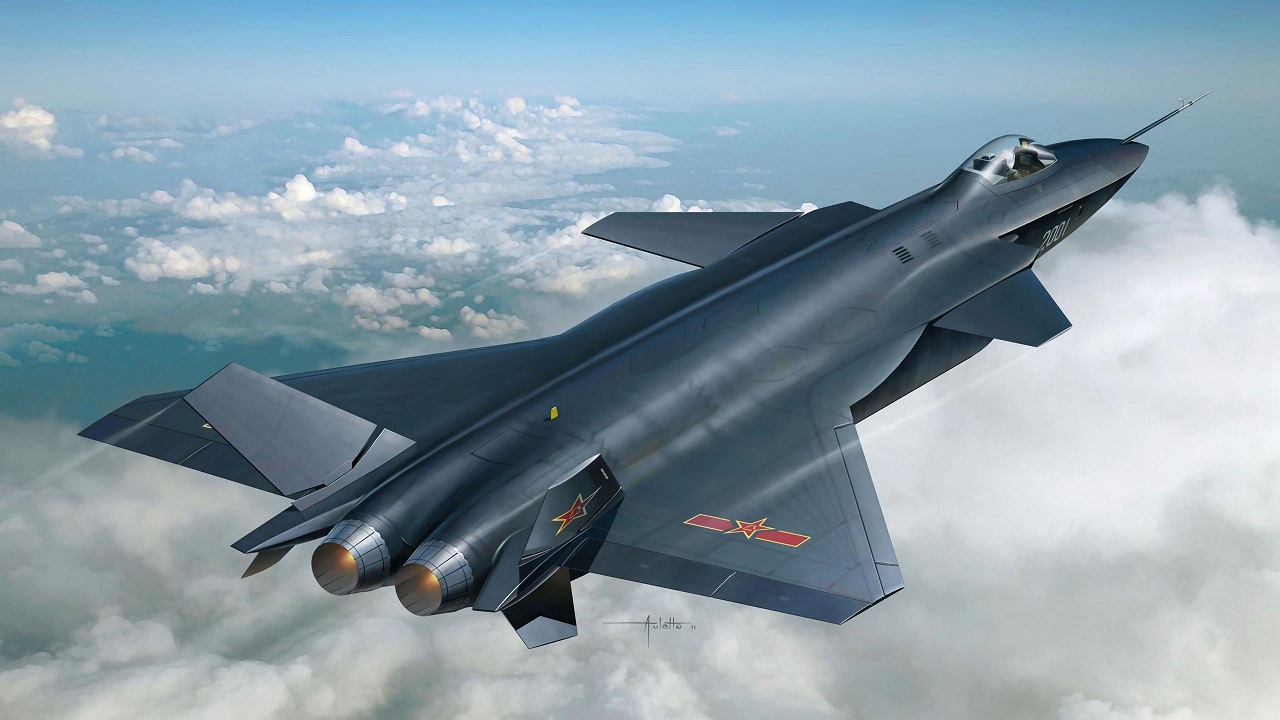
J-20 Fighter via computer generated artist rendering. Image Credit: Creative Commons.
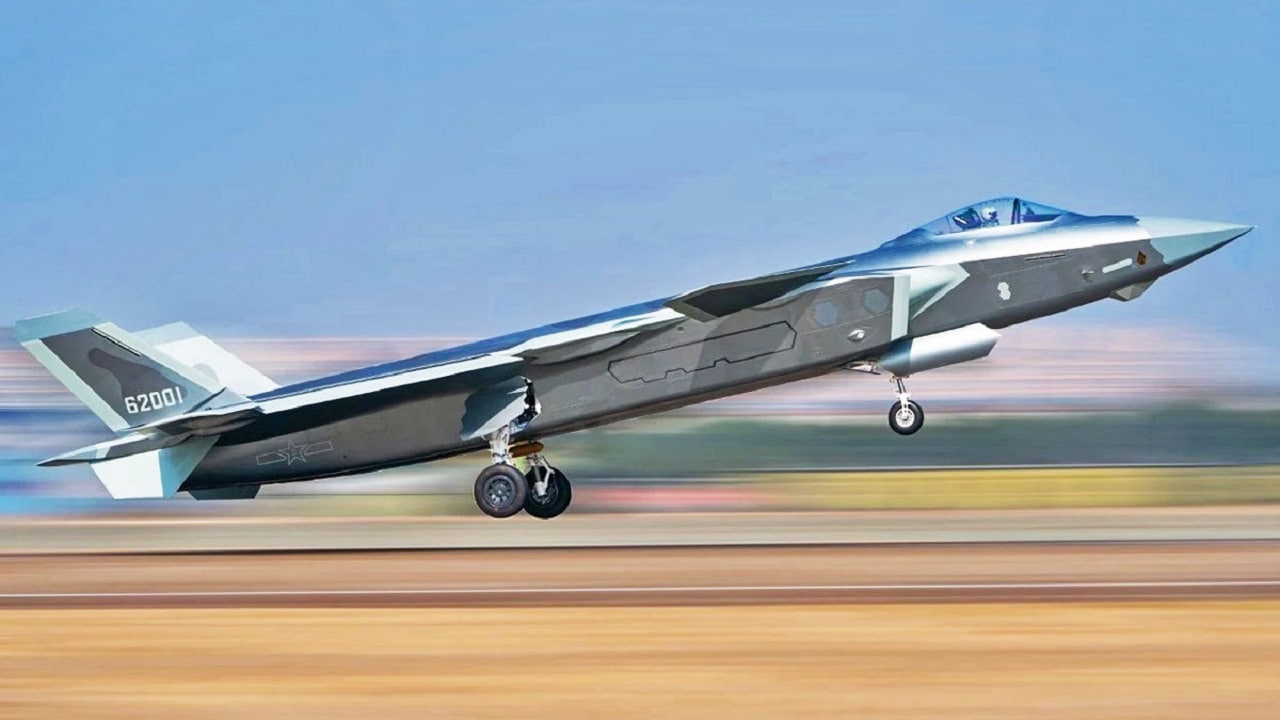
China’s J-20 stealth fighter. Image Credit: Creative Commons.
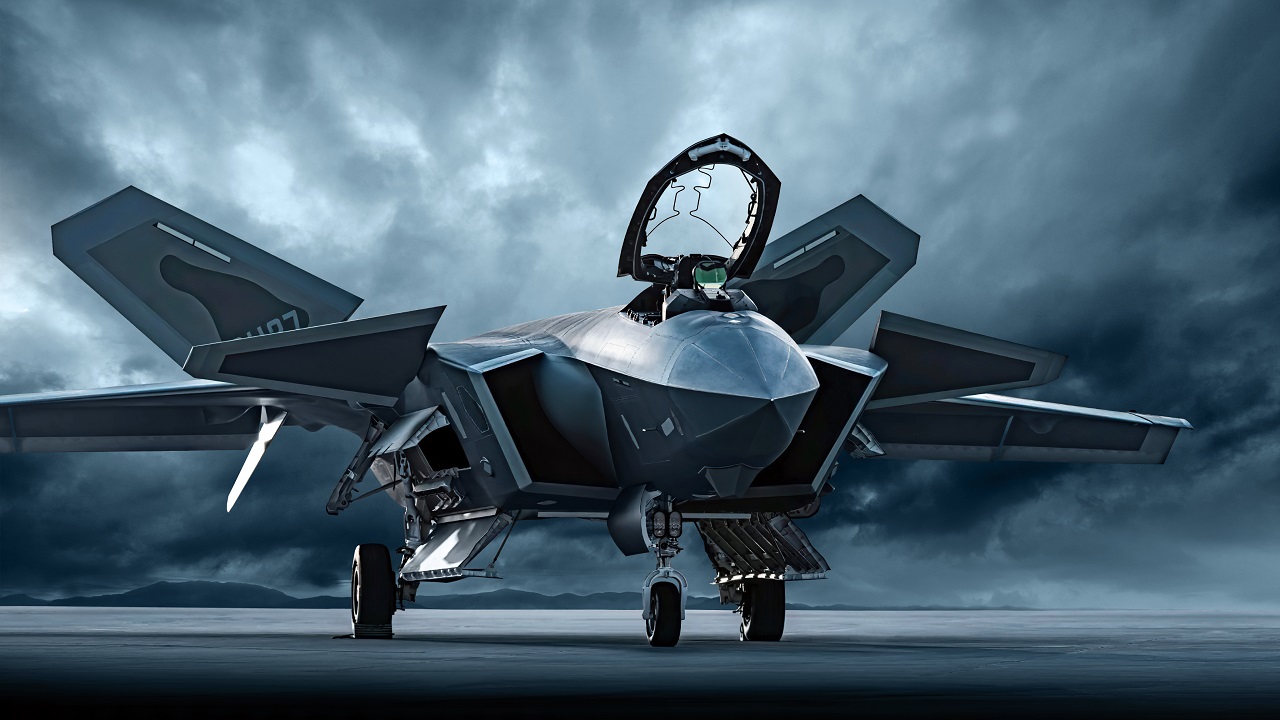
J-20 Stealth Fighter. Image Credit: Artist Rendering/Creative Commons.
According to the Japanese Defense Ministry, its own aircraft were responsible for intercepting the group of Chinese planes, led by bombers, near Taiwan.
J-20 Fighter: What We Know
Although China’s J-20 series has never seen real combat, the fifth-generation platform is widely accepted as a tough competitor to the US-designed Raptor and Lightning II fighters. Beijing began designing the Mighty Dragon in the early 2000s; however, the platform’s conception dates back to the 1990s.
Early variants of the jet series were produced by Chengdu Aerospace Corp. for China’s Air Force, using many Russian parts and technologies.
By 2021, the series underwent a major overhaul, and the Russian-designed AL-31FM2 was replaced with the homegrown WS10 engine. Since the WS-10 is markedly more capable than the Russian import, allowing the J-20 to enter a supercruise regime while unlocking the supermaneuverability granted by thrust vectoring, this upgrade was considered a huge bonus for the PLAAF.
J-20 vs. F-35
While the WS-10 may be more powerful than its Russian predecessor, the jury is still out on its overall effectiveness. In fact, many analysts believe the US-designed engine that powers the F-35 fighter remains at least 10 years ahead of the WS-15.
In 2015, one of these Chinese-made engines exploded, suggesting quality-control issues with its single-crystal turbine blades. In other words, these blades have not been able to withstand the higher temperatures and maneuverability associated with the J-20 fighter.
Additionally, no J-20 variant exists featuring the same short takeoff and vertical landing (STOVL) capabilities as the Lightning II.
The US Marine Corps’ F-35B “Bravo” variant became the first supersonic, radar-evading stealth fighter to possess short take-off/vertical landing capabilities when it entered service.
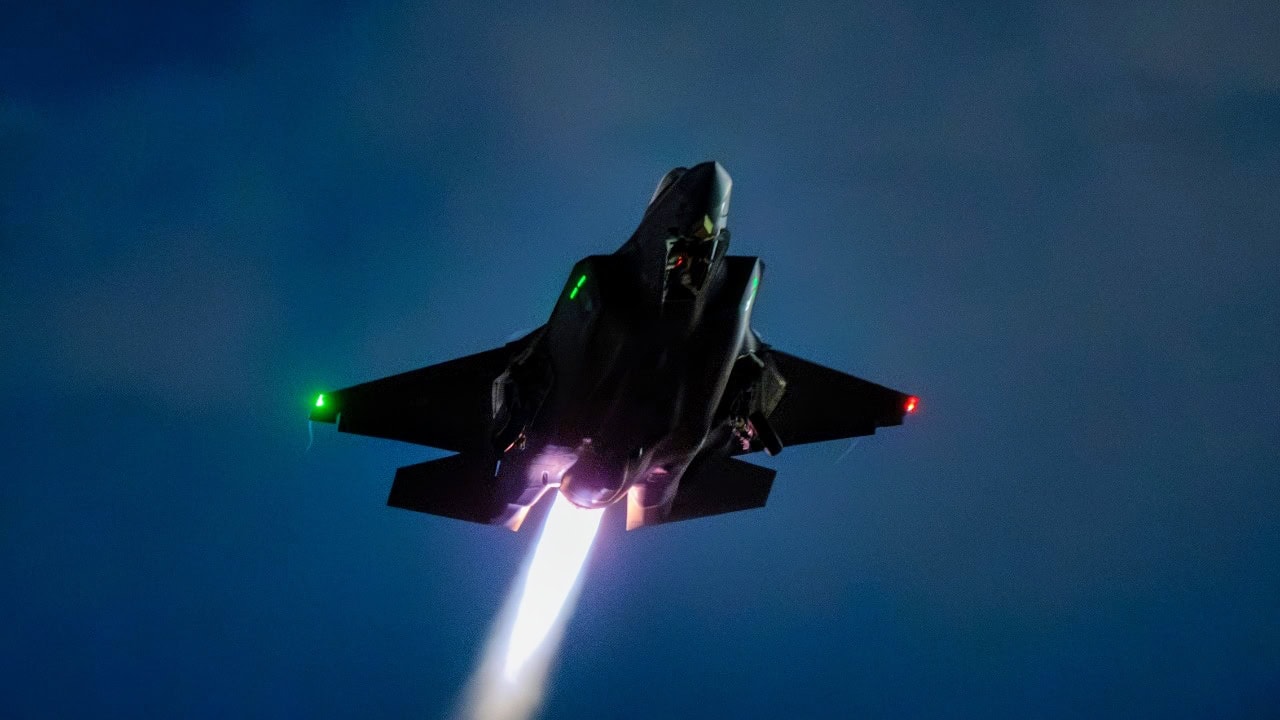
An F-35A Lighting II takes off for a Red Flag-Nellis 24-2 night mission at Nellis Air Force Base, Nevada, March 18, 2024. The presence of the F-35s offers the U.S., Allies, and partners a versatile and highly capable system, enhancing collective defense measures while reinforcing the NATO Alliance’s commitment to leveraging top-tier military capabilities for regional security and deterrence. (U.S. Air Force photo by 1st Lt. Jimmy Cummings)
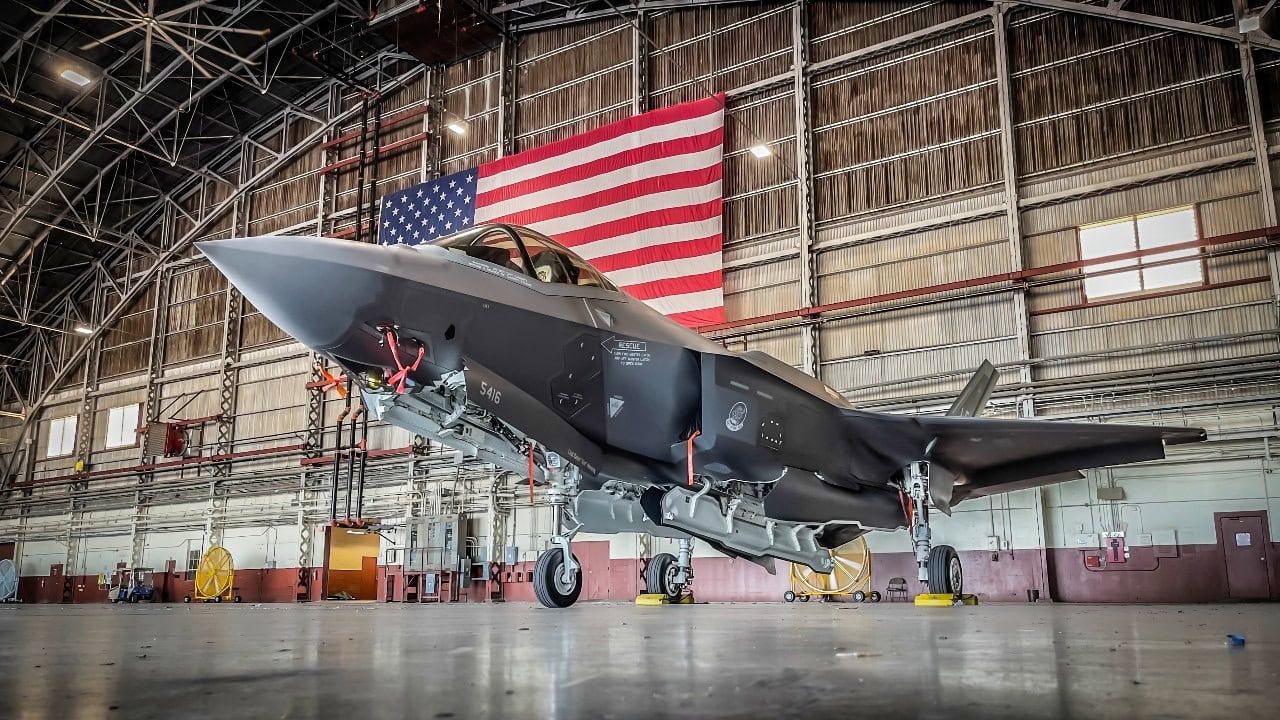
An F-35 Lightning II assigned to the 62nd Fighter Squadron, Luke Air Force Base, Ariz., sits in a hangar ahead of operations for the F-35 Lightning II TDY, Oct. 28, 2021, at Joint Base San Antonio-Kelly Field, Texas. The 62nd FS will be training with F-16s from the 149th Fighter Wing and the 301st Fighter Wing, along with T-38s from the 301st Fighter Wing. The multi-role capabilities of the F-35 allows them to perform missions which traditionally required numerous specialized aircraft. The complimentary air superiority capabilities of the F-35 will augment our air superiority fleet and ensure we continue to “own the skies” over future battlefields. (U.S. Air Force photo by Brian G. Rhodes)
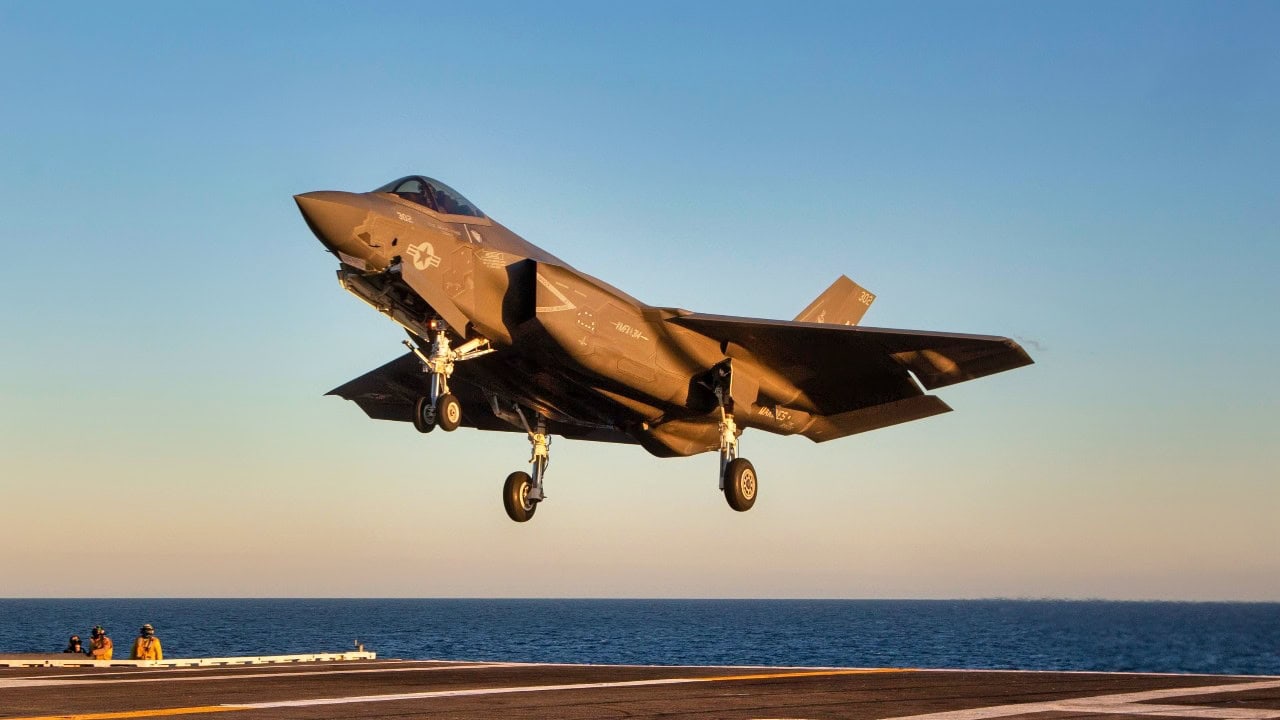
F-35 Fighter.
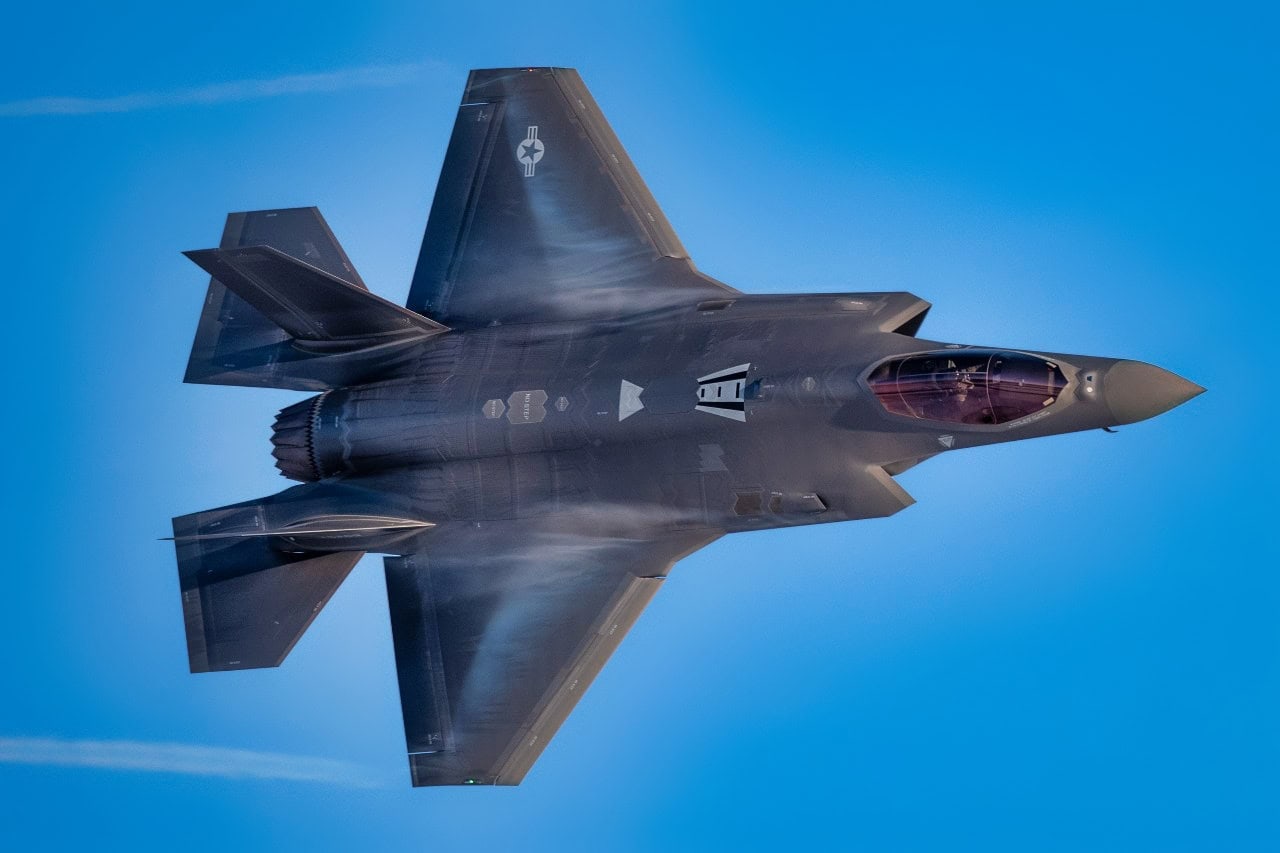
An F-35A Lightning II soars over Hill Air Force Base during a demonstration practice Jan. 10, 2020, at Hill AFB, Utah. The F-35 Demo Team is scheduled to perform at 22 airshows during the 2020 season. (U.S. Air Force photo by Senior Airman Alexander Cook)
The Lightning II STOVL variant is designed to operate from austere bases and an array of air-capable ships, while it can also take off and land from longer runways and conventional bases.
China Continues to Go Stealth
China’s plans for the J-20 and its other incoming military aircraft should be a top concern to US officials.
According to the defense analyses agency Global Data:
“China is in the process of acquiring fighter and multirole aircraft, corvettes, submarines, naval vessels, and advanced intelligence and surveillance equipment to strengthen the armed forces by 2027. The modernisation plans include the procurement of the J-20 Chengdu (Mighty Dragon) fifth-generation aircraft to provide critical air support. Work is still ongoing for the Shenyang J-31 programme, another indigenous fifth-generation fighter that follows upon the J-20. China is in the process of acquiring advanced military technologies and platforms. The J-20 Mighty Dragon jet is the most significant production of Chinese military technology, which has grown at a robust pace over the last decade.”
In addition to the J-20, Beijing is working to field its very own stealth bomber. The Xi’an H-20 is expected to directly counter the US Air Force’s upcoming B-21 “Raider” project.
About the Author: Maya Carlin
Maya Carlin, national security writer with 19FortyFive, is an analyst with the Center for Security Policy and a former Anna Sobol Levy Fellow at IDC Herzliya in Israel. She has over 1,000 articles published over the last several years on various defense issues. Carlin has bylines in many publications, including The National Interest, Jerusalem Post, and Times of Israel. You can follow her on Twitter: @MayaCarlin.