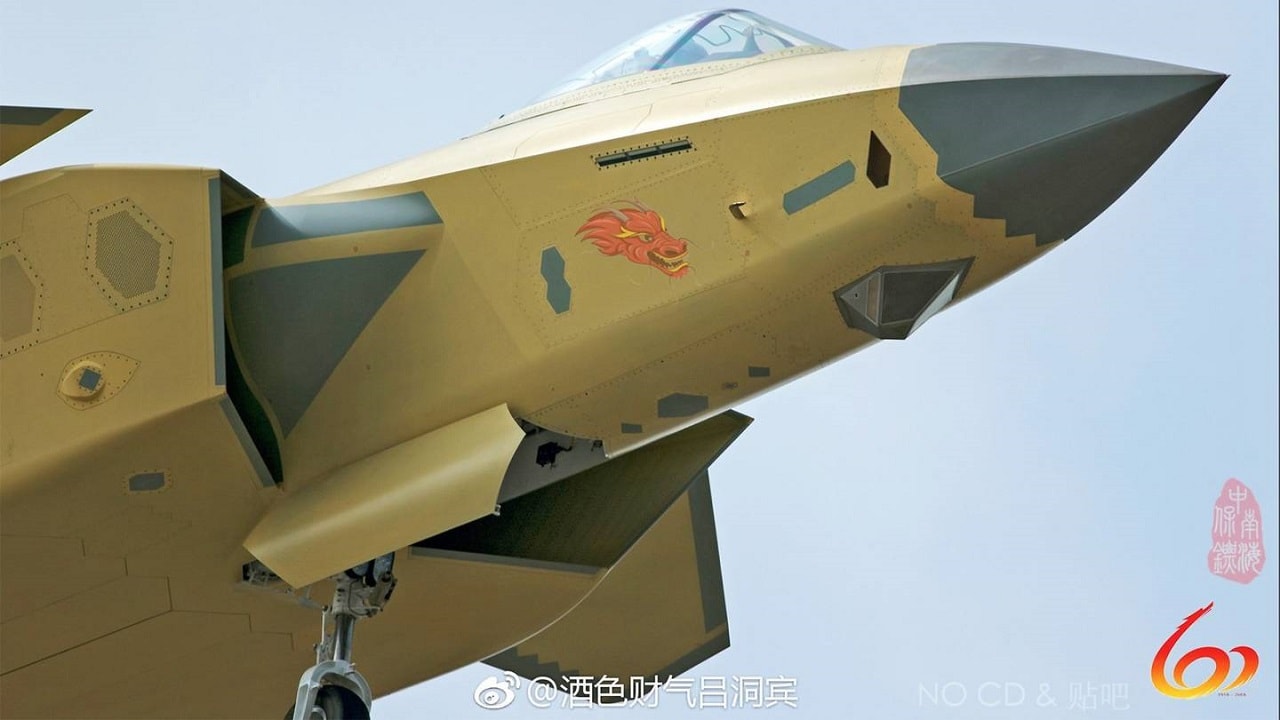
Key Points and Summary – Newly released footage circulating from China appears to show a J-20 stealth fighter near or over Taiwan’s Pingtung area, prompting a debate over whether the clip reflects a real overflight or a messaging play.
-The reporting highlights a core friction in peacetime stealth operations: true low-observable jets can be hard for routine radars to track, yet flying “clean” can also reveal valuable signature data to an adversary.
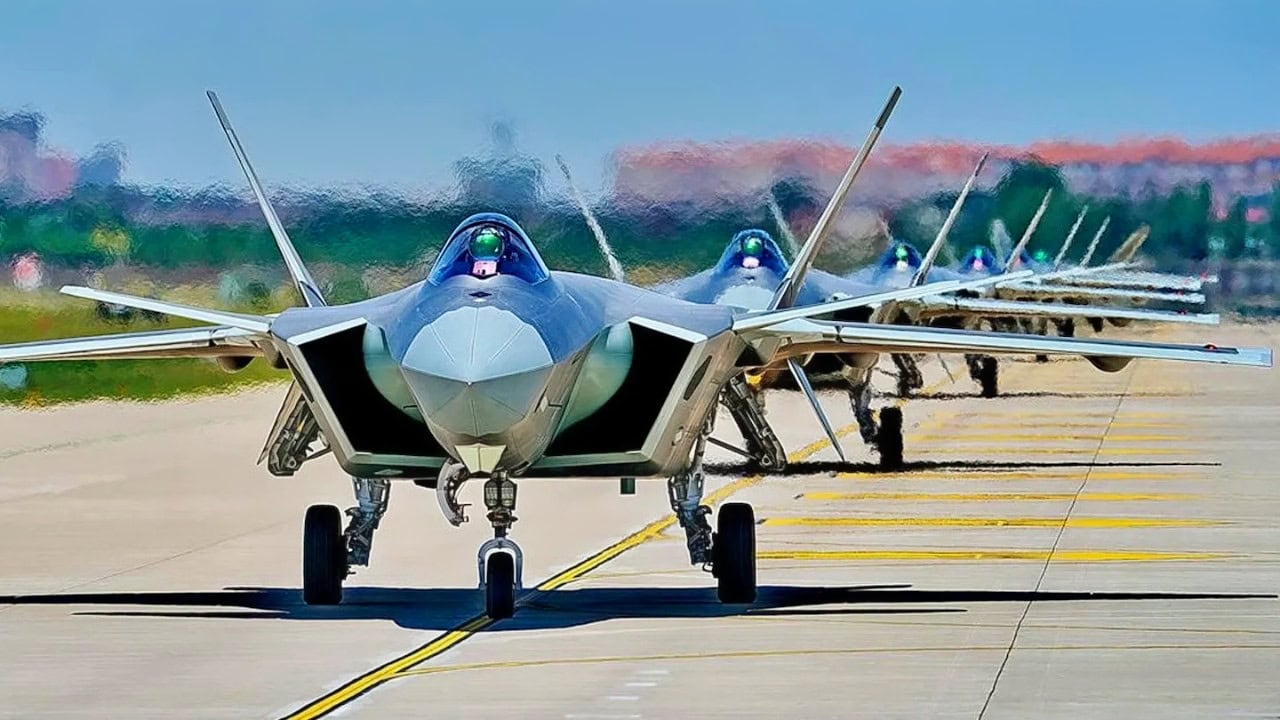
J-20 Fighter from PLAAF China. Image Credit: Creative Commons.
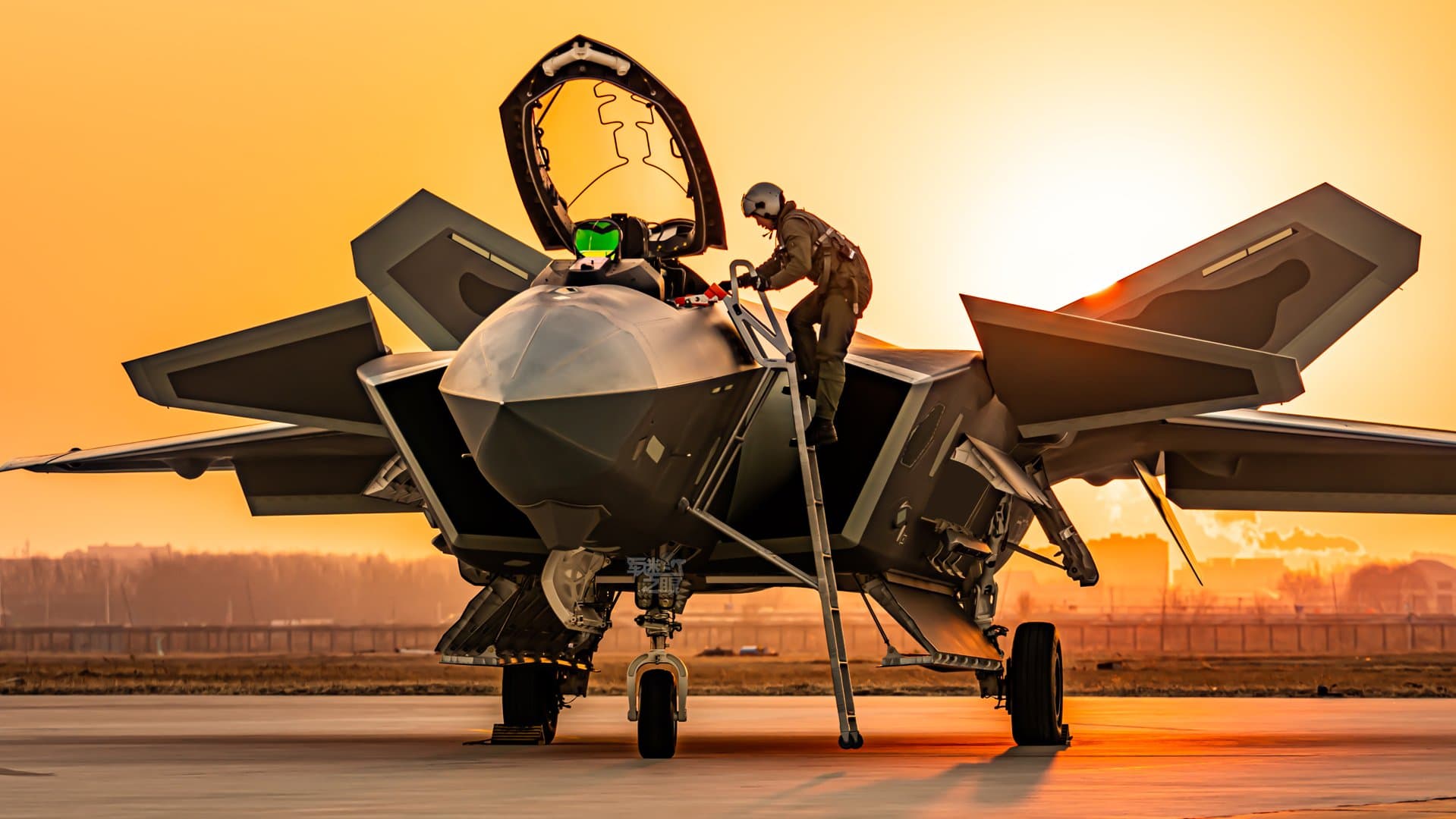
J-20 Fighter. Image Credit: Chinese Internet.
-That is why many stealth fleets use add-ons that make them easier to see during routine flying and training.
-If a J-20 really pushed into Taiwan’s airspace, it would have accepted unusual exposure risks for a largely psychological gain.
China Claims a J-20 Flew Over Taiwan: The Stealth Detail That Doesn’t Add Up
Recently released footage of a Chinese J-20 stealth jet appears to show the fifth-generation fighter overlying Pingtung, a part of Taiwan. Though domestic China touted the event and took the opportunity to disparage Taiwan, the authenticity of the video is seemingly still up in the air—and up for debate.
The South China Morning Post reported on the incident, explaining that the footage was released by the People’s Liberation Army Eastern Theatre Command on Tuesday. One former Taiwanese naval officer took to social media to mark the event, writing “J-20 fighter jets in Pingtung!”
Another commentator explained that “[We] only have phased array radar for aircraft detection, also known as Doppler radar, which is normally used to detect non-stealth aircraft but not stealth aircraft. So for the J-20, we cannot detect it,” he said.
He added that if Taiwan could detect PLA stealth warplanes, the island’s defence ministry “would have already announced it”.
“How many sorties of J-20s [has the PLA] made? How close to Taiwan were they? We don’t know.”
The United States did not address the overflight directly, though it did comment on China’s buildup of forces around the island in plain terms.
“China’s military activities and rhetoric toward Taiwan and others in the region increase tensions unnecessarily,” the United States Department of State said in a statement. “We urge Beijing to exercise restraint, cease its military pressure against Taiwan, and instead engage in meaningful dialogue. The United States supports peace and stability across the Taiwan Strait and opposes unilateral changes to the status quo, including by force or coercion.”
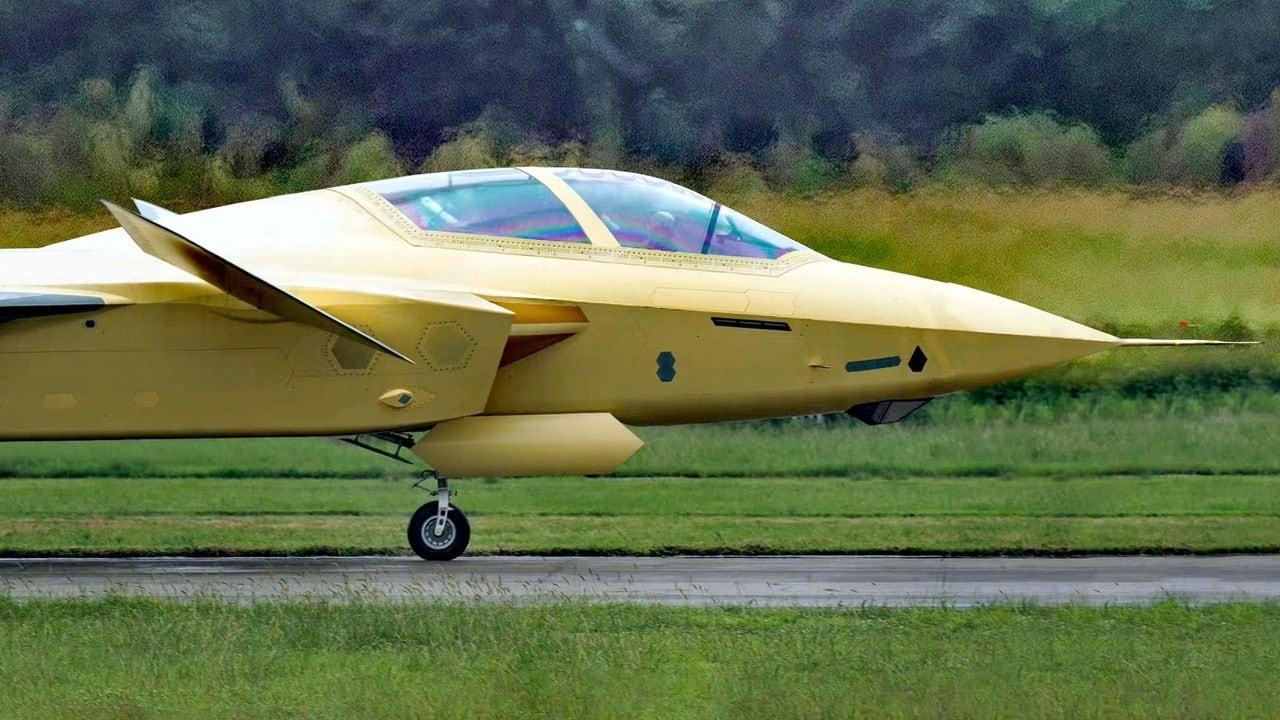
Image of Chinese J-20 stealth fighter which could be soon armed with laser weapons.

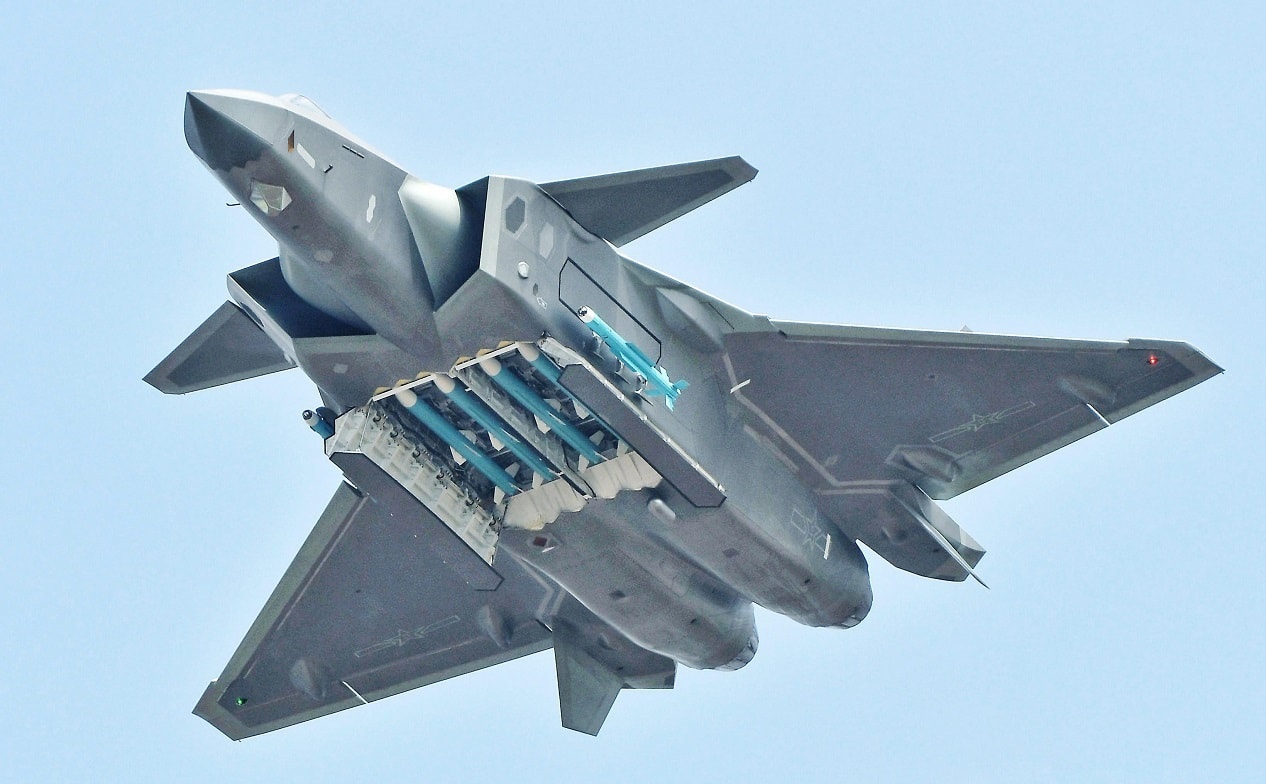
J-20 Stealth Fighter.
Stealth aircraft, particularly the F-35, are often outfitted with devices that deliberately increase the jet’s radar signature under certain circumstances. Their use is precisely because stealth jets are very difficult to see on radar, which creates issues for routine, non-combat operations.
One of the most common types of radar reflectors is the Lüneburg lens, a passive radar reflector that does not emit any radar signal. Instead, they reflect incoming adversary radar in a very predictable way, and when mated to stealth aircraft, they increase the jet’s radar cross-section, a measure of detectability by radar. Instead of appearing very small or nearly invisible to radar, they can instead appear to resemble a conventional, non-stealthy fourth-generation fighter.
One of the purposes of radar reflectors is for safety during peacetime. Air traffic control radars, particularly those for civilian aircraft, are specifically designed to track aircraft with large, detectable radar returns.
But stealth jets like the F-35 are difficult for ATC radars to track reliably, especially at extended ranges or in tight, congested airspace. By mating radar reflectors to stealth jets like the F-35, these combat aircraft are much more visible to air controllers and significantly reduce the risk of radar tracking loss.
Another reason radar reflectors, such as Lüneburg lenses, are used is for training. During military exercises, radar-evading stealth aircraft may, in certain exercises, want to imitate the radar signature of non-stealthy aircraft. Radar reflectors like Lüneburg lenses make them appear less-than-stealthy jets rather than advanced fifth-generation fighters.
But perhaps one of the most essential reasons fifth-generation aircraft would want to maximize, rather than minimize, their radar signatures is security.
Frequent flights without radar reflectors could allow civilian or adversary radar to obtain valuable real-world data on the radar cross-sections of stealthy aircraft.
By using radar reflectors, the jets can mask their actual radar signature and potentially prevent adversary intelligence gathering during routine deployments, flights, or international exercises.
In combat, however, radar reflectors would not be used. Before a combat sortie, reflectors would be removed to preserve stealth.
For these reasons, it seems unlikely that one of China’s leading fifth-generation stealth aircraft would run the entirely unnecessary risk of flying over Taiwan’s airspace without radar reflectors, potentially a prime opportunity for gaining information on the Chinese jet’s stealth capabilities. Indeed, flying unsupported by other aircraft would seem, on the surface, to be an unwise decision.
J-20: What Happens Now?
Though it is technically possible that a lone, or perhaps a small, group of Chinese aircraft flew relatively close to Taiwan, if not directly over the island, the risks (exposing the jet’s radar signature) outweigh the benefits (a psychological blow).
Though not one hundred percent definitive, flying one of China’s most advanced jets over what it sees as a wayward island presents a host of potential issues without benefit. For these reasons, it seems unlikely that such an event happened.
About the Author: Caleb Larson
Caleb Larson is an American multiformat journalist based in Berlin, Germany. His work covers the intersection of conflict and society, focusing on American foreign policy and European security. He has reported from Germany, Russia, and the United States. Most recently, he covered the war in Ukraine, reporting extensively on the war’s shifting battle lines from Donbas and writing on the war’s civilian and humanitarian toll. Previously, he worked as a Defense Reporter for POLITICO Europe. You can follow his latest work on X.