
Synopsis: The U.S. Air Force plans to procure approximately 100 B-21 Raider stealth bombers to replace aging B-1B, B-2, and B-52 fleets, but experts argue this number may be insufficient for future conflicts with Russia or China.
-While 100 aircraft provides a “minimum viable force” for deterrence, a larger fleet of 145 to 300 jets would enable sustained conventional campaigns and avoid the “boutique” trap that limited the B-2 Spirit.
-The final procurement number will ultimately signal whether the U.S. prioritizes a strategy of limited precision strikes or persistent global endurance in the Indo-Pacific.
100 vs. 300: Why the ‘Quantity’ of B-21 Raiders Will Determine US ‘Strategy’ Against China
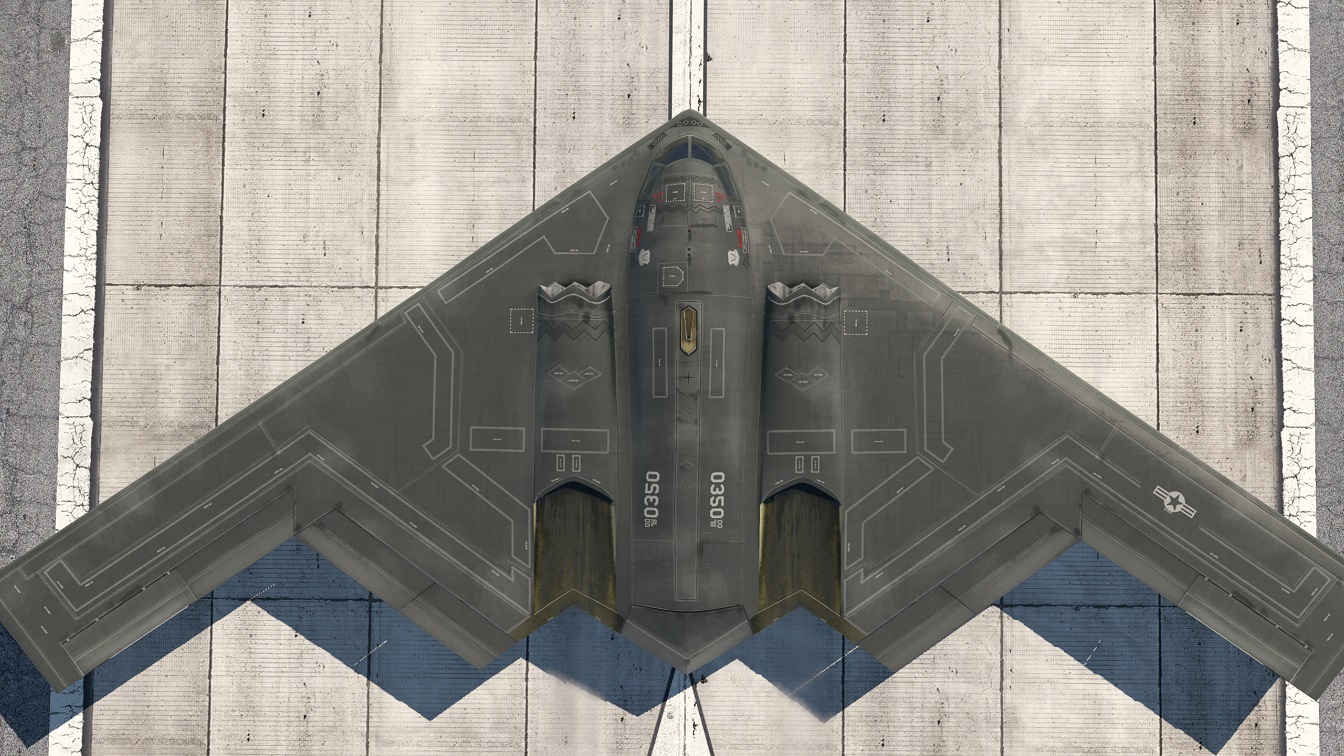
The B-21 Raider is being developed to replace the B-1B Lancer, the B-2 Spirit, and part of the aging B-52 Stratofortress fleet. Its arrival will mark the most significant change to the U.S. strategic bomber force in a generation.
The aircraft is deeply important—its capabilities and numbers matter. Officials have indicated that the Air Force will procure about 100 B-21s, but some advocate for as many as 300 airframes.
These numbers imply very different strategies.
How many B-21s the United States ultimately procures won’t be an issue of just affordability but will also foreshadow how the U.S. intends to fight in the future.
Why the B-21 Exists
The B-21 was designed to address advancements in integrated air-defense systems allowing peer adversaries such as Russia and China to create highly contested airspaces.
The U.S. needed a long-range strategic bomber that could survive in such airspaces, and the B-21 was created to penetrate them and hold enemy targets at risk, despite advanced air-defense systems.
The advent of the B-21 reflects an understanding that legacy bombers are increasingly vulnerable in modern warfare against peer adversaries, and that stand-off capabilities alone are insufficient. And while the capabilities of the B-21 have been established, the quantity of the force remains unclear.
Final numbers will determine whether the B-21 is a boutique capability or a backbone workhorse.
Historical Context of the Bomber
Cold War bomber fleets were massive. The U.S. had hundreds of B-52s and dozens of B-1Bs. But the collapse of the Soviet Union, and the subsequent unipolar moment, led to a constriction in bomber fleet sizes. Smaller fleets of more exquisite aircraft became the norm—a trend the B-2 highlights.
Originally planned in large numbers, this ultra-expensive aircraft was eventually cut to just 21.
The result is a platform with incredible capability but limited availability. The debate over the quantity of B-21s that should enter the force is an echo of the B-2 procurement scheme.
It reflects a lingering question over whether the B-2 was procured in sufficient numbers.
Different Fleets, Different Strategies
One hundred aircraft is often cited as the minimum viable force of B-21s. One of the greatest advantages of producing high numbers is relative affordability, meaning the fleet will be easier to sustain. The cons are limited surge capacity and increased vulnerability to attrition and maintenance cycles.
The risk is of creating a platform too precious to deploy, like the B-2 or the Su-57. At 100 aircraft, the B-21 would be suitable for nuclear deterrence or the occasional conventional strike but might be less suitable for sustained conventional campaigns.
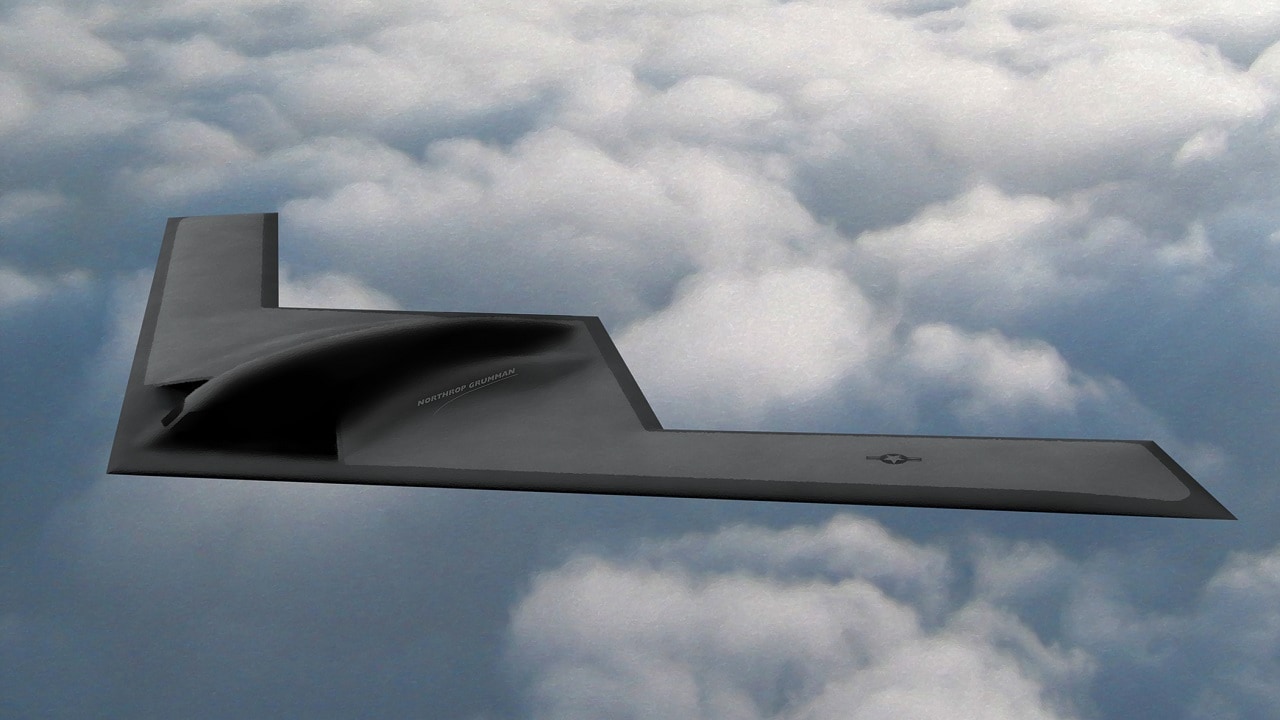
B-21 Raider bomber. Image Credit: Creative Commons.
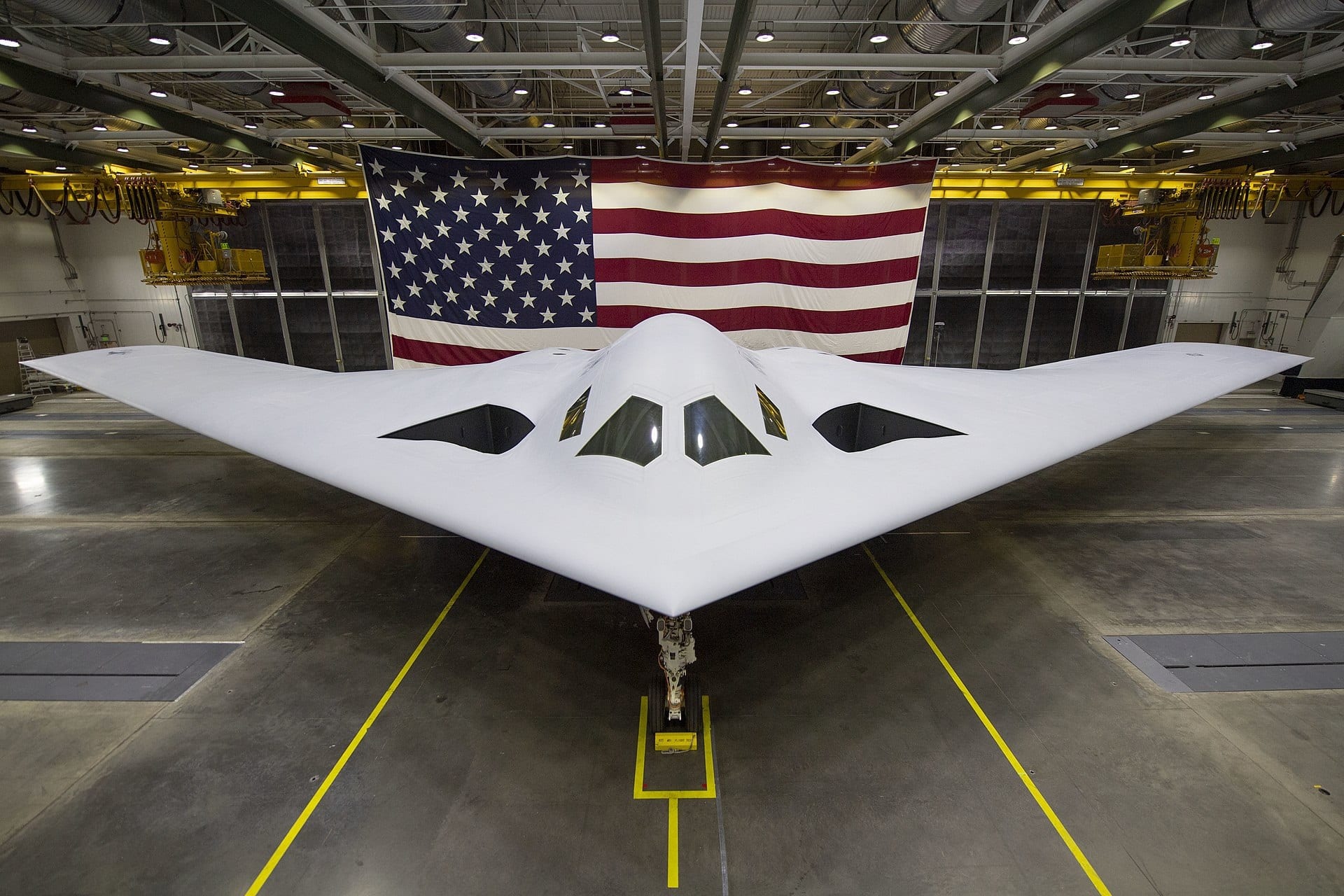
The B-21 Raider was unveiled to the public at a ceremony December 2, 2022 in..Palmdale, Calif. Designed to operate in tomorrow’s high-end threat environment, the B-21 will play a critical role in ensuring America’s enduring airpower capability. (U.S. Air Force photo)
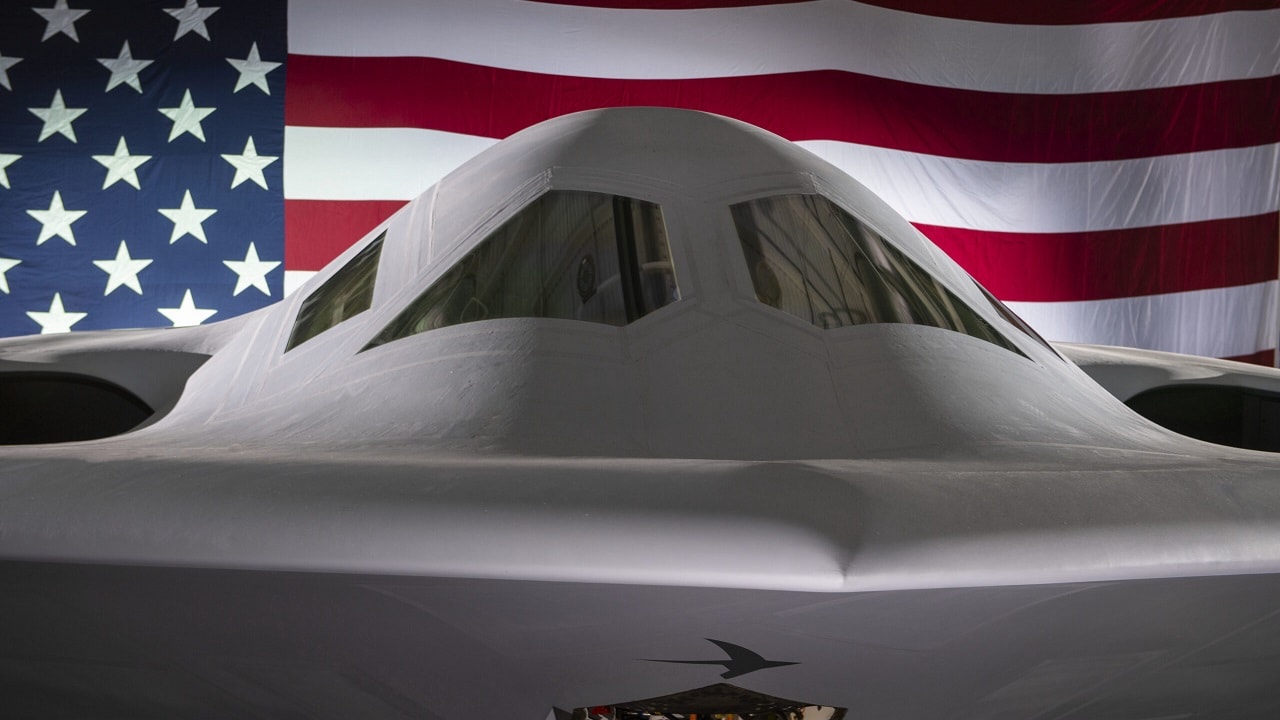
The B-21 Raider was unveiled to the public at a ceremony December 2, 2022 in
Palmdale, Calif. Designed to operate in tomorrow’s high-end threat environment, the B-21 will play a critical role in ensuring America’s enduring airpower capability. (U.S. Air Force photo)
A middle-ground option of 145 aircraft would allow for greater geographic coverage and more operational flexibility.
This would still be a force on the small side, but less brittle than the 100-aircraft option. This middle ground is often viewed as strategically realistic and strategically safer, as it strikes a balance between cost availability and attrition risk.
Three hundred aircraft represents the maximalist view and would result in a fundamentally different force structure.
Such a force would enable persistent global presence and sustained conventional campaigns. With 300 aircraft, the B-21 could be used as a core strike aircraft, not just a niche penetrator.
Budgetary Realities of B-21 Raider Bomber for U.S. Air Force
The fleet size ideally will reflect industrial and budgetary realities. Bomber production is capital-intensive and highly specialized.
Larger buys allow for lower per-unit costs and can sustain the industrial base longer. Smaller buys result in higher unit cost and run the risk of production gaps.
The defense budget is finite. The B-21 is competing in a zero-sum game with the F-47, as well as submarines, missiles, unmanned systems, and hypersonic vehicles.
How many B-21s the Air Force procures will depend on how the U.S. military wants to design and fund its strategic priorities.
A small fleet would imply a strategic emphasis on precision, restraint, and selectivity. A larger fleet would imply an emphasis on endurance and sustained pressure.
In the Indo-Pacific, the assumed proving ground for U.S. weaponry currently under development, distance, attrition, and base vulnerabilities are legitimate challenges.
Bombers offer flexibility without the need for forward basing. The quantity of B-21s procured will affect deterrence and escalation, shaping adversary calculations, and influencing a conflict before it even begins.
About the Author: Harrison Kass
Harrison Kass is an attorney and journalist covering national security, technology, and politics. Previously, he was a political staffer and candidate, and a US Air Force pilot selectee. He holds a JD from the University of Oregon and a master’s in global journalism and international relations from NYU.