

Key Points and Synopsis: China’s visible flight testing of at least two next-generation fighter designs—often labeled the J-36 and a Shenyang “J-50/J-XDS”—is fueling the perception that Beijing is iterating faster than the United States. The sightings, combined with reports of rapid design changes, are raising a fair question: can Washington pull NGAD forward? The F-47, described as the crewed centerpiece of a broader “family of systems,” is moving from design toward hardware, with a projected first flight around 2028 and operational service later.
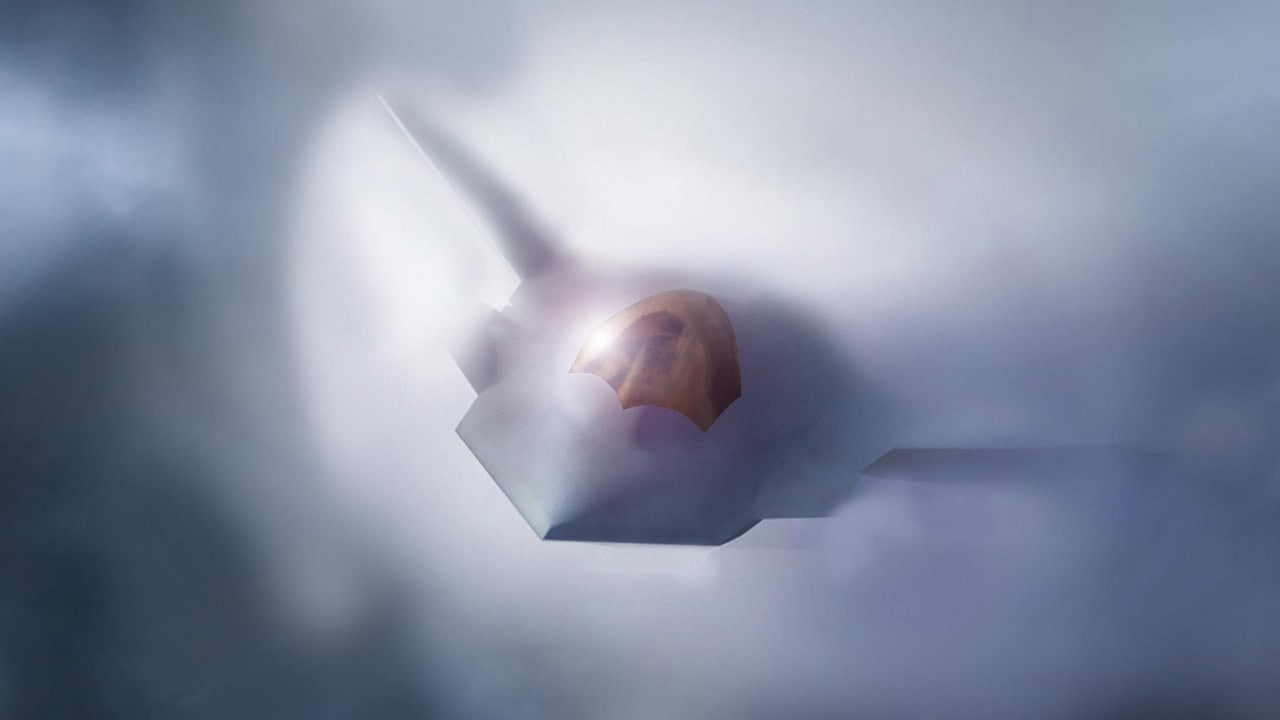
F-47 Fighter. Image Credit: U.S. Air Force.
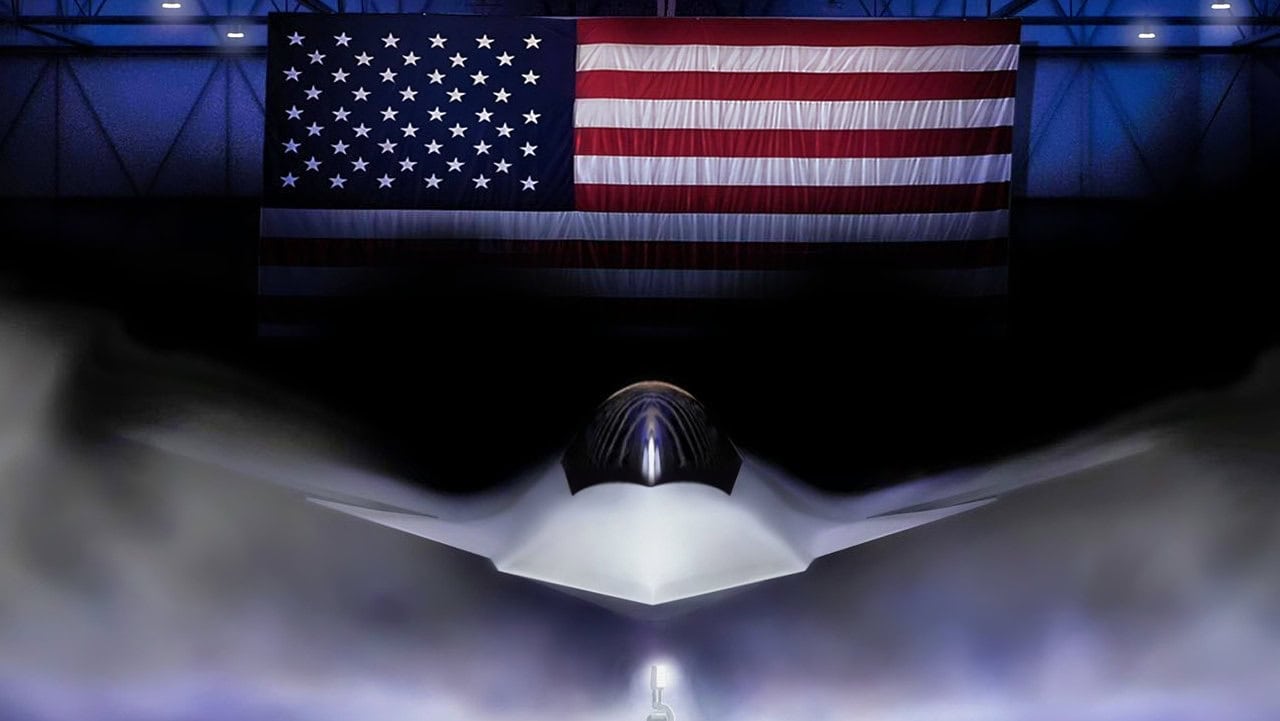
F-47 Fighter from U.S. Air Force.
Even so, the real contest may hinge less on who flies first than on capability, integration, and readiness.
The F-47 NGAD from the U.S. Air Force Has a New Enemy: Time
With China’s sixth-generation fighter development apparently more aggressive than ever, it’s hard not to wonder if the United States might be considering speeding up the timeline for the Next Generation Air Dominance (NGAD) project – if such a thing is possible.
China’s recent public flight activity has involved a number of advanced fighter prototypes that have been widely interpreted as new sixth-generation designs.
In stark contrast to the United States’ more conservative approach to development and iteration, images and media reports have indicated that Beijing is working on multiple sixth-generation designs, iterating quickly, and moving to field them as soon as humanly possible.
From photographs and video footage of at least two new next-gen prototypes to open-source information about rapid development pacing, it’s clear that China is moving to close the technological capability gap with the United States – and while Washington has the upper hand in terms of combat experience, 2026 could be the year China finally begins to catch up.
China’s Sixth-Gen Flights: What We Know So Far
Over the past year, China’s aerospace industry has produced a number of publicly visible sightings of advanced prototype aircraft that experts, enthusiasts, and defense publications across the West have analyzed in detail. Two designs in particular – the Chengdu J-36 and a Shenyang design sometimes referred to as the J-50 or J-XDS – have been repeatedly observed in flight testing, and captured in photographs, throughout 2025.
Multiple videos and images of the J-36 appeared on Chinese social media and aviation forums beginning in March, showing the aircraft in flight without a chase plane.
Those images were followed in April by close-up views of the aircraft that revealed specific aerodynamic features, such as dorsal intakes and a broad, advanced stealth-oriented planform.
Further sightings continued throughout the spring and summer, with new prototypes then seen in satellite imagery and unconfirmed reports of a third J-36 prototype around late December.
These sightings all suggest an active flight-test regime for China’s next-generation efforts, and the rapid pace of design changes indicates that Beijing is using digital design technology to iterate quickly.
The public sightings of the aircraft also contrast with decades of Chinese military aerospace practice, which have historically kept advanced prototypes under much stricter control.
Observers have noted that the dissemination of imagery and video like this online – while sometimes originating from enthusiasts who got lucky – is a sign that China is growing increasingly confident in its abilities to create advanced aircraft using its own designs, infrastructure, and industrial base.
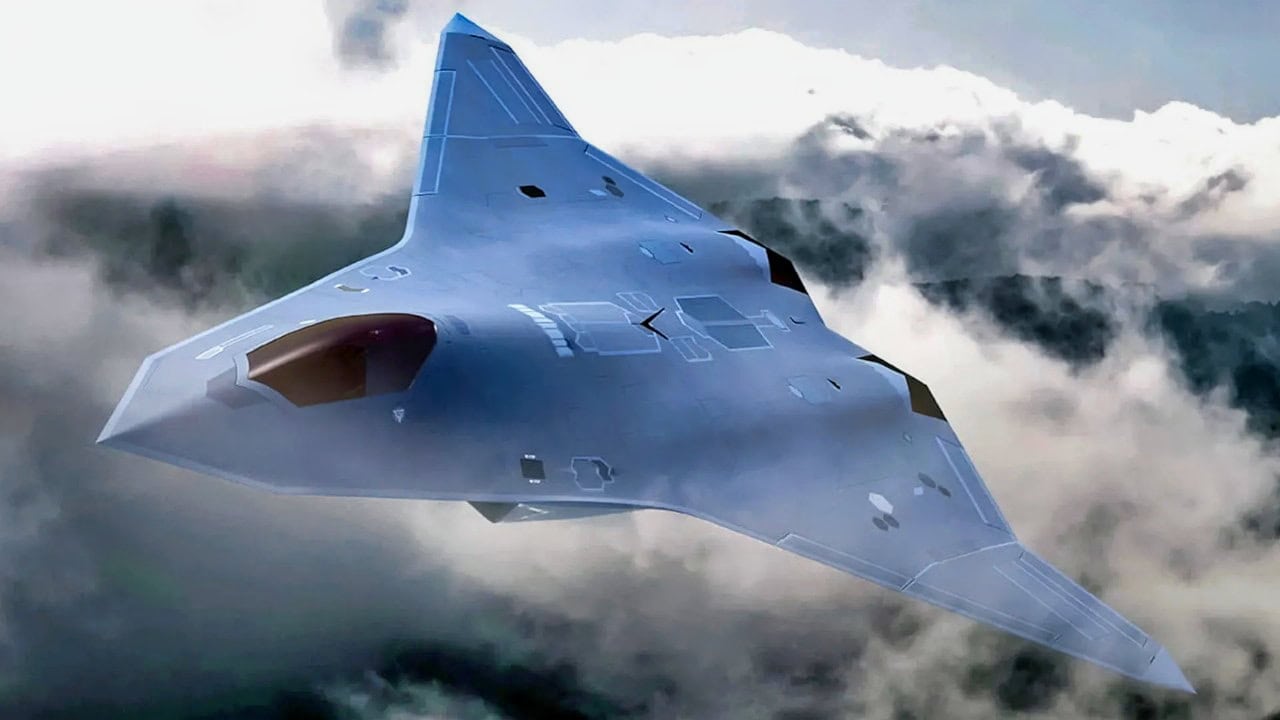
NGAD Fighter. Image Credit: Creative Commons.
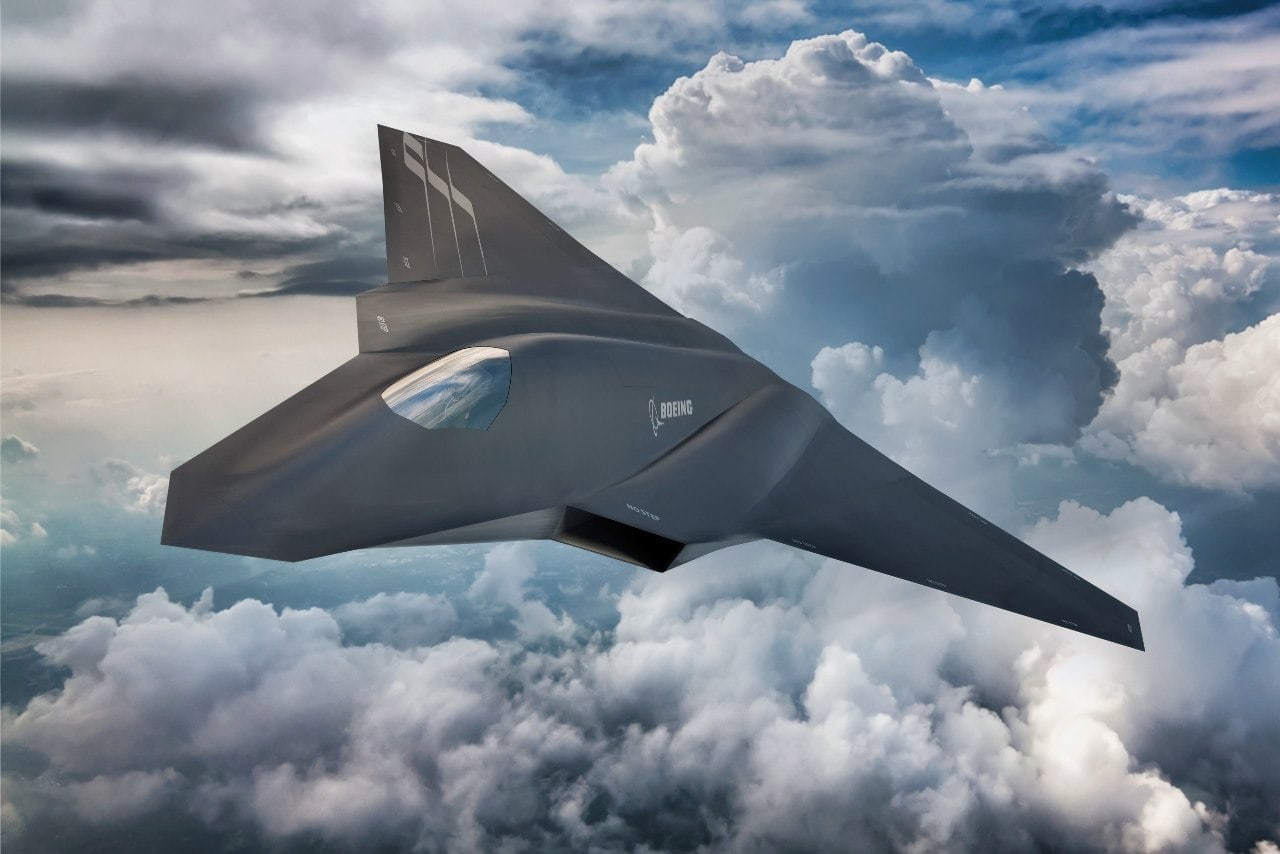
NGAD Fighter from Boeing.
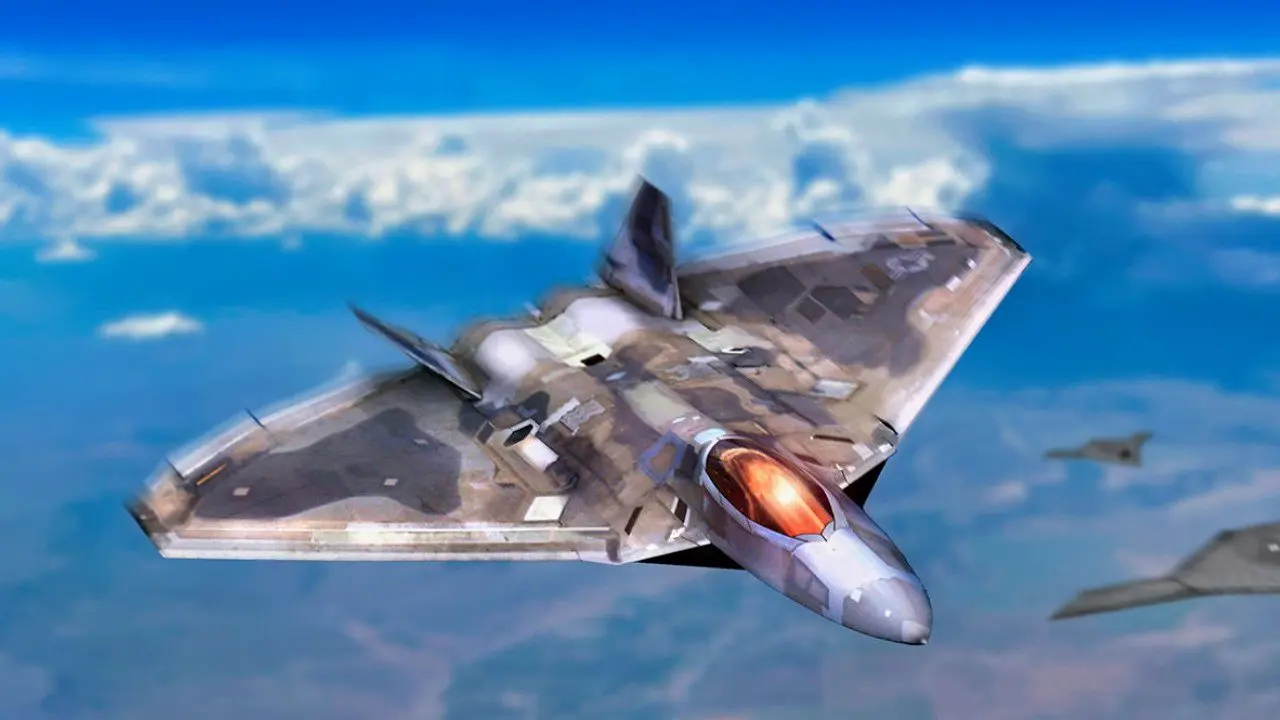
NGAD Fighter. Artist Rendering.
Both the J-36 and the Shenyang design are clearly being tested for characteristics consistent with sixth-generation ambitions, including tailless configurations and advanced aerodynamics. Officially, however, the projects remain completely under wraps.
In recent weeks, the U.S. Department of Defense has claimed that China is accelerating the development of its two fighter jets, stating in a report that China is no longer operating in either the conceptual or design phase.
The aircraft are very real, and operational capability for both of the platforms is expected sometime in the mid-2030s – if not, sooner.
Could the F-47 NGAD Come Sooner?
By contrast, the United States’ NGAD program – and the F-47 fighter jet that will form the core of it – has maintained a high level of secrecy since its inception.
We do, however, know plenty about what the United States is planning in theory. The NGAD initiative will take the form of a “family of systems” rather than a single aircraft, integrating a crewed sixth-generation fighter (designated the F-47), collaborative combat aircraft (uncrewed “loyal wingmen” drones), advanced sensors, networking, and related technologies.
In March 2025, Boeing was selected to build the crewed component of NGAD, initiating what the Air Force has described as a transition from design into hardware production.
The aircraft, then, is well on its way to becoming a reality.
But when will it arrive? So far, we’re looking at an initial flight sometime in 2028.
Air Force Chief of Staff General David W. Allvin announced the expected flight timeline in September 2025, in what was a small (and largely meaningless) bump up from initial plans to fly the aircraft sometime before President Donald Trump’s term in office ended on January 20, 2029.
Entry into operational service will then occur at some point later, possibly in the early-to-mid-2030s.
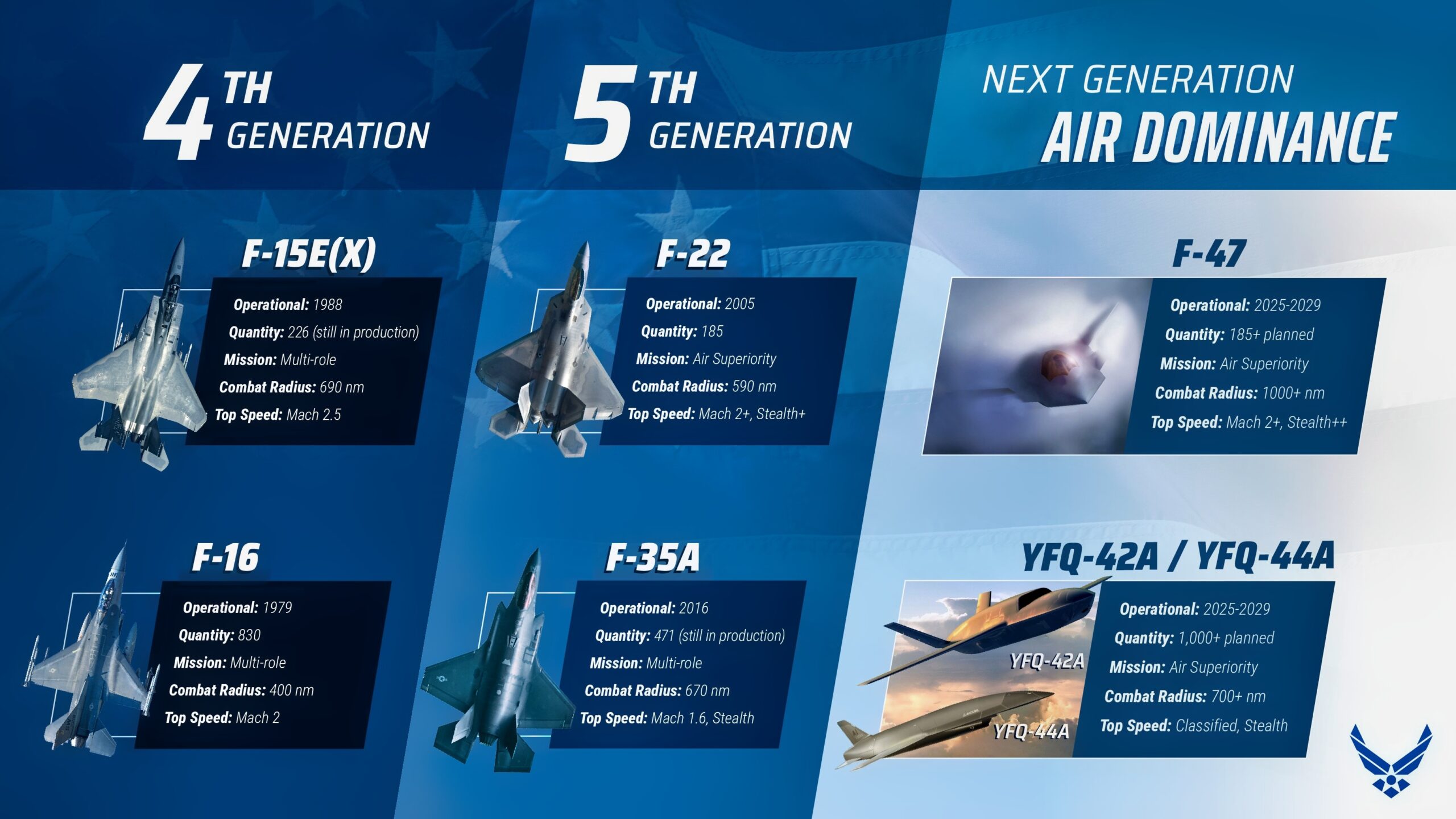
F-47 Infographic. Image Credit: U.S. Air Force
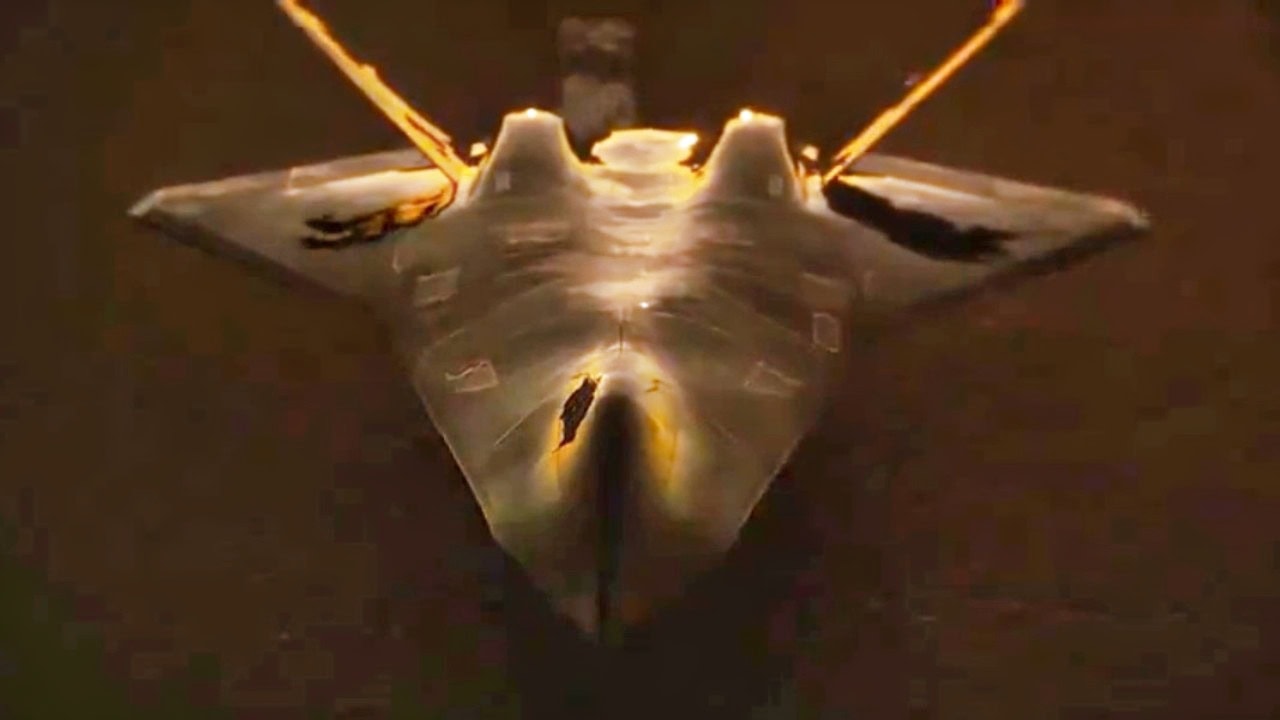
F-47 Fighter from Boeing. Image Credit: U.S. Air Force Screenshot.
The timeline, however, is contingent on many variables, from testing and production to systems integration and even engine maturation.
While experimental tests and digital engineering have been underway for years, specifically for classified “X-planes” developed before Boeing was formally chosen to build the F-47, there is still a lot of work that must be done.
The specific production prototype currently under construction still has years of development work before it can fly – and even if the United States wanted to bring that timeline further forward to compete with China, it’s hard to envision how it would be technically possible.
That does not, however, mean the years between now and 2028 will be static.
While China’s rapid progress means fielding the F-47 more rapidly would be a more ideal situation for the United States, the truth is this: even if Beijing fields a sixth-generation fighter before the United States, the victory would only be symbolic.
The true test will take the form of capability, and perhaps more importantly, readiness and combat experience.
About the Author:
Jack Buckby is a British researcher and analyst specialising in defence and national security, based in New York. His work focuses on military capability, procurement, and strategic competition, producing and editing analysis for policy and defence audiences. He brings extensive editorial experience, with a career output spanning over 1,000 articles at 19FortyFive and National Security Journal, and has previously authored books and papers on extremism and deradicalisation.