Sunopsis: The U.S. Air Force currently plans to buy 100 B-21 Raider stealth bombers, but experts like Dr. Rebecca Grant and the Center for Strategic and Budgetary Assessments argue this number is dangerously low.
-Citing China’s December 2024 reveal of two new stealth aircraft designed to threaten Guam and Hawaii, analysts recommend doubling the fleet to at least 200 B-21s to restore deterrence.
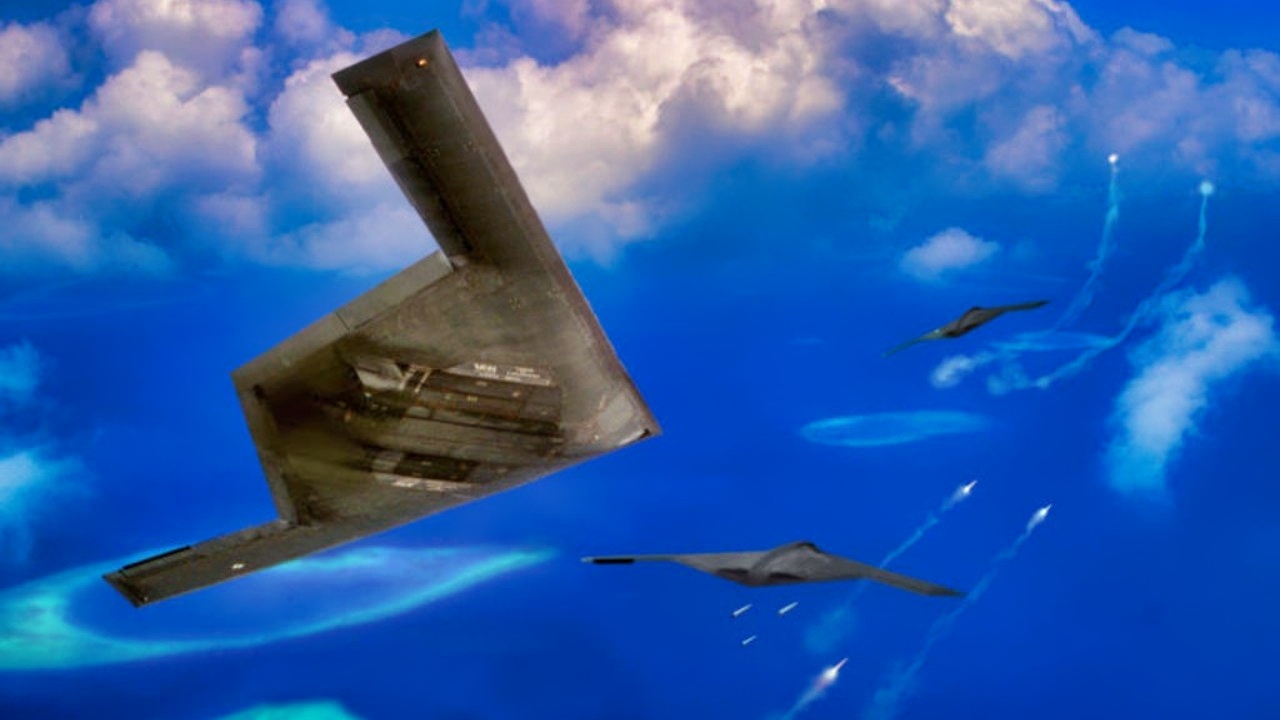
B-21 Raider Bomber. Artist Rendition/Creative Commons.
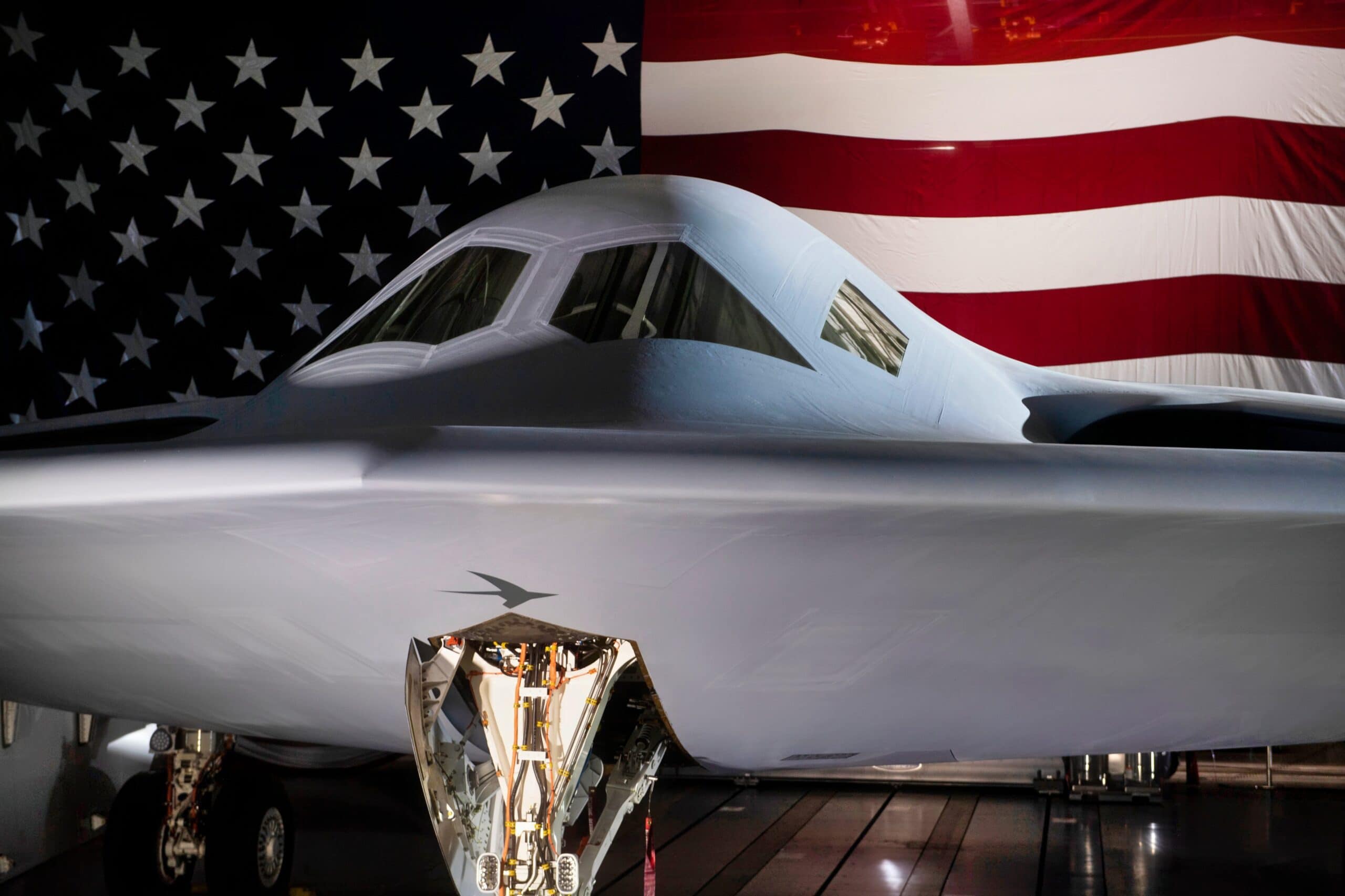
B-21 Raider. Image Credit: Creative Commons.
-With the current bomber fleet averaging over 40 years old and shrinking, the article warns against repeating the “strategic error” of the B-2 program, where production was cut short to just 21 aircraft.
The Never-Ending Question: How Many B-21 Raider Bombers Does the U.S. Air Force Need?
Fort Lauderdale, Florida – The U.S. Air Force at one point planned to procure 132 B-2 stealth bombers.
Unfortunately for the service, the aircraft production line began to spool up as the Cold War wound down.
The B-2 fell victim to declining global hostility and a surge in program costs. A consensus emerged that a large bomber able to penetrate broad radar and air-defense networks was a requirement of the past.
Preparing for a large-scale attack on the Eurasian landmass was too much “old thinking”, as they say in Beijing these days.
The B-2 became regarded by many as a relic, and only 21 of the stealthy, flying-wing aircraft ever rolled off the production line. Spending on many other major Air Force programs initiated during the 1980s dropped off due to the so-called peace dividend.
More than 35 years later, this reduction in spending is considered a strategic error with far-reaching negative implications.
Three years ago a lengthy essay in Forbes went into considerable detail on the topic, concluding that the sharp drop-off in procurement blew a hole in future Air Force planning that the service never recovered from.
Don’t Repeat History on B-21 Raider
As the old saying goes, “Fool me once shame on you, fool me twice shame on me.” The Air Force plans to procure 100 of the upcoming B-21 stealth bombers. Those numbers sound impressive, but they are not likely to be enough—even assuming that tensions and conflicts on multiple continents do not grow.
A report released in 2020 by the Center for Strategic and Budgetary Assessments (CSBA) explained that the Air Force bomber fleet has been decreasing in numbers, and increasing in the years of service for each aircraft.
The number of Air Force bombers has remained static for years now, with aircraft slowly being retired, while the average age of each bomber is now greater than 40 years.
The CSBA report predicts a total fleet of only 172 bombers by 2030. Many of those will be legacy B-52s and B-1s. These are non-stealth platforms and are not survivable in environments protected by advanced air-defense systems and high-speed interceptor aircraft.
The study proposes a dramatic expansion in the size of the U.S. stealth bomber fleet. Specifically, the CSBA report recommends a doubling of the B-21 acquisition, which would create a bomber fleet of 400 aircraft of various types.
Numbers and Budgets
In February 2025, Dr. Rebecca Grant of the Lexington Institute made a very similar argument, advocating for a total buy of at least 200 B-21s, if not more. She is also in favor of creating a second production facility for the bomber.
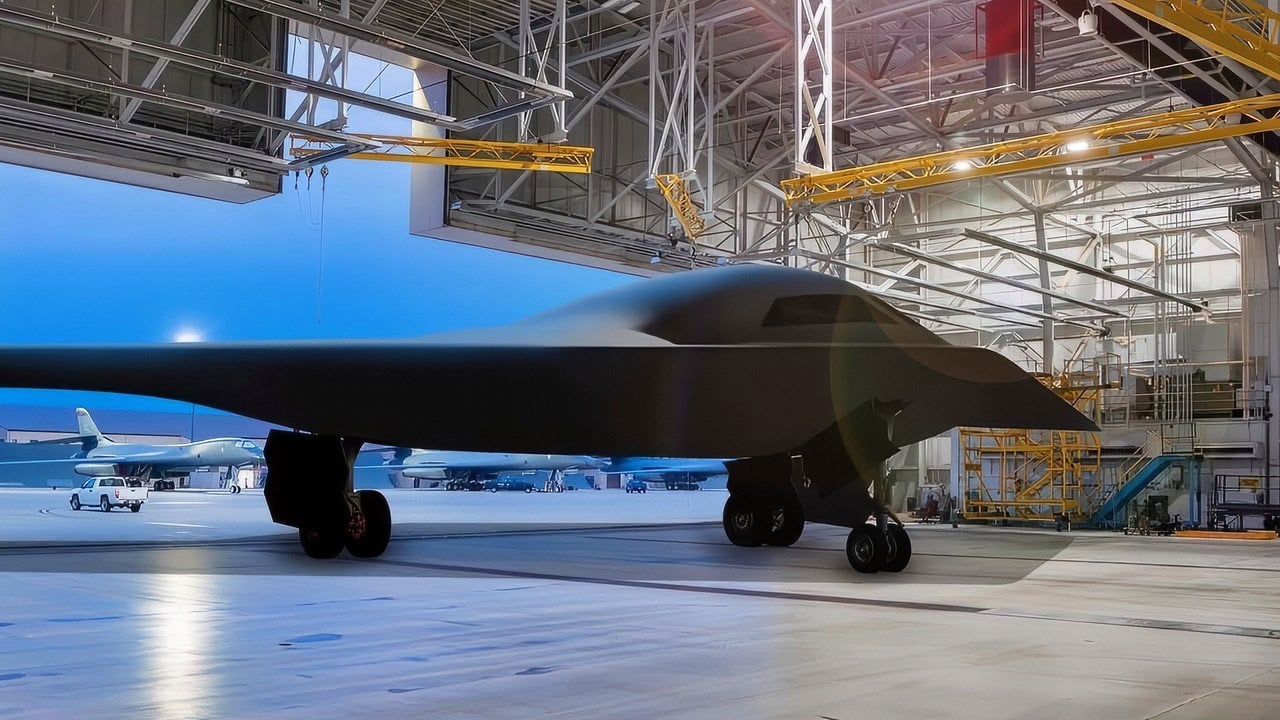
Artist rendering of a B-21 Raider in a hangar at Ellsworth Air Force Base, South Dakota, one of the future bases to host the new airframe. AFCEC is leading a $1 billion construction effort at Ellsworth to deliver sustainable infrastructure to meet warfighter demands for bomber airpower. (U.S. Air Force graphic)
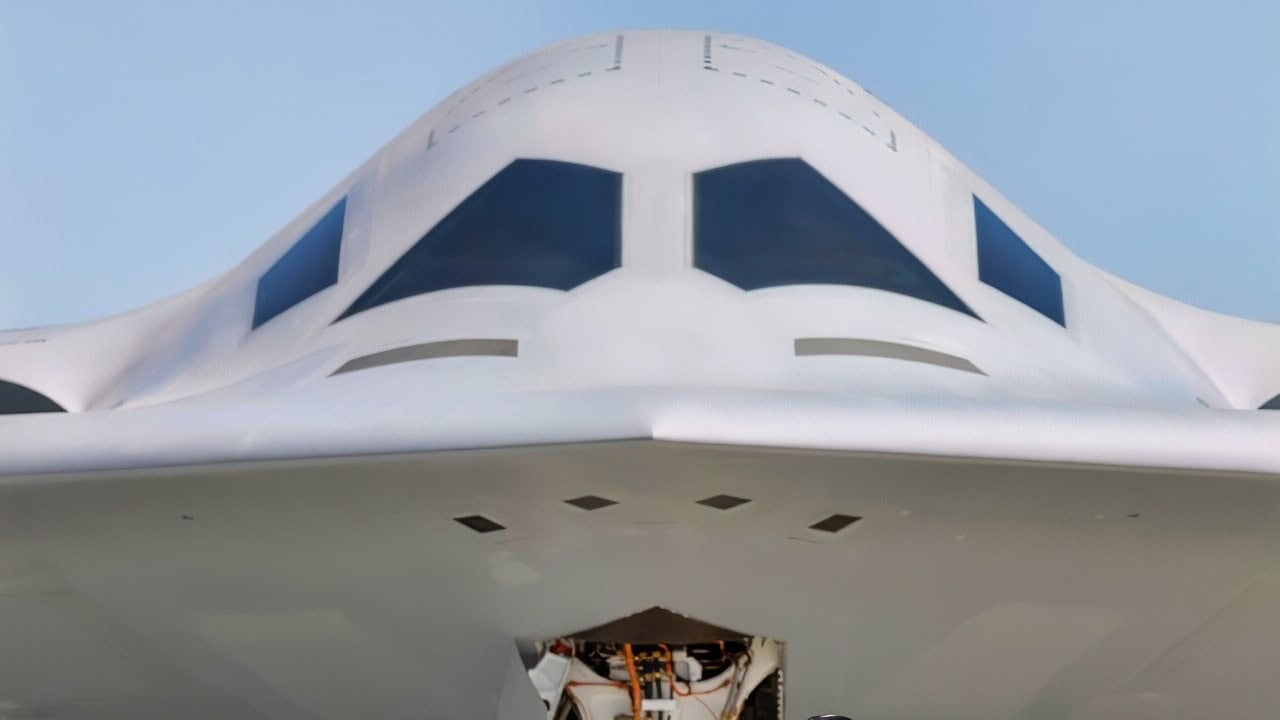
U.S. Air Force Airmen with the 912th Aircraft Maintenance Squadron prepare to recover the second B-21 Raider to arrive for test and evaluation at Edwards AFB, Calif., Sept. 11, 2025. The arrival of a second test aircraft provides maintainers valuable hands-on experience with tools, data and processes that will support future operational squadrons. (U.S Air Force photo by Kyle Brasier)
In an interview with the Federal News Service, Grant explained that “in December [2024], China flew not one, but two new stealth aircraft. And these two stealth aircraft show a lot more advances in design in the composite materials probably used to make them. So it was really a little bit of a shock.”
“We’re always expecting to see some advanced aircraft out of China, but one was a larger aircraft,” she continued. “The other one was a smaller demonstrator. And so that tells us that China has, again, not one but two new stealth aircraft ready. And their mission is to challenge the U.S. and allies over the Pacific. And frankly, their mission is to threaten Guam, threaten Hawaii and kill American airplanes if there’s ever a fight.”
Today her line of thinking is supported by U.S. Air Force Global Strike leaders. She and others are calling Congress to “act decisively to invest in the mass and stealth needed to restore conventional deterrence.”
Thankfully, the defense budget appears to provide the funding for procurement on this scale. In the current fiscal year, $2.7 billion was enacted for B-21 Research, Development, Test and Evaluation, and $1.9 billion for procurement. For the White House’s 2026 discretionary budget request, B-21 R&D funds stand at $2.3 billion, and procurement at $2.6 billion.
About the Author: Aviation Expert Reuben F. Johnson
Reuben F. Johnson has thirty-six years of experience analyzing and reporting on foreign weapons systems, defense technologies, and international arms export policy. Johnson is the Director of Research at the Casimir Pulaski Foundation. He is also a survivor of the Russian invasion of Ukraine in February 2022. He worked for years in the American defense industry as a foreign technology analyst and later as a consultant for the U.S. Department of Defense, the Departments of the Navy and Air Force, and the governments of the United Kingdom and Australia. In 2022-2023, he won two awards in a row for his defense reporting. He holds a bachelor’s degree from DePauw University and a master’s degree from Miami University in Ohio, specializing in Soviet and Russian studies. He lives in Warsaw.