
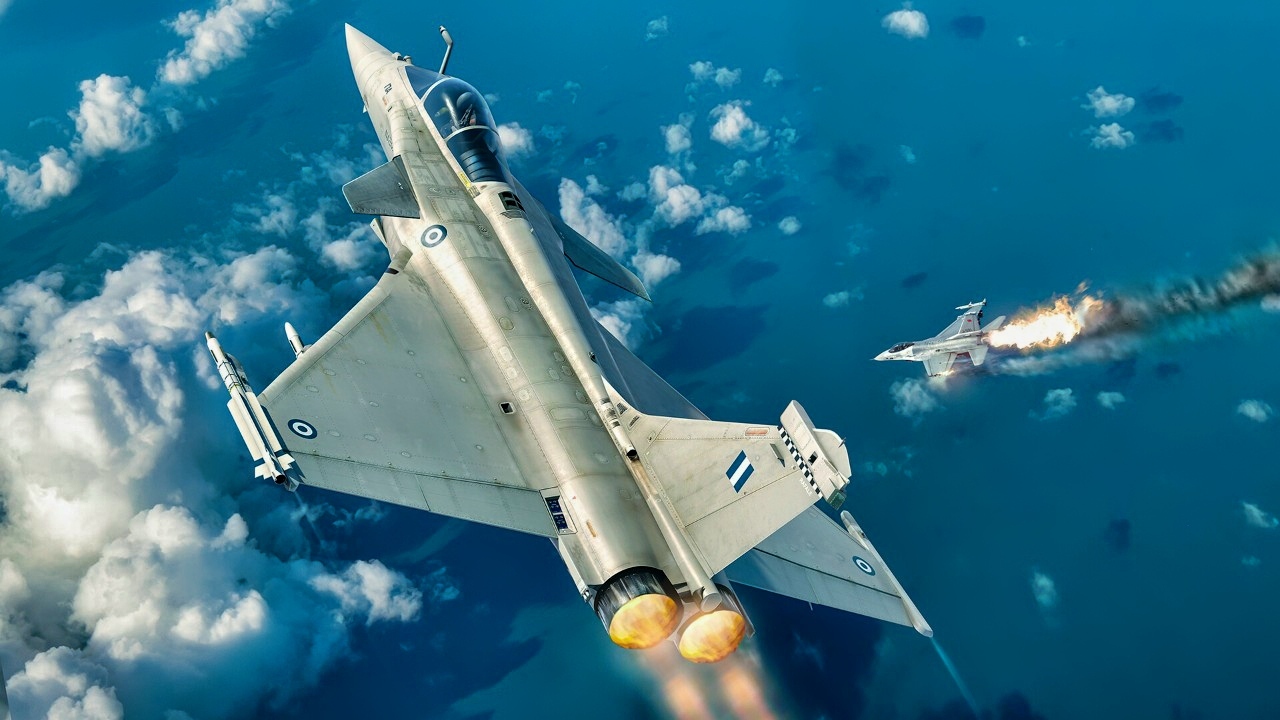
Beating the F-35? Why the French Rafale Is the Hottest Fighter on the Export Market
Meet the Dassault Rafale: While the F-35 Lightning II fighter jet is often the first to come to mind when considering popular platforms of its kind, the American-made aircraft certainly sees tough competition on the export market.

Dassault Rafale Fighter from France. Image Credit: Creative Commons.
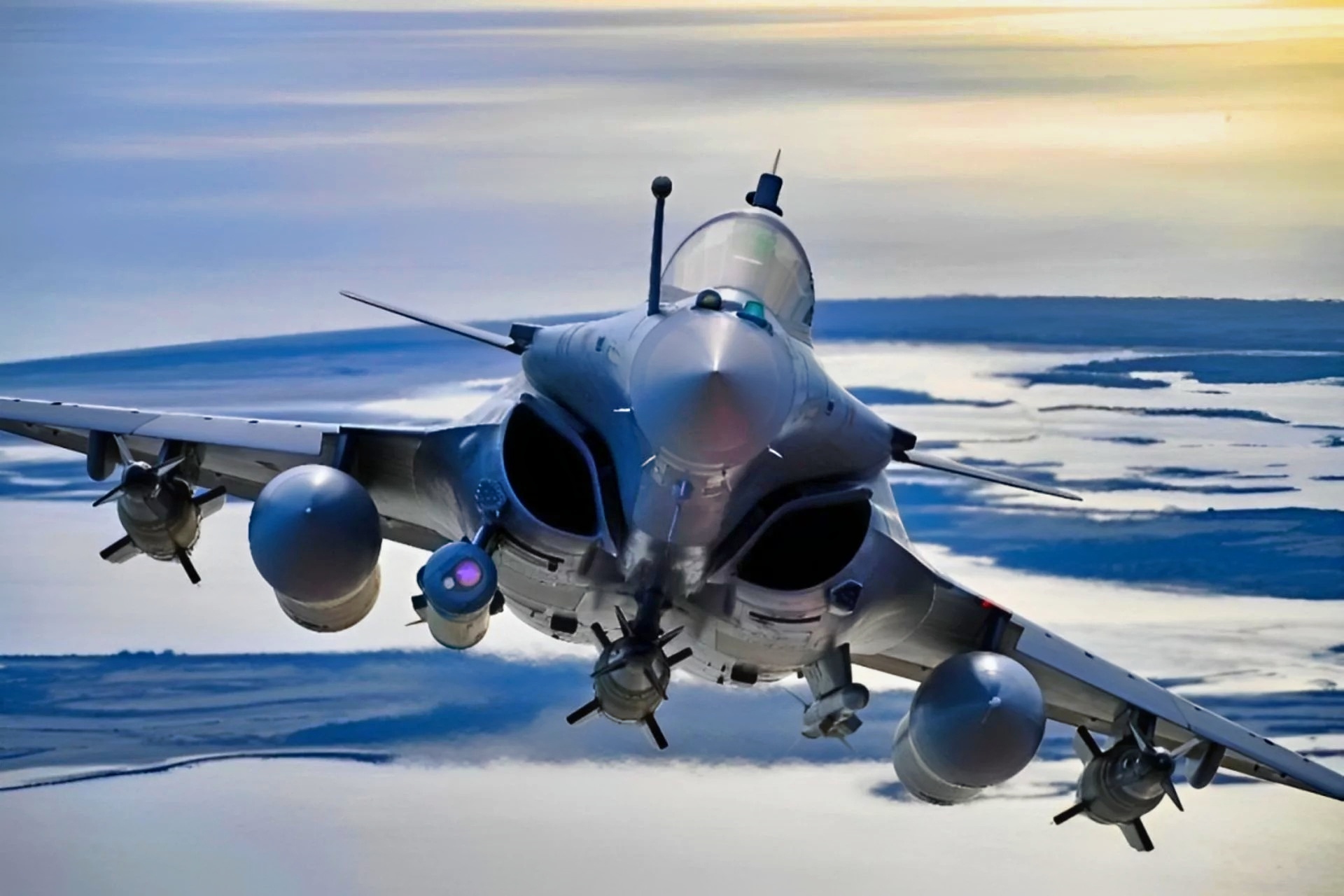
Dassault Rafale Fighter. Image Credit: Creative Commons.
The French-designed Dassault Rafale fighter series continues to gain favor worldwide. In fact, the Western jet has become a top-selling aircraft on the international market due to is versatility and reasonable price tag.
In total, more than 300 Rafales have been procured by eight countries, with many more continuing to express interest in the formidable fighter platform.
Most recently, the French manufacturer appears to be in talks with officials from the Middle East, Asia, and Europe, including Iraqi, Ukrainian, and Indian officials. Amid rising geopolitical tensions worldwide, state officials are working to bolster their respective defense capabilities.
The 4.5-generation Dassault Rafale would undoubtedly elevate any aerial fleet with its multi-role capabilities, data fusion, ordnance capacity, electronic warfare, and other top-tier specs.
According to the International Institute for Strategic Studies, the French manufacturer will need to step up its game just to be able to fulfill its existing orders:
“During this eight-year period, Dassault needs to deliver a total of 174 aircraft for France (the latest order for 42), Indonesia (42), the United Arab Emirates (80) and Egypt (the final 10 of its follow-on order for 30). Dassault is also now delivering to France the long-delayed 27-aircraft element of an order placed in 2009, along with 12 to backfill those Paris transferred to Greece. In addition, Athens has yet to receive the final four of the six new Rafales it ordered in 2021, along with the additional six it ordered in 2022.”
A brief history of the Rafale
The Rafale’s origins date back more than half a century, when the French Air Force and French Navy began making moves to replace their respective aerial fleets. While Paris initially entered into a jet-building arrangement with Germany, the United Kingdom,
Spain and Italy to field the present-day Eurofighter Typhoon, France eventually pivoted to producing its own homegrown alternative.

Dassault Rafale Fighter. Image Credit: Creative Commons.

Dassault Rafale Artist Image. Image Credit: Creative Commons.
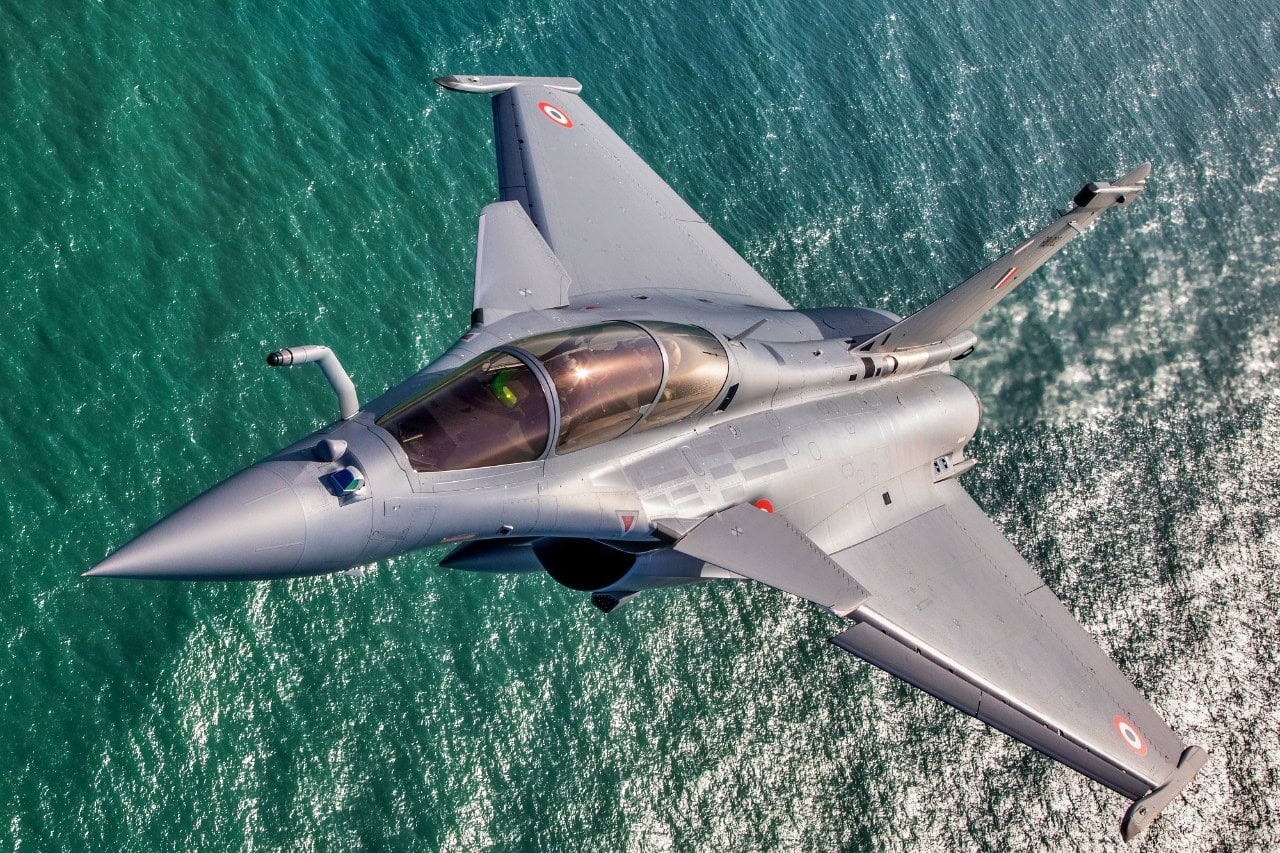
Dassault Rafale. Image Credit: Creative Commons.
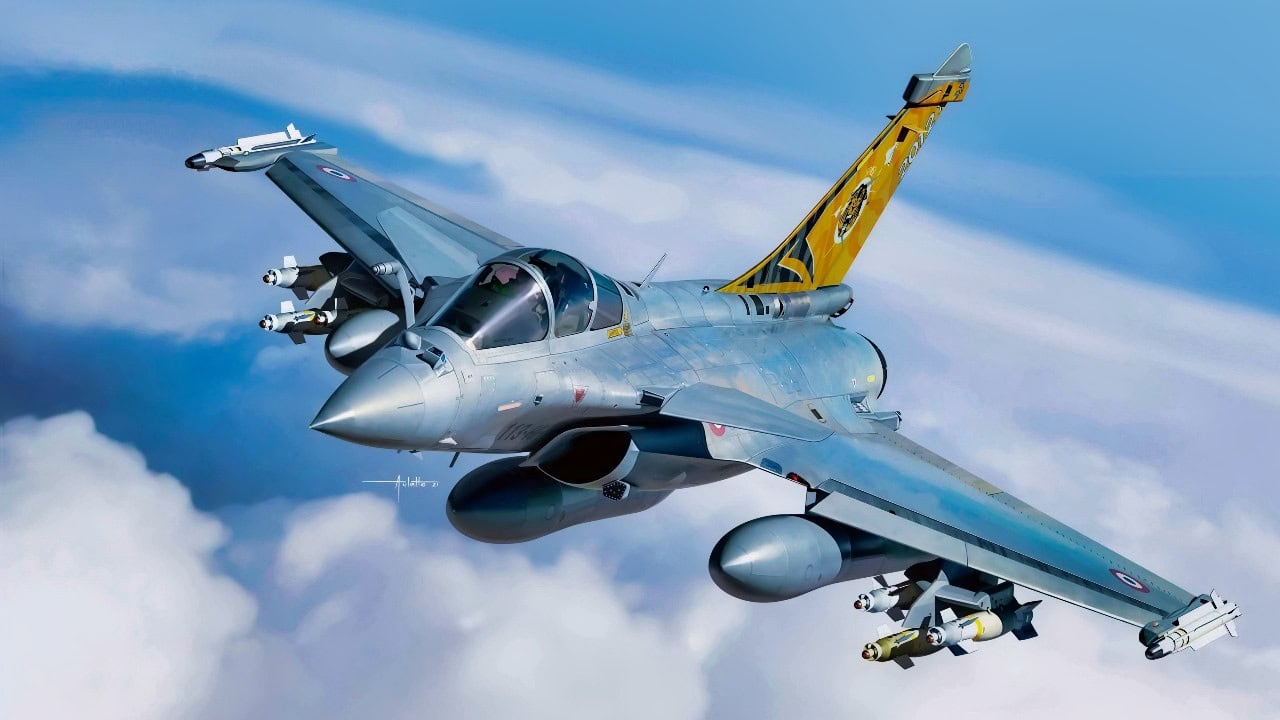
Dassault Rafale. Image Credit: Creative Commons.
The Rafale platform was eventually introduced in 2011, equipped with a wide range of critical capabilities that have helped it retain relevancy and respect over the years and well into the modern era. Featuring a multitude of weapons systems, including missiles, bombs, and a 30mm cannon, the French platform is capable of carrying out a wide array of missions, including ground attack, air superiority, reconnaissance, and even nuclear deterrence.
In terms of lethality, the Rafale is packed to the punch. Some of the weapons that the French jet can carry include the Sidewinder, Magic, ASRAAM, and AMRAAM air-to-air missiles; the Apache, HARM, ALARM, and Maverick air-to-ground missiles; and the Penguin 3 and Harpoon anti-ship missiles.
The Rafale is powered by a pair of Snecma M88 turbofan engines, which enable the platform to exceed Mach 1.8 (the speed of sound).
Equipped with a combat radius of roughly 1,000 nautical miles and a range of 2,000 nautical miles, the Rafale possesses impressive endurance and range for a fighter in its category.
The French fighter also dominates in the electronic warfare space, featuring the SPECTRA system and AESA radar, which, combined, help it fend off threats.
The Rafale is additionally fitted with a Thales TLS 2000 navigation receiver and the RBE2 passive electronically scanned array radar, which possesses look-down and shoot-down functions.
What about the newest F5 standard?
To remain a top contender in foreign exports, Dassault has already unveiled its latest Rafale variant, the F5. Expected to enter service officially after 2030, the F5 will host even greater potential than its predecessors.
As detailed by The Aviation Geek Club, “Besides having a loyal wingman capability, the Rafale F5 will have more processing power. Most importantly, a new key capability is being introduced, namely, the suppression of enemy anti-aircraft defenses (SEAD).”
Despite these enhancements, the Rafale will still lack a critical capability possessed by its counterparts- stealth.
Unlike the F-35, F-22, and J-20 fifth-generation jets, the Rafale is still easier to detect as it is not as ‘invisible’ in the skies.
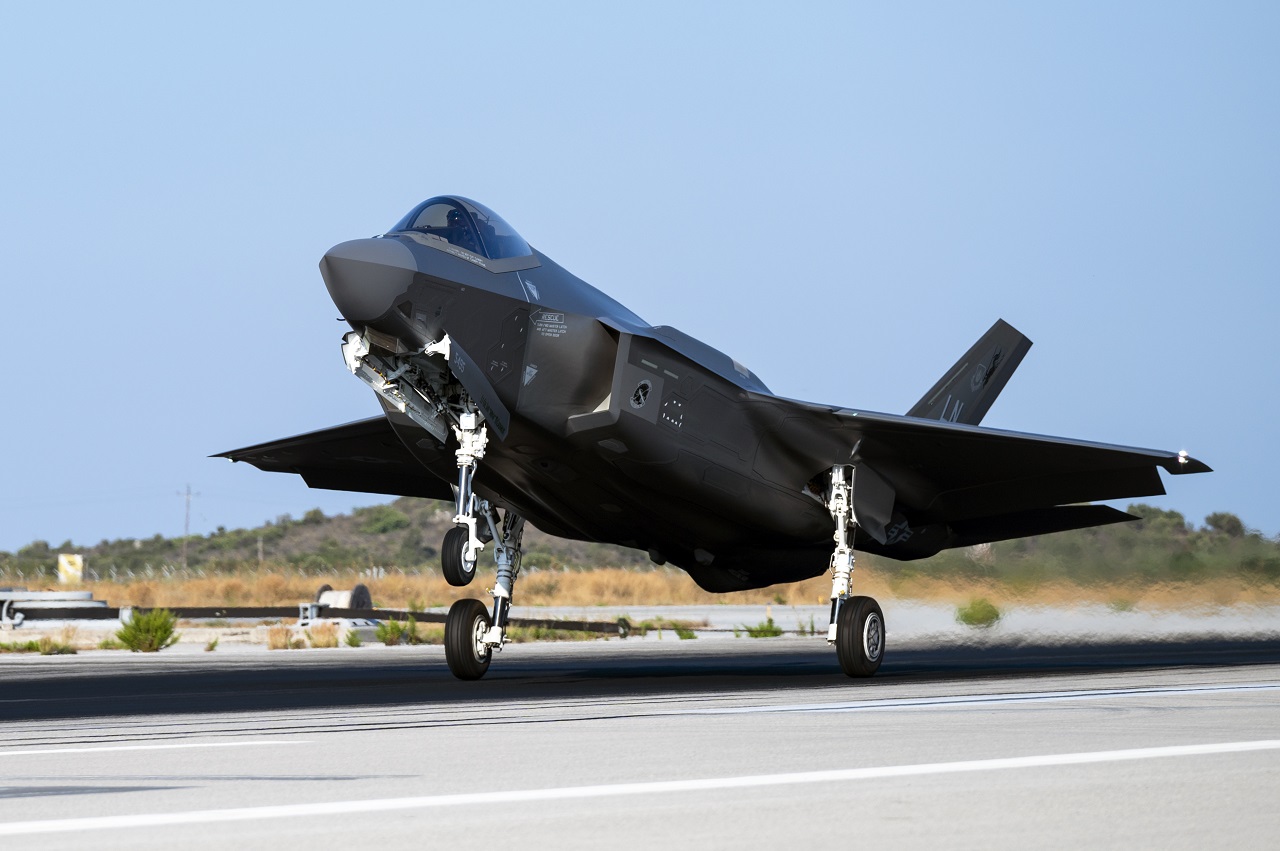
A U.S. Air Force F-35A Lightning II, assigned to the 495th Fighter Squadron from Royal Air Force Lakenheath, England, lands for the first time at Souda Air Base, Greece, July 7, 2022. The fifth-generation aircraft will be participating in exercise Poseidon’s Rage, in an effort to bolster U.S.-Hellenic readiness and interoperability. (U.S. Air Force Photo By Tech. Sgt. Rachel Maxwell)
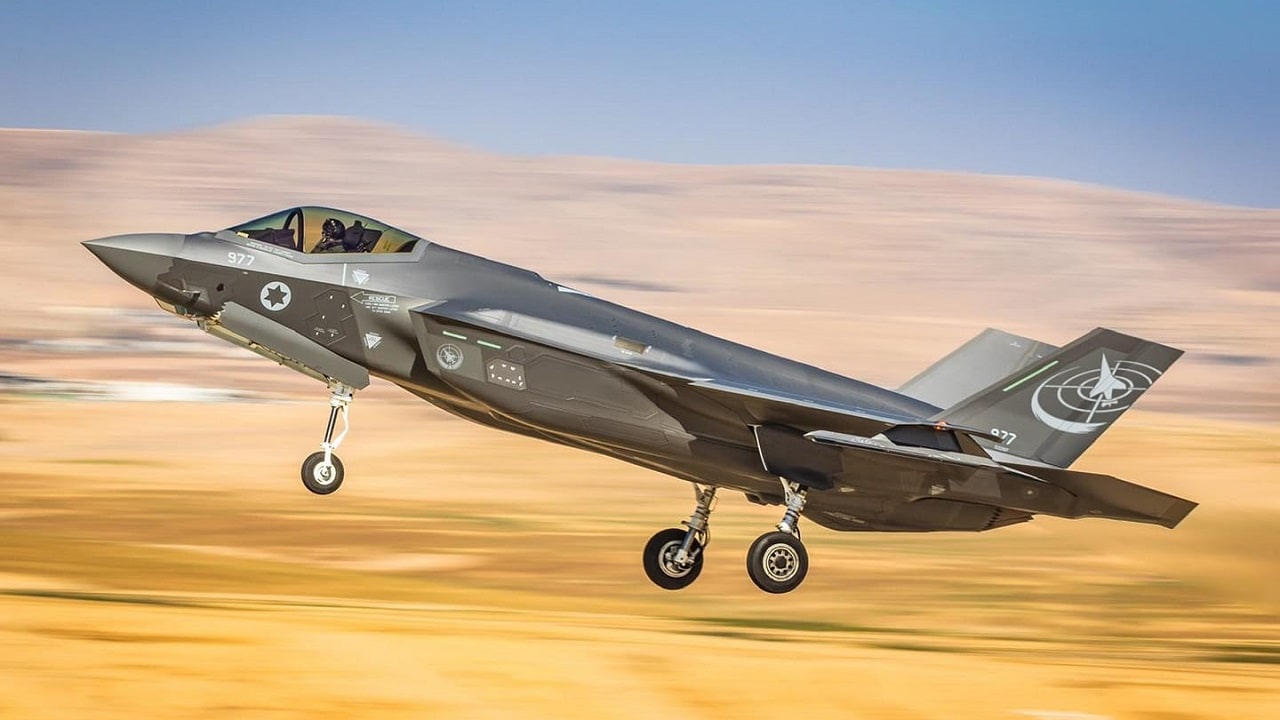
Photo by Amit Agronov via IDF.
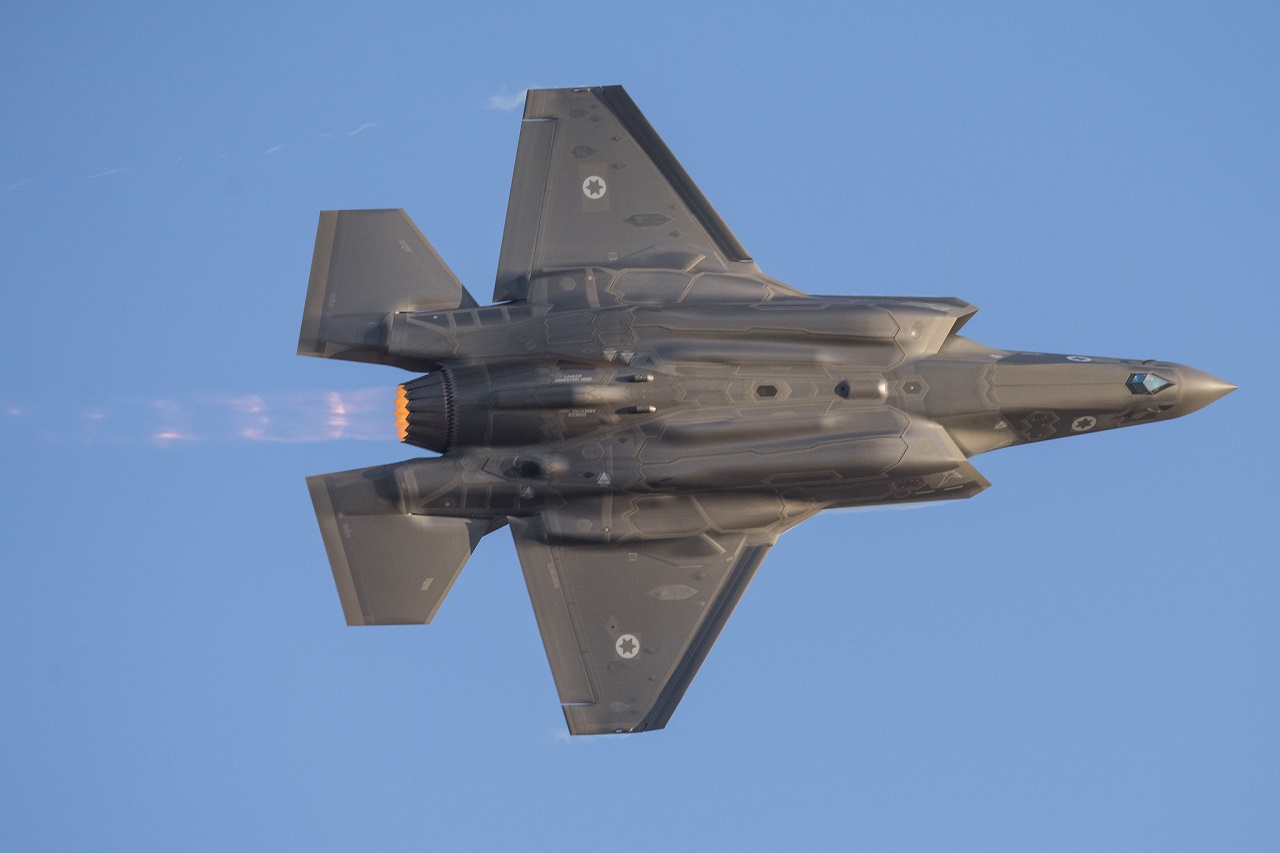
F-35I Adir. Image Credit: IDF Flickr Page.
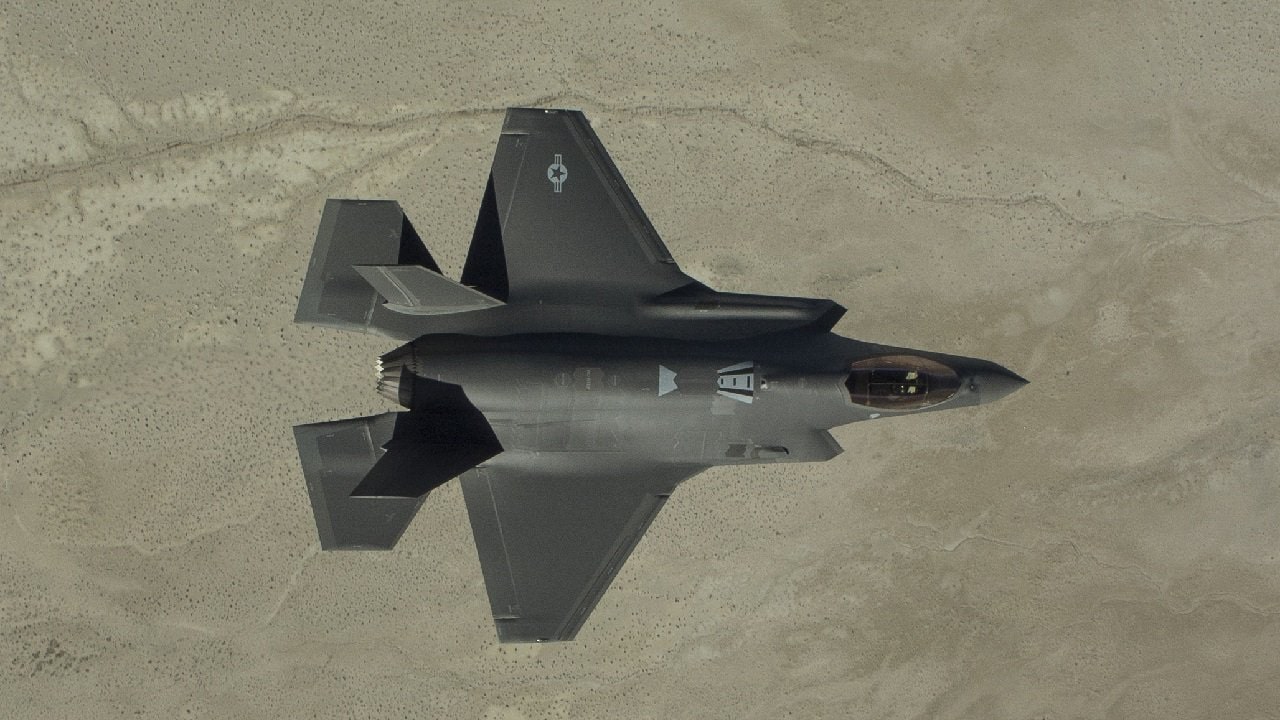
A U.S. Air Force F-35A Lightning II, assigned to the 4th Fighter Squadron from Hill Air Force Base, Utah, conducts flight training operations over the Utah Test and Training Range on Feb 14, 2018. The F-35A is a single-seat, single engine, fifth generation, multirole fighter that’s able to perform ground attack, reconnaissance and air defense missions with stealth capability. (U.S. Air Force photo by Staff Sgt. Andrew Lee)
However, the platform’s other qualities and associated price tag still make it a fan favorite among military officials and aviation buffs alike.
About the Author: Maya Carlin
Maya Carlin, national security writer with 19FortyFive, is an analyst with the Center for Security Policy and a former Anna Sobol Levy Fellow at IDC Herzliya in Israel. She has over 1,000 articles published over the last several years on various defense issues. Carlin has bylines in many publications, including The National Interest, Jerusalem Post, and Times of Israel. You can follow her on Twitter: @MayaCarlin.
NOTE: This piece has been updated since publication.