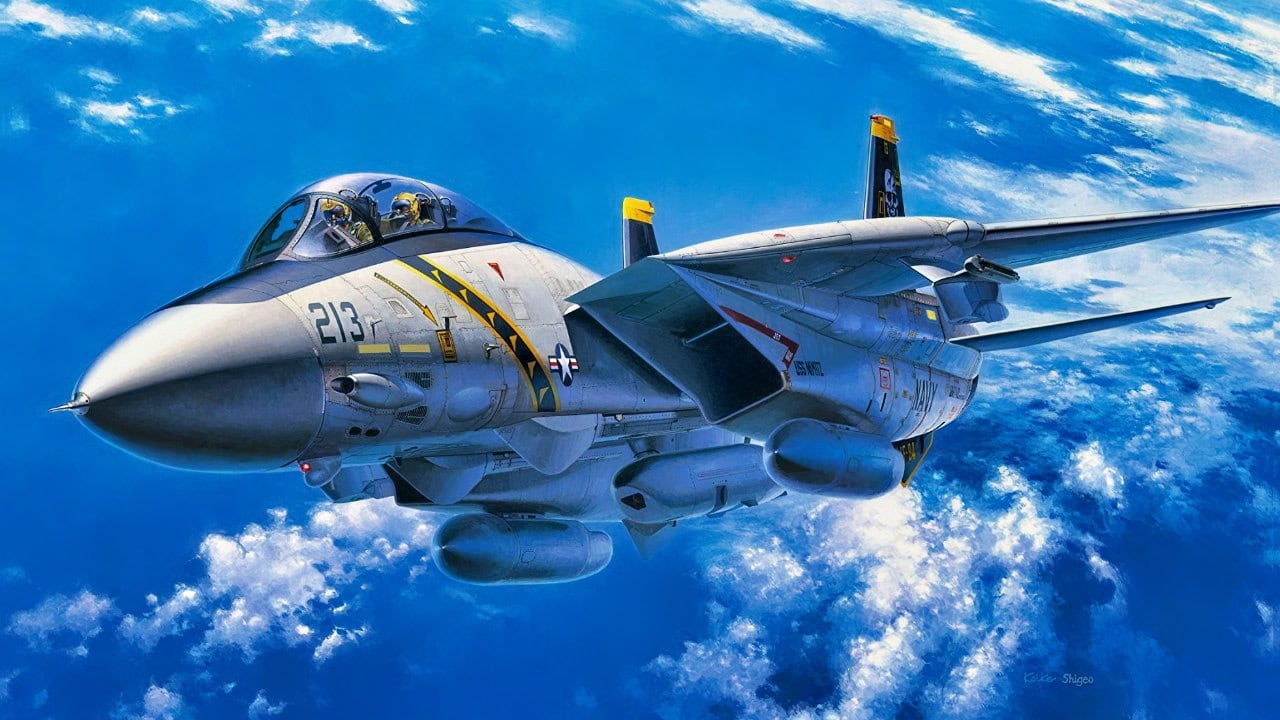
Summary and Key Points: The retired F-14 Tomcat remains iconic for its speed, dogfighting reputation, and swing-wing design, but its defining advantage was the weapons system built around the AWG-9 radar and long-range missiles like Phoenix and Sparrow.
-Unlike earlier fighters that struggled to track multiple targets, the Tomcat was designed for fleet defense against large Soviet-style raids, pairing a pilot with a second crew member to manage sensors and situational awareness. Combat performance and later engine upgrades strengthened its legacy.
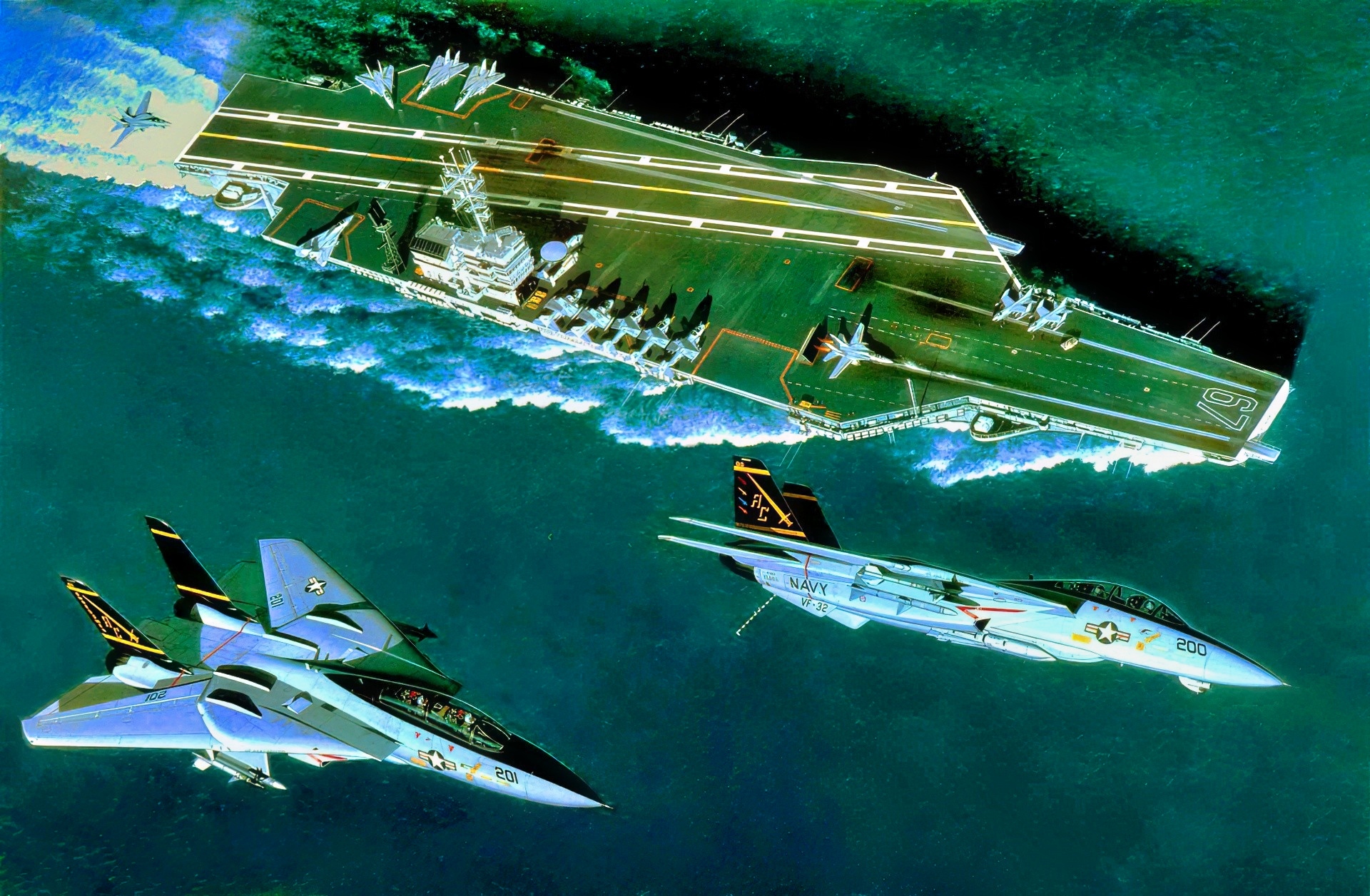
F-14 Tomcat. Image Credit: Creative Commons.
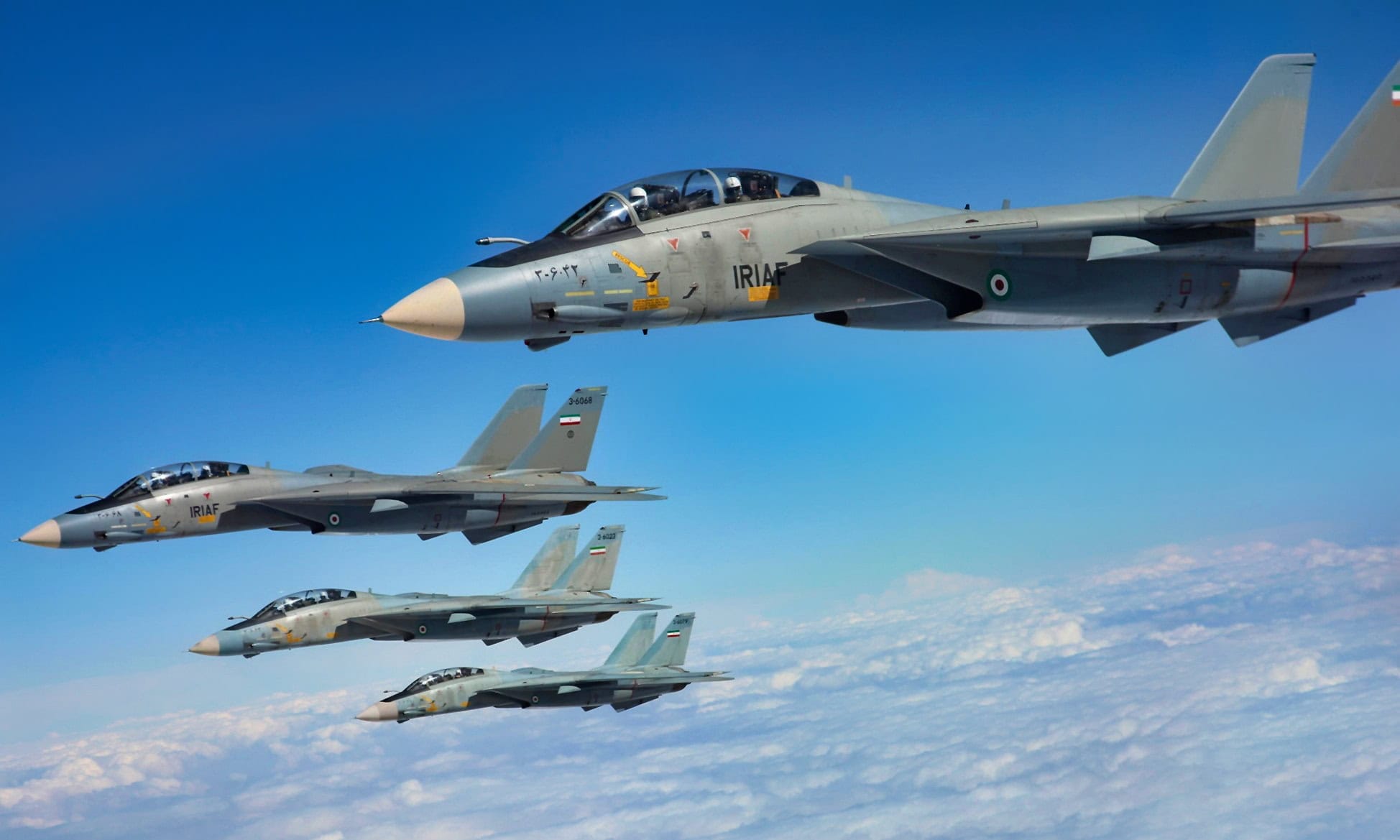
F-14 Tomcat. Image Credit: Creative Commons.
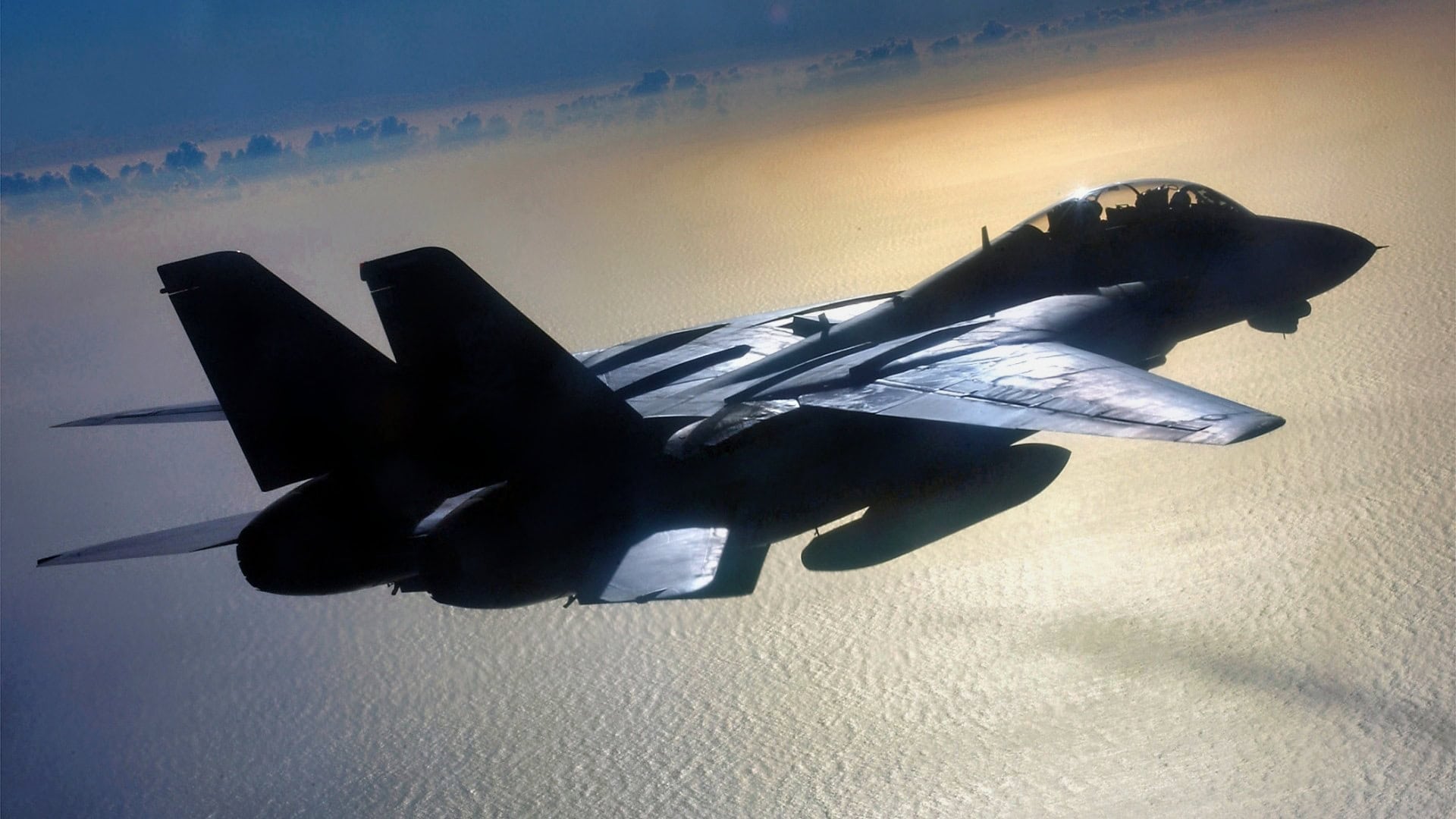
F-14 Tomcat Fighter. Image Credit: Creative Commons.
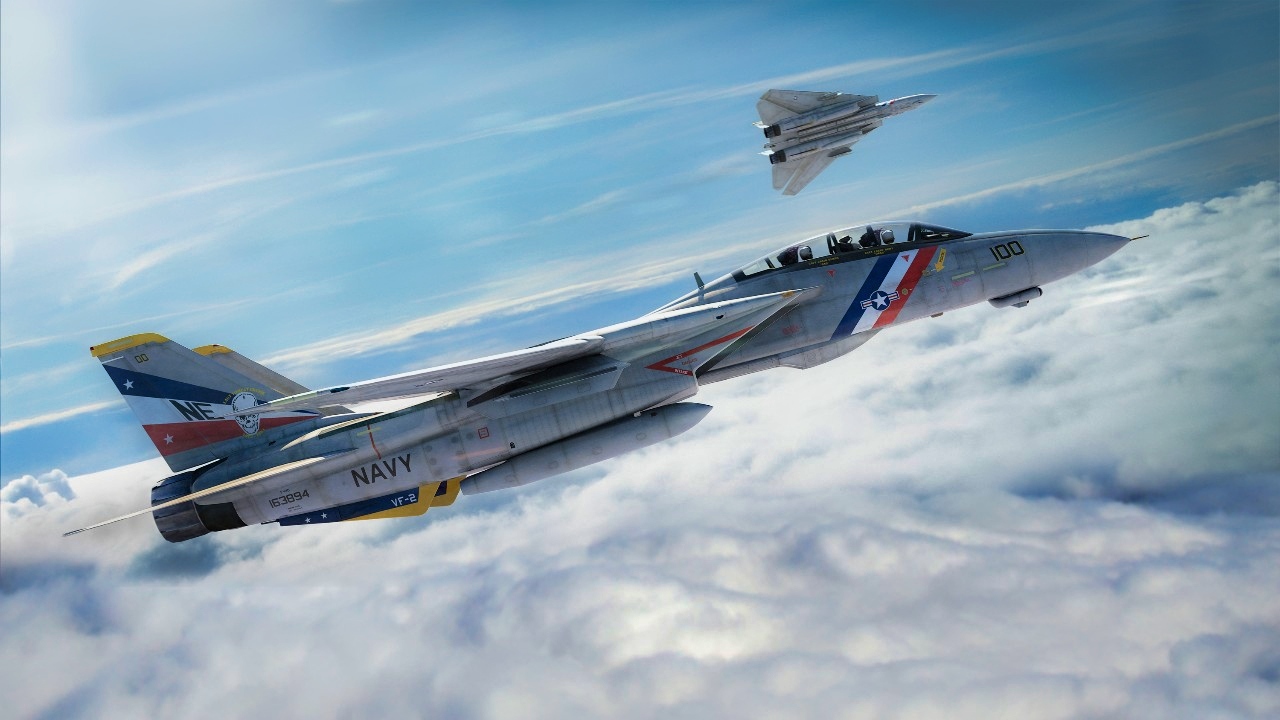
F-14 Tomcat US Navy. Image Credit: Creative Commons.
-After retirement, Navy carriers shifted to upgraded Super Hornets and the F-35C, but the Tomcat’s high-speed, long-range air supremacy niche remains a benchmark.
The F-14 Tomcat’s Biggest Edge: Why Its Weapons Still Get Talked About
The long-retired F-14 Tomcat has a permanent residence in the hearts and minds of U.S. Navy aviators and countless other flight enthusiasts. The airframe became famous worldwide for its advanced speed and dogfighting ability.
The F-14’s Mach 2.3 speed places it alongside the F-22 as the fastest U.S. fighter jet ever. The two-seat Tomcat also became known for its air-to-air prowess. Two sets of eyes could monitor targets, track enemy maneuvers, and maintain superior combat-zone awareness.
Another oft-discussed merit is the airplane’s variable-sweep wings that enabled it to operate optimally at different airspeeds for different tasks. The Aviation Geek Club explains several advantages associated with the wing: First is an ability to drastically vary speeds in-flight. The wing also enabled an “oversweep” position by moving the wings back 75 degrees, making them much easier to park together when not in use.
Tomcat Weapons
Beyond the advantages discussed above, the Tomcat is perhaps most well known for its ground-breaking weapons. Another Aviation Geek Club essay catalogues some of the breakthrough technologies woven into the F-14, explaining that the high-speed, dogfighting aircraft brought air combat into a new era that moved well beyond the performance of the Phantom F-4:
“The Tomcat weapons system introduced a quantum leap in technology and capability that would dominate the outer air battle. Theoretically, two Tomcat divisions could engage and release missiles at over forty targets—well before the merge—with a high probability of kill. Once targeted, an enemy aircraft would most likely not survive a Phoenix or Sparrow attack by a Tomcat.”
Tomcat Technological Breakthrough
Unlike the Phantom, which could only maintain radar lock on a single target, a Tomcat could help defend against a saturation raid of 20 Soviet fighters:
“Even if the Tomcat weapons system was only given a fifty percent probability of a kill, far less than models indicated, the Tomcats could splash all twenty attackers before they broke through the outer air defense grid. In short, the Tomcat’s Phoenix and AWG-9 capability greatly reduced the number of fighters needed to defend the fleet and greatly increased the probability that the fleet would survive a saturation raid,” the Aviation Geek Club explained.
While in flight, a pilot focuses on vectoring and locking in targets. Meanwhile, an aviator can simultaneously track additional targets, survey the surrounding area with additional line-of-sight observations, and offer time-sensitive constructive input and instruction to the pilot. The presence of the aviator lowered the cognitive burden placed upon pilots and allowed for a more focused sortie.
Tomcat at War
The Tomcat’s performance in combat is well documented. Former Secretary of the Navy John Lehman described the aircraft’s performance against the Libyan Air Force in 1981:
“The very high-tech F-14s, with their two-hundred-mile radars, were able to maneuver into firing position long before the Libyans ever saw them,” Lehman said, as quoted in the Aviationist.
The F-14 further received a significant engine upgrade. Its original TF30 engine was retired due to performance problems and replaced with General Electric F110-GE-400 engines that resulted in superior performance.
This adjustment improved the aircraft’s propulsion and thrust-to-weight ratio and directly helped propel the platform’s successful combat performance in Vietnam, Libya, the Gulf War, and Operation Iraqi Freedom.
The Tomcat brought an unprecedented high-speed air-attack platform to aircraft carriers that has not returned since the F-14’s retirement. Did the arrival of the F-22 motivate the Pentagon to retire the F-14 quickly? It is possible, but the airframe’s departure left Navy carriers without a superior air supremacy platform—the F-22 could only launch from land. Continued upgrades to the F/A-18E/F Super Hornet, and the introduction of the fifth-generation F-35C, have anchored the Navy’s maritime power, but the speed and air-to-air maneuverability of the F-14 have not been adequately replaced.
Perhaps this is why the Navy is moving quickly to accelerate the F/A-XX program.
About the Author: Kris Osborn
Kris Osborn is the President of Warrior Maven – Center for Military Modernization. Osborn previously served at the Pentagon as a highly qualified expert in the Office of the Assistant Secretary of the Army—Acquisition, Logistics & Technology. Osborn has also worked as an anchor and on-air military specialist at national TV networks. He has appeared as a guest military expert on Fox News, MSNBC, The Military Channel, and The HistoryChannel. He also has a Master’s Degree in Comparative Literature from Columbia.