
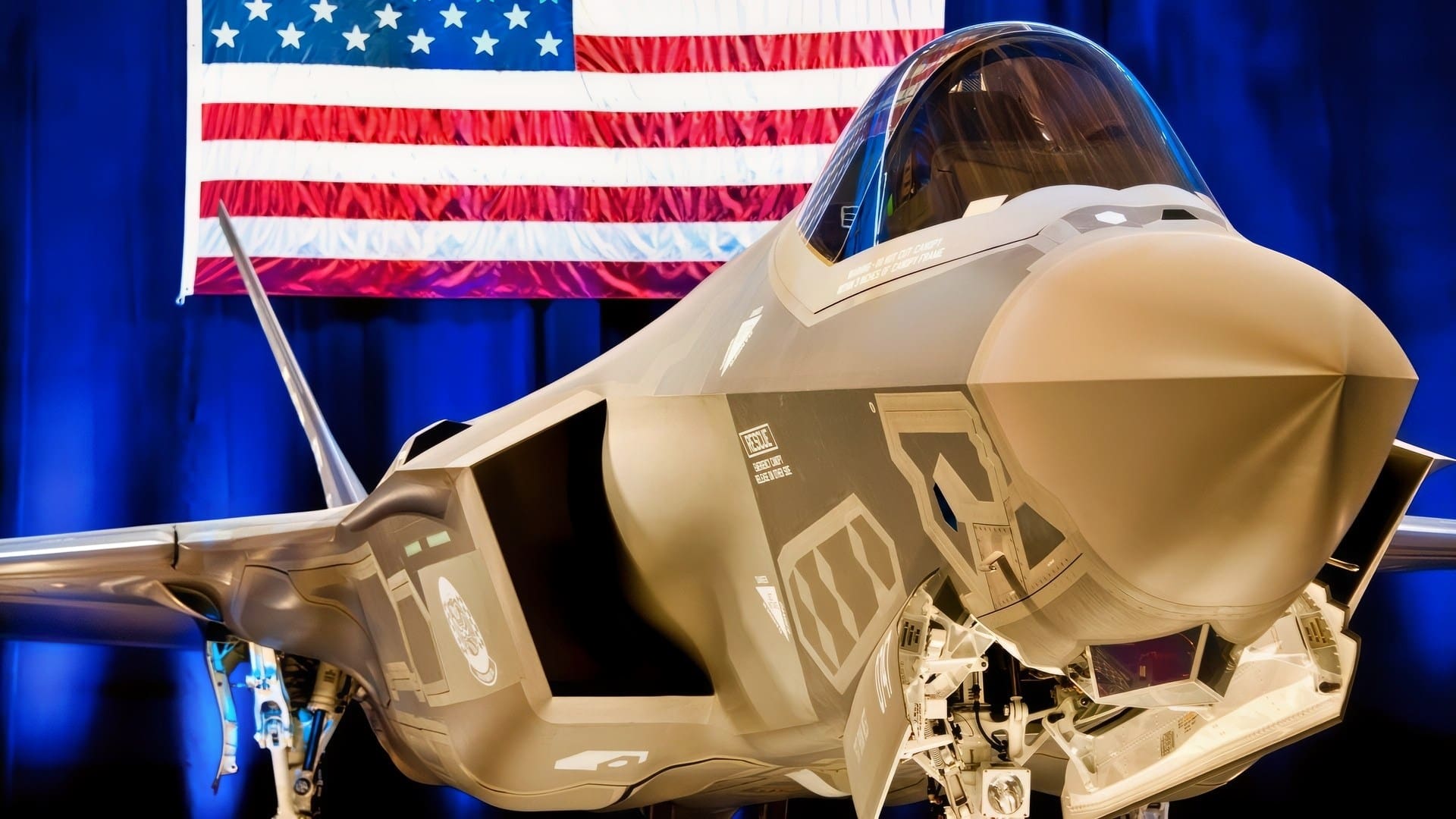
Canada’s F-35 Rethink Meets Saab’s Job Offer: 12,600 Roles Tied to Gripen
As the Canadian government grapples with a decision over the future of its fighter jet fleet, a key promise made by Saab that was designed to encourage Ottawa to choose its Gripen platform over Lockheed Martin’s F-35 Lightning II appears to come with a catch: the Canadian Armed Forces would need to buy 72 JAS 39 Gripen jets and six GlobalEye surveillance aircraft for its promise of creating Canadian jobs to be realized.
The news was reported by CBC News in recent days, confirming that Saab is seeking Ottawa’s approval to replace all 72 remaining jets originally part of an 88-strong F-35 fleet with its own platforms.
Industry and government sources have confirmed that the Swedish aircraft manufacturer’s proposals for both aircraft are currently being considered by defense experts.
The review not only focuses on the technical capabilities of the JAS 39 Gripen platform, which is by all measures inferior to the United States’ F-35, but also on the economic benefits that would come with choosing the European platform. Saab says it can deliver 12,600 jobs in Canada if the deal is accepted – an increase over the roughly 10,000 jobs that were promised by Saab officials last year.
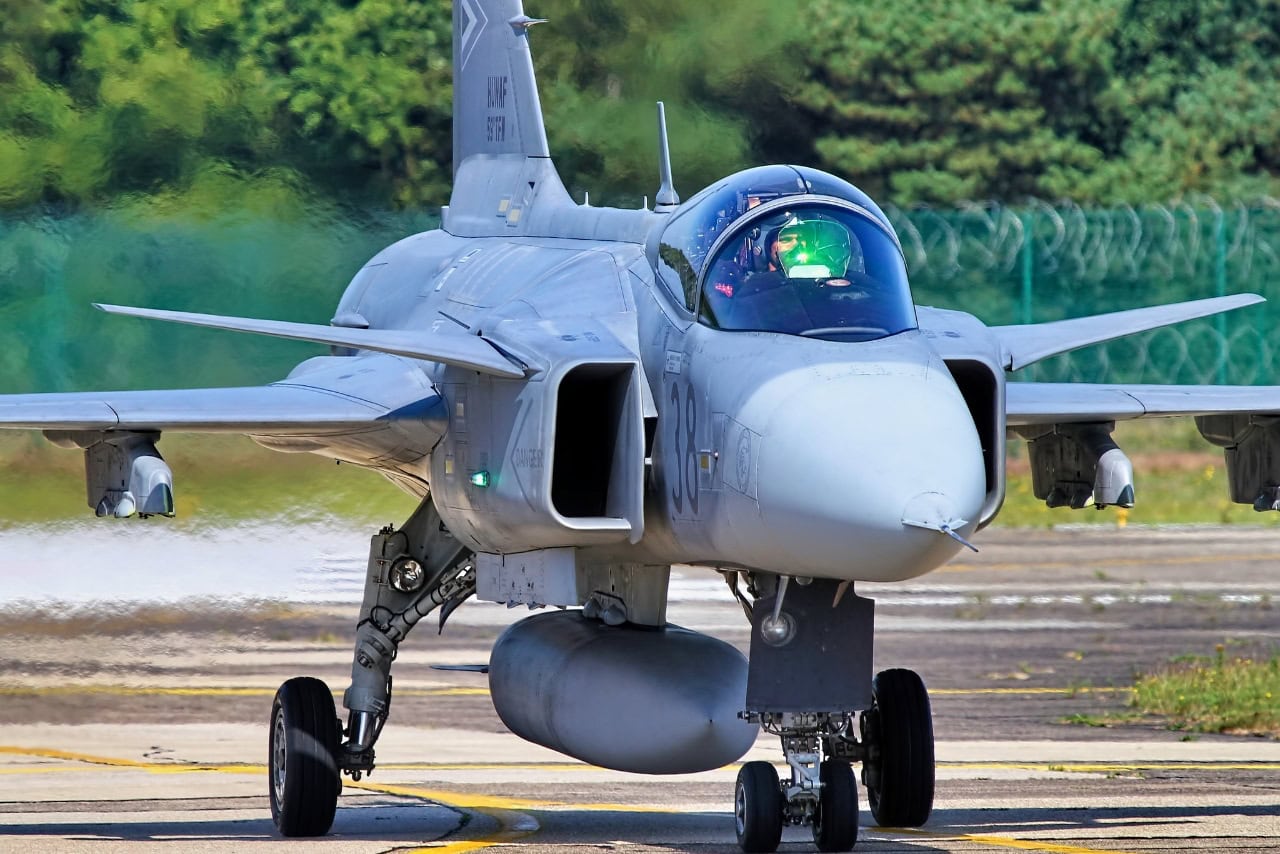
JAS 39 Gripen. Image Credit: Creative Commons.
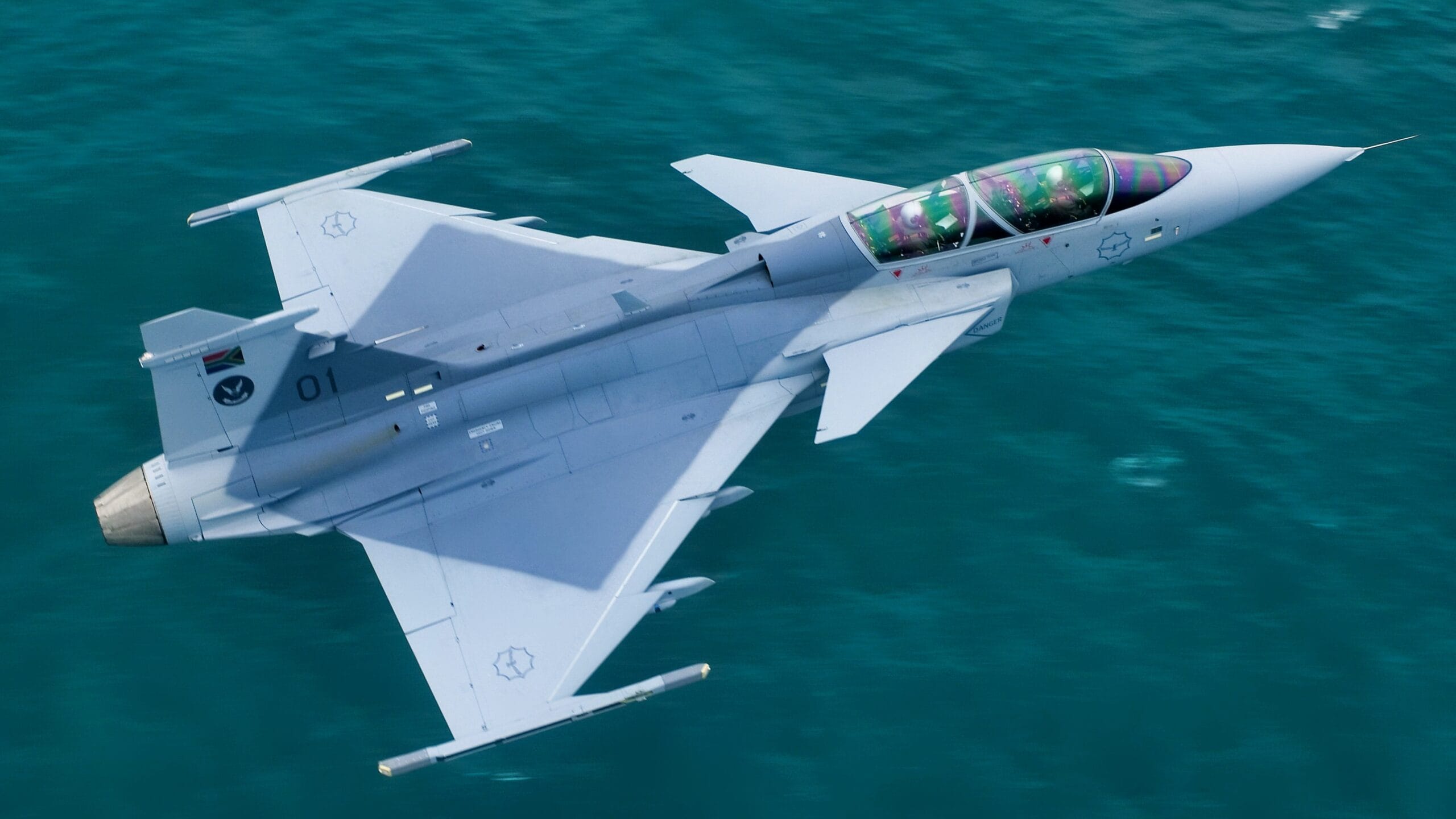
JAS 39 Gripen Fighter. Image Credit: Creative Commons.
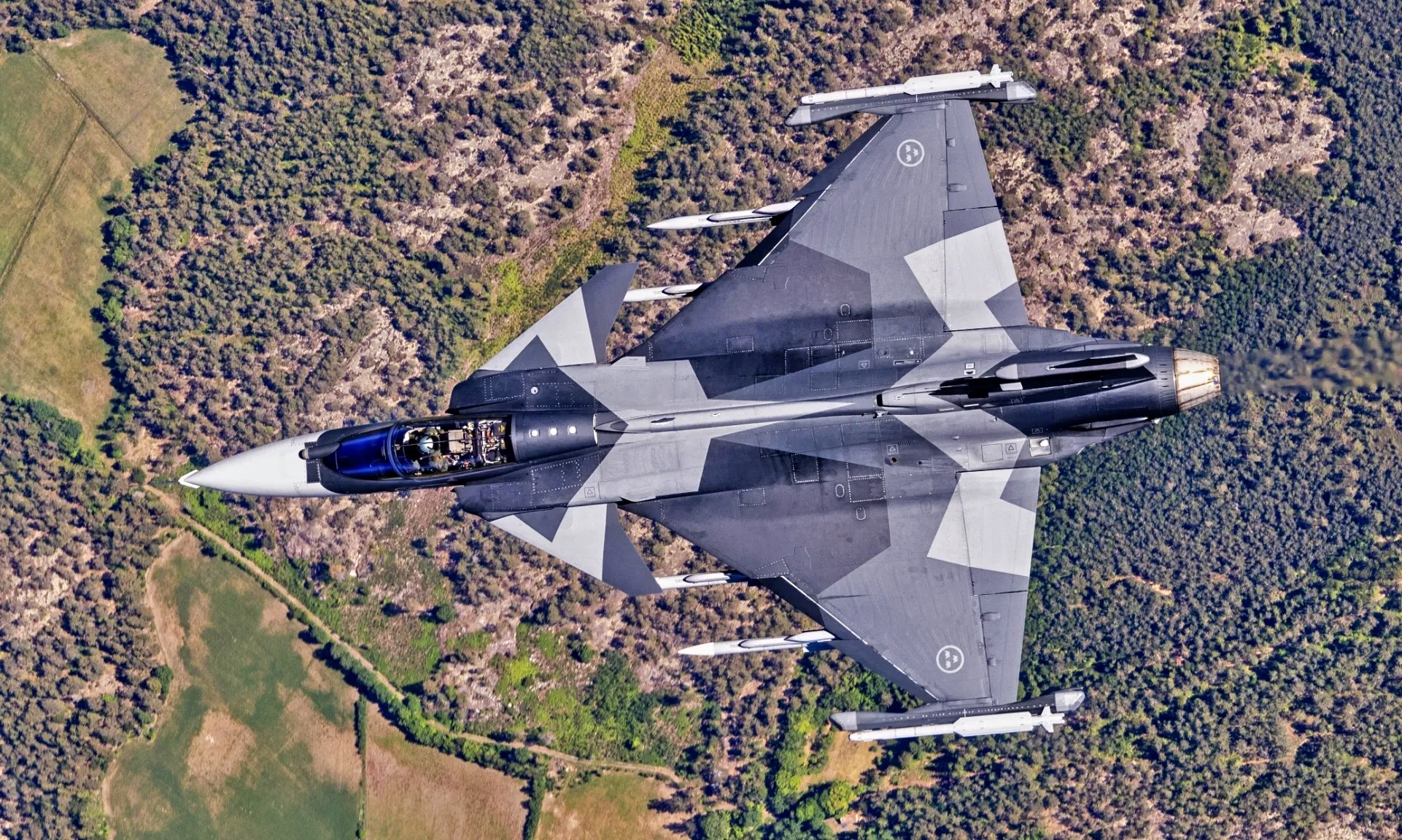
Saab JAS 39 Gripen E. Image from Saab.
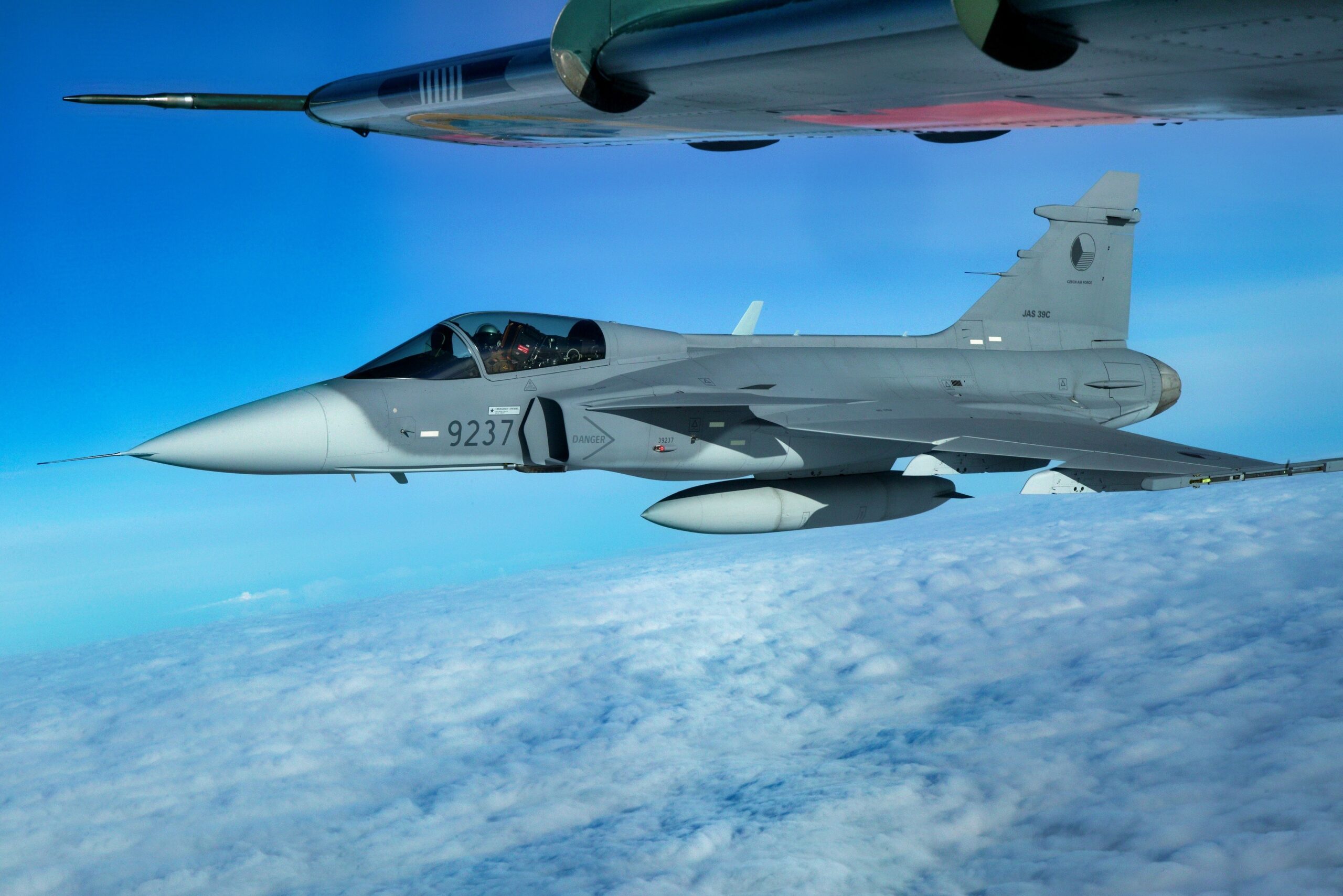
JAS 39 Gripen. Image Credit: Saab.
“The government is interested in all major projects that can not only protect Canada’s security and sovereignty, but also create jobs across the country,” Industry Minister Melanie Joly said to CBC News. “We certainly can’t control President Trump, but…we can control our defence investments, who we award contracts to and how we are ultimately able to create jobs in Canada. So we’re going to focus on that.”
The comment seems to indicate that the Canadian government, which has yet to release the results of an internal review into its original plan to purchase a full fleet of 88 F-35s, is seriously considering Saab’s offering.
Saab’s proposal, should it be accepted, would represent a fundamental shift in Canada’s long-term airpower and industrial strategy – and not necessarily for the better. This would not be a partial readjustment to its existing fighter procurement plan, but a total re-imagining of its fighter fleet at a time when these assets are arguably more important than ever.
According to the latest reporting from CBC, Saab’s offer is structured around Canada becoming a manufacturing and export hub for both platforms, not just establishing facilities in the country to build or maintain the aircraft Canada purchases.
The proposed manufacturing hub would produce aircraft for international customers, and Saab says there is potential export demand for as many as 100 JAS 39 Gripen aircraft for Ukraine and possibly GlobalEye customers in Europe, including France and Germany.
Saab Makes A Move on F-35
Saab has proposed establishing production facilities in Ontario and Quebec, supported by a pan-Canadian supplier network. The GlobalEye aircraft would be built in partnership with Bombardier using the Global 6500 business jet as the base platform, integrating long-range radar and surveillance systems as part of Canada’s Airborne Early Warning and Control (AEW*C) program.
Saab is clearly fighting hard to get the deal – and while the economic prospects of accepting the offer may be compelling to Canada, it’s hard to ignore the fact that Canada’s own air force leaders have made it clear that choosing the Gripen over the F-35 would be a fundamental mistake.

U.S Air Force Captain Kristin “BEO” Wolfe, F-35A Lightning II Demonstration Team Commander, flies during a demonstration at the Oregon International Airshow in McMinnville, Ore., Aug. 20, 2022. The F-35 Demo team travels around the United States and around the world, showcasing the world’s most technologically advanced fifth-generation fighter jet. (U.S. Air National Guard photo by Master Sgt. John Winn)
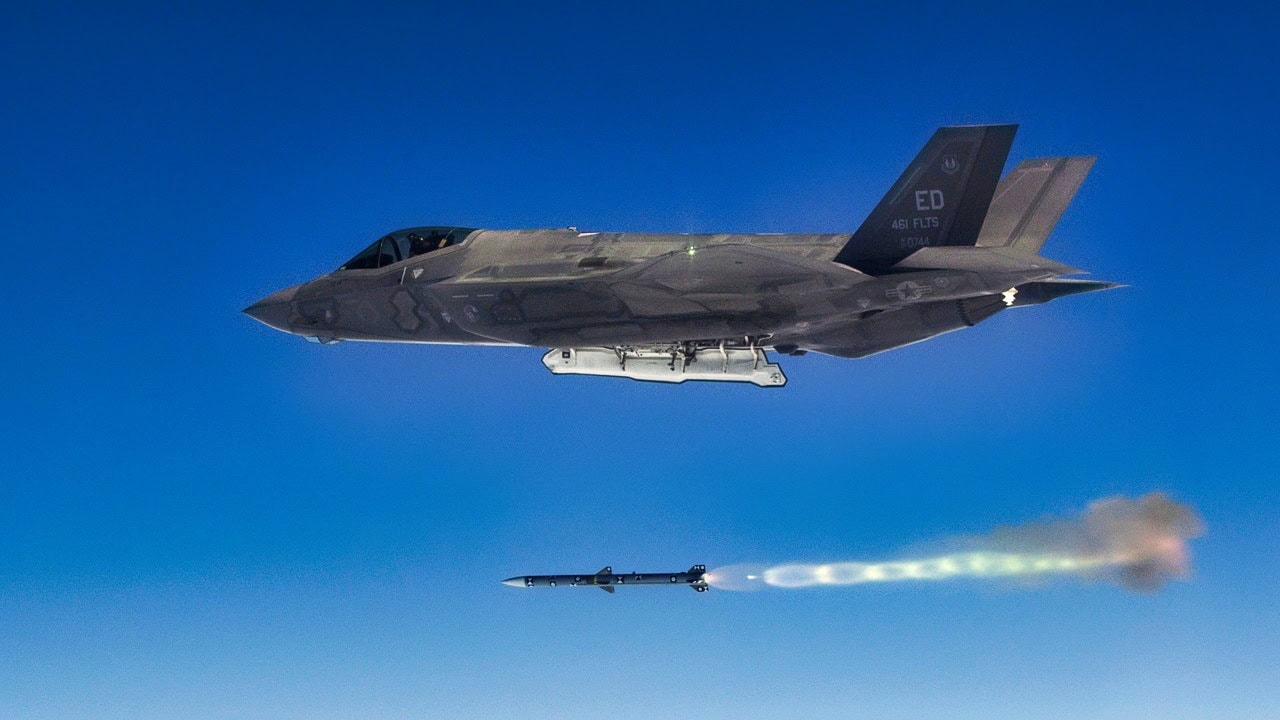
An Edwards AFB F-35A Lightning II fires an AIM-120 Advanced Medium-Range Air-to-Air Missile as part of Weapons Delivery Accuracy testing. The 461st Flight Test Squadron and F-35 Integrated Test Force completed WDA testing in early December, which concludes a large and important part of F-35 developmental test and evaluation. (Courtesy photo by Chad Bellay/Lockheed Martin)
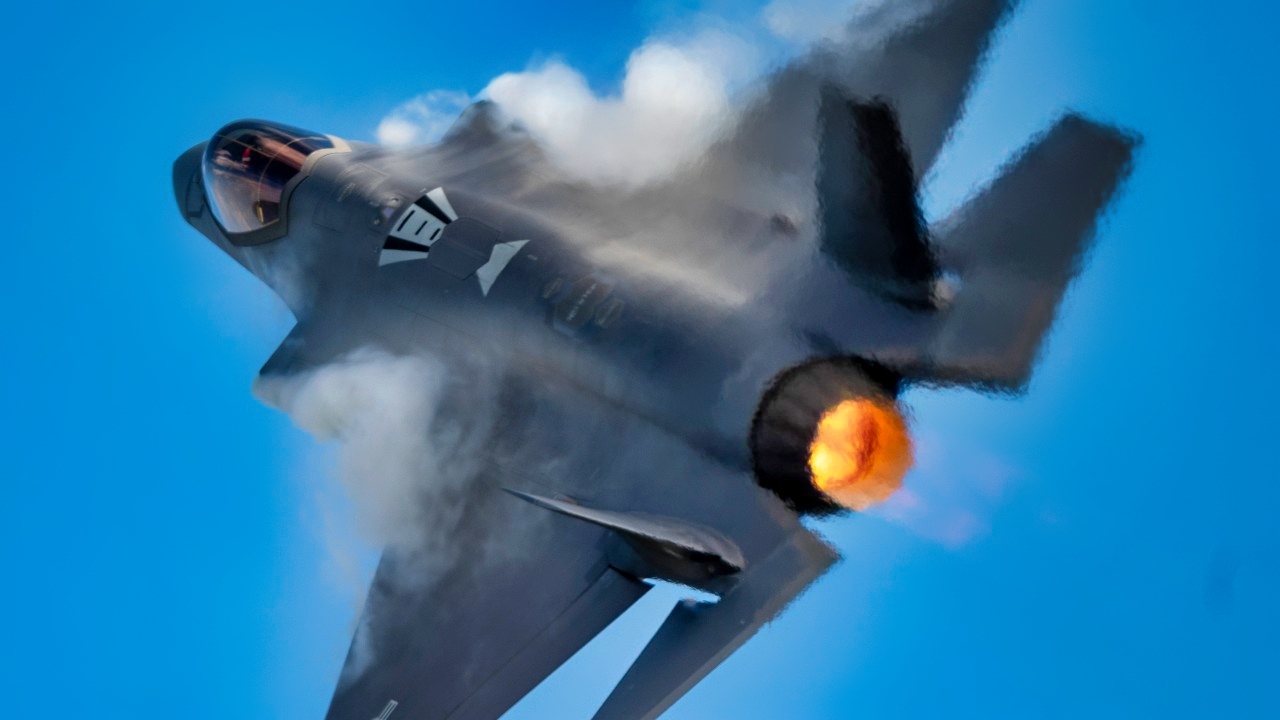
U.S. Air Force Maj. Melanie “Mach” Kluesner, the pilot for the F-35A Demonstration Team, performs aerial maneuvers in a USAF F-35A Lightning II during the practice day before the airshow at Jacksonville Naval Air Station, Florida, on 18 October, 2024. The practice day ensures that the team is able to safely and properly display the power, agility, and lethality of America’s 5th generation fighter jet. (U.S. Air Force photo by Senior Airman Nicholas Rupiper)
Ultimately, the F-35 represents a fundamentally different class of combat aircraft compared with the Saab JAS 39 Gripen E, and the technical distinctions between the two platforms reveal why Canada’s own evaluations have repeatedly shown the F-35 as the superior choice for the Royal Canadian Air Force’s next generation of fighters
. At its core, the F-35 is a fifth-generation stealth platform with a low radar cross-section, advanced sensor fusion, and built-in networked communications that allow it to detect, prioritize, track, and share battlespace information in real time – capabilities that Canada’s internal competition scored showed outpaced the Gripen in every major category.
The Gripen E, meanwhile, is a capable fourth-generation/4.5-generation multirole fighter with strong agility and cost advantages. However, it lacks true low observability and relies more on traditional radar and electronic warfare tactics – factors that limit its survivability and effectiveness in contested and defended environments.
Because Canada’s defense planning must consider integration with North American Aerospace Defense Command (NORAD) and Five Eyes partners – most of whom operate or are acquiring F-35s – the interoperability and secure data sharing inherent to the F-35’s architecture reinforce deterrence and collective defense.
The Gripen E, on the other hand, would create logistical, training, and networking complications – not to mention an economic pressure that comes with operating a mixed fleet.
F-35 vs. JAS 39 Gripen: What Happens Next?
What Ottawa is ultimately weighing here is more than just jobs; it is whether short-term industrial incentives are worth the long-term operational, strategic, and alliance costs that come with stepping away from a proven North American platform to which it is already committed.
The news that Saab is looking to expand job opportunities in Canada further, however, could well become a deciding factor, and throw in the ongoing frustration among NATO with the U.S. over President Trump’s effort to acquire Greenland, 2026 could well be the year Canada formally turns its back on its American aerospace partners.
About the Author: Jack Buckby
Jack Buckby is a British researcher and analyst specialising in defence and national security, based in New York. His work focuses on military capability, procurement, and strategic competition, producing and editing analysis for policy and defence audiences. He brings extensive editorial experience, with a career output spanning over 1,000 articles at 19FortyFive and National Security Journal, and has previously authored books and papers on extremism and deradicalisation.