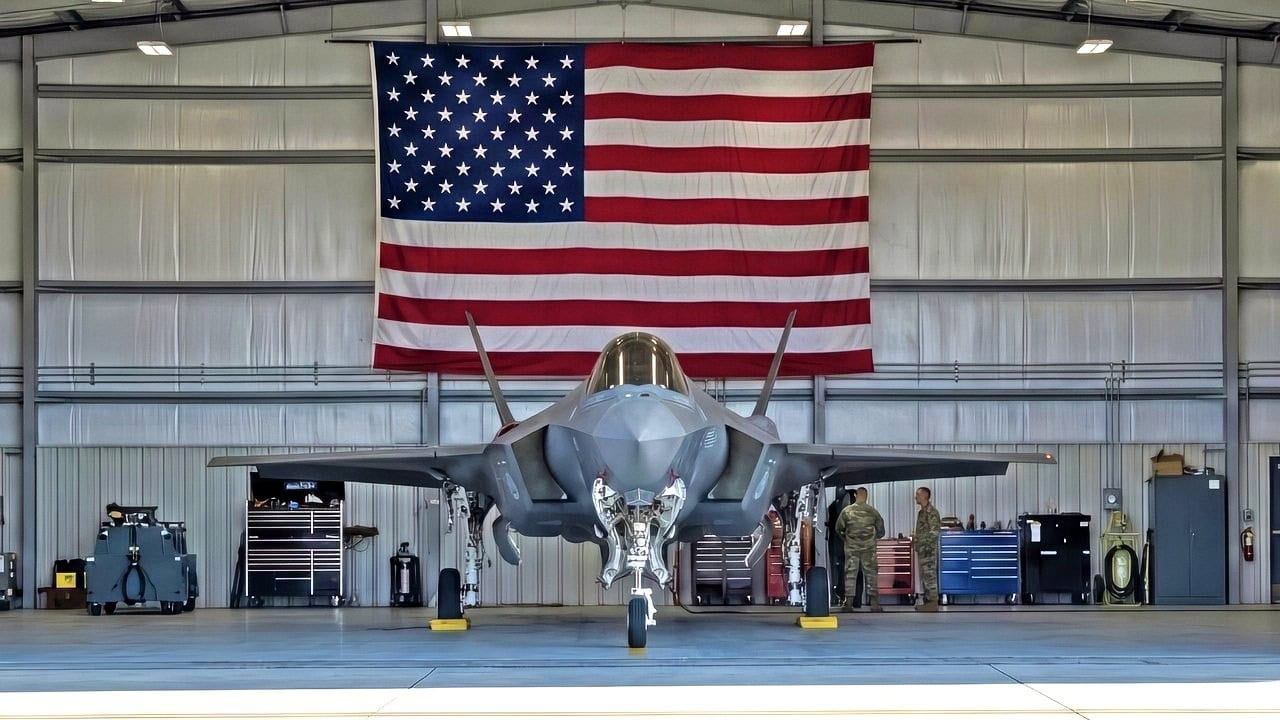
Key Points and Summary – Germany’s choice to buy the F-35A isn’t a fashionable vote for American hardware—it’s a hard-nosed response to Berlin’s NATO obligations and geography.
-The Luftwaffe’s aging Tornado fleet can’t credibly sustain the nuclear-sharing mission built around U.S.
-B61 gravity bombs, and no European alternative is certified to carry them without years of costly integration risk.
-Add Germany’s post-2022 Zeitenwende rearmament push and its central role in NATO’s European posture, and the logic tightens: stealth, sensor fusion, and secure networks are not luxuries but prerequisites.
-With FCAS mired in industrial and requirement disputes, Berlin’s pivot to the F-35 looks less like preference and more like necessity.
Germany’s F-35 Decision Comes Down to One Thing: NATO Nuclear Sharing
Germany’s strategic decision to move forward with the F-35 bucks the trend in some other European countries of rejecting the American fighter, but is guided by Germany’s very specific defense requirements and strategic obligations.
So while a few other countries, notably Portugal and Spain, have decided to eschew the fighter in favor of a future European alternative, Berlin is firmly committed to maintaining its current F-35 fleet.
The single most crucial factor behind Germany’s decision is Berlin’s nuclear-sharing agreement within the auspices of the NATO alliance. The agreement involves several non-nuclear members — Germany, Belgium, Italy, the Netherlands, and Turkey — agreeing to train their air forces in nuclear weapons delivery, which is a crucial part of NATO’s collective security and deterrence.
The keystone of the nuclear sharing agreement is American-built and supplied nuclear weapons, air-dropped B61 nuclear bombs.
Although the Luftwaffe, the German Air Force, operates a fleet of nuclear-capable Tornado aircraft, those fighters are incredibly aged, and their survivability in a high-intensity conflict against a peer adversary is highly dubious, necessitating a replacement: the F-35A stealth fighter.
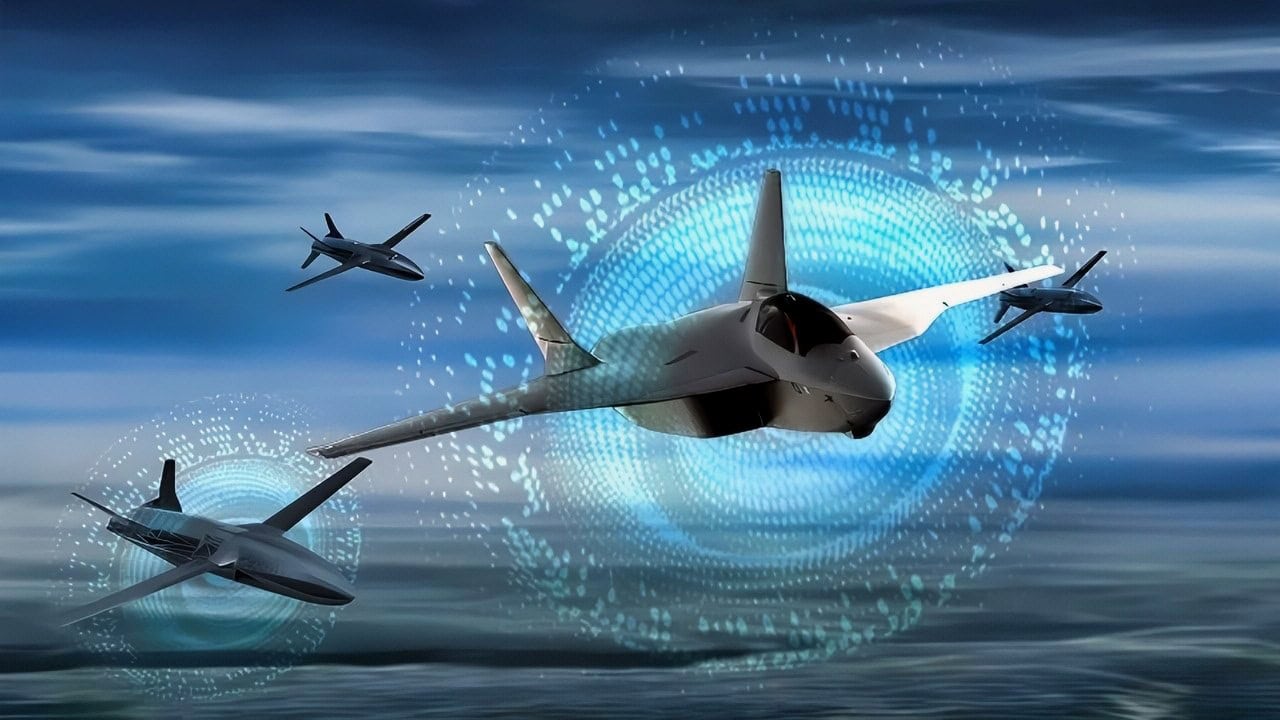
FCAS. Image Credit: Industry Handout.
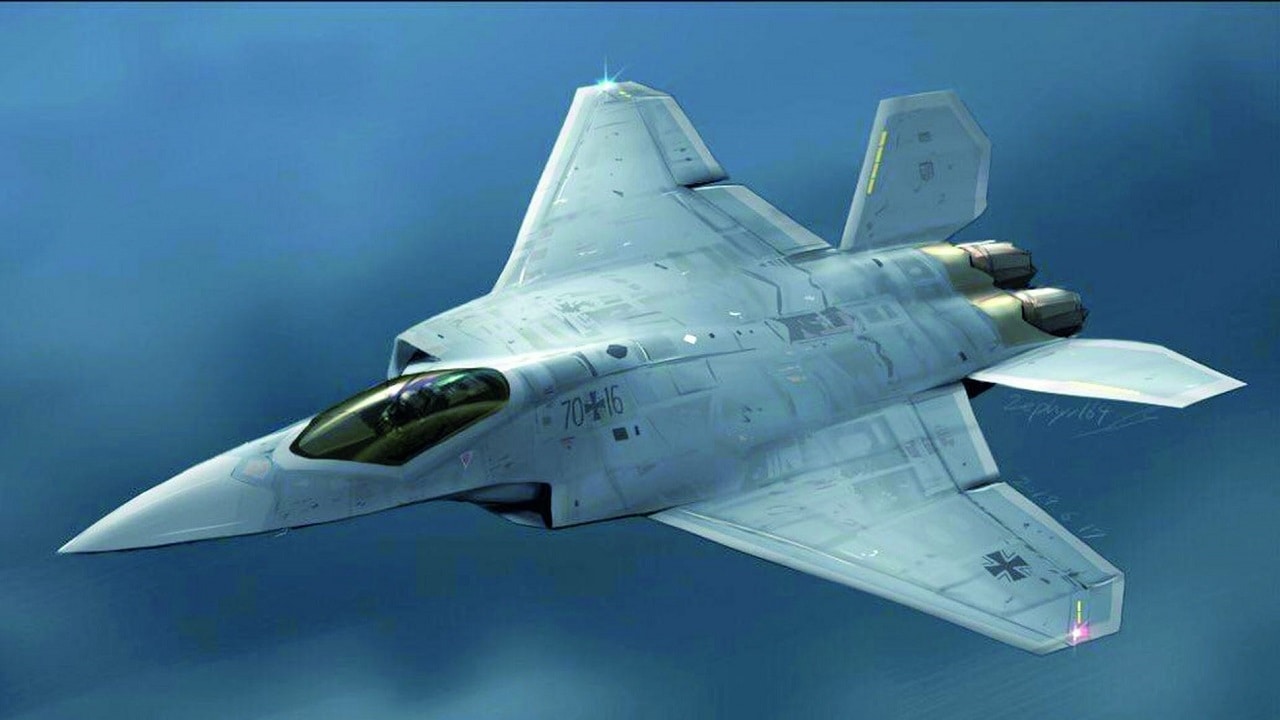
FCAS. Image Credit: Creative Commons.
That fifth-generation aircraft was the only jet that could realistically meet Berlin’s nuclear sharing agreement immediately. Other European alternatives are not certified for use with American nuclear weapons, and certifying them would have been slow, expensive, and potentially risked a capabilities gap.
Another important aspect of Germany’s willingness to buy into the F-35 program is Berlin’s 2022 Zeitenwende strategic realignment, which began under former Chancellor Olaf Scholz. As a part of that strategic shift, Germany established a special one-off fund to bolster Germany’s atrophied military with a €100 billion injection.
But Germany’s decision to embrace the F-35 is also a question of geography and practicality, too. Located in the heart of Europe, Germany is the largest NATO member in Europe by both economy and population.
It also hosts Ramstein Air Base, the largest American military hub in Europe, and the site of one of NATO’s key command and personnel installations. Should a war with Russia break out, the country could very well expect to be one of the first places to be hit.
Low observability, sensor fusion with other air- and land-based assets, and secure data channels would not be theoretical advantages — they would be central pillars of NATO deterrence, survivability, and interoperability.
FCAS?
Although Germany is a partner in the multinational Future Combat Air System, a trinational consortium that aims to field a fifth-generation fighter, and counts the French and Spanish as program partners, deep divisions within the FCAS initiative threaten the project’s future.
If successful, the FCAS fighter jet would replace Germany and Spain’s Eurofighter Typhoons and France’s Dassault Rafales. But the €100 billion aerospace project is “very unlikely” to ever see the light of day, according to people familiar with the program.
The crux of the issue is Dassault’s insistence on taking the lead on the project, which the Germans see as impossible.
France and Germany, in particular, have very different requirements for the FCAS project.
Unlike Germany, the French Navy operates an aircraft carrier, the Charles de Gaulle, the only non-American nuclear-powered aircraft carrier in the world. It plans to replace it with another, more advanced carrier in the future. France also has a robust domestic nuclear industry, deriving around seventy percent of its electricity from nuclear power, and builds its own home-grown nuclear weapons.
Germany, on the other hand, has no aircraft carriers, has recently shuttered all of its nuclear power plants, and does not build nuclear weapons.
The French, somewhat understandably, would like the fighter jet that the Future Combat Air System ultimately yields to be carrier-capable and compatible with French nuclear weapons — requirements that could increase the FCAS project costs.
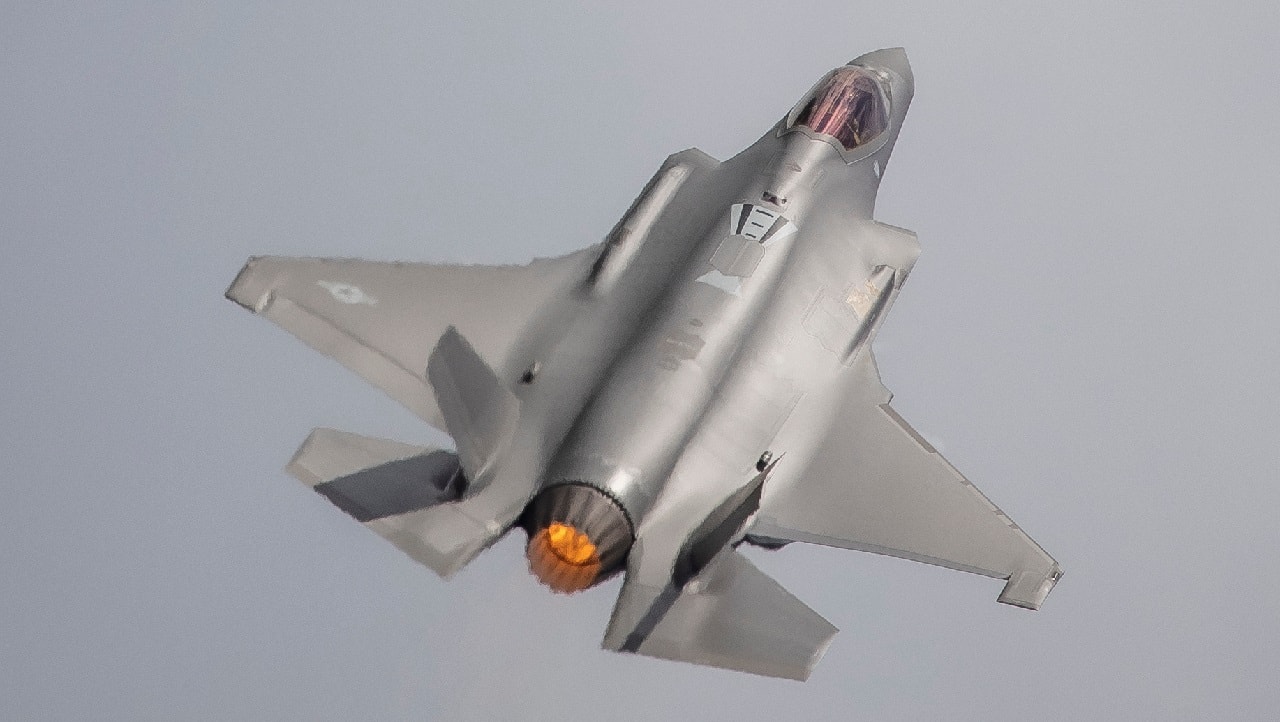
Lockheed Martin F-35 Stealth Fighter. Image Credit: Lockheed Martin.
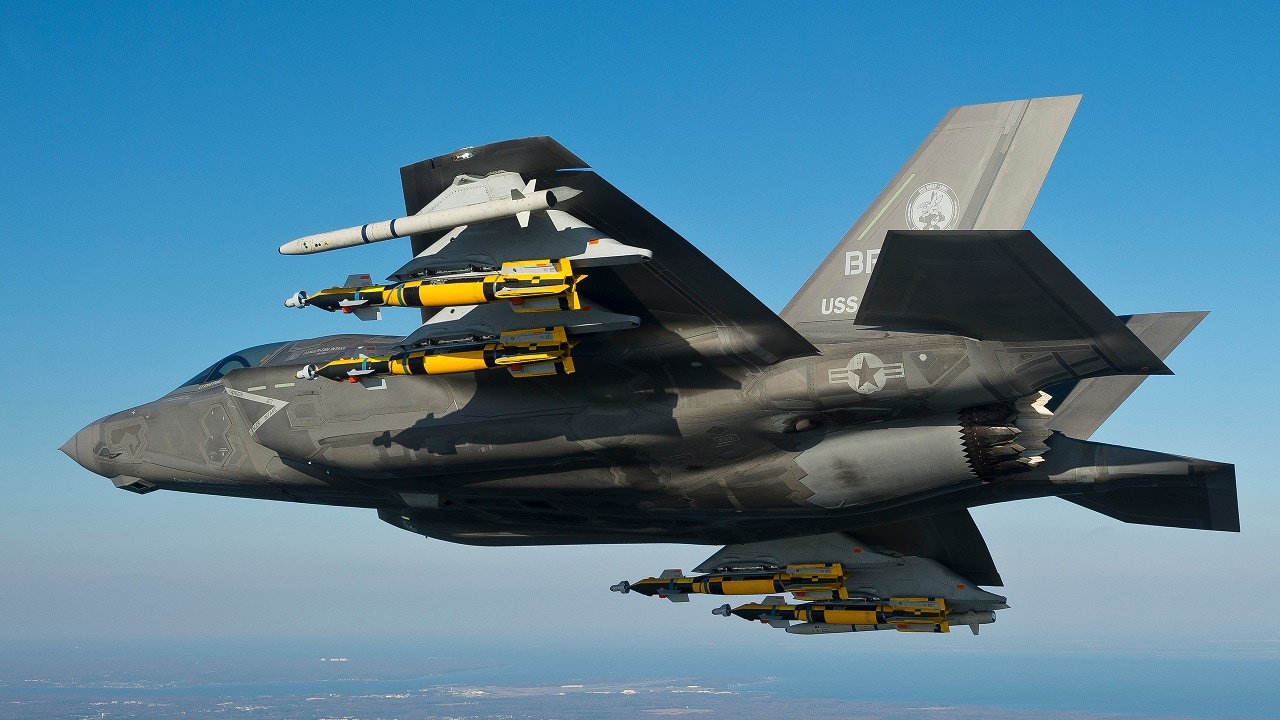
F-35 Joint Strike Fighter. Image Credit: Lockheed Martin.
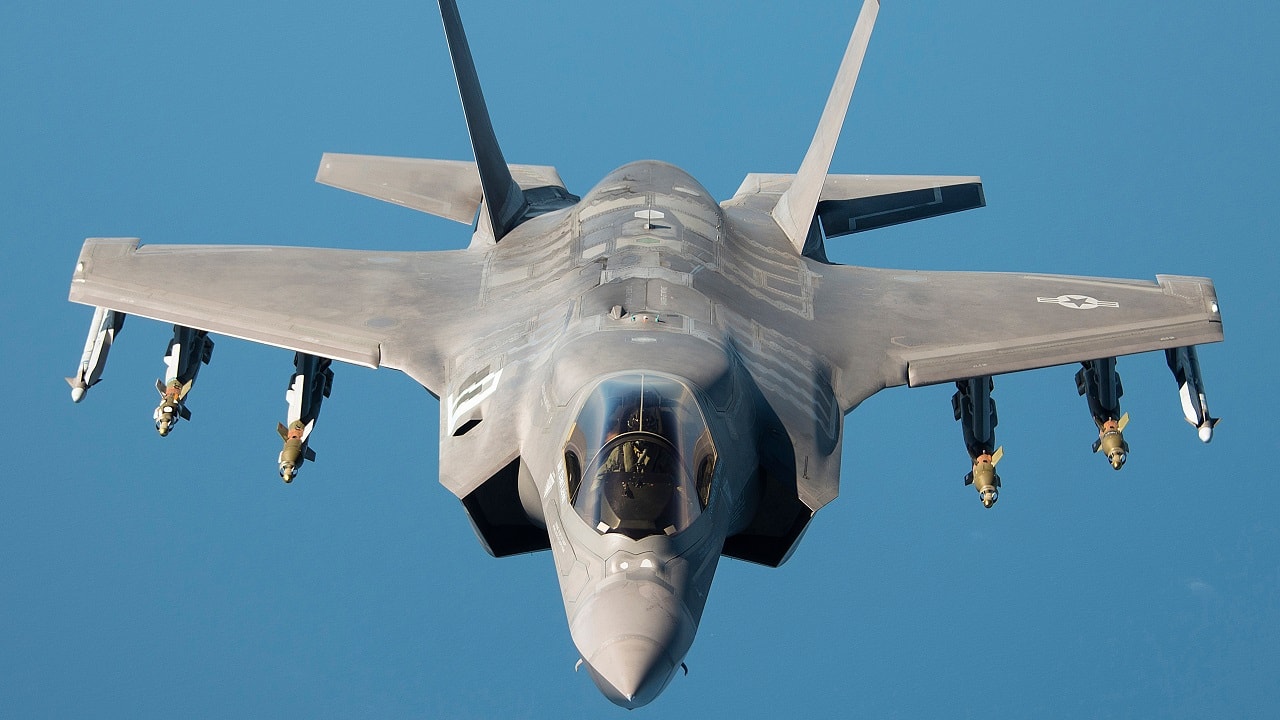
F-35 JSF. Image Credit: Lockheed Martin.
In November, Lockheed Martin began work on the first F-35A for the Luftwaffe, part of Berlin’s original 2022 order for 35 stealth jets.
That order expanded to 50, thanks to an additional 15 aircraft ordered by German Defense Minister Boris Pistorius, and will replace the Luftwaffe’s 85 Tornados.
What Happens Now?
With the future of FCAS up in the air, the strategic impetus for Berlin to double down on the F-35A for the Luftwaffe is increasingly not a question of conviction or even of price, but of strategic necessity.
Barring a breakthrough FCAS compromise, Berlin’s rationale for rapidly accepting the F-35 into service is increasingly apparent. For some other European countries, acquiring the F-35 is less appealing — but for Germany, it is a decisive necessity.
About the Author: Caleb Larson
Caleb Larson is an American multiformat journalist based in Berlin, Germany. His work covers the intersection of conflict and society, focusing on American foreign policy and European security. He has reported from Germany, Russia, and the United States. Most recently, he covered the war in Ukraine, reporting extensively on the war’s shifting battle lines from Donbas and writing on the war’s civilian and humanitarian toll. Previously, he worked as a Defense Reporter for POLITICO Europe. You can follow his latest work on X.