
Summary and Key Points: The ambitious proposal for “Trump-class” battleships faces a harsh reality: the U.S. shipbuilding industry currently produces less than 1% of the world’s commercial vessels.
-With a workforce shortage and wages often comparable to convenience store jobs, the industrial base is ill-equipped to deliver the proposed “Golden Fleet.”
-To make the concept a reality, experts propose aggressive recruiting campaigns similar to the “Build Submarines” campaign and significant wage increases, funded by Executive Order 14269, to attract skilled labor back to the shipyards.
-However, coming in at $20 billion for the first of this class of warship, many experts are worried it will never be built of be extremly expensive.
The “Trump-Class” Battleship Has a Major Industrial Problem
“If you build it, they will come.” Thus goes the most famous line from the classic 1989 baseball movie “Field of Dreams” starring Kevin Costner. More humorous are the immortal words of standup comic Larry the Cable Guy, “Git ‘er done!” Whichever one of those pop culture catchphrases one chooses to go with, the big question is how to apply them to the prospective—and already highly controversial—Trump-class battleships.
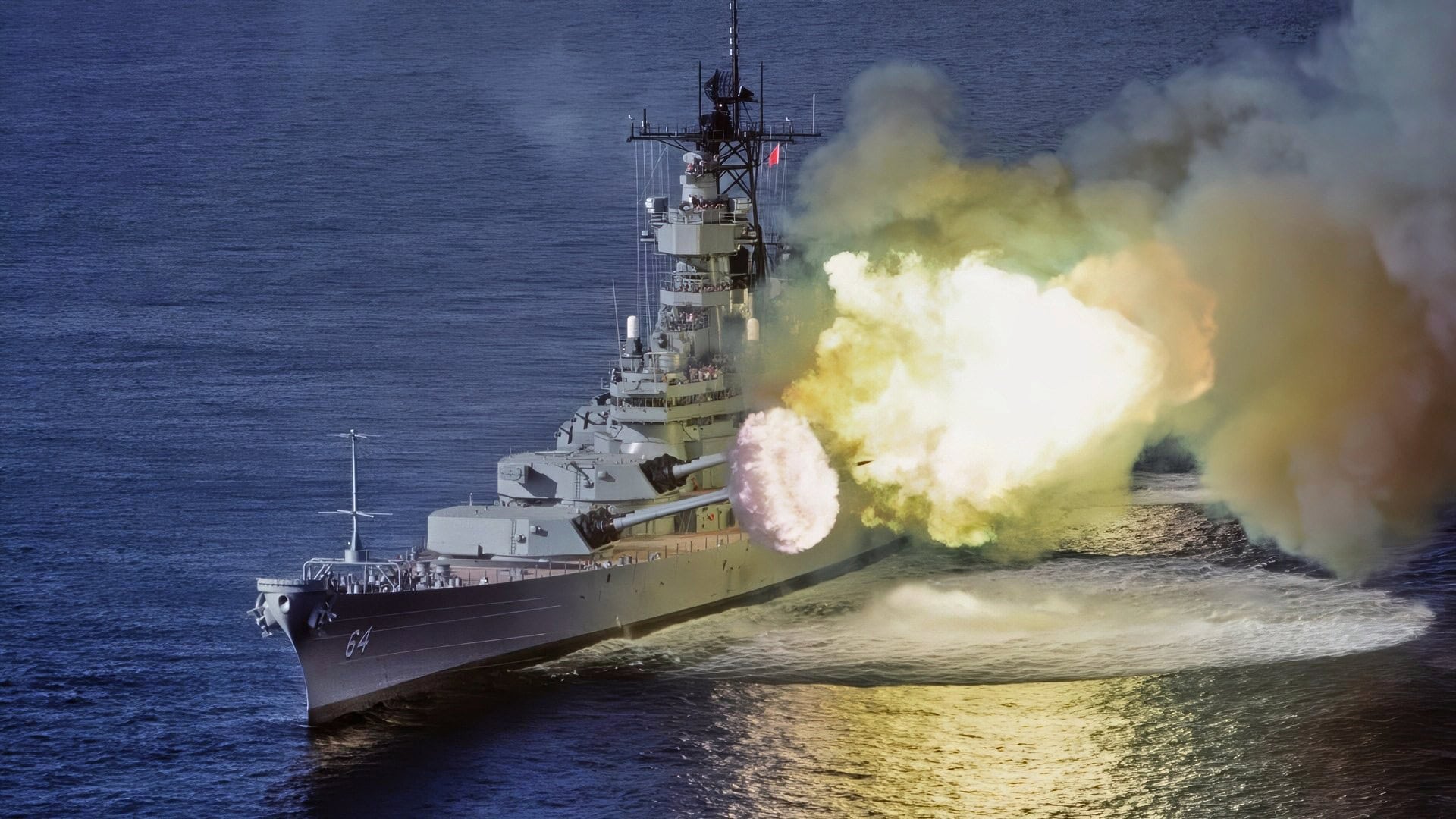
The United States has not fully built and commissioned a new battleship since 1944; the Iowa-class battleships USS Missouri (BB-63) and USS Wisconsin (BB-64) were the last. Now, the U.S. shipbuilding industry is a mere shadow of its World War II self.
With that sobering logistical reality in mind, can the Trump battlewagons even be built?
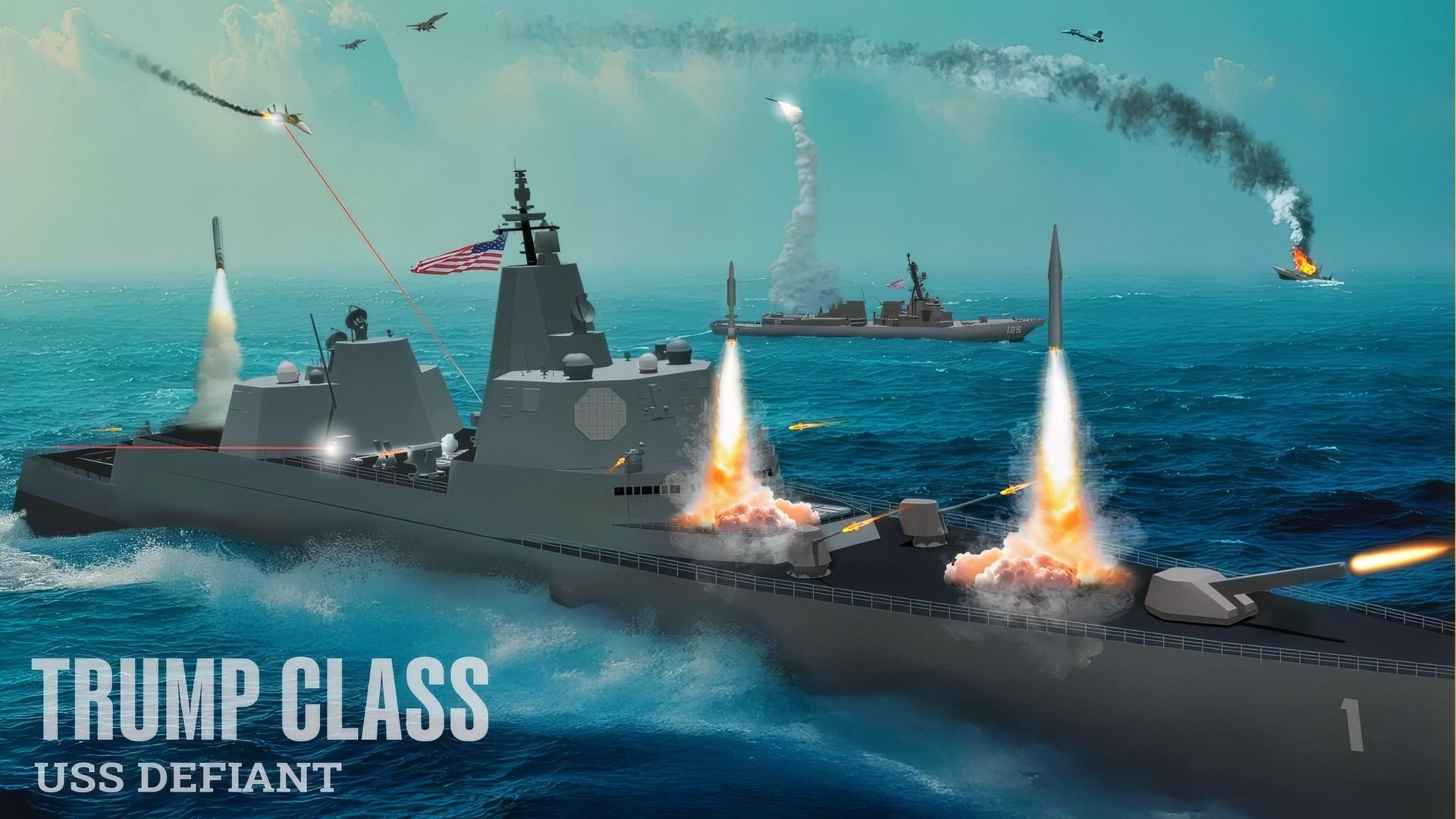
Trump-Class Battleship USS Defiant. Image Credit: Creative Commons.
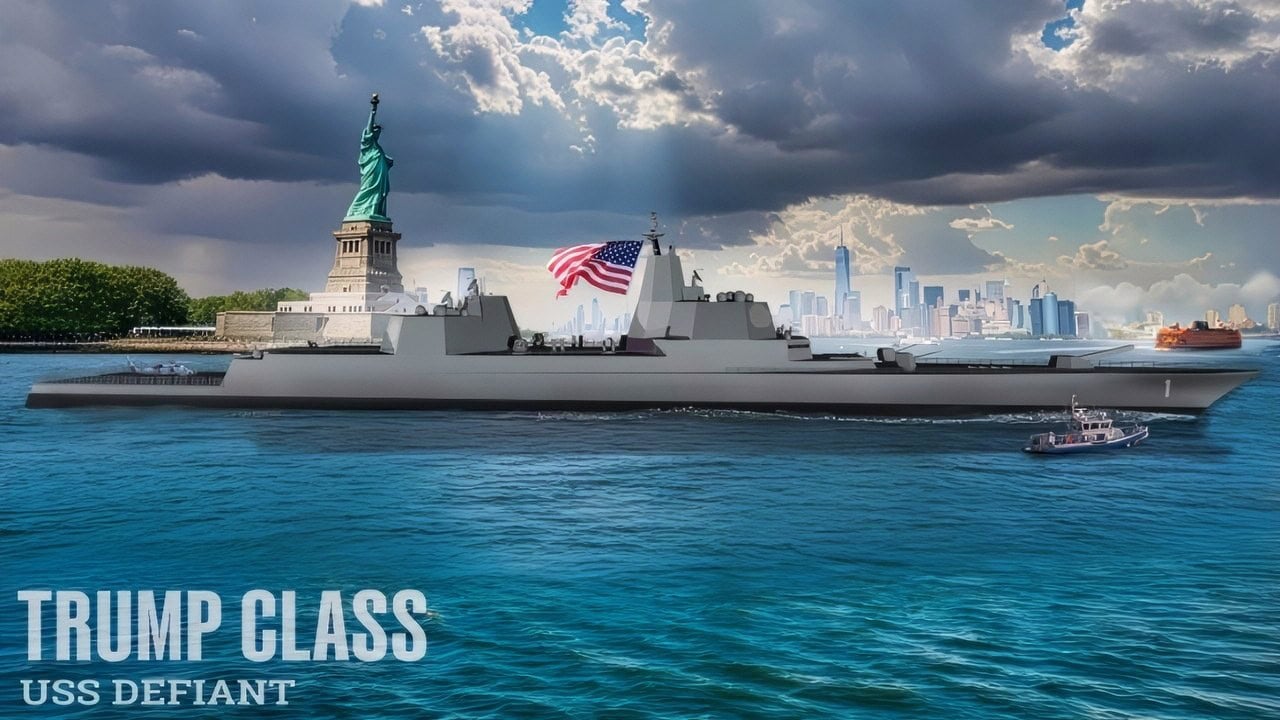
Trump-Class Battleship. Image Credit: Creative Commons/White House.
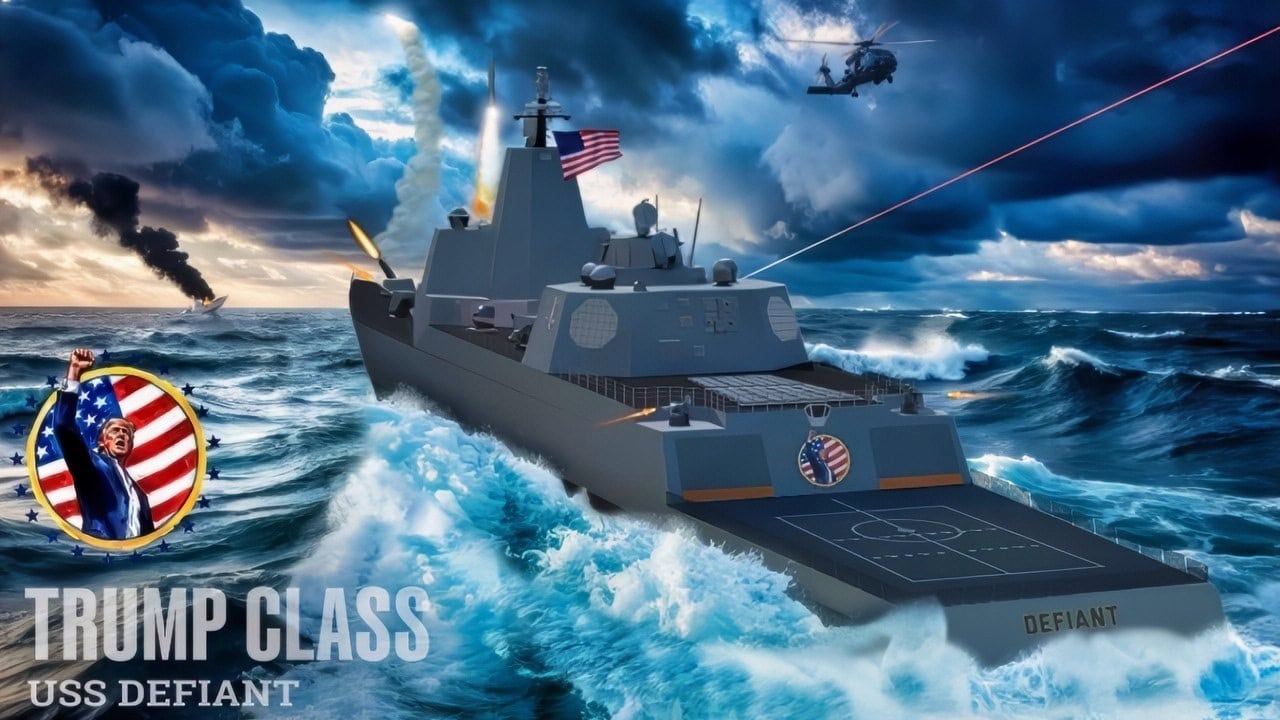
Trump-Class Battleship. Image Credit: Creative Commons/White House Photo.
If so, how?
The Problem
Recent data shows the U.S. constructs less than 1 percent of commercial ships globally, while the United States’ biggest maritime adversary, China, produces roughly half the world’s seagoing vessels. Many experienced American shipyard workers have retired, and new hires lack expertise. In addition, the shipbuilding jobs that do exist pay rather lackluster salaries.
The General (Big Picture) Solution
Accordingly, on April 9, last year, President Donald Trump (the would-be new battleships’ namesake) signed Executive Order 14269, with the self-explanatory title of “Restoring America’s Maritime Dominance.”
The Trump-class battleships are a follow-on to the E.O. and part of the prospective “Golden Fleet,” a semantic homage to the “Great White Fleet” of the Teddy Roosevelt presidency.
But again, how to make this happen?
One Potential Solution
In previous articles, this writer suggested a “Build Carriers” recruiting campaign and a “Build Battleships” hiring push, along the lines of the extant “Build Submarines” push, to address the current warship shortage.
Besides the basic alliterative quality of such a slogan, “BB” constitutes the alphabetic portion of the alphanumeric hull number designations of Navy battleships. That catchy advertising jingle could be even more catchy with something along the lines of “Build BBs And Help Them Shoot Some Big BBs (as in the shells and missiles, that is).”
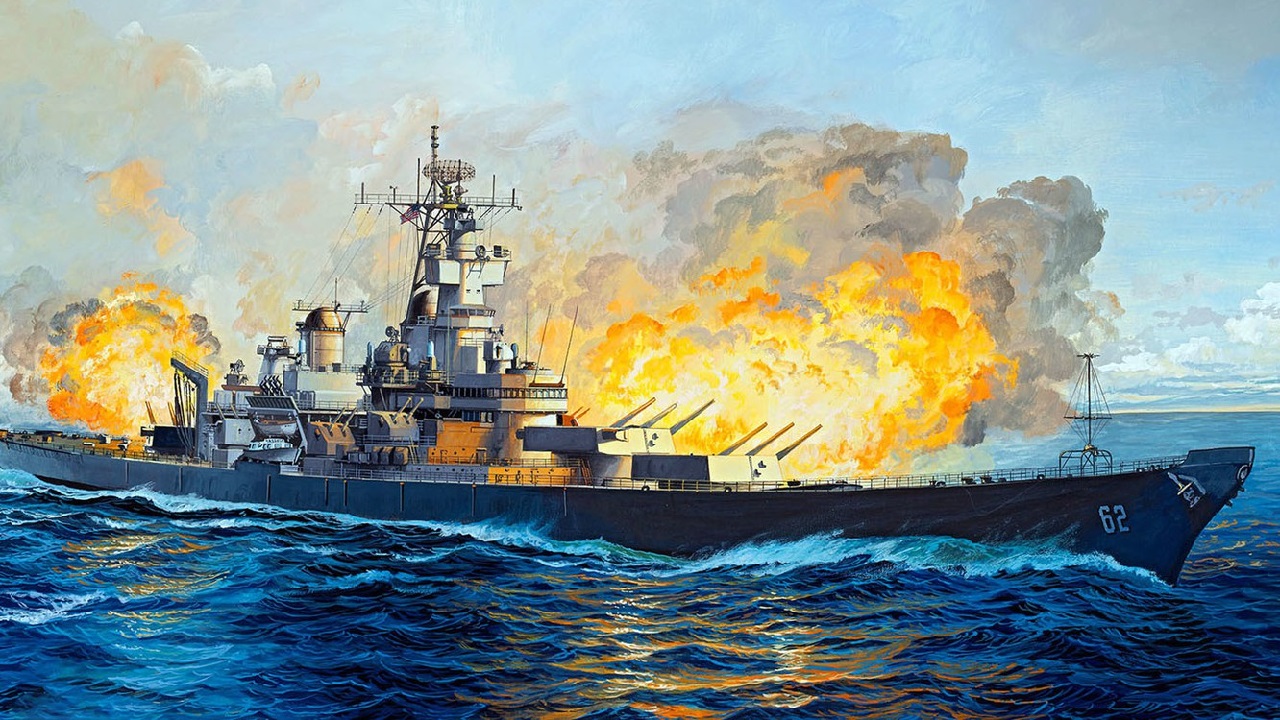
Iowa-Class Battleship USS New Jersey. Image Credit: Creative Commons.
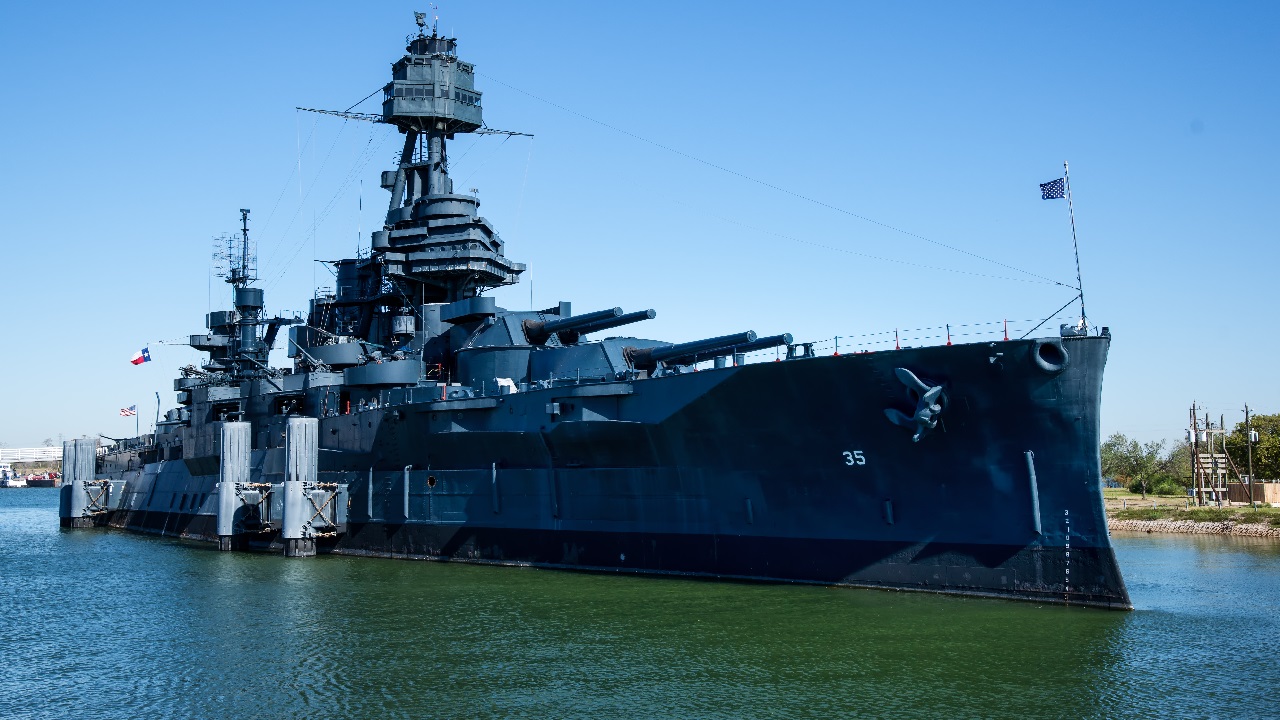
Battleship USS Texas from 2011. Image Credit: Creative Commons.
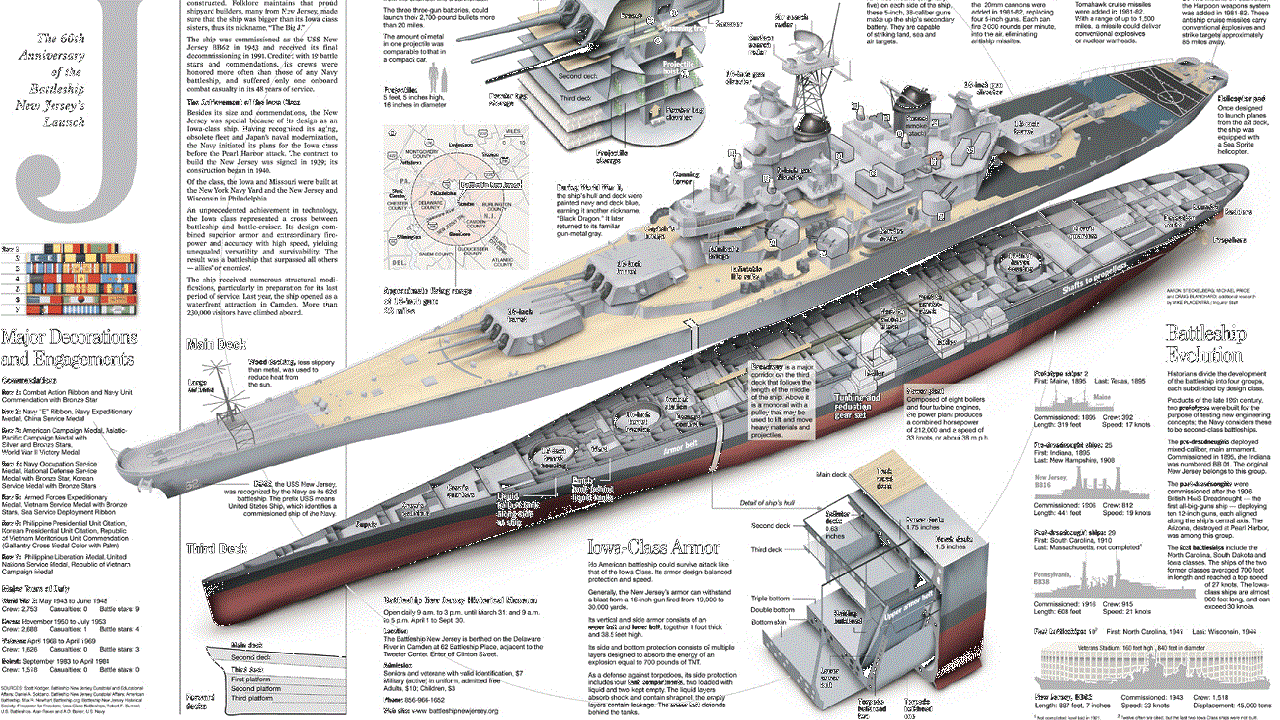
USS Iowa battleship. Image Credit: Creative Commons.
Sounds silly, I know. But you have to draw the interest of future shipbuilders.
About That Pay Issue
Recently, U.S. Secretary of the Navy John Phelan candidly acknowledged the concern about salaries in the sector: “I think this is really an issue of wages, to be honest, when I look at it across states.”
Phelan added that when workers make the same money as employees at a Buc-ee’s convenience store or at Amazon, but must spend all day welding in tight spaces, “it’s hard to get that person to want to do that job.”
This is a sharp contrast to the glory days of the American defense industry in the Cold War, when an assembly line worker with a high school diploma could earn a wage lucrative enough to support a family.
Fortunately, there are some hopeful signs of improvement in this area.
According to Chris Panella in a November article for Business Insider, “HII has started to see results, CEO Chris Kastner said, after putting more money toward hiring experienced workers and recruiting more workers through regional training programs…HII’s pursuit of this new approach has the company feeling ‘kind of cautiously optimistic,’ Kastner said during a third-quarter earnings call last month, ‘and we hope to keep it going.’”
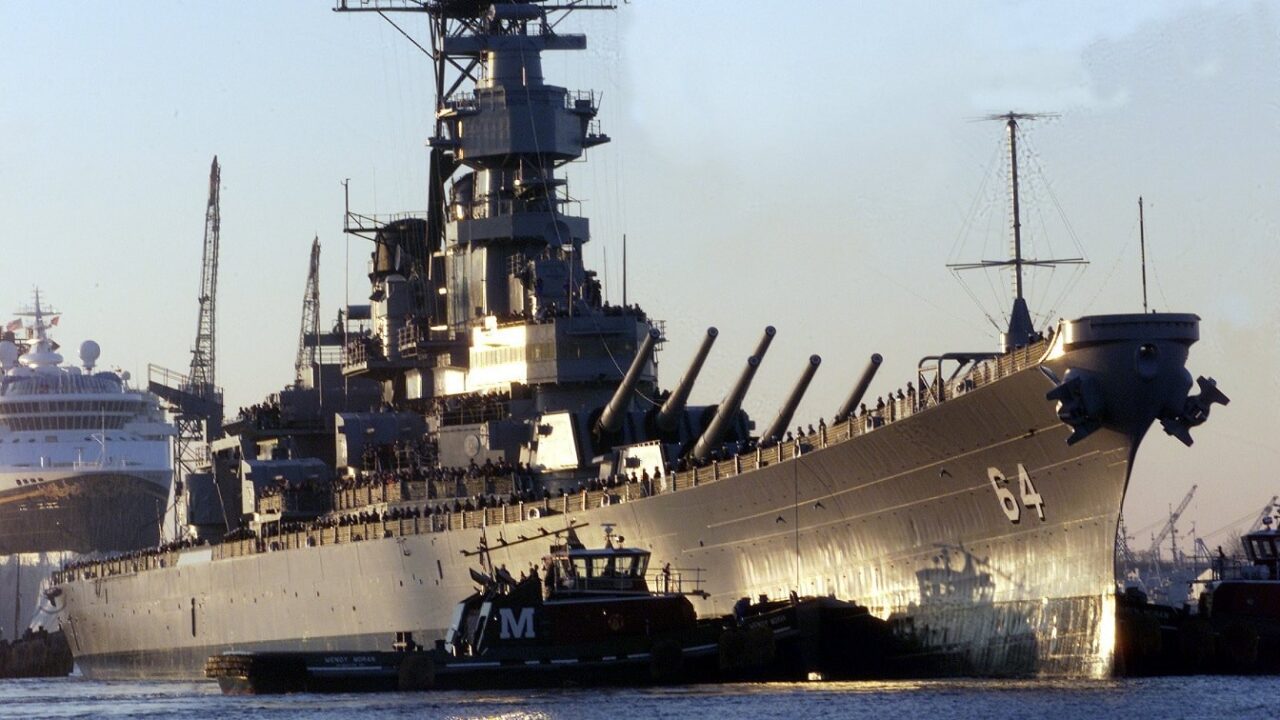
Iowa-class Battleship. Image Credit: Creative Commons.
As to how to “keep it going,” here’s what this writer and former military officer proposes: As part of the increased shipbuilding budget under E.O. 14269, there should be a stipulation earmarking funds specifically toward increased salaries and other financial incentives—for current shipbuilding employees and new hires alike.
This would ensure shipyards have the right people in place, which in turn ensures the Navy has the right quantity and quality of ships to stand up to existential threats such as revanchist Russia and the People’s Republic of China.
Oh, and worst of all, the first Trump-Class warship could cost more than a Ford-class supercarrier, coming in at over $20 billion. Gulp.
About the Author: Christian D. Orr, Defense Expert
Christian D. Orr is a Senior Defense Editor. He is a former Air Force Security Forces officer, Federal law enforcement officer, and private military contractor (with assignments worked in Iraq, the United Arab Emirates, Kosovo, Japan, Germany, and the Pentagon). Chris holds a B.A. in International Relations from the University of Southern California (USC) and an M.A. in Intelligence Studies (concentration in Terrorism Studies) from American Military University (AMU). He is also the author of the newly published book “Five Decades of a Fabulous Firearm: Celebrating the 50th Anniversary of the Beretta 92 Pistol Series.”