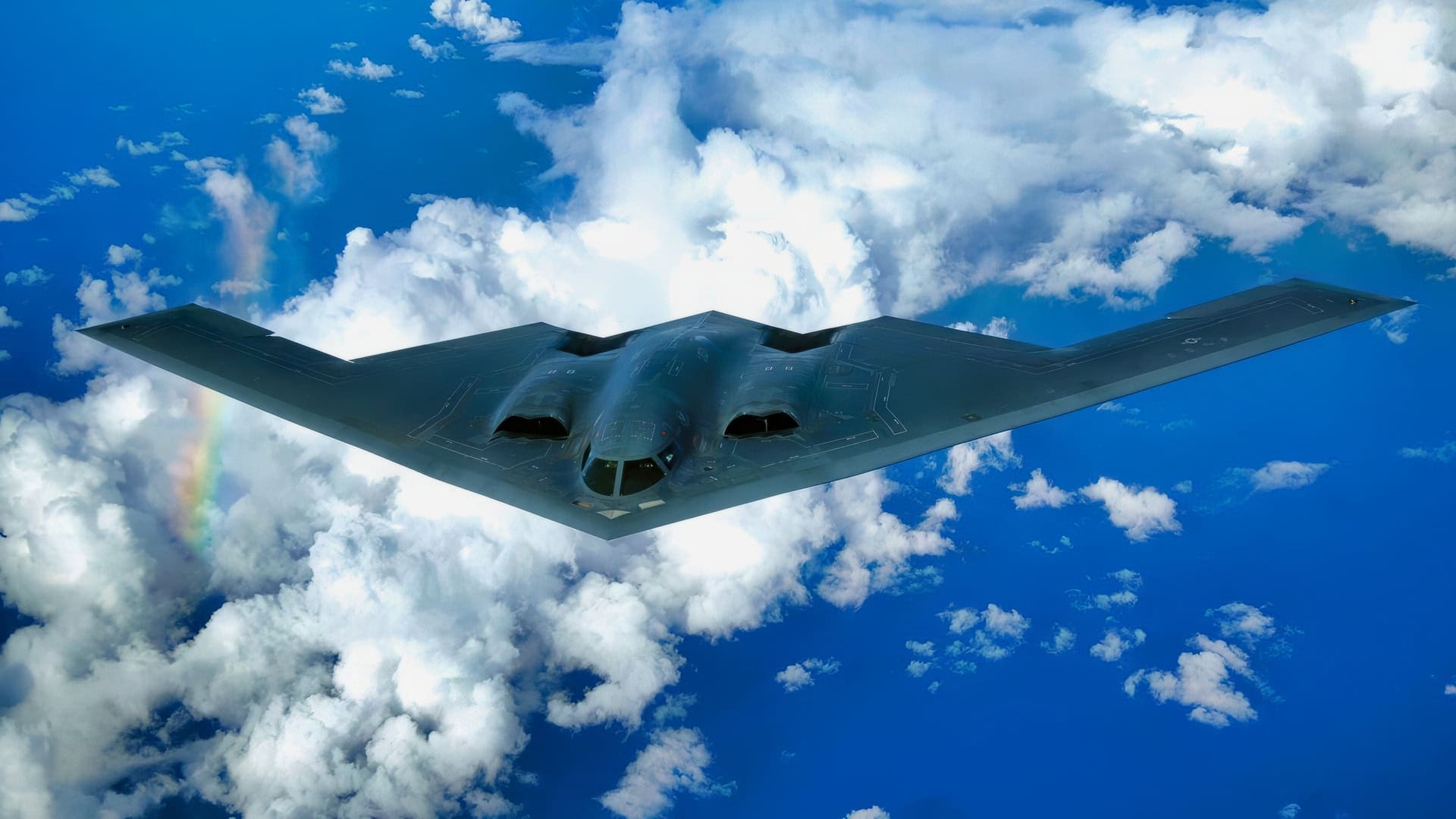
Summary: The B-2 Spirit Stealth Bomber Keeps Getting Upgraded
-After 36 years, the B-2 Spirit is presented as a stealth bomber kept lethal by continuous modernization—faster processing, digital cockpit changes, improved sensors, upgraded fire control, and expanded weapon options.
-Recent combat use in Operation Midnight Hammer is described as showcasing refined mission execution enabled by automation, new command-and-control approaches, and updated weapons interfaces.
-Upgrades include re-hosted flight-management processors, new fiber-optic cabling, and improved low-observable materials and thermal management to stay ahead of modern air-defense sensing and networking.
-Looking forward, a central challenge is integrating B-2 operations with the emerging B-21 Raider force.
B-2 at 36: The Stealth Bomber’s 1,000x Computer Upgrade and the Fight Ahead
The U.S. Air Force’s B-2 bomber has been a menace from above for 36 years. Slicing through the sky with bat-like wings, the B-2 Spirit eludes enemy radar with stealth technology, destroys enemy air defenses from 50,000 feet of altitude, and uses computers to merge sensor data with targeting information.
The Spirit’s performance during Operation Midnight Hammer drew praise from U.S. President Donald Trump, Defense Secretary Pete Hegseth, and senior Air Force Generals.
The stealth platform attacks when a pilot pulls up a weapons suite screen, aligns a weapon with the target, and enters information to the B-2s Digital Entry Panel. B-2 pilots explain this process as best they are allowed, and while few details are available about the specifics of the upgrades that have improved the bomber, today’s B-2s likely use computer automation, AI-enabled target verification, and a new generation of command and control technology.
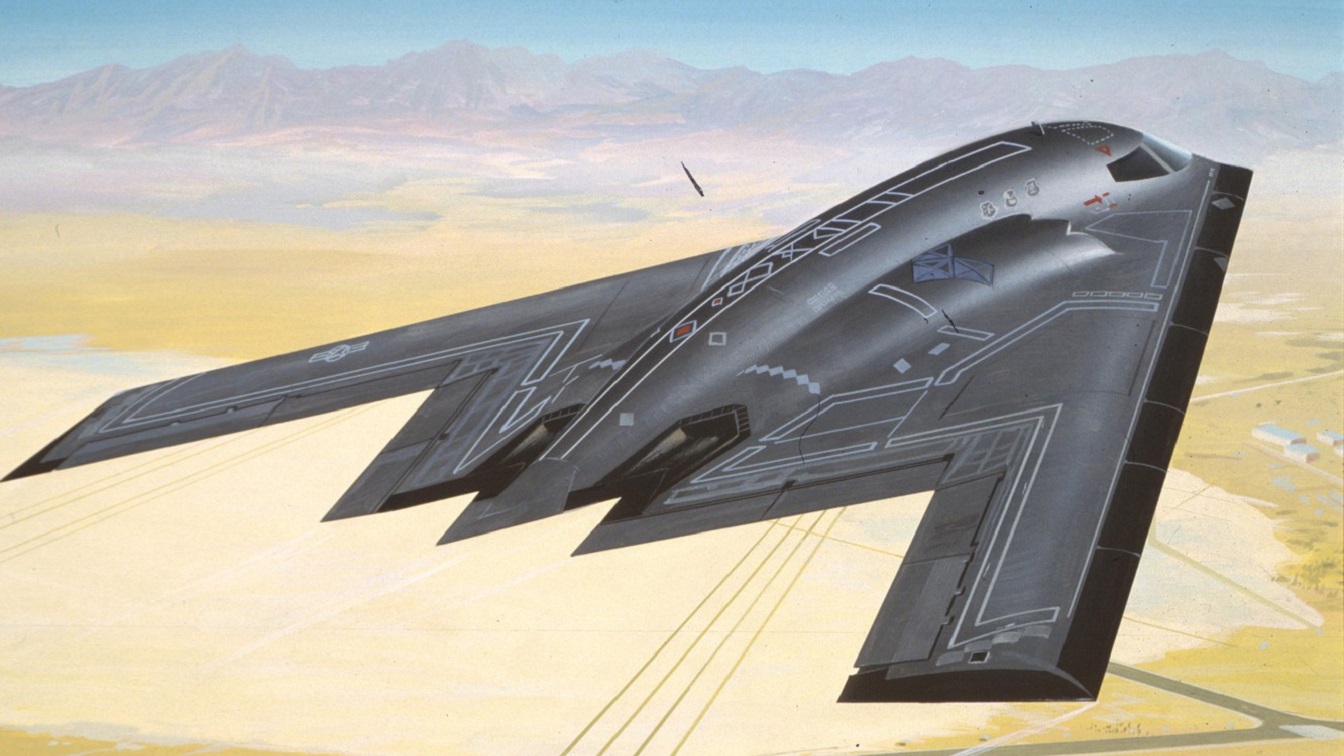
B-2 Bomber. Image Credit: Artist Rendition.
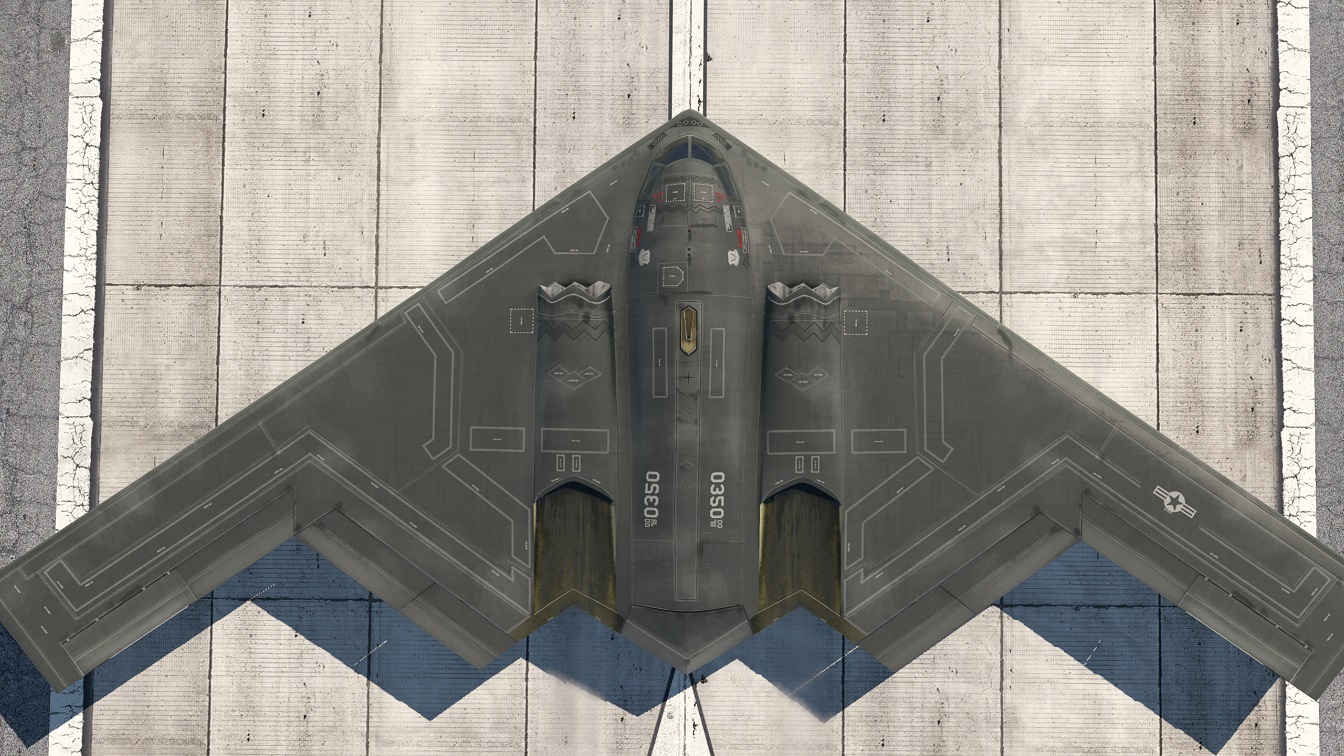
B-2 Bomber. The B-21 Raider will look very similar. Image Credit: Creative Commons.
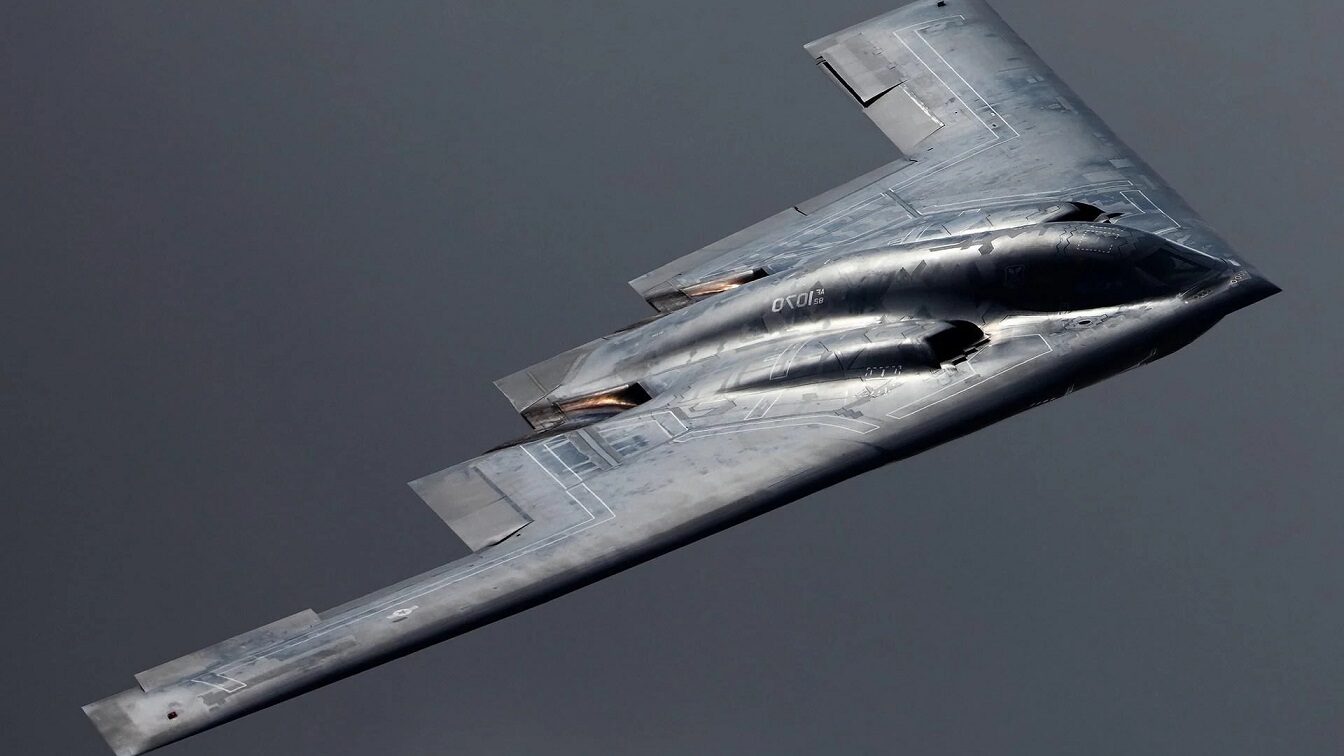
Artist image of B-2 Spirit. The B-21 Raider will look similar.
The B-2 is now 36 years old, but the platform has remained dominant for years beyond expected thanks to modernization programs. Today’s B-2 flies with a 1,000-fold faster computer processor than the original, sensors able to alert crews to the location of enemy air defenses, a vastly expanded weapons arsenal, digital cockpit upgrades, and reconfigured weapons interfaces and fire control. The B-2 has been integrated with a wider and more advanced arsenal of weapons that make it increasingly capable of destroying hard-to-reach targets.
A Consistently Upgraded Bomber
The Spirit’s stealth properties have likely been upgraded with new thermal-management technologies and radar-absorbent materials. Computing upgrades involve the re-hosting of the flight-management control processors—the brains of the airplane—onto much more capable integrated processing units. This demands the laying-in of new fiber optic cable, since the original B-2 computers from the 1980s could be overloaded by data in a modern combat environment.
These B-2 upgrades are extremely important given that Chinese and Russian air defenses are reportedly modernized to detect stealthy platforms and are able to operate on a wider range of frequencies and leverage high-speed computer processing and digital networking.
The B-2 bombers have performed quite well in a number of conflicts over the course of many years, including wars in Afghanistan, Libya, and elsewhere. Pentagon leaders probably regret cancelling the much larger Spirit fleet that was originally planned.
Fleet Integration
A key question for the B-2 moving forward is how effectively it will network with the incoming fleet of B-21 Raiders. The Air Force plans for a fleet of at least 100 B-21s, but it will be years before the Raider arrives in large numbers. The incoming B-21s will need to operate effectively with the B-2 via networking technologies, sensing, data exchange, and targeting coordination.
B-2s Are a Major Deterrent, But the Air Force Needs More
The decision 20 years ago to truncate the Air Force fleet of B-2 bombers had a lasting, damaging impact on the Air Force— the service has been operating with a bomber deficit for many years now.
After the Cold War ended, decision-makers scaled back the planned fleet of 75 B-2s to 20, a move that compromised the Air Force’s ability to project large-scale stealth bombing power in any great power conflict.
Certainly a larger force of B-2s would have provided a stronger deterrent. A major air campaign against a great power adversary would require a large mass of attacking bombers spread across a wide combat envelope to exact a needed effect—especially since Russia and China are extremely large countries with high numbers of air-defense systems dispersed throughout their territories to protect vital assets. An initial high-altitude bombing strike would need to cover a wide area to disable air defenses and ensure air superiority.
The Spirit Can Strike Beneath the Earth
The B-2 is now configured with new software, fire control enhancements, and interfaces to enable greater flexibility and a much more expansive arsenal.
For example, the B-2 can deliver the B-61 Mod 13, an upgraded variant of a classic nuclear bomb able to combine multiple blast effect capabilities into a single weapon.
The Spirit also drops the GBU-57 Massive Ordnance Penetrator, a weapon it used in Operation Midnight Hammer. Satellite images of the bomb attacks on Iranian sites reveal small holes of entry.
This is quite deliberate—the Air Force has been developing earth-penetrating weapons for many years. The bombs are configured with sharp front ends to penetrate deep into the earth and are armed with a delayed fuse that prevents detonation until they reach the desired depth underground.
This naturally maximizes damage to targets deliberately buried beneath the earth.
About the Author: Kris Osborn
Kris Osborn is the President of Warrior Maven – Center for Military Modernization. Osborn previously served at the Pentagon as a highly qualified expert in the Office of the Assistant Secretary of the Army—Acquisition, Logistics & Technology. Osborn has also worked as an anchor and on-air military specialist at national TV networks. He has appeared as a guest military expert on Fox News, MSNBC, The Military Channel, and The History Channel. He also has a Masters Degree in Comparative Literature from Columbia University