
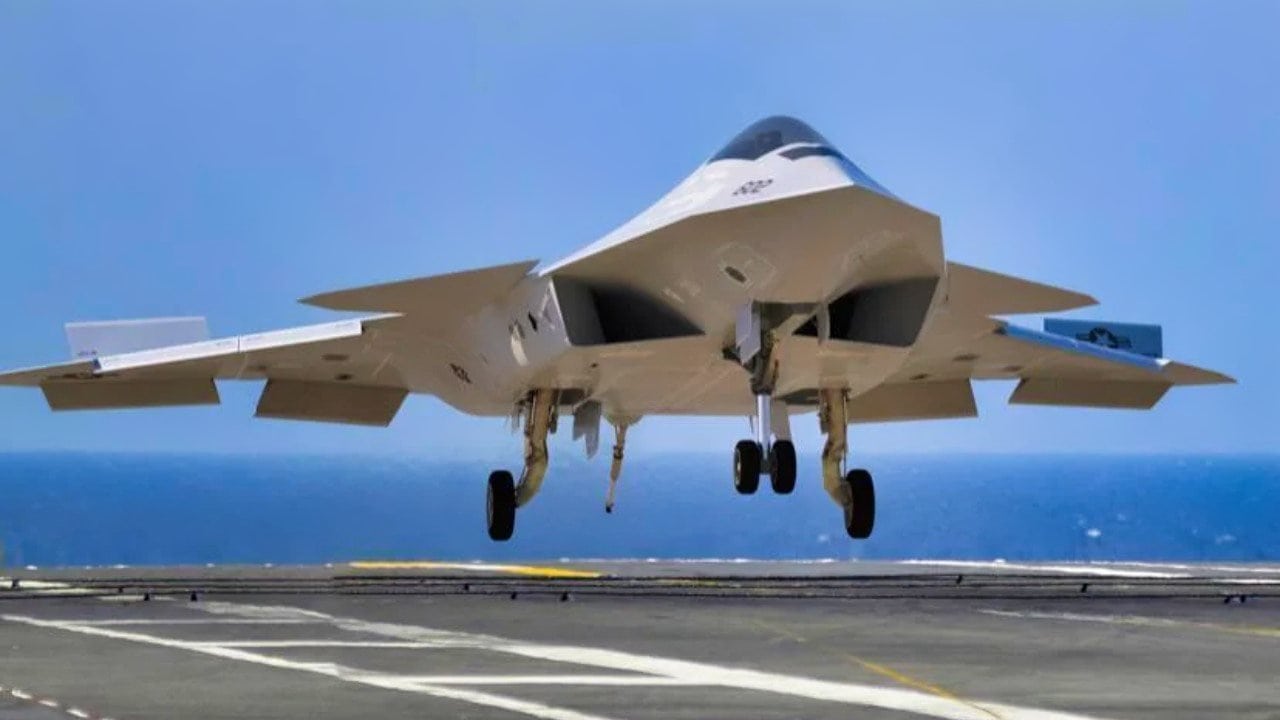
Summary and Key Points: The Navy is nearing the end of F/A-18E/F Super Hornet production, underscored by reports that the last fuselages are now being built.
-Even with upgrades, the Super Hornet remains a 4.5-generation jet without true stealth—pushing the Navy toward a future air wing centered on the F-35C and a sixth-generation successor under the F/A-XX program.
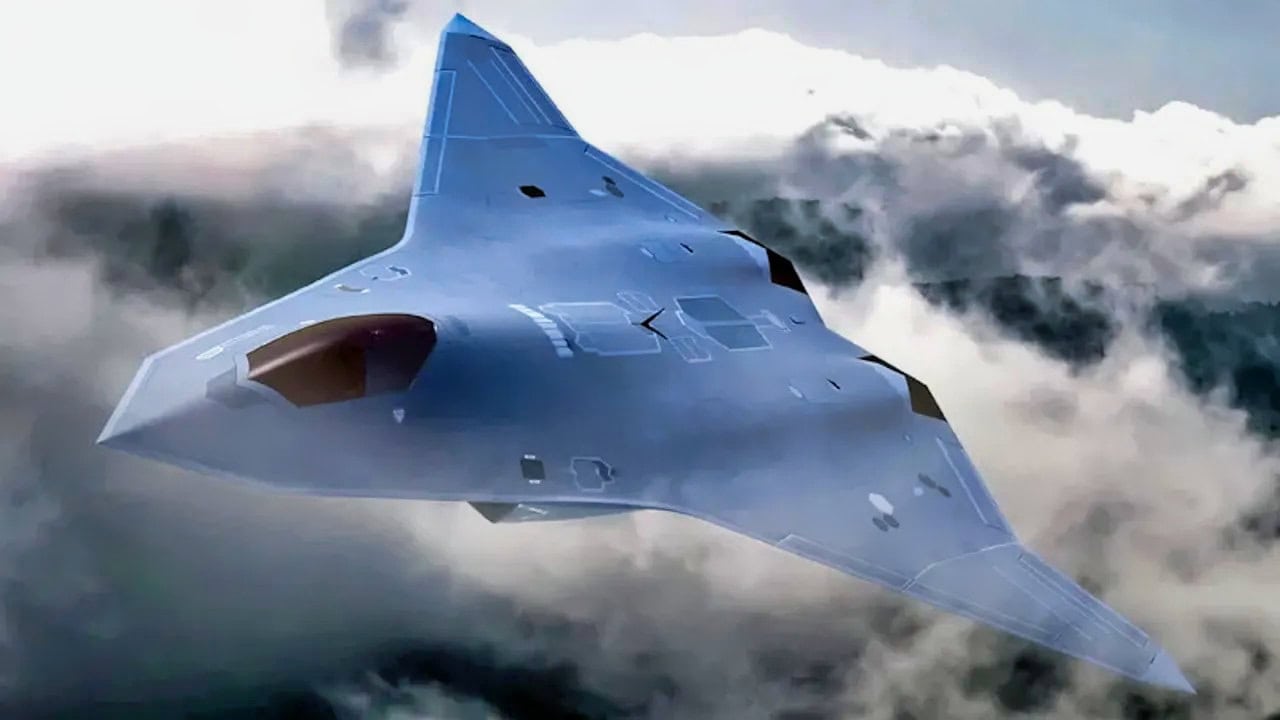
F/A-XX. Image Credit: Creative Commons.
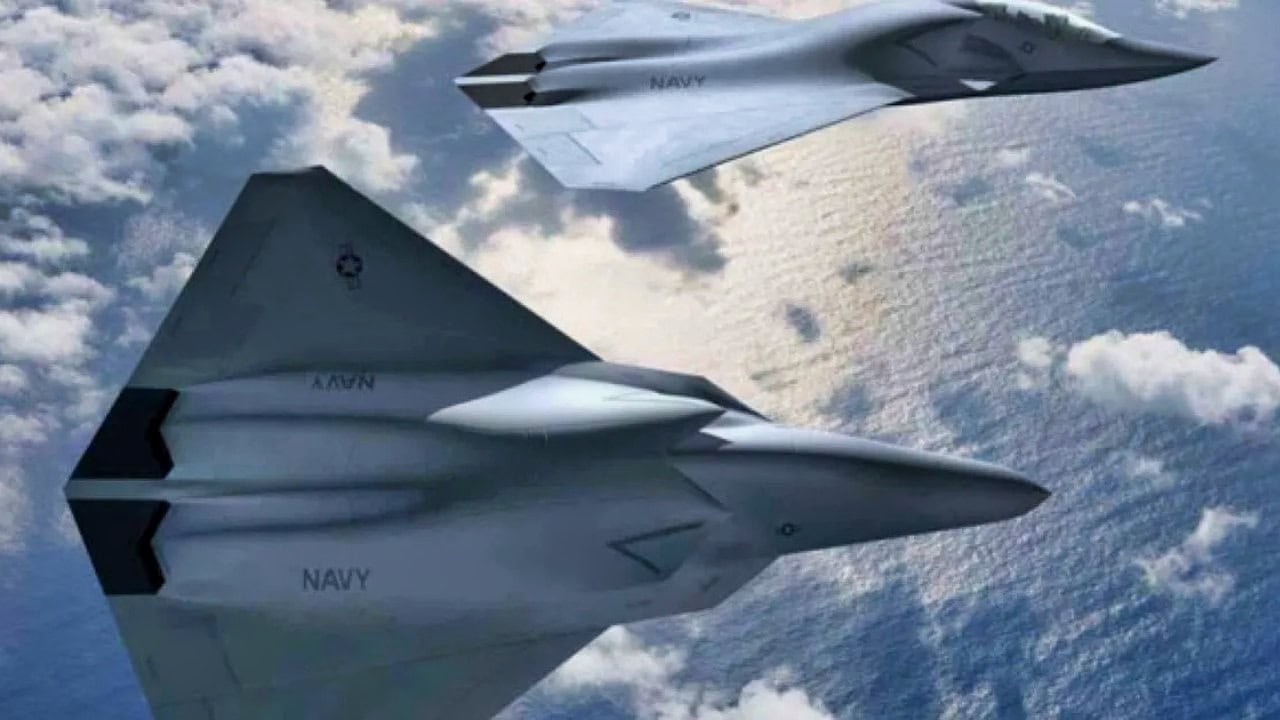
F/A-XX Fighter. Image Credit: Boeing.
-The Chief of Naval Operations argues the ability to operate “with impunity” is becoming fleeting as air defenses proliferate, even against smaller adversaries. The biggest obstacle isn’t engineering—it’s funding, priorities, and whether Congress forces the program forward.
F/A-XX vs. F-47: The Budget Fight That Could Decide Naval Airpower
Barely four years after being immortalized in the 2022 box office blockbuster Top Gun: Maverick, the U.S. Navy’s battle-hardened F/A-18E/F Super Hornet multirole fighter jet is getting ready to sing its metaphorical swan song. That point was driven home in a recent report about the ongoing construction of the very last F/A-18 fuselages.
As great as the Super Hornet has been, it remains a 4.5-generation fighter that lacks true stealth capability. The Navy is assigning a more prominent role to the F-35C fifth-generation stealth fighter (and the F-35B variant flown by the Marine Corps). But Navy leaders also are looking for a sixth-generation replacement for the F/A-18E/F. That is what the F/A-XX program seeks to provide.
Naturally, the F/A-XX should counter the stealth warplanes of near-peer adversaries such as Russia and China. But the Navy’s top officer points out that the prospective warbird is also needed for operations against non-near-peer adversaries such as Iran that have no stealth capabilities of their own.
Bottom Line Up Front (BLUF)
According to The War Zone reporter Joseph Trevithick, “The U.S. Navy’s top officer says global proliferation of increasingly capable air defense systems underscores the vital need to move ahead with work on the F/A-XX next-generation carrier-based fighter. He further warned that the Navy’s ‘ability to fly with impunity’ using non-stealthy types like the F/A-18E/F Super Hornet, even against smaller nation-state adversaries like Iran and non-state actors, is now ‘fleeting.’”
That “top officer” is Chief of Naval Operations Admiral Daryl Caudle. Admiral Caudle made his remarks during a live Q&A session at the Apex Defense conference in Washington, D.C. on January 27.
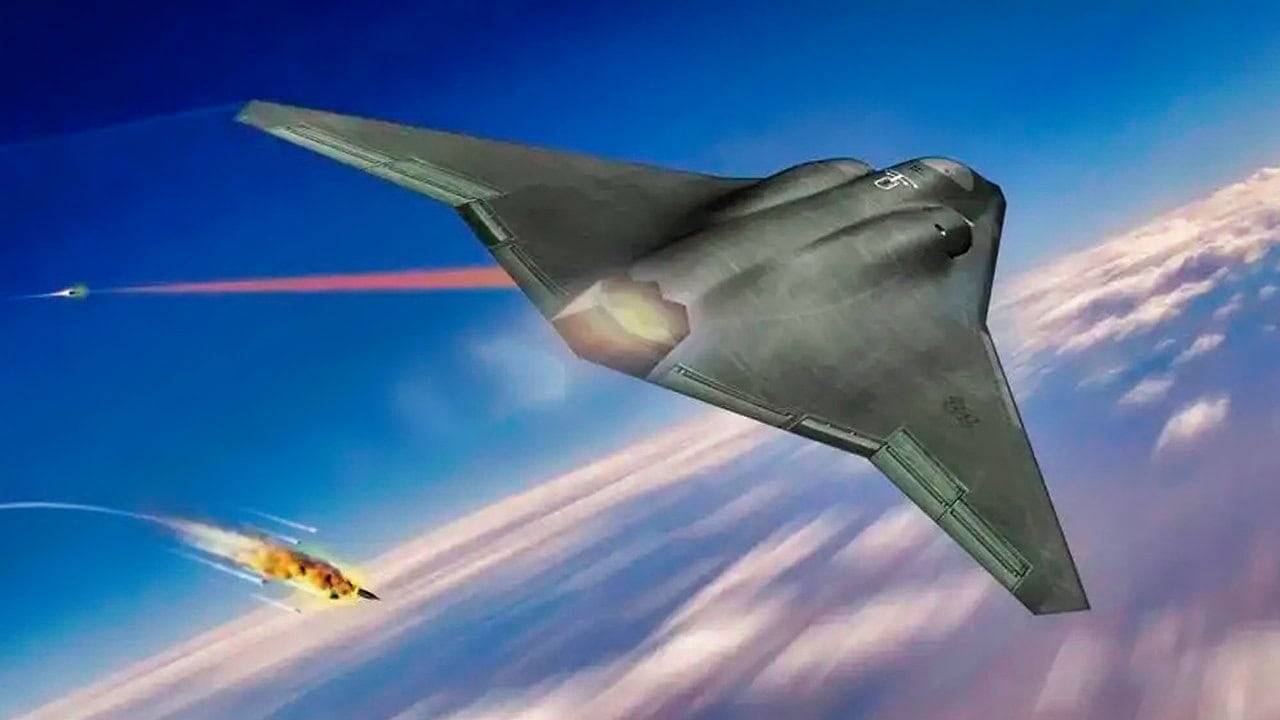
(ILLUSTRATION) — A Northrop Grumman illustration depicts a notional sixth-generation fighter in action.
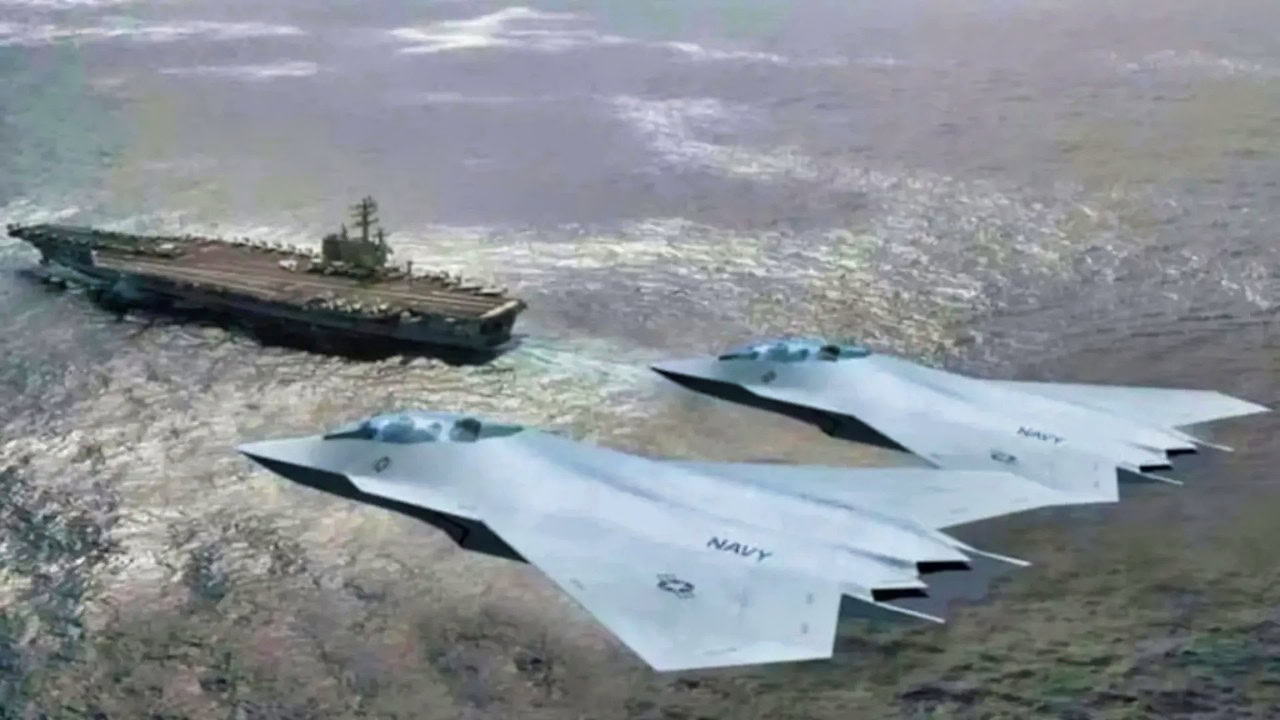
F/A-XX Fighter for US Navy. Navy graphic mockup.
He added that the “next-generation airframe, F/A-XX, is so vital. The air wing of the future design is so important for so many reasons. … Nothing delivers the mass of an air wing if you want to deliver mass fires. … I know these things are expensive, and I know the defense industrial base is compressed, but we have got to figure out how to walk and chew gum here with aircraft.”
The Internal Challenge: Congressional Funding
Regarding industry, both Boeing and Northrop Grumman have pushed back publicly, to different degrees, against concerns that the U.S. industrial base cannot support work on two simultaneous sixth-generation fighter jet programs. (Northrop Grumman and Boeing are considered the leading contenders to win the F/A-XX contract.)
Not surprisingly, political and monetary hurdles in the Pentagon and the halls of Congress are the biggest obstacles. In that arena, Trevithick offers both good news and bad news.
The bad news is that the “F/A-XX has been in purgatory since the Pentagon announced its intention to shelve it last year, primarily to prevent any competition for resources with the U.S. Air Force’s F-47 sixth-generation fighter.” The good news is that, “Congress is now pushing ahead with legislation that could jumpstart the Navy’s next-generation fighter program.”
The External Challenge: Assessing the IRIAF Threat
At first glance, Caudle’s concerns about Iran might appear to be a tad overblown. The manned fighter plane fleet of the Islamic Republic of Iran Air Force (IRIAF) has gotten quite old. Its F-14 Tomcats, F-4 Phantom IIs, F-5E Tiger II/HESA Saqehs, Dassault F1 Mirages, MiG-29s, Sukhoi Su-24s, and Chengdu J-7/F-7s all were top-flight aircraft in their day, but should be mincemeat for any skilled Super Hornet driver now.
But the naval aviation community cannot afford to get complacent about the possibility of a future war with Iran. Recent reports indicate that the IRIAF is attempting to acquire Sukhoi Su-35 fighters from Russia. Though not stealth fighters like the Su-57 “Felon,” the Su-35s would still be a challenge for an F/A-18 in a one-on-one aerial engagement.
Brief Blast from the Past…and the Way Forward
It was after the cancellation of the A-12 Avenger II in 1991 that the U.S. Navy purchased the F/A-18E/F Super Hornet. The jet ended up replacing not only the F-14 Tomcat, but also the venerable A-6 Intruder ground-attack plane.
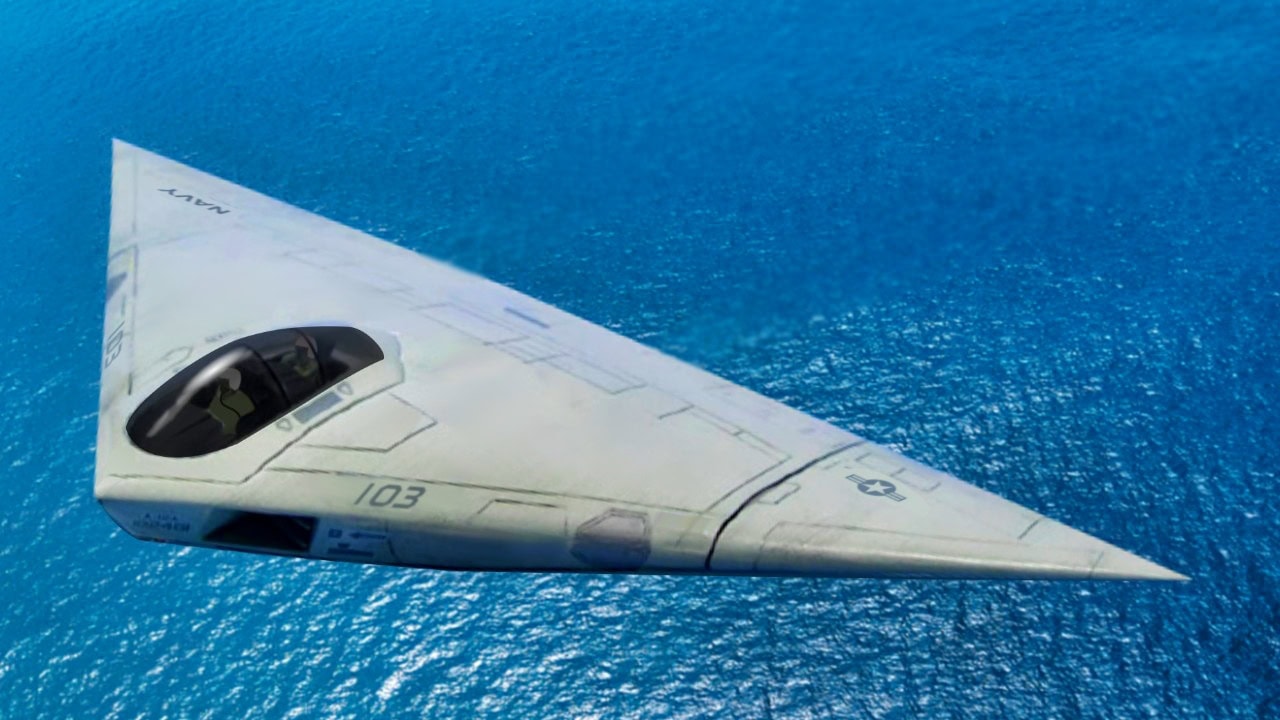
A-12 Avenger II. Image Credit: Creative Commons.
However, thanks to that A-12 cancellation, the Navy would go without a stealth warbird for about three more decades—until February 28, 2019, when the F-35C finally attained Initial Operational Capability.
Now, with the Super Hornet program coming to a close, the urgency increases for Navy leaders to fund, build, and deploy the sixth-generation F/A-XX project as a supplement and complement to the F-35C. Time will tell if the F/A-XX survives the budgetary turf wars and fulfills the fervent wishes of Admiral Caudle.
About the Author: Christian D. Orr, Defense Expert
Christian D. Orr is a Senior Defense Editor. He is a former Air Force Security Forces officer, Federal law enforcement officer, and private military contractor (with assignments worked in Iraq, the United Arab Emirates, Kosovo, Japan, Germany, and the Pentagon). Chris holds a B.A. in International Relations from the University of Southern California (USC) and an M.A. in Intelligence Studies (concentration in Terrorism Studies) from American Military University (AMU). He is also the author of the newly published book “Five Decades of a Fabulous Firearm: Celebrating the 50th Anniversary of the Beretta 92 Pistol Series.”