Synopsis: George S. Patton’s combat philosophy centered on relentless offense, speed, and seizing initiative before an enemy could stabilize.
-He paired maneuver warfare—tanks, motorized infantry, and combined arms coordination—with a hard-nosed focus on logistics, insisting fast advances only matter if fuel and ammunition keep pace.
-His campaigns highlight the model: restoring discipline after Kasserine, racing across Sicily, surging through France after Normandy, and executing a rapid pivot to relieve Bastogne. The approach had limits, too, as Lorraine showed how weather, resistance, and supply constraints could bog down even an aggressive commander.
Army Quote of the Day: Patton’s Relentless Attack Philosophy Still Shapes Armor Warfare
“Nobody ever defended anything successfully, there is only attack and attack and attack some more.” -U.S. Army General George S. Patton
Of all the quotes uttered by General George S. Patton, none encapsulates his style of fighting as perfectly as this quote. Serving during the Second World War, Patton is remembered as one of the most influential and successful commanders on the Western Front. His strategies can be summed up in one word: aggressive.
His aggressive, unrelenting strategies perfectly matched the character of Patton himself. While Patton may have been quick and fierce, he was also a careful planner, ensuring his operations had the logistical support needed for success.
Attack, Attack, and Attack Again: Patton’s Style
Patton’s military philosophy revolved around the conviction that wars are won by attacking, not defending. He famously asserted that a good plan executed violently today is better than a perfect plan executed next week.
This statement reflects his preference for speed and initiative over deliberation. Patton viewed hesitation as fatal and believed that constant pressure on the enemy was the surest path to victory. His approach was rooted in mobility and maneuver warfare. Recognizing early the transformative potential of mechanization, Patton embraced tanks and motorized infantry as tools for rapid advances and deep penetrations into enemy territory. This emphasis on mobility allowed him to exploit weaknesses and create operational shock, often leaving adversaries scrambling to respond.
Patton also understood the psychological dimension of combat. His flamboyant persona, strict discipline, and dramatic speeches were calculated to instill confidence in his troops and fear in his enemies. He cultivated an image of boldness and unpredictability, which served as a weapon in itself. At the same time, Patton was meticulous about logistics. His ability to sustain fast-moving operations depended on efficient supply lines, and he insisted on logistical innovation to keep his forces fueled and armed. The famous Red Ball Express during the European campaign exemplified his insistence on logistical mastery as the backbone of operational success.
George S. Patton Quote of the Day. Creative Commons Image.

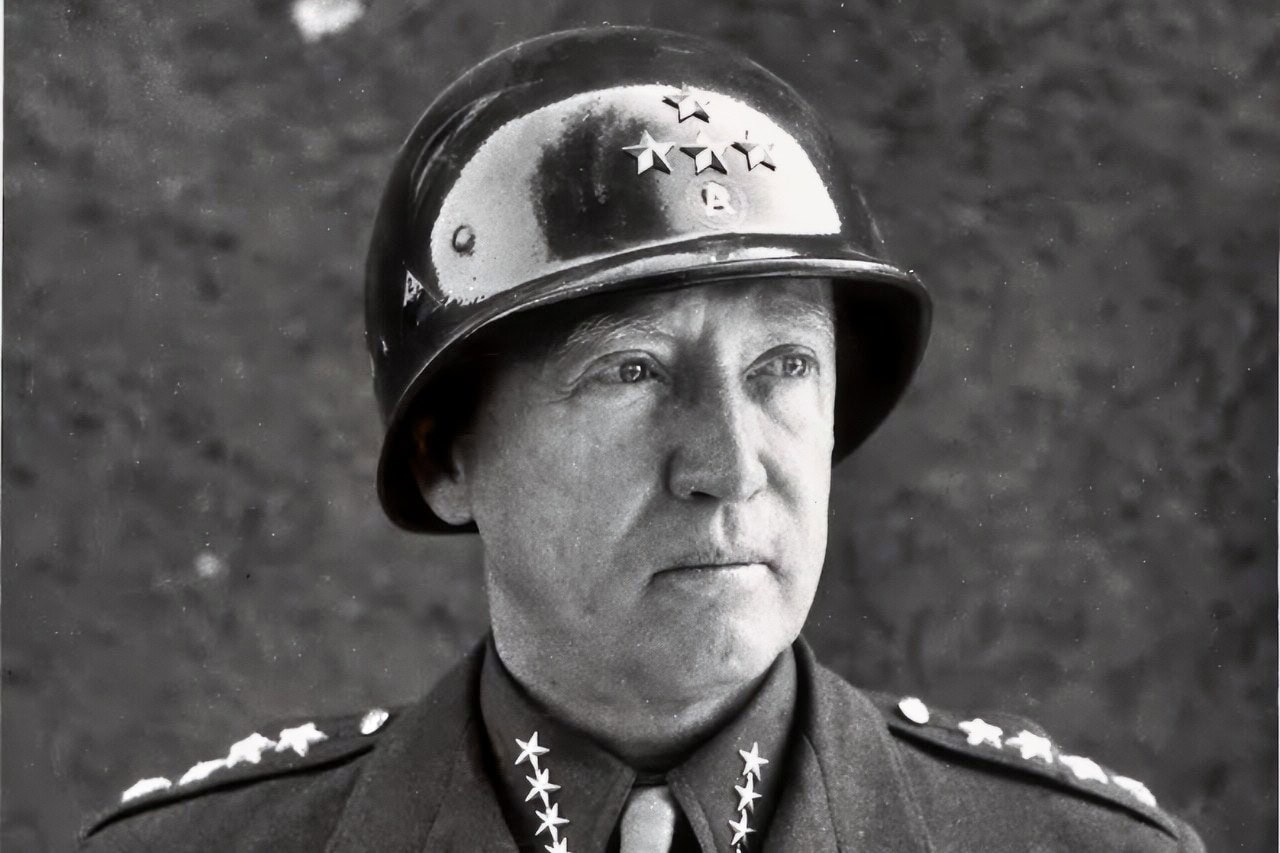
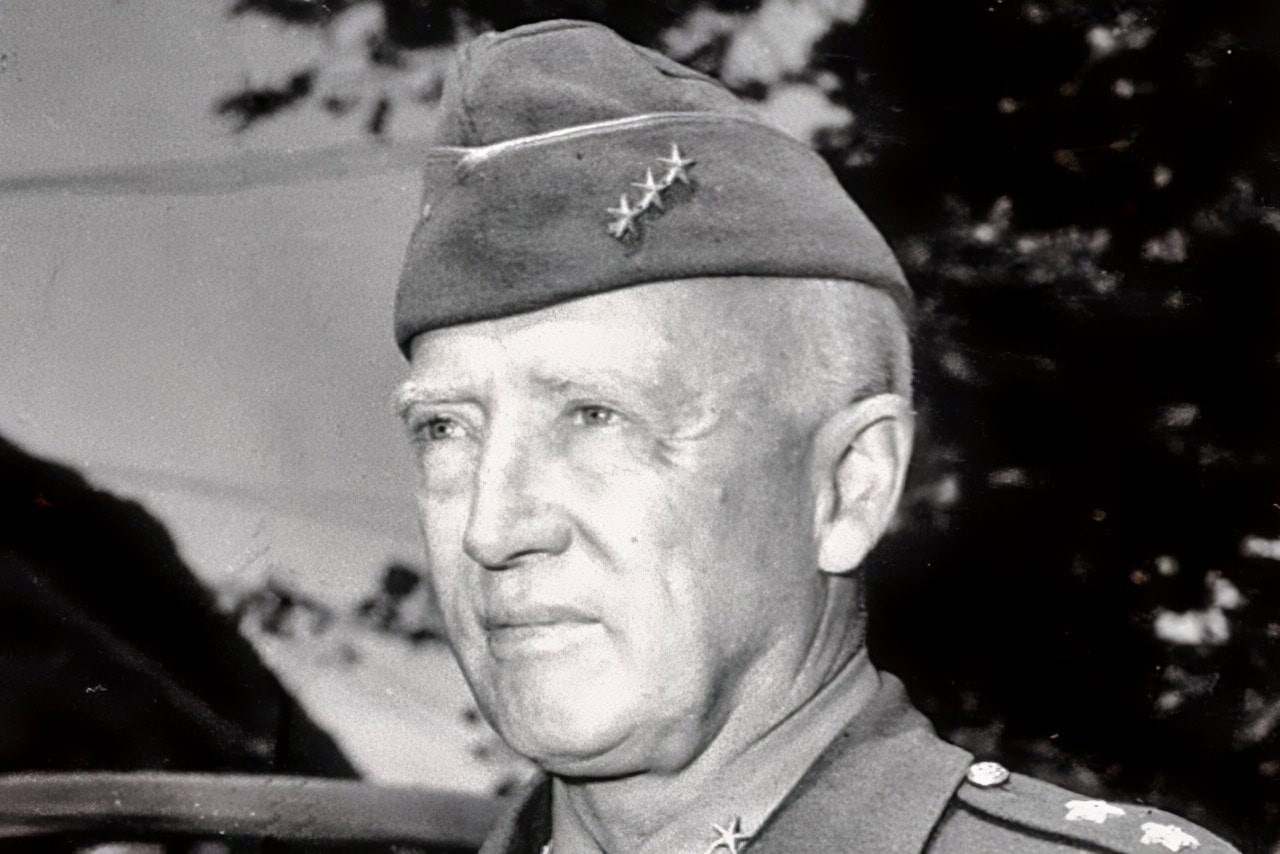
U.S. Army General George Patton. Image Credit: Creative Commons.
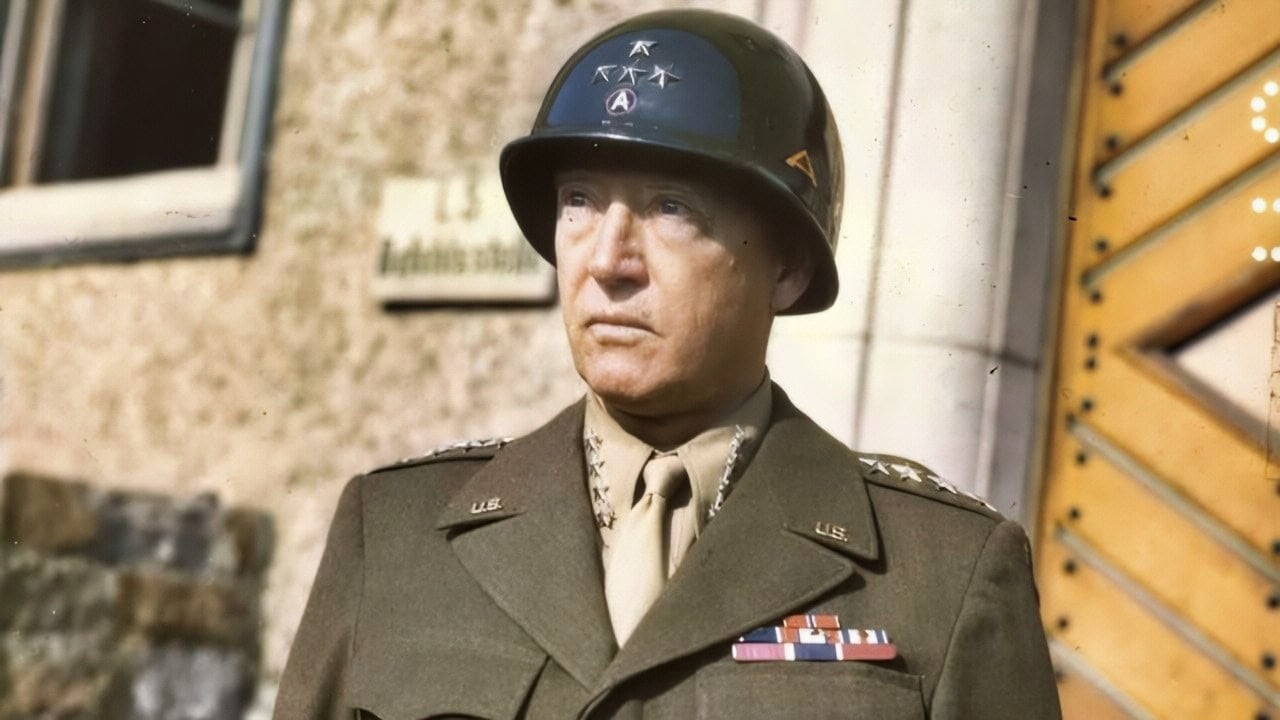
General George Patton U.S. Army Photo
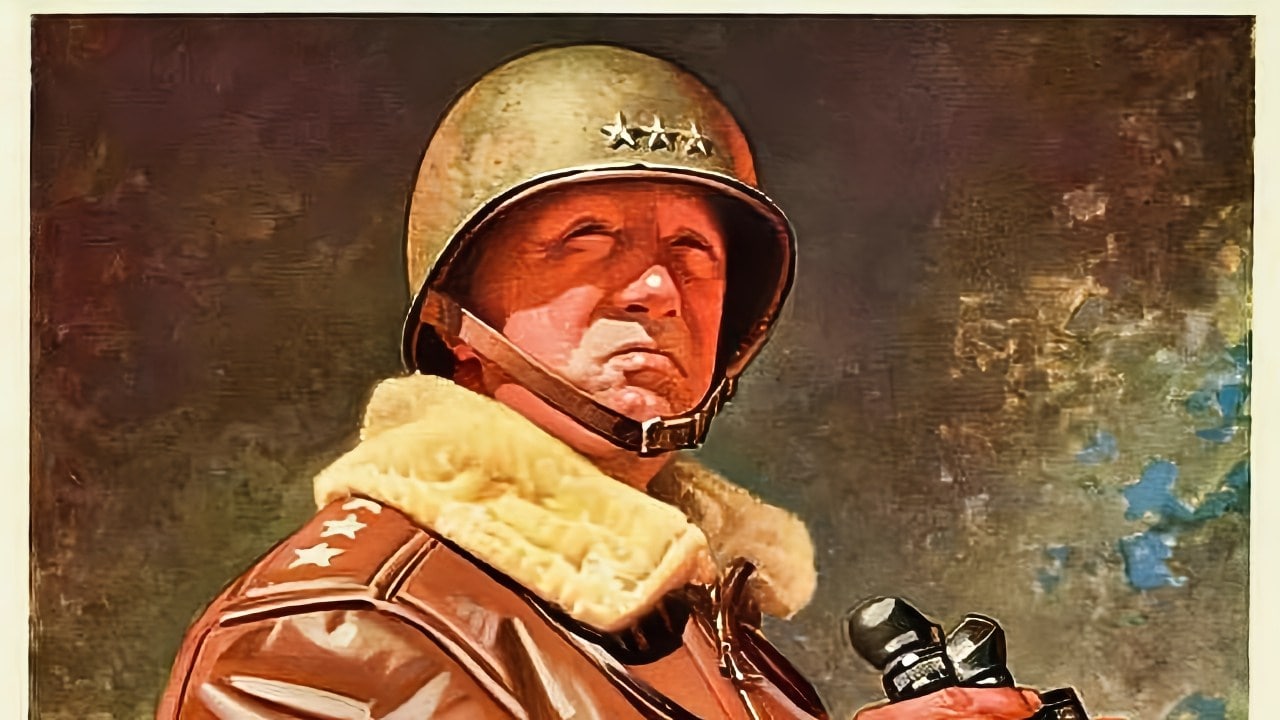
General George Patton. Image Credit: Creative Commons.
Never Give the Enemy an Inch
Patton’s tactics were characterized by speed, flexibility, and aggressive exploitation of opportunities. The results of his campaigns are evidence of his effectiveness. In North Africa, after the American defeat at Kasserine Pass, Patton was tasked with restoring discipline and morale.
His strict enforcement of standards transformed the II Corps into a more effective fighting force. He was a firm believer in combined arms coordination, integrating infantry, armor, and artillery to achieve breakthroughs. In Sicily, Patton demonstrated his penchant for rapid maneuver. While British forces under Montgomery advanced slowly toward Messina, Patton executed a bold dash across the island, capturing Palermo and ultimately reaching Messina ahead of schedule. His ability to improvise and exploit gaps in enemy defenses showcased his operational flexibility, though his ambition and rivalry with Montgomery created friction within Allied command.
Patton’s most celebrated achievement came during the breakout from Normandy following Operation Cobra. Once the German lines collapsed, Patton’s Third Army surged across France in one of the most dramatic advances in military history.
His forces covered hundreds of miles in weeks, liberating vast territories and forcing German units into disarray. This campaign epitomized Patton’s belief in relentless pursuit and exploitation of momentum. Later, during the Battle of the Bulge, Patton’s rapid pivot to relieve Bastogne remains a testament to his operational agility. Within 48 hours, he redirected his Third Army north, a maneuver that required extraordinary logistical coordination. This decisive action helped blunt the German counteroffensive and reaffirmed Patton’s reputation as a master of mobile warfare.
Limitations and Weaknesses of Patton’s Military Approach
Patton’s style had undeniable strengths. His ability to maintain a high operational tempo disrupted enemy plans and prevented them from consolidating defenses. His embrace of mechanization and use of tanks as spearheads holds up even today. His charisma and uncompromising standards inspired his troops, while his adaptability allowed him to adjust plans under pressure, as seen during the Ardennes crisis.
However, no plan is 100 percent applicable to all situations, and some of Patton’s operations did not always go to plan. His aggressiveness sometimes bordered on recklessness. His insistence on rapid advances occasionally stretched supply lines and exposed flanks, creating vulnerabilities.
Nowhere was this more evident than with the Lorriane Campaign, arguably Patton’s worst performance. Unlike earlier operations, his forces became bogged down in the northeastern region of Lorraine, France, due to a lack of gas, rainy weather, and fierce German resistance. In these conditions, Patton could not rely on his usual strategy of intense, unrelenting offensives, which frustrated him immensely. As a result, allied forces in this campaign suffered some of the highest casualty rates in the entirety of the war.
Despite setbacks during the Lorriane Campaign, Patton remained a great General who helped shape post-war American and NATO armored doctrine. His operational genius lay in harnessing mechanization, maintaining tempo, and inspiring troops under the most demanding conditions.
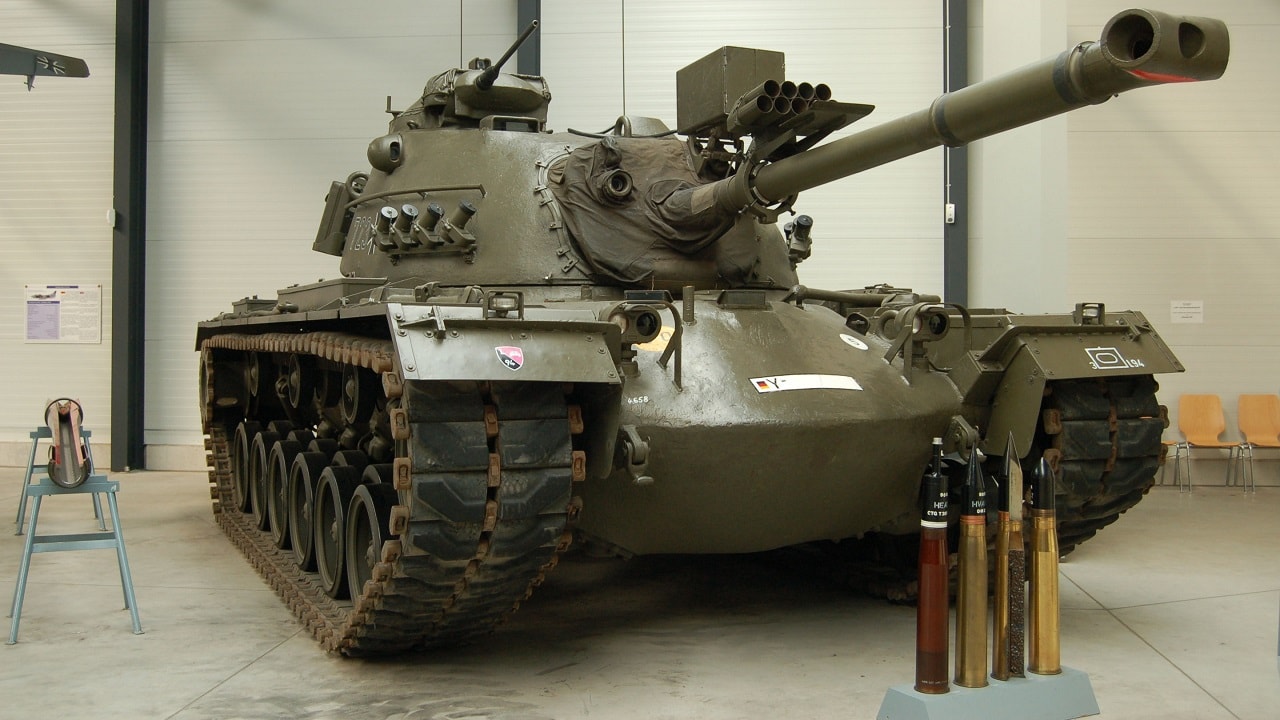
M48 Patton Tank. Image Credit: Creative Commons.
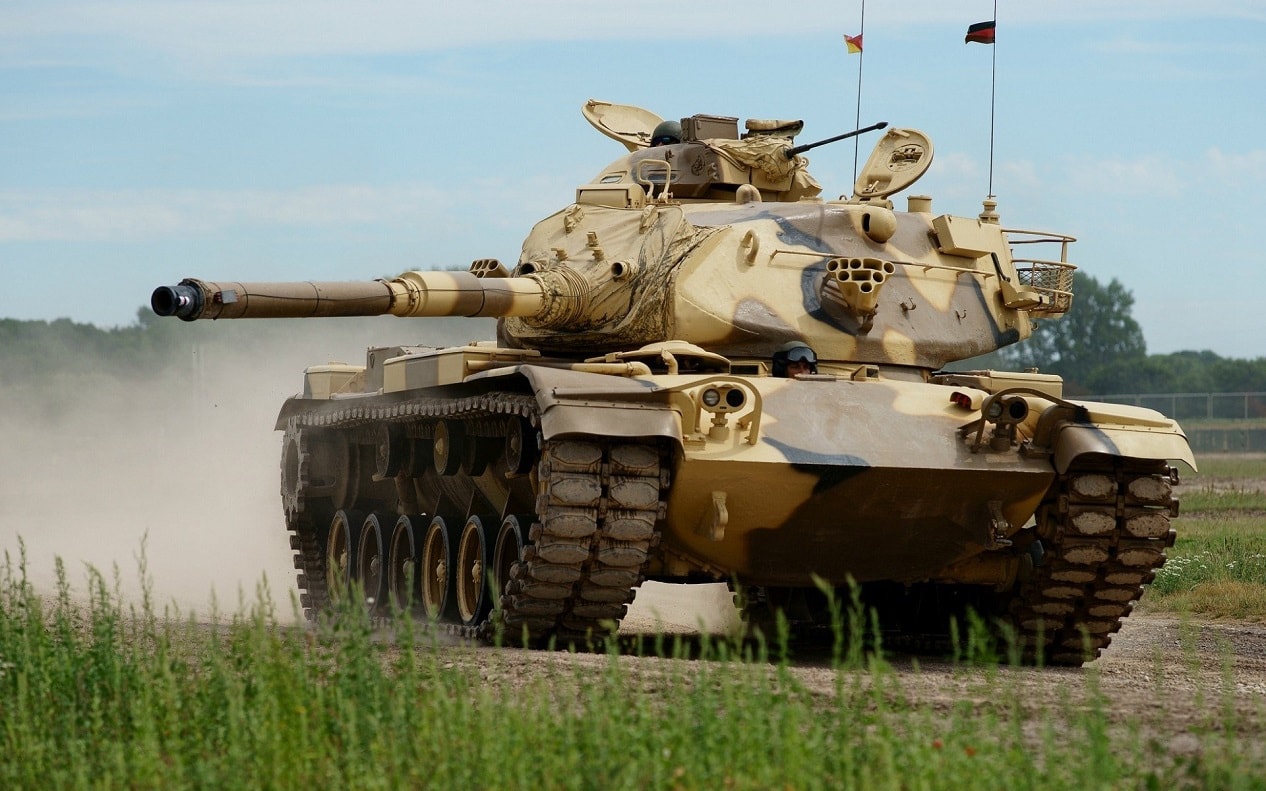
M60 Patton
Modern armored and mechanized operations owe much to Patton’s vision of exploiting mobility to achieve decisive results. His campaigns demonstrated that audacity, when combined with logistical foresight and psychological insight, could yield extraordinary outcomes.
About the Author: Isaac Seitz
Isaac Seitz, a Defense Columnist, graduated from Patrick Henry College’s Strategic Intelligence and National Security program. He has also studied Russian at Middlebury Language Schools and has worked as an intelligence Analyst in the private sector.