Summary and Key Points: America’s Ohio-class ballistic-missile submarines anchor the most survivable leg of the nuclear triad—yet Washington delayed their replacement and is now paying for it.
-The Columbia-class program is colliding with shipyard manpower shortages, supplier delays, and the need to build Virginias at the same time, producing compressed schedules and rising costs.
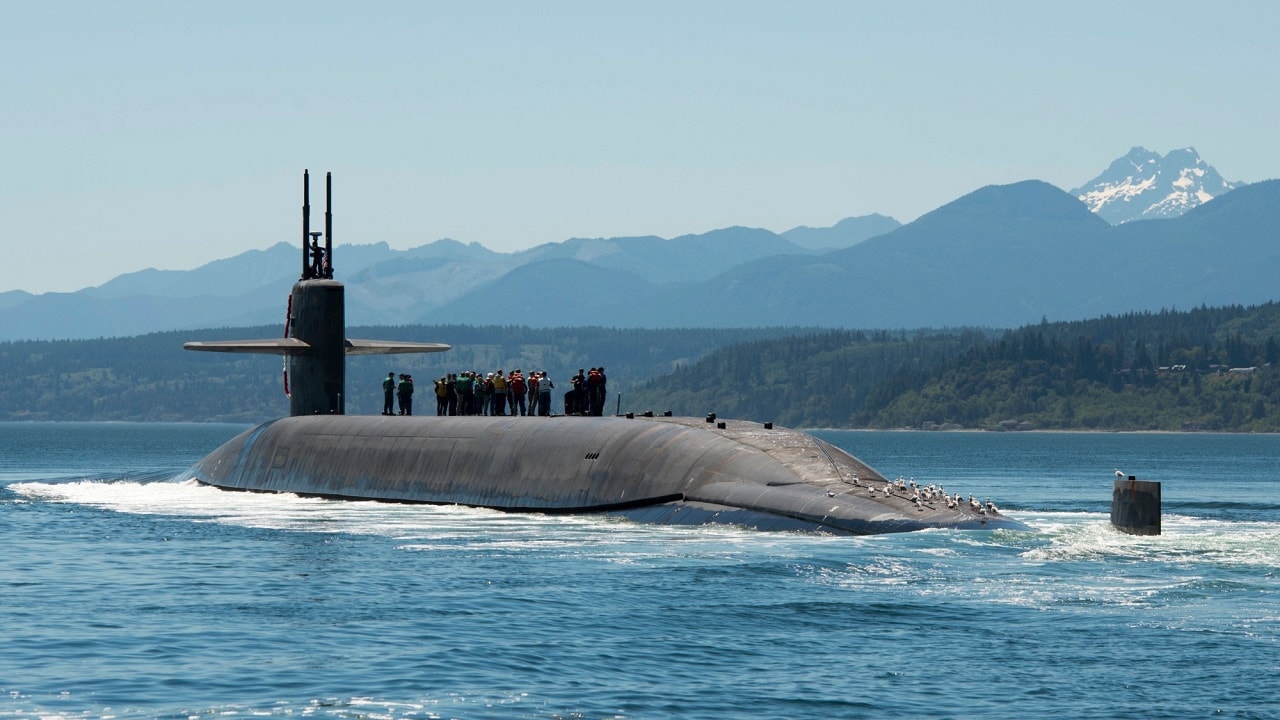
Ohio-class submarine. Image Credit: Creative Commons.

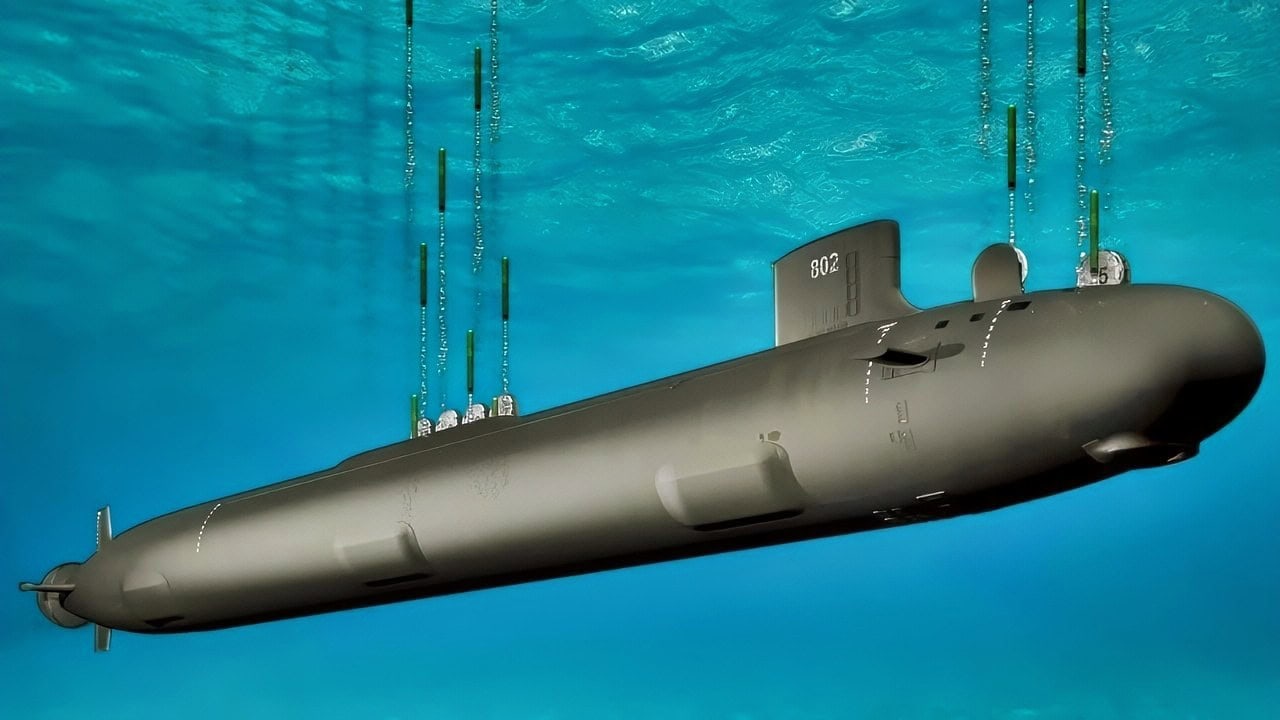
An artist rendering of the future U.S. Navy Columbia-class ballistic missile submarines. The 12 submarines of the Columbia-class will replace the Ohio-class submarines which are reaching their maximum extended service life. It is planned that the construction of USS Columbia (SSBN-826) will begin in in fiscal year 2021, with delivery in fiscal year 2028, and being on patrol in 2031.
-A reported 17-month delivery slip tightens the retirement window for aging Ohios and risks a coverage gap if new boats arrive late.
-The Navy insists the first Columbia will be ready for deterrent patrols around 2030, but industrial bottlenecks and late-arriving components are already reshaping timelines—and strategic risk.
A 17-Month Columbia-Class SSBN Delay Could Put America’s Sea-Based Nuclear Deterrent Under Pressure
At the beginning of the 21st century, few in Washington thought that just 26 years into the new millennium, the specter of nuclear warfare would return. So, when the Ohio-class nuclear submarines were getting too old, the U.S. government was slow to address the problem. This has led to drastically compressed schedules, painful industrial bottlenecks, and increased pressure on an already overburdened naval shipyard capability.
When the Cold War ended, the United States drew down its industry—shuttering factories, shipping manufacturing overseas, and weakening its ability to rapidly mass-produce complex platforms such as a new nuclear submarine class.
The Columbia-class was to replace the aging Ohio-class. But the U.S. government waited too long to initiate the build. This has led to radically higher costs and, unsurprisingly, slips in the build schedule. All of which have hit as the older fleet of Ohio-class submarines is being retired.
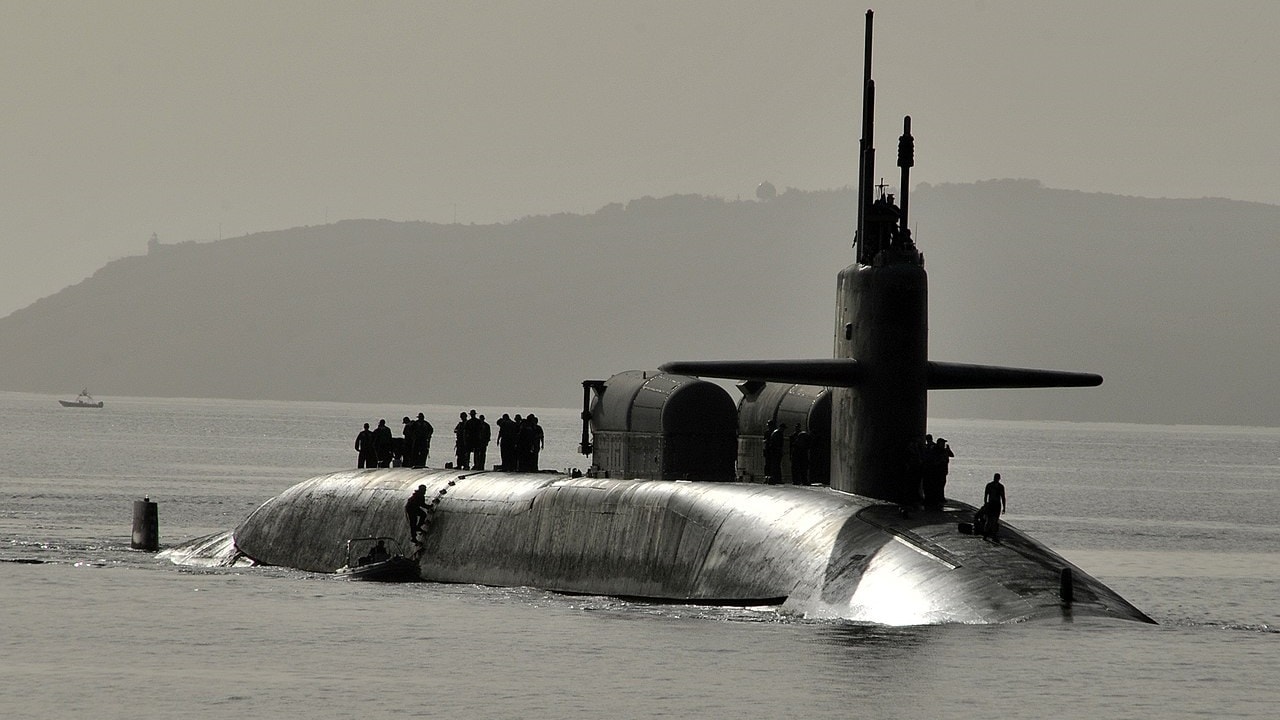
SOUDA BAY, Greece (May 21, 2013) The Ohio-class guided-missile submarine USS Florida (SSGN 728), gold crew, arrives in Souda harbor. Florida is homeported in Kings Bay, Ga., and is deployed conducting maritime security operations and theater security cooperation efforts in the U.S. 6th Fleet area of responsibility. (U.S. Navy photo by Paul Farley/Released) 130521-N-MO201-047
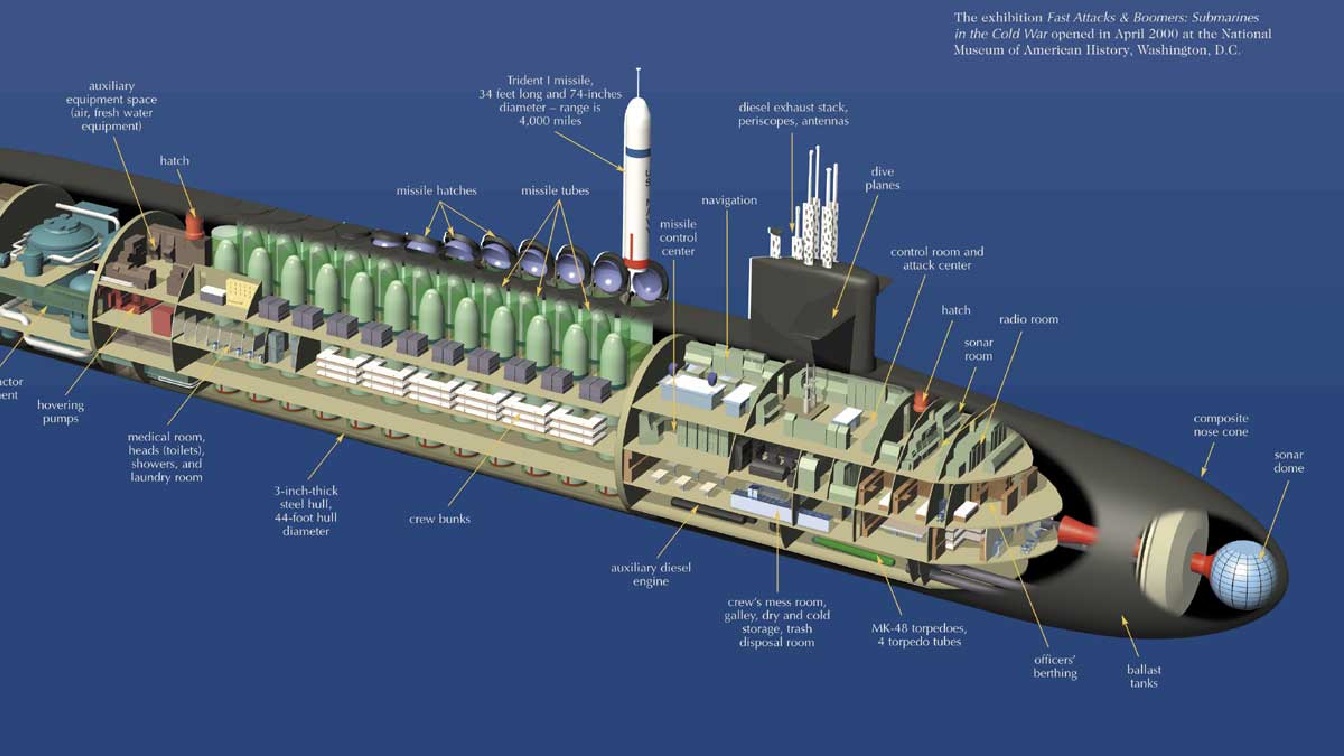
Ohio-Class SSBN. Image Credit: Creative Commons.
Shipyard Strain for the U.S. Navy
The Ohio-class submarines’ nuclear weapons are the most survivable leg of the U.S. nuclear triad. Silos can be destroyed in an enemy first-strike. Bombers carrying nuclear warheads can be shot down. Submarines, while they can obviously be sunk, are harder to kill.
So, the Ohio-class subs form an essential element in America’s nuclear triad, which is key to deterring attacks from nuclear-armed adversaries such as Russia and China. Because U.S. nukes are spread out across land, sea, and air, rivals can never be certain of destroying most of the United States’ ability to retaliate with nukes. Rivals thus stay their hand, believing peace is more profitable than nuclear war.
The Navy intends to build at least a dozen Columbia-class SSBNs to replace the 14 Ohio-class SSBNs currently in service. Despite having known for years that the Ohio-class was getting old, Washington delayed procuring a replacement until Fiscal Year 2021.
Bottlenecks, naval shipyard manpower shortages, compressed schedules, and all the pressure being placed on an already ailing naval shipyard capability have already led to major delays in the construction of the Navy’s initial Ohio-class submarine.
The 17-Month Delay for Columbia-Class That Could Reshape Strategic Stability
Specifically, a 17-month delivery delay was announced that radically complicated the ability of the Navy to retire the Ohio-class submarines and initiate work on more units of the Columbia-class SSBN.
Relatedly, the sclerotic U.S. naval shipyards will struggle to build Virginia-class attack submarines and Columbia-class SSBNs at the same time.
The aging Ohio-class SSBNs must be retired, and the Columbia-class subs are nowhere near ready. This threatens to create significant capabilities gaps in the U.S. Navy’s fleet.
A diminishment of the U.S. sea-based nuclear triad due to an inability to replace the aging Ohio-class SSBNs means that a nuclear-armed rival state could easily launch a nuclear strike on the United States, believing that the U.S. sea-based deterrent was essentially combat-ineffective due to lack of sufficient numbers.
That’s not to mention the high unit costs that have erupted in the program due to those delays.
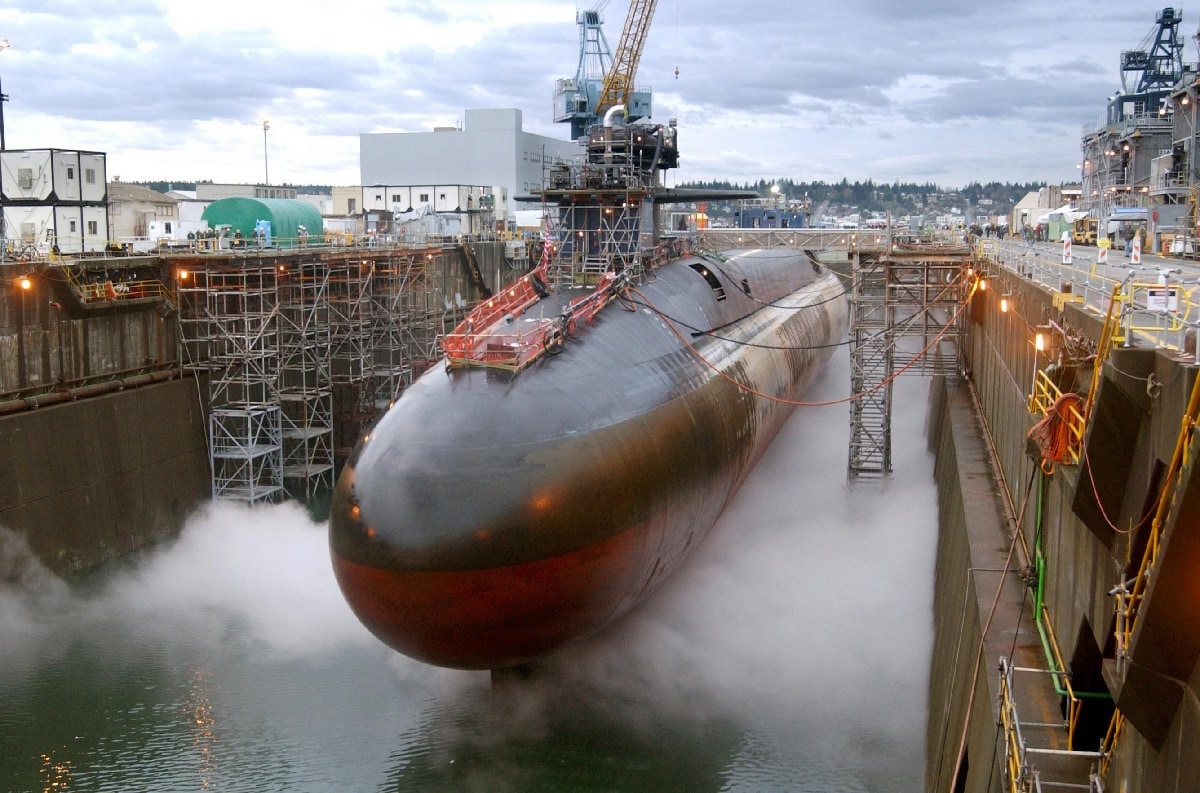
Ohio-class SSGN under going conversion. Image: Creative Commons,
Industrial Base Breakdown
Nevertheless, the Navy insists that the first Columbia-class submarine, the USS District of Columbia (SSBN-826) will be ready to carry out deterrent patrols around 2030. But the construction schedule has slipped from its original 84-month timeline, to around 96 months, due to supplier delays.
More importantly, according to USNI News, there have been significant supply chain problems afflicting this program. Late arrivals include major components wuch as turbines and hull sections and have impacted workflow and costs.
Columbia-class submarines are designed to carry UGM-133 Trident II submarine-launched ballistic missiles.The huge investment in the Columbia construction program means fewer dollars will be available for conventional ships, munitions, and attack submarines unless targets bomb—creating tough choices for defense planners.
Replacing the aging Ohio-class submarine is set to be one of the most important missions the Navy has engaged in since the Cold War.
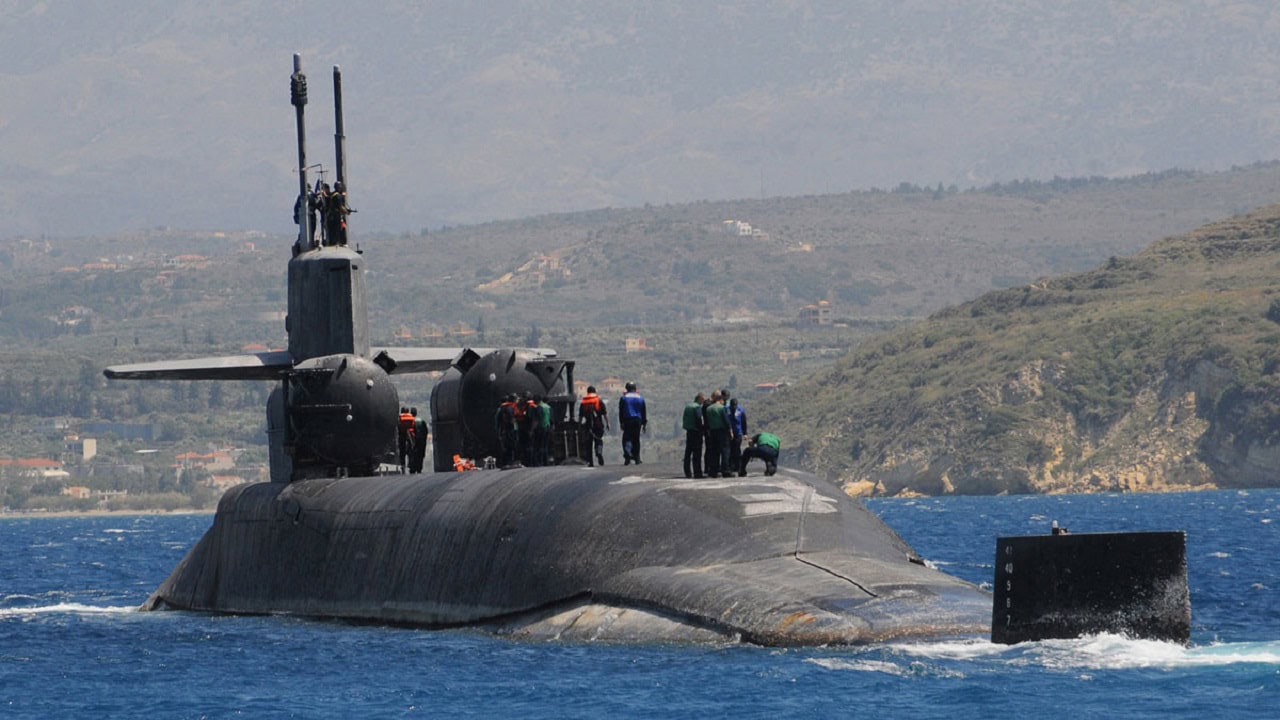
Ohio-Class SSGN. Image Credit: U.S. Navy.
Congress and oversight bodies are focused on risks, especially the potential for gaps in strategic coverage. Had Washington been minding the store rather than reading the airy suppositions of Francis Fukuyama in the years following the Cold War, the U.S. might have been better positioned.
Deeply flawed assumptions might leave the Navy without the requisite number of nuclear submarines at a time when Russia has a small but significant nuclear submarine capability and the Chinese are rapidly expanding their own force.
About the Author: Brandon J. Weichert
Brandon J. Weichert is the Senior National Security Editor at 19FortyFive.com. He was previously the senior national security editor at The National Interest. Weichert is the host of The National Security Hour on iHeartRadio, where he discusses national security policy every Wednesday at 8pm Eastern. He hosts a companion show on Rumble entitled “National Security Talk.” Weichert consults regularly with various government institutions and private organizations on geopolitical issues. His writings have appeared in numerous publications, among them Popular Mechanics, National Review, MSN, and The American Spectator. And his books include Winning Space: How America Remains a Superpower, Biohacked: China’s Race to Control Life, and The Shadow War: Iran’s Quest for Supremacy. Weichert’s newest book, A Disaster of Our Own Making: How the West Lost Ukraine, is available for purchase wherever books are sold. He can be followed via Twitter/X @WeTheBrandon.