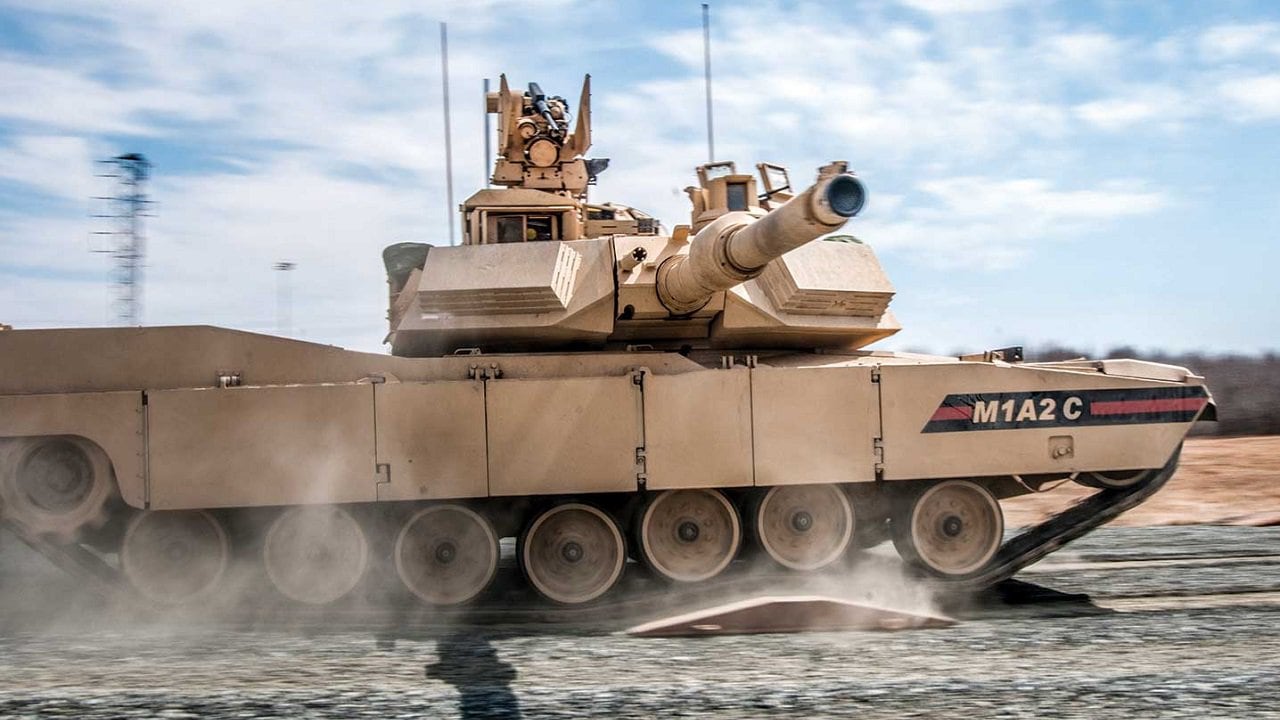
Summary and Key Points: Hedgehog 2025 in Estonia put 16,000 troops from 12 NATO nations into a battlefield made transparent by drones.
-A 10-person Ukrainian OPFOR team, using frontline tactics and the DELTA cloud battle-management system, simulated 17 armored vehicle kills and about 30 other strikes in a single day—“eliminating two battalions,” as one participant put it.
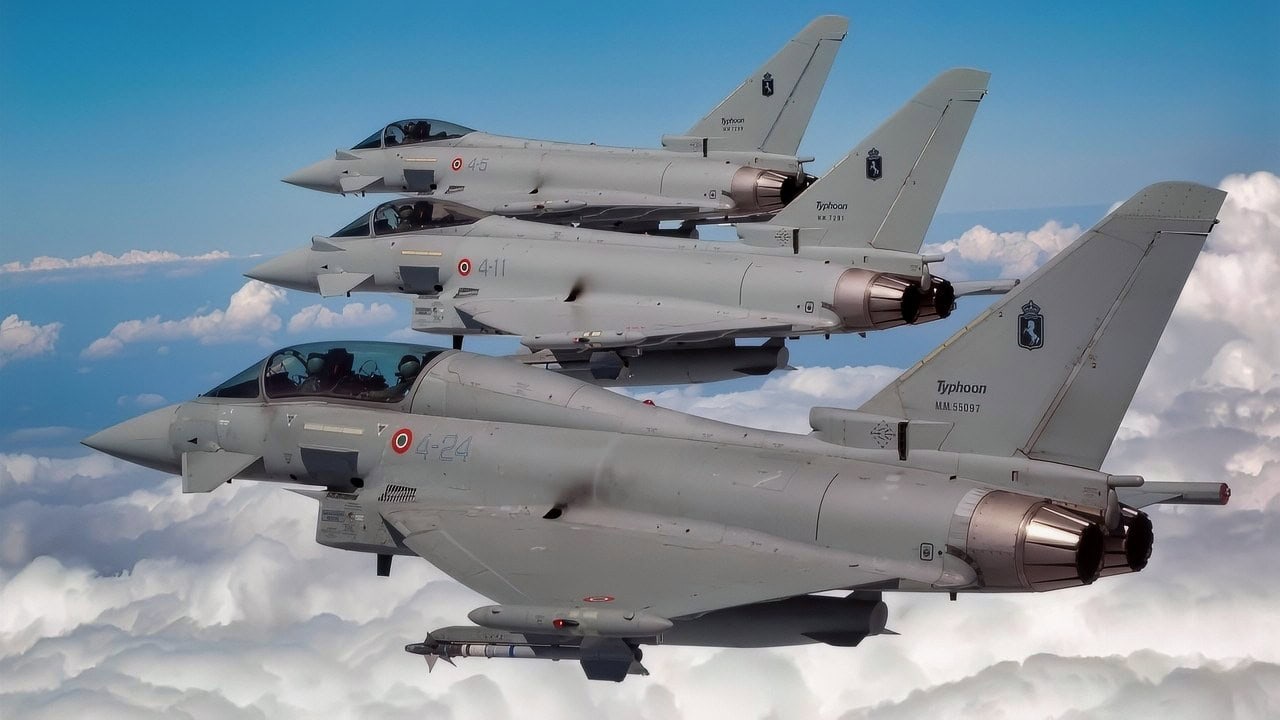
Eurofighter Typhoon Aircraft NATO. Image Credit: Creative Commons.
-NATO units were caught moving and camping without concealment, behaving as if drones were a non-factor.
-Retired Gen. David Petraeus argued the fix requires new concepts, doctrine, training, structures, and procurement—not just more drones.
-The takeaway: NATO must rebuild how it fights under constant aerial surveillance.
NATO vs. Drones: The Estonia Exercise That Triggered Calls for a Total Revamp
Although the exercise took place in the Spring of 2025, the full accounting of how much it revealed about NATO’s unpreparedness for a future war with Russia has emerged only in the last week.
The exercise, called Hedgehog 2025 and conducted in the Baltic NATO member state of Estonia, involved 16000 troops from 12 NATO countries.
Alongside the NATO units were Ukrainian drone experts, as well as some of Kyiv’s soldiers who have been deployed along the front.
The results of the very engagements in the exercise have been sobering.
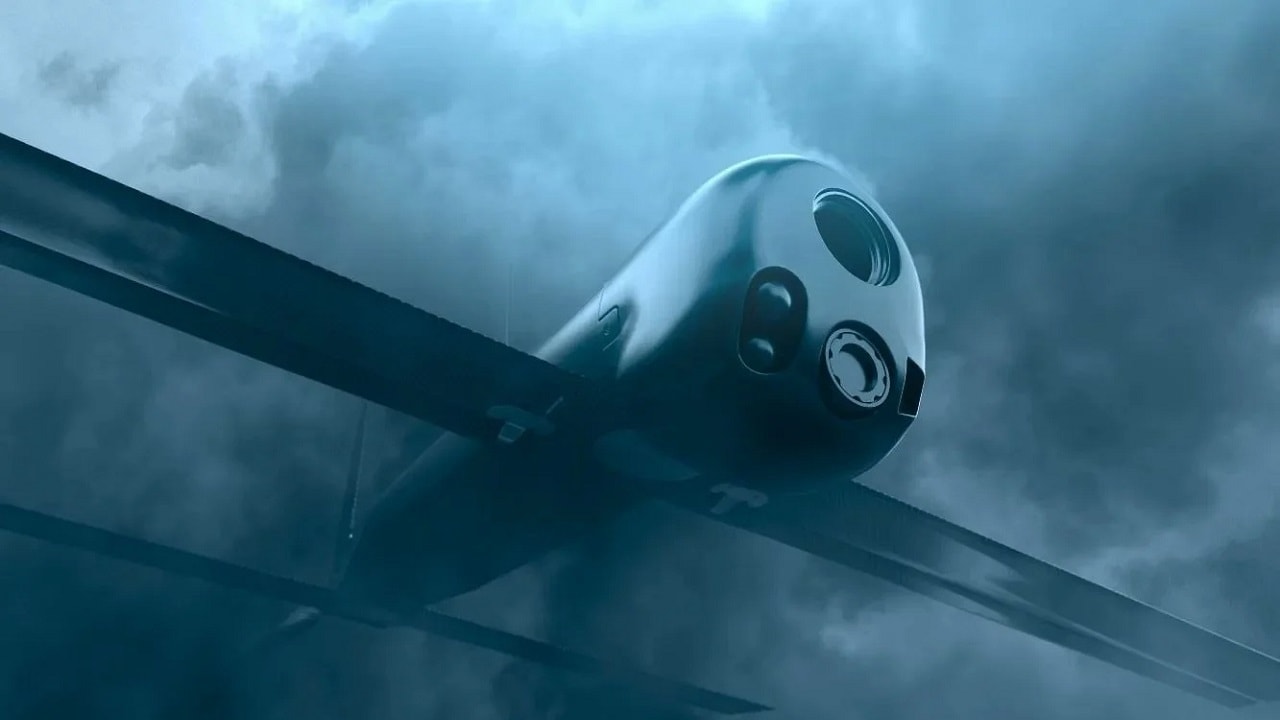
Switchblade Drone. Image Credit: Industry Handout.
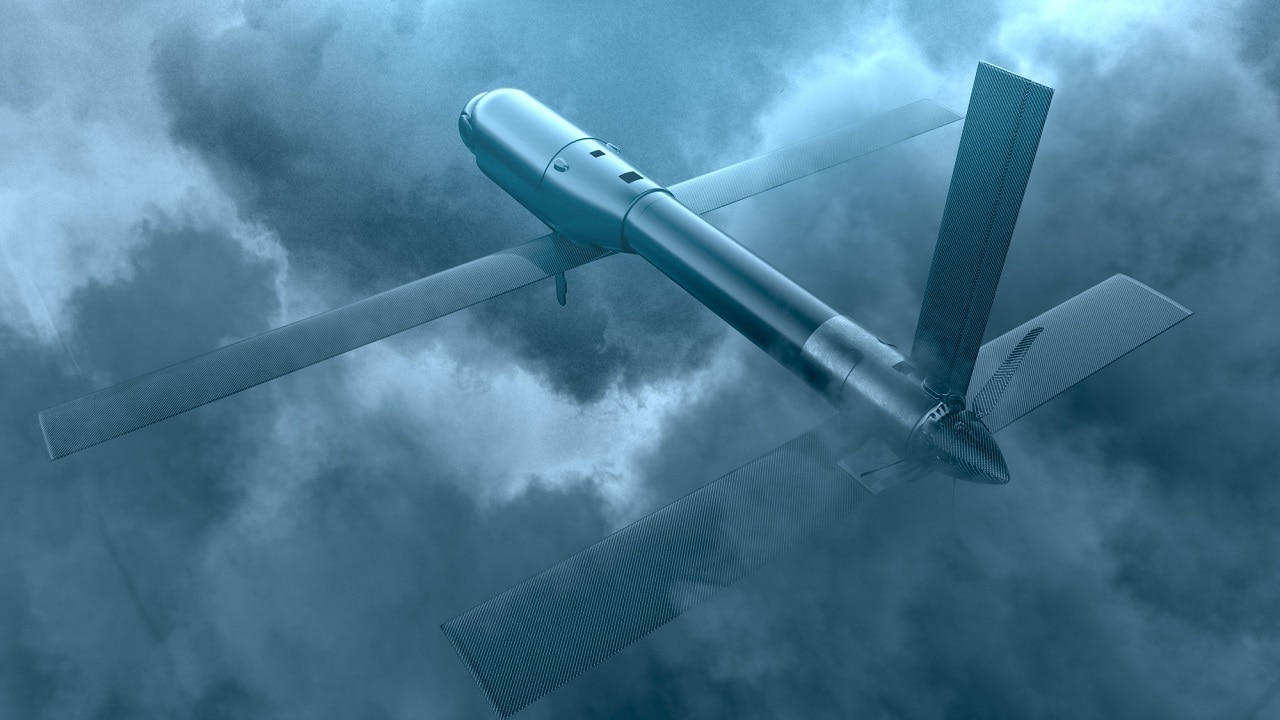
Switchblade drone that is used by Ukraine’s forces against Russia. Image Credit: Industry handout.
“We’re screwed,” said one of the commanders who summed up the situation after the military exercises had completed. His and other comments, along with details of how badly prepared various NATO units were, have been detailed in a February 13 Wall Street Journal (WSJ) report.
That report recounts how a team of about 10 Ukrainians, acting as the OPFOR (opposing force), conducted a counterattack against NATO forces participating in the exercise. According to after-action reporting, in just one day, the OPFOR simulated the destruction of 17 armored vehicles and carried out about 30 “strikes” against other targets.
One of the military personnel who participated in the exercise stated that the Ukrainian team, while operating as they do every day on the front lines against the Russians, managed to “eliminate two battalions in a day”.
“Overall, the results were terrible for NATO forces,” said Aivar Hanniotti, the coordinator of unmanned aerial systems for the Estonian Defence League. He now works in the private sector as an expert on combat drone systems.
Wholescale Revamping Needed
Military experts who have analyzed the results from the exercise are – sadly – in agreement with the subtitle of the article: “a simulation of drone warfare shows how far the alliance has to go to learn the lessons of Ukraine.”
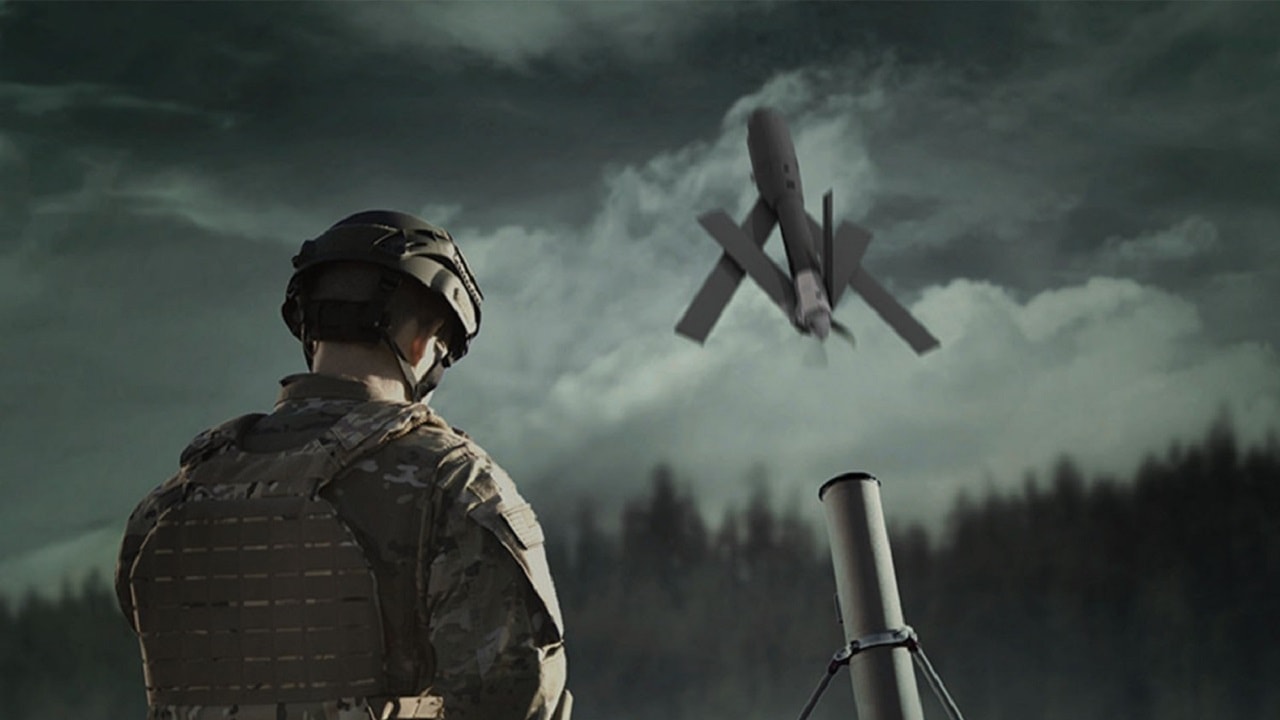
Switchblade drone. Image Credit: Company Handout.
Writing in an online commentary on LinkedIn, retired US Army General David Petraeus commented, “Lessons are not learned when they are identified. Rather, they are only learned when you develop new concepts, write new doctrine, change organizational structures, overhaul your training, refine leader development courses, set out new materiel requirements that drive the procurement process, and even make changes to your personnel policies, recruiting, and facilities.”
Which sounds a lot like a call for the US and other NATO nations to make a wholesale, top-to-bottom revamp of their entire defense establishments.
What he and others have stressed is that the knee-jerk approach, which would involve simply pouring barrels of funding and other resources into boosting drone production without considering what needs to change organizationally and in overall combat doctrine, is not the answer either.
“What we are witnessing in Ukraine is not just a surge in drone production,” he also commented, “but a shift in the character of warfare.”
No Accounting for Drones
The alarming picture painted by this report is that, despite the world being practically drowned in years of news reports, briefings, scholarly articles, and industry studies about how drones are a ubiquitous presence on the battlefield, military establishments seem to have expended very little effort to process those lessons and adapt accordingly.
One participant in the exercise, part of the OPFOR contingent, stated that the NATO battle group was “just walking around, not using any kind of disguise, parking tents and armored vehicles.” They behaved as though the drone threat did not apply to them or that they were somehow immune, and as a consequence, many of their emplacements set up for the exercise were “all destroyed.”
One of the other participants pointed out, “In Ukraine, the front line is largely frozen, but Hedgehog envisioned a battlefield where tanks and troops still have some ability to move. In one scenario, a battle group of several thousand troops, including a British brigade and an Estonian division, planned an attack. As they advanced, they failed to account for how drones have made the battlefield more transparent,” according to several sources.
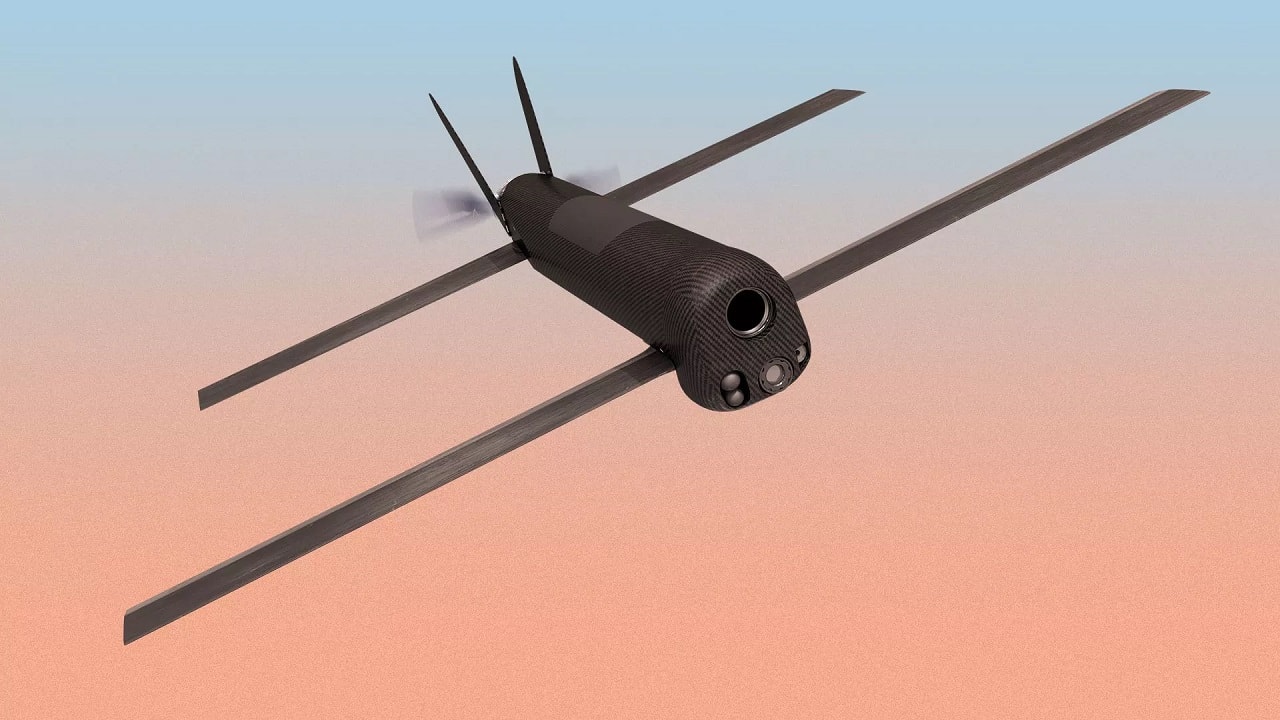
Switchblade Drone. Image Credit: Manufacturer Handout.
Jillian Kay Melchior, who wrote the WSJ report as an op-ed, details that during the exercise, Ukrainian personnel used a cloud-based battle management system called DELTA. It is a data fusion and analysis system that “gathers battlefield intelligence in real time, analyses it, identifies targets and coordinates strikes between command and units.”
DELTA currently processes over 150,000 simultaneous video streams from drones and provides real-time data analytics for targeting and mission planning. The system also integrates an AI-based module to enhance data processing and automate decision-making.
What Happens Now? NATO vs. Drones Is a Challenge
Hedgehog shows “just how visible the battlefield has become – and how vulnerable that makes anyone or anything moving on it,” she concludes. “NATO will need to adjust its tactics and find better ways to protect its tanks and armoured vehicles.”
About the Author: Reuben F. Johnson
Reuben F. Johnson has thirty-six years of experience analyzing and reporting on foreign weapons systems, defense technologies, and international arms export policy. Johnson is the Director of Research at the Casimir Pulaski Foundation. He is also a survivor of the Russian invasion of Ukraine in February 2022. He worked for years in the American defense industry as a foreign technology analyst and later as a consultant for the U.S. Department of Defense, the Departments of the Navy and Air Force, and the governments of the United Kingdom and Australia. In 2022-2023, he won two awards in a row for his defense reporting. He holds a bachelor’s degree from DePauw University and a master’s degree from Miami University in Ohio, specializing in Soviet and Russian studies. He lives in Warsaw.