
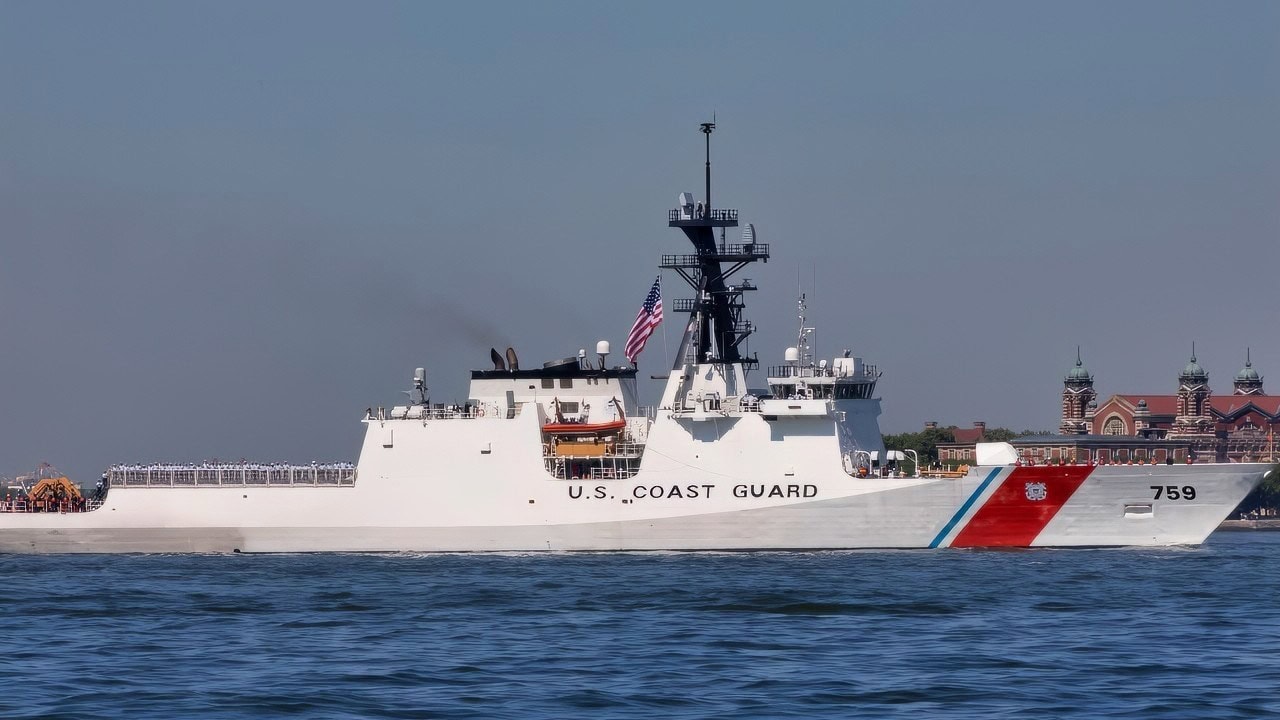
Summary and Key Points: Seafarer abandonment is surging as shipowners cut ties with crews—skipping repatriation, withholding support, and failing to pay wages for months.
-The ITF says more than 6,000 sailors on 410 ships were abandoned last year, owed $25.8 million in back pay tied to 2025 cases, with $16.5 million recovered so far.
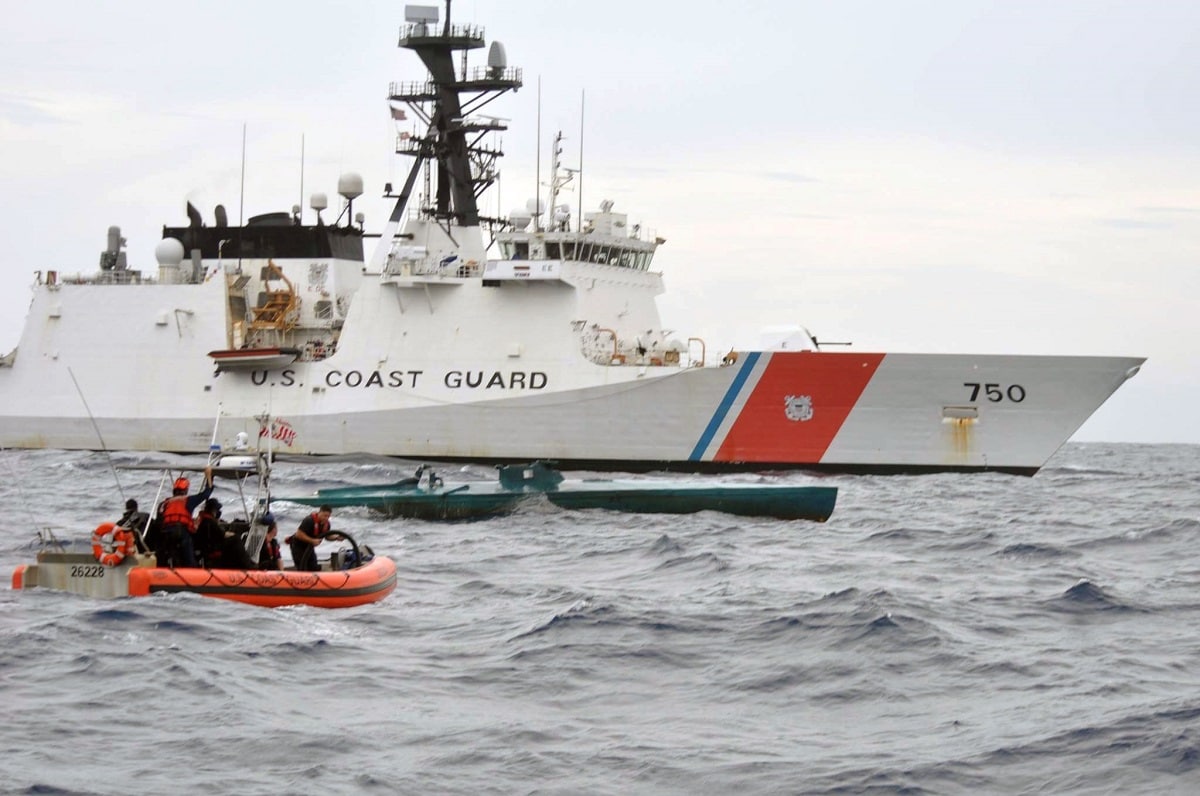
Coast Guard. Image: Creative Commons.
-India was the most affected nationality group, and most abandoned vessels sailed under flags of convenience linked to opaque ownership and weak insurance.
-The Middle East and Europe saw the most cases, with Turkey and the UAE leading in ship abandonments.
6,000 Seafarers Abandoned in 2025: The $25.8 Million Crisis No One Sees
Seafarer abandonment—when unscrupulous companies abandon crew members—is a growing problem.
The International Transport Workers’ Federation reported that more than 6,000 seafarers across 410 ships were abandoned last year. According to the Federation, one-sixth of those were in India.
The abandoned sailors are owed a total of $25.8 million from 2025, although the federation says it has returned $16.5 million of that.
The data will be submitted to the International Maritime Organization (IMO) at an upcoming committee meeting.
“Seafarer abandonment is a crisis, with the data marking the sixth year in a row that the number of vessels on which abandonments occurred has broken records and the fourth year in a row that the total number of seafarers abandoned has broken records. The numbers represent a 31 percent increase in such ship abandonments compared to 2024, and a 32 percent increase in seafarer abandonment,” the organization said.
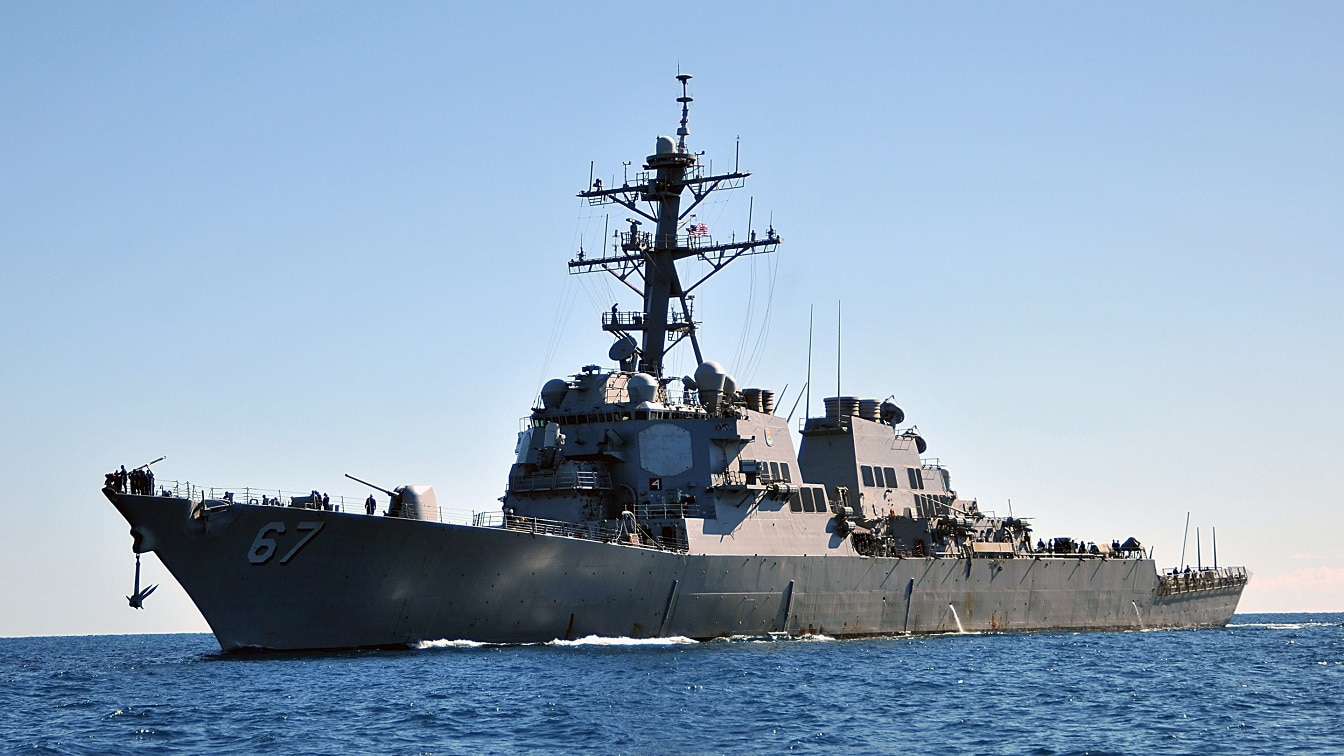
The guided missile destroyer USS Cole (DDG 67) approaches Mole Pier at Naval Air Station Key West, Fla., Jan. 19, 2014, for a port visit. (DoD photo by Mass Communication Specialist 2nd Class Brian Morales, U.S. Navy/Released)
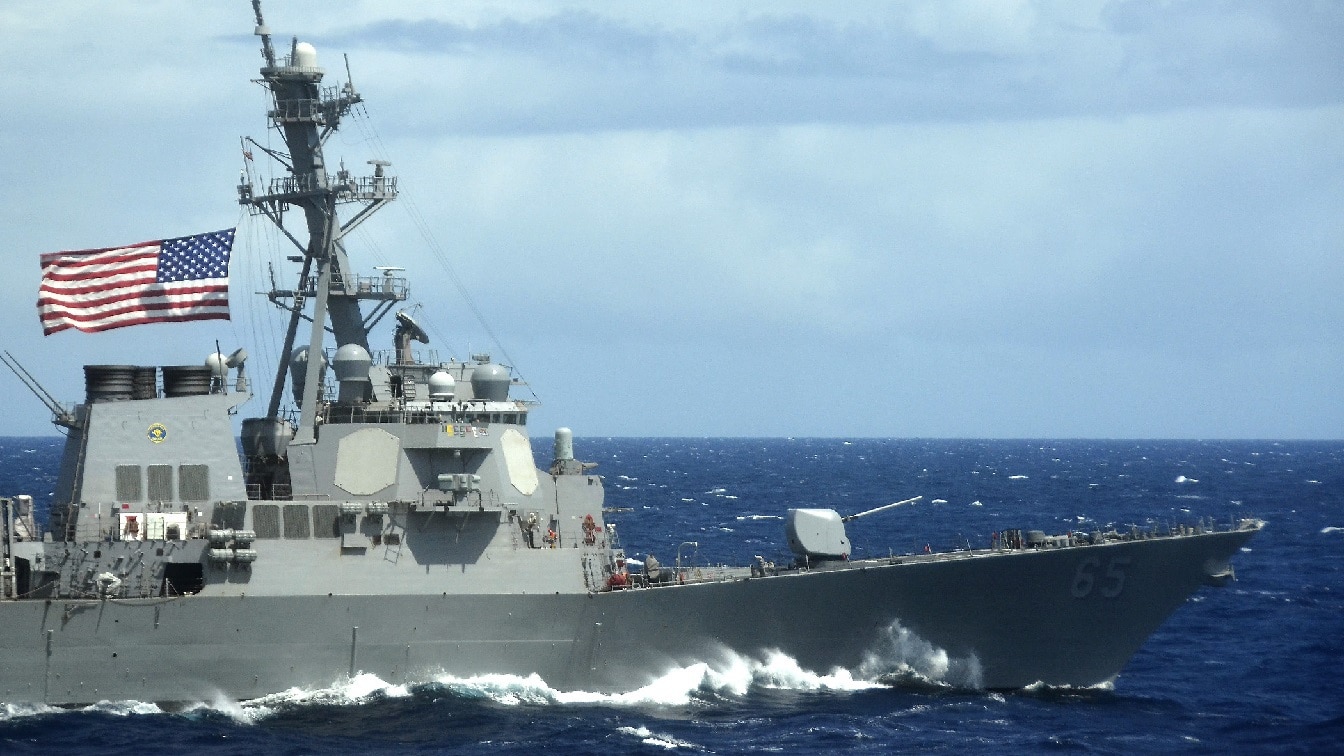
120406-N-RI884-012
PACIFIC OCEAN (April 6, 2012) The guided-missile destroyer USS Benfold (DDG 65) flies the battle ensign during maneuvers off the coast of Kauai as part of maritime exercise Koa Kai 12-2. Koa Kai is a semiannual exercise in the waters around Hawaii designed to prepare independent deployers in multiple warfare areas and provide training in a multi-ship environment. This is the first year San Diego-based ships are also participating. (U.S. Navy photo by Mass Communication Specialist 2nd Class Daniel Barker/Released)
What is “Seafarer Abandonment”?
Three criteria define seafarer abandonment, according to the federation: “failing to cover the cost of a seafarer’s repatriation; leaving a seafarer without necessary maintenance and support; unilaterally severing ties with a seafarer, including failure to pay contractual wages for a period of at least two months.”
The federation runs a database of such abandonments, which it calls “a collaborative effort to tackle the urgent problem of seafarers being abandoned in ports around the world.”
How It Happened
“It’s nothing short of a disgrace that, yet again, we are seeing record numbers of seafarers abandoned by unscrupulous ship owners,” David Heindel, Chair of the ITF Seafarers’ Section, stated in the organization’s announcement. “Every day, all around the world, seafarers face horrific violations of their human and labour rights, all so that bottom-feeding companies can make a quick buck at their expense. It’s very clear that this is a systemic issue in the industry – and that means we need the entire industry to come together with seafarers and their unions to say, ‘enough is enough’, and take action together to end this crisis.”
ITF General Secretary Stephen Cotton added, “It’s not just about statistics. It’s about workers who keep the global economy running and who are forced to experience absolutely desperate situations, away from their homes and often with no clear prospect of a solution.”
The Shadow Fleet
Shadow fleets account for much of the problem, according to the ITF. The organization describes these fleets as including “ships with opaque ownership schemes, inadequate insurance, and flags of convenience.” Russia’s shadow fleet has drawn a lot of attention in recent years.
But it’s far from just a Russian problem, ITF says.
“Of the 337 ships abandoned in 2025, 82 percent were registered under flags of convenience,” the Federation said in its release. “The ITF estimates around 30 percent of the global merchant fleet, comprising 100,000 ships, sails under such flags. The organization has campaigned against flags of convenience for over 75 years, warning they pose threats to seafarers’ rights and enable illegal activities.”
India remains the most affected country, with “more than 1,125 Indian sailors abandoned in 2025. They were followed by Filipinos with 539, Syrians with 309, Indonesians with 274, and Ukrainians with 248.
The Middle East recorded the highest number of abandonments, followed by Europe. Turkey and the United Arab Emirates had the highest number of ship abandonments, with 61 and 54, respectively, ITF said.
What Seafarer Abandonment Looks Like
In October, Cotton told the story of one abandoned sailor at the Cyprus Maritime Conference. In fact, the situation was resolved while Cotton was making the presentation.
According to Seatrade Maritime News, “Ten Syrian seafarers flew home from Cyprus, after five months stranded on an abandoned ship yesterday with all their wages after a union inspector battled to rescue them.”
Christiana Efstratiou, the ITF’s Cypriot inspector, had fought for a pay increase for the seafarers. After that, the ship’s owners abandoned it with the crew still on board.
The vessel was moored and suffered damage to its telecommunications cables. The crew left on board received no pay for a period of five months.
“In the case of the Mar 4, a 1992 built, 3,700 dwt general cargo vessel owned by Mar Marine Shipping LLC and managed by Haykal Ship Management both of the same address in Istanbul, Turkey, Efstratiou had secured a pay increase for the underpaid Syrian crew,” the report said.
At the conference, Cotton was asked “why modern digital technology is not being used to protect seafarers from abandonment, criminalization, rogue crewing agents and other criminal activity.”
He said the MSC has approached the union with concerns about drug trafficking.
“That led to the ITF, at the end of last year approaching the IMO Secretary General, Arsenio Dominguez… to host a meeting of the International Chamber of Shipping, the ITF, ILO and the IMO on how to ‘educate governments to make sure they don’t penalize seafarers,’” Seatrade Maritime News reported.
“There is technology that can prove that a seafarer could not possibly have touched the fruit pallet or put something in a container,” Cotton said at the conference. “We need to use technology, we need to use the controls on the gates of the containers.”
About the Author: Stephen Silver
Stephen Silver is an award-winning journalist, essayist, and film critic, and contributor to the Philadelphia Inquirer, the Jewish Telegraphic Agency, Broad Street Review, and Splice Today. The co-founder of the Philadelphia Film Critics Circle, Stephen lives in suburban Philadelphia with his wife and two sons. For over a decade, Stephen has authored thousands of articles that focus on politics, national security, technology, and the economy. Follow him on X (formerly Twitter) at @StephenSilver, and subscribe to his Substack newsletter.