
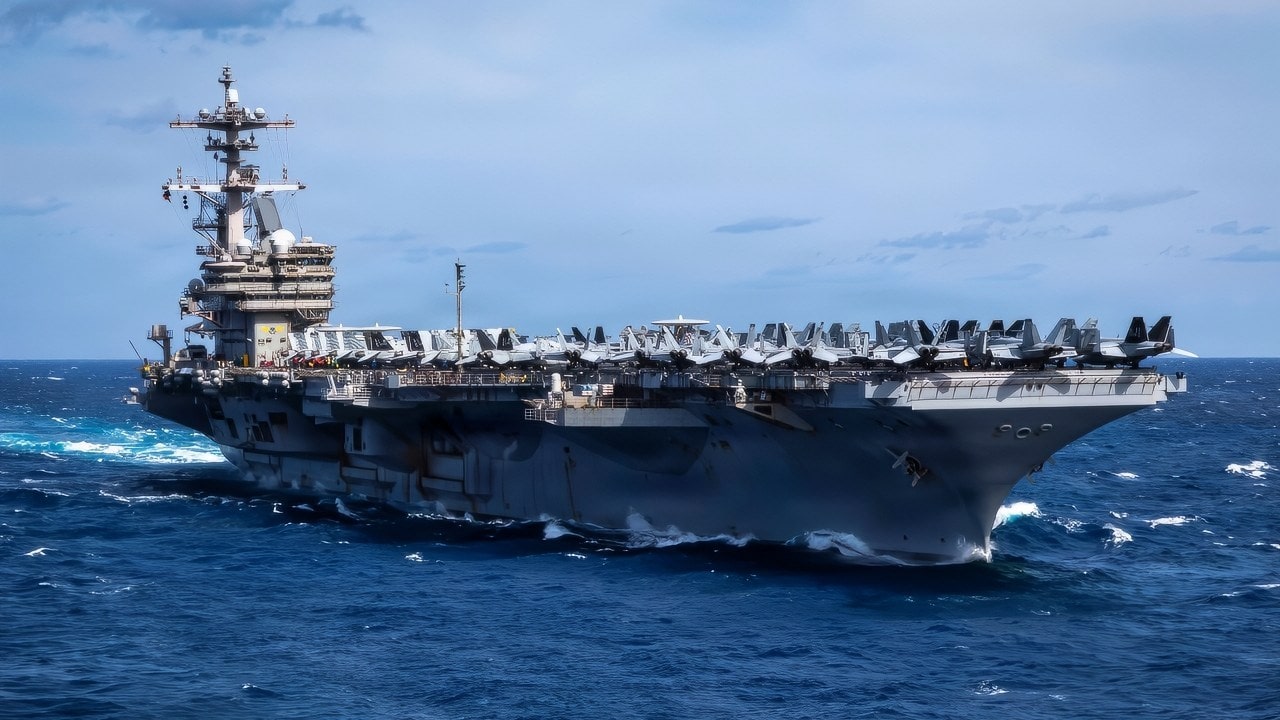
Summary and Key Points: Dr. Michael Rubin, a former Pentagon official, analyzes whether China forced the timing of the 2026 Iran War.
-Despite ongoing diplomatic efforts in Muscat, Oman and Geneva, Switzerland, reports of Xi Jinping authorizing the transfer of “carrier-killer” missiles to the IRGC created an untenable “ticking clock” for the Trump administration.
-This 19FortyFive report explores how these possible shipments, combined with Russia’s delivery of anti-aircraft missiles, narrowed the window for diplomacy, ultimately leading to a preemptive U.S. and Israeli assault to neutralize Iran’s burgeoning asymmetric naval capabilities.
Carrier-Killer Missiles and a Closing Window: Why the Iran War Started Now
U.S. envoys and Iranian diplomats had met several times in Muscat, Oman, and Geneva, Switzerland to try to hash out a deal over Iran’s nuclear program.
Some Iranian officials even claimed there had been progress.
The White House was cynical, however. The Islamic Republic’s playbook has always been to run down the clock. Even if they agree, the Iranian leadership views any understanding as provisional, intended not to bring resolution but only to delay the possibility of retaliation until Trump left the White House.
It is doubtful if Supreme Leader Ali Khamenei would ever sincerely agree to end the nuclear program for a simple reason: No Iranian official was more personally associated with it than Khamenei. He was the Islamic Republic’s president when Tehran restarted the program against the backdrop of the 1980-88 Iran-Iraq War, and then diverted even greater resources to it after he became supreme leader in 1989.
By some estimates, Iran has lost up to $1 trillion in sanctions and lost investment and development potential due to its nuclear stance. Khamenei may not care about what ordinary Iranians think, but he cares about his base. He had dug himself so deep into the nuclear hole that he could not forfeit the program and explain just what they had sacrificed so much for.
Still, U.S. and Israeli frustration with Iranian foot-dragging might not explain the timing of the conflict.
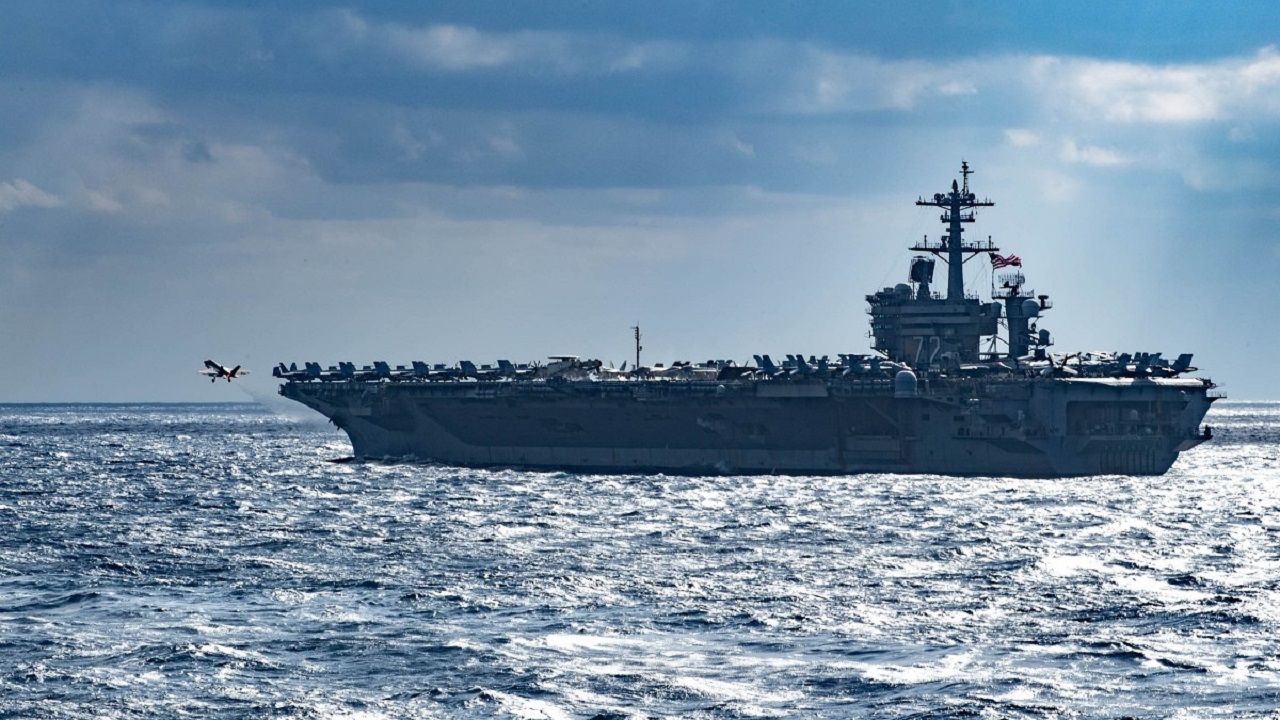
USS Abraham Lincoln. Image Credit: Creative Commons.
In April and October 2024, Israel took out much of Iran’s air defense. The Islamic Republic’s efforts to restore their anti-aircraft capability determined the timing of the June 2025 12-day war.
With Trump claiming military action was necessary to counter an imminent threat, the question is why now? The answer may not lie in Washington or Jerusalem but rather in Moscow and Beijing. Both Russia and China cared little about the threat the Islamic Republic posed to the Middle East.
Both had gotten a general free pass from Iranian attacks on their shipping. European officials knowledgeable about the shipping industry said that shipping insurance companies typically charged a premium of 0.3 percent of the cargo’s value. Chinese and Russian ships continued to pay that amount while U.S., Greek, and Cypriot ships had to pay more than triple that as Houthis targeted them at Iran’s behest.
While Russia has a potential Islamist problem of its own in Chechnya, Dagestan, and Tatarstan, each of which has a birth rate that far exceeds the ethnic Russian birthrate, the Kremlin sees it as an exclusively Sunni problem.
120118-N-QH883-003
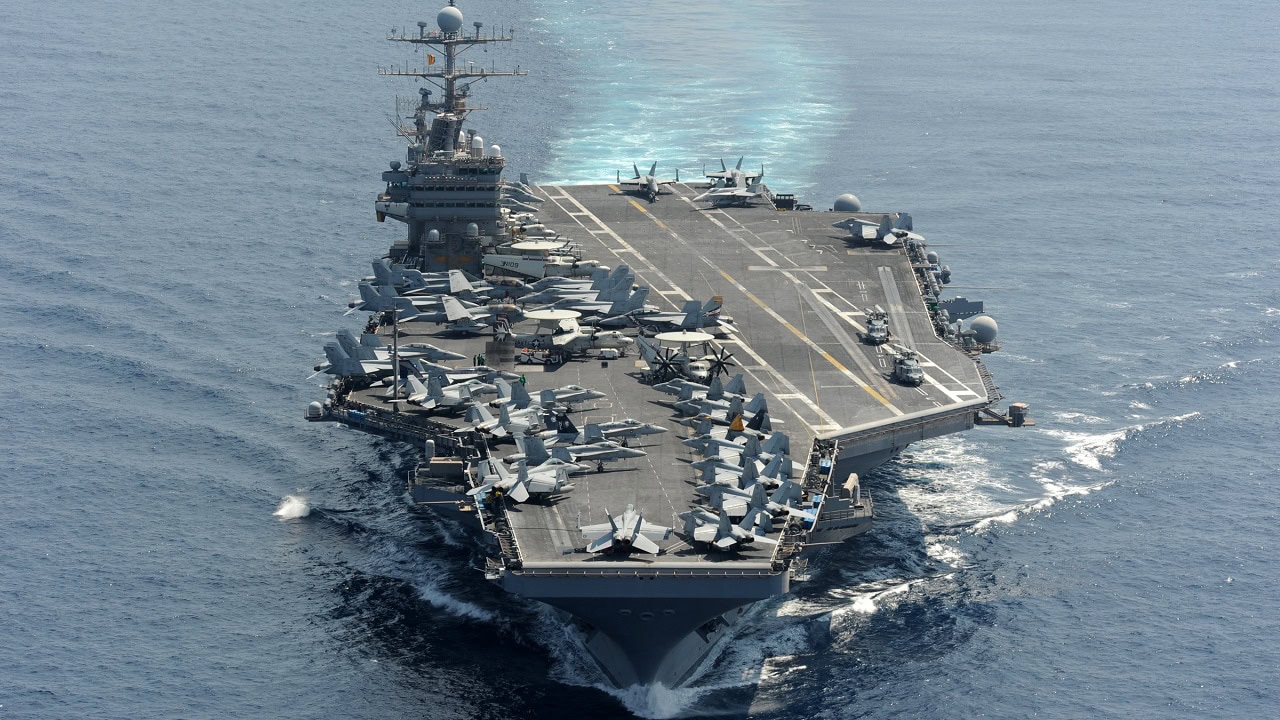
INDIAN OCEAN, (Jan 18, 2012) The Nimitz-class aircraft carrier USS Abraham Lincoln (CVN 72) transits the Indian Ocean. Abraham Lincoln is in the U.S. 7th Fleet area of responsibility as part of a deployment to the western Pacific and Indian Oceans to support coalition efforts. (U.S. Navy photo by Chief Mass Communication Specialist Eric S. Powell/ Released)
By supporting Iran and Hezbollah, the Kremlin believe they can stymie their enemies without suffering blowback, hence Russia has been shipping anti-aircraft missiles to Tehran as late as this month.
China, however, may have gone too far with reports it was sending Iran its carrier-killer missiles.
Those missiles would not give Iran immediate capability—it would take some time to get them set up and to train the Islamic Revolutionary Guard Corps to use them. Still, their shipment would set a ticking clock, significantly narrowing the window for diplomacy.
Many of Trump’s critics in the United States self-flagellate and blame America first. European leaders insist there might have been more time for diplomacy. Indeed, there might once have been. But Chinese President Xi Jinping deliberately or otherwise insured there would not be.
About the Author: Dr. Michael Rubin, AEI and Middle East Forum
Michael Rubin is a senior fellow at the American Enterprise Institute and director of policy analysis at the Middle East Forum. The opinions and views expressed are his own. A former Pentagon official, Dr. Rubin has lived in post-revolution Iran, Yemen, and both pre- and postwar Iraq. He also spent time with the Taliban before 9/11. For more than a decade, he taught classes at sea on the Horn of Africa and the Middle East, covering conflicts, culture, and terrorism to deployed US Navy and Marine units. The views expressed are the author’s own.