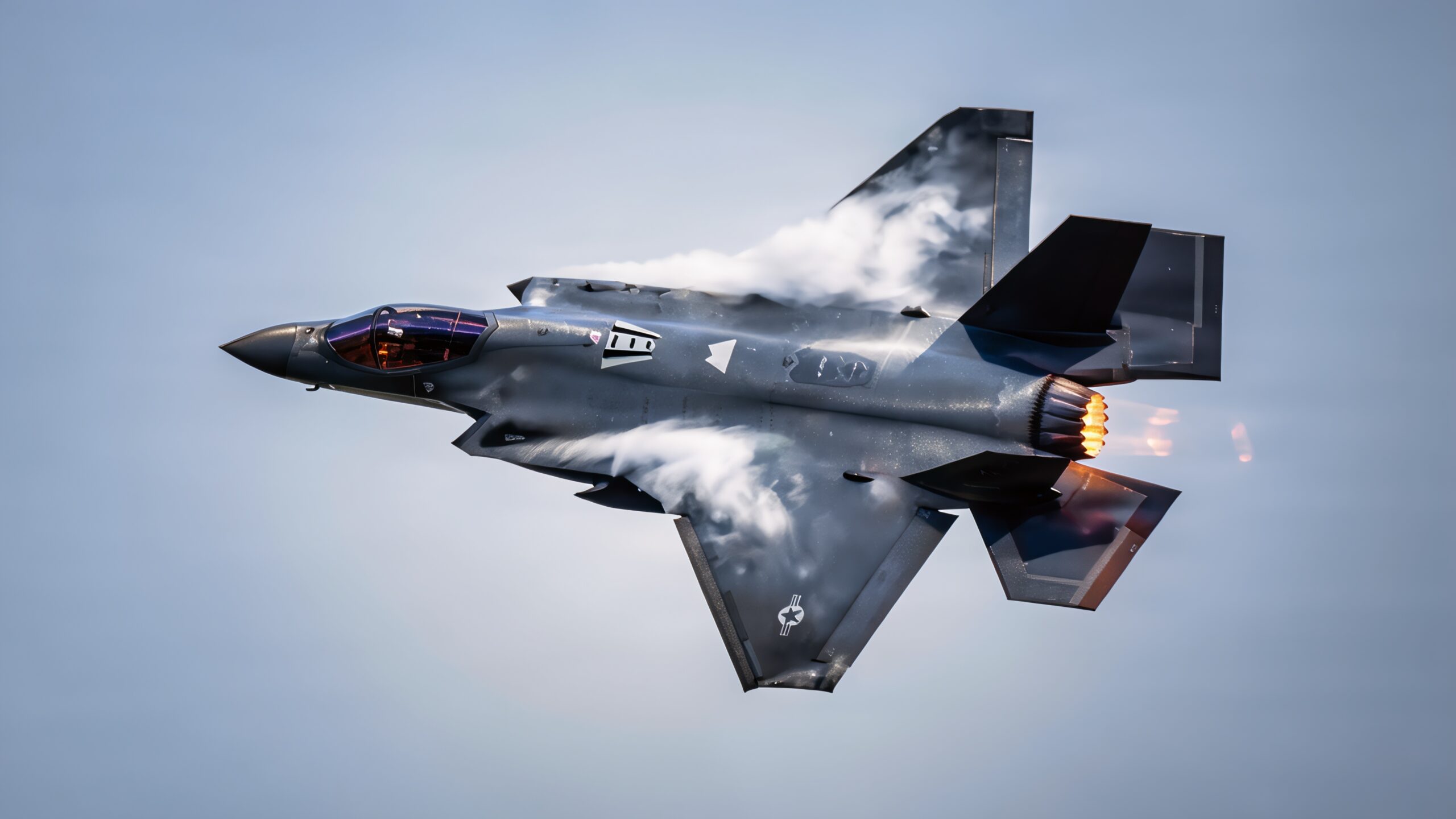
Canada’s deliberations on purchasing American F-35s and Swedish JAS-39 Gripens face a personnel hurdle: ordering more jets won’t solve the need for enough qualified pilots to operate them. The review of the purchase began last March, after heightened tensions between Canada and the U.S. amid President Donald Trump’s tariff threats.
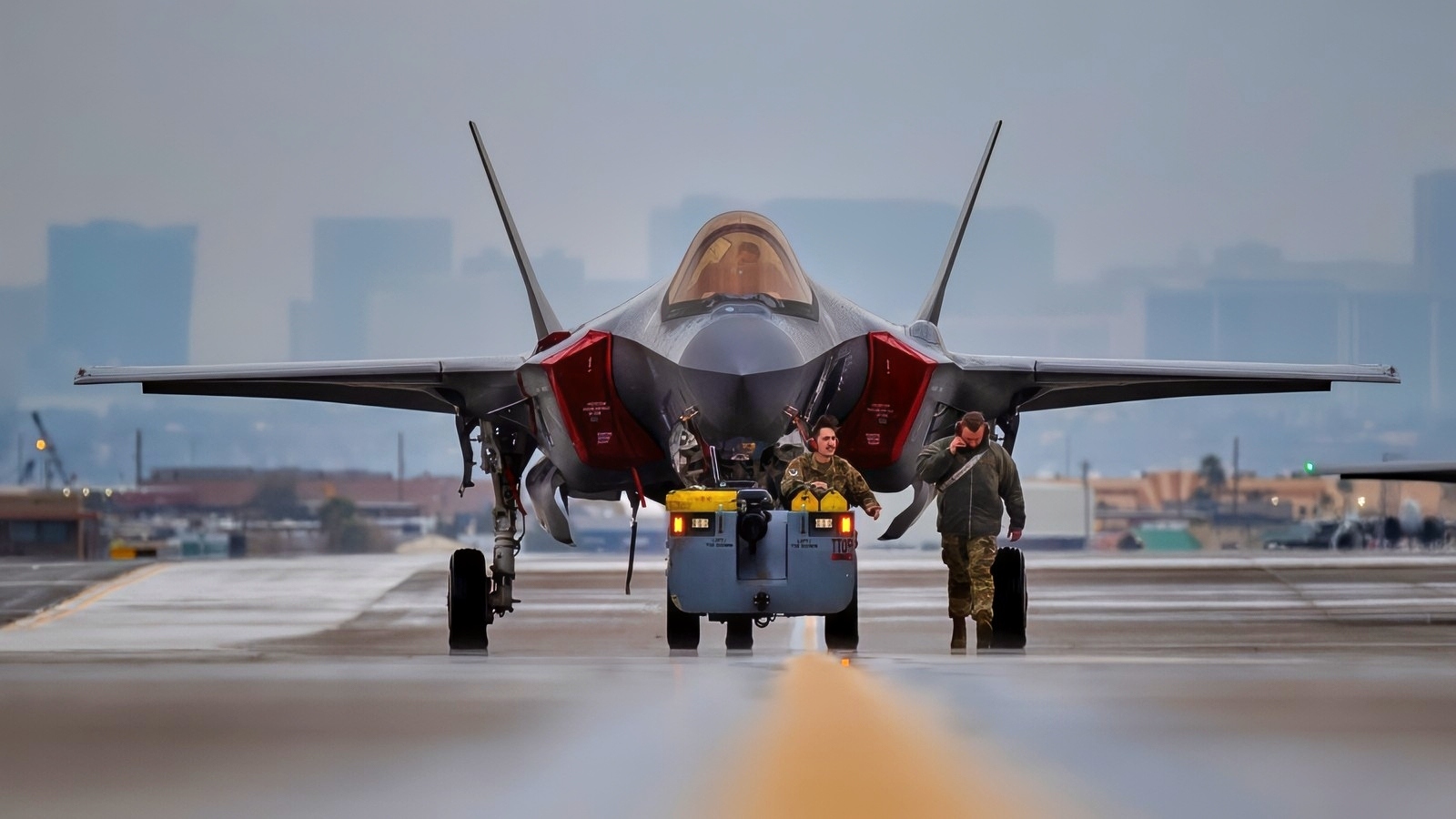
U.S Air Force Senior Airman Kyle Lemanski, left, and Senior Airman Paul Sullivan, crew chiefs assigned to the 421st Fighter Generation Squadron, Hill Air Force Base (AFB), Utah, tow an F-35 Lightning II down the flight line while another F-35 Lightning II taxis during Red Flag-Nellis 24-1 at Nellis AFB, Jan. 22, 2024. This Red Flag will have approximately 30 units and close to 2,000 participants from U.S. and Allied forces. (U.S. Air Force photo by Senior Airman Zachary Rufus)
RCAF’s ‘Short-Term’ Suffering
Retired Royal Canadian Air Force Lieutenant General Alain Pelletier, deputy commander of NORAD from 2020 to 2023, warned that introducing two types would strain pilots, technicians, and trainers to the point of causing RCAF “a growing pain.”
“The RCAF will suffer in the short term because you need to be able to transition to that new fleet, but now you’re transitioning not to a single fleet; you’re transitioning to two new fleets at a time when you’re just short of people.”
“You cannot duplicate people. You cannot clone people. So, it will be a growing pain.”
The Auditor General’s findings somewhat validated his concerns in his 2025 report on fighter jet procurement, which revealed that the F-35 training program “would not produce enough pilots by 2032-33 to meet the numbers required for Full Operational Capability.”
Skilled Workers Required
The Auditor General also noted a shortfall of maintenance technicians, despite the training program’s projections to close that gap by 2033-34, while the construction of the two fighter jet facilities in Cold Lake and Bagotville was “more than three years behind schedule.”
“Having enough skilled personnel is essential to support operational readiness,” said Deputy Auditor General Andrew Hayes during his Address to the Standing Senate Committee on National Security and Defense, Veterans Affairs, and Public Procurement on Canada’s Defense Industry Strategy. “Buying additional aircraft alone was not enough to meet both NORAD and NATO requirements,” he said, referring to Canada’s acquisition of Australia’s fighters.
Despite his misgivings about the F-35 timeline, Ottawa remains committed to buying more of them. Ottawa has ordered 16 F-35s and begun paying for critical equipment for another 14, although the government has yet to announce how many aircraft it will ultimately purchase.
“During the F-35 review, Canada continues to make payments in accordance with the F-35 agreement schedules,” stated the Canadian government in February 2026 procurement notes.
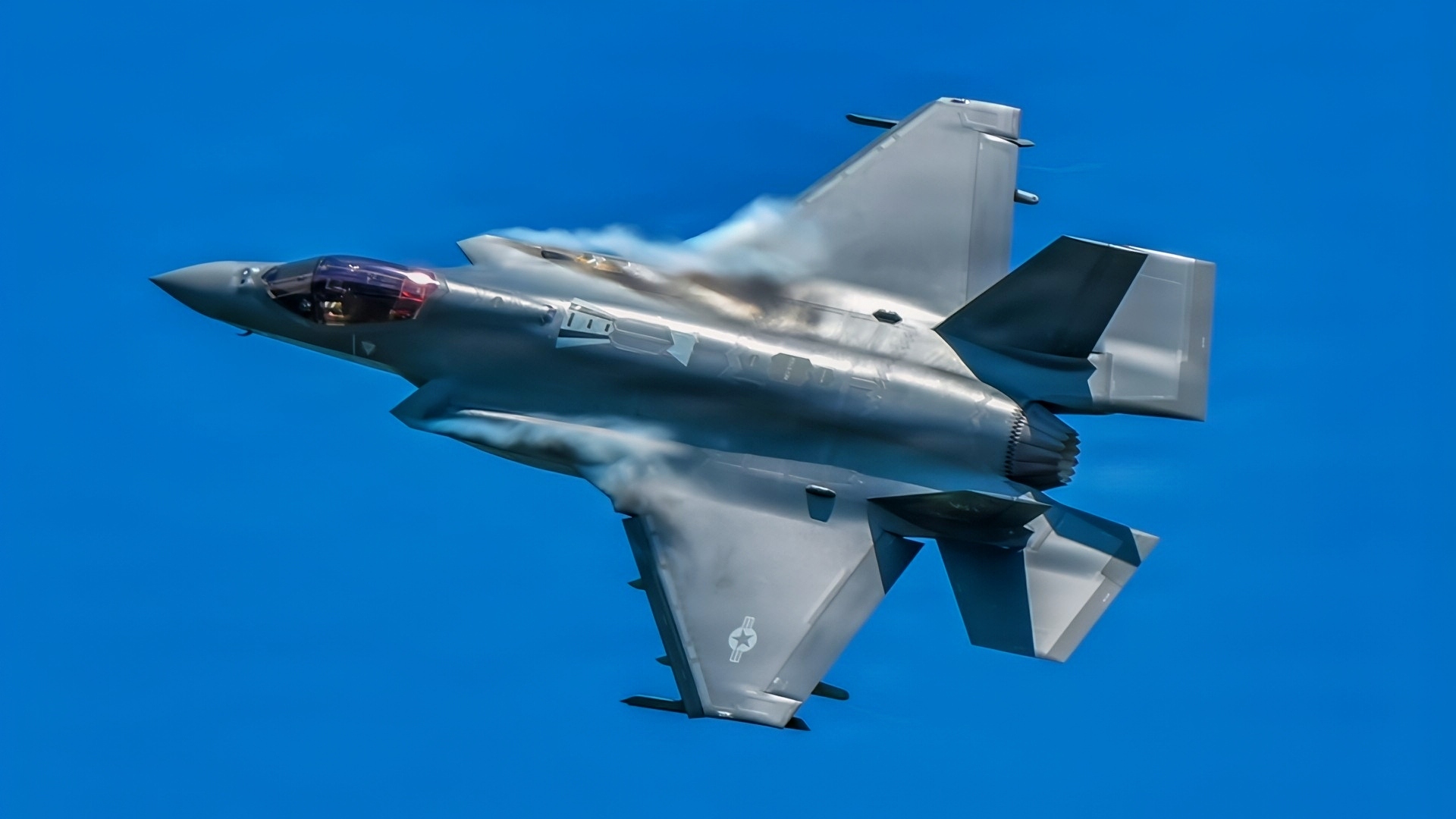
U.S. Air Force pilot Col. Michael ‘Shot’ Glass, 104th Fighter Wing Commander, flies an F-35A Lightning II over Barnes Air National Guard Base at exactly 1:04PM EST, officially marking the historic first arrival of the fifth-generation fighter aircraft to the Wing, June 11, 2026. (U.S. Air National Guard Photo by Jay Hewitt)
“Fighter jet future capability project: first aircraft arrival in Luke AFB, Arizona, in 2026 for training,” notes the published delivery schedule on canada.ca…Transition to the new fighter jet in Canada will begin in 2028.”
The Saab Option
Saab, a Swedish firm, has been pitching itself as an alternative. Meanwhile, GE Aerospace and Magellan Aerospace signed a Memorandum of Understanding on July 22, 2026, to support the F414 engine used in Saab’s Gripen E jet if Canada chooses it as its fighter jet. “This MOU reflects our shared intent to build enduring sovereign aerospace capabilities in Canada.”
None of these agreements confirm that Canada has purchased any of the Swedish manufacturer’s jets.
Arctic Patrols Will Be Essential
Pelletier prefers F-35’s cross-domain capabilities, which involve multi-sensor fusion to give the pilot a single picture of all potential threats.
“I think it is the right choice. It’s the choice that will carry operational capability for the next 30 years or so. I’ve had a chance to look at all the contenders out there at least twice. I think that the F-35 was a good decision, a decision that our NATO partners reflect…” He added: “Having been a pilot, that is crucial to mission effectiveness. You’re able to sense a threat that is out there before it can sense you… The more variables that you control, the better it is for any fighter pilot.”
His assessment of the F-35’s capabilities, particularly its “multi-sensor fusion,” is not limited to aerial threats: “The air threat is only one piece of the all-domain threat that Russia and China could actually exploit.
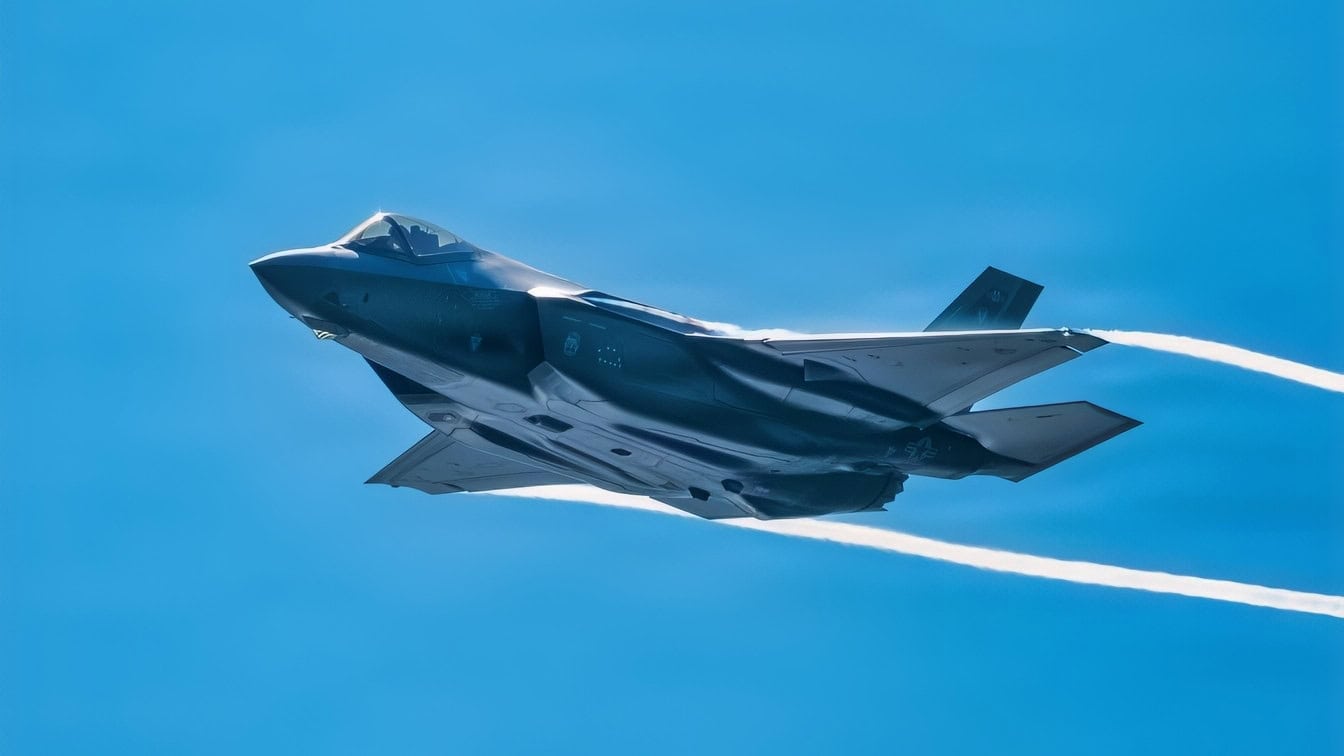
A U.S. Air Force F-35A Lightning II climbs during a demonstration at Misawa Range Day at Draughon Range near Misawa Air Base, Japan, Sept. 11, 2026. Advanced fighter capabilities enhance the combat effectiveness and agility of U.S. airpower, strengthening the ability to respond rapidly and maintain security throughout the Pacific. (U.S. Air Force photo by Airman 1st Class Angelica Winther)
“We’ve had the Canadian Navy monitoring transit of what China calls research vessels that have dual-use capabilities.”
“That’s why in NORAD we had to prepare for all-domain awareness, scanning not only the traditional air corridors, but also the sea routes and having an understanding of what may be coming our way.”
About the Author: Georgia Gilholy
Georgia Gilholy is a journalist based in the United Kingdom who has been published in Newsweek, The Times of Israel, and the Spectator. Gilholy writes about international politics, culture, and education.