
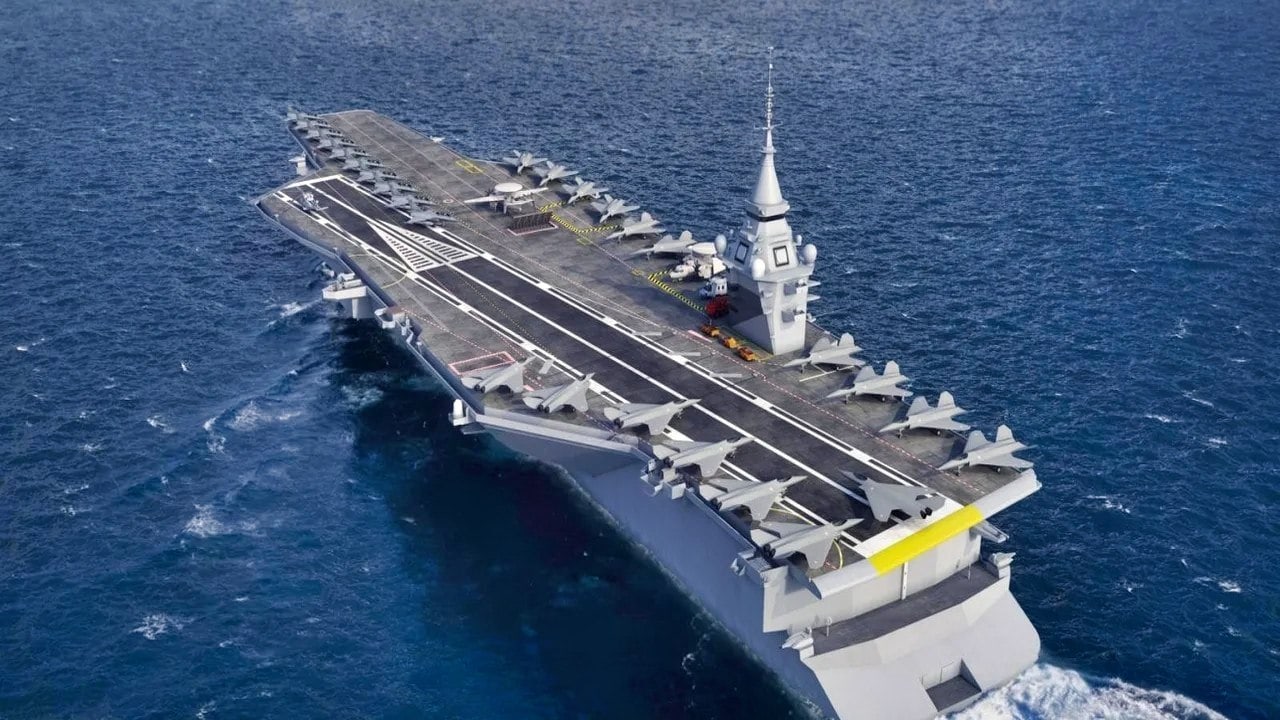
Summary and Key Points: France’s PANG carrier represents a 75,000-ton generational leap in naval aviation, designed to replace the Charles de Gaulle by the late 2030s.
-Equipped with two K22 nuclear reactors and U.S.-designed Electromagnetic Aircraft Launch Systems (EMALS), the PANG will be optimized for the Future Combat Air System (FCAS) and heavy uncrewed combat vehicles (UCAVs).
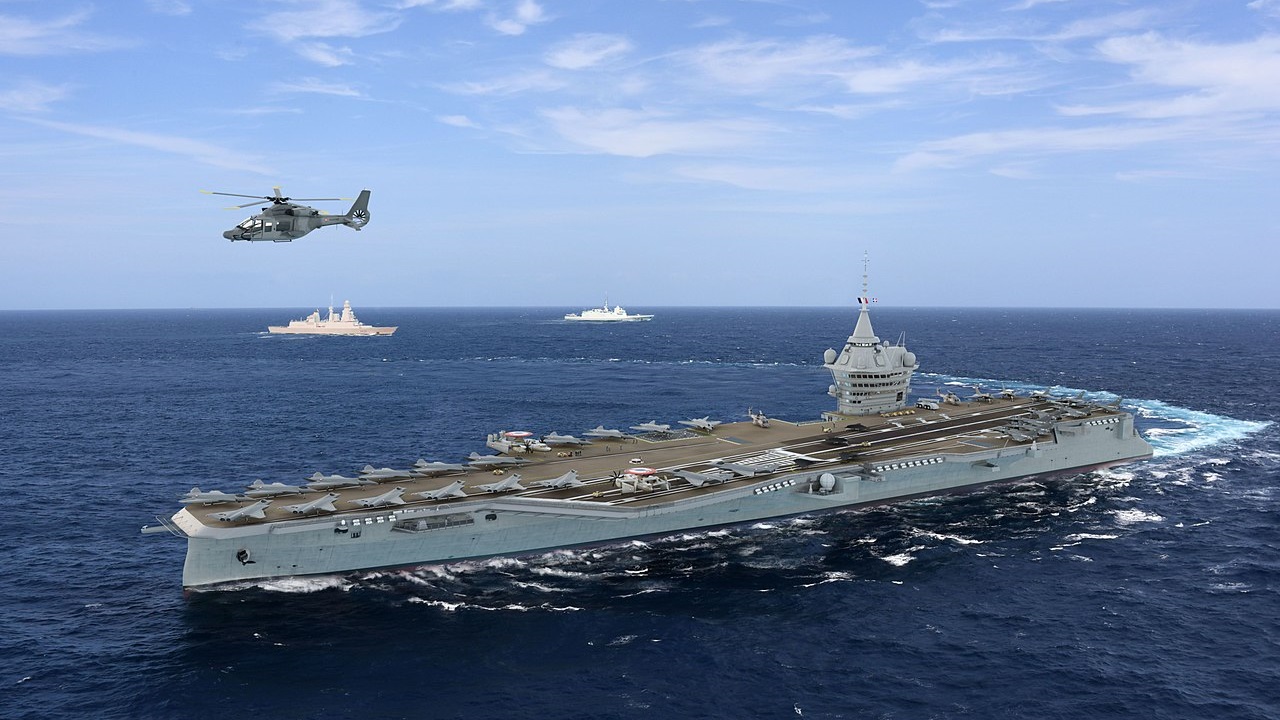
PANG Aircraft Carrier. Image Credit: Creative Commons.
-This “system-of-systems” approach ensures France maintains “strategic autonomy,” offering a higher sortie generation rate and greater endurance than any current European platform.
The “PANG” Leap: France’s 75,000-Ton Supercarrier Summed Up in 2 Words
As a sovereign power-projection instrument, the PANG solidifies France’s role as a global expeditionary actor in the Indo-Pacific and beyond.
France is building a successor to their Charles de Gaulle aircraft carrier, known as the PANG (Porte-Avions Nouvelle Generation). Not just a replacement hull, PANG represents a generational leap in size, power, and air wing capability.
Expected to enter service in the late 2030s, PANG reflects France’s ongoing commitment to strategic autonomy, high-end naval aviation, and great-power relevance.
France Wants a New Carrier
Charles de Gaulle was commissioned in 2001 and will reach the end of its service life by the 2030s.
The single-carrier model creates gaps during maintenance, and the de Gaulle is technologically limited, with steam catapults, limited deck space, and constraints on air wing size.
The under-development Future Air Combat System (FCAS) sixth-generation fighter will be larger and heavier than Rafale, requiring a carrier with a bigger deck and stronger launch systems.
France, hoping to field the FCAS from sea, wants continuous carrier aviation, nuclear-propulsion continuity, and a higher sortie generation rate than the de Gaulle currently offers.
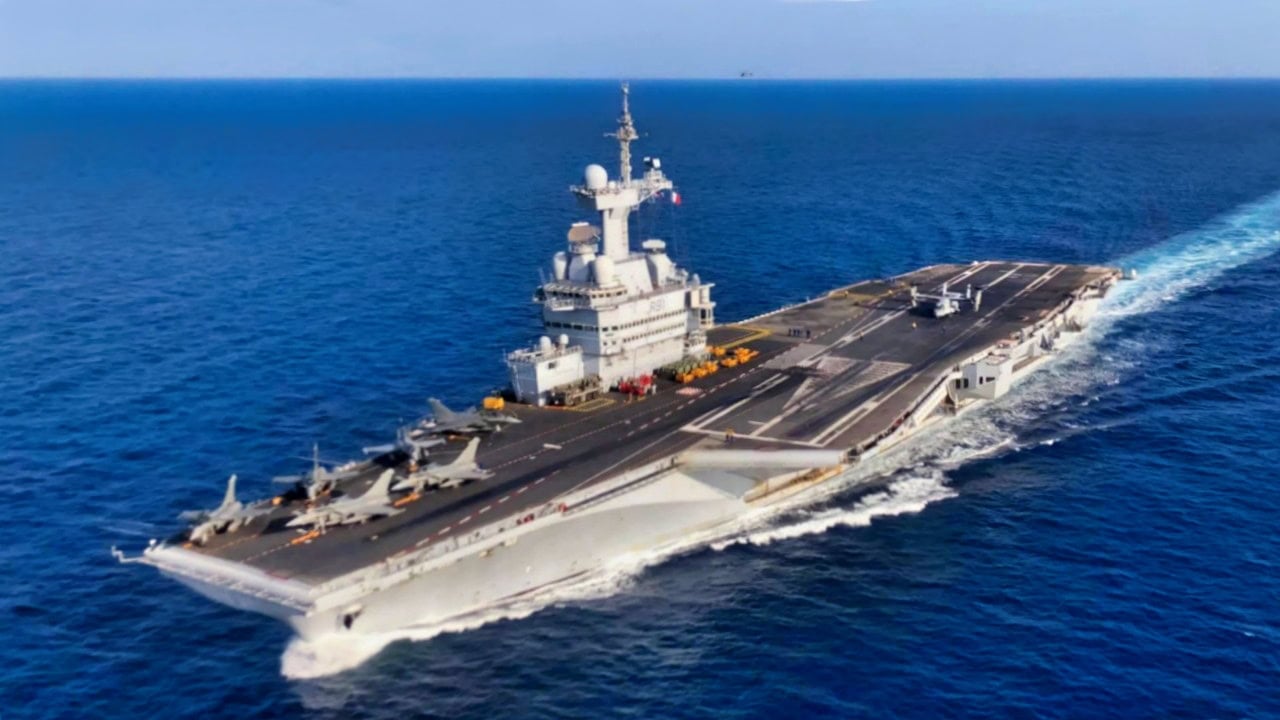
U.S. 5TH FLEET AREA OF OPERATIONS (April 24, 2019) A U.S. Marine MV-22 Osprey assigned to the 22nd Marine Expeditionary Unit sits on the flight deck of France’s Marine Nationale aircraft carrier FS Charles De Gaulle (R 91). This was the second time that Ospreys have landed aboard the French vessel. Marines and Sailors assigned to the 22nd MEU and Kearsarge Amphibious Ready Group are currently deployed to the U.S. 5th Fleet area of operations in support of naval operations to ensure maritime stability and security in the Central region, connecting the Mediterranean and the Pacific through the western Indian Ocean and three strategic choke points. (U.S. Marine Corps photo by Maj. Joshua Smith/Released)
Generational Leap
PANG’s estimated displacement is around 70,000-75,000 tons (nearly double that of the Charles de Gaulle), and its length is 300 meters.
This means a significantly larger flight deck than the de Gaulle, enabling the accommodation of heavier sixth-generation fighters, such as FCAS, larger drones, and future airborne systems.
Yet, despite being double the size of the de Gaulle, PANG will be smaller than the US Ford-class, which displaces 100,000 tons.
Technical Upgrades
PANG will use next-generation French naval reactors. The benefit here is a virtually unlimited range, high sustained speed, and greater electrical output.
Electrical power is critical for EMALS (electromagnetic catapults), advanced radar, and perhaps directed-energy systems. And of course, PANG will maintain France’s nuclear naval expertise through continuity.
France is planning to adopt US-designed EMALS launch systems, the same currently used with the Ford-class.
This would represent a major shift from steam catapults. The benefits are the ability to launch heavier aircraft, reduced stress on airframes through more gradual acceleration, and better integration with unmanned systems.
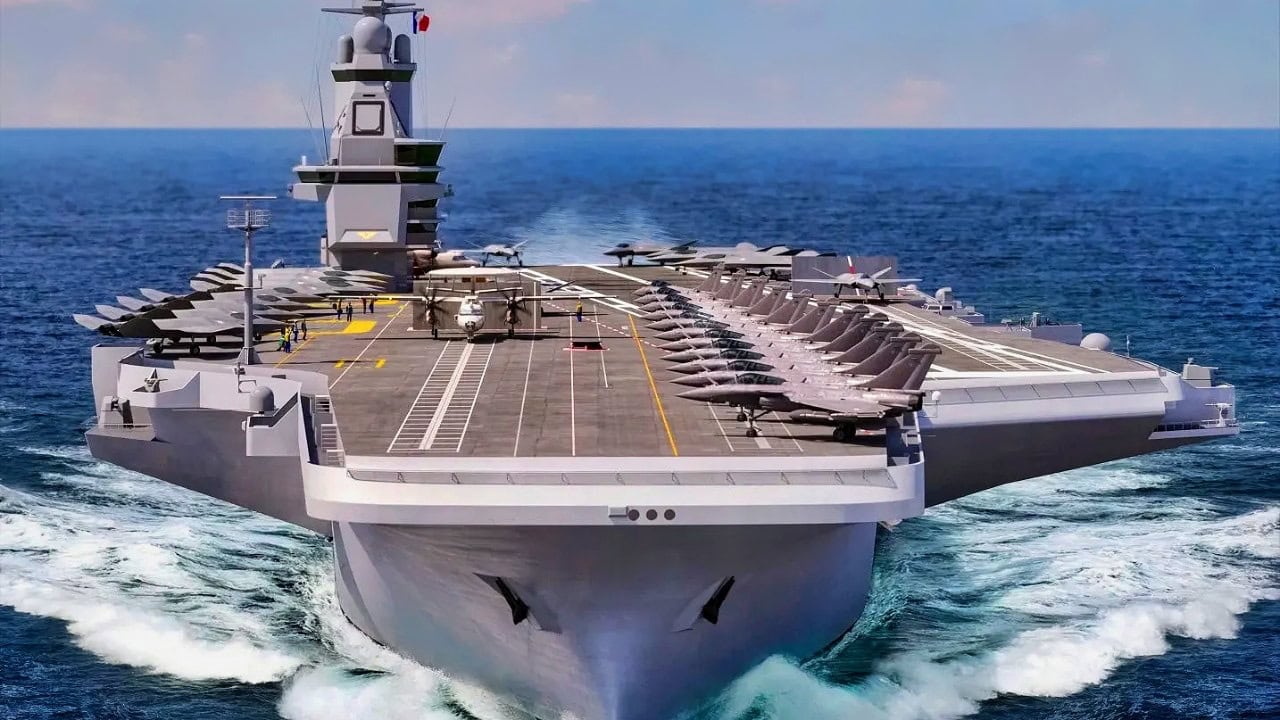
PANG Aircraft Carrier from France. Image Credit: Industry Handout.
PANG is also likely to feature Advanced Arresting Gear (AAG), also currently in use with the Ford-class. The incorporation of both systems symbolizes deep technical cooperation with the US while preserving French autonomy.
FCAS?
PANG is designed around a future air wing that is expected to include the FCAS, a sixth-generation fighter larger, stealthier, and heavier than the Rafale. FCAS production has been delayed due to various European nations attempting to collaborate on a joint project.
But assuming the program resumes as planned, FCAS will be a foundational platform in French aviation.
PANG will also be compatible with carrier-capable unmanned combat air vehicles (UCAVs), evolved E-2D Hawkeye (or next-gen AEW), and helicopters used for ASW and SAR.
The shift will be away from a Rafale-centric strike group toward a manned-unmanned teaming ecosystem.
Tactical Implications
PANG’s larger deck should equate to a higher sortie rate; EMALS should equate to better launch flexibility. PANG will also have increased fuel and ordnance capacity, enabling it to operate in more contested environments.
But a single carrier system is still vulnerable to A2/AD; survivability will still depend on escorts and electronic warfare, and will require a modernized French carrier strike group.
Strategically, PANG reaffirms France as the only EU nuclear power with a CATOBAR (or EMALS) carrier, making it a global expeditionary actor. This enables Indo-Pacific deployments, Mediterranean presence, and independent operations if the US is unavailable.
PANG reinforces France’s strategic autonomy doctrine and, indirectly, supports nuclear deterrence by enabling France’s air-launched deterrent component.
Challenges and Risks
The program is not without risk. PANG will cost many billions of euros and require industrial coordination across the French defense sector. FCAS uncertainty remains—and if FCAS falters, air wing integration becomes complicated.
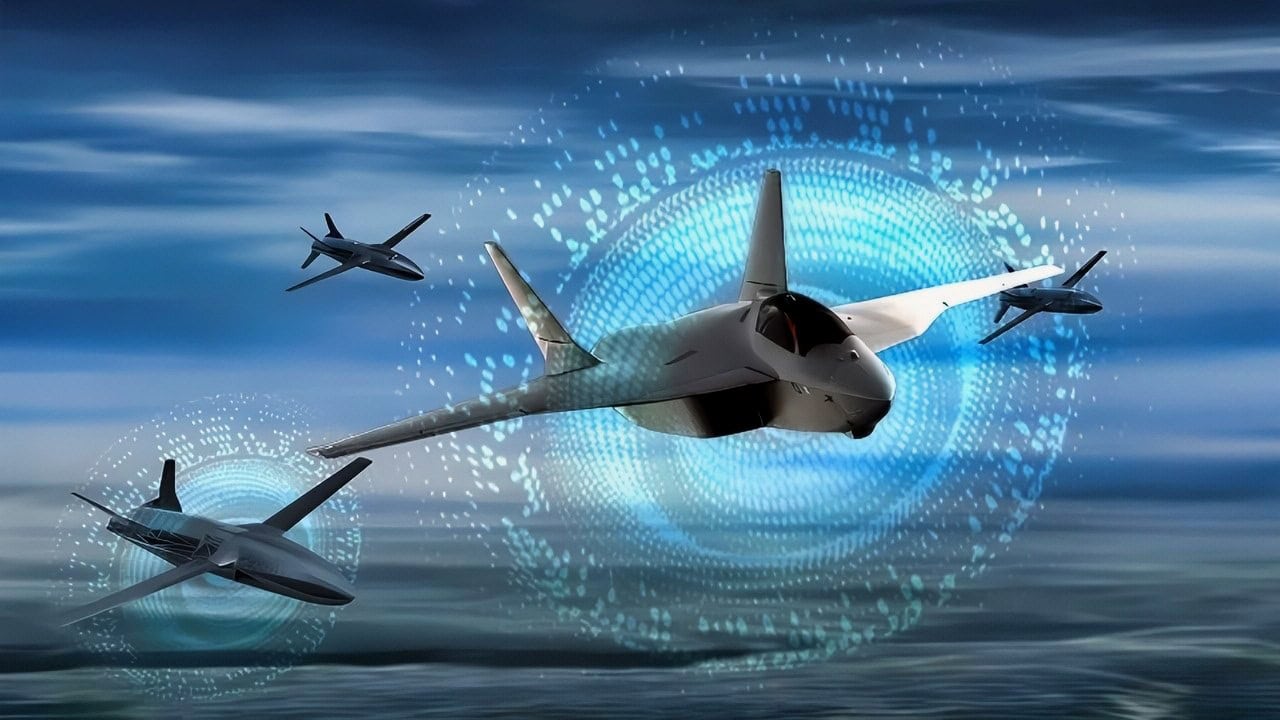
FCAS. Image Credit: Industry Handout.
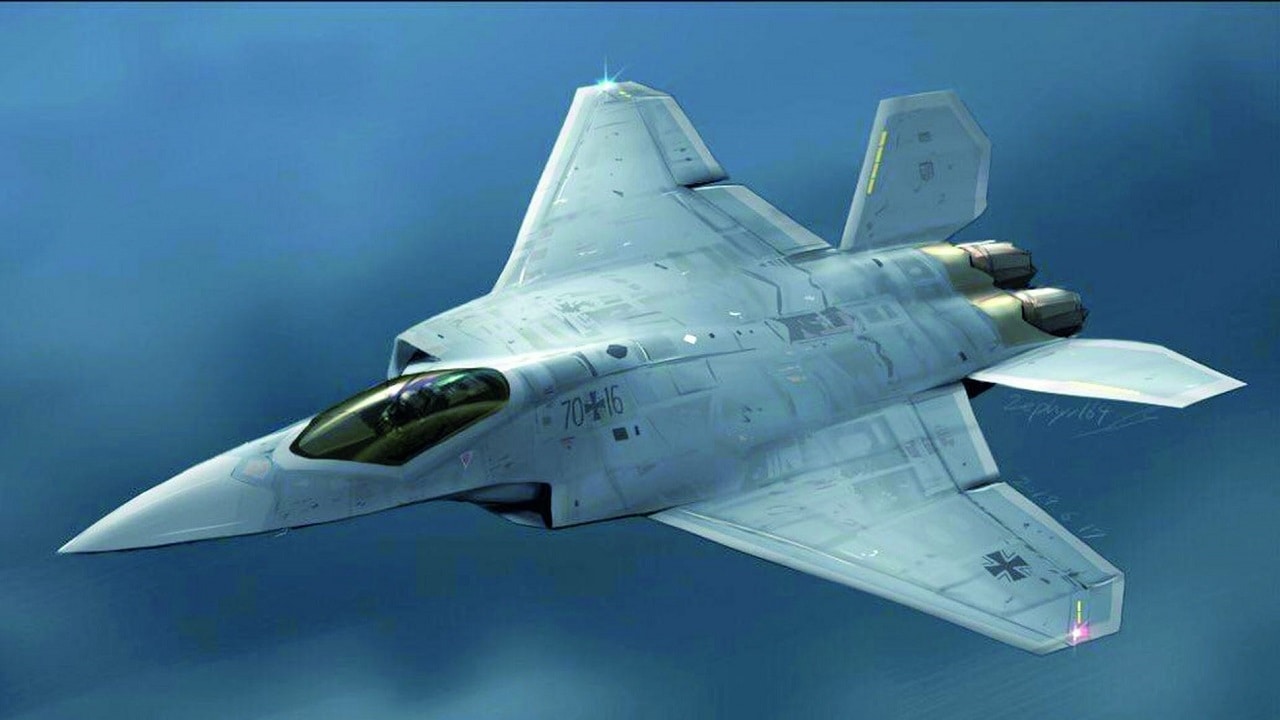
FCAS. Image Credit: Creative Commons.
There is a timeline risk, too; the service entry is 15 years away, assuming everything goes well, meaning the de Gaulle will need to bridge the remaining gap. And, in an age of hypersonic and drone swarms, carrier survivability itself has been called into question.
Still, France is doubting PANG. And though not a supercarrier rival to the US or a mass-production fleet expansion, the project represents a sovereign power-projection instrument and a high-end deterrence platform.
Ultimately, PANG reflects the French commitment to long-term ambition and great-power relevance.
About the Author: Harrison Kass
Harrison Kass is an attorney and journalist covering national security, technology, and politics. Previously, he was a political staffer and candidate, and a US Air Force pilot selectee. He holds a JD from the University of Oregon and a master’s in global journalism and international relations from NYU.