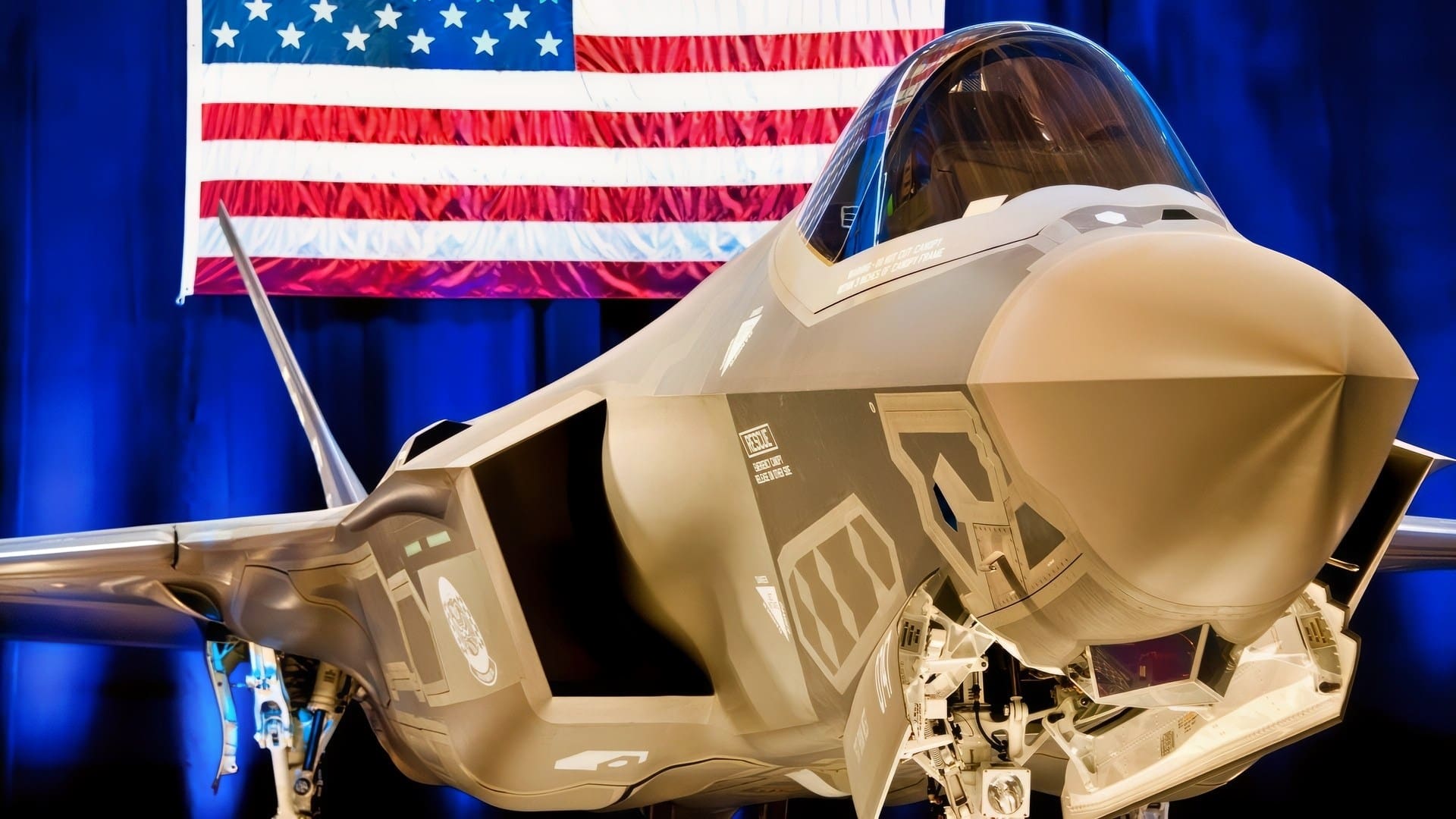
Summary and Key Points: Germany is reportedly considering acquiring at least 35 additional F-35A fighters, potentially doubling its planned stealth fleet to 70+ units.
-This follow-on purchase serves as a strategic hedge against the likely collapse of the Future Combat Air System (FCAS), which Chancellor Friedrich Merz recently questioned as potentially obsolete and too expensive.
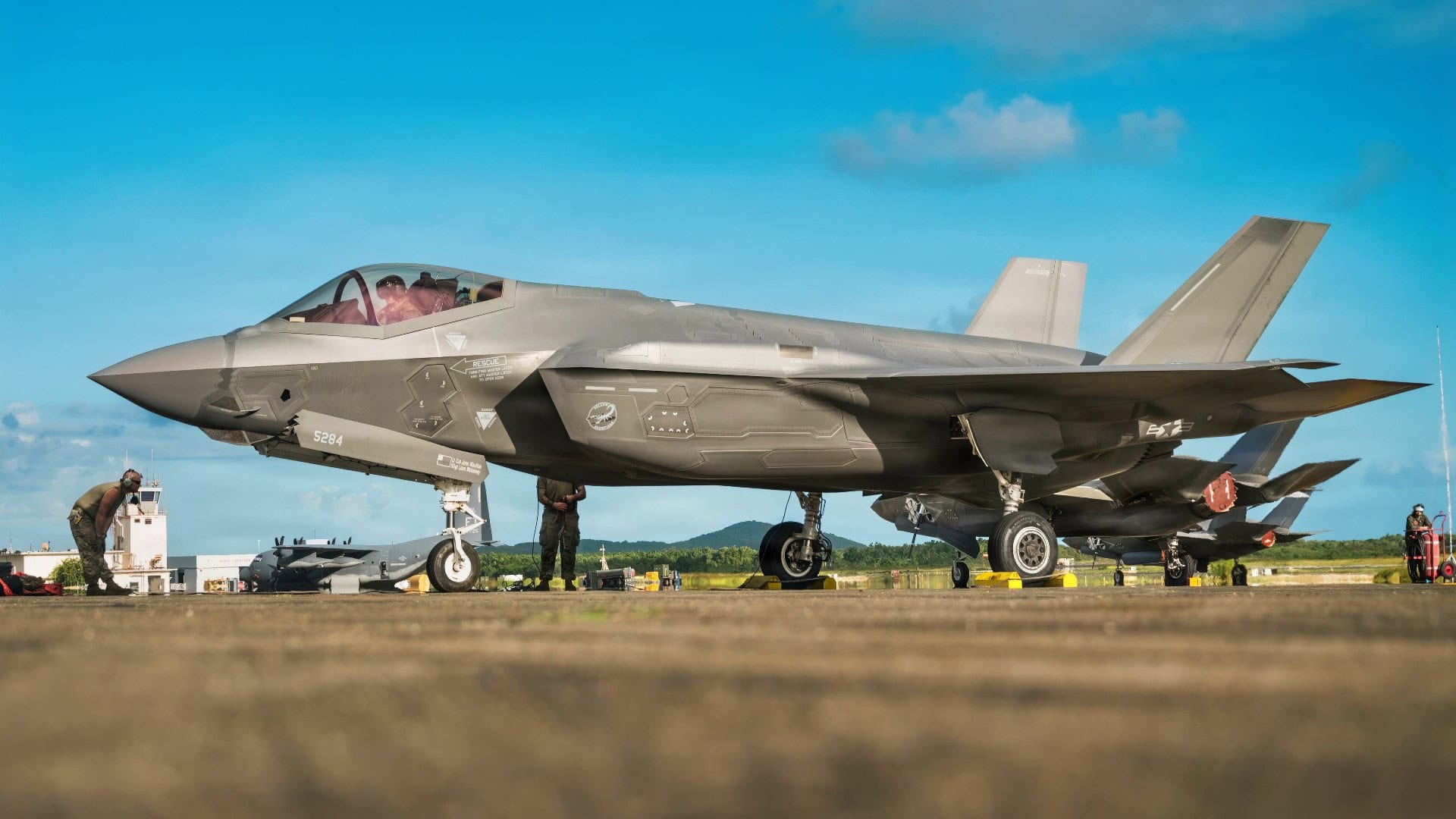
U.S. Air Force crew chiefs perform post flight maintenance on an F-35A Lightning II after its first arrival in Ceiba, Puerto Rico, Dec. 20, 2025. U.S. military forces are deployed to the Caribbean in support of the U.S. Southern Command mission, Department of War-directed operations, and the president’s priorities to disrupt illicit drug trafficking and protect the homeland. (U.S. Air Force photo)
-With the Rheinmetall factory in Weeze already operational as of July 2025, Berlin possesses the industrial capacity to support this expansion locally.
-By shifting toward the F-35, Germany ensures its NATO nuclear-sharing mission remains viable well into the 2040s, regardless of the fate of European sixth-generation initiatives.
Sorry, FCAS: More F-35 Fighters Could Fly for Germany
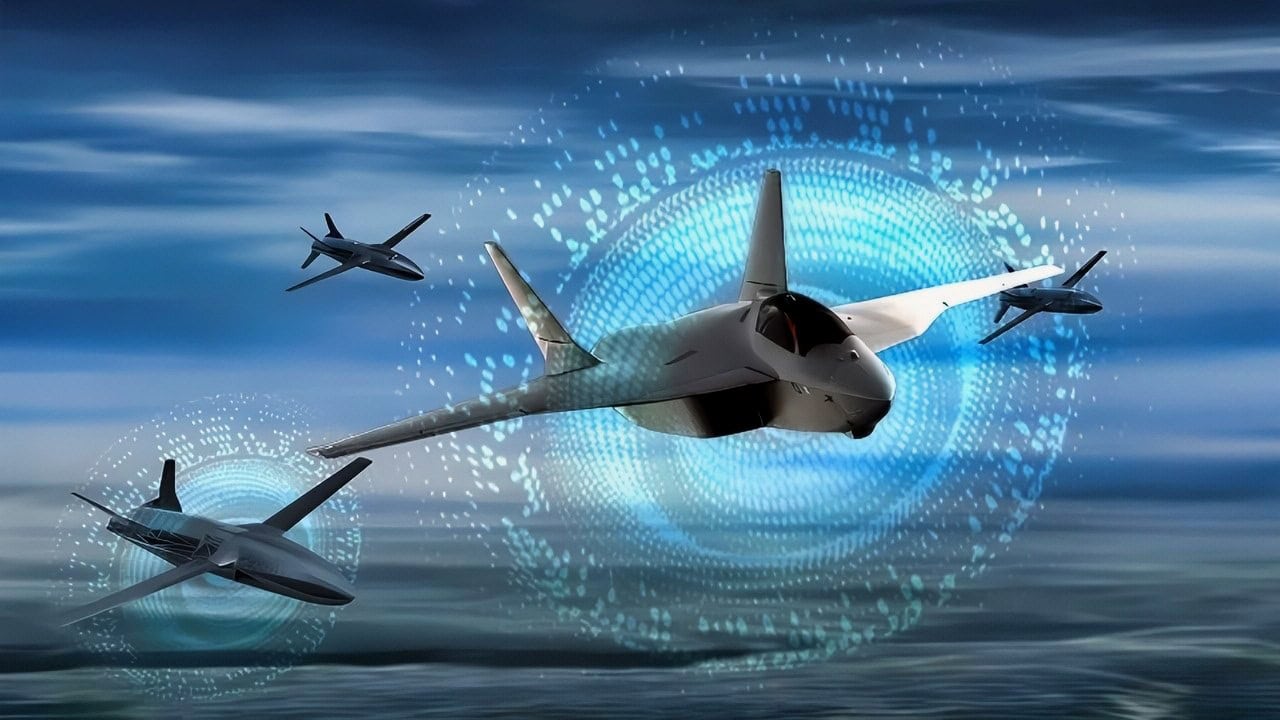
FCAS. Image Credit: Industry Handout.
According to Reuters, Germany is considering adding another 35 F-35A fighter aircraft to the Luftwaffe, doubling the number of the aircraft currently planned to be in German service. Berlin ordered the initial batch of 35 in 2022 to be used for Germany’s role in the NATO nuclear-sharing mission. They are set for delivery in 2027.
The German nuclear mission currently is flown with the previous-generation Panavia Tornado, which is due to be retired in 2030. The F-35A will then assume the nuclear-sharing mission, which is currently cleared to carry the U.S. nuclear gravity bombs stored in Germany.
Berlin decided to acquire the F-35A for two specific reasons. One reason is that it was the only Western fighter that was configured and certified by the United States to carry the most modern B61-12 nuclear bomb.
But Germany also considered other options before deciding on the F-35. One was a proposed reconfiguration of some of the Eurofighter fleet.
This option was ruled out by costs and the possibility of compromising proprietary information and design details by sharing them with U.S. industry.
US Aircraft Options
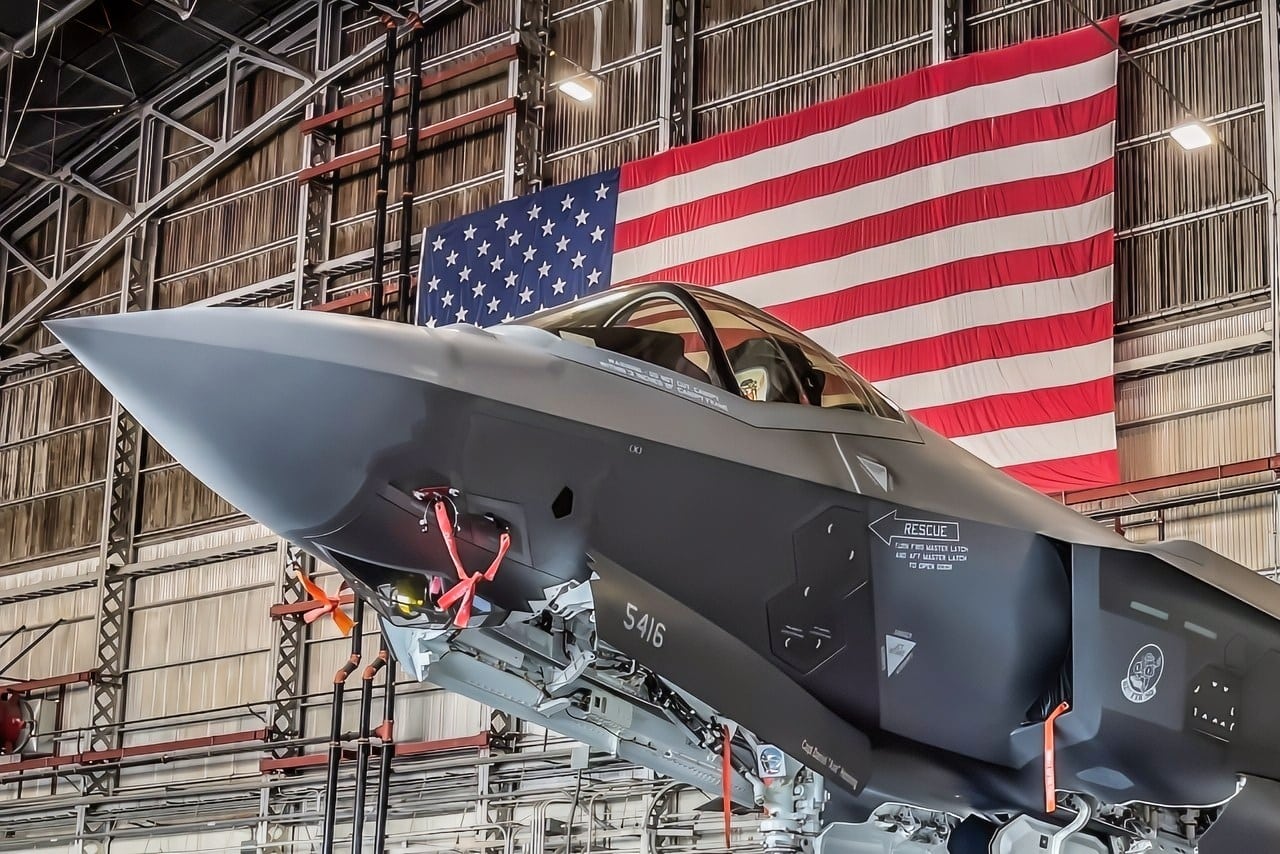
An F-35 Lightning II assigned to the 62nd Fighter Squadron, Luke Air Force Base, Ariz., sits in a hangar ahead of operations for the F-35 Lightning II TDY, Oct. 28, 2021, at Joint Base San Antonio-Kelly Field, Texas. The 62nd FS will be training with F-16s from the 149th Fighter Wing and the 301st Fighter Wing, along with T-38s from the 301st Fighter Wing. The multi-role capabilities of the F-35 allows them to perform missions which traditionally required numerous specialized aircraft. The complimentary air superiority capabilities of the F-35 will augment our air superiority fleet and ensure we continue to “own the skies” over future battlefields. (U.S. Air Force photo by Brian G. Rhodes)
The Luftwaffe fleet consists of 138 Eurofighter Typhoons, 68 Tornado Interdiction and Strike (IDS) strike aircraft—8 of which are in long-term storage—plus 20 Tornado Electronic Combat Reconnaissance (ECR) electronic warfare variants. The question is how many of these aircraft should be kept and how many retired to make room for some other type to perform the nuclear mission.
In 2020 the Luftwaffe proposed acquiring a mix of 30 F/A-18E/F Super Hornet and 15 EA-18G Growler electronic attack aircraft. These 45 U.S.-made aircraft plus 40 new Eurofighters—a total of 85 new air frames—would replace 90 Panavia Tornado IDS/ECR aircraft in service now.
However, by 2022 the plan changed again. A source in the German Ministry of Defense told Reuters in February of that year that the Luftwaffe was instead considering the Lockheed Martin F-35 as the Tornado’s replacement. These aircraft would then be supplemented by 15 of a new Eurofighter variant that would be equipped for electronic warfare.
These 15 Eurofighters would be the alternate option in place of the EA-18G Growlers that were to have been purchased along with the Super Hornets. At the time, however, the Airbus military aircraft division had yet to finalize the development of this EW platform.
Germany ultimately decided to go with the F-35A in March 2022, partly because of performance considerations, and partly because the stealthy aircraft offered more opportunities for cooperation and interoperability with NATO allies.
Hedging Against FCAS Failure
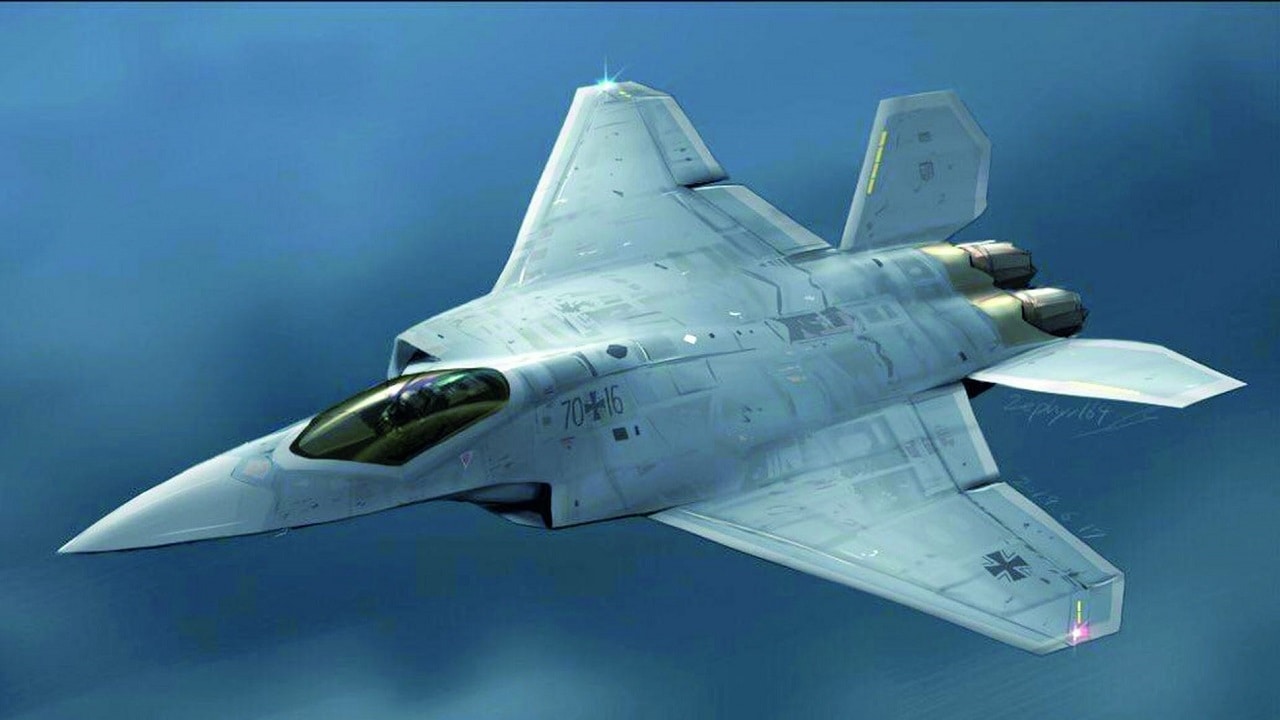
FCAS. Image Credit: Creative Commons.
Germany is now reported to be considering procuring 35 or more additional F-35A fighter aircraft, this again according to sources who spoke to Reuters. However, this follow-on buy is not being contemplated to replace an older aircraft that is already in the Luftwaffe fleet.
Rather, this acquisition would hedge Germany’s bets in case an aircraft Berlin plans to purchase in the future is instead never produced.
The additional F-35s would be a fallback option in case the Franco-German Future Combat Air System (FCAS) program falls apart—which is a real possibility. There have been numerous conflicts between the two partners, and these have become more rancorous of late. Many industry observers are betting that the partnership may be dissolved before long.
Rumors about Germany taking on more F-35s circulated as early as late last year. The main issue is funding. Procurement would include engines, ground equipment, logistics, and the additional modifications for the aircraft to be certified for the nuclear role. That would push the cumulative investment for a fleet of 70-plus German F-35s to more than €15 billion. The final cost would depend on the total quantity of aircraft to be procured and the negotiated support contracts.
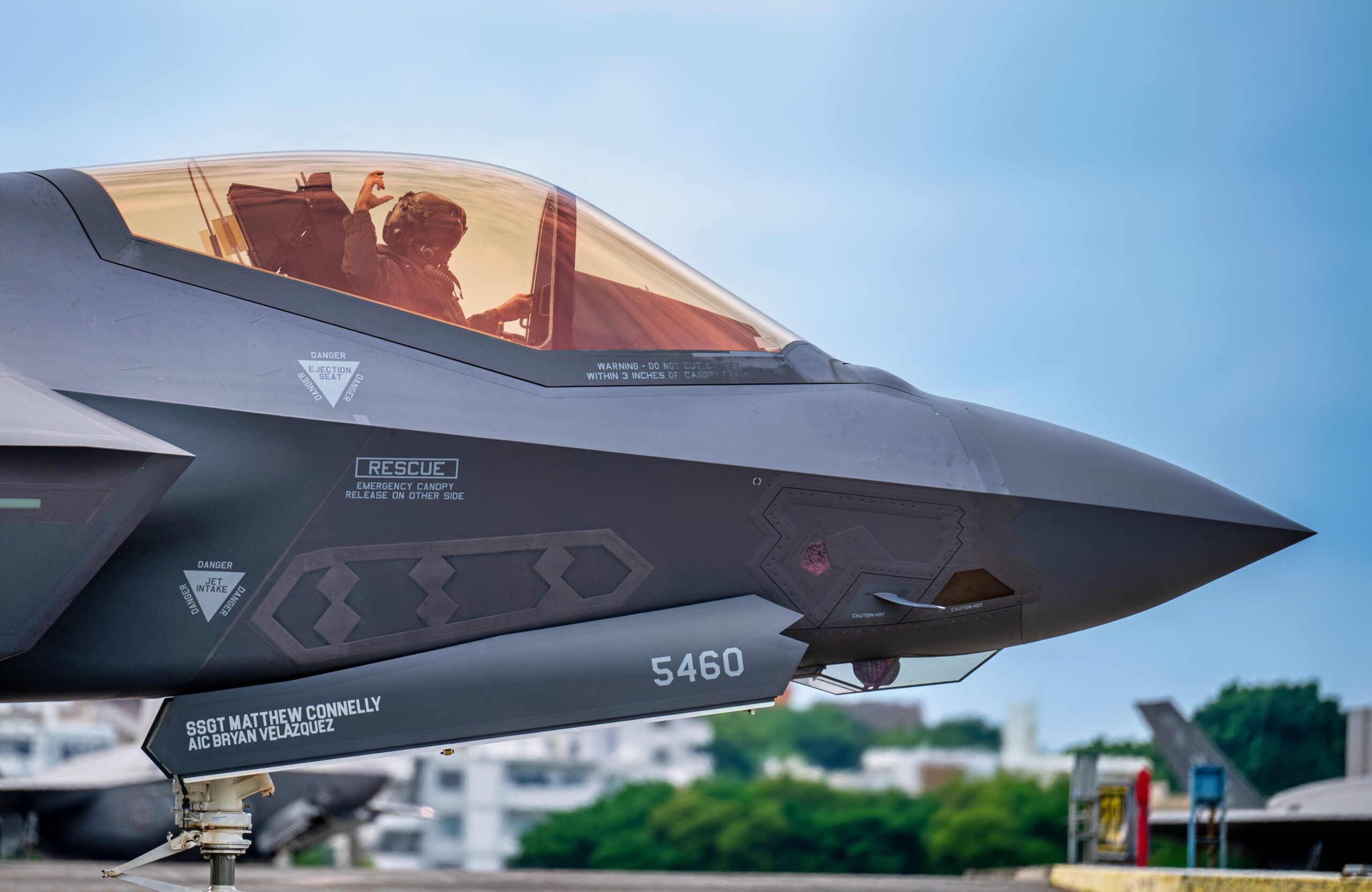
A U.S. Air Force F-35A Lightning II pilot assigned to the 355th Expeditionary Fighter Squadron taxis on the flightline at Marine Corps Air Station Futenma, Japan, during a routine 18th Wing readiness exercise at Kadena Air Base, Japan, May 6, 2025. The U.S. Air Force continues to work on its ability to meet new challenges in dynamic environments. In line with this direction, U.S. Pacific Air Forces is constantly evaluating and validating new warfighting concepts. (U.S. Air Force photo by Senior Airman Catherine Daniel)
Under the agreement for the initial purchase of 35 aircraft, Germany will manufacture center fuselage sections of the F-35 and other components at a Rheinmetall facility that was stood up specifically for this program. This new production site began operations in early July 2025 in the city of Weeze, in North Rhine-Westphalia, and would presumably be able to handle any increase in numbers.
About the Author: Reuben F. Johnson
Reuben F. Johnson has thirty-six years of experience analyzing and reporting on foreign weapons systems, defense technologies, and international arms export policy. Johnson is the Director of Research at the Casimir Pulaski Foundation. He is also a survivor of the Russian invasion of Ukraine in February 2022. He worked for years in the American defense industry as a foreign technology analyst and later as a consultant for the U.S. Department of Defense, the Departments of the Navy and Air Force, and the governments of the United Kingdom and Australia. In 2022-2023, he won two awards in a row for his defense reporting. He holds a bachelor’s degree from DePauw University and a master’s degree from Miami University in Ohio, specializing in Soviet and Russian studies. He lives in Warsaw.