
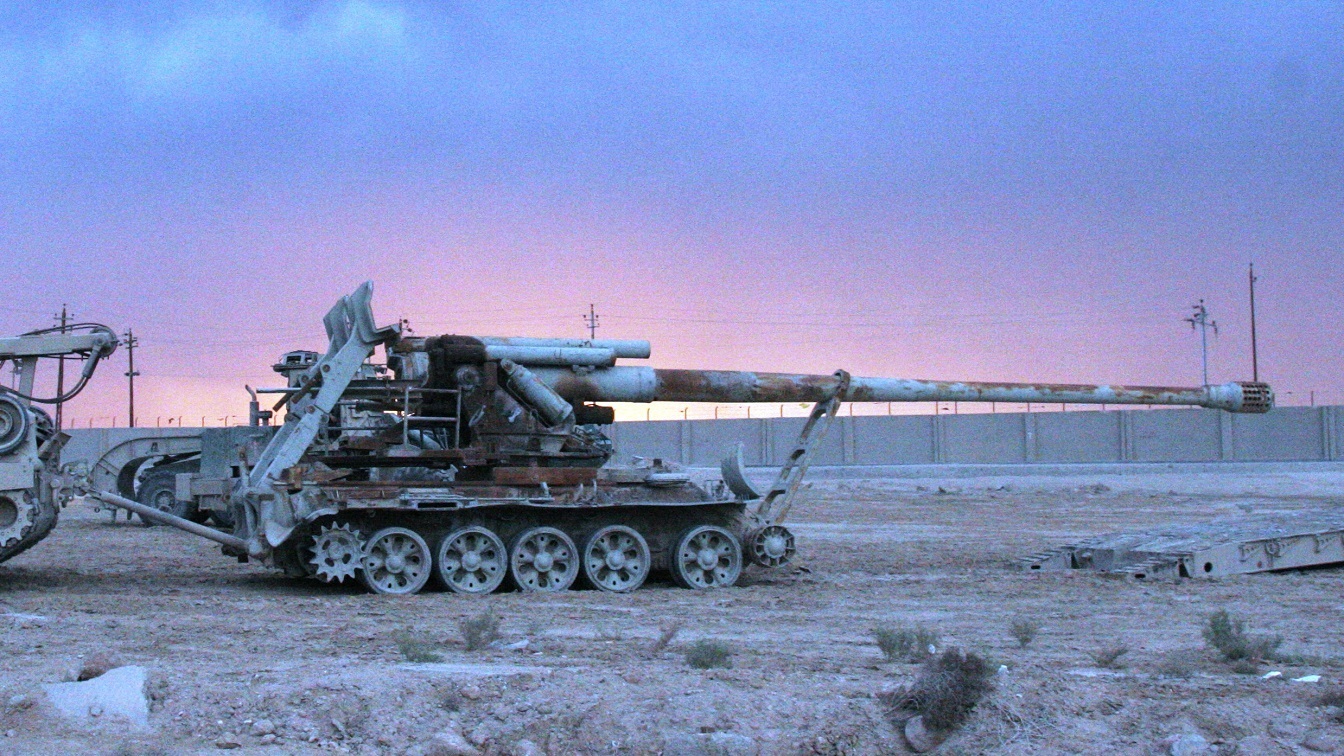
Summary and Key Points: Dr. Robert Kelly, a professor of international relations at Pusan National University and an expert on North Korea, analyzes the dangerous command-and-control dilemma arising from the February 2026 rollout of 50 new 600mm nuclear-capable launchers.
-As the Ninth Workers’ Party Congress cements Kim Jong Un’s “two-state” hostile policy toward Seoul, the regime’s transition to a tactical nuclear warfighting posture demands a shift from assertive to delegative control.
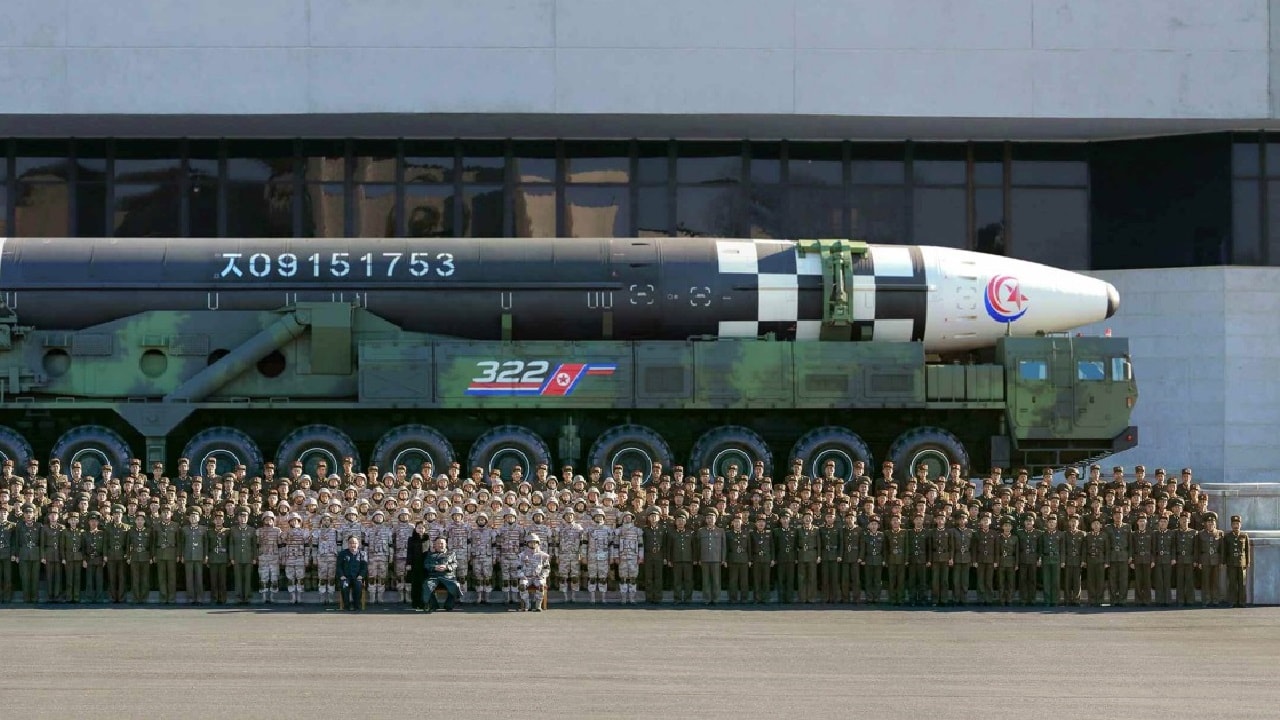
North Korea ICBM. Image Credit: KCNA.
-This 19FortyFive analysis explores how the “fog of war” and potential isolation of Pyongyang during a conflict with U.S. and South Korean forces could render North Korea’s battlefield nuclear arsenal unusable without risky delegation to frontline commanders.
The Kim Cult Dilemma: Can North Korea Actually Use Its New Nuclear Artillery?
Ahead of a meeting of the ruling communist party in North Korea, the regime displayed what it claims is nuclear-capable artillery.
North Korea is prone to boasting and is a deeply corrupt country, so it is hardly sure that the mobile rocket launchers it showed will do what Pyongyang claims.
But this roll-out is the latest demonstration of North Korea’s interest in developing nuclear weapons for battlefield use.
The artillery could be a frightening development. It suggests North Korea’s threshold to use nuclear weapons is quite low.
This seems irrational, considering the likely global reaction to a North Korean nuclear launch. But for small, highly vulnerable countries, nuclear first use is actually attractive.
Indeed, North Korea is not the only small nuclear-weapon-possessing country that would likely use nuclear weapons first. Pakistan likely would do the same.
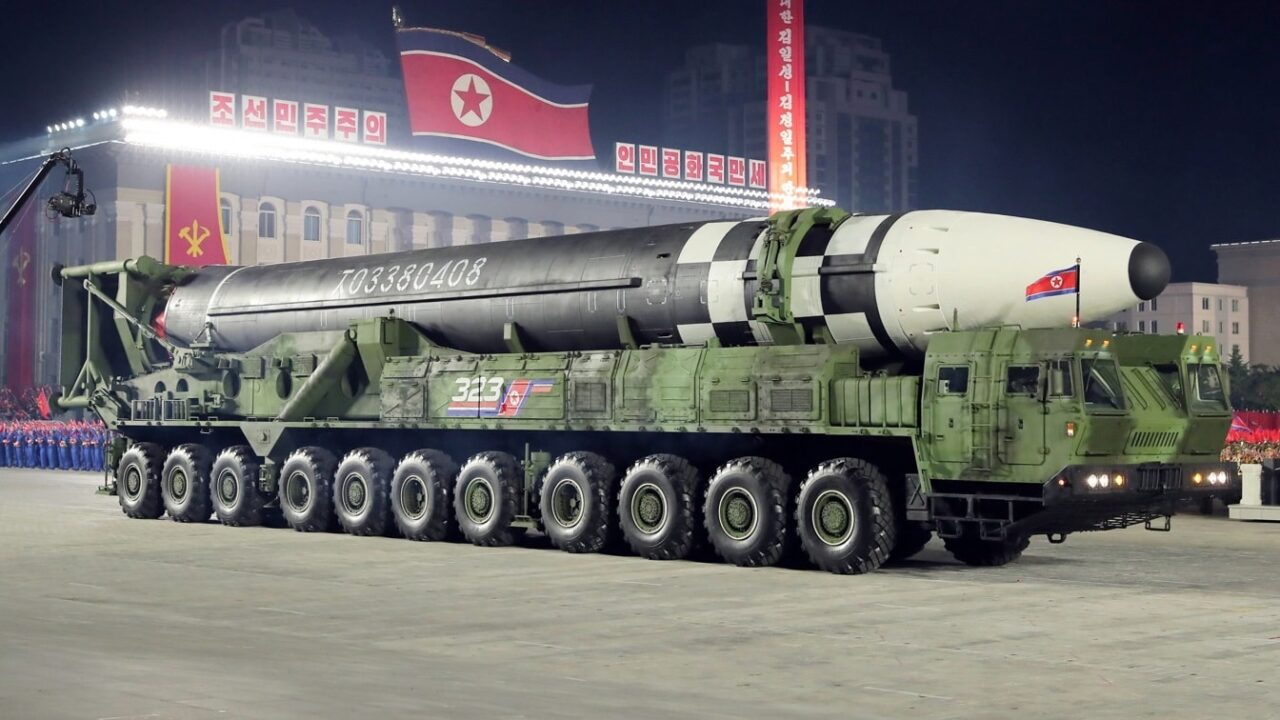
North Korean Hwasong-16 ICBM. Image Credit: KCNA/North Korean State Media.
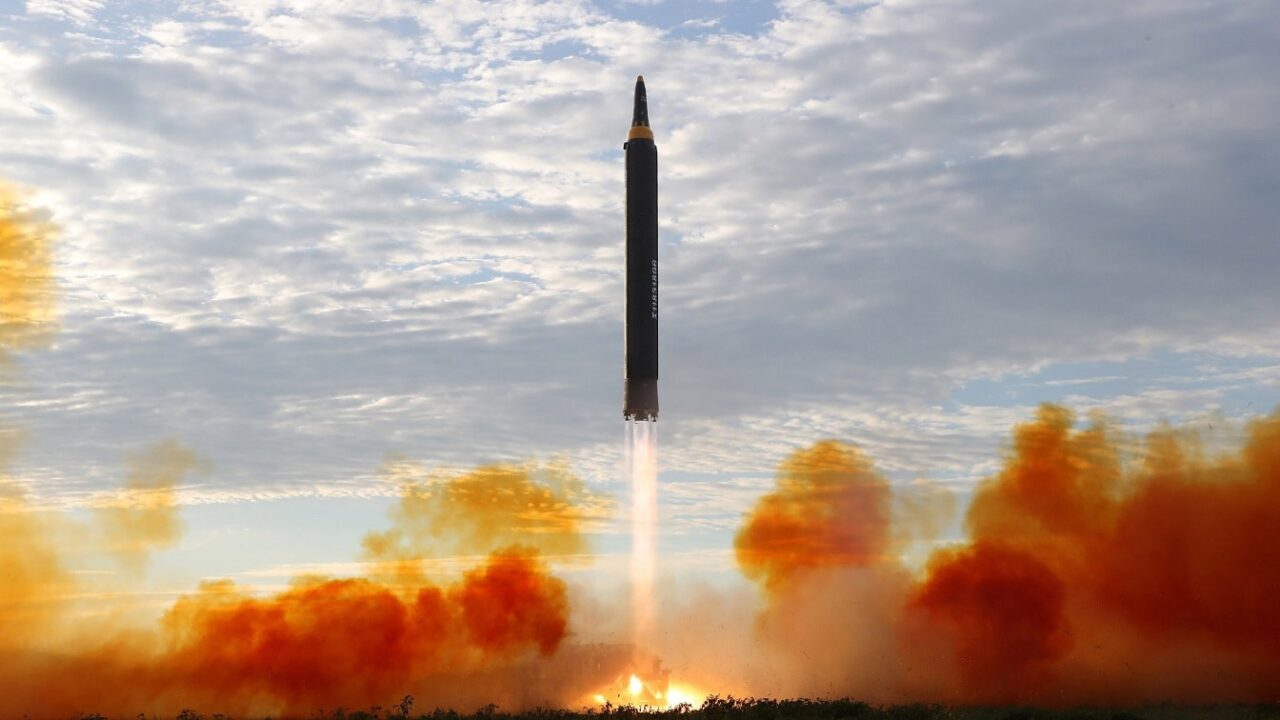
North Korean Test of Hwasong-15 ICBM. Image Credit: Creative Commons.
Both North Korea and Pakistan face opponents who vastly outweigh them in conventional power and economic capacity.
First use would help them correct the balance and frighten their opponents into ending a war before the regime collapsed.
But Pyongyang has not resolved the core dilemma of a warfighting nuclear strategy.
North Korea’s Kim Cult vs Battlefield Flexibility
If North Korea is indeed moving toward a warfighting nuclear posture that treats nukes as something akin to conventional weapons, to be used in normal conflict, then the regime must give its battlefield commanders the authority to actually release these weapons in a conflict as needed.
Conflict is fluid. Circumstances change rapidly.
Commanders frequently have poor information. The “fog of war” is particularly dense for national elites far from the front. Delegation of authority to local commanders is necessary to respond dynamically.
This is uncontroversial in conventional conflict, during which initiative in subordinate commanders is often incentivized and rewarded. But it is obviously highly controversial regarding nuclear weapons. Nuclear weapons-possessing states universally treat their nukes as highly prized, tightly controlled attributes of national power.
Nukes are so devastating and so symbolic that the national leadership usually asserts near total control over their use.
Political science captures these modes of control as “assertive” or “delegative.” Assertive control over nuclear release is our intuitive expectation, but to employ nuclear weapons in a conventional manner, as warfighting weapons on the battlefield, requires delegation away from the national leadership to be practicable.
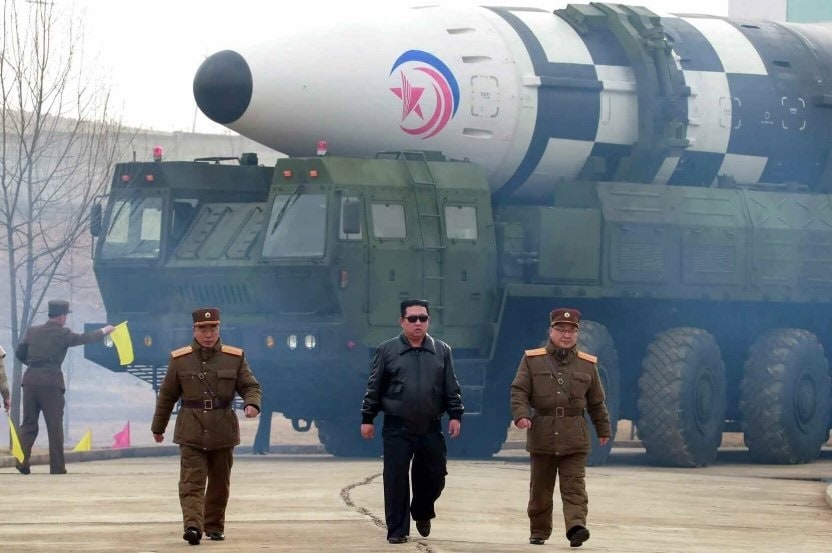
North Korea wheeling out new Hwasong-17 ICBM. Image Credit: Creative Commons.
North Korean forward commanders facing the combined might of the U.S. and South Korean militaries would quickly lose contact with their superiors, especially elites in Pyongyang. Targeting communication to disconcert and disorganize opponents has long been a staple of U.S. strategy. If frontline North Korean commanders had no nuclear-use privileges of their own, it is hard to imagine they could use their nuclear artillery in a tactically fluid and responsive way. They would likely lose communication with supreme leader Kim Jong Un fairly quickly during a war.
In short, if Kim wants his units to fight with small nuclear weapons to resist allied might, he needs to delegate release authority to those units’ leaders. This has obvious risks:
It could lead to unintended use, if a local commander deploys too early or otherwise uses nukes in a situation in which the national leadership would not have done the same.
Nuclear-release delegation could also signal political power-sharing with the North Korean military, given the symbolic importance of nuclear weapons in North Korea.
Finally, nuclear-enabled commanders might be tempted to sell or proliferate. North Korea is very poor and very corrupt. Frontline unit commanders without the privileges and favors of the regime’s Pyongyang-based elite might look for a quick payday.
Conclusion
There is no obvious exit from this dilemma. The demands and paranoias of autocracy encourage assertive control, and indeed North Korean nuclear law states that only Kim has the authority to release nuclear weapons. Delegating to his generals, or worse, frontline commanders, could generate all sorts of unintended political effects.
But assertive autocracy is incompatible with the flexibility the military would need to actually use these weapons effectively. North Korea is badly outgunned conventionally. Using tactical nukes is its best chance to level the highly unbalanced conventional playing field and, thus, survive a war long enough to coerce adversaries into peace. If warfighting is to work, Kim must delegate.
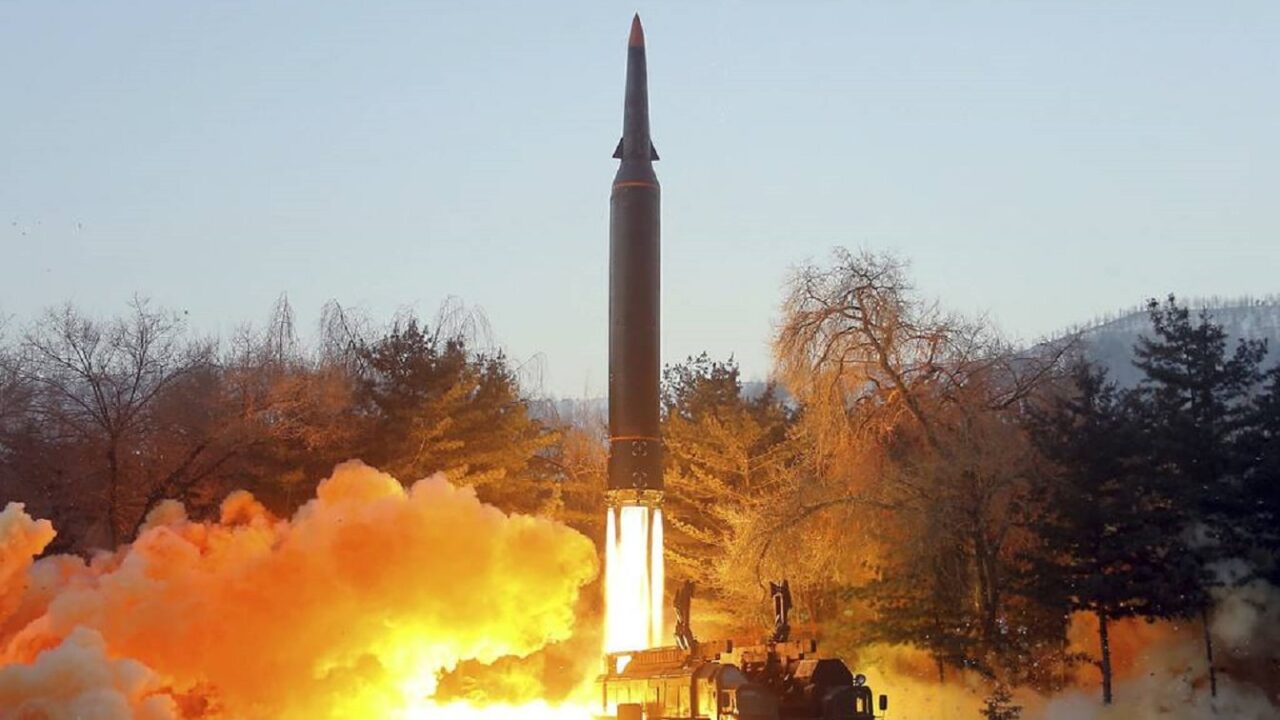
North Korean Missile Launch. Image Credit: Creative Commons.
North Korea has given no indication how it would resolve this dilemma in practice. But if it builds more and more battlefield nuclear weapons, as it threatens to do, it must resolve it somehow.
Author: Dr. Robert Kelly, Pusan National University
Dr. Robert E. Kelly is a professor of international relations in the Department of Political Science and Diplomacy at Pusan National University in South Korea. His research interests focus on Security in Northeast Asia, U.S. foreign policy, and international financial institutions. He has written for outlets including Foreign Affairs, the European Journal of International Relations, and the Economist, and he has spoken on television news services such as the BBC and CCTV. His personal website/blog is here; his Twitter page is here.