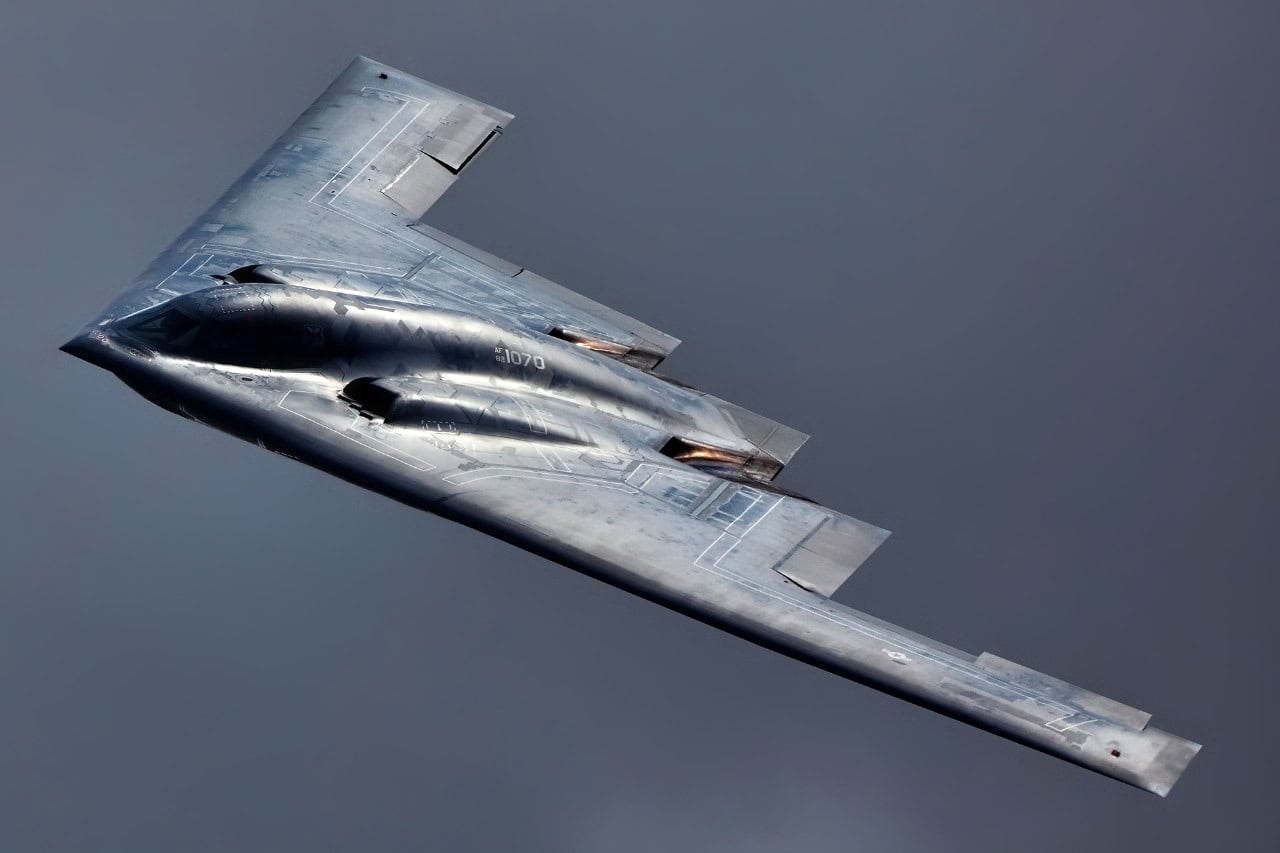
Synopsis: The Xi’an H-20 stealth bomber remains a strategic paradox in 2026: a high-priority threat that has yet to achieve operational reality.
-While its flying-wing design mirrors the B-21 Raider, the H-20 faces significant engineering hurdles in engine performance and broadband stealth.
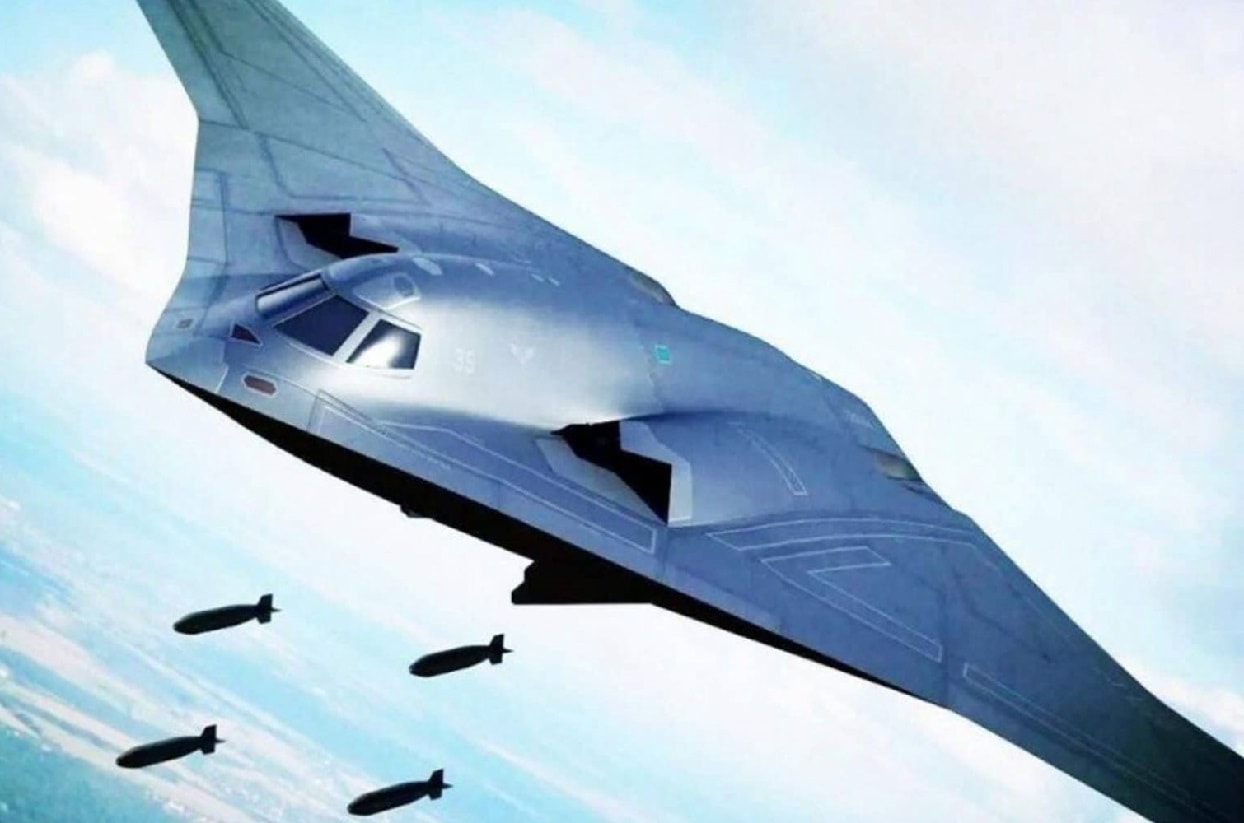
H-20 Artist Render. Image: Chinese Weibo.
-General Stephen Davis of Air Force Global Strike Command recently characterized the PLAAF as a “regional bomber force,” noting that while China seeks to mimic U.S. long-range capabilities, it is “just not there yet.”
-However, its projected 8,500km range and nuclear-capable cruise missiles pose a looming risk to Guam and Hawaii once China’s high-optempo production begins.
Why China’s H-20 Stealth Bomber is Taking So Long to Reach the Runway
China’s new H-20 stealth bomber can be understood as a clear paradox: it is both concerning and mysterious, unclear, and simply not here yet.
Why is the People’s Liberation Army Air Force (PLAAF) bomber taking so long to arrive?
There are many potential explanations at either end of the spectrum, because the delay could signal developmental and technological challenges, or, conversely, indicate that the platform is incorporating new generations of complex, highly advanced stealth technology. There may be elements of each of these possibilities.
Yet a senior U.S. Air Force Commander was clear in describing China as having a regional bomber force, not comparable to U.S. long-range strike capability.
“What I can tell you is they’re just not there yet,” Air Force Global Strike Command Command Gen. Stephen Davis told TWZ in a recent interview. “I think our adversaries look at our long-range strike capabilities, and … want to mimic them, but they can’t.”
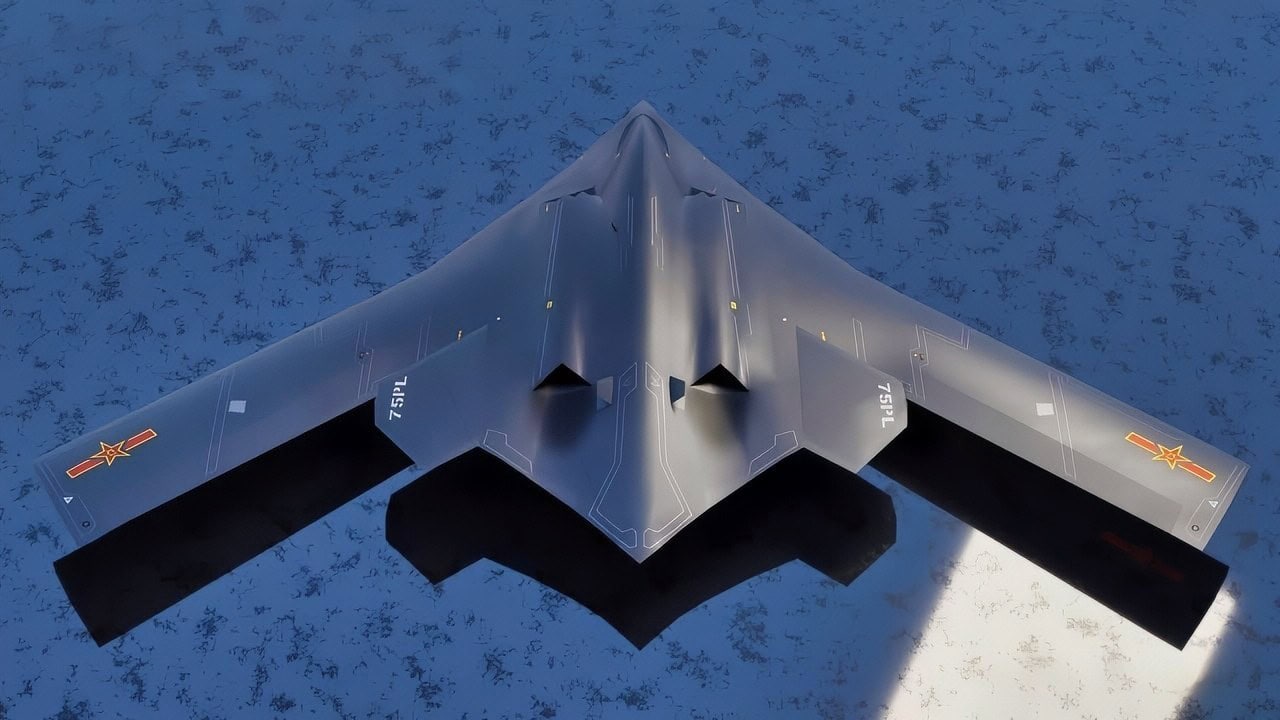
H-20 Bomber YouTube Screenshot Artist Rendering
H-20 vs. B-21
The emerging, yet mysterious, Chinese H-20 stealth bomber is very much on the Pentagon’s radar, as it is expected to arrive within a few years as a rival to the US B-21 and bring unprecedented range and nuclear-capable, high-altitude broadband stealth to the global threat equation.
Very little is known about the H-20, and there have been few publicly available renderings. While the platform appears quite stealthy to the observer’s eye, top Pentagon weapons experts may be concerned about the People’s Liberation Army Air Force’s production capacity and anticipated fleet size as they pertain to the H-20.
The Pentagon’s annual military report on China has consistently cited an H-20 threat, stating as far back as 2018 that the H-20’s 8,500km range armed with 2,000 km range CJ-20 ALCMs can “expand long-range offensive bomber capability beyond the second island chain,” placing areas such as Guam, Hawaii, and the US at risk.
The risk with the H-20 is not merely the prospect of a single bomber and its potential to elude even the most advanced air defenses, but also the idea of “massing” a stealth bombing attack force at scale. A formation of large numbers of networked H-20s could blanket large areas with the threat of cruise missiles and nuclear attack.
If the bomb-carrying capacity of the aircraft is anything like the B-2, it will be capable of traveling with a large, deadly arsenal of weapons, including nuclear bombs.
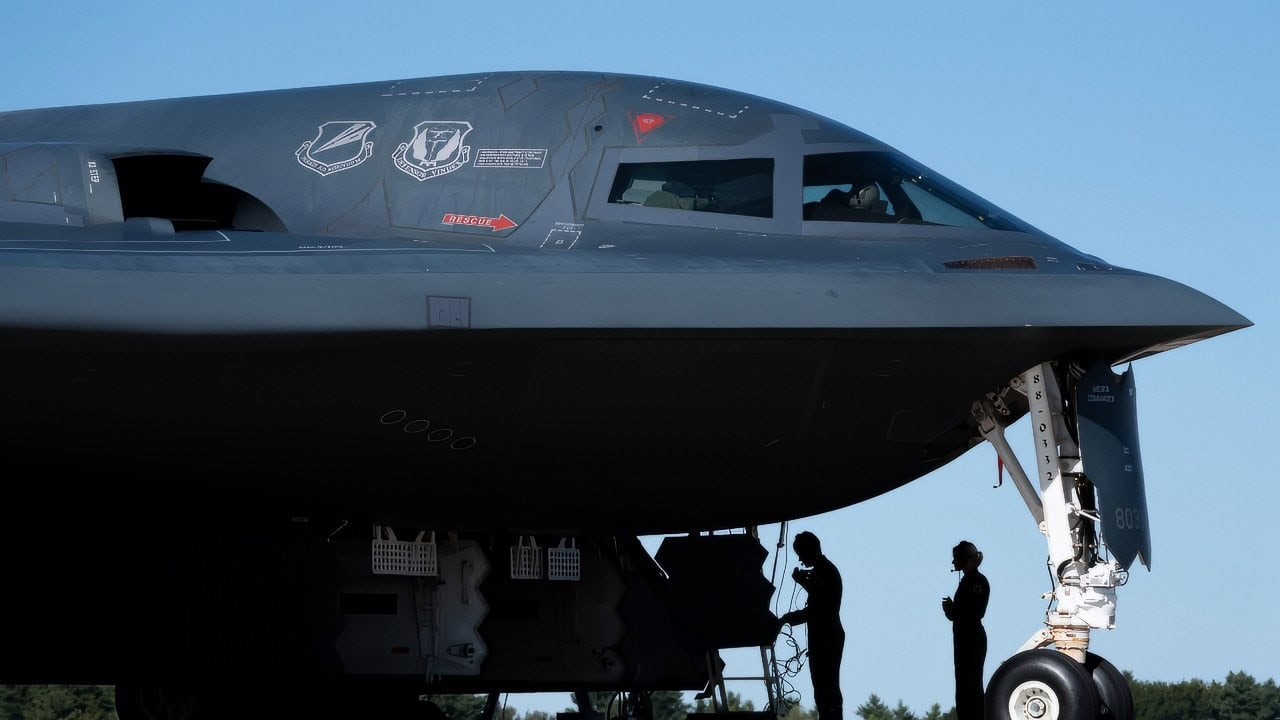
A U.S. Air Force pilots assigned to the 393rd Bomb Squadron prepare a B-2 Spirit aircraft for hot-pit refueling at Pease Air National Guard Base, New Hampshire, Sept. 20, 2025. The aircraft is the first operated by the 509th Bomb Wing to land at Pease ANGB, formerly Pease Air Force Base, since the 509 BW, formerly 509th Bombardment Wing, was stationed at Pease AFB and the active-duty base closed nearly 35 years ago. The lineage of the 509th BW traces back to the World War II Era when the 509th Composite Group dropped the atomic bombs on Japan. (U.S. Air Force photo by Staff Sgt. Joshua Hastings)
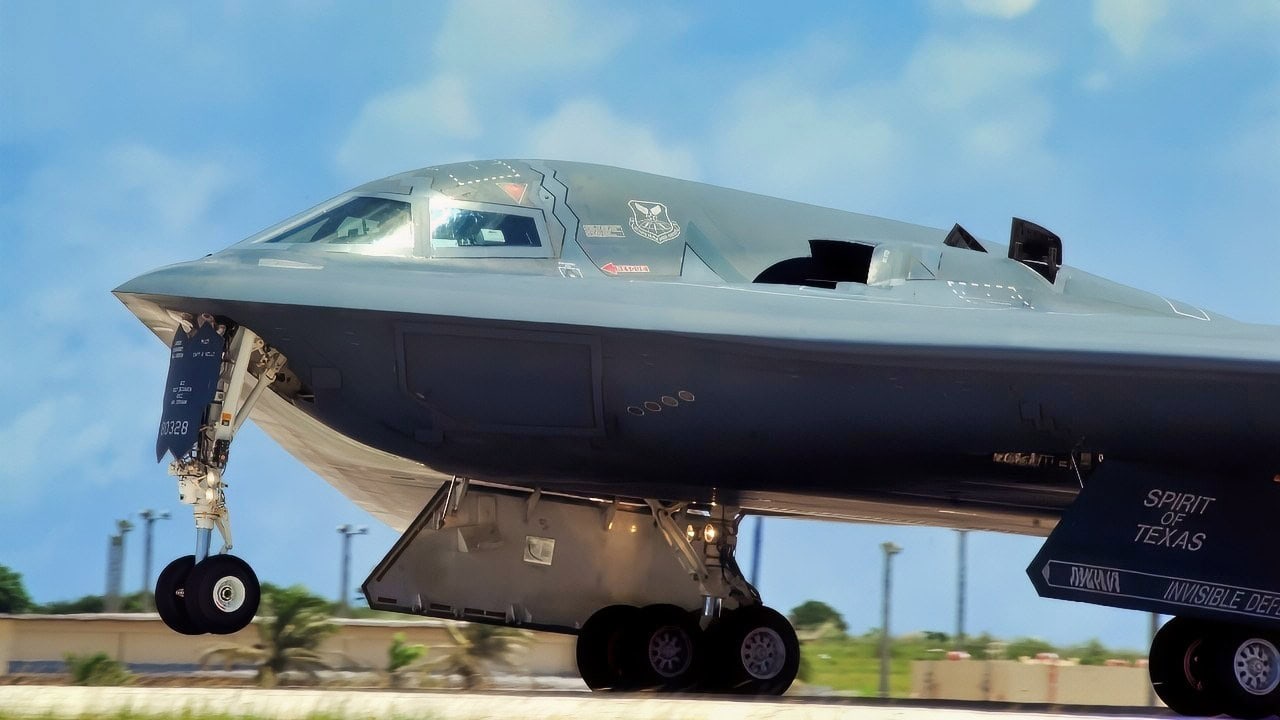
A U.S. Air Force B -2 Spirit aircraft deployed from Whiteman Air Force Base, Mo., launches from the runway at Andersen Air Force Base, Guam, Aug. 12, 2016. With its subsonic speeds and its nearly 7,000 mile unrefueled range, the B-2 Spirit is capable of bringing massive firepower, in a short time, anywhere on the globe through the most challenging defenses. (U.S. Air force photo by Senior Airman Jovan Banks)
H-20 Nuclear Threat
Therefore, beyond the mere question of range and global reach, the H-20 could pose a very serious “nuclear-mass” threat should the PLA be able to field a substantial bomber force in the coming years. What if China could potentially deploy a fleet of at least 50 H-20 bombers capable of collectively attacking with hundreds of nuclear warheads?
There is also the question of whether the H-20 could deploy with the ability to fire hypersonic weapons from the air, as the PLA AF has already deployed an air-launched variant of its YJ-21 on an H-6K bomber.
A key question regarding the H-20, therefore, is the extent to which its computing, sensing, fire control, and stealth capabilities can rival those of the US B-21.
There may not be a clear answer, yet a stealthy external configuration does not immediately suggest the platform has advanced computing, sensing, thermal management, or weapons integration sufficient to present a credible challenge to the US and to defeat US air defenses, and to be a comparable strategic threat to the US B-21.
PLA AF Bomber Construction
Overall, however, very little is known about the specifics of the B-21, naturally, for security reasons.
Yet, Pentagon leaders discuss it as a platform capable of operating as a “sky” node command-and-control system, able to receive, analyze, and transmit time-sensitive combat data from the air across domains while controlling drones from the cockpit.
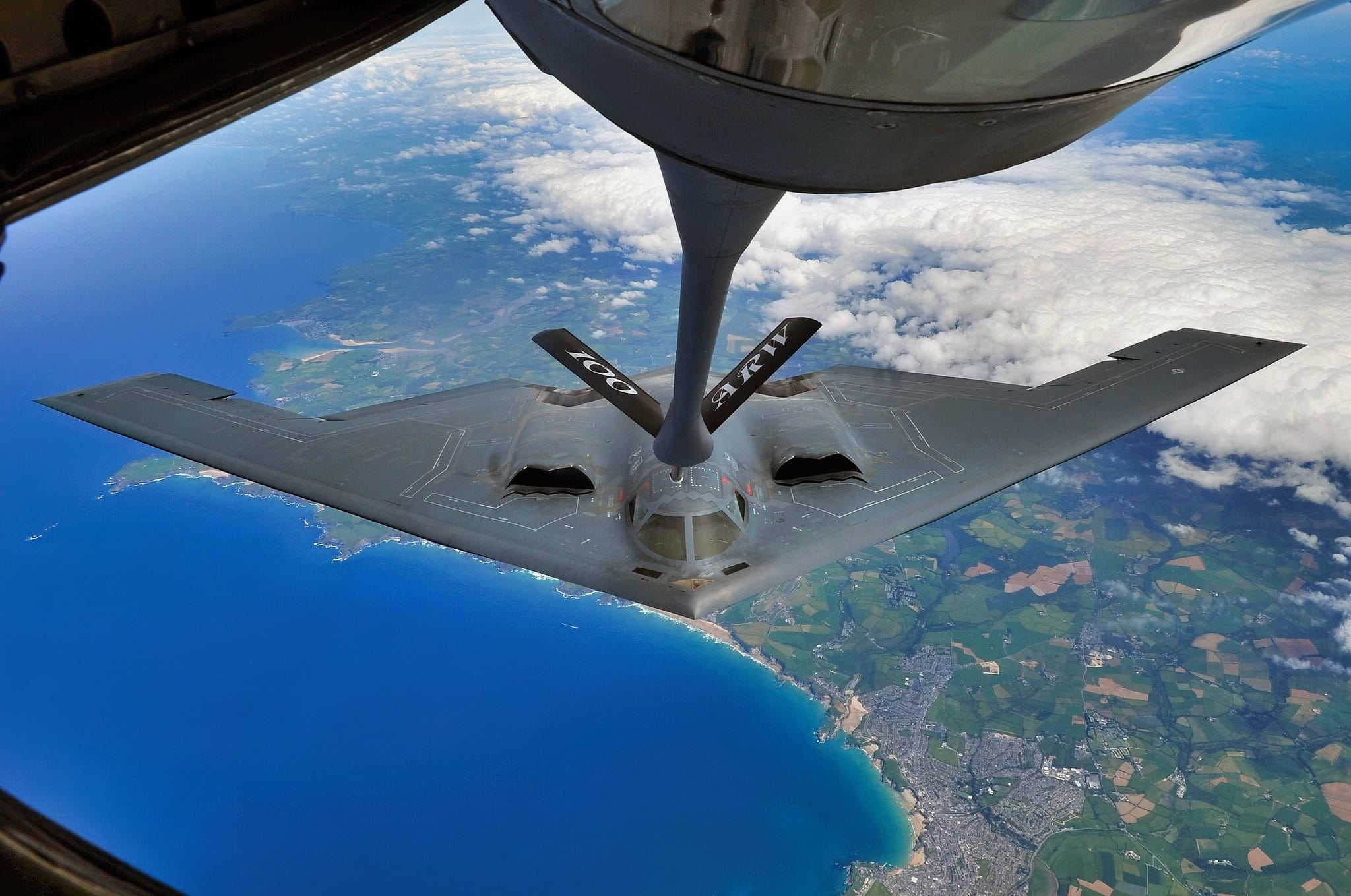
B-2 Bomber. Image Credit: Creative Commons.
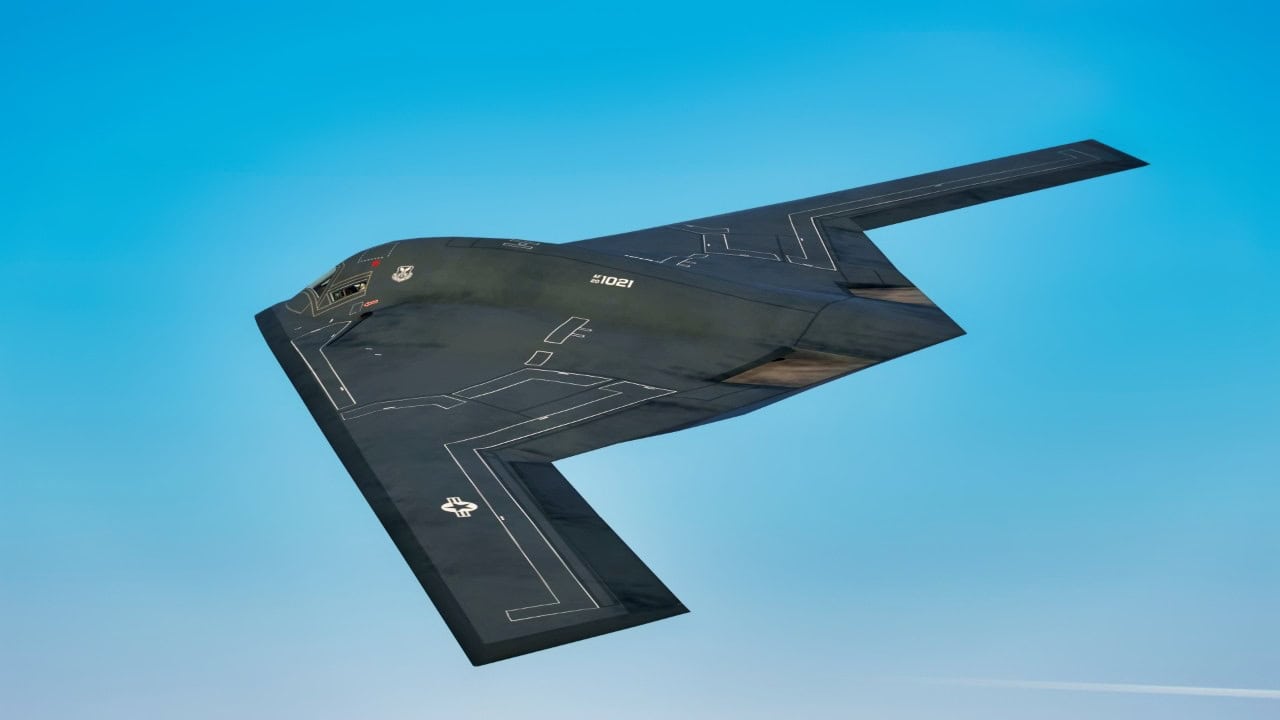
B-21 Raider Artist Rendering.
Few specifics are available, yet the now-airborne B-21 is understood to incorporate paradigm-shifting levels of new stealth technology.
Therefore, while the H-20 may appear similar to a stealthy B-2 or B-21 in terms of external configuration based on available public images, there does not seem to be a clear answer regarding the full extent of the threat.
Nonetheless, leading researchers explain that the PLAAF’s civil-military fusion is well known for its high-optempo production capacity and its ability to “mass” an air-nuclear attack, which the Pentagon is likely taking quite seriously.
About the Author: Kris Osborn
Kris Osborn is the President of Warrior Maven – Center for Military Modernization. Osborn previously served at the Pentagon as a highly qualified expert in the Office of the Assistant Secretary of the Army—Acquisition, Logistics & Technology. Osborn has also worked as an anchor and on-air military specialist at national TV networks. He has appeared as a guest military expert on Fox News, MSNBC, The Military Channel, and The History Channel. He also has a Masters Degree in Comparative Literature from Columbia University.