
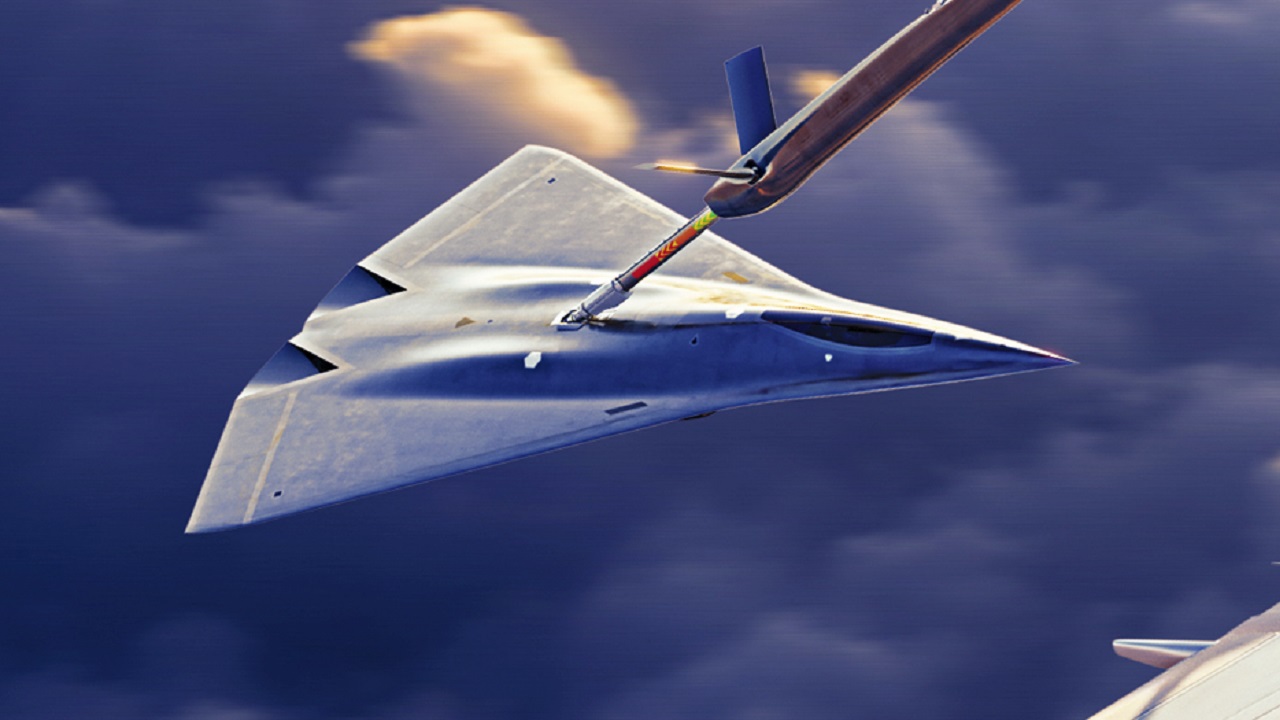
Can the U.S. Air Force Afford Sixth-Generation F-47 NGAD?
The F-47 NGAD will eventually be produced, and it will be an impressive aircraft. Featuring ultra-stealth coatings and a top speed of MACH 3, this sixth-generation fighter jet has pilots excited.
The F-47 could also operate its own “Loyal Wingman” drone. It will likely launch hypersonic missiles, and the president’s marquee project has in-flight excellence written all over it. The F-47 is needed to keep pace with China’s sixth-generation aircraft already in service.
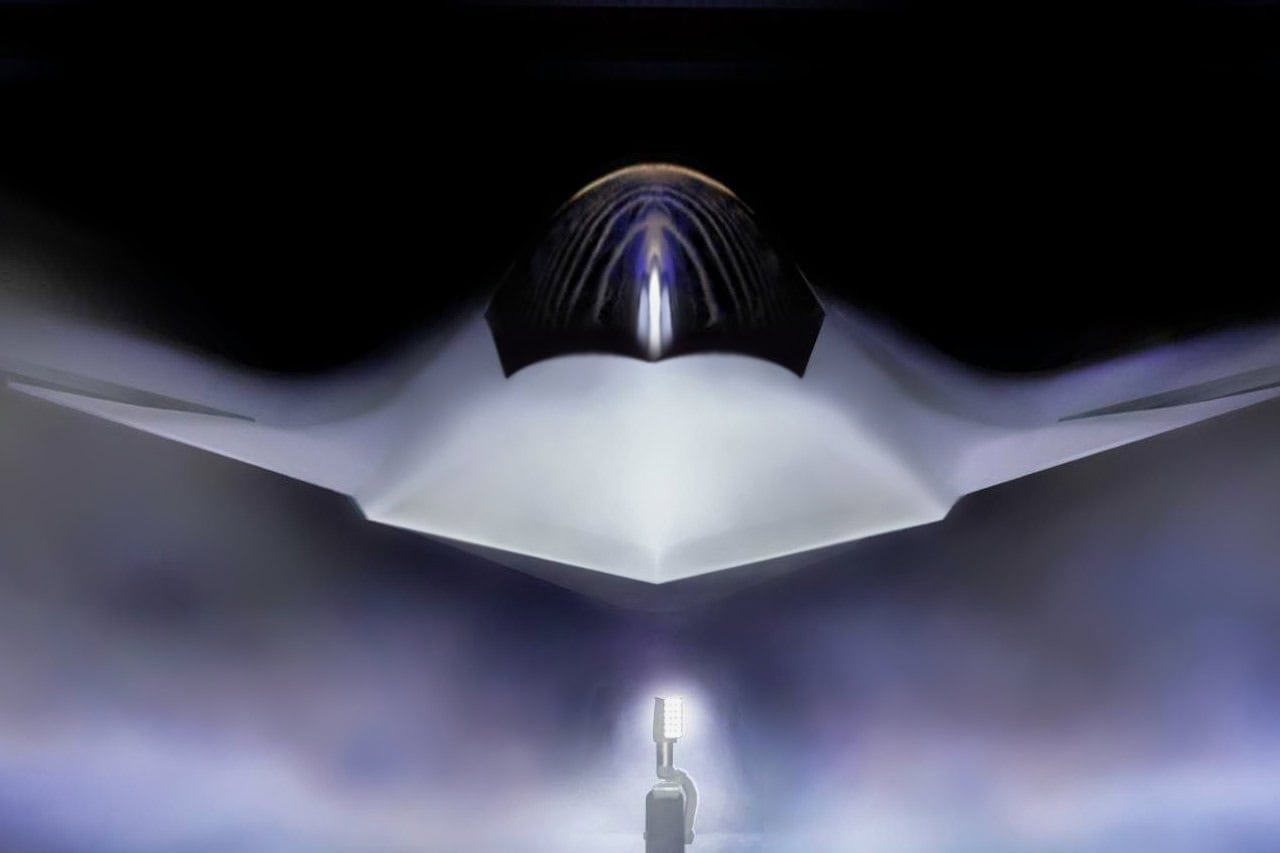
Shown is a graphical artist rendering of the Next Generation Air Dominance (NGAD) Platform. The rendering highlights the Air Force’s sixth-generation fighter, the F-47. The NGAD Platform will bring lethal, next-generation technologies to ensure air superiority for the Joint Force in any conflict. (U.S. Air Force graphic)
The Numbers Don’t Look Good
There is a troublesome problem, though. This incredible warbird could cost as much as $300 million each. Supporters of the F-47 NGAD expect that the Air Force will buy 185 to 200 new jets.
That could add up to $60 billion. Some have even estimated that 300 new F-47s would be needed. Even with Trump’s new $1.5 trillion defense budget, it remains a hefty price tag.
Legislators on Capitol Hill May Balk
The NGAD might not grace the skies until next year at the earliest. This budgeting issue could lead Members of Congress to be cautious about the cost. The legislators recall the challenges faced with the F-35 Joint Strike Fighter program, which experienced disastrous cost overruns and schedule delays.
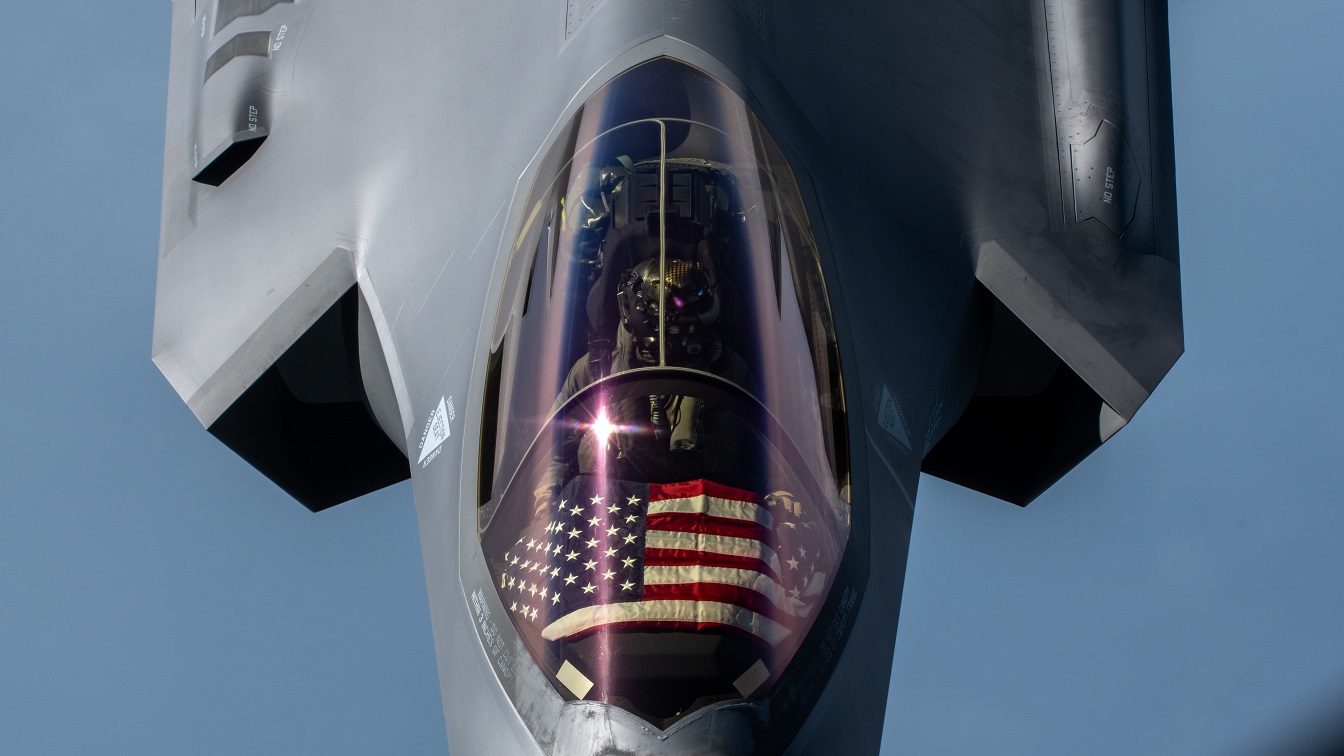
An F-35A Lightning II from the 354th Fighter Wing, Eielson Air Force Base, Alaska, flies behind a KC-135 Stratotanker assigned to the 117th Air Refueling Squadron, Forbes Field Air National Guard Base, Kansas, over the Indo-Pacific, March 10, 2022. Aircrews routinely fly missions aimed at sharpening the necessary skills needed to respond to emerging situations at a moment’s notice. (U.S. Air Force photo by Airman 1st Class Yosselin Perla)
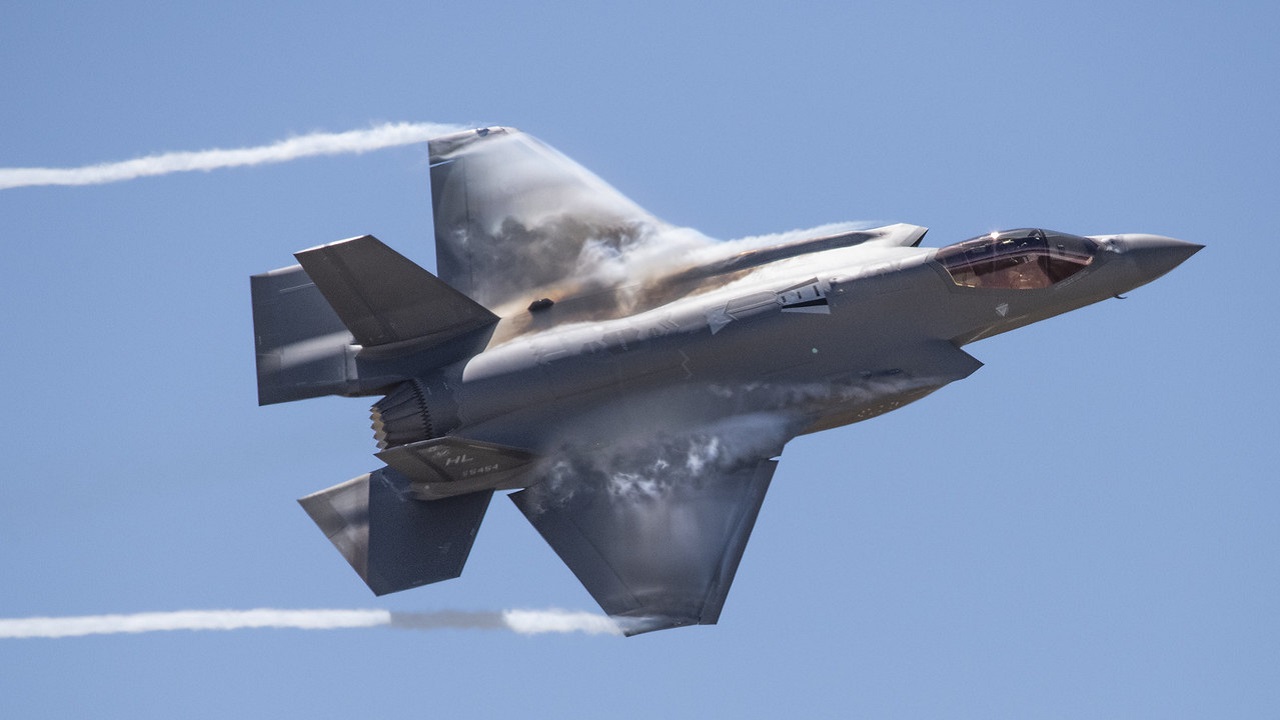
U.S. Air Force Maj. Kristin Wolfe, F-35A Lightning II Demonstration Team commander and pilot, showcases the unique aerial capabilities of the USAFs most advanced 5th generation multi-role stealth fighter, the F-35A, during Wings Over Solano at Travis Air Force Base, California, May 15, 2022. The Wings Over Solano open house and air show provided an opportunity for the local community to interact directly with the base and its Airmen and see capabilities on full display at Travis AFB. (U.S. Air Force photo by Heide Couch)
The U.S. Navy Says ‘Me Too’
To complicate matters, the U.S. Navy also wants a sixth-generation fighter. The F/A-XX is planned to replace the non-stealthy F/A-18 E/F Super Hornet. Having a new stealth fighter alongside the current F-35C would be welcomed by the Navy. The Department of Defense needs to prioritize the two sixth-generation fighter programs and consider whether both next-generation jets can be developed simultaneously.
The War in Iran’s Cost Is Multiplying
The U.S. military is also engaged in an expensive war against Iran. The think tank CSIS estimates the war set the nation back $11.5 billion after the first six days of the conflict and $16.5 billion by day 12.
Trump’s New Defense Budget Could Break the Bank
Moreover, the new Trump budget is 44 percent larger than his previous request. This will be the biggest spending increase in 75 years. In 1981, at the start of the Reagan defense buildup, the defense budget increased by only 21 percent.
Let’s not get too alarmed, as this is just a budgetary starting point. Congress will decide on spending through its annual National Defense Authorization Act and various military appropriations committees. There could be budget cuts. However, it seems certain that the United States will spend over a trillion dollars on defense in the next fiscal year.
Boeing Must Cut Costs
Boeing, the prime contractor for the F-47, believes it can reduce costs through careful planning and foresight. It created a “digital twin” of the warbird in its winning proposal. This allowed the Air Force to visualize many systems before they were added to the final airframe design. This is a good way for Boeing to foster a culture of cost-cutting on the NGAD.
Innovation and Creativity Require a Pretty Penny
The problem, however, remains one of ambition and features that could still increase the cost. The new stealth coatings that will maximize radar evasion have not yet been produced. The Loyal Wingman drone is being tested successfully, but this adds to the expense. MACH 3 speed will require expensive new engines with unprecedented thrust. Hypersonic weapons will also be difficult to integrate.
The beauty of the F-47 is combining those features into an airplane that will be nearly invisible, assuredly lethal, and completely dominant. But the jet will cost mega-dollars. No one wants to remove features, but the $300 million per-unit price tag is prohibitive.
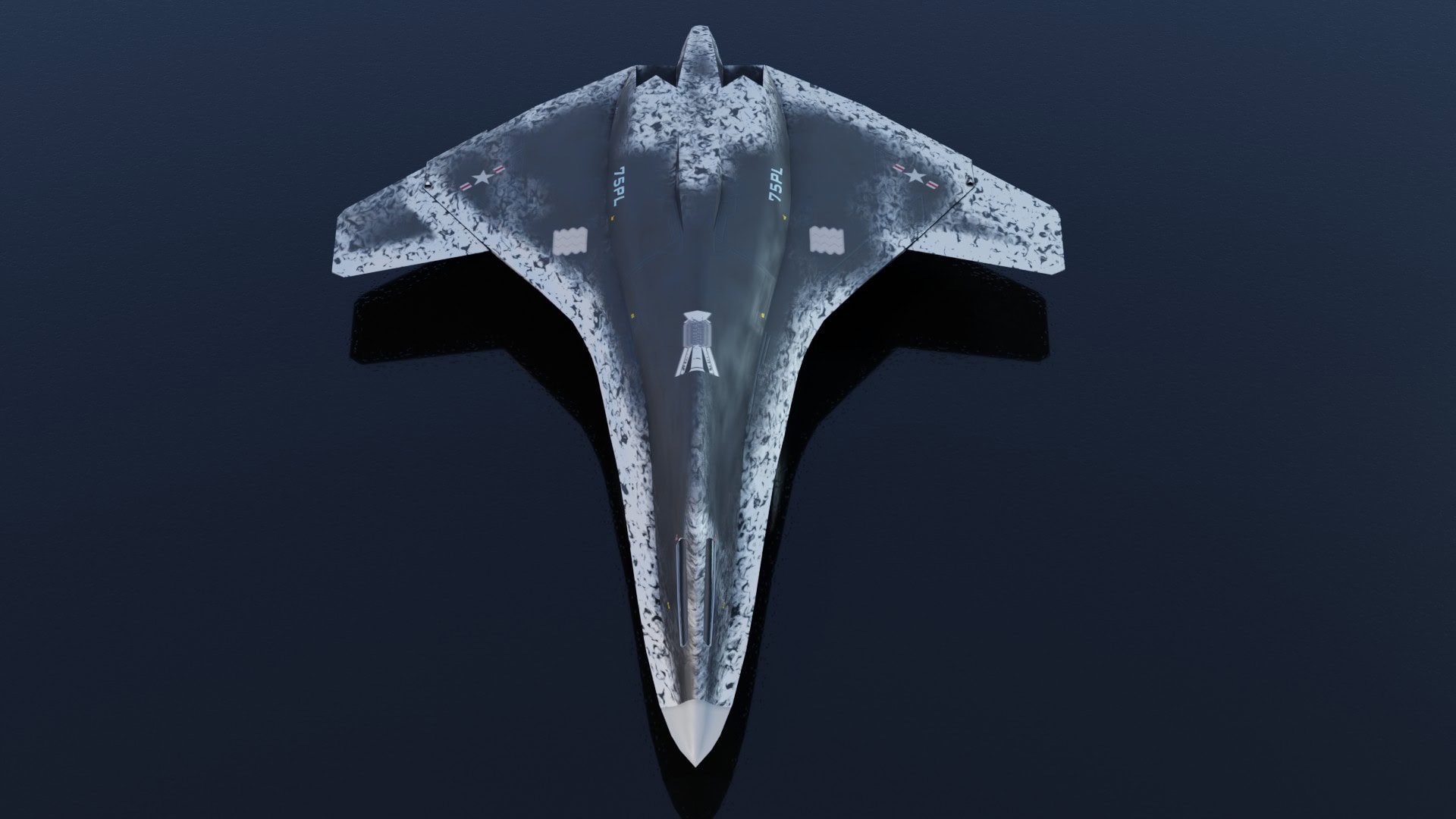
NGAD Fighter Mock Up. Image Credit: Creative Commons.
Can Boeing Keep the Spending Down?
Let’s give Boeing a chance to reduce costs before canceling the F-47. Its efforts so far have been impressive. “Boeing’s design was built on years of X-plane testing sponsored by DARPA. These experimental aircraft, which explored adaptive engines, advanced stealth materials, and AI-driven flight control, paved the way for the NGAD platform. That gave Boeing a measurable lead in readiness,” according to Simple Flying.
Will There Be Bipartisan Support for the F-47?
I’m an F-47 enthusiast, but I also recognize the drawbacks of a costly program that could face inevitable delays. I’m also wary of partisan politics. Democrats might not support any military project linked to the 47th president. This program will need bipartisan backing, which is not easy to secure.
Two Sixth-Generation Fighter Programs May Not Be Possible
Then there is the F/A-XX for the Navy to consider. Can the United States build both aircraft simultaneously? They would need to share features like stealth coatings and engines. This could be a way to overcome the financial challenge of spending around $100 billion on both airplane programs while running them concurrently.
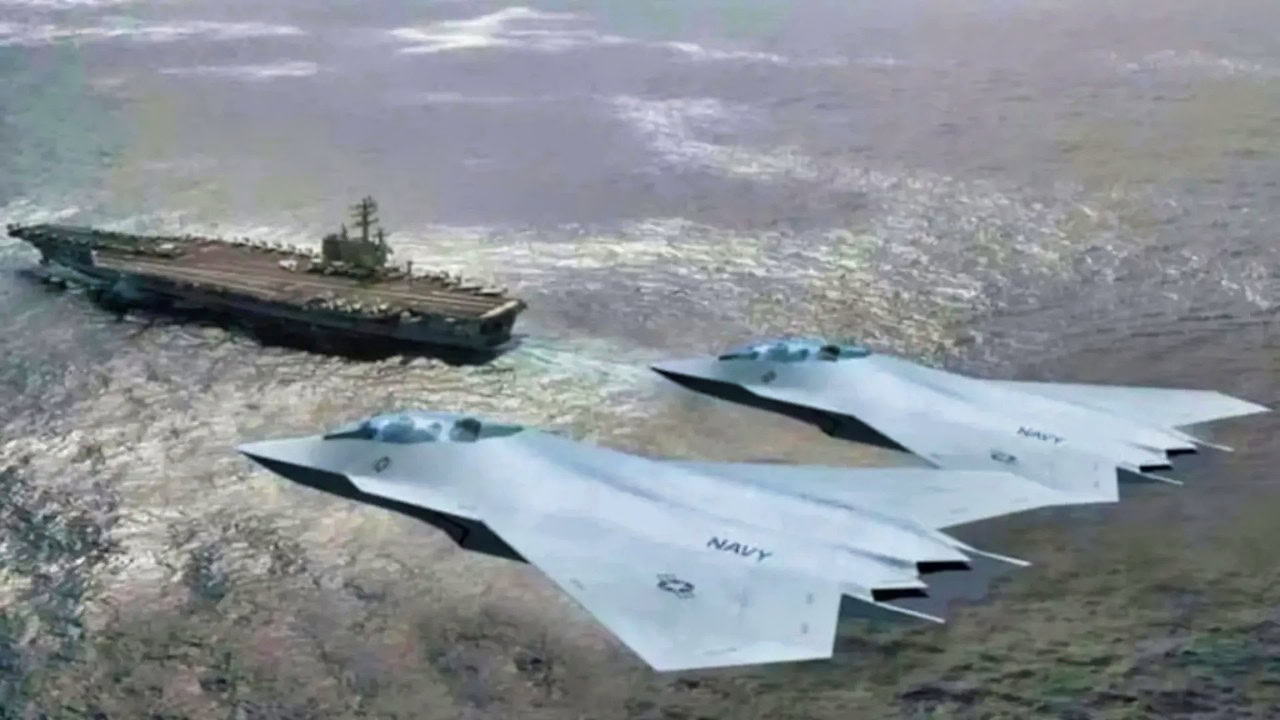
F/A-XX Fighter for US Navy. Navy graphic mockup.
Keep Your Eyes Wide Open
We’ll have to evaluate the F-47 year by year and have Congressional and government watchdogs keep the F-47 on a short leash. Any signs of delay or cost increases will need to be scrutinized. Boeing has its hands full, and the defense contractor must find ways to lower prices.
Three hundred million dollars is too much for the airplane, and if some features need to be cut and shared with the F/A-XX, then that might be the prudent path forward.
The NGAD is urgently needed. China has advanced rapidly in the development of sixth-generation aircraft. The People’s Republic also possesses three aircraft carriers to project power over its neighbors and challenge the United States in the Indo-Pacific.
The F-22 Raptor needs to be replaced, and the F-35 could benefit from a stealthy partner to maintain air superiority.
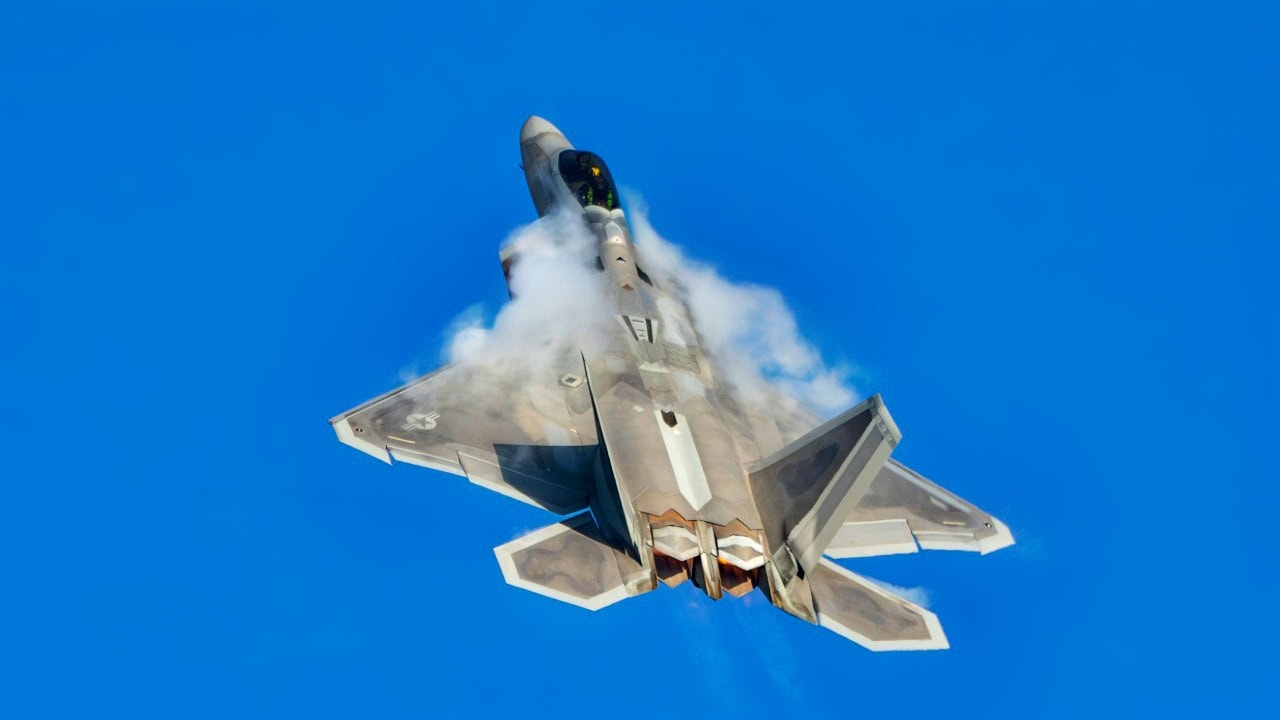
A U.S. Air Force F-22 Raptor, assigned to the F-22 Demonstration Team, executes precision aerial maneuvers during a practice airshow at Hill Air Force Base, Utah, Dec. 5, 2024. The practice session helps ensure the team maintains peak performance and readiness during the off-season. (U.S. Air Force photo by Senior Airman Nicholas Rupiper)
We will monitor the costs of the F-47, along with the government officials in the executive branch and Congress. While the F-47 may be Trump’s baby, it might not progress beyond the toddler stage and could face “teething issues” that threaten to end the program before it reaches full maturity.
About the Author: Dr. Brent M. Eastwood
Author of now over 3,500 articles on defense issues, Brent M. Eastwood, PhD, is the author of Don’t Turn Your Back On the World: A Conservative Foreign Policy and Humans, Machines, and Data: Future Trends in Warfare, plus two other books. Brent was the founder and CEO of a tech firm that used artificial intelligence to predict world events. He served as a legislative fellow for U.S. Senator Tim Scott and advised the senator on defense and foreign policy issues. He has taught at American University, George Washington University, and George Mason University. Brent is a former U.S. Army Infantry officer. He can be followed on X @BMEastwood.