
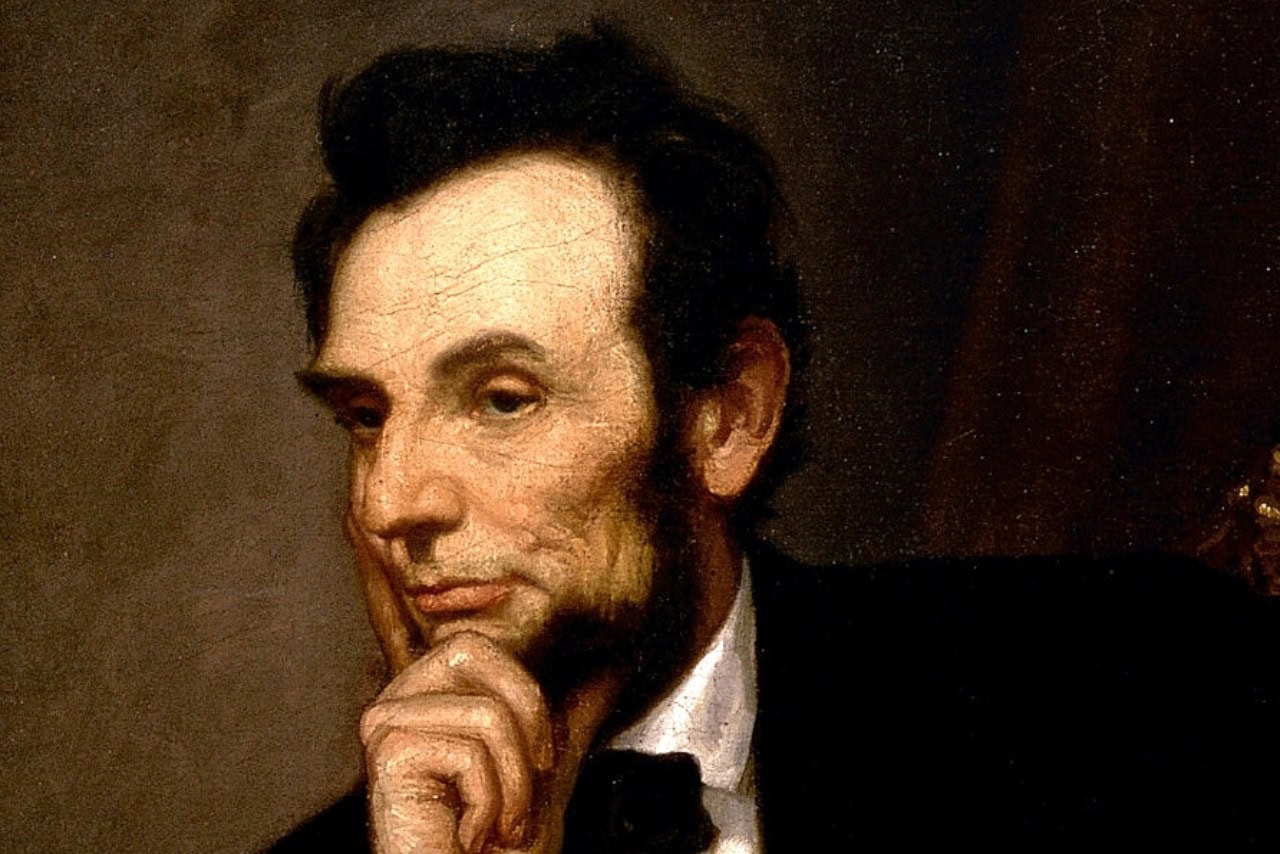
Synopsis: The famous quote, “Nearly all men can stand adversity, but if you want to test a man’s character, give him power,” is widely attributed to Abraham Lincoln, but was actually spoken about him by 19th-century orator Robert G. Ingersoll.
-Ingersoll used the line to praise Lincoln’s mercy while holding absolute power during the Civil War.
“Give Him Power”: The Famous Lincoln Quote He Never Actually Said
Abraham Lincoln had a lot of well-known quotes. Some of them, including the entire text of the Gettysburg Address, are even etched on the walls of the Lincoln Memorial on the National Mall in Washington.
Another quote often attributed to Lincoln was not actually said by him, although it was said about him. The quote, however, has been misattributed to Lincoln as far back as the 1930s.
That quotation is, ”Nearly all men can stand adversity, but if you want to test a man’s character, give him power.”
While numerous places have attributed that quote to the 16th president, a 2016 investigation by Quote Investigator found that he never actually said it. However, it was said about Lincoln by Robert G. Ingersoll in the 1880s.
“Nothing discloses real character like the use of power. It is easy for the weak to be gentle,” the entire statement said. “Most people can bear adversity, but if you wish to know what a man really is give him power. This is the supreme test. It is the glory of Lincoln that, having almost absolute power, he never used it except on the side of mercy. He would never turn a man out of even the smallest office, and leave a stain upon his name, without having given him full and ample hearing. He loved to pardon. He loved to see the tears of joy upon the cheeks of a wife whose husband he had rescued from death.”
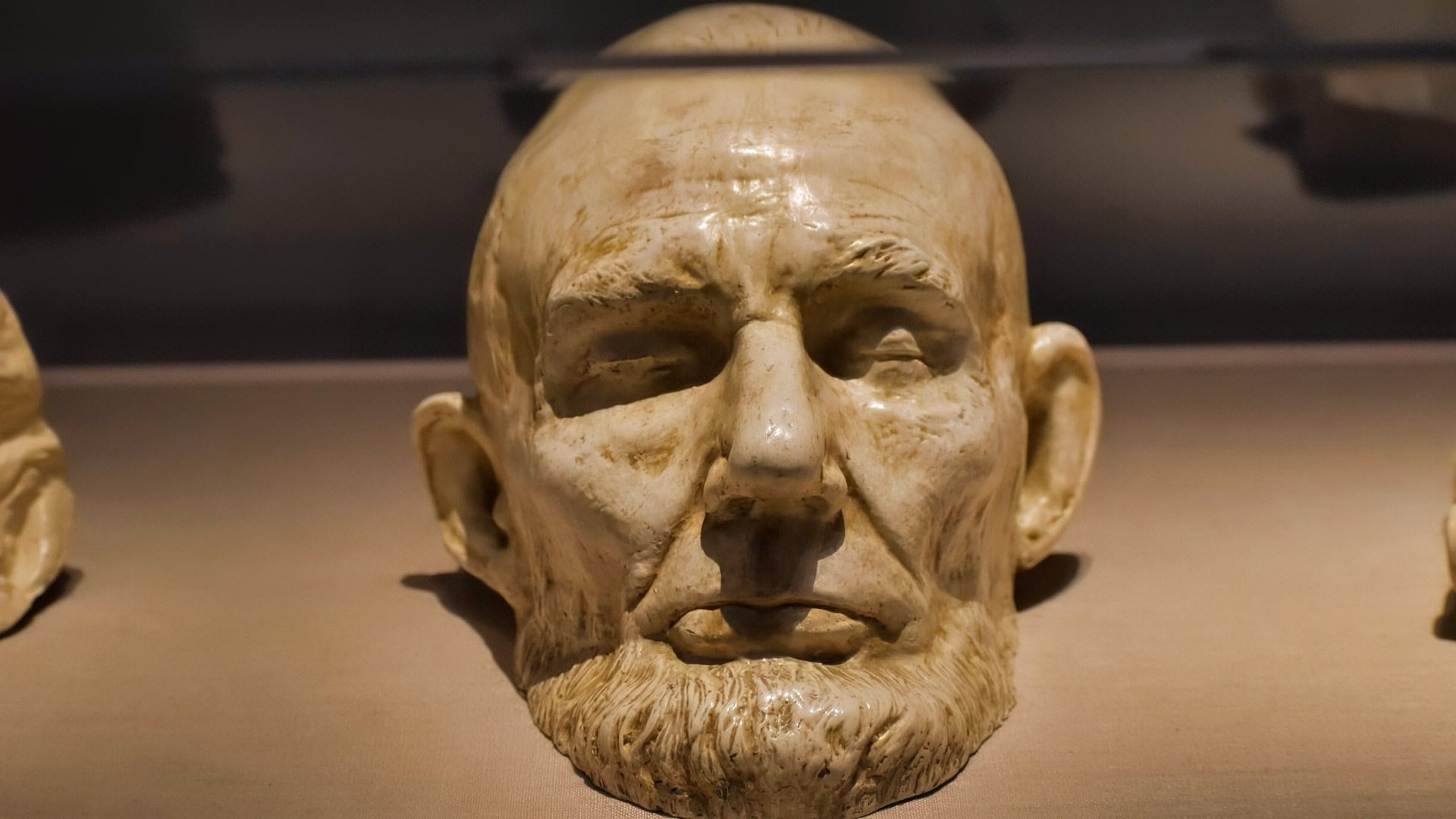
Abraham Lincoln Mask from National Portrait Gallery. Image Credit: 19FortyFive.com/Dr. Brent M. Eastwood.
QI believes Ingersoll excerpted that writing from a longer speech or other statement that he had given at other times. And the quote would circulate throughout the 20th century, and into the 21st, often misattributed to its subject.
Lincoln’s Use of Power
When it comes to the consideration of Abraham Lincoln and his use of presidential power, historians often focus on his actions during the Civil War.
And most notably, of course, he was the president who freed the slaves.
“The war brought the issue of emancipation to the forefront, but Lincoln postponed executive action until he felt he had clear authority. Congress passed legislation in July 1862, and after months of working with his cabinet, on January 1, 1863, Lincoln issued the Emancipation Proclamation,” the Library of Congress biography of Lincoln states.
Cannon Firing. Image Credit: Creative Commons.
“The Proclamation declared ‘all persons held as slaves within any State or designated part of a State, the people whereof shall then be in rebellion against the United States, shall be then, thenceforward, and forever free.’ The Emancipation Proclamation did not end slavery, but it did change the basic character of the Civil War. The North was now fighting to create a new Union without slavery.”
More controversial, however, was Lincoln’s suspension of habeas corpus, which was signed into law in 1863 as the Habeas Corpus Suspension Act. Lincoln, in 1861, had moved to suspend habeas corpus in the territory between Washington, D.C., and Philadelphia, later extending it northward to New York. The act of Congress was passed in 1863, with the provision that it would continue until the end of the Civil War.
Historians have spent a great deal of time analyzing that action, though one historian suggested that not enough time was devoted to it.
On Habeas
In an article published in the summer 2008 edition of the Journal of the Abraham Lincoln Association, James A. Dueholm looked at “Lincoln’s Suspension of the Writ of Habeas Corpus: An Historical and Constitutional Analysis.”
“In the 143 years since the end of the Civil War, historians have examined Abraham Lincoln and his conduct of the war in great and at times excruciating depth,” Dueholm writes. “Lincoln’s power to suspend the writ of habeas corpus was extensively explored during the Civil War, but since then his suspensions have escaped detailed scrutiny despite the controversy they provoked, their widespread and effective use to combat malignant opposition to the war, and their uncertain grounding in the Constitution.”
Why wasn’t the issue explored more often?
“The crisis Lincoln faced and the stature he has achieved make it easy for historians to justify his actions without examining them,” Dueholm wrote in the 2008 article. “If a president has the power to suspend the writ of habeas corpus, his power exists only in the event of rebellion or invasion, neither of which is likely to occur, so why burden history with musty law? For whatever reasons, there has been no in-depth scholarly analysis of Lincoln’s actions since the Civil War, and little evaluation of that analysis since an 1888 article by S. G. Fisher.”
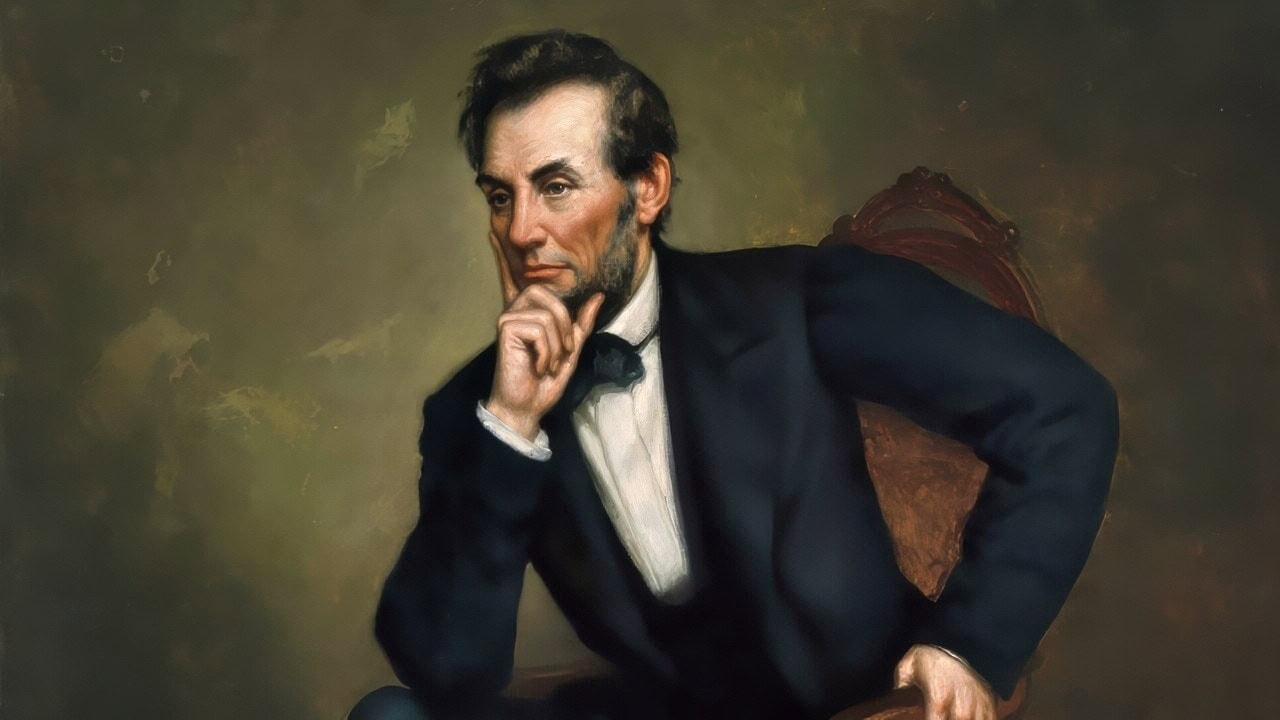
President Abraham Lincoln Painting. Image Credit: Creative Commons.
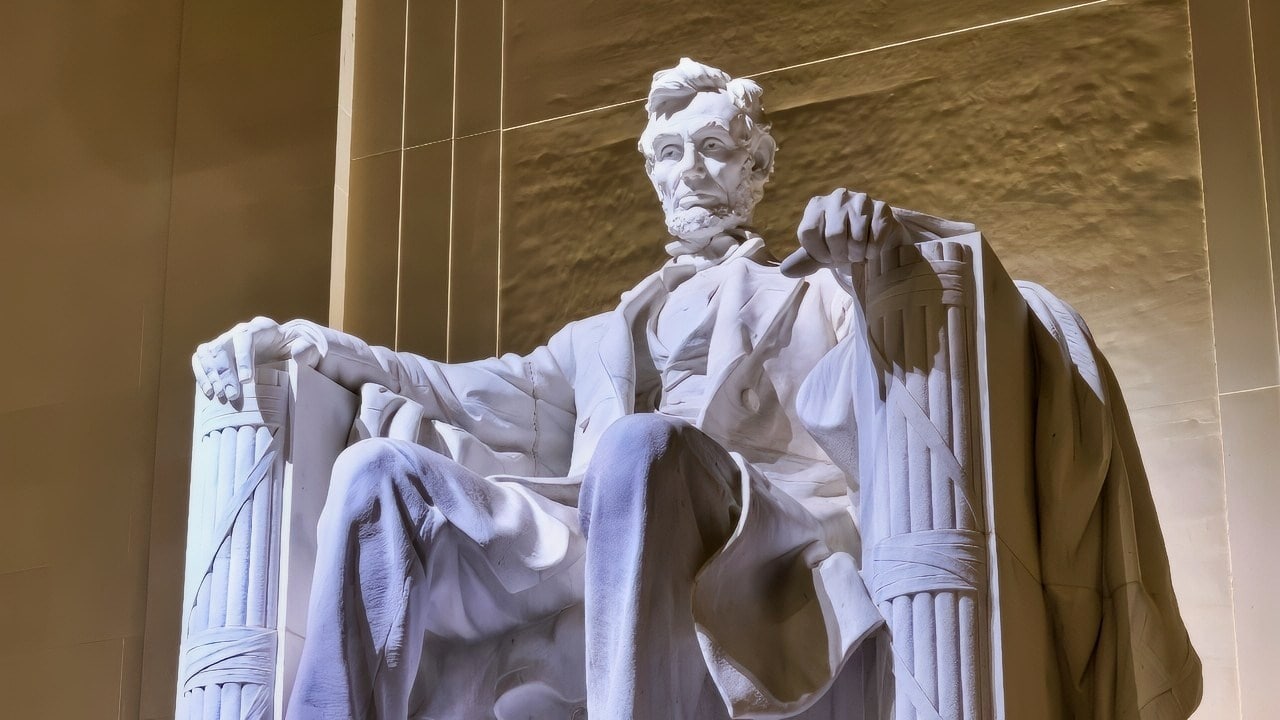
Statue of Abraham Lincoln at the Lincoln Memorial in Washington D.C. on June 12, 2024. The 170-ton statue, sculpted by Daniel Chester French (1850–1931) is located in the Lincoln Memorial on the National Mall. It was carved by the Piccirilli Brothers, assembled in 1920 and unveiled on May 30, 1922.
Why did Lincoln do it?
“Under the Constitution, the federal government can unquestionably suspend the privilege of the writ of habeas corpus if the public safety requires it during times of rebellion or invasion. The issue is whether Congress or the president holds this power,” Dueholm wrote.
“Historical perspective on that issue in the context of the Civil War requires a study of the actions of Congress and the president, Lincoln’s defense of his suspensions of the writ, and presidential and congressional dealings with and reactions to each other. The relationship between Lincoln and Congress, like the power of suspension, has received limited historical attention, with the only extensive treatment a 1907 article by University of Wisconsin professor George Sellery.”
Not the Last President to Do It
Lincoln was the first president to suspend habeas corpus; nearly 140 years later, President George W. Bush did so as well, albeit in a limited fashion, after the 9/11 attacks.
According to a 2015 article called “The Constitutional Legacy of George W. Bush,” written by James P. Pfiffner of George Mason University and published in Presidential Studies Quarterly, an order issued by Bush in November of 2021 provided that enemy combatants would be tried by military commission and that the only appeal they could make would be within the executive branch.” Multiple Supreme Court rulings, however, went against the Bush Administration in those years.
About the Author: Stephen Silver
Stephen Silver is an award-winning journalist, essayist, and film critic, and contributor to the Philadelphia Inquirer, the Jewish Telegraphic Agency, Broad Street Review, and Splice Today. The co-founder of the Philadelphia Film Critics Circle, Stephen lives in suburban Philadelphia with his wife and two sons. For over a decade, Stephen has authored thousands of articles that focus on politics, national security, technology, and the economy. Follow him on X (formerly Twitter) at @StephenSilver, and subscribe to his Substack newsletter.